Home Blog Page 472

S Paramesh Appointed as New Chief of Indian Coast Guard

0

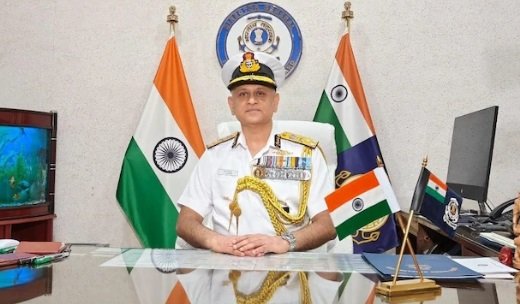
In a significant leadership change, S Paramesh has been appointed as the new Director General of the Indian Coast Guard (ICG), following the untimely passing of Rakesh Pal. This appointment is crucial as the ICG continues to bolster its maritime security capabilities and maintain its vigilance in safeguarding India’s vast maritime interests.

Background of S Paramesh

S Paramesh brings with him over three decades of distinguished service in the Indian Coast Guard, showcasing both his versatility and commitment. His experience spans a broad spectrum of operations, covering both maritime and terrestrial domains, making him a well-rounded leader adept at navigating complex challenges.

Career Achievements

Throughout his career, Paramesh has demonstrated exceptional leadership, particularly through his command of key vessels and in high-ranking positions:

  • Commanding Vessels: Paramesh has successfully commanded several critical Coast Guard vessels, including the Advanced Offshore Patrol Vessel Samar and the Offshore Patrol Vessel Vishwast. His time at the helm of these vessels contributed significantly to the operational readiness of the ICG.
  • Leadership Roles: He has held influential positions within the ICG, such as Deputy Director General for Operations and Coastal Security and Coast Guard Commander for the Eastern Seaboard. In these roles, he played a pivotal part in shaping the ICG’s strategies for coastal defense and operational excellence.
  • Awards and Honors: In recognition of his leadership and service, Paramesh has been awarded the prestigious President’s Tatrakshak Medal and the Tatrakshak Medal, underscoring his contributions to national security and maritime safety.

Educational Qualifications

Paramesh’s academic credentials further reinforce his preparedness for this leadership role:

  • He is an alumnus of the National Defence College, New Delhi, an institution renowned for grooming senior military officers in strategic defense studies.
  • He also graduated from the Defence Services Staff College in Wellington, where he developed advanced skills in operational planning and military leadership.

Significance of the Appointment

Paramesh’s appointment as Director General comes at a time when the ICG is focusing on increasing its operational effectiveness and enhancing maritime security. His extensive experience and leadership acumen are expected to ensure the continuity of strong leadership, especially in the wake of Rakesh Pal’s impactful tenure. Paramesh’s strategic insights are poised to further fortify India’s maritime defenses, particularly in an era of increasing geopolitical tension in the region.

About the Indian Coast Guard

Established in 1978, the Indian Coast Guard operates under the Ministry of Defence and is responsible for a wide range of critical tasks, including ensuring maritime safety, combating pollution, and conducting search and rescue missions. The ICG is divided into five regions—Northwest, Western, Eastern, Southwest, and Andaman & Nicobar—and boasts a fleet of over 150 ships and 62 aircraft. The organization also collaborates with international partners to enhance coastal security and plays a key role in disaster response efforts. Every year, the Coast Guard celebrates Coast Guard Day on February 1, honoring its contributions to national security and coastal management.

As S Paramesh takes charge, the ICG looks forward to continuing its legacy of excellence, ensuring the safety and security of India’s maritime domain under his able leadership.
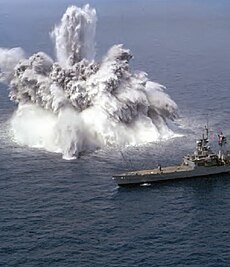

Underwater Nuclear Explosions: The Power and Perils of Underwater Nukes

0

Vaidehi Bhargava

An underwater nuclear explosion, often referred to as an underwater nuke, involves the detonation of a nuclear device beneath the surface of the water. These types of explosions have been tested by several nations, primarily for military purposes, and have shown to cause massive destruction. They differ significantly from nuclear explosions in the air or on land due to the unique properties of water, which amplify certain effects while mitigating others.

When a nuclear weapon is detonated underwater, it creates a powerful shock wave that travels through the water at a much faster speed than through the air. Water is nearly 800 times denser than air, so the shock waves from the explosion are transmitted more efficiently and can cause catastrophic damage to nearby objects, such as ships, submarines, or coastal installations. The destructive force can travel great distances, sinking vessels or causing structural damage to submarines and even shoreline buildings.

Another significant effect of underwater nuclear detonations is the water plume. The force of the explosion displaces a massive volume of water, sending it upward into the air, creating a column of water that can reach incredible heights. Surrounding this plume is a massive crater of displaced water, and once the water collapses back into the void, it creates powerful waves, similar to a small tsunami, which can wreak further havoc.

One of the most dangerous aspects of underwater nuclear explosions is radioactive contamination. The explosion releases radioactive particles into the surrounding water, which can then spread with ocean currents. Marine life, including fish and other organisms, can be contaminated by this radiation, leading to long-term environmental damage. The radioactive fallout can also wash ashore, polluting beaches and posing a serious health risk to humans and wildlife.

While the effects of airbursts often result in wide-scale atmospheric fallout, the underwater explosion tends to confine the radioactive debris to the water. However, this does not make it any less harmful. The contamination can persist for decades, affecting not only marine ecosystems but also fishing industries and coastal populations.
Throughout history, several countries have tested underwater nukes as part of military programs. One of the most famous examples is the Operation Crossroads tests conducted by the United States at Bikini Atoll in 1946. These tests demonstrated the sheer destructive potential of underwater nuclear detonations, showing that they could wipe out naval fleets and cause long-term contamination.

While underwater nuclear weapons have never been used in actual combat, their potential remains a significant concern, especially with the development of nuclear-armed submarines and specialized underwater nuclear delivery systems like nuclear torpedoes. These weapons could be used strategically in warfare to cripple naval forces or destroy coastal cities.

The power of an underwater nuclear explosion is both awe-inspiring and terrifying. The combination of shock waves, water plumes, and radioactive contamination makes it a uniquely destructive force. While underwater nukes have been primarily tested for military purposes, their potential environmental and humanitarian impact cannot be ignored. The legacy of such tests reminds us of the devastating consequences of nuclear weapons, whether used on land, in the air, or beneath the sea.

Karwa Chauth Wishes: A Way to Express Love and Blessings

0

Vaidehi Bhargava

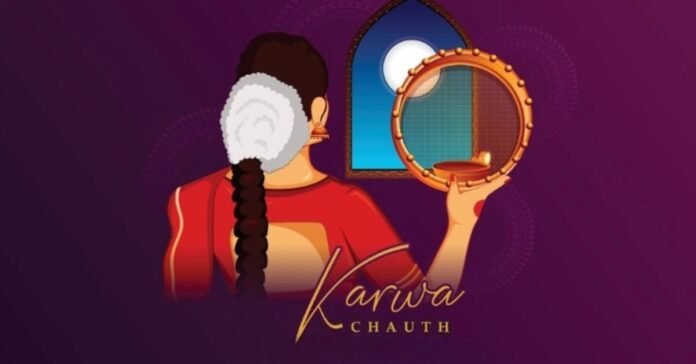
Karwa Chauth is a special festival that holds deep meaning for married couples, especially for women who observe a day-long fast for the health and long life of their husbands. On this day, the fast is not just a ritual but a symbol of love, devotion, and sacrifice. Karwa Chauth wishes play an important role in expressing feelings of love, appreciation, and good fortune between partners, family members, and friends. This year Karwa Chauth is on 20th October, 2024.

For husbands and wives, Karwa Chauth is a day to express gratitude and affection. Husbands often send their heartfelt wishes to their wives, appreciating the efforts they put into fasting and praying for their well-being. Simple wishes like, “Thank you for your love and devotion. I am blessed to have you in my life. Happy Karwa Chauth!” can go a long way in showing love and appreciation.

Wives, too, share their love and wishes with their husbands. Even though they are fasting, they express their hopes for a long and healthy life for their partner. Wishes like, “May we always be together, and may you always be healthy and happy. Happy Karwa Chauth, my love!” help strengthen the bond between the couple.

Karwa Chauth is not only about the couple, but it also brings families and communities together. Friends and family exchange wishes, offering blessings for a happy and prosperous married life. You can send messages like, “Wishing you a beautiful Karwa Chauth filled with love, happiness, and blessings. May your bond of marriage grow stronger with each passing year.”

Women often gather to celebrate the day by dressing up in their best traditional attire and applying mehendi (henna) on their hands. They pray together and support one another through the day’s fast. Sharing Karwa Chauth wishes among friends adds to the festive spirit and the feeling of togetherness.

Karwa Chauth wishes are not just limited to expressing love for the present moment; they also carry hopes and blessings for the future. Wishing for a long, happy, and prosperous life for one’s spouse and family is a way to ensure that the bond of marriage remains strong. You can wish for good health, joy, and the strength to face life’s challenges together, such as: “May your love be as eternal as the moon, and may you always find happiness in each other’s company.”

Karwa Chauth wishes are a heartfelt way to communicate love, blessings, and gratitude. Whether it’s between spouses, friends, or family, these wishes strengthen relationships and bring people closer during this beautiful festival of love and devotion.

The Story of Karwa Chauth: A Tale of Love, Devotion, and Faith

0

Vaidehi Bhargava

Karwa Chauth is a cherished festival celebrated primarily by married Hindu women, who fast from sunrise to moonrise for the long life and prosperity of their husbands. This festival, observed with great enthusiasm in North India, is not only a symbol of devotion but also one of the strongest traditions that reflect the deep bond between a husband and wife. The origins of this festival are steeped in mythological tales, the most popular being the story of Queen Veeravati. This year the festival is on 20th October,2024.

Once upon a time, there lived a beautiful queen named Veeravati. She was the only sister among seven loving brothers who adored her dearly. After her marriage, she observed her first Karwa Chauth fast, as was customary for newly married women. Determined to complete the fast without a drop of water or morsel of food, she retired to her parents’ home to celebrate with her family.

As the day passed, Veeravati grew weak and faint due to hunger and thirst, but her resolve to keep the fast for her husband’s well-being remained firm. Seeing their beloved sister in distress, her seven brothers could not bear her suffering. Out of love and concern, they decided to trick her into breaking her fast. They climbed a nearby tree and placed a mirror in its branches, reflecting the light of a lamp. The glow resembled the moon, and the brothers convinced Veeravati that the moon had risen.

Believing them, Veeravati broke her fast, but soon after, she received devastating news that her husband had fallen ill and was on the verge of death. Heartbroken, Veeravati prayed to the gods, repenting for breaking her fast early. Her prayers were answered, and through her devotion, her husband was revived.

This story reflects the power of faith, love, and commitment that form the foundation of Karwa Chauth. To this day, married women across India continue the tradition, dressing in their finest attire, adorning themselves with henna, and observing a day-long fast, all to ensure the health, happiness, and longevity of their husbands.

Karwa Chauth remains a celebration of marital love and the enduring bond of togetherness.

Maharishi Valmiki Jayanti: Celebrating the Life of the Great Sage

0

Vaidehi Bhargava

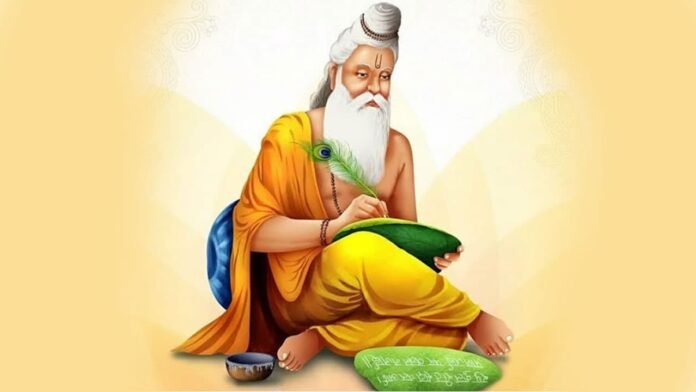
Maharishi Valmiki Jayanti is a festival that celebrates the birth of the great sage Valmiki, who is regarded as the author of the ancient Indian epic Ramayana. This day is observed on the full moon day, or Purnima, of the Hindu month of Ashwin, which usually falls in September or October. This year the Valmiki Jayanti is on 17th October, 2024. Valmiki Jayanti holds special significance for followers of Hinduism and is widely celebrated across India, especially in northern and central states.


Maharishi Valmiki is revered as one of the greatest saints and poets in Indian history. He is considered the Adi Kavi or the first poet of Sanskrit literature. Valmiki’s most notable work is the Ramayana, an epic that narrates the life and adventures of Lord Rama, his wife Sita, and his loyal brother Lakshmana. The Ramayana has deeply influenced Hindu culture, values, and philosophy for thousands of years and is considered a sacred text.


Valmiki’s life story is also inspiring. He was born as Ratnakar, a dacoit who lived a life of crime. However, he underwent a great transformation after meeting the sage Narada. Under Narada’s guidance, Ratnakar renounced his criminal ways and dedicated himself to meditation and penance. Through his devotion, he attained enlightenment and became Maharishi Valmiki. His transformation from a bandit to a sage is a powerful reminder that anyone can change and achieve greatness through devotion and self-realization.

Valmiki Jayanti is observed to honor the teachings and contributions of Maharishi Valmiki to Indian society and literature. On this day, devotees remember Valmiki’s wisdom and the moral lessons conveyed through the Ramayana. Temples dedicated to Valmiki are decorated, and special prayers and rituals are conducted. People also organize processions, and recitations of the Ramayana are held in homes and temples to spread the message of righteousness and devotion.


In some places, cultural programs and plays are performed, showcasing the life of Valmiki and the story of Lord Rama. These events are aimed at educating people about the values of truth, justice, and dharma (righteousness) that Valmiki emphasized in his writings.


Maharishi Valmiki Jayanti is a day to reflect on the values of truth, compassion, and devotion. The story of Valmiki’s transformation is a timeless lesson that teaches us that no matter how challenging our past might be, it is possible to change for the better. By celebrating Valmiki Jayanti, people honor the profound legacy of a sage whose work continues to shape the moral and spiritual fabric of Indian society.

World Anesthesiology Day: Celebrating the Importance of Safe Anesthesia

0

Vaidehi Bhargava

World Anesthesiology Day, celebrated every year on October 16, honors the vital role of anesthesiologists and the advancements in anesthesia that have transformed modern medicine. This day marks the anniversary of the first successful public demonstration of ether anesthesia in 1846 by Dr. William T.G. Morton in Boston, USA. This event revolutionized surgery and pain management, laying the foundation for safe and painless medical procedures as we know them today.

Anesthesia is a critical part of modern healthcare. It involves the use of medicines to prevent pain during surgeries and medical procedures, allowing doctors to perform complex operations without causing discomfort to the patient. There are three main types of anesthesia: general anesthesia, which makes the patient unconscious; regional anesthesia, which numbs a specific part of the body; and local anesthesia, which numbs a small area. Each type is chosen based on the patient’s condition and the nature of the procedure.

The role of an anesthesiologist extends far beyond just “putting people to sleep.” These highly trained doctors are responsible for managing a patient’s vital functions—such as heart rate, breathing, and blood pressure—during surgery, ensuring that the patient is safe and stable throughout the procedure. They also provide pain relief before, during, and after surgery, making recovery more comfortable.

World Anesthesiology Day serves as an opportunity to raise awareness about the importance of safe anesthesia practices and to highlight the contributions of anesthesiologists to global healthcare. Without effective anesthesia, many of the medical advancements we take for granted today—such as organ transplants, heart surgeries, and childbirth procedures—would not be possible.

This day also promotes ongoing education and research in the field of anesthesiology. Continuous improvements in anesthesia techniques and patient care have led to safer surgeries and fewer complications. However, there is still work to be done. In many parts of the world, access to safe anesthesia remains limited, leading to unnecessary pain and suffering. World Anesthesiology Day reminds us of the need for global efforts to ensure that every patient, no matter where they live, has access to safe anesthesia during medical procedures.

In conclusion, World Anesthesiology Day is a celebration of the remarkable progress made in the field of anesthesia and a recognition of the dedicated professionals who ensure that patients receive safe, effective care during surgery.

What is the Significance World Spine Day?

0

Vaidehi Bhargava

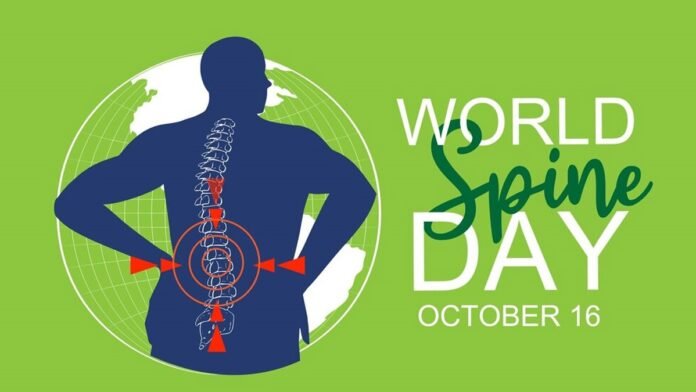
World Spine Day, observed on October 16, serves as a global reminder of the essential role the spine plays in our overall well-being, both physical and mental. Celebrated as part of the Bone and Joint Decade’s Action Week, this day highlights the importance of spinal health, raising awareness about the prevention, diagnosis, and treatment of spinal disorders, which affect millions of people worldwide.

The spine, often referred to as the backbone of life itself, is an architectural marvel that supports the entire human body. It provides structural stability, enabling mobility, flexibility, and balance while housing and protecting the delicate spinal cord. However, despite its critical importance, spinal health is often neglected until pain or discomfort sets in. World Spine Day seeks to change that, promoting a proactive approach to spinal care and encouraging individuals to adopt habits that nurture a healthy spine.

Each year, World Spine Day revolves around a central theme that emphasizes various aspects of spinal care. The theme often underscores the role of exercise, proper posture, and ergonomics, emphasizing that small, consistent habits can have a profound impact on maintaining spinal health. Poor posture, sedentary lifestyles, and improper lifting techniques are among the most common causes of spinal issues, contributing to chronic back pain and, in severe cases, debilitating conditions like herniated discs or scoliosis. By educating people about these preventable causes, World Spine Day aims to reduce the global burden of spinal disorders.

In today’s digital age, where hours are spent hunched over screens and devices, the spine faces unprecedented challenges. The rise of “text neck” and other postural problems has brought attention to the modern factors threatening spinal well-being. World Spine Day encourages individuals to take breaks, stretch regularly, and maintain proper alignment, especially in workplace settings, to combat these issues.

Beyond individual care, World Spine Day also serves as a platform for advocating improved access to spinal health services globally. Millions of people, particularly in low- and middle-income countries, lack access to proper diagnosis and treatment for spinal conditions. By fostering international collaboration and innovation, this day seeks to bridge gaps in care and promote equitable access to spinal health resources.

Ultimately, World Spine Day is not just about awareness; it’s about action. It calls on individuals, communities, and healthcare systems to recognize the spine’s significance and to invest in its care, ensuring that the backbone of our lives remains strong and healthy for years to come.

World Food Day 2024, All you need to Know..

0

Vaidehi Bhargava

World Food Day, celebrated annually on October 16, is a global call to action, echoing the shared responsibility of nations, organizations, and individuals to end hunger and promote sustainable food practices. Since its inception in 1979 by the Food and Agriculture Organization (FAO) of the United Nations, this day has been a beacon of hope, highlighting the plight of those who struggle to secure even the most basic of human needs—food.

The theme for each year casts a spotlight on pressing global food issues, drawing attention to the multifaceted challenges and proposing innovative solutions for food security. At its core, World Food Day isn’t merely about the absence of hunger but about fostering a world where everyone has access to nutritious, safe, and sufficient food to lead active and healthy lives. It intertwines issues of agriculture, climate change, economic policies, and social equity, calling for a holistic approach to reshape our food systems.

Our world is paradoxical. On one hand, millions are burdened by food scarcity, living in the shadows of hunger and malnutrition. On the other, vast quantities of food are wasted daily in affluent societies, discarded without a second thought. This disparity is a stark reminder that the issue is not of insufficient global food production but rather of inequitable distribution and wasteful practices. World Food Day challenges this imbalance, advocating for systemic change at every level of the food chain—from farm to fork.

Agriculture, the bedrock of civilization, is undergoing rapid transformation, and with it comes the responsibility to ensure its sustainability. Climate change, with its devastating impacts on food production, presents an urgent call to rethink how we grow, harvest, and consume. The push for sustainable agriculture—one that preserves the environment, respects biodiversity, and empowers smallholder farmers—is at the heart of World Food Day’s mission. It is a reminder that the health of our planet is intrinsically linked to the health of its inhabitants.

In recent years, the global food conversation has evolved to include technological advancements, from precision farming to the creation of alternative protein sources, such as lab-grown meat and plant-based substitutes. These innovations, while promising, must be paired with policies that ensure inclusivity and equity, particularly for the most vulnerable populations.

World Food Day is a day to reflect, to act, and to inspire collective change. It compels us to imagine a world where hunger is eradicated, where food systems are just and resilient, and where every individual has the dignity of a full plate. In the end, it is a reminder that food is not just sustenance—it is a fundamental right.

Breaking Down the Most Memorable Game 7 Moments in NBA History

0

Game 7 is where heroes are born. This is the last round, and with the final steps, you will win the battle. Pressure brings out the best in the players, hence making moments that fans will never forget in their lives. Now, let’s take a look at two of the most famous Game 7 moments that have shaken viewers to the present day and explain why they are so.

Freepik

Michael Jordan – The Shot (1998) 

There are few moments that are etched in basketball fans’ memory as vividly as Michael Jordan’s shot in Game 7 of the NBA finals in 1998. Playing in the final, Jordan confidently scored a jumper against Utah’s Bryon Russell to clinch his sixth title with the Chicago Bulls. This was not just a shot; it was the last shot of Jordan and his Bulls’ career in basketball. In the countdown, Jordan made time, spaced himself, and then delivered the ball. 

This play also revolutionized the perception of fans about the so-called ‘clutch moments’ in basketball. To this day, it remains the book one turns to for inspiration to be great, as MelBet is the place many turn to for sports. On the same site, you can make predictions for other upcoming matches at the best odds and get a welcome bonus! Also, this platform provides the community with actual information about sports events.

LeBron’s Block (2016) 

The LeBron James’ block against the Golden State Warriors in the deciding game 7 in the 2016 NBA finals is arguably one of the most discussed moments in basketball history. This moment occurred when both teams were equal, and each second seemed to be a decisive one in the championship. Here’s why it was so epic:

  • It was a period of time that they could hardly make a move at the last quarter of the competition. 
  • At this moment, LeBron timed it right, blocking a certain shot. 
  • It switched the tide back to the Cleveland Cavaliers. 
  • The block paved the way for the Cavs to win their first-ever NBA title this year. 

This single defensive play sent a message that LeBron is probably one of the best and will remain so forever. 

Game 7 Thrillers of the 2000s: Introduction 

The decade of the 2000s was able to produce some of the greatest Game 7 moments in the NBA. People witnessed greats such as Kobe Bryant and Tim Duncan give their best on the basketball floor. These were some of the dramatic, memorable moments that I have ever experienced. And much like waiting for the new update on MelBet Instagram, these games kept everyone glued to their TV screens. It is very important to follow the latest news from the world of sports.

Kobe Bryant’s Game-Winner (2010) 

Kobe Bryant also helped the Los Angeles Lakers win the 2010 NBA Finals against their arch-nemesis, the Boston Celtics, to Game 7. While Kobe failed to convert many of his shots through the basket during the match, he was able to get 15 rebounds and make a lot of defensive moves. He also played a part in getting the Lakers to clinch the title, and the player bagged his fifth title. Game 7 can be considered one of the most important and memorable matches in Kobe’s career, and it strengthened his status as one of the best basketball players of all time. He worked very hard and never gave up; this was a clear indication that even when things were not working as planned, the champions would always look for a way to triumph. 

Tim Duncan’s Masterclass (2005) 

That year, in the seventh game of the NBA finals, Tim Duncan gave a performance that will be remembered for ages. San Antonio Spurs played against Detroit Pistons, and in the deciding moments of the game, Duncan took charge. He scored 25 points, collected 11 rebounds, and was the strong and collected spirit the team needs when under pressure. Duncan’s consistency and focus led the Spurs to victory and clinch the title. This game is considered to be one of the best examples of Duncan’s leadership and his ability to produce the best results. Despite the fact that his name often did not appear in the list of the key moments of the game, his contribution was significant.

Magic Johnson’s Legendary Rookie Game 7 (1980) 

Game 7 of the 1980 NBA Finals was a legendary match by Magic Johnson. Being a rookie, he was able to play all the positions to ensure that the Lakers triumphed over the Philadelphia 76ers. As Kareem Abdul-Jabbar missed the event because of injury, Magic played one of the best games of his career, scoring 42 points, having 15 rebounds and seven assists. Here’s why this Game 7 stands out:

  • Magic was only 20 years of age. 
  • He performed as a center while he was a point guard. 
  • He was even awarded the Finals MVP as a rookie. 

This game was enlightening the world that Magic had a future. 

Basketball: Larry Bird vs. Dominique Wilkins (1988) 

The best-ever playoff match was the Game 7 face-off between Larry Bird and Dominique Wilkins in the 1988 Eastern Conference Semifinals. This was a scoring fest, with Wilkins scoring 47 points and Bird replying with 34 points. The extent to which they engaged in an intense fight in the one-on-one session was intriguing to the fans. Finally, Bird and his Celtics managed to snatch the win, which took them to the Conference Finals. What made this game special was not the scores that were being scored but the rivalry between the two legends of the sport. It still remains one of the most memorable matches between two players in the history of the NBA. 

Breaking Down the Most Memorable Game 7 Moments in NBA History

Freepik

Final Words

It has been known that Game 7s have produced some of the most memorable moments in the NBA history. These matches from Magic’s rookie miracle and Bird’s face-off with Wilkins are some of the best that prove what basketball legends are capable of. When all is said and done, only the real heroes come up and exhibit performances that are etched in the annals of history. 

How FIFA is Addressing Inequality in Global Soccer: Progress and Challenges

0

These are real efforts that FIFA has made in order to reduce inequality in global football. Everything is changing, from women’s leagues increasing to financial assistance to the development of other countries. However, there are many issues to address. There are still issues of gender and financial differences, and FIFA has a massive responsibility for handling them. Now, let us discuss how FIFA is working to improve the future of soccer and what problems still exist. 

Women’s Soccer Development 

Over the last few years, FIFA has increased its support for women’s soccer. Feminine squads are receiving more money and attention; thus, they are expanding at a very high rate all over the world. Global soccer events such as the Women’s World Cup have received more viewership, and more countries are establishing professional soccer leagues. For instance, the engagement of the fans has been boosted by the use of the MelBet app, where fans have been able to track and support their favorite teams using the app. But even with these advances, women’s soccer has its problems, such as the issue of equal pay and other issues in many parts of the world.

How FIFA is Addressing Inequality in Global Soccer: Progress and Challenges

Freepik

Financial Disparities 

Although advancements have been made, the level of financial disparity between countries and leagues remains large. The developed nations have more resources to invest in soccer development and enhancement, while the smaller or the poorer nations find it difficult to expand their soccer development. FIFA is still striving to bring about change in this regard, but a lot of hurdles are still present. Key disparities include: 

  • Funding gaps: The teams that have more finances might be able to get more sponsorships. 
  • Prize money: It can be noted that there are much more significant prizes in the men’s competitions. 
  • Facilities: Modern technologically developed stadiums are in developed countries, and poor fields are in other countries. 

These are the areas FIFA must fill in order to avoid discrimination against any group of people.

Educational Programs to Promote Inclusion 

FIFA has come up with several programs to ensure that the integration of disabled people in football is enhanced. These programs seek to provide fair opportunities for participation to players as well as leaders with diverse origins. It targets those who are left behind to give them an opportunity to excel in the sport, as everyone is given a chance. In this way, FIFA also raises awareness of such initiatives and calls people to participate through such groups as https://www.instagram.com/melbet.srilanka. This type of forum helps to engage fans in following news and events in the football world.

Leadership Training 

FIFA also conducts leadership training aimed at having more people of different origins in football leadership positions. This training is in aspects such as coaching, management, and decision-making. With the inclusion of women, minorities, and people from less-developed countries in soccer, FIFA is endeavoring to create a more inclusive game at the grassroots level. The courses also teach how local clubs should be supported to produce strong leadership and hence make football more open and fair. 

In most areas, young women and other marginalized groups enjoy leadership programs. FIFA also believes that through educating people from different cultures and from different regions across the world, it will be possible for them to overcome barriers that have remained for several decades. It is not about playing but about playing in a way that alters the methods of operating the game. 

Anti-Discrimination Campaigns 

FIFA has also been at the forefront of the launching of anti-discrimination campaigns. These are measures that have been put in place to ensure that racism, sexism, and other forms of discrimination are done away with in this sporting activity. There are campaigns such as the “Say No to Racism,” and these have touched the lives of millions of people. The idea is to make people feel comfortable, be it on the field or in the stands. 

In addition to an awareness campaign, FIFA engages local organizations to ensure that there are stringent measures against discrimination. The players, teams, and fans are protected from unfair treatment so that no one is abused by any person. These campaigns are a component of the greater FIFA’s goal of making football an inclusive sport.

How FIFA is Addressing Inequality in Global Soccer: Progress and Challenges

Freepik

Partnerships with Local Organizations 

FIFA has a partnership with local associations with the aim of expanding the accessibility of soccer across the globe. These partnerships are aimed at the development of opportunities for all, particularly in areas that are less developed. Local groups play a key role in scouting and employing talents, as well as ensuring that people with disabilities are employed. However, there are still some sectors that require further assistance, and the push towards development is increasing. Key partnership activities include: 

  • Youth development programs: Football skills at young age group. 
  • Infrastructure projects: These include the construction of fields and training facilities in underdeveloped areas. 
  • Community engagement: Soccer as a unification and growth factor in the society. 

These collaborations are crucial for the soccer to penetrate all the parts of the globe. 

Challenges in Implementing Reforms

Still, FIFA has several challenges when it comes to the implementation of the reforms. Economic imbalance in the world puts the smaller countries at a disadvantage as they are unable to compete with the larger ones. A number of areas have not even the minimum of facilities required, and prejudices are still seen all over the world. 

This is because, depending on the structure of the organizations involved in the new project, there may be some well-rooted organizations that may not want to see a change in decision-making power or in the distribution of resources. It is still a challenge to change these barriers; FIFA has tried to do so, but the process is usually slow, and success depends on the country in question. These challenges mean that reform is more protracted and needs a lot of time and effort. 

Final Words

Today, FIFA has made a lot of efforts to reduce inequality, but the problem still persists. There is improvement in the women’s soccer and the local affiliations but there is still a long way to go. Through eradicating financial and social barriers, FIFA plans to improve its work and make sport more democratic. The future of soccer is therefore vested on such continued endeavors.