Home Blog Page 471

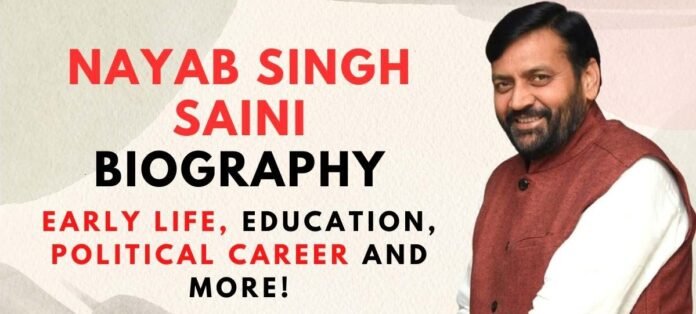
Who is Nayab Singh Saini ?

0

Nayab Singh Saini, a prominent figure in Indian politics, has been serving as the Chief Minister of Haryana since March 12, 2024. A member of the Bharatiya Janata Party (BJP), Saini led his party to a historic victory in the October 2024 Haryana Assembly elections, securing 48 out of 90 seats. Known for his leadership skills and strong commitment to the BJP’s principles, he has quickly risen to prominence, carving a significant niche in Haryana’s political landscape.

Early Life and Education

Born on January 25, 1970, in Mizapur Majra, a small village near Ambala, Haryana, Nayab Singh Saini hails from a Haryanvi Mali family with roots in Mangoli Jattan, Kurukshetra. Raised in a modest environment, Saini developed deep connections with his community and its cultural values, which would later influence his political career.

Saini’s academic journey was driven by determination. He earned a Bachelor of Arts (B.A.) degree from B.R. Ambedkar Bihar University in Muzaffarpur, followed by a Bachelor of Laws (LLB) from Chaudhary Charan Singh University, Meerut. This legal education equipped him with the knowledge necessary to navigate the complexities of governance and lawmaking in his political career.

Political Career

Nayab Singh Saini’s entry into politics began with the Rashtriya Swayamsevak Sangh (RSS), where he established strong ties with influential leaders, including former Haryana Chief Minister Manohar Lal Khattar. Saini first contested the Haryana Legislative Assembly elections in 2009 from the Naraingarh constituency but faced defeat. However, his persistence paid off in 2014 when he won the seat and served as a Member of the Legislative Assembly (MLA) until 2019. During this tenure, Saini held key positions, including Minister of State for Labour and Employment and Mines and Geology.

In 2019, Saini’s political career shifted to the national stage when he won the Kurukshetra Lok Sabha seat as a BJP candidate. His growing influence within the party led to his appointment as the President of the Haryana BJP in October 2023, a role that further cemented his leadership within the state.

Chief Ministership and Leadership

On March 12, 2024, Saini was appointed as the Chief Minister of Haryana following the resignation of Manohar Lal Khattar. Under his leadership, the BJP achieved a historic victory in the October 2024 Assembly elections, solidifying his position as a central figure in the state’s governance. Saini was re-elected as the Leader of the BJP Legislature Party on October 16, 2024, confirming his role as Chief Minister for a second term. His swearing-in ceremony was scheduled for October 17, 2024.

As the Legislature Party Leader, Saini is tasked with representing the BJP’s interests in the Haryana Assembly, coordinating legislative strategies, and ensuring that the party’s policies align with the broader vision of Prime Minister Narendra Modi. His focus on economic development and welfare programs is expected to guide the state’s future direction.

Key Initiatives Under Saini’s Leadership

Saini’s governance reflects his dedication to addressing the needs of marginalized communities, particularly Other Backward Classes (OBCs) and Scheduled Castes (SCs). Some of his notable initiatives include:

  • Increased Expenditure Limit for Gram Panchayats: Responding to long-standing demands from Sarpanch Associations, Saini’s government increased the expenditure limit for Gram Panchayats from ₹5 lakh to ₹21 lakh in July 2024. This increase allows Panchayats to secure sufficient funding for village-level projects without the need for e-tenders.
  • Reduction of Electricity Tariffs: Saini eliminated the minimum charges on electricity consumers, ensuring bills reflect only actual electricity consumption. He also launched the Pradhan Mantri Surya Ghar Muft Bijli Yojna, a subsidy scheme to install rooftop solar plants for low-income families. The state government contributes ₹50,000 on top of the central subsidy of ₹60,000, ensuring that poor families can set up solar plants at no personal cost.
  • Affordable Housing Schemes: In July 2024, Saini’s government launched the Mukhyamantri Seheri Awas Yojna, targeting urban residents from Economically Weaker Sections (EWS). The scheme provides financial assistance of ₹1.5 lakh to eligible families for constructing permanent homes, alongside a 30-square-yard plot for each beneficiary.

Personal Life

Nayab Singh Saini is married to Suman Devi, and they have two children. Despite his demanding political career, Saini remains deeply connected to his family and is known for his approachable and humble demeanor.

Achievements and Political Legacy

Throughout his career, Nayab Singh Saini has achieved several milestones that have made him a pivotal figure in Haryana’s political arena. His key accomplishments include:

  • Successfully leading the BJP to its best-ever performance in the Haryana Assembly elections.
  • Promoting social welfare initiatives and outreach programs for marginalized communities.
  • Strengthening the party’s organizational structure and voter engagement during his tenure as state BJP president.
  • Advocating for cow protectionism while maintaining a balanced stance on violence prevention, in line with BJP ideologies.

Summing Up

Nayab Singh Saini’s rise from a grassroots political worker to the Chief Minister of Haryana is a testament to his determination, strategic acumen, and commitment to the welfare of his state. His leadership in the BJP, coupled with his focus on inclusive development, continues to shape Haryana’s political landscape as he embarks on his second term as Chief Minister. Saini’s approach to governance—centering on economic progress, social welfare, and infrastructural development—marks him as a key figure to watch in Indian politics.

‘Once in a lifetime’ comet seen after 80,000 years

0

Vaidehi Bhargava

The heavens are putting on a spectacular show as Comet C/2023 A3 (Tsuchinshan-ATLAS) makes its first appearance in Earth’s skies in an astonishing 80,000 years. Discovered in January 2023, this ancient traveler from the Oort Cloud has ignited excitement among skywatchers across the globe. Now visible in India, the comet offers a rare opportunity for celestial enthusiasts to witness an astronomical event that hasn’t occurred since the dawn of human civilization.

'Once in a lifetime' comet seen after 80,000 years

This icy visitor reached its closest approach to the Sun on September 28, 2024, a point known as perihelion. Now moving away from the Sun, it is becoming increasingly visible to observers on Earth, especially in the early morning hours just before dawn. Throughout October, the comet will rise higher in the sky, transitioning from the pre-dawn to post-sunset hours as it moves along its orbital path.

In India, the best time to spot Comet C/2023 A3 is during the quiet moments before sunrise. Look towards the eastern horizon, ideally in a location free from city lights and other obstructions. The comet, with its glowing coma and faint tail, resembles a hazy, star-like object. Using binoculars or a small telescope will significantly enhance your viewing experience, although the comet may be visible to the naked eye in darker areas.

'Once in a lifetime' comet seen after 80,000 years

As we advance into mid-October, the comet will be at its brightest, shining with a magnitude of around +0.66, making it one of the most visible comets in recent times. Though comets are known for their unpredictable nature, the current forecasts suggest that this celestial visitor will continue to provide a stunning spectacle until the end of October, with its visibility improving as it moves higher in the sky.

'Once in a lifetime' comet seen after 80,000 years

What makes this event even more captivating is its rarity. It will be thousands of generations before Comet C/2023 A3 returns, making this a once-in-a-lifetime chance to witness one of the universe’s grand displays. As it streaks through the sky, this comet serves as a reminder of the incredible scale and wonder of the cosmos, a moment for all who gaze upward to feel connected to the ancient rhythms of the stars.

Australia announces new ‘work+holiday visa’ for Indian youth so they can earn while travelling

0

Vaidehi Bhargava

Australia introduced the Working Holiday Maker (WHM) visa for young Indian citizens as part of the Australia-India Economic Cooperation and Trade Agreement (AI-ECTA). Effective from September 16, 2024, this initiative allows eligible Indian nationals aged 18-30 to work and travel in Australia for up to 12 months. India is the 50th country to join this program.

This visa, known as the Work and Holiday (Subclass 462) visa, is designed for young Indians looking to gain international work experience while traveling. Each year, 1,000 visas are allocated to Indian applicants through a lottery system. Interested candidates must register online and pay a small fee. Successful participants can submit their visa applications after selection.

Key eligibility requirements include holding a valid Indian passport, being aged 18-30, and having completed at least two years of post-secondary education. Unlike some other countries, Indian applicants are exempt from needing proof of government support. This visa allows holders to take up short-term employment and study opportunities while exploring Australia. It’s a unique program designed to foster youth engagement and deepen cultural ties between India and Australia.

By facilitating such exchanges, Australia aims to boost tourism and meet workforce needs, while giving young Indians valuable international exposure. It’s a remarkable opportunity for those seeking both adventure and work experience.

Do you know about Sadu Mata Ni Temple where men dress like women on the evening of Ashtami during Navratri

0

Vaidehi Bhargava

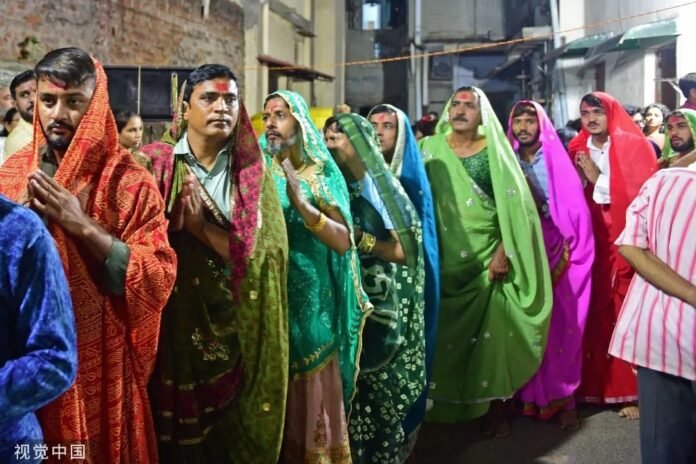
As Navratri celebrations begin across the country on Thursday (October 1), a special tradition in the old city of Ahmedabad stands out. In Sadu Mata Ni Pol, a 200-year-old ritual takes place every year on the eighth night of Navratri. Men from the Barot community wear sarees and perform Garba to honor an ancient curse.


This long-standing tradition represents an act of penance and carries a unique story of devotion and gender-switching customs that have been passed down through generations. The ritual is more than just a dance; it is a deeply rooted practice filled with history, legend, and faith.


In this centuries-old tradition, men dress as women to seek forgiveness for a curse placed on their ancestors by Sadu Mata, a woman whose story has been passed down for generations. According to local lore, over 200 years ago, a woman named Saduben sought protection from the men of the Barot community when a Mughal nobleman demanded her as a concubine.


Unfortunately, the men failed to protect her, resulting in the tragic death of her child. Heartbroken and furious, Saduben cursed the men, proclaiming that their descendants would live as cowards, and then she committed ‘sati’.
Sadu Mata Ni Pol, home to over 1,000 residents, comes to life on the night of Ashtami. With its narrow lanes and old-style houses, the pol is a living piece of Ahmedabad’s heritage. Crowds gather to watch men dressed in sarees, spinning gracefully to the rhythms of Sheri Garba, a traditional folk dance passed down through generations.

A temple was built to calm Sadu Mata’s spirit and break the curse. Every year, on the night of Ashtami, men from the community come together at Sadu Mata Ni Pol, wear sarees, and perform Garba as an act of penance. This tradition, still thriving today, attracts people from all over the city who come to witness this powerful expression of devotion and heritage.


While modern views may link men dressing as women to gender fluidity, for the Barot community, it is a symbolic act of humility and respect. The ritual is seen as a way to atone for past wrongs and to honor the blessings bestowed by Sadu Mata. Men who have prayed for personal wishes—whether for success in business, good health, or the birth of a child—participate in the ritual to give thanks when their prayers are fulfilled.

The Barot community of Gujarat is traditionally known for their role as genealogists, storytellers, and record keepers for various communities. They preserve family histories and maintain oral traditions, particularly for Rajput and Kshatriya families. Historically, they have been responsible for documenting genealogical records and were central in passing down cultural and religious stories through generations. They also performed during festivals, reciting epics and folk tales.Although the Barot community’s traditional roles have evolved over time, they remain a significant part of Gujarat’s cultural heritage. Their unique customs are especially prominent during festivals like Navratri, where these traditions continue to thrive.

One participant shared that he has been wearing a saree for the past five years to express gratitude to Sadu Mata. After praying for success in his business and the blessing of a son, he felt the goddess had favored him. For him, this tradition provides a meaningful link to their heritage, allowing the community to show appreciation for the blessings they receive in their lives.This tradition is not solely about appeasing the curse; for many, it’s a way to honor the goddess they believe has safeguarded and blessed their families for generations. The pol becomes a site of deep devotion, with men of all ages donning vibrant sarees to pay homage to Sadu Mata as an expression of faith.

Ahmedabad, India’s first UNESCO World Heritage City, is renowned for its rich history and traditions. The ritual of men performing Garba in sarees is just one of the many ways the city keeps its cultural heritage alive. Among the 184 pols of the old city, Sadu Mata Ni Pol stands as a symbol of the Barot community’s enduring devotion and resilience.

Union Ministry Launches iGOT Lab for Employee Skill Development

0

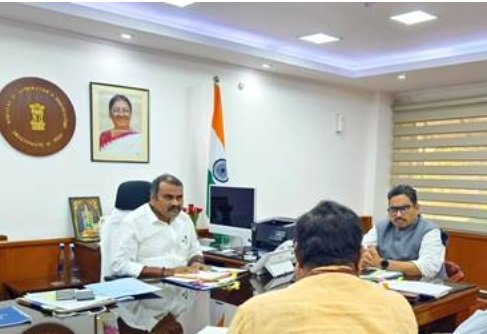
In a significant step toward enhancing the professional capabilities of government employees, Dr. L. Murugan, Union Minister of State, has initiated the creation of an Integrated Government Online Training (iGOT) Lab within the Ministry of Information and Broadcasting. This new facility aims to boost the skills and knowledge of Ministry employees through online learning platforms, ensuring they stay current with evolving professional demands.

The iGOT Lab launch follows a detailed review of the Ministry’s annual Capacity Building Calendar and the progress of the iGOT portal, a comprehensive platform for government employees to access training and learning resources.

Objectives of the iGOT Lab

The primary goal of the iGOT Lab is to promote continuous professional development. By offering online training courses tailored to various aspects of government functioning, the Ministry is focusing on empowering its workforce with relevant skills and knowledge. This initiative will enable employees to enhance their job performance and adapt to new challenges in their roles.

The iGOT Lab will serve as a tool for continuous learning, aligning with the government’s vision of building a more skilled and agile workforce. Employees will have the opportunity to engage in self-paced learning, allowing them to take responsibility for their personal and professional growth.

Onboarding Timeline

Recognizing the importance of swift implementation, Dr. Murugan has set a deadline of October 19 for all employees of the Ministry to be fully registered on the iGOT portal and start using the platform for their training needs. This accelerated timeline underscores the Ministry’s strong commitment to adopting digital learning methodologies and integrating them into daily operations.

Recommended Courses for Employee Development

To kickstart the initiative, the Ministry has curated a list of 16 essential courses that will serve as the foundation for employees’ professional development. These courses cover critical areas that are vital for effective governance and management, including:

  • Budget Management: Focuses on efficient financial planning and resource allocation.
  • Gender Sensitization: Aims to promote gender equality and foster inclusive work environments.
  • Leadership: Equips employees with the skills to lead teams effectively and manage diverse groups.
  • Team Building: Encourages collaboration and effective communication within teams.

These courses have been carefully selected to provide employees with the skills needed to excel in their roles, foster a collaborative work culture, and ensure that the Ministry’s goals are met with greater efficiency.

Incentives for Participation

To encourage active participation and foster a culture of continuous learning, the Ministry will recognize and reward employees who complete the most courses each quarter. This initiative is designed to motivate employees to regularly engage with the platform and actively pursue skill development. The reward system aims to make learning a rewarding experience while improving overall workplace performance.

Workshops and Strategic Communication

In addition to the online learning offerings, the Ministry plans to organize workshops for its employees across various media units. These workshops will introduce the Ministry’s learning agenda, highlight key training objectives, and ensure that all employees understand the strategic importance of continuous skill development. By reinforcing these goals through in-person sessions, the Ministry aims to create a cohesive workforce aligned with its vision for the future.

Focus on Grievance Handling and RTI

Beyond the iGOT Lab, Dr. Murugan took the opportunity to review the Ministry’s current practices related to grievance handling and RTI (Right to Information) applications. He emphasized the importance of resolving issues quickly and efficiently, as effective grievance handling and RTI management are crucial for maintaining transparency and accountability within the Ministry.

The iGOT Lab, alongside these initiatives, reflects the Ministry’s commitment to building a more knowledgeable, responsive, and efficient workforce. By investing in digital learning and providing platforms for continuous development, the Ministry of Information and Broadcasting is taking decisive steps toward a future-ready, skilled, and capable employee base.

Researchers Develop Efficient Photocatalyst to Combat Antibiotic Pollution

0

In a major scientific breakthrough, researchers have developed an innovative photocatalyst capable of efficiently degrading sulfamethoxazole (SMX), a widely used antibiotic. This discovery could provide a sustainable solution to the growing issue of antibiotic contamination in the environment, which poses significant threats to both ecosystems and human health.

Why is Antibiotic Contamination a Problem?

The presence of antibiotics like SMX in water and soil can lead to a variety of environmental and health concerns, including:

  1. Antibiotic Resistance: Continuous exposure to antibiotics in the environment accelerates the development of antibiotic-resistant bacteria. This makes it harder to treat infections, as these bacteria become immune to standard treatments, posing a serious global health risk.
  2. Ecological Disruption: Antibiotics can interfere with the balance of ecosystems, negatively impacting plants, animals, and essential microorganisms. This disruption can lead to biodiversity loss and weakened ecosystems.
  3. Human Health Risks: Prolonged exposure to antibiotic residues in contaminated water sources has the potential to affect human health. Studies have shown links between low-level antibiotic exposure and various health issues, including hormonal imbalances and the spread of resistant pathogens.

The Development of the Catalyst

The team of scientists, under the leadership of Prof. Devasish Chowdhury at the Institute of Advanced Study in Science and Technology (IASST), designed the catalyst by utilizing a combination of earth-abundant materials. The composite catalyst is made from copper zinc tin sulfide (CZTS) and tungsten disulfide (WS2) nanoparticles. The key steps in the catalyst’s creation involved:

  • Using environmentally friendly and non-toxic chemicals like zinc chloride, copper chloride, and tin chloride, combined with tungsten disulfide.
  • Employing a hydrothermal reaction to process these materials, which involved heating them in water, resulting in the formation of the catalyst.

One of the standout features of this new catalyst is that it is derived from readily available, cost-effective materials, making it not only safe for the environment but also economically viable.

How Does It Work?

The newly developed CZTS-WS2 composite works by breaking down SMX into less harmful by-products, thus reducing its toxic impact on the environment. Here’s a closer look at its key features:

  • Degradation Mechanism: The catalyst initiates a chemical reaction that breaks down SMX, transforming it into safer substances. This process is crucial in mitigating the harmful effects of antibiotic residues in water and soil.
  • Reusability: Unlike some catalysts that lose their efficiency after a few uses, this new composite can be reused multiple times without significant loss of performance. This makes it highly cost-efficient for large-scale applications.

Testing and Performance

The efficacy of the catalyst was rigorously tested using Liquid Chromatography-Mass Spectrometry (LC-MS). This advanced technique allowed the researchers to monitor the breakdown process and identify the substances formed as intermediates. The results revealed that the catalyst successfully degraded SMX into less harmful compounds, significantly reducing its environmental impact.

In terms of performance, the catalyst demonstrated impressive capabilities:

  • Radical Scavenging: It achieved over 80% efficiency in scavenging free radicals—unstable molecules that can cause environmental and biological damage.
  • Antibacterial Properties: In addition to breaking down antibiotics, the catalyst also exhibited antibacterial activity, making it effective in reducing harmful bacteria in the environment.

Summing Up

The development of the CZTS-WS2 composite represents a promising leap forward in the fight against antibiotic pollution. As antibiotic residues in water and soil continue to pose a growing threat to ecosystems and human health, this breakthrough could pave the way for more sustainable and effective environmental management practices. The reusability, cost-effectiveness, and efficiency of the catalyst make it an attractive solution for mitigating the risks associated with antibiotic contamination, offering hope for a cleaner, healthier future.

Exploring the 1Win Mobile Application in India

0

The 1Win mobile application has emerged as a popular choice among Indian bettors seeking a reliable and seamless betting experience on the go. With its user-friendly interface and rich functionality, this app caters to the needs of both novice and seasoned bettors. The application offers a comprehensive range of services, ensuring that users are always just a tap away from making their next wager. As mobile usage continues to rise in India, the 1Win app stands out by delivering a tailored experience that perfectly aligns with local preferences and requirements.

Exploring the 1Win Mobile Application in India

User-Friendly Interface and Effortless Navigation

The 1Win application’s user interface is designed with simplicity and ease of use in mind, making it accessible to users of varying tech saltiness. The sleek design is complemented by a layout that ensures all vital sections are easy to locate. Key sections such as “sports betting” and “online casino” are prominently positioned within the main menu, providing immediate access to these popular categories. The app’s navigation is intuitive, allowing users to swiftly switch between sections without any hassle, enhancing the overall user experience.

Optimized Performance Across Devices

The 1Win app is optimized for both Android and iOS operating systems, offering a smooth and fast user experience across different devices. The app is engineered to operate quickly, ensuring that betting enthusiasts can place wagers without delays. For Android users, the application size is approximately 30 MB, while iOS users will find the app is about 40 MB. These compact sizes contribute to its efficient performance, ensuring that the app does not take up excessive storage space on devices while still maintaining its functionality.

Advantages Over Mobile Site Version

The 1Win mobile application provides several advantages over the mobile version of the site, making it a preferred choice for Indian betting fans:

  • Enhanced Performance: The app offers faster response times and smoother transitions between pages, reducing any lag that might be experienced on the mobile site.
  • Offline Access: While limited, certain features of the app can be accessed offline, providing flexibility and convenience that the mobile site cannot match.
  • App-Specific Features: The application includes unique functionalities not available on the mobile version, such as personalized notifications and exclusive promotions, enhancing user engagement.

Simple and Easy Way to Download the 1Win Bookmaker App in India

Downloading and installing the 1Win India app is a straightforward process that can be completed in just a few minutes. Users can easily access all the app’s features by following the simple steps outlined below. Tailored specifically for the Indian market, the app ensures a seamless betting experience and can be downloaded directly from the official 1Win website. Here’s a detailed guide to help you get started with the 1Win mobile application on Android and iOS devices.

Step-by-Step Guide for Downloading the 1Win Mobile Application for Android Devices

To enjoy the 1Win app on an Android device, you need to complete 1Win app download directly from the official website, as it’s not available in the Google Play Store. Here’s how to do it:

  1. Open the Official Website: Start by opening the mobile browser on your Android device and visiting the official 1Win website.
  2. Locate the Download Link: Once on the website, navigate to the downloads section. This is found on the main page dedicated to mobile applications.
  3. Download the 1Win APK File: Click on the Android download link to get the APK file. This will initiate the download of the application file onto your device.
  4. Enable Unknown Sources: Before installing the app, go to your device’s security settings and enable the installation of apps from unknown sources. This step is necessary because the app is not sourced from the Play Store.
  5. Install the Application: Once the APK file is downloaded, open it and follow the on-screen instructions to install the app on your device.
  6. Log In and Start Betting: After installation, open the app, log in with your credentials, or create a new account, and start exploring the betting options available.

Step-by-Step Guide for Downloading the 1Win Mobile Application for iOS Devices

The 1Win app is not available on the Apple App Store, so iOS users must download it from the 1Win website. This guide provides all necessary steps:

  1. Visit the 1Win Website: Open Safari or any browser on your iOS device and go to the official 1Win website.
  2. Find the IOS Download Section: Access the downloads section on the site to find the iOS download link.
  3. Download the Installation File: Tap the iOS download link, and a prompt will appear to allow the installation. Confirm to proceed with downloading the installation profile to your device.
  4. Install the Profile: Once downloaded, go to your device’s Settings, navigate to General, and then to Profiles & Device Management to find the 1Win profile. Tap on it and follow the instructions to install the application.
  5. Trust the Developer: After installing the profile, ensure you trust the developer. This can be done by accessing the same Profiles & Device Management settings and selecting the option to trust the 1Win developer.
  6. Start Using the App: Launch the app, sign in with your existing account or create a new one, and begin your journey with the 1Win bookmaker application.

Explore Comprehensive Sports Betting and Casino Games in 1Win India’s Mobile App

The 1Win mobile application in India offers an extensive range of sports betting opportunities and a diverse online casino platform. Enthusiasts of sports betting can find a multitude of options, from international tournaments to local championships, all accessible at their fingertips. Meanwhile, casino lovers can indulge in a variety of games designed to replicate the thrill of a brick-and-mortar casino, with the added convenience of online access.

Popular Sports Betting in the 1Win Mobile Application

The 1Win app provides a broad selection of sports for betting, accommodating both mainstream and niche sports fans. Users can place wagers on a variety of options, enhancing the excitement of live sports viewing. Among the most popular sports in the app are cricket, football, and tennis. 

Cricket, being a national favorite, offers a variety of bets, from match winners to player-specific outcomes. Key tournaments like the Indian Premier League and Test series are covered extensively. Football enthusiasts can bet on major leagues such as the English Premier League and UEFA Champions League, with options for full-time results and goal predictions. Tennis betting in the app includes options for match winners and set scores, with tournaments like Wimbledon and the US Open available for wagering.

  • Cricket: Betting on match winners, player performances, and total runs. Noteworthy tournaments include the Indian Premier League (IPL) and Test series matches.
  • Football: Offers bets on match outcomes, goal scorers, and over/under goals. Popular leagues include the English Premier League and UEFA Champions League.
  • Tennis: Features betting on match winners, set scores, and game totals. Grand Slam events such as Wimbledon and the US Open are featured in the app.

Diverse Casino Games in the 1Win Mobile Application

The online casino section of the 1Win mobile application showcases a wide array of games, ensuring that players of all preferences find something exciting. These games are designed to offer an immersive experience, complete with high-quality graphics and seamless gameplay. Players can engage in traditional casino games as well as modern, innovative ones that bring a new dimension to online gaming.

  • Roulette: Offers various versions, including European and American roulette, allowing players to experience the classic casino game with different odds and strategies.
  • Blackjack: Features multiple variations, including Classic, Atlantic City, and Vegas Strip Blackjack, catering to both beginners and experienced players seeking diverse gameplay.
  • Slots: An extensive collection of slot games with varying themes and payout structures. From classic fruit machines to modern video slots, players can enjoy countless spins.
  • Crash Games: Popular for their fast-paced and adrenaline-pumping nature, crash games give players the chance to win big by cashing out before the game ends.

Journey to Your First Bet with 1Win Mobile Application

For newcomers to the betting world, 1Win’s mobile application offers a seamless and straightforward process from creating an account to placing your first bet. The user-friendly interface and comprehensive guide ensure that even beginners can navigate the app with ease. By following the outlined steps, users in India can swiftly get started with their betting journey, making it accessible to everyone keen on exploring sports betting and casino games.

Step-by-Step Guide to Registering an Account in the 1Win Mobile Application

To begin your betting adventure on the 1Win app, the first and essential step is setting up an account. This process is straightforward, ensuring users can quickly get started with minimal hassle. Below are the steps to register:

  1. Complete the 1Win app download: First, download the 1Win app as instructed in the methods for Android or iOS, and ensure it’s successfully installed on your device.
  2. Launch the Application: Open the app and tap on the “Register” button, found on the main screen.
  3. Fill in the Registration Form: Input your personal details, like email address, phone number, and a secure password into the registration form. Make sure that the information is accurate to avoid any issues in the future.
  4. Verify Your Account: Check your email or SMS for a verification link or code. Follow the instructions to confirm your account.

Making a Deposit to Place Your First Bet

Once registered, placing a sports bet requires users to deposit funds into their 1Win account. This is an essential step, as it allows participation in betting activities. The process is simple and can be completed in no time.

  1. Log in to Your Account: Access the 1Win mobile application and enter your registered credentials to log in.
  2. Navigate to the Deposit Section: Click the ‘Deposit’ option, found in the user profile, to initiate the deposit process.
  3. Select a Payment Method: Choose from several payment methods available—such as UPI, bank transfer, or credit/debit cards—that suit your preference.
  4. Enter Deposit Amount: Specify the amount you wish to deposit into your account and confirm the transaction.
  5. Complete the Transaction: Follow additional on-screen prompts to finalize your deposit. The funds should reflect in your account shortly.

Placing Your First Sports Bet on the 1Win App

After successfully depositing funds, it’s time to place your first sports bet using the 1Win mobile application. The betting process is straightforward, designed to be user-friendly for all.

  1. Browse Available Sports: Once logged in, explore the wide range of sports options available under the ‘Sports’ section.
  2. Select an Event: Choose the sport and specific event you wish to place a bet on, such as an ongoing cricket match or a football league game.
  3. Pick Betting Options: Review the available betting options, which include bets on the match winner, scores, or individual player performances.
  4. Add to Bet Slip: Tap on your desired bet to add it to your bet slip, ensuring all selections are as intended.
  5. Enter Bet Amount and Confirm: Key in the amount you wish to wager and click on ‘Place Bet’ to finalize your selection. Ensure to check your bet slip for accuracy before confirming.

Sharad Purnima 2024: Date, History, and the Spiritual Significance of the Full Moon Festival

0

Sharad Purnima, one of the most significant Hindu festivals, will be celebrated on October 16, 2024, under the full moon of the Ashvin month. Also known as Sharad Poonam, Raas Purnima, or Ashwin Purnima, this festival marks the arrival of autumn and is celebrated with great devotion across India. It holds immense spiritual and cultural importance, symbolizing prosperity, divine grace, and cosmic harmony.

Date and Time for Sharad Purnima 2024

According to the Drik Panchang, Sharad Purnima 2024 will begin at 8:40 PM on October 16 and conclude at 4:55 PM on October 17. The moonrise is expected at 5:05 PM on October 16, offering a mesmerizing sight as the moon shines in its full glory.

The Spiritual Importance of Sharad Purnima

Sharad Purnima is considered the only day of the year when, according to Vedic astrology, the moon shines with all sixteen Kalas (qualities), symbolizing completeness and perfection. In Hindu tradition, these Kalas represent an ideal human personality, with Lord Krishna believed to be born with all sixteen, while Lord Ram possessed twelve. This makes the festival spiritually significant, as the moon is thought to radiate amrit (divine nectar), providing its healing and divine properties to the earth.

On this auspicious night, the moon’s rays are believed to have profound effects on both the physical body and the soul. Devotees worship Goddess Lakshmi for prosperity and the Moon God (Chandra) to receive blessings of good fortune. Many people observe fasts, offer prayers, and engage in rituals to harness the energy of the full moon.

The Rituals of Sharad Purnima

A key tradition of Sharad Purnima is preparing kheer (a sweet rice dish), which is left under the moonlight to absorb its divine rays. It is believed that this practice enhances the healing properties of the dish, making it highly beneficial for the body and mind. Devotees place the kheer in an open area to be blessed by the moon, and it is consumed and distributed as prasad (holy offering) the next morning. This ritual is said to bring health, prosperity, and spiritual upliftment.

In many parts of India, this night is also celebrated as Kojagari Lakshmi Puja, where devotees stay awake to worship Goddess Lakshmi, believing that she descends to earth to bless those who are awake and engaged in devotion.

Cultural and Cosmic Significance

Sharad Purnima is more than just a religious observance; it is a celebration of the cosmic rhythm of the universe. The full moon symbolizes completeness and marks the transition to cooler months, with the festival often associated with love, healing, and the divine play of Raas Leela. According to legends, Lord Krishna performed the Raas Leela with the Gopis (female devotees) on this night, signifying the divine connection between the earthly and the spiritual.

This full moon festival is celebrated across India with various local traditions, all of which highlight the festival’s message of harmony, well-being, and divine grace. It is a night filled with hope, healing, and spiritual rejuvenation, offering devotees the chance to connect with the celestial and absorb the moon’s positive energies.

Summing Up

Sharad Purnima 2024 is not just a festival marking the brilliance of the full moon but a spiritual event that embodies the divine energy and blessings of the cosmos. As devotees fast, offer prayers, and prepare kheer under the moonlight, they celebrate the abundance, prosperity, and healing that Sharad Purnima promises. With its deep connection to Hindu mythology, this auspicious day serves as a reminder of the ever-present grace of the divine, shining brightly upon those who embrace it.

What is Cultural Marxism?

0

Cultural Marxism is a term that sparks intense debate. For some, it represents a growing ideology that threatens traditional societal values; for others, it is seen as a misunderstood or even non-existent concept, often used as a catch-all for anything perceived as undermining the fabric of society. In its essence, cultural Marxism refers to the idea that traditional culture—encompassing family structures, moral values, patriotism, law, and order—is a source of oppression in the modern world, and thus must be dismantled for societal progress.

The Origins: Marxism and Its Cultural Shift

Traditional Marxism, as laid out by Karl Marx, focused primarily on economic structures, advocating for the overthrow of capitalism and the redistribution of wealth. Culture was seen as secondary to the economic base that shaped society. However, after World War I, some Marxist philosophers realized that the road to societal change required a broader focus. They recognized that cultural institutions, values, and ideologies played a significant role in maintaining the status quo.

This shift in thinking gave rise to what is now often referred to as cultural Marxism. The Frankfurt School, a group of Marxist theorists in the 1920s, was central to this development. These thinkers, including Theodor Adorno, Max Horkheimer, and Herbert Marcuse, sought to apply Marxist critique not just to economics, but to culture. They argued that by challenging and deconstructing the cultural norms that upheld capitalism, society could be made more equitable.

One key aspect of their critique was the rejection of absolute truth. Instead, they promoted constant criticism of societal institutions, from the nuclear family to traditional morality, to lay the groundwork for societal transformation. This new wave of Marxist thought was eventually termed “cultural Marxism” by early observers, to distinguish it from the economic focus of classical Marxism.

The Modern Interpretation of Cultural Marxism

In contemporary discourse, cultural Marxism is often associated with leftist ideas such as political correctness, multiculturalism, and progressive social values. Critics argue that these ideologies seek to undermine core societal institutions like family, religion, and national identity, in favor of creating a more homogenized, global culture. Advocates, on the other hand, argue that such movements promote justice, inclusivity, and equality for marginalized groups.

The term “cultural Marxism” is rarely used by those who adhere to this school of thought. In fact, it is more commonly wielded as a pejorative by critics who feel that these progressive ideologies are eroding traditional values. Some conspiracy theorists have also latched onto the term, using it to blame various societal issues on an orchestrated effort by elites—sometimes with anti-Semitic undertones. Despite these misuses, the intellectual movement behind cultural Marxism remains rooted in the idea of questioning and transforming society from the ground up.

The Critique of Imbalance

One of the most controversial aspects of cultural Marxism, as discussed, is the perceived imbalance in how cultural sensitivity and criticism are applied. For example, derogatory attitudes toward historically dominant groups, such as men, whites, and Christians, are often tolerated or even celebrated in certain circles. At the same time, similar criticism toward women, minorities, or religious minorities is condemned as hateful or discriminatory.

This perceived double standard has led many to argue that cultural Marxism encourages an unfair societal tilt, where certain viewpoints and identities are elevated while others are suppressed. Whether or not this imbalance is a deliberate outcome of cultural Marxism, it reflects the ongoing tension between traditional values and progressive ideals in modern society.

Cultural Marxism and the Spiritual Dimension

For many Christians, cultural Marxism represents not just a political or social challenge, but a spiritual one. In the West, where Christianity has historically shaped much of cultural tradition, the progressive rejection of traditional Christian values—such as chastity before marriage or the sanctity of family life—feels like an attack on the very foundations of their faith.

Navigating the Debate

Cultural Marxism, whether seen as a threat or a misinterpreted ideology, represents a larger conversation about the tension between tradition and progress. As societies evolve, the clash between maintaining cultural values and embracing progressive change will continue. Understanding cultural Marxism and its philosophical roots allows for a more nuanced approach to these debates.

Wokeism and Cultural Traditions: Know Why Should We Be Aware Of Connect Between The Two & Stay Cautious…

0

Rashtriya Swayamsevak Sangh (RSS) Chief Mohan Bhagwat recently addressed the annual Vijayadashami programme in Nagpur, touching upon themes of unity, cultural preservation, and the growing influence of concepts such as “Wokeism,” “Cultural Marxism,” and the “Deep State.” These ideas, we should be aware, come as threats to cultural traditions.

Wokeism: Understand It While Reading Between the Lines

At its core, wokeism is considered as a tool of awareness and justice. However, when you read in between the lines, it comes clear that how it is tearing into the societies to break the social fabric of India.

While western world advocates for the protection of marginalized groups, such as minorities, and highlights issues of social inequality, wokeism comes as a warning bell for it clashes with India’s foundational principles of “Vasudhaiva Kutumbakam” (the world is one family) and “Sarva Dharma Sambhava” (respect for all religions).

While Bhagwat pointed out the potential dangers of wokeism and its connection to cultural disruptions, it gives us a call on how a country built on the pillars of pluralism, cultural diversity, and tolerance, should stay cautious to prevent the evils of these terms.

India’s Historical Link to Inclusivity

India has long been a land of diverse identities, blending different cultures, languages, and beliefs. From ancient times, Indian society has adapted and thrived on this diversity, with new ideas being embraced and integrated into the fabric of its culture. The Constitution of India, a modern embodiment of this legacy, enshrines equality, justice, and liberty for all citizens. Wokeism, in this light, is a foreign concept threatening Indian traditions.

So, the principles of wokeism should not be misunderstood with solidarity and unity among all marginalized groups.

Cultural Tradition and Progress: Finding the Balance

Bhagwat’s remarks underscore the need to protect cultural traditions in the face of what he views as threats posed by movements like wokeism and cultural Marxism. Societies that evolve while retaining their core values are more resilient in the face of modern challenges.

India’s tradition of self-reflection and reform offers a blueprint for how we can balance the preservation of culture with the pursuit of justice. For instance, the abolition of untouchability, the fight for women’s rights, and the embrace of environmental consciousness all reflect India’s ability to evolve while staying true to its cultural ethos. Wokeism, seen through this lens, can become a negative tool for social change, challenging with India’s rich tradition of justice and equality.

The Global Perspective: India Leading the Way

In his speech, Bhagwat highlighted India’s growing global influence, particularly in the realms of technology, education, and philosophy. He emphasized the global acceptance of concepts like “Vasudaiva Kutumbakam” and the international rise of yoga and environmental conservation efforts inspired by Indian teachings. This showcases how India’s cultural traditions are not just surviving but thriving on the global stage.

India’s ability to promote cultural values like compassion, coexistence, and environmental stewardship is evidence that movements encouraging social justice and progress can co-exist with cultural preservation. Far from weakening India’s cultural foundations, wokeism and related movements can play threat to unity and harmony in an increasingly divided world.

Wokeism Not For a Stronger India

While Bhagwat raised concerns about the potential threats of wokeism to cultural traditions, it’s important to recognize the negative role it can play in breaking social justice and unity. By fostering inclusivity and challenging inequality, wokeism can weaken societies—including India.

As India continues to rise on the global stage, its cultural values of unity, diversity, and inclusion will be crucial in leading the way forward. Wokeism can be a tool for weakening communities. The key lies in recognizing that social justice and cultural preservation are not mutually exclusive, but are, in fact, intertwined. So be cautious if someone comes and introduces himself as Wokei..Stay Aware and Stay Cautious again in this case…!