Home Blog Page 47

Unnat Krishi Mahotsav 2026: A National Platform Driving India’s Agricultural Transformation

0

A Mega Agricultural Event in Madhya Pradesh

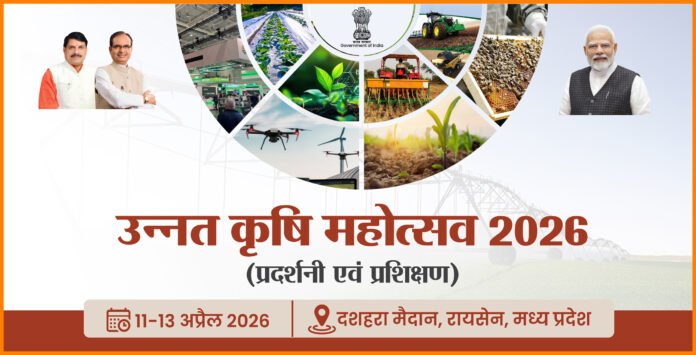
The Unnat Krishi Mahotsav 2026 is set to emerge as a landmark event in India’s agricultural calendar, bringing together innovation, knowledge, and opportunity under one roof. Organised by the Ministry of Agriculture & Farmer’s Welfare, the three-day national agriculture fair will be held from April 11 to 13, 2026, at Dussehra Maidan in Raisen.

Designed as both an exhibition and training programme, the event aims to empower farmers by connecting them directly with cutting-edge technologies, experts, and institutions shaping the future of Indian agriculture.

Focus on Technology and Innovation

A key highlight of the Mahotsav is its strong emphasis on modern agricultural technologies. The event will showcase AI-powered drones, smart farm machinery, nano-fertilisers, and advanced irrigation systems, reflecting the government’s push towards precision farming and sustainability.

Large exhibition zones—set up across multiple hangars—will feature thematic areas such as Micro-Irrigation, Seed Development, Animal Husbandry, and Smart Agriculture Solutions. Live demonstrations, especially of drone-based spraying and mechanised farming tools, will offer farmers practical insights into increasing productivity while reducing labour and input costs.

Bridging the Gap: Lab to Land

One of the central objectives of Unnat Krishi Mahotsav 2026 is to strengthen the “Lab to Land” approach—ensuring that scientific research and agricultural innovations reach farmers effectively. The event will bring together scientists, agri-experts, policymakers, and farmers on a common platform, encouraging knowledge exchange and real-world application of research.

Training sessions and seminars will guide farmers on best practices, including efficient water usage under initiatives like “More Crop Per Drop,” improved seed varieties, and sustainable farming techniques.

Leadership and Participation

The Mahotsav is expected to be inaugurated by Rajnath Singh, alongside Mohan Yadav. The event is anticipated to draw thousands of farmers from Madhya Pradesh and neighbouring states, making it a significant gathering for the agricultural community.

Participation from international and national research bodies, including organizations like CGIAR , will further enrich the event with global perspectives and innovations.

A Step Towards Sustainable Agriculture

Unnat Krishi Mahotsav 2026 reflects India’s broader vision of transforming agriculture through innovation, sustainability, and farmer empowerment. By promoting modern techniques and fostering collaboration, the event aims to enhance productivity, improve farmers’ incomes, and build resilience against climate challenges.

As India continues its journey towards agricultural modernization, initiatives like this Mahotsav play a crucial role in ensuring that farmers remain at the heart of progress—equipped with the tools and knowledge to thrive in a rapidly evolving sector.
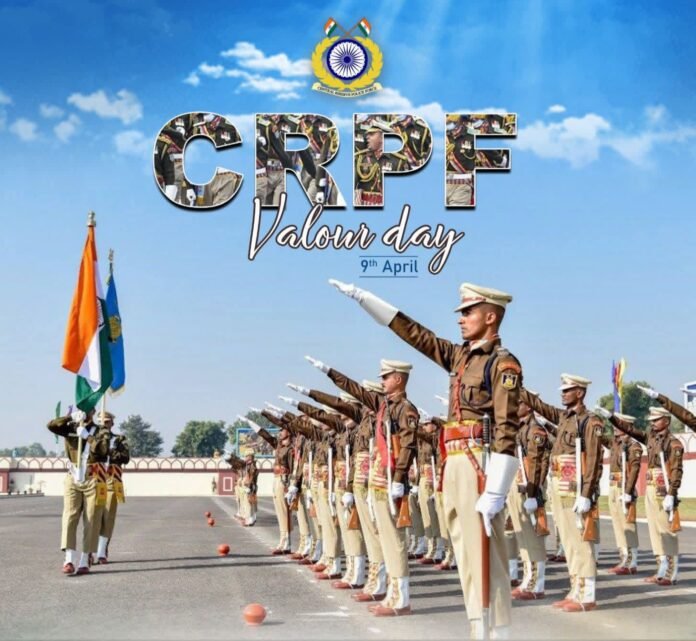
CRPF Valour Day (Shaurya Diwas): Celebrating the Spirit of Courage

0

What is CRPF?

The Central Reserve Police Force (CRPF) is India’s largest central armed police force, established on July 27, 1939, as the Crown Representative’s Police during British rule. After independence, it was renamed and restructured to meet the evolving internal security needs of the nation.

Today, the CRPF plays a multifaceted role—ranging from counter-insurgency and anti-terrorism operations to maintaining law and order, conducting peaceful elections, and providing assistance during natural disasters. It operates across some of the most challenging terrains in India, including conflict-prone and remote regions, making it a crucial pillar of the country’s security framework.

Why is Valour Day Celebrated?

CRPF Valour Day, also known as Shaurya Diwas, is observed annually on April 9 to honour the extraordinary bravery and sacrifice of CRPF personnel during the historic Battle of Sardar Post in 1965. The day serves as a tribute to the courage, discipline, and unwavering commitment of the force in safeguarding the nation.

The Battle of Sardar Post (1965)

On April 9, 1965, a small contingent from the 2nd Battalion of the CRPF was deployed at Sardar Post in the Rann of Kutch, Gujarat—a strategically significant and challenging terrain. In the early hours, they faced a sudden and intense attack from a much larger Pakistani infantry brigade.

Despite being heavily outnumbered and facing adverse conditions, the CRPF jawans displayed exceptional bravery, strategic resilience, and determination. They not only held their ground but also launched a fierce counterattack. In the intense exchange, they killed 34 enemy soldiers and captured four, forcing the opposing forces to retreat.

However, this victory came at a cost. Six brave CRPF personnel laid down their lives in the line of duty, exemplifying the highest ideals of sacrifice and patriotism. Their heroic stand remains one of the most inspiring chapters in the history of India’s security forces.

Significance of the Day

CRPF Valour Day symbolizes courage in the face of adversity and the spirit of selfless service. It highlights the critical role played by CRPF personnel, who often operate in high-risk environments to maintain peace and stability. The day also serves to instill pride and motivation among serving personnel and reminds citizens of the sacrifices made to ensure their safety.

How the Day is Observed

Across the country, Shaurya Diwas is marked with solemn ceremonies, parades, and tributes. Wreaths are laid at memorials, including the National Police Memorial, to honour the martyrs. Senior officials, veterans, and families of fallen heroes participate in these events, while stories of bravery are shared to inspire future generations of personnel.

A Legacy of Bravery

CRPF Valour Day stands as a powerful reminder of the fearless spirit and dedication of India’s forces. The story of Sardar Post continues to inspire generations, reinforcing the values of duty, honour, and patriotism. It is not just a day of remembrance, but a celebration of the enduring courage that defines the CRPF and its unwavering commitment to the nation.

Bandhani: The Art of Tying Threads into Tradition

0

Bandhani, also known as Bandhej, is one of India’s oldest and most visually striking textile traditions. Rooted deeply in the cultural fabric of states like Rajasthan and Gujarat, this intricate tie-and-dye technique is far more than decoration—it is a living heritage passed down through generations.

A Journey Through Time: History and Origin

The history of Bandhani dates back over 4,000–5,000 years, with early traces found in the Indus Valley Civilisation. Ancient texts and archaeological evidence suggest that resist-dyeing techniques were already practiced during this period.

Over centuries, Bandhani found mention in historical accounts, including those from the time of Alexander the Great, which described India’s beautifully dyed cotton fabrics. Murals in the Ajanta Caves (6th century) also depict dotted patterns resembling Bandhani, proving its long-standing presence in Indian art and culture.

Regions and Cultural Roots

Bandhani flourished primarily in Gujarat and Rajasthan, where it continues to thrive today. Cities like Jamnagar, Bhuj, Jaipur, Jodhpur, and Udaipur became prominent centres of this craft.

Traditionally practiced by communities like the Khatris, Bandhani was not just an art but a cultural identity. In Rajasthan, specific patterns and colours were even used to signify social status, community, or occasion—especially in turbans and bridal wear.

The Craft: How Bandhani is Made

What makes Bandhani unique is its highly skilled and labour-intensive process. The fabric—usually cotton, silk, or georgette—is first marked with a design. Artisans then pinch tiny portions of cloth and tie them tightly with thread, creating thousands of small knots.

The cloth is then dyed, and the tied sections resist the dye, forming intricate patterns once untied. This process may be repeated multiple times for multi-coloured designs. Traditionally, natural dyes like indigo and turmeric were used, though modern variations also include synthetic dyes for brighter tones.

Patterns, Colours, and Meaning

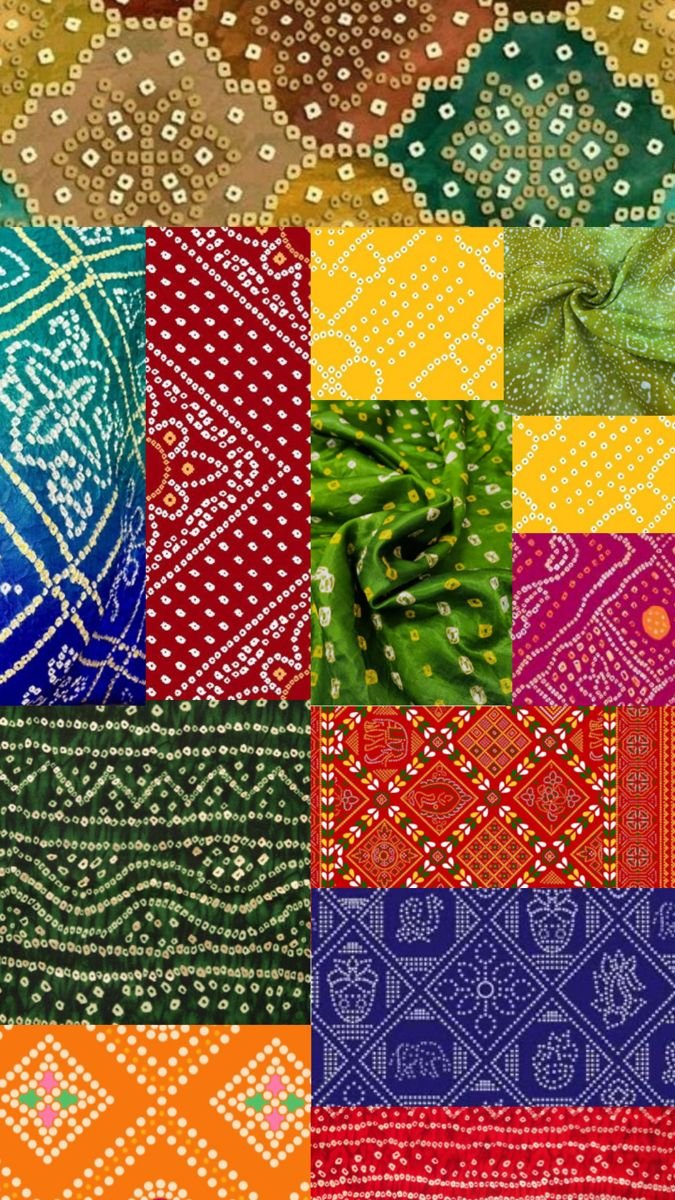
Bandhani is known for its distinctive motifs—dots (boond), waves (leheriya), spirals, and floral patterns. Each design carries symbolic meaning. For instance, red signifies marriage and prosperity, yellow denotes auspicious beginnings, and green represents growth and harmony.

These textiles are especially significant during weddings and festivals, where they are believed to bring good fortune and blessings.

Bandhani in Modern Times

Today, Bandhani has seamlessly adapted to contemporary fashion. While traditional sarees and dupattas remain popular, the craft now appears in kurtis, dresses, scarves, and even global fusion wear. Designers are experimenting with silhouettes and fabrics, bringing Bandhani to modern wardrobes while preserving its essence.

At the same time, there is renewed interest in sustainable fashion, leading to a revival of hand-crafted techniques and natural dyes—making Bandhani both eco-friendly and culturally relevant.

A Living Legacy

What makes Bandhani truly special is its individuality—no two pieces are ever exactly the same. Each knot, each pattern, reflects the patience and artistry of the maker. Even today, it remains a symbol of celebration, identity, and timeless beauty.

From ancient civilisations to modern runways, Bandhani continues to tie together India’s rich past with its evolving present—one knot at a time.

A Song Beyond Borders: Iranian Shiva Chant Sparks Cultural Curiosity

0

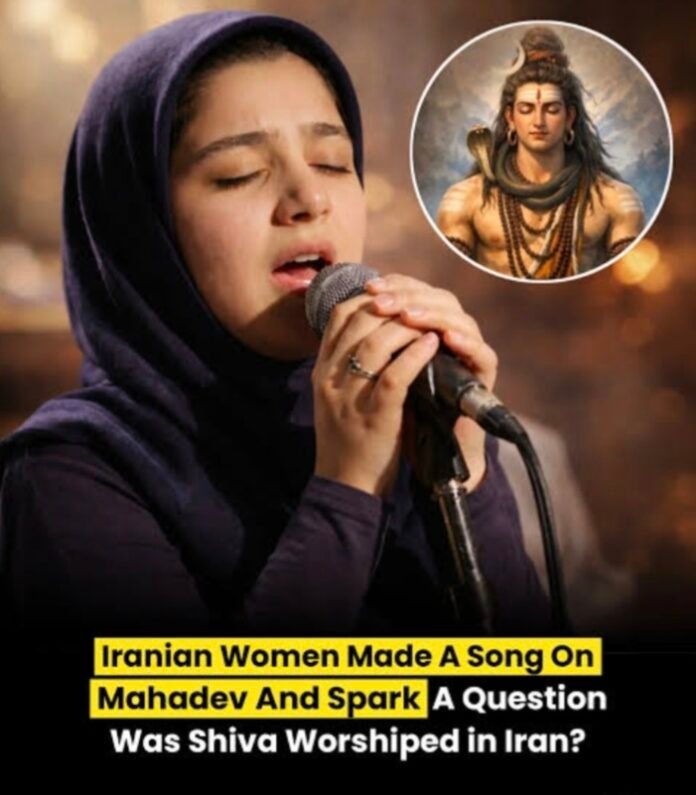
A viral video of an Iranian singer performing a devotional chant dedicated to Lord Shiva has captured widespread attention, igniting both admiration and debate across social media. The performance, where the singer chants “Har Har Mahadev, Shankara” in a blend of Persian and Sanskrit, has been praised for its soulful delivery and striking cultural fusion. For many viewers, it feels like a powerful moment of spiritual unity that transcends geography and religion.

What makes the video particularly compelling is its visual and emotional appeal. The imagery often accompanying the song—such as the Shiva lingam and traditional devotional settings—adds a sense of timelessness. Combined with the melodic richness of Persian vocals, the performance creates an atmosphere that feels ancient, almost as if it is reviving a forgotten cultural link between India and Persia.

However, this perception has also led to an important question: does the video point to a shared historical tradition of Shiva worship in Iran? Most historians and cultural experts suggest otherwise. While India and ancient Persia share Indo-Iranian roots, including linguistic and early cultural connections, there is no concrete evidence of an unbroken tradition of Shiva worship in Persian history. Over time, the religious and cultural trajectories of the two regions evolved in distinct ways.

So why does the song feel so authentic and rooted in history? The answer lies in the nature of artistic expression. Music has a unique ability to blend influences and evoke familiarity, even across cultures. In this case, the fusion of Persian language with Indian devotional elements creates something that feels deeply spiritual and historically connected, even if it is largely a modern artistic creation.

This viral moment reflects a broader trend of what can be called cross-cultural or fusion spirituality. In today’s interconnected world, artists are increasingly drawing from diverse traditions to create expressions that resonate globally. The Iranian singer’s performance is less about historical accuracy and more about shared human emotion—devotion, music, and connection.

Ultimately, whether viewed as a cultural bridge or a creative experiment, the song highlights the power of art to spark dialogue and bring people closer. It may not rewrite history, but it certainly adds a new, harmonious note to the ongoing conversation between civilizations.

From Classrooms to Code: CBSE’s AI Curriculum Signals a New Era in Indian Education

0

A Transformative Step Towards Future-Ready Learning

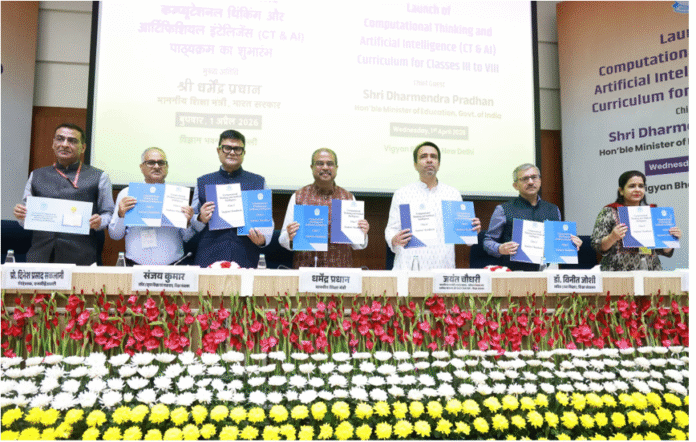
India has taken a decisive leap towards modernising its education system with the launch of a new Computational Thinking (CT) and Artificial Intelligence (AI) curriculum by the Central Board of Secondary Education. Introduced by Dharmendra Pradhan at Vigyan Bhawan, this initiative is being hailed as a “transformative step towards future-ready learning”, aligned with the vision of the National Education Policy 2020.

The curriculum will be implemented for students from Classes III to VIII starting the 2026–27 academic session, marking the first time that structured AI education is being introduced at such an early stage across the school system.

What the New Curriculum Offers

At its core, the programme is designed to create “AI-ready learners” by building strong foundations in computational thinking. Students will be introduced to essential cognitive skills such as logical reasoning, problem-solving, and pattern recognition, while also learning how artificial intelligence operates in everyday life.

The curriculum goes beyond technical knowledge. It aims to nurture digital literacy, critical thinking, innovation, and ethical decision-making, ensuring that students not only use technology but understand and shape it responsibly.

To support this, the initiative is backed by structured modules, detailed teacher handbooks, and robust assessment frameworks, ensuring systematic and early exposure to emerging technologies.

A Shift in How Students Learn

One of the most significant aspects of this reform is its change in teaching methodology. The curriculum adopts a playful and experiential approach, replacing rote memorisation with hands-on learning.

Students will engage in puzzles, games, worksheets, and collaborative problem-solving activities. Teachers will guide them to break down complex problems into smaller parts and interpret visual data like charts and patterns.

Assessment methods will also evolve. Instead of focusing solely on exams, the system will move towards continuous and competency-based evaluation, tracking a student’s ability to think creatively and apply knowledge in real-world contexts.

The Vision Behind the Reform

The initiative is guided by the philosophy of “AI for Education, AI in Education”, reflecting a dual approach—using AI as a tool for learning while also teaching it as a subject.

As highlighted by Dharmendra Pradhan, this reform is not merely academic but a national investment in human capability, aimed at preparing students for a rapidly evolving, technology-driven world.

The broader goal is to ensure that students are not passive consumers of technology, but innovators, creators, and responsible digital citizens.

The Way Ahead

The introduction of AI education at the foundational level signals a major shift in India’s learning landscape. It reflects a move away from traditional, exam-centric education towards a system that prioritises skills, adaptability, and future readiness.

However, the success of this ambitious initiative will depend on effective implementation—especially in areas like teacher training, infrastructure, and ensuring equal access across schools.

If executed well, this curriculum could redefine Indian classrooms, transforming them into spaces where students don’t just learn facts—but learn how to think, create, and lead in the age of artificial intelligence.

“We’ve Lost the Keys”: Inside Iran’s Viral Meme Offensive Against Trump

0

When a Threat Turned Into a Global Joke

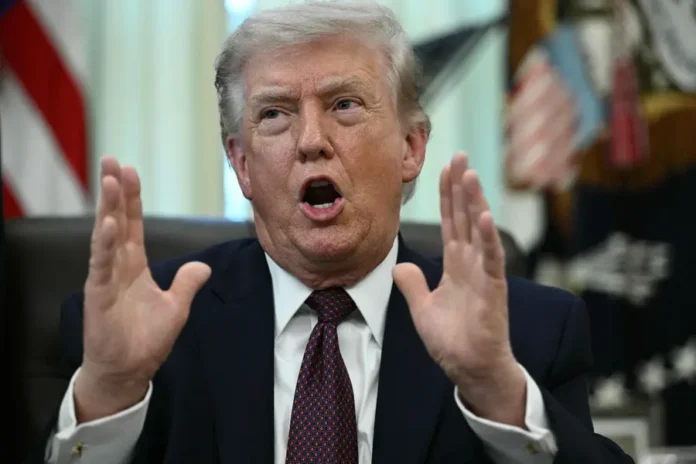
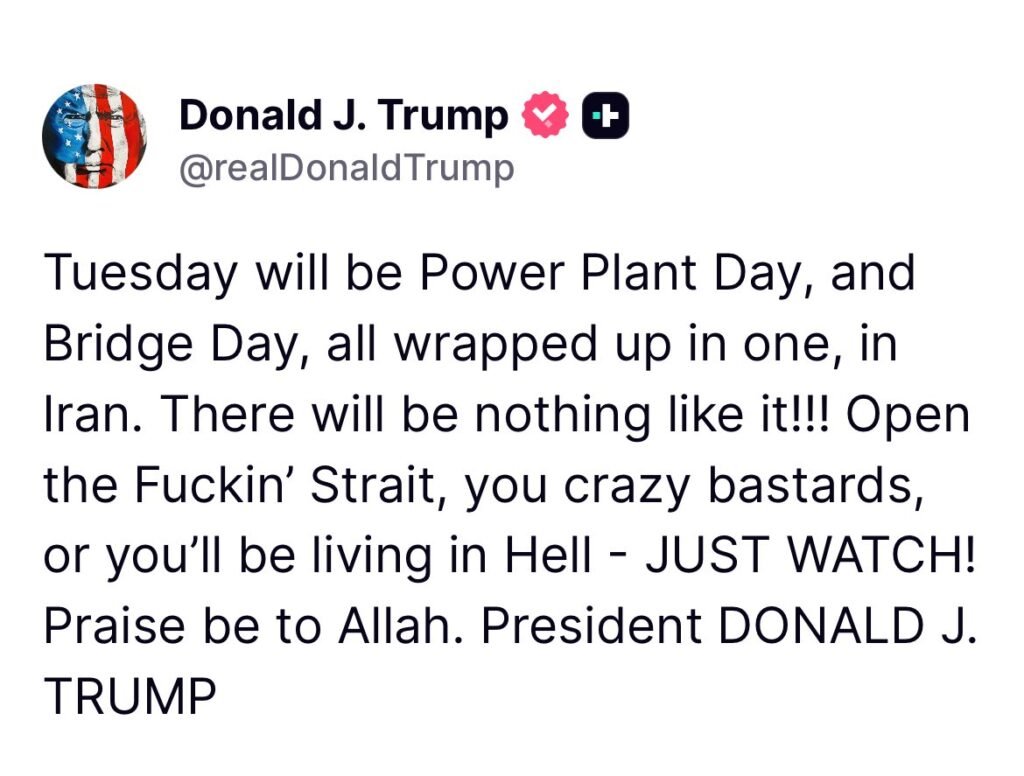
At the peak of rising tensions in West Asia, U.S. President Donald Trump triggered an unexpected diplomatic moment—not through policy, but through words. In an expletive-laden social media post, he demanded that Iran “open” the Strait of Hormuz, warning of severe consequences if it did not comply.

“We’ve Lost the Keys”: Inside Iran’s Viral Meme Offensive Against Trump

What followed was not retaliation in kind, but something far more unconventional: a coordinated wave of humour, sarcasm, and digital mockery from Iranian embassies across the world.

“We’ve Lost the Keys” — The Line That Went Global

The trolling began with Iran’s embassy in Zimbabwe posting a now-iconic reply:
“We’ve lost the keys.”

The simplicity of the line—reducing a complex geopolitical demand to something as trivial as misplaced keys—struck instantly. Within hours, Iranian missions across continents joined in, turning diplomacy into a viral, almost theatrical performance.

A Symphony of Sarcasm Across Embassies

As the trolling spread, different embassies added their own creative spin, making the episode a global digital spectacle.

Iran’s embassy in South Africa posted a fictional conversation mocking Trump’s claim, with countries like India, China, and France casually responding:
“Is it closed?” and “We just passed through!”—subtly suggesting that the Strait wasn’t even blocked in the way Trump implied.

Meanwhile, the Zimbabwe mission didn’t stop at one jab. In another post, it mocked Trump’s repeated deadlines, saying:
“Trump, please talk. We are bored.”

Iran’s embassy in Bulgaria added a calmer but equally cutting remark:
“Take it easy, tiger. Keep your cool.”

Elsewhere, diplomats leaned into absurd humour. Some joked about searching for keys under furniture, while others sarcastically asked if they should call a “locksmith.” A consulate even mocked shifting U.S. deadlines by humorously requesting a “more convenient time slot,” highlighting the inconsistency in Trump’s warnings.

In Nigeria, the tone turned sharper, with a viral post claiming a U.S. setback wasn’t just military—but symbolic:
“It was American pride that crashed.”

Another widely shared jab came from Iranian diplomatic channels keeping a “scorecard” of Trump’s claims—mocking how often he declared victory or made conflicting statements.

Why the World Took Notice

The trolling resonated globally because it flipped the script. Instead of escalating tensions, Iran used humour to undermine the seriousness of Trump’s ultimatum. His aggressive and informal tone made it easier for critics to parody, and Iran capitalised on that effectively.

More importantly, the humour was accessible. Complex issues—oil routes, military threats, geopolitical control—were distilled into everyday metaphors and jokes, making them relatable to millions online.

Diplomacy in the Age of Virality

This episode reflects a larger shift in global politics. Diplomacy is no longer confined to formal statements—it now unfolds in real time on social media, where perception can be as powerful as policy.

Iran’s “meme diplomacy” allowed it to project confidence, control the narrative, and engage a global audience without escalating militarily. At the same time, it exposed how unconventional rhetoric from leaders like Donald Trump can quickly become a liability in the digital arena.

More Than Just Trolling

What may seem like a light-hearted episode carries deeper implications. It highlights how modern conflicts are fought not just on battlefields, but also in the arena of perception, humour, and public opinion.

In this case, a single demand turned into a global punchline—and for a brief moment, the language of war was replaced by the language of wit.

A Pause on the Brink: What the U.S.–Iran–Israel Ceasefire Means for the World

0

A Fragile Calm After Weeks of Escalation

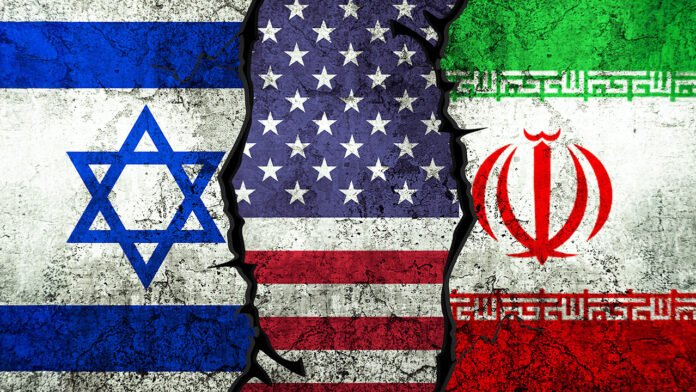
After pushing West Asia to the brink of a full-scale regional war, a temporary ceasefire between the United States, Iran, and Israel has brought a much-needed pause. Brokered at the last moment—just hours before a major escalation deadline—the agreement halts direct hostilities for two weeks. Yet, beneath this calm lies a tense and uncertain reality: this is not peace, but a strategic pause in an ongoing conflict.

The crisis had rapidly intensified with retaliatory missile and drone strikes, threatening to engulf the wider Middle East. One of the most alarming developments was Iran’s move to disrupt the Strait of Hormuz, a critical global oil artery. The ceasefire now ensures its reopening, restoring a key lifeline for global trade and energy supply. However, Israel has made it clear that its operations against Hezbollah in Lebanon remain outside the scope of the truce, leaving a significant front still active.

A War That Shook the World Beyond Borders

Even before the ceasefire, the impact of the conflict was felt far beyond the region. Global oil markets reacted sharply, with prices surging amid fears of prolonged disruption. The Strait of Hormuz, which carries a significant portion of the world’s oil shipments, became a symbol of how quickly geopolitical tensions can translate into economic shocks. As shipping routes stalled and insurance costs spiked, global supply chains faced renewed uncertainty.

The ceasefire has offered immediate relief. Oil prices have stabilised, stock markets have responded positively, and shipping activity is cautiously resuming. Yet, the aftershocks remain. Trade confidence, once shaken, does not return overnight. Major shipping firms are still wary, highlighting that economic recovery often lags behind diplomatic agreements.

The humanitarian cost has also been significant. Civilian evacuations, infrastructure damage, and airspace closures disrupted daily life across multiple countries. While the ceasefire has reduced immediate danger, sporadic alerts and tensions continue, reminding the world that stability remains fragile.

Diplomacy Returns to the Centre Stag

One of the most striking outcomes of this crisis has been the renewed emphasis on diplomacy. The ceasefire has opened the door for negotiations, reportedly to be held in the coming days, possibly in Islamabad. Iran’s proposed framework, often referred to as a multi-point plan, is expected to form the basis of these discussions, addressing contentious issues such as sanctions, nuclear activity, and regional security.

This moment also reflects a broader geopolitical shift. Countries like Pakistan have emerged as unexpected mediators, while global powers including European nations and China have pushed strongly for de-escalation. The crisis has reinforced a key lesson: military power may shape events, but diplomacy determines outcomes.

Unresolved Tensions Beneath the Surface

Despite the ceasefire, the underlying fault lines remain deeply entrenched. The long-standing dispute over Iran’s nuclear programme continues to divide Tehran and Washington. Israel’s security concerns, particularly regarding Iran-backed groups in the region, remain acute. The ongoing tensions in Lebanon further complicate the situation, raising the risk of indirect escalation even during the ceasefire.

Perhaps the biggest challenge is the lack of trust. Decades of hostility cannot be undone in a matter of weeks. Each side remains cautious, viewing the ceasefire not as a resolution, but as a tactical necessity. This trust deficit makes any long-term agreement difficult to achieve.

What the Ceasefire Means for the World

The significance of this ceasefire extends far beyond the immediate parties involved. For the global economy, it has provided a critical breather, preventing what could have been a severe energy crisis. For international diplomacy, it has reaffirmed the importance of negotiation in resolving even the most volatile conflicts.

At the same time, it has exposed the vulnerability of global systems. A regional conflict was enough to disrupt energy supplies, shake financial markets, and raise fears of a broader war. The interconnected nature of today’s world means that no conflict remains truly local anymore.

The Road Ahead: Between Hope and Uncertainty

The coming days will be crucial. If negotiations succeed, this ceasefire could evolve into a more comprehensive agreement, potentially addressing some of the core issues that have fuelled tensions for years. Such an outcome would not only stabilise the region but also restore a measure of global confidence.

However, a more likely scenario is an extended but uneasy pause, where tensions persist without erupting into full-scale war. The risk of renewed conflict remains ever-present, especially if any side perceives a violation or if proxy conflicts intensify.

In the worst-case scenario, the failure of talks could lead to a rapid return to hostilities, with far-reaching consequences for the region and the world.

Conclusion: A Pause, Not Peace

The U.S.–Iran–Israel ceasefire stands as a powerful reminder of both the dangers of modern conflict and the enduring necessity of diplomacy. It has averted immediate catastrophe and offered the world a moment to breathe. But it has also highlighted how fragile peace can be in a deeply divided geopolitical landscape.

Whether this pause becomes a turning point or merely a brief interlude will depend on what happens next. For now, the world watches closely—aware that the line between calm and chaos remains perilously thin.

PM Narendra Modi to Inaugurate ₹80,000 Crore Pachpadra Refinery: Rajasthan’s Energy Revolution and its Importance

0

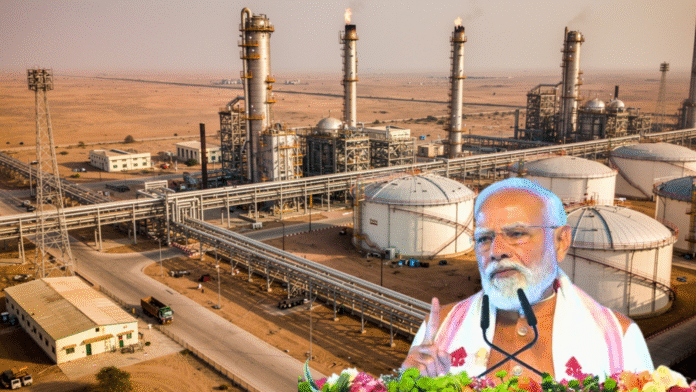
In a landmark moment for India’s energy and industrial future, Prime Minister Narendra Modi is set to inaugurate the ambitious Pachpadra Refinery project in Rajasthan’s Barmer (Balotra) district on April 21, 2026. This long-awaited mega project is being seen as a transformative milestone not just for Rajasthan, but for India’s broader economic and energy landscape.

What is the Pachpadra Refinery Project?

The Pachpadra Refinery, also known as the Barmer Refinery, is a greenfield refinery-cum-petrochemical complex developed by HPCL Rajasthan Refinery Limited—a joint venture between Hindustan Petroleum Corporation Limited (74%) and the Government of Rajasthan (26%).

With a refining capacity of 9 million metric tonnes per annum (MMTPA), including 2.4 MMTPA of petrochemical output, the project places Rajasthan firmly on India’s industrial and energy map.

Spread across thousands of acres in western Rajasthan, the refinery is designed as a modern integrated facility capable of producing a wide range of petroleum and petrochemical products, supporting downstream industries.

Project Cost and Scale

Originally conceived at around ₹43,000 crore, the project has undergone significant expansion and cost escalation over the years. It is now estimated at approximately ₹80,000 crore, making it one of the largest refinery investments in India.

This scale reflects both its complexity and its importance as a mega infrastructure project aimed at long-term industrial growth.

Economic Lifeline for Rajasthan

The refinery is widely described as an “economic lifeline” for the region. It is expected to:
●Generate massive employment opportunities, both direct and indirect
●Boost industrialisation in the Marwar region
●Attract petrochemical and manufacturing industries in nearby zones
●Strengthen Rajasthan’s position as an emerging energy hub

Additionally, the development of a petrochemical zone around the refinery is already attracting investments in sectors like plastics, chemicals, textiles, and pharmaceuticals, creating a ripple effect of economic activity.

Strategic Importance for India

In the present global scenario—marked by volatile crude oil prices, geopolitical tensions, and energy security concerns—projects like the Pachpadra Refinery are critically important.

1. Strengthening Energy Security
India is one of the world’s largest importers of crude oil. Increasing domestic refining capacity helps reduce dependence on external processing and enhances self-reliance in fuel production.

2. Boosting Petrochemical Growth
The inclusion of petrochemical units ensures that India moves beyond fuel production into high-value chemical manufacturing, which is essential for industries ranging from packaging to pharmaceuticals.

3. Regional Industrial Balance
Traditionally, most refineries have been concentrated in coastal regions. This project helps balance industrial growth by bringing large-scale energy infrastructure to inland India, particularly western Rajasthan.

4. Integration with National Infrastructure
The refinery is strategically linked to major infrastructure corridors like the Amritsar–Jamnagar Expressway, enhancing logistics and connectivity for crude supply and product distribution.

A Transformational Milestone

The inauguration of the Pachpadra Refinery marks more than just the completion of a project—it signals a shift in India’s industrial ambitions. From a desert region historically seen as remote, Barmer is poised to emerge as a major petro-industrial hub.

As India continues to position itself as a global economic powerhouse, projects like this underline a clear vision: energy security, industrial expansion, and regional development working together.

On April 21, as the refinery is formally dedicated to the nation, it will stand as a symbol of how infrastructure can redefine the destiny of a region—and contribute to the strength of an entire nation.

Remembering Bankim Chandra Chattopadhyay on His Death Anniversary

0

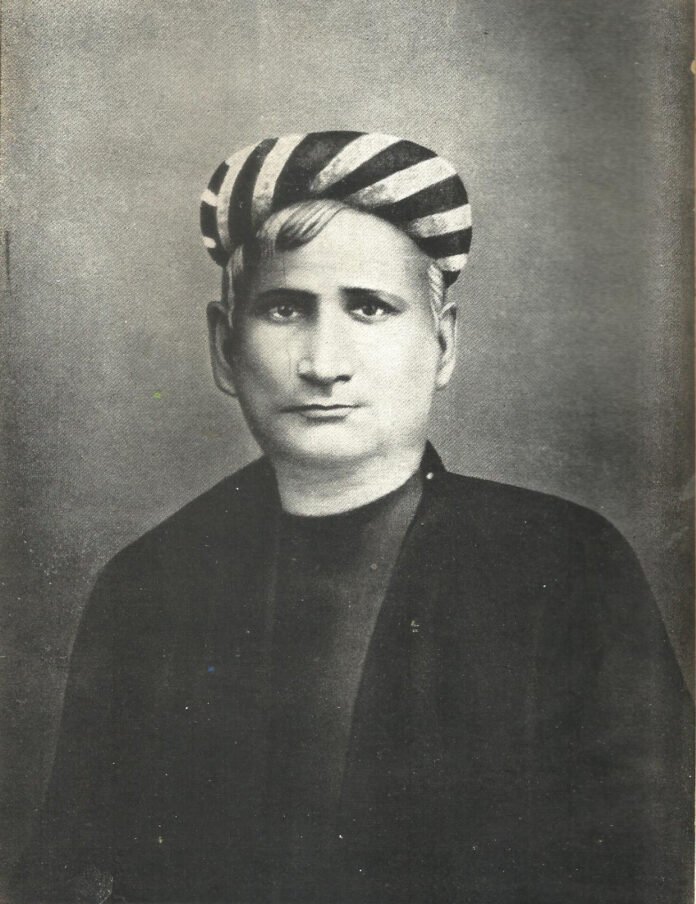
On this day, April 8, India pays tribute to one of its most influential literary figures and early nationalist thinkers, Bankim Chandra Chattopadhyay, whose passing in 1894 marked the end of an era but the beginning of a timeless legacy. His writings not only transformed Indian literature but also ignited a spirit of patriotism that would later fuel the country’s freedom movement.

A Life Rooted in Learning and Service

Born on June 27, 1838, in Naihati in present-day West Bengal, Bankim Chandra was among the first graduates of the University of Calcutta. He went on to serve as a Deputy Collector under British rule, a position of responsibility that placed him within the colonial administrative system. Yet, beyond his official duties, his true calling lay in literature and intellectual thought, through which he sought to awaken the consciousness of his people.

Architect of Modern Bengali Literature

Bankim Chandra Chattopadhyay is widely regarded as a pioneer of modern Bengali literature. At a time when Indian writing was still evolving, he introduced a new narrative style that blended storytelling with social commentary. His works addressed themes such as social reform, cultural identity, and moral values, making literature a powerful medium of change.

Among his most celebrated creations is the novel Anandamath (1882), which was inspired by the late 18th-century Sanyasi Rebellion. The novel stands as a landmark in Indian literary history for its portrayal of ascetic warriors fighting against oppression and for presenting the nation as a sacred mother figure.

The Song That Stirred a Nation

It was within Anandamath that Bankim gave India one of its most enduring symbols of patriotism—the song Vande Mataram. Written in a deeply evocative style, the song soon transcended the pages of literature to become a rallying cry for freedom fighters across the country.

Recognised officially as the National Song of India in 1950, Vande Mataram continues to hold a special place in the nation’s cultural and historical identity.

A Thinker, Editor, and Nation-Builder

Beyond his novels, Bankim Chandra also contributed significantly as a journalist and editor. Through his literary magazine Bangadarshan, he fostered intellectual discourse and encouraged a generation of writers and thinkers. His work helped shape a collective national consciousness at a time when India was still under colonial rule.

An Enduring Legacy

Bankim Chandra Chattopadhyay is remembered not merely as a literary genius, but as a visionary who used the power of words to inspire a nation. His writings instilled a sense of pride, unity, and devotion to the motherland—ideas that became foundational to India’s struggle for independence.

As the nation commemorates his death anniversary today, it is a moment to reflect on how literature can transcend time and circumstance. Bankim Chandra’s legacy lives on in every expression of national pride and in the enduring spirit of Vande Mataram—a song that continues to resonate in the heart of India.