Home Blog Page 465

Microplastics Impact Weather and Climate Patterns

0

Recent scientific research reveals that microplastics, tiny plastic particles now present in virtually every environment on Earth, may have surprising and far-reaching impacts on weather and climate. A study by researchers at Penn State University highlights that microplastics in the atmosphere can play a role in cloud formation, specifically by facilitating ice formation within clouds. This finding adds a new layer to our understanding of microplastics’ pervasive presence on the planet and raises questions about how they may influence precipitation and broader climate patterns.

What are Microplastics?

Microplastics are plastic particles measuring less than 5 millimeters in size, originating from sources like discarded plastic waste, synthetic fibers, and the degradation of larger plastic items. They are now found everywhere, from the depths of the Mariana Trench to the peaks of Mount Everest, and even in human tissues, marine organisms, and plant roots. The widespread presence of microplastics in ecosystems worldwide has prompted significant concern due to their potential environmental and health impacts.

Microplastics as Ice-Nucleating Particles

The Penn State study revealed that microplastics can act as ice-nucleating particles in the atmosphere, meaning they can encourage the formation of ice crystals in clouds. This ice formation process is vital in cloud development and plays a significant role in determining precipitation patterns. When microplastics are present, they can alter the way ice crystals form and behave, potentially impacting weather phenomena such as snowfall and rainfall.

Research Methodology: Investigating the Role of Microplastics in Ice Formation

The research was conducted under controlled laboratory conditions where scientists examined four types of microplastics: low-density polyethylene (LDPE), polypropylene (PP), polyvinyl chloride (PVC), and polyethylene terephthalate (PET). By suspending these microplastic particles in water droplets and gradually cooling them, researchers were able to observe their effects on ice formation at a microscopic level.

Findings: How Microplastics Influence Ice Formation and Weather

The experiments revealed that microplastics could cause water droplets to freeze at higher temperatures. In the absence of defects, water droplets generally freeze at approximately -38 degrees Celsius. However, the presence of microplastics prompted freezing at around -22 degrees Celsius for many samples. This shift in freezing point suggests that microplastics create defects that act as nuclei for ice formation, enabling ice crystals to develop at warmer temperatures than usual.

This discovery has implications for climate modeling and weather prediction. If microplastics are consistently present in the atmosphere, they could influence cloud behavior and precipitation patterns, with potential cascading effects on ecosystems and human activities. Such changes in precipitation patterns could also affect water availability, crop production, and weather-related events, all of which are critical to global and regional climate stability.

Importance of Further Research

The study underscores the urgent need for continued research into the environmental effects of microplastics, particularly their role in atmospheric processes. As microplastics continue to proliferate, understanding their potential to influence the climate system becomes essential. Further research could shed light on the full extent of microplastics’ impact on weather patterns and help refine climate models to account for these particles.

Key Terms for Understanding Microplastics’ Environmental Impact:

  • LDPE (Low-Density Polyethylene): A commonly used flexible plastic found in packaging materials; known for its low density and recyclability.
  • PVC (Polyvinyl Chloride): A durable plastic used widely in construction and plumbing due to its resistance to degradation.
  • Mariana Trench: The world’s deepest oceanic trench, located in the western Pacific, and a point of reference for understanding microplastics’ reach into extreme environments.

The Path Ahead

Microplastics have emerged as a significant environmental challenge, infiltrating nearly every corner of the Earth. This research reveals an unexpected dimension to their presence, suggesting that microplastics may alter weather and climate systems. As researchers continue to investigate, these findings underscore the importance of addressing plastic pollution and exploring ways to mitigate its pervasive impact on our planet’s natural processes.


Elon Musk will head the newly envisioned Department of Government Efficiency (DOGE)

0

In a bold move aimed at tackling federal bureaucracy and transforming government operations, former President Donald J. Trump has announced that entrepreneur Elon Musk, in collaboration with entrepreneur and political activist Vivek Ramaswamy, will head the newly envisioned Department of Government Efficiency (DOGE). According to Trump, this initiative aligns with his “Save America” movement, which is centered on streamlining federal agencies, reducing regulatory burdens, cutting wasteful spending, and modernizing government operations. The initiative, he believes, will lay the groundwork for a leaner, more effective federal system that serves the American people without unnecessary overhead.

Elon Musk, renowned for his transformative work in technology and business, shared his enthusiasm, calling the initiative potentially “The Manhattan Project of our time.” With a pointed remark about “sending shockwaves through the system,” Musk underscored his commitment to uprooting waste and inefficiency—issues he asserts are rampant in government operations.

DOGE, as envisioned, will function as an advisory body external to the traditional government structure. The department is set to work closely with the White House and the Office of Management and Budget (OMB), driving large-scale structural reforms with a focus on fostering an entrepreneurial, results-oriented approach. Trump has emphasized that this fresh leadership in government will be driven by innovation, accountability, and a focus on results, with DOGE pushing boundaries in how government services are delivered.

Elon Musk will head the newly envisioned Department of Government Efficiency (DOGE)

Trump expressed confidence in the team’s ability to produce substantial results, specifically citing a target date of July 4, 2026—the 250th anniversary of the Declaration of Independence—as the conclusion of this ambitious project. “A smaller government with more efficiency and less bureaucracy will be the perfect gift to America on its 250th anniversary,” he stated, underscoring his commitment to a government that is accountable to the people.

The Republican vision for streamlining government has long been on the agenda, and Trump’s announcement marks a significant step toward realizing this goal. DOGE’s efforts, if successful, could reshape the federal landscape, freeing up resources, driving economic growth, and ensuring that government spending more directly benefits Americans. Both Musk and Ramaswamy are set to lead this charge, embodying a vision of efficiency, entrepreneurial innovation, and steadfast dedication to public service.

As Musk and Ramaswamy embark on their mission to overhaul the vast machinery of government, Trump’s confidence in their success signals a new era of government reform. The project aims to conclude with a smaller, more efficient federal system that serves the American people with greater accountability—potentially reshaping the relationship between citizens and their government for generations to come.

Jawaharlal Nehru Jayanti 2024: Remembrance of Chacha Nehru

0

Vaidehi Bhargava

Jawaharlal Nehru Jayanti, observed on November 14, commemorates the birth anniversary of India’s first Prime Minister, Pandit Jawaharlal Nehru. Born in 1889 in Allahabad (now Prayagraj), Nehru was a pivotal figure in India’s struggle for independence, standing beside Mahatma Gandhi and other leaders. Following India’s independence, Nehru served as the country’s leader from 1947 until his death in 1964. Known for his vision, he was instrumental in shaping India’s democratic and secular foundations and promoting industrial and scientific development.

Apart from his political legacy, Nehru is affectionately remembered as “Chacha Nehru” because of his deep affection for children. He often emphasized that children were the future of the nation, and their education and well-being were essential to India’s progress. This fondness led to November 14 also being celebrated as Children’s Day in India. Schools and organizations often hold events like essay competitions, cultural programs, and sports activities in his honor, creating a lively day that fosters a sense of joy and creativity among children.

Nehru’s commitment to social and educational reforms continues to inspire many. His literary works, like The Discovery of India and Glimpses of World History, reflect his intellectual depth and vision for the nation, making Nehru Jayanti a day to remember his contributions and his belief in a brighter future through education and unity

What is the significance of Children’s Day?

0

Vaidehi Bhargava

Children’s Day in India, celebrated on November 14, is dedicated to honoring childhood and promoting the well-being, rights, and education of children. This date marks the birth anniversary of India’s first Prime Minister, Pandit Jawaharlal Nehru, affectionately known as “Chacha Nehru” by children. Nehru was a strong advocate for children’s rights and education, believing that children were the foundation for building a bright future for the nation. His affection for children led the Indian government to designate his birthday as Children’s Day after his passing in 1964, transforming it into a day of national celebration for young minds.

Why We Celebrate Children’s Day?

The purpose of Children’s Day is to acknowledge the importance of nurturing children, promoting their rights, and ensuring they grow in an environment of love, understanding, and care. This day serves as a reminder of children’s significance in society and the need to provide them with proper education, healthcare, and a safe, supportive environment.

Children’s Day also highlights the need to address challenges that children face, such as poverty, child labor, lack of access to quality education, and exploitation. The occasion encourages society to work towards creating a secure future where every child’s potential can flourish.

Celebrations and Activities

In India, Children’s Day is celebrated with enthusiasm in schools, communities, and organizations. Schools host events such as cultural programs, sports, storytelling sessions, and special assemblies dedicated to children’s joy and growth. Teachers often organize fun games, skits, and competitions, encouraging students to express themselves freely. Many schools also distribute sweets and gifts, and some organize charity events or donation drives to support underprivileged children.

Summing Up

Children’s Day honors Pandit Nehru’s vision of a prosperous nation built on the foundation of empowered and educated youth. This day reminds us of our collective responsibility toward nurturing the next generation and building a future where every child has the opportunity to thrive and contribute to society. Through Children’s Day, we celebrate childhood, with a focus on ensuring love, learning, and opportunities for every child in India.

World Kindness Day: Its Story and Significance

0

Vaidehi Bhargava

World Kindness Day, celebrated on November 13, is a global initiative to promote kindness as a fundamental human value. It was introduced in 1998 by the World Kindness Movement, a coalition of international organizations from various countries dedicated to encouraging kindness in society. The concept was first proposed at a Tokyo conference in 1997, where like-minded organizations came together to discuss the importance of compassion and understanding across cultures. Since then, World Kindness Day has gained recognition worldwide, with more than 28 nations supporting this observance.

Why We Celebrate World Kindness Day

The purpose of World Kindness Day is to remind people of the impact simple acts of kindness can have on individuals, communities, and even the world. Kindness transcends differences and brings people together, fostering empathy, solidarity, and a sense of belonging. This day encourages people to go beyond their daily routines to engage in intentional acts of kindness, whether through helping a stranger, expressing gratitude, or volunteering for a cause.

In a world often focused on individual success, competitiveness, and fast-paced living, kindness offers a counterbalance, reminding us of our shared humanity. Acts of kindness have been shown to boost mental health, reduce stress, and promote overall well-being, both for the giver and receiver.

Summing Up

World Kindness Day celebrates the power of kindness in creating positive change, breaking down barriers, and inspiring hope. As people around the globe participate in acts of kindness, they contribute to a more compassionate, unified world, encouraging others to follow suit every day—not just on November 13.

Woman beats stage-3 cancer after creating her own vaccine as she didn’t wanted to go to chemo

0

Vaidehi Bhargava

Beata Halassy, a prominent virologist at the University of Zagreb, gained worldwide attention after treating her own stage 3 recurrent breast cancer with an experimental oncolytic virotherapy (OVT) vaccine. Diagnosed with a recurrence in 2020, she chose to bypass chemotherapy, instead developing a treatment based on the Edmonston-Zagreb strain of the measles virus and the Indiana strain of vesicular stomatitis virus, both intended to attack the tumor cells while stimulating her immune system. Over the following months, the experimental treatment led to significant tumor shrinkage, allowing for successful surgical removal. She has remained cancer-free since the surgery, now four years later.

OVT, which has shown potential in shrinking advanced tumors, generally involves the use of modified viruses to target and destroy cancer cells selectively. Although Halassy’s success is a single case study, it has sparked interest in this therapy’s potential as a neoadjuvant (pre-surgical) treatment in cancer care. Her results showed an increase in immune cell infiltration in the tumor, which might make OVT a viable, less toxic alternative to traditional therapies. Her case report, published in the journal Vaccines, highlights the benefits of OVT with minimal side effects, though it’s acknowledged as experimental and not universally applicable.

Her decision to self-administer the treatment raises complex ethical questions, particularly around self-experimentation and regulatory oversight. While her success has inspired some to consider the potential of virotherapy, experts like Blair Strang from St George’s University have pointed out that controlled trials and ethical guidelines are essential to ensure the safety and effectiveness of such approaches for broader use. This instance of self-treatment, though pioneering, reminds the medical community of the importance of rigorous trials and regulatory checks before broader application.

Meet Nisha Madhulika, India’s richest female Youtuber with a net worth of Rs 43 crore at the age of 65

0

Vaidehi Bhargava

Nisha Madhulika is a trailblazing figure in India’s digital landscape, particularly in the culinary niche on YouTube. Her journey reflects resilience, passion, and a commitment to traditional Indian cooking. Originally from Uttar Pradesh, Nisha’s career began in teaching, and she later supported her husband in his business. However, her love for cooking and a desire to help others brought her online in her fifties. This transition was partly motivated by her blog followers, who wanted to see recipes demonstrated in videos. In 2011, at age 52, she launched her YouTube channel, producing simple, vegetarian Indian recipes in Hindi that quickly resonated with viewers.

Nisha faced challenges early on. Starting from scratch with limited technical skills, she relied on family support, with her sons helping manage some technical aspects. Yet her consistent output and dedication to her audience fueled the channel’s growth, and by 2014, she was recognized as one of India’s top YouTube chefs. She received her first major award in 2017, winning Top YouTube Cooking Content Creator at the Social Media Summit, which solidified her influence in the culinary digital space.

Today, Nisha’s channel has grown to over 14 million subscribers, and her approachable teaching style and focus on widely available ingredients have made her a household name in India. She remains one of India’s wealthiest female YouTubers, with an estimated net worth of Rs 43 crore, drawing revenue from YouTube ads, brand sponsorships, and collaborations. Her journey is inspiring for many, especially those starting in digital media later in life, as her success shows that age is no barrier to digital impact.

School isn’t just for kids anymore..know in detail

0

Vaidehi Bhargava

The Ultimutt Pet Resort’s “Bark to School” program is a unique, adventure-filled daycare option for dogs, especially ideal for pet parents with busy schedules. This service includes convenient pick-up and drop-off, giving dog owners a hassle-free solution to enrich their pets’ daily routines. Dogs enjoy a full schedule of activities like agility training, water play, and sensory enrichment sessions. Each day at Ultimutt offers opportunities for socialization and play under professional supervision, helping dogs build friendships and develop social skills in a structured yet fun environment.

This resort, set in a spacious facility, focuses on safety and positive reinforcement to encourage good behavior and skill-building, making sure every dog has a balanced mix of play, rest, and learning. Ultimutt staff are trained to recognize and cater to individual dogs’ personalities and needs, creating a supportive atmosphere that emphasizes well-being and fun. The resort also shares photo and video updates, allowing owners to follow their pets’ exciting days online.

School isn't just for kids anymore..know in detail

The “Bark to School” program operates on a monthly plan, making it a regular part of the dog’s routine, and aims to give pets a “second home” experience. Many owners have expressed their satisfaction, noting how their dogs thrive in this social and engaging environment, allowing them to come home happy and tired from a day well spent.

Pankaj Advani is Crowned World Billiards Champion 2024; PM Congratulates sports star

0

In a proud moment for India, Pankaj Advani clinched the title of World Billiards Champion at the 2024 World Snooker Championships. Recognizing his remarkable achievement, Prime Minister Narendra Modi extended heartfelt congratulations to the ace billiards player, highlighting his dedication and excellence.

Taking to social media, the Prime Minister shared his admiration for Advani’s commitment to the sport, posting on X (formerly Twitter):
Phenomenal accomplishment! Congratulations to you. Your dedication, passion, and commitment are outstanding. You have time and again demonstrated what excellence is. Your success will also keep inspiring upcoming athletes. @PankajAdvani247

This victory adds yet another feather to Advani’s illustrious career, cementing his status as a true champion and a source of inspiration for young athletes nationwide. Advani’s relentless pursuit of perfection in billiards and snooker has not only earned him a global reputation but has also elevated India’s standing in cue sports on the international stage.

With 24 world titles to his name, Advani’s success has paved the way for greater recognition and respect for cue sports in India. His journey continues to motivate countless aspiring players, and his latest triumph reinforces the message that dedication and hard work can propel Indian athletes to the world’s highest platforms.

IIT Ropar Develops Cost-Effective, Eco-Friendly Knee Rehabilitation Device

0

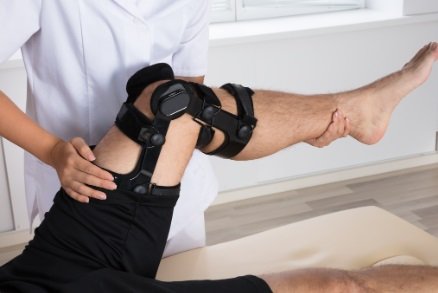
In a groundbreaking advancement in knee rehabilitation, researchers at the Indian Institute of Technology (IIT) Ropar have developed an innovative and affordable device for Continuous Passive Motion (CPM) therapy. This new mechanical device addresses the high costs and dependency on electricity associated with traditional motorized CPM machines, making it accessible for a broader range of patients, particularly those in rural or underserved areas.

Mechanical Design and Functionality

The IIT Ropar device employs a simple yet effective piston and pulley system, allowing it to function without the need for electricity, batteries, or motors. Patients pull a handle, which stores air within the device, generating a controlled and smooth motion essential for effective knee rehabilitation. This system facilitates the gentle, passive movement required in post-surgery recovery, helping to improve joint mobility and reduce stiffness without putting excessive strain on the knee.

The mechanical design is not only cost-effective but also user-friendly. Unlike motorized machines, which can be complex and intimidating, the IIT Ropar device requires minimal setup, making it ideal for home use. Additionally, this design provides a steady and gradual motion, aiding a safe and steady recovery for patients.

Addressing the Cost Barrier

Traditional CPM devices are expensive and require access to reliable electricity, often limiting their use to well-equipped hospitals or urban healthcare centers. In contrast, this mechanical CPM device offers a low-cost alternative, making it accessible to patients in areas where healthcare costs can be a significant burden. The affordability of the IIT Ropar device helps patients in remote or rural regions gain access to essential rehabilitation therapy without straining their finances, also reducing the load on healthcare facilities by enabling home-based recovery.

Eco-Friendly and Sustainable Design

An added benefit of the IIT Ropar device is its eco-friendliness. By eliminating the need for electricity or batteries, the device reduces environmental impact and aligns with global efforts to make healthcare more sustainable. The mechanical design reduces power consumption and minimizes waste, making it a responsible choice for an increasingly eco-conscious world. This device sets an example of how innovation can contribute to both improved healthcare access and environmental stewardship.

Enhanced Portability and Convenience

Weighing significantly less than traditional motorized CPM machines, the device is highly portable, making it easy for patients to use at home and even transport if necessary. This portability allows patients to maintain a consistent rehabilitation routine without frequent hospital visits, improving their overall recovery experience. By promoting self-directed therapy, the device supports patient autonomy and minimizes the risk of complications due to delayed or inconsistent therapy.

Transformative Potential in Knee Rehabilitation

The IIT Ropar device stands to revolutionize knee rehabilitation by addressing several key challenges faced by patients and healthcare providers alike. With its low cost, ease of use, and lack of dependency on external power, the device makes CPM therapy more accessible for patients in under-resourced areas, where access to advanced rehabilitation equipment is often limited. Its affordability and effectiveness could potentially influence rehabilitation practices in India and beyond, sparking similar innovations across other medical fields.

Important Facts for Exams and General Knowledge:

  • IIT Ropar: Located in Punjab, IIT Ropar is renowned for its focus on advanced research, technological innovation, and its mission to foster a culture of entrepreneurship. The development of this CPM device is part of its broader efforts to create impactful solutions in healthcare.
  • CPM Therapy (Continuous Passive Motion): CPM therapy is a critical component in knee rehabilitation, particularly after surgery. By gently and passively moving the knee joint, it helps prevent stiffness, improves mobility, and accelerates the healing process.
  • Piston and Pulley System: The IIT Ropar device uses a piston and pulley system that converts linear motion into rotational motion, enabling smooth, controlled movement without the need for electricity. This efficient, mechanical design is both effective and sustainable.

Summing Up

The development of this mechanical CPM device by IIT Ropar is a significant step forward in knee rehabilitation technology. With a focus on accessibility, affordability, and sustainability, this innovation represents a new direction in healthcare technology, bringing essential therapies within reach for countless patients. As this device continues to gain attention, it may inspire further advancements in medical technology, contributing to better patient care and recovery outcomes worldwide.