Home Blog Page 463

Experience the Bundi Festival 2024, starting from November 18

0

Vaidehi Bhargava

The Bundi Utsav, held annually in the historic town of Bundi, Rajasthan, is a celebration of the state’s rich heritage and traditions. Scheduled this year from November 18 to November 20, the festival transforms Bundi into a hub of vibrant colors, music, and joy, making it an unforgettable experience for visitors.

This three-day festival is renowned for its cultural performances, traditional handicrafts, and folk art. The festivities start with a grand Shobha Yatra, a procession where locals dress in traditional attire, accompanied by lively folk music and dance. Throughout the festival, talented artists perform classical and folk music, including mesmerizing dance forms unique to Rajasthan, like the Ghoomar.

Handicrafts play a significant role in the Utsav, as artisans from all over Rajasthan showcase and sell a range of items, including textiles, jewelry, and handcrafted souvenirs. These products offer tourists a glimpse into Rajasthan’s rich craftsmanship, with many households in Bundi actively participating by creating unique items for sale.

Beyond the arts, Bundi Utsav hosts various entertaining competitions, from turban tying and mustache contests to traditional sports like kabaddi and camel racing. Additionally, the festival includes the beautiful Deepdan ceremony, where locals release earthen lamps into the Chambal River, symbolizing a spiritual offering and blessing.

The event takes place against the backdrop of Bundi’s architectural wonders, including Garh Palace, Taragarh Fort, and the historic stepwells, adding a historical charm to the vibrant celebrations. Entry to the festival is free, making it accessible to all, and the town is well connected by road, with the nearest major railway station in Kota, just 35 kilometers away.

The Bundi Utsav offers an authentic Rajasthani cultural experience, blending history, art, and communal joy, making it a must-visit event for culture enthusiasts and travelers alike.

Bookaroo Jaipur is back at Jawahar Kala Kendra, starting from 16th November 2024

0

Vaidehi Bhargava

The Jaipur Kala Kendra is hosting India’s oldest and most celebrated children’s literature festival, Bookaroo, on the 16th and 17th of November. This unique festival, running from 11 a.m. to 4:30 p.m. each day, invites children and families to immerse themselves in a world of books, storytelling, art, and interactive workshops. Bookaroo’s legacy of sparking curiosity and joy in reading makes it one of India’s most beloved literary events dedicated to young readers.

Bookaroo features an impressive lineup of authors, illustrators, and storytellers who lead sessions that bring books to life through captivating narratives and hands-on creative activities. The event emphasizes not just reading but also imagination, creativity, and cultural exchange. Attendees can explore different themes across various genres, including adventure, fantasy, history, and the environment.

As an event that attracts families and schools from across India, Bookaroo plays an important role in fostering a love for literature from an early age. Over the years, it has grown to include diverse activities such as storytelling, puppet shows, art workshops, and author meet-and-greets, giving children a chance to connect with the stories they love and meet the creators behind them.

For those looking to explore more about the event or plan their visit, more details are available on Bookaroo’s official website and other platforms dedicated to Indian festivals.

How to Choose the Best Payment Gateway in 2024

0

In today’s digital economy, selecting the right payment gateway is crucial for businesses aiming to streamline their payment processes. A payment gateway is a technology that facilitates online transactions by securely transferring payment information between customers and merchants. It ensures that payments are processed quickly and securely, which is vital for maintaining customer trust and satisfaction.

How Payment Gateways Work

The Payment Process Unveiled

Understanding how a payment gateway functions is essential for choosing the best one for your business. Here’s a step-by-step overview of how payment gateways work:

  1. Transaction Initiation: The process starts when a customer selects a product or service and enters payment details on the merchant’s website.
  2. Data Encryption: The payment gateway encrypts the customer’s payment information to ensure it is transmitted securely over the internet.
  3. Authorization Request: The encrypted data is sent to the payment processor or acquiring bank, which forwards it to the customer’s bank for approval.
  4. Response Relay: The customer’s bank sends an authorization response back to the payment processor, which then communicates it to the payment gateway.
  5. Completion and Confirmation: Upon approval, the transaction is completed, and the funds are transferred to the merchant’s account. The customer receives confirmation of the purchase.

The Role of Payment Gateways in Online Transactions

Payment gateways are critical for ensuring secure, efficient online transactions. They handle various aspects of payment processing, including fraud prevention, transaction encryption, and integration with different payment methods. Choosing the right payment gateway can enhance your business’s operational efficiency and improve the customer experience.

How to Choose the Best Payment Gateway

Selecting the best payment gateway for your business involves considering several key factors. Here are some tips to help you make an informed decision:

1. Global Acceptance and Local Payment Methods

When choosing a payment gateway, it’s important to ensure that it supports global transactions as well as local payment methods relevant to your market. For example:

  • PayPal: Widely accepted across the globe, making it a good option for businesses with an international customer base.
  • Stripe: Offers extensive global coverage and supports a variety of local payment methods in different countries.

2. Easy Setup and Integration

A seamless setup and integration process can save time and resources. Look for a payment gateway that offers straightforward setup and integrates well with your existing systems. For instance:

  • Square: Known for its easy setup process and integration with various e-commerce platforms and POS systems.
  • Authorize.Net: Provides comprehensive integration options and is user-friendly for both small and large businesses.

3. Various Integration Methods

Choose a payment gateway that offers multiple integration methods to ensure compatibility with your business’s technology stack. This includes options for online stores, mobile apps, and physical retail locations. Examples include:

  • Adyen: Offers a unified payment solution with extensive integration options for online, mobile, and in-store transactions.
  • Worldpay: Provides flexible integration methods suitable for various business needs, including e-commerce and in-store solutions.

4. Support Availability

Reliable customer support is crucial for addressing any issues that may arise with payment processing. Opt for a payment gateway that offers robust support options, including 24/7 assistance. For example:

  • Braintree: Known for its excellent customer support and extensive resources to help businesses troubleshoot and resolve issues.
  • Klarna: Provides comprehensive customer support and dedicated account management services.

5. Quick Settlement Times

Efficient payment processing and quick settlement times can improve your cash flow and operational efficiency. Choose a payment gateway that offers prompt settlement of funds. Examples include:

  • Skrill: Provides fast settlement times, making it ideal for businesses that require quick access to their funds.
  • 2Checkout (now Verifone): Offers competitive settlement times and a range of payment solutions.

Introduction to Paykassma

What is Paykassma?

Paykassma is a dynamic online payment company designed to facilitate both peer-to-peer (P2P) and peer-to-customer (P2C) transactions. Its platform supports a broad array of payment methods, making it an ideal choice for businesses operating in diverse markets.

Key Features of Paykassma

Paykassma offers several key features that set it apart from other payment gateways:

  • Global Payment Method Coverage: Paykassma supports a wide range of payment methods, including those popular in India (UPI, Paytm, PhonePe by number, IMPS), Bangladesh (bKash, Nagad, Rocket), Pakistan (EasyPaisa, JazzCash, BankAlfalah), Kenya (M-Pesa), Sri Lanka (lPay), Uzbekistan (Payme, Uzcard, Humo), Tunisia (d17), Brazil (PIX), Mexico (SPEI), Nepal (Khalti, eSewa), Cambodia (Wing), Myanmar (Wavepay).
  • Customizable Solutions: The platform provides tailored payment solutions based on the specific needs of your business, including field and monthly turnover.

How to Set Up a Paykassma Account

Setting up a Paykassma account involves a few simple steps:

  1. Manual Account Creation: Accounts are created manually to ensure full customization based on your business requirements.
  2. Customization: The setup process includes customization to match your industry and transaction volume, ensuring optimal functionality.

Customer Testimonials

Customer feedback for Paykassma is generally positive, with users appreciating its ease of use and wide range of supported payment methods. For detailed reviews, platforms like Trustpilot or Sitejabber can provide valuable insights.

Pay for Any Service Anywhere: Additional Tools Offered by Paykassma

How Virtual Credit Cards Work

Virtual credit cards are a modern payment solution that provides enhanced security and convenience. These cards are generated digitally and can be used for online transactions, reducing the risk of fraud.

Benefits of Using Virtual Credit Cards

Virtual credit cards offer several advantages over traditional cards:

  • Convenience: Generate and use virtual cards for specific transactions or vendors.
  • Security: Protect your financial information with disposable card numbers.
  • Flexibility: Manage multiple virtual cards for various purposes.

Key Features and Benefits of Paykassma’s Virtual Cards

Paykassma’s virtual cards come with several notable features:

  • Versatile Usage: Use them for a range of online services, including Google Ads, Facebook Ads, and more.
  • Cashback: Enjoy a 3% cashback on all purchases.
  • No Fees: Benefit from 0% deposit, withdrawal, and decline fees.
  • Teamwork Functions: Utilize teamwork features for corporate clients.
  • Easy Onboarding: Set up virtual cards quickly with just a few clicks.

Conclusion

Choosing the best payment gateway in 2024 requires careful consideration of several factors, including global acceptance, ease of setup, integration options, support availability, and settlement times. Paykassma emerges as a strong contender with its extensive payment method coverage, customizable solutions, and additional tools like virtual cards. By evaluating these aspects and considering your specific business needs, you can select a payment gateway that enhances your payment processing and supports your growth.

Jharkhand Foundation Day: All you need to know

0

Vaidehi Bhargava

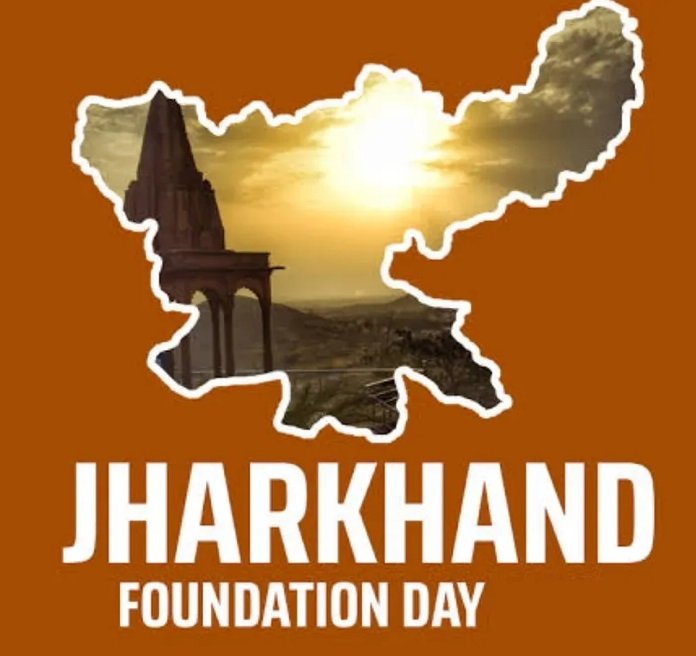
Jharkhand Foundation Day is observed annually on November 15, marking the day in 2000 when the state was carved out from Bihar to become India’s 28th state. This day is celebrated with pride across Jharkhand, as it symbolizes the aspirations of its indigenous people, rich cultural heritage, and the state’s potential for progress.

Historical Background

The creation of Jharkhand was the result of a long-standing demand by the region’s indigenous tribes who wanted their own state to protect and promote their unique cultural identity. This movement can be traced back to the early 20th century, with leaders like Birsa Munda championing the cause of tribal rights and autonomy. November 15 holds special significance as it is also the birth anniversary of Birsa Munda, a revered tribal freedom fighter, social reformer, and religious leader whose legacy lives on in the spirit of Jharkhand.

Cultural Heritage

Jharkhand, meaning “The Land of Forests,” is home to a large tribal population, with communities such as the Santhals, Mundas, Oraons, and Ho preserving their age-old traditions, customs, and festivals. The state is known for its folk music, traditional dances like Chhau, and handicrafts. The tribes have a close bond with nature, which reflects in their art, lifestyle, and rituals. This deep-rooted culture and respect for the environment make Jharkhand unique.

Natural Resources and Economic Potential

Jharkhand is blessed with abundant natural resources, including minerals like coal, iron ore, copper, and mica, making it one of India’s major mineral-producing states. The state also has vast forests and diverse wildlife, with several national parks and wildlife sanctuaries such as Betla National Park. Despite its rich resources, Jharkhand faces challenges like poverty and underdevelopment. Efforts are underway to harness its resources sustainably and boost the economy by promoting industries like mining, agriculture, and tourism.

Celebrations and Observances

Jharkhand Foundation Day is celebrated with various cultural programs, parades, and exhibitions across the state. Government offices, schools, and colleges organize events to honor the legacy of Birsa Munda and promote awareness of tribal culture. Awards are presented to notable citizens for their contributions, and development schemes are often launched to mark the occasion.

Moving Towards Progress

Today, Jharkhand is focused on balancing tradition with modernity. With ongoing efforts in education, healthcare, infrastructure, and skill development, the state aims to improve the quality of life for its people while preserving its heritage. The day reminds its citizens of the state’s potential for growth and the need to preserve its unique cultural identity.

Jharkhand Foundation Day is not only a celebration but also a reminder of the resilience and pride of its people. As the state progresses, it continues to honor its roots and work towards a brighter future.

NISAR: A New Era in Earth Observation and Disaster Preparedness

0

NASA and ISRO are joining forces to bring a revolutionary new satellite mission into orbit: the NASA-ISRO Synthetic Aperture Radar, or NISAR. This collaboration aims to transform Earth observation by providing precise, high-frequency data on the planet’s surface, helping monitor environmental changes, assess disaster risks, and safeguard infrastructure. NISAR’s capabilities will allow scientists to keep a close watch on Earth’s dynamic systems, from shifting fault lines to melting glaciers and growing vegetation. Its launch is set for early next year from India, marking a milestone in international cooperation for Earth science and disaster management.

Launch Details

The NISAR satellite will be launched from the Satish Dhawan Space Centre in Andhra Pradesh, using ISRO’s powerful Geosynchronous Satellite Launch Vehicle Mark II (GSLV Mk II). Positioned in a low Earth orbit (LEO), NISAR’s vantage point will allow it to capture detailed and frequent observations of the planet’s surface, making it one of the most advanced Earth-observing satellites ever launched.

Advanced Radar Technology

At the heart of NISAR’s technological edge are two sophisticated radar systems: an L-band radar provided by NASA and an S-band radar developed by ISRO. This combination is a first in satellite technology, enabling round-the-clock, all-weather monitoring capabilities. The L-band radar can penetrate dense vegetation, making it valuable for observing hidden geological formations and detecting changes beneath thick forest canopies, while the S-band radar specializes in capturing surface details. Together, these radars will allow NISAR to capture surface deformations and subtle movements, critical for understanding the Earth’s processes.

Monitoring Earth’s Movements

NISAR is engineered to measure both horizontal and vertical shifts on Earth’s surface, collecting data at 12-day intervals. This high frequency of observations makes it possible to track even slight movements caused by natural phenomena such as earthquakes, landslides, and volcanic activity. By mapping fault lines and identifying areas under stress, scientists can differentiate between stable and unstable fault zones, allowing for better risk assessment.

Seismic Activity Analysis

While NISAR does not predict earthquakes, its ability to monitor ground deformation can help identify high-risk seismic areas. The satellite will provide valuable insights into fault dynamics, particularly in regions like California, where seismic activity is closely monitored. Beyond well-known seismic zones, NISAR will also survey less-observed areas, highlighting regions that may require increased monitoring and resources.

Volcanic Activity Monitoring

Volcanoes often exhibit signs of activity long before eruption, such as ground swelling and sinking due to magma movement. NISAR will be instrumental in tracking these changes, offering early insights into volcanic behaviour. By monitoring these surface shifts, scientists can better understand volcanic systems and potential eruption patterns, leading to improved preparedness and response measures.

Infrastructure Monitoring

NISAR’s capabilities extend beyond natural hazards to include infrastructure monitoring. The satellite will help detect subtle changes in critical infrastructure, such as levees, dams, and aqueducts, that may indicate damage or wear. This data will enable resource managers to prioritize inspections and target maintenance efforts more efficiently. In the event of a disaster, NISAR’s data can quickly reveal compromised structures, facilitating faster, more effective emergency response.

A Landmark in International Collaboration

The NISAR mission is a testament to the power of international collaboration. NASA’s Jet Propulsion Laboratory (JPL) has taken charge of the US component, contributing the advanced L-band radar, while ISRO’s U R Rao Satellite Centre is overseeing spacecraft construction and launch services. This partnership underscores the commitment of both countries to tackle global challenges through shared expertise and technology.

Rigorous Testing and Readiness

To ensure its success in the harsh conditions of space, NISAR underwent extensive testing in 2023 at Bengaluru’s facilities, where it was exposed to extreme environments in a thermal vacuum chamber. These tests have prepared the satellite to withstand the vacuum and temperature fluctuations of space, ensuring its reliability and longevity as it embarks on its mission to gather critical Earth data.

Important Facts for Competitive Exams

  1. NISAR: NASA-ISRO Synthetic Aperture Radar, a collaborative mission aimed at enhancing Earth observation and disaster readiness.
  2. Satish Dhawan Space Centre: Located in Andhra Pradesh, India, this is ISRO’s primary launch facility, and will serve as the launch site for NISAR.
  3. Geosynchronous Satellite Launch Vehicle Mark II (GSLV Mk II): An ISRO-developed rocket that will place NISAR into low Earth orbit, enabling it to gather high-resolution data on Earth’s surface.

Summing Up

NISAR represents a new era in Earth observation. Its advanced radar technology and international collaborative framework make it a powerful tool in understanding and managing the Earth’s environment. From monitoring the Earth’s movements to safeguarding infrastructure, NISAR’s contributions are expected to make a substantial impact on Earth science, disaster preparedness, and our shared global responsibility to protect the planet.


Guru Nanak Jayanti 2024: History and Significance

0

Vaidehi Bhargava

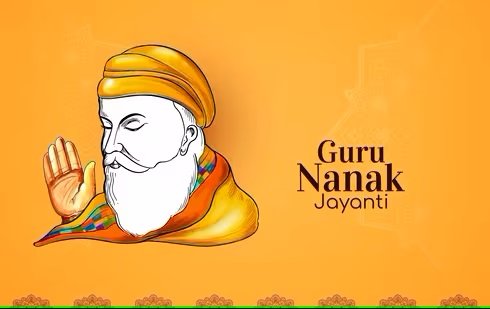
Guru Nanak Dev Ji’s birth anniversary, celebrated on Guru Nanak Jayanti or Gurpurab, is one of the most sacred festivals in Sikhism. It falls on Kartik Purnima, the full moon in the Hindu month of Kartik, usually in October or November. In 2024, it will be observed on November 15th.

Historical Background

Guru Nanak Dev Ji, the founder of Sikhism, was born in 1469 in the village of Talwandi, now called Nankana Sahib in Pakistan. Known for his deep spirituality and compassion, he traveled extensively to preach equality, peace, and unity. His teachings, collected in the Guru Granth Sahib, are central to Sikhism and focus on the concepts of devotion to one God, humility, and service to humanity.

Significance of Guru Nanak Jayanti

The day holds profound significance for Sikhs worldwide as it commemorates the life and teachings of Guru Nanak, who challenged social injustices and promoted the idea of universal brotherhood. His message of “Ik Onkar,” which means “One God,” is a call for unity across diverse communities and religions.

Guru Nanak emphasized the values of honesty, hard work, and sharing one’s earnings with the needy, encapsulated in the principles of Naam Japna (meditating on God’s name), Kirat Karni (honest labor), and Vand Chakna (sharing with others).

Celebrations and Traditions

Gurpurab is marked by grand celebrations in Sikh temples, or Gurdwaras, worldwide. The festivities begin two days prior with the Akhand Path, a continuous reading of the Guru Granth Sahib. On the eve of the festival, Sikhs organize Nagar Kirtans (processions) where the Guru Granth Sahib is carried in a decorated palanquin. Devotees sing hymns and engage in seva (service), distributing food to the needy. The Langar (community meal) at gurdwaras embodies Guru Nanak’s teachings on equality, as people from all backgrounds come together to share a meal.

The Message of Guru Nanak

Guru Nanak Dev Ji’s teachings remain relevant across generations and communities. He was a social reformer, inspiring millions with his emphasis on peace, compassion, and equality. His life and teachings remind humanity of the importance of humility, love, and the oneness of all beings.

Dubai Ranks 5th Globally in the 2024 Global City Index, Leading West Asia and Africa

0

Dubai has once again made headlines by achieving a remarkable milestone in the 2024 Global City Index by Brand Finance, securing the fifth spot globally. This accomplishment not only underscores Dubai’s growing influence but also marks its position as the highest-ranked city in West Asia and Africa for the second consecutive year. Surpassing major cities such as Singapore and Los Angeles, Dubai’s rise reflects its strategic vision and dynamic global reputation.

Global Ranking Achievements

Dubai’s ascent to fifth place is a significant leap from previous years, placing it ahead of globally renowned cities like Sydney, San Francisco, and Amsterdam. This improvement highlights Dubai’s commitment to economic performance and forward-thinking initiatives. The city’s impressive rise in global rankings is seen as a testament to its resilience, adaptability, and appeal to both businesses and professionals worldwide.

Advancements in Work Opportunities

One of the standout aspects of Dubai’s growth is its focus on local and remote work opportunities. The city has jumped from 24th to an impressive 4th place in this category, showcasing its adaptability in the modern work environment. This progress reflects Dubai’s commitment to creating a thriving work culture, making it an attractive destination for professionals from diverse industries.

Economic Strength and Strategic Vision

Scoring 86 out of 100, Dubai’s economic resilience and strategic vision are key factors in its ranking. Indicators such as trade, tourism, and infrastructure highlight the city’s robust economy. As a global trade hub, Dubai benefits from its strategic location, which not only boosts its economy but also strengthens its position on the international stage. The city’s vision for sustainable and inclusive growth further enhances its appeal, positioning it as a forward-looking city with a balanced approach to development.

The Crown Prince of Dubai, Sheikh Hamdan bin Mohammed bin Rashid Al Maktoum, plays a pivotal role in guiding this progress. As Chairman of The Executive Council, he drives Dubai’s development with a focus on innovation and strategic planning. His leadership is heavily influenced by the foresight of his father, Sheikh Mohammed bin Rashid Al Maktoum, who has laid the foundation for Dubai’s economic and social achievements.

Global Reputation and Future Prospects

Dubai’s growing global reputation as a vibrant, business-friendly city with modern infrastructure and a dynamic culture has contributed significantly to its high ranking. The city continues to attract international investments, bolstered by strategic initiatives designed to maintain and elevate its global standing. Looking ahead, Dubai’s future prospects are promising, with plans to enhance its appeal to investors, businesses, and tourists alike.

Key Takeaways

  • Global City Index Ranking: Dubai’s fifth-place global ranking reflects its impressive global reputation and leadership in West Asia and Africa.
  • Advancement in Work Opportunities: A substantial leap in remote and local work opportunities, ranking 4th globally, underscores Dubai’s adaptability and appeal to professionals.
  • Economic Resilience: With a score of 86 out of 100, Dubai’s economy thrives on trade, tourism, and infrastructure, cementing its status as a global trade hub.
  • Leadership and Vision: The Crown Prince of Dubai, Sheikh Hamdan bin Mohammed, emphasizes a governance model rooted in innovation and strategic foresight, driving Dubai’s success.

Dubai’s rise in the 2024 Global City Index exemplifies its status as a city of growth, resilience, and opportunity. As Dubai continues to pursue its ambitious goals, it remains a beacon of progress and prosperity on the global stage.

National Press Day: History and its Significance

0

Vaidehi Bhargava

National Press Day in India is observed on November 16 each year to honor the autonomy and responsibility of the press. It commemorates the establishment of the Press Council of India (PCI) on this day in 1966, which serves as a moral watchdog to ensure that journalism adheres to ethical standards and remains free from external pressures. The day celebrates the role of the media in upholding democracy by fostering an informed citizenry and providing a platform for free expression.

Background and Establishment

The roots of National Press Day lie in post-independence India, when the government recognized the critical role of an independent press in a democratic society. Concerns about ethical standards, potential government influence, and the need to protect journalists from external pressures led to discussions about establishing a regulatory body. In 1966, the Press Council of India was formally established under the Press Council Act. It became operational on November 16, marking the date as a day to celebrate and reflect upon the importance of a free press in a democratic society.

The Press Council of India was designed to maintain high standards in journalism while allowing freedom from government interference. As a quasi-judicial body, the PCI can investigate complaints against journalists and media organizations, ensuring accountability within the profession. Its goal is to protect freedom of the press and maintain a balance between media freedom and responsibility.

Significance of National Press Day

National Press Day highlights the crucial role of the media as the “Fourth Pillar of Democracy.” In a country as diverse and complex as India, an independent press provides citizens with access to critical information, holds powerful institutions accountable, and fosters transparency in governance. This celebration reminds both the press and the public of the responsibility to promote truthful, unbiased, and fair reporting.

The day also serves to raise awareness about issues faced by journalists, such as threats to their freedom, physical safety, and ethical challenges. In a rapidly evolving media landscape, where digital platforms and social media have transformed news dissemination, National Press Day underscores the importance of journalistic integrity and the role of professional journalism.

Challenges and Reflection

In recent years, concerns over “fake news,” sensationalism, and partisan biases have highlighted the need for ethical journalism. National Press Day encourages introspection within the press community on maintaining the trust of the public and reaffirming a commitment to truth and transparency. It’s a reminder of the vital responsibility of journalists to serve society with factual reporting, upholding the ideals of freedom and integrity.

Thus, National Press Day not only celebrates the press but also serves as a moment of reflection on the values of responsible journalism, the challenges it faces, and the need to maintain an independent and ethical media in India’s democratic framework.

What is National Epilepsy Day?

0

Vaidehi Bhargava

National Epilepsy Day, observed on November 17 in India, raises awareness about epilepsy—a neurological disorder characterized by recurrent, unprovoked seizures. This day is dedicated to educating the public, dispelling myths, and fostering understanding about epilepsy. Epilepsy affects over 10 million people in India, making awareness essential for improving the quality of life for those affected and helping them lead fulfilling lives.

Significance of National Epilepsy Day

Epilepsy remains one of the least understood medical conditions in India due to a lack of awareness and the stigma that surrounds it. Misconceptions about the causes and effects of epilepsy often lead to social discrimination and isolation for people with the condition. National Epilepsy Day aims to combat these issues by providing accurate information and promoting empathy toward those affected. By encouraging open dialogue and public understanding, the day seeks to foster a supportive environment that enables individuals with epilepsy to live without fear of discrimination.

Another significant aspect of National Epilepsy Day is its focus on encouraging early diagnosis and treatment. Epilepsy can often be managed effectively with medication, lifestyle adjustments, and in some cases, surgery. Raising awareness about the symptoms and treatment options encourages individuals experiencing seizures to seek medical help, potentially reducing the risk of severe complications.

Background and Initiatives in India

The inception of National Epilepsy Day in India was led by health organizations like the Indian Epilepsy Society and the Indian Epilepsy Association, which have long advocated for epilepsy awareness and support. These organizations emphasize the importance of proper healthcare infrastructure, training for healthcare providers, and availability of medications. In recent years, campaigns have extended to rural areas, where access to information and treatment remains limited, with the goal of reaching vulnerable populations who may otherwise go untreated or misdiagnosed.

Educational workshops, seminars, and public awareness campaigns are often held on National Epilepsy Day. Healthcare professionals, non-profits, and government organizations collaborate to address myths about epilepsy, provide resources for those living with the disorder, and guide families and caregivers on how to offer support. Many of these efforts also work to explain that epilepsy is not a mental illness, as it is sometimes misperceived, but rather a medical condition that can be managed with appropriate care.

Challenges and Continued Advocacy

National Epilepsy Day also brings attention to the need for improved policies supporting individuals with epilepsy. Many still face barriers in employment, education, and social integration. By highlighting these challenges, National Epilepsy Day advocates for better public policies, increased funding for research, and stronger protections for the rights of people with epilepsy.

In conclusion, National Epilepsy Day plays a crucial role in reshaping societal perspectives on epilepsy, addressing medical needs, and encouraging compassion. Its observance reminds us of the importance of education, inclusion, and advocacy in improving the lives of people affected by epilepsy in India.

Why Flamingos are pink in Colour?

0

Vaidehi Bhargava

Flamingos are pink primarily because of their diet, which is rich in carotenoid pigments. Carotenoids are natural pigments found in certain algae, crustaceans, and plankton, which form a large part of the flamingo’s diet. When flamingos consume these organisms, their bodies break down the carotenoids and deposit them in their feathers, skin, and beak, gradually coloring them a shade of pink.

The main diet of flamingos consists of algae, small crustaceans like brine shrimp, and diatoms, which are types of algae-like organisms. In regions where flamingos primarily eat blue-green algae, their coloration tends to be more intense. Flamingos feed by wading in shallow waters and using their unique beak shape, which is specially adapted for filter-feeding. They scoop up water and mud with their beaks, then close them and use their tongues to push out the water, trapping food particles in tiny hair-like structures called lamellae inside the beak. This allows them to efficiently filter out small food items from the water.

Interestingly, flamingos are not born pink. Flamingo chicks are gray or white, and they develop their pink color gradually as they grow and consume more carotenoid-rich food. It can take a few years before a flamingo achieves its full pink coloration. The color intensity can vary based on the type of food they consume and environmental factors, with some flamingos appearing more orange or reddish if their diet contains different types of carotenoids.

Carotenoids themselves are important for more than just color. These pigments play a role in cellular health, and the color intensity is often an indicator of a flamingo’s health and diet quality. In flamingo colonies, individuals with more vibrant colors are often healthier and more attractive to mates, making the color an important factor in their social and reproductive behavior.

Flamingos have a fascinating dietary adaptation in their digestive system as well. Their liver processes the carotenoids and distributes the pigment to their feathers and skin. This transformation underscores a unique example of how an animal’s diet directly affects its appearance.