World Television Day, observed annually on November 21, celebrates the profound influence of television as a medium for communication, education, and entertainment. Established by the United Nations in 1996, the day recognizes television’s role in shaping public opinion and fostering global understanding. This date was chosen following the first World Television Forum held on November 21-22, 1996, where media leaders highlighted its growing impact on society.
Television has evolved from black-and-white screens to modern, interactive platforms accessible on multiple devices. It remains a powerful tool for disseminating information, promoting cultural diversity, and connecting communities across borders. Through news broadcasts, educational programming, and entertainment, television informs, inspires, and fosters shared experiences.
World Television Day also underscores the importance of responsible programming. The medium plays a critical role in addressing global issues, promoting sustainable development, and encouraging dialogue on social and economic challenges. Events marking the day often include discussions, documentaries, and campaigns to celebrate the medium’s contributions.
As we commemorate this day, we are reminded of television’s enduring ability to educate, entertain, and unite people worldwide, transcending boundaries to create a more informed and connected global community.
Every year on November 20, the world comes together to observe Universal Children’s Day, a day dedicated to promoting international togetherness, raising awareness about children’s welfare, and emphasizing the importance of children’s rights. Children are society’s most vulnerable yet vital members, requiring care, nurturing, and protection to shape a brighter future. This day serves as a poignant reminder of the collective responsibility to ensure every child is given the opportunity to thrive.
History of Universal Children’s Day
The United Nations established Universal Children’s Day in 1954, with the goal of fostering solidarity and enhancing the well-being of children worldwide. The significance of November 20 lies in its historical milestones:
In 1959, the Declaration of the Rights of the Child was adopted by the UN General Assembly.
In 1989, the UN General Assembly ratified the Convention on the Rights of the Child, a landmark treaty that defines children’s rights to protection, education, healthcare, and more.
Since 1990, Universal Children’s Day has marked the anniversaries of these pivotal events, uniting nations, communities, and individuals in celebrating progress while addressing challenges in children’s welfare.
Theme for Universal Children’s Day 2024
The theme for Universal Children’s Day 2024 is “For every child, every right.”
This theme underscores the importance of ensuring every child has access to their fundamental rights, including education, healthcare, safety, and an environment where they can thrive. It calls for collective action to eliminate barriers that hinder children from achieving their full potential, encouraging a global commitment to equity and inclusion.
Significance of Universal Children’s Day
Universal Children’s Day is more than a celebration; it is a movement toward securing a better future for children everywhere. The day holds profound significance in several ways:
1. Raising Awareness
The day amplifies awareness about children’s rights, as outlined in the Convention on the Rights of the Child, urging governments, organizations, and individuals to protect and uphold these rights.
2. Promoting Equity
It shines a light on the disparities faced by children worldwide, advocating for equal opportunities in education, healthcare, and protection, especially for marginalized groups.
3. Celebrating Progress
While challenges persist, the day celebrates the strides made in improving the lives of children globally, inspiring optimism and continued efforts.
4. Inspiring Action
Through campaigns, events, and individual contributions, the day mobilizes people to contribute to creating a world where every child can flourish.
How to Celebrate Universal Children’s Day
Celebrating Universal Children’s Day can be both impactful and enjoyable. Here are a few ways to make a difference:
Volunteer: Spend time with children in your community, educate them about their rights, or organize workshops focused on their welfare.
Donate: Contribute to organizations working for child welfare, education, and health. Small donations can have a lasting impact.
Sponsor a Child: Consider sponsoring a child’s education or healthcare through reliable organizations.
Raise Awareness: Use social media platforms to share information about children’s rights and the day’s theme.
School or College Events: Organize events in educational institutions to celebrate achievements aligned with the day’s values.
Participate in UN Events: Join activities organized by the UN and other groups to show solidarity and support.
Inspirational Quotes for World Children’s Day
“Every child comes with the message that God is not yet discouraged of man.” – Rabindranath Tagore
“There can be no keener revelation of a society’s soul than how it treats its children.” – Nelson Mandela
“Let us sacrifice our today so that our children can have a better tomorrow.” – A. P. J. Abdul Kalam
Summing Up
Universal Children’s Day is a call to action for all of us to champion the rights and welfare of children. By protecting their innocence, nurturing their potential, and ensuring their rights, we lay the foundation for a brighter, more equitable future. Let us use this day to reaffirm our commitment to creating a world where “every child enjoys every right.”
This November 20, let’s celebrate the spirit of childhood and work collectively to build a better tomorrow for the youngest members of our global community.
In a remarkable breakthrough, botanists from the Botanical Survey of India (BSI) have identified a new flowering plant species in the Eastern Ghats of Andhra Pradesh and Telangana. The plant, named Dicliptera srisailamica, was discovered in the Nagarjunasagar-Srisailam Tiger Reserve, a region celebrated for its biodiversity. The research, led by L. Rasingam from BSI’s Deccan Regional Centre, adds a significant species to India’s botanical wealth.
Taxonomy and Global Context
Dicliptera srisailamica belongs to the Acanthaceae family, a group of plants comprising 223 species worldwide. The genus Dicliptera is represented by 27 species in India, with eight endemic to the country. Of these, Andhra Pradesh alone is home to seven recorded species, showcasing the state’s ecological richness.
Distinct Characteristics of Dicliptera srisailamica
The plant displays several unique features that distinguish it from related species:
Growth and Structure: Dicliptera srisailamica is an erect herb that can grow up to 90 cm in height. Its stems are four-angled and bear fine hairs during their early stages.
Leaves: The ovate leaves have prominent veins and smooth margins, adding to the plant’s visual appeal.
Flowers: The species produces small, pink, bi-lipped flowers arranged in clusters. These blooms contribute to the area’s floral diversity and beauty.
Unique Features: It differs from Dicliptera beddomei in stem hair characteristics and bract structure. The tertiary bracts are linear and spathulate, unlike the ovate bracts of other species.
Flowering Period and Habitat
The flowering period for Dicliptera srisailamica spans October to January, during which the plant thrives along stream banks and rocky edges. However, these habitats are fragile and susceptible to environmental disturbances, highlighting the urgency of conservation measures.
Conservation and Future Studies
Although its conservation status is yet to be formally assessed, the plant’s limited habitat underscores the need for immediate attention. Key steps include:
Preservation: Specimens of Dicliptera srisailamica have been stored in major Indian herbaria to support further research.
Extended Surveys: Studies in nearby regions aim to explore the plant’s distribution and ecological requirements.
Habitat Protection: Conservation efforts for stream banks and rocky habitats are critical for the survival of this rare species.
Significance of the Discovery
This discovery emphasizes the Eastern Ghats’ ecological importance and the role of the Nagarjunasagar-Srisailam Tiger Reserve as a sanctuary for rare species. The identification of Dicliptera srisailamica also highlights the contributions of the Botanical Survey of India, which continues to advance research in plant diversity and conservation.
Key Takeaways for Botanical Enthusiasts and Exams
Dicliptera srisailamica: A newly identified flowering plant endemic to India, belonging to the Acanthaceae family.
Habitat: Found in the Nagarjunasagar-Srisailam Tiger Reserve, a biodiversity hotspot in Andhra Pradesh and Telangana.
Unique Features: Distinguished by its pink flowers, ovate leaves, and linear tertiary bracts.
Conservation Priority: The species requires habitat protection and further studies for ecological preservation.
This discovery is a testament to the rich, unexplored biodiversity of India and the ongoing efforts to document and protect its natural treasures.
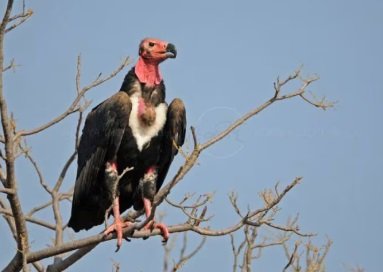
In a significant development for bird conservation in India, the critically endangered Red-Headed Vulture has been sighted in Kasaragod, Kerala, marking the first recorded appearance of this species in the district. The discovery was made by bird watcher Sreelal K. Mohan, who documented the vulture near Mavungal. This rare sighting highlights Kasaragod’s growing reputation as a hotspot for avian biodiversity.
The Status of the Red-Headed Vulture
Known as the Asian King Vulture, the Red-Headed Vulture is among the rarest birds in the region. Its population has experienced a dramatic decline over the past few decades due to several environmental and human-induced factors.
Historically abundant in Kerala until the 1970s, vultures have faced significant threats, including:
Habitat Loss: Urbanization and deforestation have reduced nesting and feeding grounds.
Food Scarcity: The decline in available carrion has further strained their survival.
Diclofenac Toxicity: The widespread use of diclofenac, a veterinary drug used to treat cattle, has been a major factor. The drug is lethal to vultures that feed on contaminated carcasses, leading to widespread fatalities.
Characteristics of the Red-Headed Vulture
The Red-Headed Vulture is distinguished by its:
Striking Appearance: A vivid red head contrasting with its black body.
Impressive Wingspan: Reaching up to 2.5 meters.
Size: Weighing around 5 kg, with a body length exceeding 80 cm.
Solitary Nature: Typically spotted alone or in pairs, it is less social than other vulture species.
Distinctive Markings: A white patch on its abdomen adds to its unique identification features.
Habitat and Breeding
The species primarily resides in Central India, Nepal, and parts of Southeast Asia. In India, it has been recorded in Kerala, Karnataka, and Tamil Nadu. Breeding occurs between November and January, often in undisturbed forests.
The sighting in Kasaragod underscores the district’s emerging role as an avian biodiversity hotspot, which has already recorded over 407 bird species. This new addition reinforces the importance of the region for rare and endangered birds.
Conservation Significance
The sighting offers renewed hope for vulture conservation efforts. Key measures being advocated include:
Reducing Diclofenac Use: Conservationists have pushed for alternatives to the drug, and its restricted use in veterinary medicine has shown positive effects.
Protecting Habitats: Preserving natural landscapes and creating vulture-friendly zones can ensure their survival.
Increasing Awareness: Educating communities about the ecological role of vultures as nature’s scavengers is vital.
Ornithologists see the presence of the Red-Headed Vulture as a symbol of resilience, urging enhanced conservation measures to prevent further declines in vulture populations.
Key Takeaways for Bird Enthusiasts and Conservationists
Species Spotlight: The Red-Headed Vulture (Asian King Vulture) is critically endangered, with a dwindling population.
Diclofenac Danger: The drug remains a key factor in vulture mortality, emphasizing the need for safer alternatives.
Kasaragod’s Significance: The district, with over 407 recorded bird species, is solidifying its status as a vital sanctuary for rare birds.
The sighting of the Red-Headed Vulture in Kasaragod not only enriches the district’s biodiversity but also serves as a reminder of the critical need for sustained conservation efforts to protect these magnificent birds from the brink of extinction.
In a pioneering move toward sustainable agricultural practices, the Government of Odisha, in collaboration with the International Crops Research Institute for the Semi-Arid Tropics (ICRISAT), has launched the ‘Compendium of Regenerative Agriculture.’ The launch, held at the International Symposium on Shree Anna and Forgotten Foods in Bhubaneshwar, underscores Odisha’s commitment to transforming its agricultural landscape.
Key Principles of Regenerative Agriculture
The compendium focuses on five fundamental principles designed to promote sustainability and soil health in farming:
Minimizing Soil Disturbance: Reducing tillage to preserve soil structure and microbiome.
Maximizing Crop Diversity: Encouraging crop rotation and intercropping to enhance biodiversity.
Maintaining Soil Cover: Using cover crops or mulching to protect soil from erosion and nutrient loss.
Keeping Living Roots Year-Round: Ensuring continuous plant growth to support soil organisms.
Integrating Livestock: Using livestock to contribute to nutrient cycling and land fertility.
These principles aim to foster a holistic approach to farming, ensuring long-term productivity and ecological balance.
A Resource for Sustainable Agriculture
Arabinda K. Padhee, Principal Secretary of Agriculture, highlighted the compendium’s importance as a roadmap for scaling regenerative agricultural practices. With a specific focus on millets, pulses, and oilseeds, the initiative seeks to improve soil health, enhance carbon sequestration, and bolster climate resilience.
The compendium is expected to empower farmers with knowledge and techniques to transition from conventional to regenerative farming, benefiting both the environment and livelihoods.
Insights from the International Symposium
The symposium, which drew over 400 participants, including international experts, served as a platform to discuss research priorities and strategies for promoting millets and other nutrient-dense crops in Odisha. Presentations emphasized the role of regenerative agriculture in addressing pressing global challenges like food security and climate change.
Collaborative Efforts
A delegation from the Confederation of Indian Industry (CII) Telangana engaged with ICRISAT to explore collaborative opportunities in agriculture and food processing. Discussions centered around mechanization and its potential to enhance efficiency and sustainability in farming.
M. Raghunandan Rao, Commissioner of Agriculture and Cooperation, underscored the importance of prioritizing smallholder farmers in these efforts. He stressed the need for systems that ensure sustainable incomes and resilience against production and marketing risks.
Krishna Ella, founder of Bharat Biotech, echoed this sentiment, advocating for a farmer-first approach. He highlighted the dual risks faced by farmers and emphasized that empowering them is the first step toward achieving sustainability in agriculture.
A Step Forward for Odisha’s Farmers
The launch of the compendium signifies a transformative step for agriculture in Odisha, particularly for smallholder farmers. It aligns with global efforts to adopt climate-smart practices and improve livelihoods, positioning Odisha as a leader in regenerative farming.
Key Takeaways:
ICRISAT’s Role: ICRISAT is a global leader in improving crop production in semi-arid regions, focusing on millets, pulses, and oilseeds.
Carbon Sequestration: Regenerative agriculture enhances carbon storage in soil, contributing to climate change mitigation.
Bhubaneshwar’s Significance: As a cultural and educational hub, Bhubaneshwar serves as a fitting venue for initiatives promoting sustainable agriculture.
This initiative marks a major step toward achieving a sustainable agricultural ecosystem in Odisha, balancing environmental conservation with the welfare of its farmers.
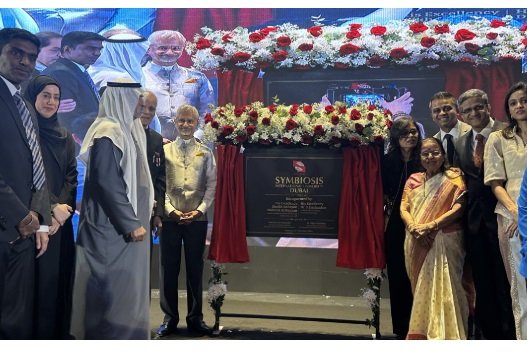
In a landmark step that deepens the educational partnership between India and the UAE, Symbiosis International University has inaugurated its first overseas campus at Dubai Knowledge Park. This development marks a significant milestone in the bilateral relationship, further cementing ties in education and innovation.
A Star-Studded Inauguration
The campus inauguration was graced by prominent figures, including Dr. S. Jaishankar, India’s External Affairs Minister, and Sheikh Nahyan bin Mubarak Al Nahyan, UAE’s Minister of Tolerance and Coexistence. The event highlighted the mutual commitment of both nations toward fostering quality education.
Symbiosis University has received full accreditation from the UAE’s Commission for Academic Accreditation, reflecting its dedication to maintaining high educational standards.
Diverse Program Offerings
The Dubai campus will offer a range of programs in management, technology, and media, equipping students with critical 21st-century skills. Guided by the philosophy of Vasudhaiva Kutumbakam—the belief that “the world is one family”—the university seeks to nurture global collaboration and cultural harmony.
This expansion aligns with India’s National Education Policy 2020 (NEP), which emphasizes the internationalization of higher education and encourages the establishment of offshore campuses to enhance global educational outreach.
Enhancing Student Opportunities
The UAE is already home to over 300,000 Indian students benefiting from its robust educational framework. The addition of Symbiosis University’s campus will further enrich these opportunities, building on the momentum generated during Prime Minister Narendra Modi’s 2015 visit and the Comprehensive Economic Partnership Agreement (CEPA) signed between India and the UAE.
Building Human Capital
In his address, Dr. Jaishankar underlined the importance of investing in human capital for India’s progress, with a focus on artificial intelligence, clean energy, and sustainable development. The Dubai campus stands as a testament to this vision, offering programs that align with these critical areas.
Sheikh Nahyan bin Mubarak Al Nahyan emphasized the UAE’s commitment to becoming a knowledge-based economy, where education plays a vital role in fostering mutual understanding and stability. He highlighted Dubai’s cosmopolitan appeal, with expatriates making up nearly 85% of its population, making it an ideal location for an institution like Symbiosis University.
A Step Toward Economic Transformation
The establishment of the Symbiosis Dubai campus also aligns with Dubai’s Economic Agenda 33, a strategic plan focused on transforming the emirate’s economy over the next decade. By prioritizing human capital development and fostering international educational collaborations, the initiative reinforces the city’s position as a global knowledge hub.
Bridging Cultures Through Education
The launch of this overseas campus is not merely an academic milestone but a bridge fostering cultural and intellectual exchange between India and the UAE. Both nations aspire to elevate their global educational competitiveness, and initiatives like this strengthen their shared vision.
Key Highlights:
Vasudhaiva Kutumbakam: This ancient Indian philosophy, meaning “the world is one family,” underscores the university’s global approach to education.
Dubai Knowledge Park: A hub for education and research, supporting Dubai’s ambition to become a global knowledge economy.
Comprehensive Economic Partnership Agreement (CEPA): A bilateral agreement that fosters trade, investment, and educational collaboration between India and the UAE.
Economic Agenda 33: Dubai’s roadmap for economic transformation, prioritizing education and human capital development over the next decade.
Symbiosis University’s entry into Dubai is a promising step toward shaping a more interconnected and knowledge-driven future, with profound benefits for students, educators, and economies alike.
Quantum computing, a revolutionary technology, is gaining momentum by solving problems that classical computers cannot. The building blocks of quantum computers, qubits, are pivotal in this process. A new development in quantum technology—mechanical qubits—has opened exciting possibilities by addressing some of the challenges faced by traditional qubits.
Understanding Mechanical Qubits
Mechanical qubits are tiny, drum-like systems that rely on vibrational states rather than electronic states to store quantum information. Unlike traditional electromagnetic qubits, mechanical qubits can exist in multiple states simultaneously, making them a novel and promising addition to quantum technology.
A key advantage of mechanical qubits is their potential for longer coherence times—the duration for which a qubit retains its quantum state. Electromagnetic qubits often suffer from short coherence times, limiting their utility. In contrast, mechanical qubits, due to their vibrational nature, may offer greater stability, paving the way for more efficient quantum computing.
Breakthrough at ETH Zurich
The first operational mechanical qubit was developed by researchers at the Swiss Federal Institute of Technology (ETH) Zurich, a groundbreaking achievement in quantum research. Led by doctoral student Yu Yang, the team published their findings in Science on November 15.
To overcome the challenges of creating mechanical qubits, the ETH team employed advanced fabrication techniques, integrating a piezoelectric disk with a superconducting qubit. This innovative design enhanced the coherence time and manipulation capabilities of the mechanical qubit.
Challenges in Development
The development of mechanical qubits has not been without challenges. Traditional electromagnetic qubits behave anharmonically, meaning their energy levels are unevenly spaced. Mechanical systems, however, are harmonic, with evenly spaced energy levels. This difference complicates the creation of mechanical qubits and requires new approaches to ensure quantum behavior.
Hybrid Qubit Systems
To bridge the gap between mechanical and electromagnetic qubits, researchers have explored hybrid systems. These combine mechanical resonators with electromagnetic qubits, aiming to harness the advantages of both. Hybrid systems could achieve longer coherence times while maintaining the operational benefits of electromagnetic qubits.
Performance and Future Prospects
The prototype mechanical qubit developed at ETH Zurich demonstrated a coherence time of approximately 200 microseconds. While this is shorter than the best-performing superconducting qubits, it is a significant step forward for mechanical qubits. This advancement underscores the potential for mechanical qubits to complement and enhance current quantum computing technologies.
Why Mechanical Qubits Matter
The introduction of mechanical qubits addresses critical issues in quantum computing, particularly coherence time and stability. By leveraging vibrational states, mechanical qubits offer a pathway to more robust quantum systems, potentially expanding the scope of quantum computing applications.
Key Takeaways:
Qubits: The fundamental units of quantum information, capable of existing in multiple states simultaneously.
Coherence Time: A measure of how long a qubit retains its quantum state. Mechanical qubits promise longer coherence times compared to traditional qubits.
Piezoelectric Disk: A component used in mechanical qubit design to convert mechanical energy into electrical energy, contributing to improved performance.
Hybrid Systems: Combining mechanical and electromagnetic qubits could yield systems with enhanced coherence times and operational efficiency.
As quantum research advances, mechanical qubits may become a cornerstone of next-generation quantum computers, unlocking new possibilities for solving complex problems across various fields.
Nestled in the heart of Utah, Pando is a natural marvel, recognized as one of the world’s oldest and most extraordinary living organisms. Often mistaken for a forest, Pando is actually a massive clonal colony of quaking aspen trees (Populus tremuloides), all interconnected by a single, extensive underground root system. This unique characteristic unites approximately 47,000 trees across 106 acres, making it a single, colossal organism that has intrigued scientists and nature enthusiasts alike.
A Journey Through Time
Pando’s origins trace back to an astonishing timeline. Researchers estimate that it may have sprouted from a single seedling around 34,000 years ago. Some even suggest that its roots might stretch back as far as 80,000 years, placing it among Earth’s most ancient living entities. Such longevity underscores its resilience and ecological importance, standing as a testament to nature’s enduring power.
The Genetics of a Giant
Unlike most forests, all the trees within Pando are genetically identical, a result of asexual reproduction through root cloning. This genetic uniformity was confirmed through extensive research involving 500 samples, which identified 4,000 distinct mutations. The findings revealed a surprising complexity: trees situated close together shared only slightly more genetic mutations than those farther apart. This discovery adds an intriguing layer to Pando’s genetic story, challenging conventional notions of clonal organism simplicity.
A Pillar of the Ecosystem
Pando is not just a botanical wonder; it is a vital component of its surrounding ecosystem. Its vast network of roots stabilizes soil, preventing erosion and supporting the health of the environment. Additionally, it provides a sanctuary and sustenance for a diverse array of wildlife, from insects and birds to deer and elk. The organism’s survival is intertwined with the well-being of the ecosystem it sustains.
Challenges to Survival
Despite its ancient legacy, Pando faces significant threats. Climate change, human activities, and grazing pressure from deer and elk jeopardize its delicate balance. Understanding its resilience and ecological contributions is imperative for devising strategies to protect this natural treasure.
Rivals in Longevity
Pando’s age, while remarkable, may not be unique. For instance, Posidonia oceanica, a seagrass species found off the Spanish island of Formentera, could be over 200,000 years old. These discoveries emphasize the need for continued research into ancient clonal organisms, offering insights into the secrets of longevity and environmental adaptation.
Preservation and Future Insights
Efforts to study and conserve Pando are crucial for maintaining its ecological legacy. Researchers like Rozenn Pineau from the University of Chicago have been pivotal in uncovering its genetic complexities, providing valuable knowledge to guide conservation efforts. Protecting Pando is not just about preserving a singular organism—it’s about safeguarding an ecosystem and understanding nature’s capacity for endurance and renewal.
Fast Facts
What is Pando? A clonal colony of quaking aspen trees in Utah, spanning 106 acres and comprising 47,000 genetically identical trees.
Age: Estimated at 34,000 to possibly 80,000 years old.
Ecological Role: Stabilizes soil, prevents erosion, and supports diverse wildlife.
Competitor:Posidonia oceanica seagrass, potentially over 200,000 years old.
Scientific Research: Led by Rozenn Pineau, findings highlighted unexpected genetic variations within Pando.
Pando stands as a symbol of nature’s resilience and interconnectedness. As we deepen our understanding of this extraordinary organism, we also gain insights into preserving Earth’s delicate ecosystems for generations to come.
Every year on November 19, the world comes together to observe International Men’s Day (IMD)—a day dedicated to recognising the invaluable contributions of men to families, communities, and society at large. Beyond celebration, this day also fosters crucial conversations about men’s mental health, societal pressures, and the importance of gender equality. Here’s a comprehensive look at the date, theme, history, significance, and celebrations of International Men’s Day 2024.
International Men’s Day 2024: Date and Theme
This year, International Men’s Day falls on Tuesday, November 19, 2024. The theme for 2024, “Positive Male Role Models,” emphasizes the importance of fostering a culture where men are supported to thrive emotionally and socially. By promoting open discussions about mental health and challenging negative stereotypes, this theme encourages society to celebrate men who inspire others through kindness, resilience, and authenticity.
The History of International Men’s Day
The idea of International Men’s Day was introduced in 1992 by Dr. Jerome Teelucksingh, a Trinidadian scholar. His vision was to establish a day dedicated to celebrating men’s achievements while addressing critical issues such as:
Male health,
Gender-based violence, and
The importance of positive male role models.
Dr. Teelucksingh believed that men’s contributions to nation-building, family, and community deserved recognition. The movement gained traction globally, with various countries adopting the observance to advocate for men’s well-being and create awareness campaigns for societal progress.
Significance of International Men’s Day
International Men’s Day is more than just a celebration—it’s a call for action. This day:
Acknowledges men’s contributions: From their roles in families to their efforts in community and nation-building, it celebrates the positive impact of men.
Promotes mental health awareness: Men often face societal pressures to suppress emotions, leading to significant mental health challenges. This day aims to break that stigma by encouraging dialogue.
Challenges gender stereotypes: It advocates for dismantling harmful stereotypes, fostering a culture of equality and mutual respect.
Highlights male role models: By celebrating individuals who inspire others through positive actions, it provides young boys with examples of integrity, compassion, and strength.
Ultimately, International Men’s Day aspires to build an inclusive, supportive society where every individual’s contributions are valued and well-being is prioritized.
How is International Men’s Day Celebrated?
International Men’s Day celebrations span a wide range of activities aimed at education, appreciation, and community support:
Workshops and Seminars: Discussions about mental health, gender roles, and societal expectations provide a platform for open dialogue and education.
Health Campaigns: Many organizations offer free check-ups and host wellness drives to encourage men to prioritize their health.
Community Events: Volunteering initiatives, social gatherings, and public campaigns honor men’s contributions while fostering camaraderie.
Educational Programs: These focus on sharing the stories of positive male role models, inspiring young boys to embrace values like empathy, respect, and perseverance.
Gratitude Messages: People take to social media and personal interactions to express appreciation for the men who make a positive difference in their lives.
Why International Men’s Day Matters
In a world where traditional gender roles often place undue pressure on men, International Men’s Day provides a much-needed opportunity to shift perspectives. It encourages society to move beyond stereotypes, offering men the space to be their authentic selves while contributing positively to the world around them.
As we celebrate International Men’s Day 2024, let us champion the theme of “Positive Male Role Models” by appreciating the men who inspire us and committing to creating a more inclusive, compassionate future for all.
Inspiring stories have been motivating us all; but when a real life story of a real life hero comes to fore, we all bow our head in respect and take away some inspiring lessons from his life. In our Netherland Special Series, we bring one such story of a man who went beyond borders to make a mark and became a global leader while overcoming all odds.
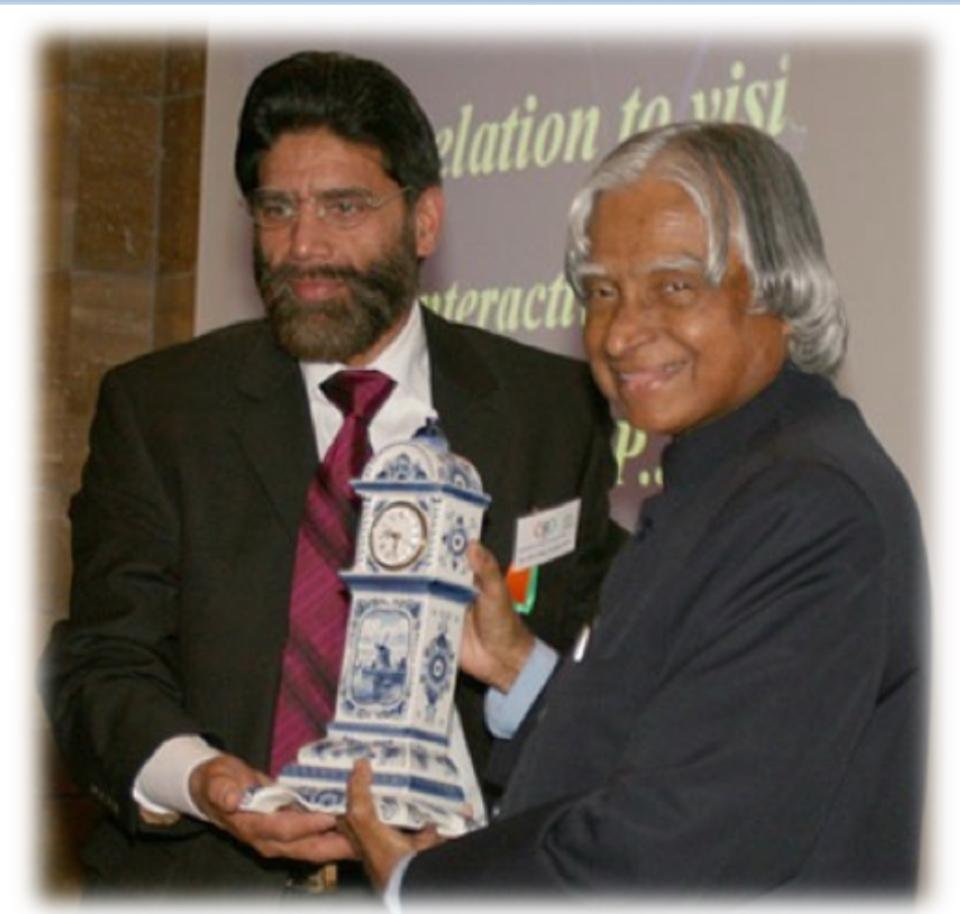
Jasbir Singh from Netherland is one such man who gives a message that ‘it is never too late to start’. After a break of 18 years, he earned a dual degree of L.L.B and L.L.M in just two years.
Let’ have a glimpse into this inspirational tale of this man who despite. being born in a farmer’s family, knew no full stops and earned the credential of being the first lawyer in European nation. Meet the man who made many firsts after stepping into foreign nation: A Lawyer, Leader, and Advocate
Early Life
Born on March 4, 1953, in a small village near Kapurthala, Punjab, Jasbir Singh’s early life was shaped by the simplicity and hard work of his family’s farming background. Growing up, he witnessed the challenges of rural life, where every day was a testament to perseverance and dedication. His parents instilled in him a deep sense of responsibility and a strong work ethic—values that would guide him throughout his life.
A bright student, Jasbir completed his early education in local government schools and went on to graduate with honors from Guru Nanak University in 1972. At just 19, with a heart full of hope and determination, he set off on an uncertain journey to the Netherlands, leaving behind the only world he had known, in search of better opportunities.
The Struggles of a New Life Abroad
Moving to a foreign country with no support system and limited resources was no easy feat for a young man from a farming family. Jasbir Singh found himself starting from the very bottom. He took up jobs in the food industry, initially working in manual labor. The work was tough, and the challenges many, but he never gave up. His ability to persevere and his relentless drive helped him rise through the ranks, moving from manual labour to managerial roles. Despite the difficulties, he never stopped believing that something greater awaited him.
Deep inside, though, he knew that his journey was far from complete, he yearned to further his education and make a lasting impact. Despite the 18-year gap in formal education, in 1989, he took the bold step of enrolling in Leiden University, known for its prestigious law program.
A Record-Breaking Academic Achievement
In a remarkable display of determination, Jasbir Singh earned his L.LB and L.LM degrees in just two years (1989-1991), a feat that was unprecedented in the Netherlands. He became the first Indian lawyer in mainland Europe, setting a new record and proving that anything is possible when one is driven by passion and purpose. This academic achievement marked the beginning of his transition from a migrant worker to a legal pioneer, breaking barriers for others in the Indian community.
His success wasn’t just personal—it was a beacon of hope for countless others. It demonstrated that no matter where you come from or how long the road is, hard work and persistence can lead to incredible accomplishments.
Building a Legacy: A Lawyer, Leader, and Advocate
In 1992, Jasbir Singh founded his own law practice, Singh Law Firm (previously Roest Singh Advocates), where he became a symbol of justice and integrity. His firm became known for its commitment to excellence, and he quickly earned the respect of colleagues and clients alike.
But his impact didn’t stop there. As much as he excelled professionally, Jasbir also saw a greater need in the community. In 1975, he founded the Indians Welfare Association to address the challenges faced by Indian migrants in the Netherlands. He went on to establish the Foundation for Indian Diaspora in Europe (FIDE) in 2009, and served as the president of the Foundation for Critical Choices for India (FCCI), the oldest overseas Indian think tank. Through these organisations, Jasbir worked tirelessly to preserve Indian culture and address the concerns of the Indian community abroad.
A Political Trailblazer
Jasbir’s desire to create change didn’t stop at the legal and social levels. In 1978, he became an active member of a national political party in the Netherlands, aiming to shape policies that impacted the Indian community. In 1996, he made history by becoming the first Indian national to be elected to a local government body, bridging cultural divides and ensuring Indian voices were heard on a political platform.
His appointment to the Governing Council of the Overseas Indian Facilitation Centre (OIFC) in 2010 marked another milestone in his political journey. Jasbir became a global leader, addressing issues that affected not only the Indian diaspora but the relationship between India and the rest of the world.
A Passionate Cultural Ambassador
While Jasbir’s professional and political accomplishments are remarkable, he remains deeply connected to his roots. He has always been passionate about Indian culture—its literature, music, philosophy, and yoga. He believes in the power of cultural preservation, advocating for the importance of keeping Indian traditions alive, even while living abroad. His love for sports, particularly hockey and long-distance running, reflects his balanced approach to life, where physical endurance and intellectual curiosity go hand in hand.
Inspiring Future Generations
From a small village in Punjab to becoming a respected lawyer and leader in Europe, Jasbir Singh’s journey is an inspiring story of resilience, hope, and vision. His life is a reminder that no matter the circumstances of our birth, we have the power to shape our own future. His story proves that with hard work, determination, and a willingness to follow your dreams, anything is possible.
As the President of FIDE and FCCI, Singh’s tireless work has uplifted the Indian diaspora, providing opportunities and paving the way for future generations. His journey continues to inspire, showing us all that with courage and purpose, we can rise above our challenges and leave a legacy that lasts for generations.