Home Blog Page 456

Pankaj Advani is Crowned World Billiards Champion 2024; PM Congratulates sports star

0

In a proud moment for India, Pankaj Advani clinched the title of World Billiards Champion at the 2024 World Snooker Championships. Recognizing his remarkable achievement, Prime Minister Narendra Modi extended heartfelt congratulations to the ace billiards player, highlighting his dedication and excellence.

Taking to social media, the Prime Minister shared his admiration for Advani’s commitment to the sport, posting on X (formerly Twitter):
Phenomenal accomplishment! Congratulations to you. Your dedication, passion, and commitment are outstanding. You have time and again demonstrated what excellence is. Your success will also keep inspiring upcoming athletes. @PankajAdvani247

This victory adds yet another feather to Advani’s illustrious career, cementing his status as a true champion and a source of inspiration for young athletes nationwide. Advani’s relentless pursuit of perfection in billiards and snooker has not only earned him a global reputation but has also elevated India’s standing in cue sports on the international stage.

With 24 world titles to his name, Advani’s success has paved the way for greater recognition and respect for cue sports in India. His journey continues to motivate countless aspiring players, and his latest triumph reinforces the message that dedication and hard work can propel Indian athletes to the world’s highest platforms.

IIT Ropar Develops Cost-Effective, Eco-Friendly Knee Rehabilitation Device

0

In a groundbreaking advancement in knee rehabilitation, researchers at the Indian Institute of Technology (IIT) Ropar have developed an innovative and affordable device for Continuous Passive Motion (CPM) therapy. This new mechanical device addresses the high costs and dependency on electricity associated with traditional motorized CPM machines, making it accessible for a broader range of patients, particularly those in rural or underserved areas.

Mechanical Design and Functionality

The IIT Ropar device employs a simple yet effective piston and pulley system, allowing it to function without the need for electricity, batteries, or motors. Patients pull a handle, which stores air within the device, generating a controlled and smooth motion essential for effective knee rehabilitation. This system facilitates the gentle, passive movement required in post-surgery recovery, helping to improve joint mobility and reduce stiffness without putting excessive strain on the knee.

The mechanical design is not only cost-effective but also user-friendly. Unlike motorized machines, which can be complex and intimidating, the IIT Ropar device requires minimal setup, making it ideal for home use. Additionally, this design provides a steady and gradual motion, aiding a safe and steady recovery for patients.

Addressing the Cost Barrier

Traditional CPM devices are expensive and require access to reliable electricity, often limiting their use to well-equipped hospitals or urban healthcare centers. In contrast, this mechanical CPM device offers a low-cost alternative, making it accessible to patients in areas where healthcare costs can be a significant burden. The affordability of the IIT Ropar device helps patients in remote or rural regions gain access to essential rehabilitation therapy without straining their finances, also reducing the load on healthcare facilities by enabling home-based recovery.

Eco-Friendly and Sustainable Design

An added benefit of the IIT Ropar device is its eco-friendliness. By eliminating the need for electricity or batteries, the device reduces environmental impact and aligns with global efforts to make healthcare more sustainable. The mechanical design reduces power consumption and minimizes waste, making it a responsible choice for an increasingly eco-conscious world. This device sets an example of how innovation can contribute to both improved healthcare access and environmental stewardship.

Enhanced Portability and Convenience

Weighing significantly less than traditional motorized CPM machines, the device is highly portable, making it easy for patients to use at home and even transport if necessary. This portability allows patients to maintain a consistent rehabilitation routine without frequent hospital visits, improving their overall recovery experience. By promoting self-directed therapy, the device supports patient autonomy and minimizes the risk of complications due to delayed or inconsistent therapy.

Transformative Potential in Knee Rehabilitation

The IIT Ropar device stands to revolutionize knee rehabilitation by addressing several key challenges faced by patients and healthcare providers alike. With its low cost, ease of use, and lack of dependency on external power, the device makes CPM therapy more accessible for patients in under-resourced areas, where access to advanced rehabilitation equipment is often limited. Its affordability and effectiveness could potentially influence rehabilitation practices in India and beyond, sparking similar innovations across other medical fields.

Important Facts for Exams and General Knowledge:

  • IIT Ropar: Located in Punjab, IIT Ropar is renowned for its focus on advanced research, technological innovation, and its mission to foster a culture of entrepreneurship. The development of this CPM device is part of its broader efforts to create impactful solutions in healthcare.
  • CPM Therapy (Continuous Passive Motion): CPM therapy is a critical component in knee rehabilitation, particularly after surgery. By gently and passively moving the knee joint, it helps prevent stiffness, improves mobility, and accelerates the healing process.
  • Piston and Pulley System: The IIT Ropar device uses a piston and pulley system that converts linear motion into rotational motion, enabling smooth, controlled movement without the need for electricity. This efficient, mechanical design is both effective and sustainable.

Summing Up

The development of this mechanical CPM device by IIT Ropar is a significant step forward in knee rehabilitation technology. With a focus on accessibility, affordability, and sustainability, this innovation represents a new direction in healthcare technology, bringing essential therapies within reach for countless patients. As this device continues to gain attention, it may inspire further advancements in medical technology, contributing to better patient care and recovery outcomes worldwide.

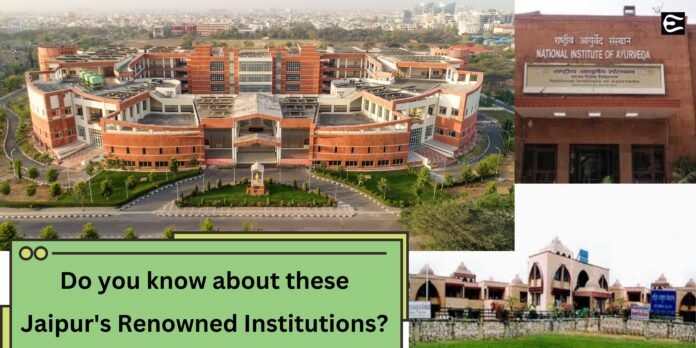
Besides Tourism, Jaipur Scripting Success Stories in Technology, Ayurveda and Sanskrit Too, Courtesy MNIT, NIA and NIS…

0

Jaipur, the capital of Rajasthan, has already made a mark across the globe as a tourist hub with its palatial palaces, rich heritage and beautiful culture.

However, not many are aware that this pristine city is also leading from the front in technology, ayurveda and in promoting Sanskrit too.

Since ages, Jaipur has been hub of technology, ayurveda and sanskrit education however it’ branding as a tourist destination has fizzled out its other strengths.

Even today, the city is a hub of education and health institutions. Among these, three premier institutions stand out: Malaviya National Institute of Technology (MNIT), the National Institute of Ayurveda (NIA), and the National Institute of Sanskrit (NIS). These institutions serve diverse areas of technology, health, and traditional literature, respectively, each with its own legacy and contribution to India’s intellectual and health landscape.

Malaviya National Institute of Technology (MNIT)

Founded in 1963 as Malaviya Regional Engineering College, MNIT Jaipur gained its current name in 2002 when it became a National Institute of Technology. Named after the visionary educationist and freedom fighter Madan Mohan Malaviya, MNIT has become one of the most prestigious engineering institutes in India, offering programs in engineering, architecture, and science at undergraduate, postgraduate, and doctoral levels. It is known for its robust curriculum, skilled faculty, and research-driven approach, which have earned it a place among India’s top technical institutions.

MNIT has hosted several national and international conferences, attracting notable speakers and scholars. The institution has been visited by prominent figures from the tech industry, government, and academia, including former President Dr. A.P.J. Abdul Kalam and several renowned scientists. These visits emphasize MNIT’s role in advancing research and development, helping India stay at the forefront of innovation.

National Institute of Ayurveda (NIA)

Established in 1976 by the Ministry of Health and Family Welfare, the National Institute of Ayurveda (NIA) in Jaipur is one of India’s premier institutes dedicated to the study, research, and practice of Ayurveda. NIA is unique in its mission to blend traditional Ayurvedic practices with modern healthcare. With a daily inflow of approximately 2,000 patients, the institute is often referred to as a “magic center” for its ability to treat a wide range of ailments using natural remedies and therapies.

NIA has seen visits from eminent personalities and dignitaries, including health ministers, prominent Ayurvedic practitioners, and even international figures interested in traditional medicine. Many visitors are drawn by the institute’s renowned Panchakarma therapy, which includes purification processes aimed at holistic healing and wellness. NIA also offers extensive educational programs, training Ayurvedic doctors and practitioners who continue to propagate the ancient Indian medical science both nationally and globally.

Recently, the National Institute of Ayurveda (NIA), has proudly secured the first rank across the country and achieved an A Grade rating from the National Commission for Indian System of Medicine (NCISM)!26

National Institute of Sanskrit (NIS)

The National Institute of Sanskrit (NIS), also known as Shri Lal Bahadur Shastri Rashtriya Sanskrit Vidyapeetha, was founded to promote the study and preservation of Sanskrit language and literature. NIS plays a crucial role in maintaining India’s linguistic heritage and provides courses in Sanskrit grammar, literature, Vedic studies, and philosophy.

As a center of traditional literature, NIS attracts scholars, students, and dignitaries dedicated to preserving and revitalizing the Sanskrit language. Distinguished guests have included scholars, linguists, and government officials who value Sanskrit’s cultural and spiritual significance. The institution is instrumental in keeping India’s literary heritage alive and relevant to modern times, and it has been a platform for renowned Sanskrit scholars to share insights and conduct research that links ancient texts to contemporary issues.

Swami Vivekananda visited Jaipur in 1891 during his early years of spiritual wandering (parivrajaka years). He was on a quest for knowledge, seeking to understand the depths of Indian philosophy and spirituality. During his time in Jaipur, he was particularly interested in studying Sanskrit and delving into classical Indian scriptures, including the Vedas, Upanishads, and other Sanskrit texts. Jaipur, known for its royal patronage of arts and learning, provided him access to several Sanskrit scholars and resources, which enriched his knowledge and understanding of Hindu philosophy.

Vivekananda’s visit to Jaipur was part of his broader journey to explore and absorb India’s ancient wisdom. The city’s libraries and its learned Sanskrit scholars helped him refine his understanding of spiritual texts, which later shaped his powerful oratory and philosophy. This study of Sanskrit texts also played a crucial role in preparing him for his eventual mission of bringing Indian spirituality to the world stage, most notably during his famous address at the Parliament of the World’s Religions in Chicago in 1893.

Contributions to Jaipur’s Legacy

Together, MNIT, NIA, and NIS enrich Jaipur’s legacy as a city of knowledge, health, and tradition. MNIT is a beacon for engineering and technological advancement, producing professionals who contribute to India’s growth in science and innovation. NIA promotes Ayurveda as a viable and holistic healthcare option, offering alternative treatments that attract thousands daily. NIS, meanwhile, preserves and promotes the Sanskrit language, ensuring that traditional knowledge systems remain accessible and valued in modern India. These institutions are indeed Jaipur’s pride, shaping lives and contributing to a knowledge-rich India.


Braj Sanwad Utsav in Bharatpur discusses current challenges like Deep State, Wokeism and Cultural Marxism at length

0

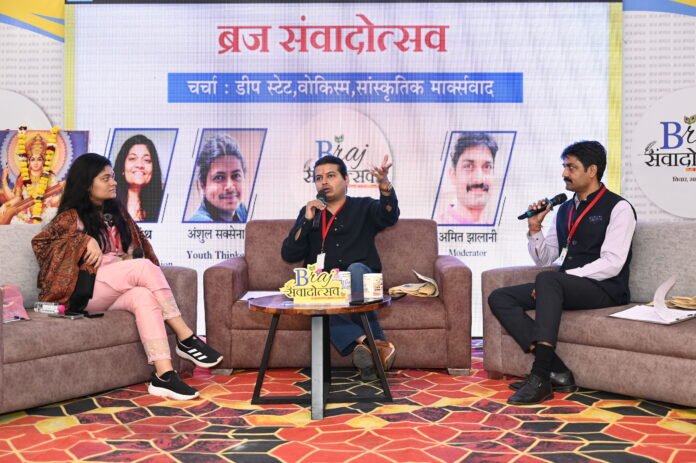
The first session of Braj Samvad Utsav themed at ‘Deep State, Wokism, Cultural Marxism’ discussed the challenges plaguing the nations and also discussed how the fake narratives like scrapping of reservation and Constitution change were spread deliberately in elections from the US TO Bangladesh to India. 

 The speakers in the programme included former President of Oxford University and writer Rashmi Samanth, youth thinker Anshul Saxena and interviewer, thinker and writer Amit Jhalani.

Talking about the deep state, Saxena said how the deep state runs the weapon industry while promoting war in countries like Iran and Israel. 

It is its job to create psychological concepts in the minds of people. Sheikh Hasina, who won with a majority in Bangladesh, was overthrown through the Deep State. And similar efforts were made in India during elections.

Rashmi Samanth said that narratives like Deep State have been with India since the beginning by changing names and forms. In the eighth century, India was the most civilised, powerful and educated nation. These narratives were built when evil forces failed to defeat India on basis of force even after 200 to 300 years of continuous attacks.

Wokeism, which started in the name of America’s Black Community, is being hijacked by the Deep State and is today distorting our culture in the wrong way.

Movements like Black Lives Matter, Me Too Movement, which are not the problems of India, are imported to India under an agenda and big celebrities of India support such movements, said Rashmi.

Pride Movement, which is not needed in India, is shown as a revolution, but transgenders have already been respected in India. Rashmi Samant, while sharing her experience of Oxford, said that after becoming the President of Oxford University, she was harassed through various allegations built under a narrative. “How an Indian girl becoming the President was not acceptable to the so-called modern people and due to this I was harassed and I had to resign,” she said. 

Rashmi also said that our diversity was never against harmony, nor is it, it is deliberately made the basis of division.

Anshul Saxena said that Cultural Marxism attacked the culture of India through educational institutions, bureaucracy, media etc.

Through deep state, cultural Marxism and wokeism, well-planned efforts are being made to destroy the ‘Swa’ (indigineous sense of India). And this game is going on all over the world.

At the end of the session, the speakers answered the questions of the audience.

In the second session of Brij Samvad Utsav titled ‘Fake Narrative’, the speakers were social media experts Yogesh Rajpurohit and Anshul Saxena, journalist Jitesh Jethanandani and interviewer Umesh Gupta. 

Yogesh Rajpurohit said that spreading fake narratives has become very easy through social media today. Some long term false narratives like discrimination and false discussions are created in the name of Dalit, tribal, caste, whereas in reality no such discrimination takes place. Narratives are spread on social media through toolkit. Big social media handles share it. Fake IDs are created to accomplish this objective.

He said that how in the name of caste, a single user creates IDs in the name of different castes and attempts are made to incite fights. It is necessary to report such anti-social elements.

Jitesh Jethanandani said how a false narrative was spread on the Matka scandal of Jalore. “Fake narratives were also spread in the Haryana elections. Media channels are also promoting these by spreading such anti-India stories during the festivals of India.”

Braj Sanwad Utsav in Bharatpur discusses current challenges like Deep State, Wokeism and Cultural Marxism at length

It was discussed in the session that one should avoid blindly trusting anyone on social media. First check the facts yourself and then form your opinion. In today’s time, social media monitoring has also increased which is a good thing. Now every person thinks many times before commenting.

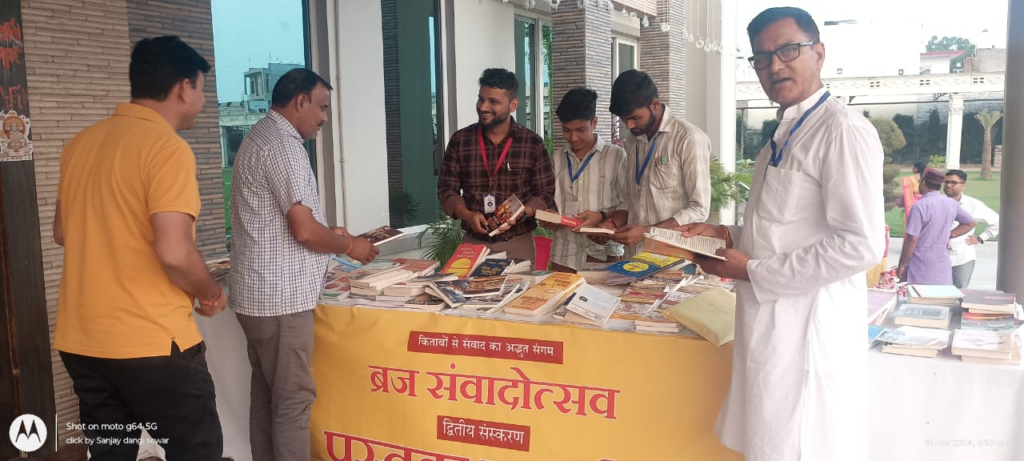
A book fair was also organised during the Braj Samvadotsav programme which has a collection of more than 500 books. Book publishers from all over the country had set up their stalls in the book fair. A large number of people reached the book fair. They visited the book fair and bought books on their favourite subjects. Religious, social and motivational books were also available here.

Dicliptera polymorpha: A Fire-Resilient New Plant Species Discovered in the Western Ghats

0

The Western Ghats, recognized globally as a biodiversity hotspot, has recently become home to an extraordinary botanical discovery: a new species of fire-resilient plant named Dicliptera polymorpha. Thriving in grasslands and displaying a unique dual-blooming pattern triggered by seasonal fires, this species highlights the ecological diversity and resilience within India’s natural landscapes. The discovery of Dicliptera polymorpha not only enriches the biodiversity of the Western Ghats but also emphasizes the delicate balance required in managing grassland ecosystems to ensure their preservation.

Discovery Team and Process

The discovery was spearheaded by a team from the Agharkar Research Institute (ARI) in Pune, led by Dr. Mandar Datar, with valuable contributions from botanist Adittya Dharap and Ph.D. student Bhushan Shigwan. The initial specimens were collected during the 2020 monsoon, and subsequent monitoring over the years confirmed its unique fire-triggered blooming cycle. This long-term research effort sheds light on Dicliptera polymorpha’s rare adaptations and ecological significance.

Distinctive Characteristics of Dicliptera polymorpha

Dicliptera polymorpha stands out for its remarkable fire-resilient nature, showcasing a rare dual-blooming cycle. The plant blooms first between November and April. The second flowering, a dwarf bloom triggered specifically by grassland fires, occurs from May to June. This unique adaptation allows the plant to take advantage of seasonal fires, a common occurrence in its native habitat, for regeneration and growth.

One of its most unusual features is its spicate inflorescence—a flower structure with elongated clusters—making it the only known Indian species with this configuration. The closest relatives of this floral structure are found in Africa, marking Dicliptera polymorpha as a unique addition to India’s flora.

Ecological Adaptations and Fire Resilience

The species’ fire resilience is integral to its survival strategy in the Western Ghats’ extreme conditions, which include summer droughts and frequent fires, both natural and human-induced. During the second flowering phase, the plant produces dwarf shoots from its woody rootstock, enabling a brief but abundant bloom. This dual blooming helps the plant withstand harsh conditions and underscores the importance of periodic fires for its life cycle.

However, the discovery raises conservation concerns. While occasional fires may be beneficial for Dicliptera polymorpha, uncontrolled fires could lead to habitat degradation, posing a threat to this unique species and the broader grassland ecosystem.

The Importance of Grassland Management

Effective fire management is essential to protect Dicliptera polymorpha while ensuring grassland health. Conservationists emphasize the need for a balanced approach, where fire is managed to support species survival without jeopardizing the ecosystem. Protecting grasslands from overuse and implementing controlled burns where necessary will help sustain this species and others reliant on fire-adaptive traits.

Research Recognition and Future Exploration

The significance of this discovery has been confirmed internationally. Dr. I. Darbyshire from Kew Botanic Garden validated the species’ novelty, and a research paper detailing the findings has been published in the Kew Bulletin, underscoring the importance of Dicliptera polymorpha as a contributor to global botanical knowledge.

The discovery opens new research avenues, encouraging scientists to investigate the ecological role of Dicliptera polymorpha within the Western Ghats. Future studies may reveal insights into its life cycle, interactions within the ecosystem, and further conservation strategies essential for preserving this and other fire-resilient flora.

Key Facts for Exam Preparation:

  • Agharkar Research Institute (ARI): Located in Pune, ARI is an autonomous research institution focused on biodiversity studies in the Western Ghats, contributing significantly to ecological research.
  • Dicliptera polymorpha: This newly discovered plant species is unique for its fire-resilient, dual-blooming nature, and spicate inflorescence, previously unseen in Indian flora.
  • Spicate Inflorescence: A rare floral arrangement with elongated clusters; Dicliptera polymorpha is the only Indian species exhibiting this structure.
  • Western Ghats: A UNESCO World Heritage Site, this region is one of the world’s top biodiversity hotspots, supporting a high number of endemic species and unique ecosystems.

The discovery of Dicliptera polymorpha exemplifies nature’s adaptive wonders and calls attention to the Western Ghats’ delicate ecosystems. Balancing conservation with ecological understanding will be key to preserving this newly discovered species, ensuring that India’s biodiversity continues to thrive for generations to come.

IISc Scientists Discover Breakthrough Method to Combat Antibiotic Resistance Through Biofilm Breakdown

0

In a significant advancement for medical science, researchers at the Indian Institute of Science (IISc) have identified a novel approach to combating antibiotic resistance. The team’s groundbreaking discovery focuses on breaking down biofilms, a primary defense mechanism employed by harmful bacteria to protect against drugs. This breakthrough holds immense promise for treating infections caused by opportunistic pathogens like Klebsiella pneumoniae, a bacterium known to cause serious hospital-acquired infections.

Understanding Biofilms and Their Role in Antibiotic Resistance

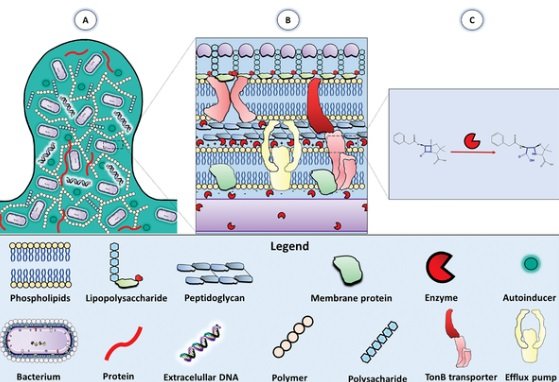
Biofilms are complex, protective structures secreted by bacteria, consisting of sugars, fats, proteins, and DNA that form a resilient shield against antibiotics. When these biofilms form, they create a tough barrier that significantly hinders drug penetration, allowing bacteria to thrive even in the presence of strong antibiotics. Klebsiella pneumoniae, a notorious pathogen responsible for life-threatening infections, frequently forms such biofilms, making its infections particularly challenging to treat and manage in hospital environments.

The Role of Enzymes in Biofilm Breakdown

The IISc researchers turned to enzymes as a solution to break down these biofilm barriers. Specifically, they studied polysaccharide-degrading enzymes capable of disrupting the polysaccharide matrix that reinforces biofilms. The team focused on a group of enzymes called glycoside hydrolases (GH), known for their ability to degrade complex sugars and polysaccharides, thereby weakening the biofilm structure.

Unlocking the Potential of Bovine-Derived Enzymes

To find enzymes capable of breaking down bacterial biofilms, the team explored an unusual source: the bovine digestive system. Cows possess a variety of microbial enzymes in their stomachs, which help them break down complex plant-based polysaccharides. The researchers identified an enzyme named GH-B2 from the rumen, the cow’s largest stomach compartment, as a promising biofilm-degrading enzyme. GH-B2 was then artificially synthesized in the laboratory for further testing.

Testing and Promising Results

The lab-engineered GH-B2 enzyme was tested on four distinct strains of Klebsiella pneumoniae isolated from various patients. These strains represented different serotypes of the bacterium, demonstrating the enzyme’s broad applicability. GH-B2 successfully degraded biofilms across all four strains, showing a strong ability to dismantle these defensive barriers. By effectively breaking down the biofilm, GH-B2 has the potential to make antibiotics more effective against K. pneumoniae infections, helping antibiotics reach their bacterial targets more efficiently.

Potential Impact on Antibiotic Resistance

This breakthrough suggests a new strategy for enhancing drug delivery and addressing antibiotic resistance in clinical settings. By degrading biofilms, enzymes like GH-B2 can allow antibiotics to penetrate more effectively, potentially reducing the rate at which bacteria develop resistance. Improved drug efficacy through this method could lead to better patient outcomes, especially for vulnerable populations at high risk of hospital-acquired infections.

Future Directions in Biofilm Research

While the discovery of GH-B2 is promising, further research is essential to maximize its potential. The IISc team aims to explore the enzyme’s application in clinical settings and investigate its precise mechanisms of action to optimize its effectiveness. This pioneering work opens new possibilities for treating biofilm-associated infections and may inspire the development of enzyme-based therapies for other resistant pathogens.

Key Takeaways for Medical and Exam Relevance

  • Indian Institute of Science (IISc): A leading research institution in India known for significant contributions to scientific advancements, including this breakthrough in biofilm research.
  • Klebsiella pneumoniae: A bacterium responsible for hospital-acquired infections that forms biofilms, complicating treatment and often leading to antibiotic resistance.
  • GH-B2 Enzyme: Discovered in cow rumen and developed by IISc, this enzyme can break down bacterial biofilms, enhancing antibiotic penetration and effectiveness against K. pneumoniae infections.

This discovery by IISc scientists marks a hopeful step toward addressing the global issue of antibiotic resistance, particularly for infections in medical settings. By targeting the biofilm defenses of harmful bacteria, this enzyme-based approach could transform how we treat resistant infections, promising safer and more effective care for countless patients.

India Launches ₹200-crore Decentralized Green Hydrogen Initiative

0

In a significant step toward energy sustainability, the Government of India has introduced a ₹200-crore scheme to promote green hydrogen production. Spearheaded by the Ministry of New and Renewable Energy (MNRE), this initiative focuses on developing decentralized, innovative green hydrogen methods to meet residential, commercial, and off-grid energy needs.

Scheme Overview

The ambitious ₹200-crore scheme is aimed at pilot projects that explore diverse and sustainable methods of green hydrogen production. These methods include floating solar-based hydrogen generation, biomass utilization, and hydrogen extraction from wastewater treatment. These pioneering approaches are designed to establish a green hydrogen ecosystem that caters to both community-level and industrial applications.

The MNRE will oversee the implementation of these pilot projects, each of which will serve as a stepping stone in establishing the viability of green hydrogen as a decentralized, clean energy alternative. In particular, the use of floating solar panels to generate hydrogen, biomass as a source for hydrogen production, and wastewater treatment processes for hydrogen extraction underscore the commitment to integrating green hydrogen into India’s renewable energy landscape.

Decentralized Applications

One of the scheme’s primary goals is to decentralize hydrogen applications, making green hydrogen accessible and usable for a range of practical applications. The targeted areas include household cooking and heating, off-grid electricity, and powering off-road vehicles, which collectively could reduce dependence on traditional fossil fuels. This decentralization is expected to stimulate broader adoption of green hydrogen across both urban and rural areas, contributing to India’s goal of achieving net-zero emissions.

India’s Solar PV Export Surge and Changing US Trade Policies

Alongside green hydrogen, India’s solar photovoltaic (PV) exports have experienced a notable increase, hitting $2 billion in the 2023-24 period—a 23-fold rise attributed largely to heightened demand from the US market. Major players such as Waree, Adani, and Vikram have led this surge, marking India’s growing influence in the global solar energy market.

Shifts in US trade policies are further enhancing India’s export potential. With tariffs reinstated on solar imports from Southeast Asia and the US moving away from Chinese imports, Indian solar manufacturers have a unique opportunity to expand their market share in the US. This shift could pave the way for India to become a major supplier of solar products worldwide, especially as the demand for renewable energy alternatives grows.

Challenges in India’s Battery Market

While India’s renewable energy sector is witnessing growth, its battery market remains heavily import-dependent. According to the International Energy Agency (IEA), domestic production will only meet 30% of the country’s battery demand by 2030, with reliance on imports—especially from China—expected to persist through 2035. This dependency highlights a need for bolstering local battery manufacturing to support the green hydrogen initiative and other renewable energy goals.

Future Prospects and Infrastructure Development

The establishment of a comprehensive green hydrogen ecosystem is crucial for India’s energy future. The government plans to set up refueling stations and develop infrastructure to support green hydrogen use, which will enhance the country’s local production capabilities. However, the challenges in the battery sector underscore the need for investment and innovation to reduce dependency on imports, which could otherwise hinder growth in India’s renewable energy sector.

Key Takeaways

  • Green Hydrogen: Produced using renewable energy sources, green hydrogen is considered a cleaner alternative to fossil fuels. It has applications in cooking, heating, and electricity generation, among others.
  • Biomass Utilization: Biomass, a renewable organic material, can be converted to hydrogen, promoting sustainability by reducing waste and emissions.
  • Floating Solar Panels: By harnessing water surfaces, floating solar panels avoid land use and offer a renewable energy source for hydrogen production.
  • International Energy Agency (IEA): As a global authority on energy trends, the IEA’s insights help shape energy policies worldwide.

India’s decentralized green hydrogen initiative represents a bold step toward sustainable energy, demonstrating the government’s commitment to eco-friendly innovation. With the potential to reshape energy infrastructure and reduce emissions, this program could serve as a model for integrating renewable energy into everyday life, advancing India’s standing as a leader in clean energy.

What is Kayakalp Scheme?

0

The Rajasthan College Education Commissionerate has introduced a fresh initiative to boost the aesthetic appeal of government colleges, mandating that twenty campuses paint their entry halls and facades in a vibrant shade of orange. This decision aligns with the objectives of the Kayakalp Scheme, which seeks to create positive, welcoming atmospheres in educational institutions.

About the Kayakalp Scheme

The Kayakalp Scheme is a national initiative launched by the Ministry of Health and Family Welfare, initially focusing on public healthcare facilities to improve cleanliness, hygiene, and infection control. Beyond healthcare, the scheme encourages institutions to make aesthetic improvements, fostering a more positive and motivational environment.

The Commissionerate’s Directive

Joint Director of College Education (Planning), Vijendra Kumar Sharma, issued the directive to twenty government colleges, selecting two institutions from each division to participate in the first phase. The intent behind this initiative is to craft an inviting environment that enhances students’ learning experiences, with a belief that a lively, vibrant color scheme will promote a sense of pride and positivity on campus.

Political Reactions

The decision to adopt orange as the designated color has stirred debate, particularly among the Opposition Congress, who argue that it introduces unnecessary political undertones into educational settings. Critics claim that such changes may detract attention from critical academic issues, with some suggesting that the initiative’s resources could be better allocated to academic improvements. This controversy raises questions about balancing aesthetics with core educational goals.

Anticipated Outcomes

Despite the contention, the initiative is poised to deliver several benefits. A welcoming and visually appealing campus can contribute to enhanced student engagement, with research indicating that positive environments can uplift morale and improve student performance. Furthermore, a vibrant campus appearance might attract more enrollments, establishing colleges as appealing learning hubs for prospective students.

Implementation and Quality Assurance

The painting project is scheduled to commence soon, with colleges expected to select appropriate shades of orange that align with quality standards. Quality control measures will ensure durability, protecting the investment in aesthetic enhancement. This color choice is anticipated to maintain a positive ambiance year-round.

Broader Implications for Educational Infrastructure

This directive reflects a growing trend towards prioritizing infrastructure quality in education, highlighting the importance of environment in enhancing learning spaces. The emphasis on cleanliness, hygiene, and aesthetic appeal could set a precedent for similar initiatives nationwide, signaling a shift toward the holistic development of educational institutions.

Key Facts to Remember

  • Kayakalp Scheme: A national initiative launched by the Ministry of Health and Family Welfare, focusing on promoting cleanliness, hygiene, and infection control, initially within public healthcare but with broader applications.
  • Rajasthan College Education Commissionerate: Oversees government higher education in Rajasthan, implementing policies to improve the educational environment and experience for students.

As this initiative unfolds, its impact on student morale, institutional pride, and overall campus atmosphere will be closely observed, potentially shaping future educational policies focused on creating vibrant and engaging learning environments.

Wedding Boom in Jaipur: Rising Demand for Marriage Gardens and Themed Decor Transforms the Industry

0

As the wedding season kicks off, Jaipur is set to host around 3,500 weddings on Dev Uthani Ekadashi, marking one of the busiest days for the city’s wedding industry. The growing demand for venues and upscale decor has led to a remarkable expansion in the number of marriage gardens, which now total around 1,400 in the city. According to reports, Jaipur’s marriage garden count increases by 10-15% every year, with popular areas like Mansarovar, Kalwar Road, Sirsi Road, Jagatpura, and Agra Road housing the highest number of venues.

With an estimated business turnover of around ₹300 crores this wedding season, industry insiders attribute the growth to increased investment by entrepreneurs from diverse sectors. Ravi Jindal, National President of the All India Tent Decoration Welfare Association, mentions that many are viewing the marriage garden business as a safe and lucrative investment avenue, which has only gained traction post-COVID.

Shift in Wedding Budgets and Trends

In recent years, wedding budgets have surged by 20-30%, driven largely by the demand for customized, theme-based celebrations. Social media has fueled this trend, with clients now guiding wedding planners based on popular online ideas. Vishnu Sharma, a prominent wedding planner, notes that while guest counts have reduced post-COVID, the per-wedding expenditure has risen as families focus on making every detail unique. Most couples now seek fresh, original concepts for each aspect of their wedding, from decor to entertainment.

Florals and Themes

This year’s wedding decor trends highlight the role of floral arrangements and thematic setups. Traditional themes, such as the Vrindavan-inspired mandap, have seen a resurgence, where mandaps are adorned with fresh roses, daisies, crown flowers, tulips, and mogra for an ethereal look. For high-end weddings, exotic blooms like purple and white orchids from Thailand and specialized roses from Pune and Ajmer are being flown in. Additionally, palm leaves, white chrysanthemums, and green foliage like gladiolus and baby pearl flowers are used to craft grand entry passages and aisles.

Decorators are introducing creative concepts, such as royal Rajasthani themes, complete with ornate crowns, lanterns, and luxurious setups that echo the region’s royal heritage. With floral decor budgets ranging from ₹2 lakhs to ₹20 lakhs, couples are requesting unique arrangements, even going as far as dyeing real flowers to match the wedding theme.

Modern Technology and Entertainment Options

As a nod to convenience and innovation, couples are opting for QR code-based invitations and personalized wedding apps for easy information sharing. With tools that let users easily design using a QR creator, it’s simple to create unique and personalized codes for the big day. Additionally, live-streaming options are being integrated into weddings, allowing friends and family who can’t attend in person to witness the festivities virtually. Wedding planner Ayush Agarwal emphasizes that clients are keen on these tech-driven solutions for seamless experiences..

Entertainment has also become a key component, with bespoke entertainment zones replacing traditional dance floors. Bollywood-themed setups with black sequined decor give sangeet events a cinematic feel, making guests feel like they’re part of a movie set.

Evolving Color Palettes and Ceremonies

Gone are the days when mehendi and haldi ceremonies adhered strictly to green and yellow themes. Today’s pre-wedding functions showcase vibrant, colorful themes, moving beyond traditional palettes. Meanwhile, floral decorations for these events incorporate rare flowers, including tiger orchids, lilies, carnations, and hydrangeas, bringing a new level of luxury to Jaipur’s weddings.

As Jaipur’s wedding industry continues to grow and evolve, it reflects a blend of tradition and modernity, with high-budget, themed celebrations becoming the new standard. This season, Jaipur’s marriage gardens are set to host grand events that epitomize Rajasthan’s royal elegance and the evolving expectations of today’s young couples.

LignoSat: The World’s First Wooden Satellite Embarks on Space Mission to Test Timber’s Potential

0

On November 5, 2024, the world witnessed a groundbreaking milestone in space exploration with the launch of LignoSat, the first satellite built with wood panels. This innovative satellite, developed by Kyoto University in partnership with Sumitomo Forestry, was delivered to the International Space Station (ISS) aboard a SpaceX Dragon cargo capsule, marking a pivotal step toward sustainable materials in space technology.

What is LignoSat?

LignoSat is a compact satellite, measuring just 10 centimeters on each side and weighing 900 grams. The satellite’s wooden panels are made from magnolia wood, crafted using traditional Japanese woodworking techniques without screws or adhesives. The satellite’s name, “LignoSat,” comes from “lignum,” the Latin word for wood, signifying its unique and eco-friendly composition.

Purpose of the Mission

The LignoSat mission aims to assess the durability and resilience of wood in space’s harsh conditions, where temperatures fluctuate dramatically, from -100 to 100 degrees Celsius every 45 minutes. The satellite’s sensors will monitor wood’s ability to withstand extreme heat, cold, and radiation, and gauge how effectively wood can shield sensitive electronic components like semiconductors from space radiation.

Historical Context of Wood in Aerospace

Wood has a longstanding history in aviation, dating back to the early 20th century when it was the primary material for aircraft construction. Researchers have drawn inspiration from this history to explore wood’s potential in space. Past innovations in materials science, coupled with wood’s unique properties, make it an intriguing candidate for space missions. Even cork, another natural material, has been used as heat-resistant insulation on spacecraft during re-entry, suggesting that organic materials may have untapped potential in modern space applications.

Advantages of Wood in Space

Wood offers several advantages over conventional materials like metal for certain applications in space. Since there is no oxygen or water in space, wood does not face the risk of rotting, corroding, or igniting, which could enhance its longevity in the harsh space environment. Kyoto University researchers even envision planting trees on the Moon and constructing timber-based habitats on Mars within the next 50 years, creating a pathway for sustainable space colonization.

Environmental Benefits of Wooden Satellites

Traditional satellites, primarily made from aluminum, often burn up upon re-entering Earth’s atmosphere, releasing aluminum oxides that contribute to ozone depletion. In contrast, LignoSat, crafted from renewable wood, offers a more sustainable solution. Its wooden panels will likely decompose more cleanly upon re-entry, potentially mitigating the environmental impact of space debris.

Composition of LignoSat

While LignoSat features wooden panels, it is not entirely wood-based. Traditional materials like aluminum are still part of its structure to ensure stability and functionality, with wooden components providing additional shielding. Over a six-month orbital period, sensors will collect data on how magnolia wood endures the various challenges of space, providing insights into its suitability for future missions.

Future Implications

The success of LignoSat could reshape our approach to space exploration, allowing wood to replace some metals in satellite construction. This shift could lead to a new era of environmentally responsible space missions and promote the use of timber-based materials in extraterrestrial habitats. The insights gained from LignoSat may address critical challenges in long-term space colonization, fostering a sustainable future beyond Earth.

Important Facts for Students

  • LignoSat: The first wooden satellite, designed to test the potential of timber in space, weighs 900 grams and measures 10 centimeters per side.
  • Kyoto University: Renowned for research in space science and forestry, Kyoto University partnered with Sumitomo Forestry to develop LignoSat, showcasing their commitment to sustainable innovation.
  • Takao Doi: A Japanese astronaut and Kyoto University researcher, Doi has previously flown on the Space Shuttle and contributes to studies on human space activities.

As the world eagerly awaits the results of LignoSat’s journey, its success could usher in a new wave of renewable materials in space exploration, highlighting the power of tradition and innovation combined.