Home Blog Page 441

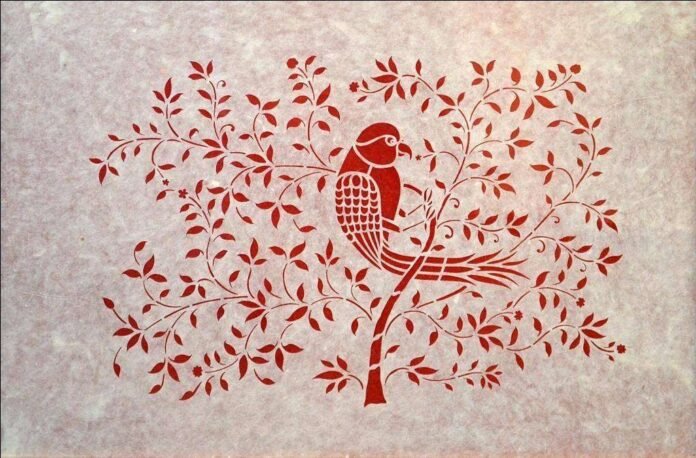
What is Sanjhi art? Know the history and evolution behind it..

0

Khushi Sharma

Sanjhi art is a traditional Indian folk art that involves cutting intricate designs and patterns into paper or banana leaves with specially made scissors.These stencils are placed on flat surfaces or water, where the rangoli has to be drawn. Dry colors are then sifted onto the surface.
The term “Sanjhi” comes from the Hindi word sandhya, which refers to the period of dusk, when the art form is typically associated.

Origin
Sanjhi art is a traditional Indian art form that originated in Mathura, the hometown of Lord Krishna.
According to Hindu mythology, Radha, Lord Krishna’s chosen gopini, would decorate the walls of her home with Sanjhi art to attract her beloved. The other gopinis of Vrindavan followed suit, hoping to attract Krishna’s attention.

Growth
Sanjhi art grew in popularity in the 16th and 17th centuries, when temples began decorating their walls and floors with Sanjhi motifs. Adding to this sanjhi has been popular ever since, and during the Mughal period, contemporary themes were introduced for greater perspective. Today, Sanjhi art is found in many homes and spaces.

The art of Sanjhi is still practiced today, but there are concerns about its survival. Some say that the art form needs to be promoted and that people need to learn it to preserve it.

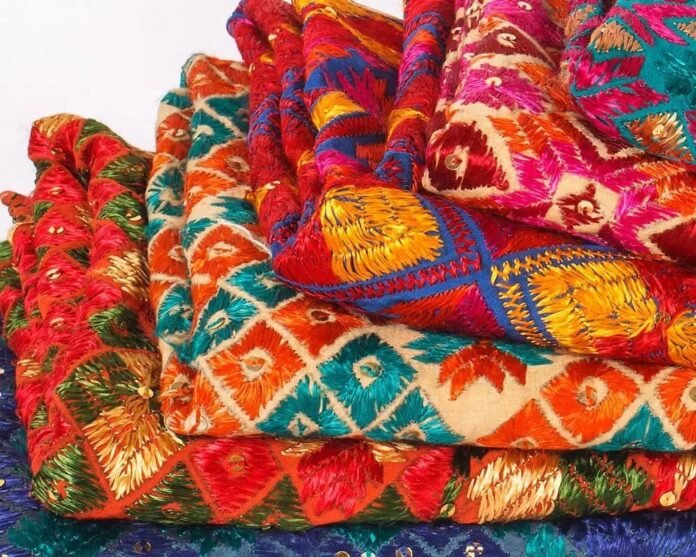
Know the details of Phulkari art of Punjab..

0

Khushi Sharma

Phulkari: Literally means ‘flower work’. It is a style of embroidery that has its origins in the state of Punjab, India. Initially, it was the womenfolk who worked with bright colourful thread strands to create beautiful flower motifs on cotton fabrics.
The phulkari of south and southwestern Punjab in India and Pakistan has wide edges upon which designs of animals and birds are embroidered. As is the case of the chope, the edges are embroidered on both sides of the cloth.
It is also said that the jats, the strongest clan in South-east Punjab who are agriculturists, introduced the art of Phulkari wherever they went

It is a very crucial and integral part of the state Punjab and it is imperative to keep the traditional handicraft alive.

There are several types of phulkari embroidery like:
Darshan dwar
Thirma
Chope
Bhawan bagh and many more

Patterns
The hallmark of Phulkari is, making innumerable patterns by using long and short darn stitches. The designs were not traced. Techniques and patterns were not documented but transmitted from word of mouth and each regional group was identified with the style of embroidery or design. The thread came from Kashmir, Afghanistan, and Bengal and was dyed in the big cities by the lalaris. The best quality silk came from China.

Know the details of Bagh print of Madhya Pradesh..

0

Khushi Sharma

Bagh print is a traditional Indian handicraft originating in Bagh, Dhar district of Madhya Pradesh, India. The process is characterised by hand printed wood block relief prints with naturally sourced pigments and dyes.

Why bagh prints are famous?
Bagh printers chose the village of Bagh because of its water and the climatic conditions. The water of the rivers here are believed to have the optimal mineral composition to enhance the colours in printing. Umar Faruk, one of Ismail Khatri’s sons, explains the centrality of tradition to the success of Bagh prints.

Where bagh print is done?
Bagh print is a traditional Indian handicraft originating in Bagh, Dhar district of Madhya Pradesh, India. The process is characterised by hand printed wood block relief prints with naturally sourced pigments and dyes.

How old bagh print is ?
The origins of Bagh art, or Bagh print, are uncertain, but it is believed to be over 1,000 years old. The craft is thought to have been passed down through generations of family practice

Know about the NASA’s $45K Challenge to Rescue Astronauts on the Moon!

0

NASA is seeking innovative solutions to a critical challenge in lunar exploration: the safe transportation of incapacitated astronauts on the Moon’s treacherous terrain. As part of its Artemis program, NASA has launched the South Pole Safety Challenge on the HeroX platform, offering a total prize pool of $45,000, with $20,000 awarded to the top design. The competition is open to individuals and teams worldwide, with submissions due by January 23, 2025 .

The Challenge

Designers must create a Lunar Rescue System capable of transporting a fully suited astronaut over a 2-kilometer distance, navigating 20-degree inclines, and rugged terrain—all without a rover. The system must be compatible with the Axiom Extravehicular Mobility Suit (AxEMU), developed for the Artemis missions. The South Pole’s extreme conditions, such as temperatures ranging from -203°C to 54°C and jagged, dusty terrain, pose unique challenges.

Key design criteria include:

Lightweight and compact construction.

Ability to function under lunar gravity, which reduces the astronaut’s effective weight but still demands innovative handling.

Minimal impact on the AxEMU suit and ease of deployment during emergencies.

Why It Matters

The lunar South Pole is the focal point of upcoming missions due to its potential water-ice reserves, essential for sustaining long-term exploration. However, its unforgiving environment makes astronaut safety a top priority. In emergencies like injuries or accidents, this rescue system will be crucial for transporting astronauts back to the lunar lander safely.

Rewards and Judging

NASA’s $45,000 prize will be distributed among winners, with the first-place design receiving $20,000. Submissions will be judged on innovation, adaptability, safety, and compatibility with the lunar environment. Additional factors, such as ease of use and manufacturing feasibility, will also be evaluated .

This challenge is part of NASA’s commitment to leveraging global expertise in addressing complex space exploration needs. Innovators are invited to contribute to this historic endeavor by submitting designs on HeroX. The winners will be announced on February 27, 2025 .

For more information or to participate, visit the HeroX platform or NASA’s official challenge page .

A Nagpur based forest-cafe cooks a 7 course meal without using gas

0

In the lush green heart of Tipeshwar Forest near Nagpur, Palaash (@tipai_wli) is redefining dining with its unique, sustainable approach to gastronomy. This one-of-a-kind restaurant, which opened last year, offers an unforgettable experience for food enthusiasts and eco-conscious diners alike. Its standout feature? A gas-free kitchen where every dish in their exquisite 7-course meal is meticulously slow-cooked over an open fire.

A Culinary Ode to Nature

The name “Palaash” resonates with its natural surroundings, inspired by the vibrant flame-of-the-forest tree. The restaurant is a harmonious blend of earthy aesthetics and innovation. The gas-free kitchen underscores its commitment to sustainability, using traditional cooking methods that emphasize the natural flavors of fresh, local ingredients. This approach not only minimizes the carbon footprint but also celebrates the timeless art of open-fire cooking.

Each dish in the 7-course menu is a masterpiece, crafted to evoke the rustic charm of Tipeshwar. From smoky appetizers to sumptuous mains and delicate desserts, the meal is an immersive journey of flavors. The slow-cooking technique enhances the taste and aroma, adding an authentic touch rarely found in conventional kitchens.

Sustainability at Its Core

Palaash takes its environmental responsibility seriously. By opting for open-fire cooking, the restaurant avoids the use of fossil fuels entirely, setting a benchmark in the hospitality industry. The use of locally sourced ingredients further reduces transportation emissions and supports the local farming community. Their waste management practices, including composting and recycling, ensure minimal environmental impact.

The restaurant’s design also reflects its eco-friendly ethos. Constructed using natural materials, it blends seamlessly into the forested landscape, providing a serene dining atmosphere. Diners often remark on the peaceful setting, where the sounds of crackling firewood and chirping birds add to the charm.

A Destination for Food and Sustainability Lovers

Palaash is more than a restaurant—it’s an experience that marries gastronomy with environmental consciousness. Situated in proximity to the Tipeshwar Wildlife Sanctuary, it offers a unique retreat for travelers seeking both culinary delight and a connection with nature. Visitors can enjoy their meal under a canopy of trees, making it an ideal spot for eco-tourism and sustainable travel enthusiasts.

Whether you’re an adventurous foodie or a sustainability advocate, Palaash promises a dining experience that is as innovative as it is inspiring. It’s a testament to how tradition and modernity can coexist to create something truly extraordinary.

Revolutionary Bionic Eye by Monash University Offers New Vision for the Blind

0

The Gennaris Bionic Vision System, developed by researchers at Monash University, Australia, represents a groundbreaking advancement in restoring sight for people with irreversible blindness. This innovative device bypasses damaged optic nerves, directly stimulating the brain’s visual cortex to create visual perceptions.

The system comprises a high-tech headgear with a camera and wireless transmitter, along with a vision processor and software. Data from the camera is processed and sent to a series of wireless implants, each about the size of a thumbnail, placed on the brain’s surface. These implants use electrical pulses to activate the visual cortex, allowing users to perceive patterns of light and shapes, enabling navigation and interaction with their surroundings.

In pre-clinical trials, the system was tested on sheep, where it delivered thousands of hours of safe, effective stimulation without causing significant tissue damage or adverse effects. Human trials in Melbourne are the next step, marking a critical move toward real-world applications. This system not only aims to revolutionize vision restoration but could also open doors for treating other neurological conditions.

The Gennaris Bionic Vision System demonstrates the potential of neural prosthetics to transform lives, offering hope to millions worldwide who suffer from blindness

Netflix December 2024: Squid Game, NFL, and Holiday Blockbusters in a Must-See Lineup

0

Netflix has unveiled an impressive entertainment lineup for December 2024, offering something for everyone. Here are some of the highlights you can expect to see:

Exciting TV Shows

Squid Game Season 2 (Dec. 26): The global phenomenon returns with new deadly games and high-stakes drama, promising to captivate audiences once again.

Virgin River Season 6 (Dec. 19): A romantic escape into Mel and Jack’s love story, culminating in a wedding with unexpected twists.

Queer Eye Season 9 (Dec. 11): The Fab Five head to Las Vegas with a new member, bringing heartwarming transformations to life.

Blockbuster Films

Carry-On (Dec. 13): A gripping action-thriller starring Taron Egerton as a TSA agent caught in a dangerous Christmas Eve plot.

Maria (Dec. 11): Angelina Jolie delivers a stunning portrayal of opera legend Maria Callas in this emotional biopic.

The Six Triple Eight (Dec. 20): Tyler Perry’s historical drama highlights the untold story of an all-Black female battalion during World War II.

Holiday Specials and Comedy

That Christmas (Dec. 4): A family-friendly animated film filled with holiday cheer.

Jamie Foxx: What Had Happened Was… (Dec. 10): The Academy Award winner makes a triumphant return to comedy with sharp humor and personal insights.

Sports and Documentaries

For the first time, Netflix streams two live NFL games on Christmas Day, adding a sporty twist to holiday celebrations.

Makayla’s Voice (Dec. 11): An inspiring documentary about a teenager with autism finding her voice through art.

Global Content

Netflix is embracing international storytelling with shows like One Hundred Years of Solitude (Colombia) and Tomorrow and I (Thailand), ensuring diverse narratives from around the globe.

This December lineup combines nostalgia with fresh content, offering a perfect mix for holiday binge-watching. Whether you’re a fan of thrillers, feel-good transformations, or global cinema, Netflix has it all

In Japan doctors literally write prescriptions for people to visit forests, it’s called forest bathing

0

Shinrin-yoku, or forest bathing, is a therapeutic practice introduced by Dr. Qing Li, a leading researcher in forest medicine. Originating in Japan in the 1980s, it involves immersing oneself in a forest environment to promote physical and mental well-being. Unlike regular walks, Shinrin-yoku emphasizes mindfulness and engaging all five senses to connect deeply with nature. Studies have shown that this practice reduces stress, lowers blood pressure, alleviates anxiety and depression, enhances immune function, and improves sleep quality.

One of the key elements of forest bathing is exposure to phytoncides—natural compounds released by trees. These chemicals have been shown to boost the activity of natural killer (NK) cells, which help the body combat infections and even cancer. Additionally, the serene environment of forests can significantly reduce cortisol levels (the stress hormone), leading to a calmer mind and better cardiovascular health.

Dr. Qing Li’s research also highlights the versatility of Shinrin-yoku, as it doesn’t require large forests. Even local parks or gardens can offer health benefits. Practitioners are encouraged to focus on their surroundings—listen to birds, feel the textures of bark, inhale the forest’s earthy scent, and observe the intricate details of leaves and flowers .

Moreover, this practice has been integrated into preventative healthcare in Japan and is gaining global attention. It is now embraced as a wellness trend in the West, where its benefits are studied and applied to stress reduction and mental health therapy.

To begin forest bathing, simply take slow, mindful walks in natural settings, leaving behind distractions like phones. The goal is to engage fully with the environment, fostering mindfulness and a sense of gratitude for nature.

Shinrin-yoku is not only a practice but a way to reconnect with the natural world, offering profound health and emotional benefits. It serves as a reminder of the healing power of nature in today’s fast-paced world.

4th Mekong-Ganga Dhammayatra: Bridging Civilizations Through Dhamma

0

The 4th Mekong-Ganga Dhammayatra pilgrimage recently brought over 20 Buddhist scholars and citizens from Thailand to Delhi, further strengthening the spiritual and cultural ties between the Mekong and Ganga civilizations. Led by Dr. Supachai Viraphuchong, a key advocate for cooperation between Thailand and India, the event underscores the shared heritage of these two ancient cultures.

Purpose of the Pilgrimage

The Mekong-Ganga Dhammayatra aims to spread the universal message of Dhamma—peace, compassion, and environmental awareness—on a global scale. Organized by BodhiGaya Vijjalaya 980 with support from various Indian and Thai organizations, this initiative aspires to deepen cultural and spiritual connections while promoting harmony across borders.

Cultural Ties and Shared Heritage

Dr. Supachai highlighted the intertwined histories of Buddhist and Hindu traditions, emphasizing their shared values rooted in Dhamma. He envisions greater cooperation among Asian nations such as Thailand, Vietnam, Cambodia, Laos, and India, which share a spiritual and cultural affinity.

He also praised the mutual respect between these civilizations, which is evident in their art, traditions, and moral philosophies. The yatra serves as a platform to celebrate this unity and inspire collaborative efforts for addressing global challenges.

Leadership and Vision

Dr. Supachai acknowledged the leadership of Indian Prime Minister Narendra Modi, particularly his vision of the 21st century as the “Asian Century.” He underscored the role of Dhamma principles in fostering connections among Asian nations and addressing global concerns with compassion.

Drawing from his experience as a monk, Dr. Supachai emphasized the importance of moral living and aiding the underprivileged. His vision aligns with the broader objectives of the Dhammayatra—to inspire kindness and a commitment to shared humanity.

Historical and Diplomatic Significance

The Dhammayatra aligns with the “Declaration on Dhamma Century,” reflecting PM Modi’s commitment to cultural diplomacy. Following the success of the third Ganga-Mekong Yatra, this pilgrimage continues to spotlight the deep-rooted connections between India and Thailand.

As part of the initiative, Dr. Sacchidananda Joshi proposed the creation of a Mekong-Ganga Museum. This museum would serve as a repository of the shared cultural and spiritual heritage of the two regions. Meanwhile, the Thai Ambassador commended the pilgrimage for its role in deepening bilateral ties and promoting Dhamma diplomacy.

Commemoration and Legacy

The 4th Mekong-Ganga Dhammayatra holds special significance as it commemorates the 97th birth anniversary of King Bhumibol Adulyadej of Thailand, celebrating his legacy and the ongoing efforts to unite nations through the principles of Dhamma.

This initiative transcends geopolitical, religious, and cultural boundaries, emphasizing shared values and a collective vision for peace, compassion, and sustainable development.

As the Dhammayatra continues to evolve, it reaffirms the timeless relevance of Dhamma in fostering harmony and collaboration, making it a beacon of hope for a united and compassionate Asia.


India’s Forex Reserves Witness Significant Growth After Nine Weeks

0

India’s foreign exchange reserves have shown a remarkable recovery, with an increase of $1.51 billion as of November 9, 2024. This uptick brings the reserves to $658.09 billion, marking the first rise in nine weeks after a period of decline that saw the reserves hit a five-month low.

Breaking Down the Rise in Forex Reserves

The growth in India’s forex reserves can be attributed primarily to an increase in foreign currency assets (FCA), a key component of the reserves. FCA surged by $2.06 billion, reaching $568.85 billion. Additionally, Special Drawing Rights (SDRs), an international reserve asset created by the International Monetary Fund (IMF), rose by $22 million, taking their total to $18.01 billion.

SDRs play a critical role in supplementing a country’s official reserves. They can be exchanged among IMF member countries, providing flexibility in global financial transactions and stability during times of economic uncertainty.

The Role of the Reserve Bank of India

The Reserve Bank of India (RBI), the central bank tasked with regulating the nation’s monetary policy, is instrumental in managing forex reserves. RBI Governor Shaktikanta Das has emphasized the importance of careful reserve management to mitigate market volatility and maintain confidence in India’s economic system.

The RBI uses these reserves strategically to stabilize the rupee, manage inflation, and provide a buffer against external economic shocks, ensuring financial stability and investor trust.

Why Forex Reserves Matter

Foreign exchange reserves are a cornerstone of a country’s economic health. They serve as a safeguard against economic crises, offering the government the ability to meet international payment obligations, stabilize currency fluctuations, and maintain market confidence.

For investors, strong forex reserves signal economic stability and resilience, attracting foreign investments and fostering economic growth.

Recent Trends and Optimism Ahead

This recent increase in India’s forex reserves reverses a downward trend that had persisted for nine weeks. Analysts view this recovery as a positive sign for the country’s foreign exchange scenario.

With the RBI’s meticulous approach to managing reserves, experts anticipate sustained levels of stability in the coming months. The focus remains on maintaining economic confidence, minimizing market disruptions, and ensuring the financial system’s robustness.

Summing Up

India’s foreign exchange reserves are a critical tool in safeguarding the nation’s financial health. The recent increase, driven by foreign currency assets and SDRs, highlights the effectiveness of the Reserve Bank of India’s strategic reserve management.

As global economic uncertainties persist, India’s strong forex reserves provide a much-needed buffer, reinforcing the country’s economic resilience and paving the way for sustained growth and stability.