Home Blog Page 433

What is Idiopathic Pulmonary Fibrosis (IPF)?

0

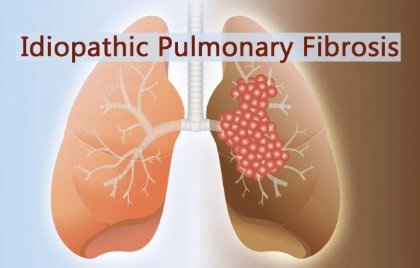
Idiopathic pulmonary fibrosis (IPF) is a serious, chronic lung disease that affects breathing and overall respiratory function. The condition involves progressive scarring (fibrosis) of the lung tissue, which thickens and stiffens the lungs, making it increasingly difficult to breathe. The recent passing of tabla maestro Zakir Hussain has shed light on the need for greater awareness of this debilitating condition.

What is IPF?

The term “idiopathic” signifies that the exact cause of the disease is unknown. IPF is characterized by the continuous buildup of scar tissue in the lungs, leading to reduced oxygen intake and impaired lung function. Over time, this scarring becomes irreversible, leaving patients struggling with worsening respiratory health.

Symptoms of IPF

IPF often begins subtly, but its symptoms progressively worsen over time. Key symptoms include:

  • Shortness of breath: Initially noticeable during physical activity, it may become persistent as the disease advances.
  • Persistent dry cough: A non-productive cough that doesn’t resolve with time.
  • Fatigue and weakness: Reduced oxygen levels can cause constant tiredness.
  • Unintentional weight loss: Patients may lose weight as a result of decreased activity or systemic effects of the disease.

In advanced stages, IPF can lead to decreased oxygen levels in the blood, contributing to complications such as pulmonary hypertension (high blood pressure in the lungs) and heart failure.

Who is Affected by IPF?

IPF primarily affects individuals over the age of 50, and studies indicate that men are slightly more prone to the condition than women. Risk factors include:

  • Smoking: Current or former smokers have an increased risk of developing IPF.
  • Exposure to pollutants: Prolonged contact with dust, smoke, or environmental toxins can damage lung tissue.
  • Chronic GERD (gastroesophageal reflux disease): Acid reflux may contribute to lung damage over time.

What Causes IPF?

While the precise cause remains unknown, several factors may contribute to the development of IPF:

  • Environmental factors: Long-term exposure to harmful substances like asbestos or silica dust.
  • Autoimmune responses: In some cases, the body’s immune system may attack healthy lung tissue.
  • Genetic predisposition: Family history of pulmonary fibrosis can increase risk.

The underlying issue in IPF is the body’s abnormal tissue repair mechanism, which creates excessive scar tissue following lung injury, disrupting normal lung function.

Diagnosis of IPF

Diagnosing IPF requires careful assessment by healthcare professionals to differentiate it from other lung conditions. Common diagnostic tools include:

  • High-resolution CT (HRCT) scans: Provides detailed images of the lungs to identify scarring patterns.
  • Pulmonary function tests: Measures lung capacity and airflow to assess breathing ability.
  • Lung biopsies: Occasionally performed to confirm the diagnosis and rule out other conditions.

Early and accurate diagnosis is crucial for effective management of the disease.

Treatment Options for IPF

Though there is no cure for IPF, several treatments can help slow disease progression and manage symptoms:

  1. Antifibrotic medications: Drugs like pirfenidone and nintedanib have been shown to slow lung scarring.
  2. Oxygen therapy: Supplemental oxygen helps patients maintain adequate oxygen levels and manage breathlessness.
  3. Pulmonary rehabilitation: Exercise and education programs improve lung function and overall quality of life.
  4. Lung transplantation: In severe cases, a lung transplant may be the only option to restore respiratory function.

The Importance of Early Diagnosis

Detecting IPF early allows for better management and improved quality of life. A multidisciplinary approach, involving pulmonologists, radiologists, and other specialists, is key to tailoring treatments for individual patients.

Summing Up

Idiopathic pulmonary fibrosis is a life-altering disease that demands increased awareness and timely intervention. By recognizing symptoms early and adopting a collaborative approach to care, patients can better manage the challenges of IPF. As research advances, there is hope for improved therapies and outcomes for those affected by this debilitating condition.


What is Mirror Bacteria?

0

Recent advancements in synthetic biology have sparked concerns about the creation of “mirror bacteria”—synthetic organisms with molecular structures that are the reverse, or mirror images, of those found in nature. These engineered organisms, if developed, could pose significant risks to humans, animals, and plants. A group of 38 scientists from nine countries has issued a cautionary report highlighting the potential dangers of such innovations, urging immediate scrutiny and oversight.

Understanding Chirality

At the heart of the issue lies chirality, a property of asymmetry in molecular structures. In biological terms, chirality refers to the “handedness” of molecules:

  • DNA and RNA molecules are made of right-handed nucleotides.
  • Proteins are built from left-handed amino acids.

This specific handedness is essential for molecular interactions, biological processes, and the functioning of life as we know it. The introduction of synthetic organisms with opposite-handedness, like mirror bacteria, could disrupt these natural interactions, potentially leading to harmful consequences for ecosystems and health.

Potential Risks of Mirror Bacteria

Mirror bacteria could introduce harmful pathogens into the environment, disrupting the delicate balance of ecosystems. Their synthetic molecular structures may:

  1. Evade Natural Defenses: Natural immune systems might fail to recognize or neutralize these organisms.
  2. Disrupt Biological Functions: The reversed chirality could interfere with natural processes at a molecular level.
  3. Impact Ecosystems: Harmful mutations or uncontrolled replication could lead to unpredictable consequences for biodiversity.

Scientists warn that the creation of these organisms poses risks far beyond the current understanding of synthetic biology, making their development highly contentious.

Scientific Concerns and Recommendations

While some experts initially dismissed concerns about mirror bacteria as overly cautious, a growing consensus now acknowledges the potential for catastrophic outcomes. Jonathan Jones, a co-author of the recent report, stated:

“The chances of something going wrong may seem low, but the potential consequences are too severe to ignore.”

The report strongly recommends halting research on mirror bacteria unless compelling evidence demonstrates significant benefits that outweigh the risks.

Funding and Oversight

The 300-page report delves into both the feasibility and hazards of mirror bacteria. It highlights that some laboratories and funding agencies are exploring these synthetic organisms for their potential to advance biology and drug development.

However, the authors caution that:

  • Projects involving mirror life should undergo strict oversight to prevent misuse.
  • Funding bodies must critically evaluate the cost-benefit ratio of supporting such high-risk research.
  • A global regulatory framework is essential to manage and mitigate the associated risks.

Key Takeaways

  1. Mirror Bacteria: Synthetic organisms with reversed molecular chirality could introduce pathogens and disrupt natural biological systems.
  2. Chirality’s Importance: The handedness of DNA, RNA, and proteins is crucial for life’s functioning, and any deviation could have unforeseen consequences.
  3. Call for Caution: Scientists advocate for a moratorium on research involving mirror bacteria until their safety and utility are better understood.

Summing Up

The creation of mirror bacteria represents both a breakthrough in synthetic biology and a profound risk to the natural world. While their study may hold valuable insights for science and medicine, the potential dangers cannot be ignored. As researchers and funding bodies continue to explore this frontier, a cautious, well-regulated approach is essential to safeguard ecosystems, health, and the future of life as we know it.

What is the Search and Rescue Aid Tool (SARAT)?

0

The Indian National Centre for Ocean Information Services (INCOIS) has recently enhanced its Search and Rescue Aid Tool (SARAT) to bolster the effectiveness of sea rescue operations. Used extensively by Indian agencies such as the Coast Guard, the upgraded tool, now called SARAT 2, offers improved functionality to predict the possible locations of missing objects or individuals at sea.

Background of SARAT

SARAT was initially introduced in 2016 as a vital support system for maritime rescue missions. Since its inception, the tool has been instrumental in assisting the Coast Guard and other agencies in their search and rescue (SAR) efforts. However, over time, feedback from users highlighted areas for improvement. In response, INCOIS upgraded the tool to meet modern requirements, integrating advanced features and greater accuracy to aid critical rescue operations.

How SARAT Works

SARAT’s efficiency lies in its ability to analyze the last known position of a missing object and factor in environmental conditions that influence its drift. These factors include:

  • Winds
  • Ocean currents
  • Waves

By considering the object’s size, shape, and buoyancy, SARAT can accurately predict drift patterns, making search efforts more targeted and effective.

Features of SARAT Version 2

The upgraded SARAT 2 comes with several key improvements aimed at optimizing maritime search and rescue missions:

  • Enhanced Visuals: The tool now offers detailed maps with colour-coded search regions, enabling rescue teams to focus on high-probability areas more effectively.
  • High-Resolution Data: SARAT 2 uses high-resolution ocean current data to model drift with greater precision, ensuring reliable predictions.
  • Marker Integration: The tool provides markers to pinpoint specific locations, aiding in faster identification of missing persons or objects.
  • Customisation: Users can select from 60 different types of missing objects, allowing tailored searches that account for the object’s unique characteristics.

These upgrades make SARAT 2 a sophisticated and user-friendly tool, capable of handling complex rescue scenarios.

How SARAT Enhances Rescue Operations

By leveraging advanced technology, SARAT enables rescue teams to allocate their resources more efficiently. The tool helps:

  1. Narrow Down Search Areas: Focusing on smaller, high-probability zones increases the chances of successful rescues.
  2. Optimise Time and Effort: By reducing the time spent on low-probability areas, SARAT enhances operational efficiency during critical missions.
  3. Support Strategic Decision-Making: Real-time predictions and customizable options allow authorities to make informed decisions quickly.

Summing Up

The upgraded SARAT 2 is a testament to INCOIS’s commitment to improving maritime rescue operations in India. By combining advanced technology with user feedback, the tool now offers greater accuracy, customization, and efficiency.

With SARAT 2, agencies like the Coast Guard are better equipped to tackle the challenges of sea rescue missions, ensuring that resources are used effectively and lives are saved. This innovative system not only strengthens India’s maritime capabilities but also sets a benchmark for search and rescue operations worldwide.

What Are AI Agents and How They Are Shaping the Future of Business?

0

The business landscape is on the brink of a monumental transformation, driven by the rapid adoption of generative AI technologies. According to Deloitte, AI agents—intelligent systems capable of managing complex tasks with minimal human intervention—are poised to revolutionize industries like software development, healthcare, and customer service. By 2027, nearly half of the companies investing in generative AI plan to implement these smart systems, marking a significant shift in how businesses operate.

What Are AI Agents?

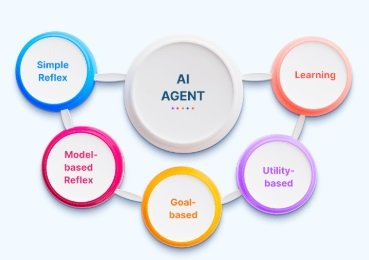
AI agents are autonomous systems designed to interact with their surroundings and perform specific tasks. They operate using three main components:

  1. Sensors – To collect information from their environment.
  2. Control Centers – To process data and make decisions.
  3. Effectors – To execute actions based on the processed data.

These systems function independently, enabling them to perform a wide range of activities. As technology continues to evolve, AI agents are expected to handle increasingly sophisticated tasks, such as real-time traffic management or personalized education delivery.

Applications Across Industries

The potential applications of AI agents span across diverse industries, bringing efficiency and innovation.

  • Software Development: AI agents can automate routine coding tasks, streamline debugging, and even assist in creating software prototypes.
  • Healthcare: These systems could revolutionize diagnostics, assist in patient management, and analyze medical data to predict health trends.
  • Customer Service: AI agents can enhance customer experience through real-time query handling, personalized responses, and proactive issue resolution.

Advantages of AI Agents

The adoption of AI agents promises transformative benefits for businesses and industries:

  • Bridging Skills Gaps: AI agents can take on specialized tasks, reducing the need for extensive human expertise.
  • Enhanced Productivity: With the ability to process and analyze vast amounts of information quickly, AI agents can solve complex problems at scale.
  • Fostering Innovation: By automating routine processes, these systems allow organizations to focus on strategic initiatives and creative problem-solving.

Potential Risks and Concerns

Despite their advantages, AI agents come with challenges that businesses must address to ensure their ethical and effective use:

  1. Technical Issues: Errors in decision-making or system vulnerabilities can disrupt operations and compromise security.
  2. Ethical Concerns: Autonomous decision-making without human oversight raises questions about accountability and fairness.
  3. Job Displacement: The increasing reliance on AI systems could lead to workforce reductions and societal disruption.

Mitigating Risks: A Path to Responsible AI Implementation

To harness the potential of AI agents while minimizing risks, businesses need to adopt a balanced approach:

  • Transparency and Human Oversight: Maintaining a clear understanding of how AI systems function and ensuring human involvement in critical decision-making processes.
  • Ethical Guidelines: Establishing standards to protect privacy, ensure fairness, and hold systems accountable for their actions.
  • Data Security: Implementing robust cybersecurity measures to safeguard sensitive information.
  • Public Education: Raising awareness about AI’s capabilities and limitations to foster trust and prevent over-reliance.

Summing Up

AI agents represent a significant leap in technological innovation, offering the potential to reshape industries and redefine the future of work. However, their successful integration requires careful planning, ethical considerations, and proactive measures to address potential risks. As businesses embrace this transformative technology, balancing innovation with responsibility will be the key to unlocking its full potential.

By 2027, AI agents are set to become an integral part of the business ecosystem, driving productivity, efficiency, and innovation across sectors. The question is no longer whether companies will adopt AI agents but how effectively they will navigate the challenges to leverage their capabilities for sustainable growth.

Royal Crafts Day 2: Timeless Creations Bespeak Handmade Tales

0

The second day of Royal Crafts concluded on a high note, leaving an indelible impression on craft enthusiasts, designers and visitors alike. Held at the Front Lawns, RIC (Rajasthan International Centre), Jhalana Doongri, Jaipur, the event continued to spotlight India’s finest craftsmanship while fostering cultural connections and global appreciation.

Building on the success of Day 1, Day 2 featured the largest curated crafts exhibition-cum-sale, showcasing an extraordinary range of Garments, Home Furnishings, Jewellery, Furniture, Handicrafts and Textiles. With 40 distinguished brands participating, each stall offered a unique blend of traditional artistry and modern design sensibilities. The brands displayed meticulously crafted products, from intricately embroidered textiles and handwoven sarees to artisanal jewellery, bespoke furniture and exquisite home décor.

Royal Crafts Day 2: Timeless Creations Bespeak Handmade Tales

The event attracted a remarkable footfall from Jaipur, including craft aficionados, designers and members of the FICCI FLO community. A significant highlight was the presence of 40+ foreign delegates, who were captivated by the artistry and cultural depth on display. Their engagement underscored the global appeal and relevance of India’s crafts in today’s design landscape.

Royal Crafts Day 2: Timeless Creations Bespeak Handmade Tales

The exhibition venue buzzed with activity as visitors explored the vibrant stalls, interacted with artisans and purchased one-of-a-kind pieces. Team FLO Jaipur Chapter (2024-25) played a key role in making the event a resounding success, ensuring every visitor experienced the warmth of Jaipur’s hospitality and the richness of its craft heritage.

Royal Crafts has not only celebrated the essence of Indian Crafts but has also elevated it to the global stage, cementing the country’s reputation as a hub of culture, creativity and craftsmanship.

Under the visionary leadership of Raghushree Poddar, Chairperson, FICCI FLO Jaipur Chapter (2024-25), and with the dedicated efforts of Team FLO Jaipur Chapter (2024-25), Royal Crafts showcased the immense potential of India’s artisans and their timeless creations.

Do you know about this Deadly Gympie-Gympie Plant which is known as the world’s most toxic plant….

0

The Gympie-Gympie, scientifically known as Dendrocnide moroides, is often regarded as the world’s most toxic plant. Native to Australia, it is infamous for its agonizing sting, which causes intense pain and discomfort that can persist for weeks or even months. In severe cases, the torment has driven some individuals to consider extreme measures.The Gympie-Gympie can reach heights of up to 10 meters and is covered in fine, needle-like hairs that deliver its notorious sting. These hair-like structures, called trichomes, are present on every part of the plant, including its stems, leaves, and fruits. The sting is often described as a combination of electrocution and burning, resulting in severe and enduring pain.Contact with the Gympie-Gympie causes pain that can last for a prolonged period. Studies suggest that the plant’s toxins can remain embedded in the skin for up to a year. Symptoms may intensify with exposure to water, temperature fluctuations, or repeated contact, making the pain and recovery process even more challenging.The Gympie-Gympie in Alnwick Garden
In 2023, the Gympie-Gympie (Dendrocnide moroides), the world’s most toxic plant, was displayed in the Poison Garden at Alnwick Garden, Northumberland. To ensure visitor safety, the plant is kept in a glass enclosure. The Poison Garden also houses over 100 other dangerous plants, making caution essential for visitors.

Expert Care and Warnings
A specialised gardener manages the Gympie-Gympie, ensuring its safe handling. John Knox, the head tour guide, stresses the importance of avoiding physical contact with the plant. He educates visitors on the dangers of the Gympie-Gympie and the need to respect all poisonous plants.
Key Facts for Exams
Gympie-Gympie: Known as the most toxic plant globally, its sting mimics the sensation of electrocution and burning, with pain that can last for weeks.
Trichomes: These fine, needle-like hairs on the plant contain potent toxins that can embed in the skin for up to a year, causing persistent pain.
Alnwick Garden: In 2023, the Gympie-Gympie was featured in the Poison Garden at Alnwick Garden, which is home to over 100 poisonous plants.
Daniel Emlyn-Jones: In 2022, Daniel Emlyn-Jones cultivated a Gympie-Gympie at home in a secured enclosure to educate others about its dangers.

From a ₹5 Lakh Idea to a ₹800 Crore Milestone: How RedBus Revolutionized Travel in India

0

Phanindra Sama’s story of founding RedBus is a remarkable journey of turning frustration into innovation. In 2005, Sama, a young engineer, struggled to secure a bus ticket home for Diwali, an experience that highlighted the inefficiencies in India’s bus ticketing system. This challenge sparked the idea for RedBus—a platform that would digitize and simplify the ticket booking process.

With an initial investment of ₹5 lakh and the collaboration of his engineering friends, Sudhakar Pasupunuri and Charan Padmaraju, Sama launched RedBus in 2006. The early days were challenging, especially in convincing bus operators to digitize their operations. However, the team’s persistence paid off, and RedBus introduced innovative features such as real-time seat availability and multiple payment options, making it a user-friendly platform.

By 2007, RedBus had secured its first funding of $1 million, which allowed the company to expand its reach and enhance its technology. Over the years, RedBus revolutionized bus travel in India, becoming synonymous with convenience. In 2013, the company was acquired by the Ibibo Group for ₹800 crore, marking one of the largest acquisitions in India’s startup history at the time. Even after the acquisition, Sama continued contributing to RedBus’s growth.

Today, RedBus operates in multiple countries, including Singapore, Malaysia, and Indonesia, showcasing its global appeal. Sama’s entrepreneurial journey, from a small-town boy to the founder of a multi-crore company, underscores the power of innovation and resilience. His story inspires countless entrepreneurs to identify real-world problems and solve them with determination.

National Mathematics Day: Honoring Ramanujan’s Genius and the Infinite Power of Numbers!

0

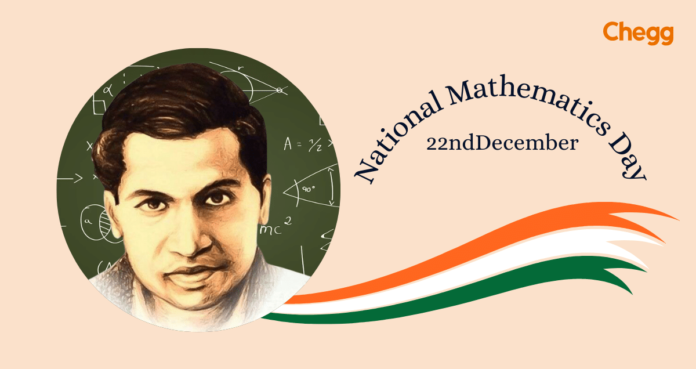
Every year on 22nd December, India celebrates National Mathematics Day to honor the birth anniversary of the legendary mathematician Srinivasa Ramanujan (1887–1920). Known as a self-taught genius, Ramanujan made groundbreaking contributions to mathematical analysis, number theory, and infinite series. This day not only pays homage to his legacy but also emphasizes the significance of mathematics in our daily lives and its role in shaping the modern world.

The Legacy of Srinivasa Ramanujan

Hailing from a modest background in Erode, Tamil Nadu, Ramanujan displayed an extraordinary aptitude for mathematics from a young age. Despite limited formal education, he independently discovered mathematical concepts that later astonished the global mathematical community.
In 1913, his talent caught the attention of British mathematician G.H. Hardy, who invited him to Cambridge University. Their collaboration yielded numerous mathematical theories and formulas, many of which remain influential to this day.

Ramanujan’s contributions include:

Ramanujan’s Prime and Theta Functions

Partition Theory

Contributions to Continued Fractions and Infinite Series

Development of the famous Ramanujan-Hardy Number (1729), known as the smallest number expressible as the sum of two cubes in two different ways.

Ramanujan passed away at the young age of 32, but his genius continues to inspire mathematicians worldwide.

Importance and Significance of National Mathematics Day

  1. Promoting Mathematical Literacy: The day encourages students and teachers to engage with mathematics as a subject of exploration, creativity, and problem-solving.
  2. Inspiring Future Innovators: Ramanujan’s journey serves as an inspiration for young minds, emphasizing that determination and passion can overcome any obstacle.
  3. Highlighting Practical Applications: Mathematics is the backbone of science, technology, and economics, with applications ranging from architecture to artificial intelligence.
  4. Preserving India’s Mathematical Heritage: This day reminds us of India’s ancient contributions to mathematics, including Aryabhata’s work on zero and Bhaskara’s treatises on algebra.

Backstory

In 2012, then-Prime Minister Dr. Manmohan Singh declared Ramanujan’s birth anniversary as National Mathematics Day during the celebrations of his 125th birth anniversary. The day aims to foster a love for mathematics and keep alive Ramanujan’s unparalleled contributions to the field.


On this National Mathematics Day, let’s honor the legacy of Srinivasa Ramanujan by embracing the beauty of mathematics and nurturing young talents to shape a brighter future.

India on the Global Food Map: Punjab, Maharashtra, and Bengal Among Top 100 Culinary Destinations

0

India has made its mark on the global food map, with multiple regions earning spots in the TasteAtlas 2024 rankings of the top 100 food regions worldwide. Among them, Punjab, Maharashtra, and West Bengal shine brightly for their distinctive culinary offerings, reflecting India’s rich and diverse food culture.

Punjab, ranked an impressive 7th, is celebrated for its hearty and flavorful dishes. Staples like Amritsari kulcha, butter chicken, saag paneer, and lassi have captivated global palates. Known for its vibrant spices and robust cooking techniques, Punjab stands shoulder-to-shoulder with culinary powerhouses like Tuscany and Paris.

At 41st, Maharashtra impresses with its street food culture. Iconic dishes such as vada pav, pav bhaji, and aamras showcase the state’s ability to blend simplicity with taste. Its cosmopolitan capital, Mumbai, contributes significantly with its thriving food scene, offering everything from spicy Misal Pav to sweet Puran Poli.

West Bengal, ranked 54th, draws attention for its unparalleled love for sweets and subtle flavors. Renowned for treats like rasgulla, sandesh, and shukto, as well as iconic street foods like the kathi roll, Bengal seamlessly blends tradition with innovation in its cuisine. Darjeeling tea, a global favorite, adds another feather to the region’s culinary cap.

Additionally, Southern India, an amalgamation of states, ranks 59th, showcasing dishes like dosa, biryani, and Mysore pak. This highlights India’s versatility, with distinct culinary identities coexisting within its borders.

These rankings, based on thousands of ratings by TasteAtlas users, underscore how Indian food—from spicy curries to delicate desserts—has found global appeal. By celebrating regional specialties, these rankings not only honor India’s food diversity but also inspire food enthusiasts worldwide to explore its vast culinary heritage.

World Saree Day: Draping the Legacy of Grace, Culture, and Timeless Elegance!

0

World Saree Day, celebrated every year on 21st December, is a global ode to the timeless grace and cultural richness of the saree. This day honors the saree as a symbol of heritage, femininity, and diversity, transcending borders and generations. The saree, a six to nine-yard unstitched garment, is not just a piece of clothing but a living testament to India’s craftsmanship and storytelling.

Legacy of the Saree

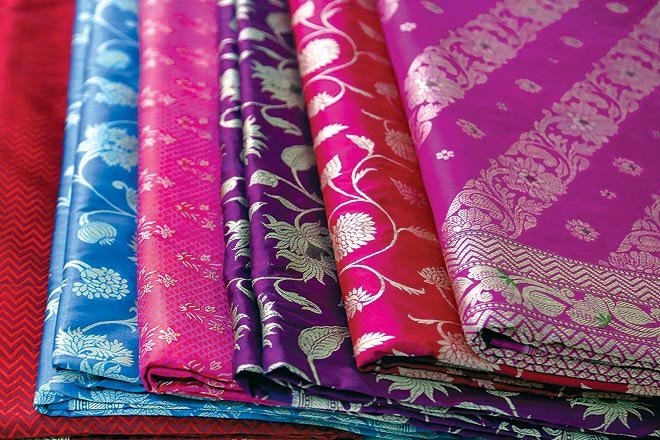
The saree dates back to the Indus Valley Civilization (2800–1800 BCE), where it was initially a simple, unstitched drape. Over centuries, it evolved into an intricate form of art, with each region in India contributing its unique style and technique. From the opulent Banarasi silk of Uttar Pradesh to the handwoven Kanjeevaram of Tamil Nadu and the vibrant Bandhani of Rajasthan, sarees represent the diversity and artistry of Indian culture.

The saree is more than a garment; it’s a legacy passed down from one generation to the next. Mothers gift sarees to their daughters, symbolizing love, continuity, and tradition.

Importance and Significance

World Saree Day is celebrated to:

  1. Preserve Heritage: To revive and sustain the traditional art of saree-making and promote handloom industries.
  2. Empower Women: As a versatile attire, the saree empowers women by celebrating their individuality, beauty, and confidence.
  3. Cultural Connection: It encourages people across the world to connect with India’s rich cultural tapestry and embrace traditional attire.
  4. Environmental Sustainability: With growing awareness of eco-friendly clothing, handwoven sarees highlight the importance of sustainable fashion.

Why December 21st?

The winter solstice marks the shortest day of the year, symbolizing the saree’s timeless presence amidst ever-changing times. It’s a reminder to pause, reflect, and celebrate enduring traditions in a modern world.


Poetry: A Tribute to the Saree

Oh, saree, drape of eternal grace,
You carry stories time cannot erase.
Threads of love in every fold,
A timeless saga, forever told.

From Kanjeevaram’s golden hue,
To Chikankari’s delicate dew,
You weave heritage, art, and pride,
A nation’s heart in you resides.

On this day, we honor your reign,
Through you, our culture shall sustain.
Oh, saree, symbol of unity’s thread,
Your legacy lives, never to fade.

Celebrate this World Saree Day by embracing the timeless charm of sarees and sharing the legacy with future generations!