Home Blog Page 430

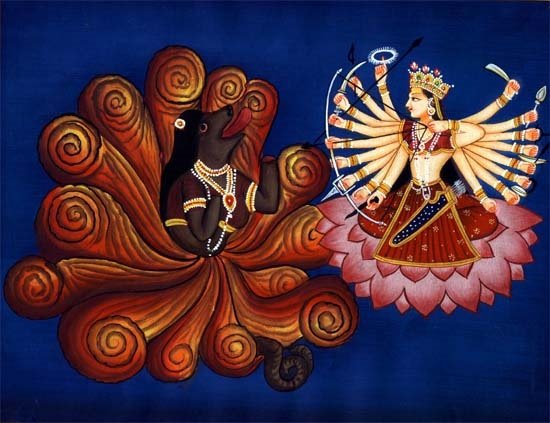
Chamba paintings of Himachal Pradesh speak the tales of love poems, battles, or episodes from mythology like the Ramayana

0

Khushi Sharma

Chamba paintings are a style of miniature painting from the Chamba region of Himachal Pradesh, India.
Chamba paintings are known for their use of red and blue colors, and for the warm, sensual beauty of the female figures. The paintings often depict scenes from love poems, battles, or episodes from Hindu legends like the Ramayana.

The paintings of Chamba encompass both miniatures and murals.Raja Udai Singh and Raja Jai Singh patronized this school of painting. During the reign of Raja Charhat Singh, this school of art got a further boost from folk art as the common people adopted the form.

History
Chamba paintings are quite similar in appearance to Mughal style of paintings, with strong influences of Deccan and Gujarat style also.The Chamba paintings also derived inspiration from natural surroundings and are remarkable in their composition. The Chamba style is similar to that of Guler paintings as numerous artists of this school came from Guler.
Mughal influence is also discerned in these paintings. The themes used in this style of paintings were religious, such as legends of Radha Krishna, lord Shiva-Parvati, Rama Darbar, Yashoda and Krishna etc.

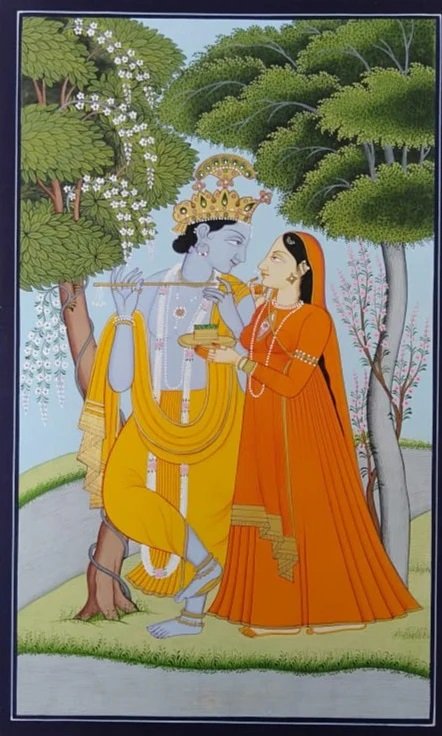
Kangra paintings of Himachal Pradesh speak the love stories of Krishna and Radha..

0

Khushi Sharma

Kangra painting is a pictorial art style that originated in the former princely state of Kangra in Himachal Pradesh, India. The style is known for its attention to detail, delicate brushwork, and curvilinear lines. Kangra paintings often depict subjects such as the love story of Usa and Aniruddha, Shri Krishna and Radha, and natural beauty.
The reason why Kangra paintings are famous is that the kangra painters made use of pure colors like yellow ,red and blue and these have retained the brilliance, even after two hundred years. The central theme of Kangra painting is live and its sentiments are expressed in a lyrical style full of rhythm, grace and beauty.

The rise of kangra paintings
The Kangra art style originated in Guler State, a small hill princely state in the Lower Himalayas in the first half of the 18th century when a family of Kashmiri painters trained in the Mughal painting style sought shelter at the court of Raja Dalip Singh (r. 1695–1741) of Guler. The rise of Guler paintings started in what is known as the Early phase of Kangra Kalam.
The new arrivals mingled with the local artists and were greatly influenced by the atmosphere of the hills. Instead of painting flattering portraits of their masters and love scenes, the artistes adopted themes of eternal love between Radha and Krishna. The paintings were naturalistic and employed cool, fresh colors.A painter from the Guler state. A group of artists, including Manku, Khushala, Kishan Lal, Basia, Purkhoo, and Fatoo, played important roles in the development and proliferation of this art form between the 18th and 19th centuries.

In 2022, during a visit to the United States, Indian prime minister Narendra Modi gifted Kangra miniature paintings to US President Joe Biden.

Gupt Vrindavan Dham announces statewide Gita Contest in schools across 50 district on Gita Jayanti

0

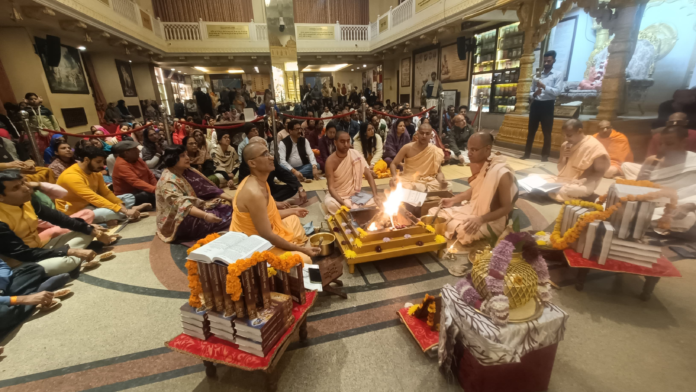
Gupt Vrindavan Dham, located on Hare Krishna Marg, Jagatpura, Jaipur, celebrated Gita Jayanti Mahotsav with profound devotion and grandeur. The sacred day marked divine revelation of the Bhagavad Gita by Lord Krishna to Arjuna at Kurukshetra.

Highlights of the celebration:

1. Divine Gita Parayan Event:
The devotees at the temple recited 700 verses of the Bhagavad Gita, along with their translations, in a seven-hour session. This event also welcomed participation from hundreds of devotees worldwide through online platforms, creating a spiritually uplifting atmosphere.

2. Gita Maha Yagya and Aahuti:
A special Gita Maha Yagya was conducted during the evening, where 108 verses from the Gita were offered in the havan. Motivational discourses accompanied the ceremony, emphasising the timeless wisdom of the Bhagavad Gita.

3. Gita Donation and Distribution Festival:
To propagate Lord Krishna’s divine message, arrangements were made to distribute copies of the Bhagavad Gita across various locations in the city, aiming to reach every household and individual.

4. Gita Contest Launched:
For the first time in Rajasthan, a state-wide Gita competition was announced for school students, to be conducted across all 50 districts. This free competition will introduce students to the profound teachings and moral values of the Gita. Details about the syllabus, rules, and registration are available on the newly launched website schoolofgita.com.

5. Book Marathon:
A Gita Book Marathon was also inaugurated, with a pledge to distribute lakhs of copies of the Gita as part of this initiative.


Special Programs:

The temple organised unique events such as a Gita Olympiad and interactive sessions, with participation from thousands of devotees. Lord Shri Shri Krishna Balram’s deity was adorned with special decorations, further elevating the festive ambiance.


Keynote Address:

The organisers also highlighted the alignment of the Gita Contest with India’s New Education Policy (2020), emphasising its potential to foster moral and cultural values among students, shaping their lives positively.

The celebration concluded with the collective resolve to embrace and spread the divine wisdom of the Bhagavad Gita, making the Gita Jayanti Mahotsav a memorable and spiritually enriching event.

Chinese flying car ‘Land Aircraft Carrier’ successfully takes its first Flight

0

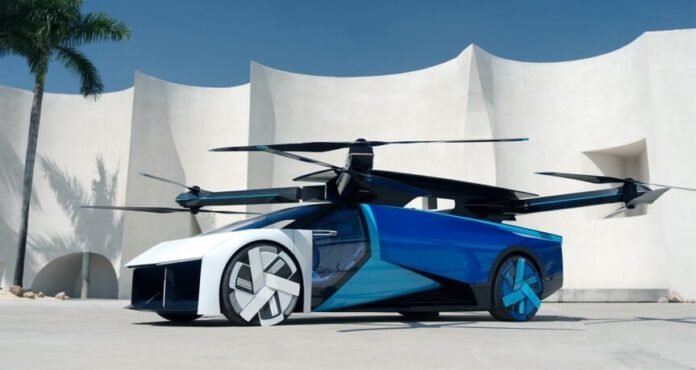
Xpeng AeroHT has recently unveiled its ambitious “Land Aircraft Carrier,” a modular flying car designed to bridge the gap between road travel and air travel. The vehicle consists of a traditional ground vehicle, called the “Mothership,” and an aircraft module that can be deployed for flight. The Mothership is a three-axle extended-range electric vehicle (EREV) that can travel up to 1,000 km in hybrid mode, providing the aircraft with recharging capabilities when docked.

The aircraft, which looks like a large drone, can carry two occupants and is capable of performing multiple flights on a single charge. It is designed for vertical takeoff and landing (VTOL) using eight propellers and features an emergency multi-parachute rescue system for safety. The aircraft can be operated manually or autonomously, with Xpeng claiming that learning to fly it takes just three hours.

The Land Aircraft Carrier attracted significant interest with over 3,000 pre-orders even before presales officially began. Scheduled for delivery in 2026, the vehicle is priced around $276,000 (2 million yuan). This development marks a major step forward in Xpeng’s vision of making flying cars a reality, combining the convenience of a car with the excitement of flight.

Study shows that Working from Home is leading people towards a Healthier lifestyle.. Know how?

0

Working from home has become the new norm for many, offering flexibility and convenience that traditional office jobs simply cannot match. But beyond the obvious benefits, recent studies suggest that it can also have significant positive effects on our health. From improving diet and reducing stress to lowering blood pressure, the shift to remote work may actually be a recipe for healthier living.

Improving Diet One of the most noticeable changes when working from home is the impact it can have on our eating habits. Without the pressure of grabbing a quick, unhealthy meal between meetings or the temptation of snacks from the office vending machine, many people find themselves making healthier choices. At home, we have more control over meal planning and preparation, allowing us to opt for fresh, nutritious foods. Instead of settling for fast food, people can prepare balanced meals, including fruits, vegetables, whole grains, and lean proteins. Moreover, working from home provides opportunities for more frequent meal breaks, giving us time to eat mindfully and enjoy our food, which can prevent overeating and aid digestion.

Reducing Stress The commute to and from the office can be a significant source of stress for many. Long hours spent in traffic, crowded public transport, or dealing with weather conditions can add up over time. Working from home eliminates the daily commute, allowing employees to wake up later, get more sleep, and start their day with less stress. The flexibility of working from home also reduces the pressure to conform to office norms, such as wearing formal attire, maintaining a strict schedule, or dealing with workplace politics. This change can lead to a more relaxed environment, improving mental health and overall well-being.

Lowering Blood Pressure Stress is a major contributor to high blood pressure, and the reduction in stress from working from home can have a positive impact on cardiovascular health. A calmer, less hectic environment at home can lead to lower blood pressure levels. Additionally, the flexibility of remote work allows for more breaks throughout the day, making it easier to incorporate physical activity into the daily routine. Even simple exercises like stretching, yoga, or a quick walk around the house can help lower blood pressure and improve circulation. These small changes can contribute to better long-term health outcomes.

More Than Just a Trend The benefits of working from home extend beyond diet, stress reduction, and blood pressure control. It allows individuals to better manage their time, prioritize self-care, and integrate hobbies and interests into their daily life. This can lead to a more balanced lifestyle and an overall improvement in quality of life. Employers are also starting to recognize these benefits, with many offering flexible working arrangements as a perk to attract and retain talent.

In conclusion, the shift to working from home is not just about avoiding the daily commute. It is a lifestyle change that can have profound effects on our health. By taking control of what we eat, managing stress levels, and incorporating more physical activity into our day, we can create a healthier and more balanced life. As remote work continues to evolve, it may just be the key to unlocking a happier, more fulfilled version of ourselves.

World’s most expensive vending machine in Singapore dispenses luxury cars…

0

In Singapore, Autobahn Motors has redefined car dealerships with its 15-story luxury car vending machine, a unique blend of innovation and practicality. This towering structure can house up to 60 cars, including coveted models like Ferraris, Lamborghinis, and Bentleys. Inspired by a Matchbox car display, the idea emerged as a solution to land scarcity in Singapore while also creating a striking, memorable experience for customers.

The vending machine operates via a user-friendly touchscreen. Once a car is selected, an advanced robotic system retrieves it within two minutes, ensuring a seamless purchasing process. Buyers can view videos of their chosen cars, and even take them for test drives before making a final decision.

The dealership doesn’t just cater to supercar enthusiasts. It also showcases classic models, making it a destination for vintage car lovers. The sleek, futuristic design has turned this vending machine into a popular tourist attraction, exemplifying Singapore’s reputation for technological advancement.

This concept has also garnered interest globally, with developers exploring its use for efficient parking solutions. For visitors to Singapore, the Autobahn Motors supercar vending machine is not only a marvel of engineering but also a testament to the city’s creativity and resourcefulness.

World’s largest all electric aircraft in history will take off in 2025

0

Heart Aerospace, a Swedish aviation company, is setting a groundbreaking precedent in the aviation industry with its Heart X1 prototype, the world’s largest all-electric aircraft, slated for test flights in 2025 at Plattsburgh International Airport in New York. This aircraft serves as a testing platform for the ES-30, a 30-seat hybrid-electric regional plane aimed at revolutionizing sustainable air travel.

Key Features of Heart X1 and ES-30:

  1. Electric and Hybrid Capabilities: The ES-30 can operate purely on electric power for short-haul flights up to 124 miles, producing zero emissions. For longer distances, it uses a hybrid system with turbo generators, extending its range to 497 miles.
  2. Passenger and Cargo Specifications: The plane accommodates 30 passengers with luggage allowances of up to 55 pounds. It is designed to take off from short runways, making it ideal for underserved regional airports.
  3. Innovative Technology: The Heart X1 features cutting-edge electric propulsion systems. It is constructed with advanced composite materials and state-of-the-art manufacturing techniques to ensure efficiency and safety.

Milestones Ahead:

2025: Fully electric test flights of the Heart X1.

2026: The Heart X2 prototype will integrate hybrid-electric technology for further testing.

2028: Commercial launch of the ES-30.

Impact on the Aviation Industry:

Heart Aerospace’s vision aligns with global efforts to decarbonize aviation, addressing the industry’s environmental challenges while making regional air travel more accessible. With its innovative approach, the company is paving the way for sustainable and cost-effective aviation.

This initiative not only reflects a significant technological advancement but also emphasizes the importance of collaboration between industry and governments to achieve net-zero goals in aviation.

From Fields to Ferraris: The Unstoppable Journey of Lamborghini

0
xr:d:DAEf_nqpjAc:99,j:45376980114,t:23011800

Lamborghini, a name synonymous with luxury sports cars, had humble beginnings as a tractor manufacturing company. The journey began in post-World War II Italy when Ferruccio Lamborghini, a skilled engineer and entrepreneur, founded Lamborghini Trattori in 1948. Using surplus military materials, he created innovative tractors, including the Carioca, which featured a unique fuel atomizer enabling engines to start on petrol and run on diesel—a cost-effective solution for the era.

Ferruccio’s success in the agricultural machinery business made him wealthy and allowed him to indulge in his passion for high-performance cars. His ownership of brands like Ferrari sparked a pivotal moment. Frustrated by the poor quality of a Ferrari clutch and Enzo Ferrari’s dismissive response to his feedback, Ferruccio decided to compete with Ferrari. In 1963, he founded Automobili Lamborghini, determined to build superior grand touring cars.

The brand’s first car, the 350GT, launched in 1964 and quickly gained acclaim for its powerful V12 engine and elegant design. Over the years, Lamborghini evolved into a global icon of automotive innovation and style, creating legendary models like the Miura and Countach.

Interestingly, Lamborghini Trattori, the tractor division, still exists today as part of the SAME Deutz-Fahr Group. It remains a leader in agricultural technology, offering advanced features and sleek designs—a reminder of the company’s agricultural roots.

The Lamborghini story exemplifies innovation, resilience, and an unwavering commitment to excellence, transforming a tractor maker into a symbol of luxury and performance in the automotive world.

Hyperloop Hits India: Chennai to Bengaluru in 30 Minutes—A Revolution in Speed and Sustainability!

0

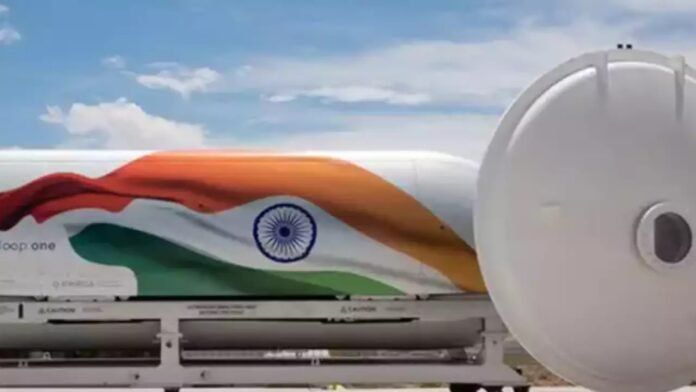
India has entered a new era of transportation with the completion of its first Hyperloop test track at IIT Madras. This 410-meter track is a significant step toward realizing Hyperloop technology, a revolutionary system that propels pods through vacuum-like tubes using magnetic levitation. With speeds potentially reaching up to 1,100 km/h, this system could make travel between Chennai and Bengaluru as short as 30 minutes.

The project is a collaboration between the IIT Madras Avishkar Hyperloop team, Indian Railways, and TuTr Hyperloop. Designed with both passenger and freight capabilities in mind, it aims to address congestion and environmental concerns by providing an energy-efficient, eco-friendly alternative to traditional transport methods.

Hyperloop technology holds immense promise. For example, a future Mumbai-Pune Hyperloop could reduce travel time to just 25 minutes. Beyond speed, it is lauded for its sustainability, as it consumes significantly less energy compared to airplanes or high-speed trains. By minimizing reliance on fossil fuels, this innovation aligns with India’s carbon-neutral goals.

The test track is only the beginning. An 11.5-kilometer track is planned for further technology validation, with the ultimate goal of establishing commercial routes within a few years. This initiative not only highlights India’s ambition to lead in advanced transportation but also showcases its commitment to addressing pressing issues like urban traffic and pollution.

This groundbreaking development is a game-changer for connectivity, potentially transforming the way people and goods move across India.

Raj Kapoor Film Festival: A Grand Tribute to the Greatest Showman on His 100th Birthday

0

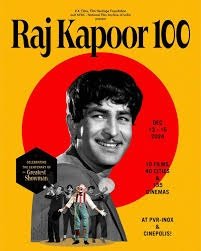
The legacy of Raj Kapoor, one of the greatest icons of Indian cinema, continues to inspire generations. To commemorate his 100th birth anniversary, the Raj Kapoor 100 Film Festival, aptly titled “Raj Kapoor 100—Celebrating the Centenary of the Greatest Showman”, is being organized from December 13 to 15. This unique festival celebrates the life, artistry, and cinematic brilliance of the legendary actor-filmmaker and provides an opportunity for audiences to relive the magic of his timeless classics on the big screen.

Festival Highlights: Screenings Across 40 Cities

The festival is a collaborative effort between the National Film Archive of India (NFDC), RK Films, and the Film Heritage Foundation. As part of the celebration, iconic films of Raj Kapoor will be screened at PVR INOX and Cinepolis theaters across 135 locations in 40 cities throughout India.

The curated selection includes some of his most celebrated works, such as:

  • Barsaat
  • Shree 420
  • Awaara
  • Jagte Raho
  • Jis Desh Mein Ganga Behti Hai
  • Mera Naam Joker
  • Bobby
  • Ram Teri Ganga Maili

These films, spanning decades, highlight Raj Kapoor’s unparalleled contributions to Indian cinema as an actor, producer, and director. From his portrayal of the lovable tramp to crafting stories that addressed social and emotional issues, Raj Kapoor’s films remain deeply ingrained in the hearts of movie enthusiasts.

Ranbir Kapoor Speaks on Raj Kapoor’s Legacy

At the 55th International Film Festival of India (IFFI) in Goa, actor Ranbir Kapoor spoke about the immense legacy of his grandfather. He emphasized the family’s commitment to celebrating Raj Kapoor’s centenary through this festival. Ranbir expressed the importance of remembering one’s roots and invited everyone to participate in the event to pay homage to the legendary showman.

He added that Raj Kapoor’s contributions to Indian cinema go beyond entertainment, as his films often reflected the socio-cultural fabric of the time, making them timeless pieces of art.

A Special Invitation from PM Modi

In a touching gesture, Prime Minister Narendra Modi extended an invitation to the Kapoor family to join the celebrations in Delhi. The Kapoor clan, including Ranbir Kapoor, Neetu Kapoor, Karisma Kapoor, and Kareena Kapoor, attended the event dressed in traditional attire.

Photos from their meeting with PM Modi have surfaced online, showcasing the family’s pride and gratitude. Karisma Kapoor shared heartfelt photos on Instagram, thanking the Prime Minister for his support in celebrating this milestone. In her caption, she highlighted Raj Kapoor’s artistry, vision, and indelible contribution to Indian cinema, stating, “His legacy inspires us and the generations to come.”

Adding a personal touch, Kareena Kapoor shared an Instagram story showing PM Modi penning a letter for her children, Jeh and Taimur, marking the moment as “adorable and unforgettable.”

The Legacy of Raj Kapoor Lives On

Raj Kapoor’s artistry and cinematic vision continue to resonate with audiences even today. Through films that captured the essence of India’s culture and emotions, he earned the title of “The Greatest Showman of Indian Cinema.” His legacy, carried forward by the Kapoor family and celebrated in events like the Raj Kapoor Film Festival, reminds us of his timeless contributions to storytelling and cinema.

For fans and cinephiles, this festival is not just a celebration of Raj Kapoor but also a nostalgic journey into the golden era of Indian cinema. From Barsaat to Ram Teri Ganga Maili, the films being screened represent an era where stories were heartfelt, performances were iconic, and cinema was truly magical.

As the festival unfolds across the country, it offers an opportunity to revisit the legacy of a man whose work remains an integral part of India’s cinematic history. Raj Kapoor 100 is a fitting tribute to a legend whose influence on Indian cinema will continue to inspire generations.