Home Blog Page 429

Forever Begins Now: Selena Gomez and Benny Blanco Celebrate Their Engagement!

0

Selena Gomez and music producer Benny Blanco have officially announced their engagement, delighting fans worldwide. On December 11, 2024, Selena shared the news through a heartfelt Instagram post featuring her stunning marquise-cut diamond ring with the caption, “Forever begins now.” Benny responded playfully in the comments, writing, “Hey, wait… that’s my wife.”

The couple began dating in July 2023, sparking romance rumors later that year, and confirmed their relationship through sweet Instagram posts. Over the past year, they have been seen together at several high-profile events, including the Golden Globes and the 2024 Emmys, where their chemistry captured public attention.

Selena, 32, and Benny, 36, have previously collaborated on music, including the 2019 track “I Can’t Get Enough.” Their shared creative journey and mutual respect for each other have been apparent throughout their relationship. Benny is best known for producing hits for artists like Justin Bieber and Ed Sheeran, making him a notable figure in the music industry alongside Selena’s celebrated career.

Fans and celebrities alike have showered the couple with congratulations, eagerly anticipating details about their upcoming wedding. Their love story highlights both their professional artistry and personal bond, making their engagement one of Hollywood’s most celebrated moments of 2024.

Paris declared Earth’s most attractive city of 2024

0

Paris, the eternal “City of Light,” has once again claimed the title of the world’s most attractive city in Euromonitor International’s Top 100 City Destinations Index 2024. This marks the fourth consecutive year the French capital has led the rankings, cementing its place as a global tourism powerhouse.

The rankings evaluate cities based on tourism performance, infrastructure, economic stability, health, safety, and sustainability, and Paris has consistently excelled. Renowned for its iconic landmarks, rich history, and vibrant culture, Paris also made headlines in 2024 for hosting the Olympics and Paralympics, drawing an astounding 11 million visitors during the games, according to Business Insider.

But Paris is more than just the Eiffel Tower. The city’s allure lies in its blend of historic charm and modern sophistication. Art lovers flock to the Louvre Museum, home to the legendary Mona Lisa and thousands of other masterpieces. The Notre Dame Cathedral, though under restoration, remains a symbol of Gothic brilliance. Visitors can also explore the enchanting Montmartre district, the architectural grandeur of the Arc de Triomphe, and the chic boutiques along the Champs-Élysées. For those seeking tranquility, the Luxembourg Gardens offer a serene escape amidst the bustling cityscape.

Euromonitor’s report highlights a broader trend: global tourism is thriving post-pandemic, with international arrivals surging by 19% in 2024. Europe remains the most visited region, boasting 793 million trips this year. Meanwhile, Asia is also witnessing a tourism boom, with Bangkok welcoming a record-breaking 32 million visitors, surpassing pre-pandemic numbers.

For the first time, Delhi made it to the list, ranking 74th and earning the distinction of being India’s first city on the index. This is a significant milestone for India’s growing tourism and cultural appeal on the global stage.

As the world re-embraces travel, Paris remains a beacon of timeless beauty and innovation. Its seamless combination of heritage, modernity, and world-class infrastructure continues to captivate millions. Whether walking by the Seine, savoring a croissant in a quaint café, or marveling at its artistic treasures, Paris proves time and again why it is the quintessential destination for travelers worldwide.

With cities like Madrid, Tokyo, Rome, and Milan completing the top five, Euromonitor’s list reflects the enduring appeal of destinations that seamlessly blend culture, history, and sustainability in the post-pandemic era.

Meet the UN Champions of the Earth 2024 Announced

0

The United Nations Environment Programme (UNEP) has announced the recipients of the Champions of the Earth 2024, recognizing six exceptional individuals and initiatives for their groundbreaking contributions to environmental protection and sustainability. These awards represent UNEP’s highest environmental honour, celebrating those who lead the charge in tackling pressing global challenges.

Lifetime Achievement Award: Madhav Gadgil

Indian ecologist Madhav Gadgil was honoured with the Lifetime Achievement Award for his tireless efforts in biodiversity conservation, particularly in the Western Ghats, a UNESCO World Heritage Site. Gadgil’s work has not only influenced governmental policies but also empowered communities to safeguard their ecological heritage. His dedication to integrating scientific research with public awareness has made him a beacon of environmental advocacy.

Policy Leadership: Sonia Guajajara

Sonia Guajajara, Brazil’s Minister of Indigenous Peoples, was recognized in the Policy Leadership category. A staunch defender of Indigenous rights for over two decades, Guajajara has been instrumental in securing the declaration of ten Indigenous territories to combat deforestation and illegal encroachments in the Amazon. Her leadership has reinforced the critical role Indigenous communities play in environmental stewardship.

Inspiration and Action: Amy Bowers Cordalis

American attorney and advocate Amy Bowers Cordalis was celebrated for her pivotal role in the Klamath River restoration. Her legal efforts led to the removal of dams, paving the way for salmon to return to their natural spawning grounds, revitalizing ecosystems, and supporting the livelihoods of local Indigenous communities.

Inspiration and Action: Gabriel Paun

Romanian environmentalist Gabriel Paun, founder of Agent Green, was also honoured in the Inspiration and Action category. His relentless activism has protected old-growth forests in the Carpathian Mountains, despite facing personal threats. Paun’s work ensures the preservation of these vital ecosystems for future generations.

Science and Innovation: Lu Qi

Chinese scientist Lu Qi received recognition in the Science and Innovation category for his extensive work in combating desertification. As the Chief Scientist at the Chinese Academy of Forestry, Lu has significantly contributed to projects like the Great Green Wall, promoting afforestation and sustainable land management over the past three decades.

Entrepreneurial Vision: SEKEM

Egypt’s SEKEM initiative was awarded in the Entrepreneurial Vision category for its pioneering work in biodynamic agriculture. By transforming barren desert land into fertile farmland, SEKEM has set a benchmark for sustainable farming practices in arid regions, fostering environmental and economic development.

A Legacy of Environmental Leadership

The Champions of the Earth awards, established in 2005, have honoured 122 individuals and organizations to date. These accolades highlight the diverse approaches required to address the environmental challenges of our time, from policy reforms and scientific innovation to grassroots activism and sustainable entrepreneurship.

This year’s winners are a testament to the power of collective action, innovative thinking, and unwavering commitment to preserving our planet for future generations. They inspire hope in a time of urgent need for global environmental leadership.

IIT Madras Unveils Groundbreaking 3D Images of Human Foetal Brain

0

The Sudha Gopalakrishnan Brain Centre at IIT Madras has achieved a major breakthrough in neuroscience research by revealing advanced 3D images of the human foetal brain. This milestone not only establishes India as a global leader in brain mapping technology but also opens new avenues for diagnosing and treating brain-related disorders.

A Collaborative Effort

The ambitious project brought together a multidisciplinary team of researchers from India, Australia, the U.S., Romania, and South Africa. Under the leadership of Mohanasankar Sivaprakasam, Head of the Brain Centre, the team collaborated with prominent medical institutions, including Mediscan Systems and Saveetha Medical College Hospital.

Significance of the Research

With nearly 25 million births annually in India, understanding foetal brain development is crucial to addressing conditions such as autism, learning disabilities, and other developmental disorders. The insights gained from this research hold the potential to transform healthcare outcomes for millions of children in India and beyond.

Support and Backing

The project received significant support from the Office of the Principal Scientific Adviser to the Government of India, along with contributions from private entities like Kris Gopalakrishnan, IIT Infosys, and Fortis Healthcare. Global tech giant NVIDIA played a pivotal role by providing resources to process the extensive brain data generated during the study.

Advancing Imaging Technologies

The research team employed cutting-edge imaging technologies to produce these detailed 3D images, aiming to enhance early diagnosis and treatment of developmental disorders. The findings, set to be published in the Journal of Comparative Neurology, promise to revolutionize the field of foetal imaging.

A Visionary Repository of Brain Data

In just two years, the Sudha Gopalakrishnan Brain Centre has amassed over 200 human brains spanning different life stages, from foetal to aged. These brains are being digitized into high-resolution volumes, paving the way for the largest repository of human brain data globally.

This groundbreaking achievement by IIT Madras reaffirms India’s position at the forefront of neuroscience research, offering hope for a future where brain-related health challenges can be addressed with precision and innovation.

Understanding The Differences Between Term Insurance And Life Insurance

0

When planning for financial security, understanding the nuances of various insurance options is crucial. Term insurance vs life insurance are two popular options, each serving distinct purposes and catering to different financial needs. While both aim to provide financial protection, their structures, benefits, and costs vary significantly.

This article provides a detailed comparison of term insurance vs life insurance, helping individuals make informed decisions based on their financial goals.

What is term insurance?

Term insurance is a straightforward and affordable type of life insurance that provides financial protection for a specific period, or “term.” If the policyholder passes away during the policy term, the insurer pays a fixed amount, known as the death cover, to the beneficiaries.

Key features of term insurance:

  1. Affordable premiums: Term insurance offers high coverage at comparatively low premiums.
  2. Fixed duration: Coverage is available for a specific term, ranging from 5 to 40 years.
  3. No maturity benefit: There is no payout if the policyholder survives the term (unless it is a return of premium plan).
  4. Focused protection: Designed purely for financial security without any investment component.

What is life insurance?

Life insurance, in contrast, is a broader category that includes various plans such as whole life, endowment, and unit-linked insurance plans (ULIPs). These policies offer both financial protection and savings or investment components, making them suitable for long-term financial planning.

Key features of life insurance:

  1. Lifelong coverage: Whole life insurance provides coverage for the policyholder’s entire lifetime, while other plans may have a fixed duration.
  2. Savings and investment: Some plans build cash value or invest premiums to generate returns over time.
  3. Higher premiums: Life insurance plans typically have higher premiums than term insurance due to their additional benefits.
  4. Maturity benefits: Provides payouts at maturity, even if no claims are made during the policy term.

Key differences between term insurance vs life insurance

FeatureTerm InsuranceLife Insurance
PurposeProvides financial protection in case of untimely death.Combines protection with savings or investment.
PremiumsLow and affordable.Higher due to additional benefits.
Coverage durationLimited to a specific term (e.g., 10, 20, 30 years).Lifetime or fixed tenure, depending on the plan.
Payout on maturityNone (except in return of premium plans).Offers maturity benefits or investment returns.
Cash valueNo cash value.Accumulates cash value over time.
Ideal forIndividuals seeking high coverage at a low cost.Those looking for lifelong coverage and savings.

When to choose term insurance

Term insurance is ideal for individuals who prioritise financial protection for their families without the added complexity of investment.

Situations where term insurance is suitable:

  1. Young professionals: Provides affordable coverage to secure financial obligations like loans or dependents’ needs.
  2. Parents with dependents: Ensures financial security for children and spouses in case of unexpected events.
  3. Loan protection: Covers outstanding loans, such as a mortgage, to prevent financial burden on loved ones.

When to choose life insurance

Life insurance is suitable for those looking to combine protection with long-term savings or investment.

Situations where life insurance is suitable:

  1. Wealth creation: Endowment or ULIPs allow policyholders to build wealth over time while maintaining coverage.
  2. Lifelong protection: Whole life insurance ensures coverage for the policyholder’s entire lifetime.
  3. Retirement planning: Provides maturity benefits that can serve as a retirement corpus.

Advantages of term insurance

  1. Cost-effective: Offers substantial coverage at a low cost, making it accessible for most individuals.
  2. Simplicity: Easy to understand with no investment or savings components.
  3. High coverage: Provides significant financial security for beneficiaries in case of the policyholder’s passing.

Advantages of life insurance

  1. Dual benefits: Combines financial protection with savings or investment.
  2. Long-term value: Builds cash value that can be used for financial goals or emergencies.
  3. Customisable: Offers a variety of plans tailored to specific needs, such as wealth creation or retirement planning.

Disadvantages to consider

Term insurance:

  • No maturity benefit unless it is a return of premium plan.
  • Limited to the specified term.

Life insurance:

  • Higher premiums may not be affordable for everyone.
  • Investment returns may not always match expectations.

Tips for choosing between term and life insurance

  1. Assess financial goals: Identify whether you need pure protection or a combination of protection and savings.
  2. Evaluate budget: Term insurance is more affordable, while life insurance requires higher premiums.
  3. Consider dependents’ needs: Ensure the chosen policy aligns with the financial needs of your family.
  4. Consult a financial advisor: Professional advice can help you select the most suitable plan based on your objectives.

Conclusion

Choosing between term insurance vs life insurance depends on an individual’s financial goals, budget, and priorities. While term insurance is cost-effective and focuses solely on protection, life insurance offers additional benefits like savings or investment.

Understanding the key differences in term insurance vs life insurance ensures that policyholders make informed decisions tailored to their financial needs. By evaluating personal circumstances and seeking professional advice if needed, individuals can secure their families’ futures and achieve long-term financial stability.

IIT Guwahati Innovates Sustainable Biofuel Production from Methane and CO2

0

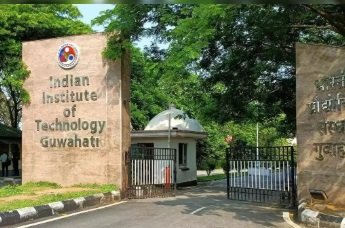
In a groundbreaking achievement, researchers at the Indian Institute of Technology (IIT) Guwahati have developed an eco-friendly method to produce biofuels by converting harmful greenhouse gases, methane and carbon dioxide, into cleaner alternatives. This innovative approach holds immense potential for mitigating environmental challenges while promoting sustainable energy solutions.

Revolutionizing Biofuel Production

Led by Prof. Debasish Das and Dr. Krishna Kalyani Sahoo, the research employs the bacterium Methylosinus trichosporium to transform greenhouse gases into bio-methanol, a cleaner and more efficient biofuel. The findings, published in the journal Fuel, highlight a novel, cost-effective biological method that eliminates the need for expensive catalysts or harmful by-products associated with traditional fuel production processes.

Environmental Impact and Advantages

Methane, a greenhouse gas significantly more harmful than carbon dioxide, is a critical contributor to global warming. By converting methane and carbon dioxide into bio-methanol, the new method addresses dual environmental concerns:

  • Emission Reduction: The biological process captures methane, transforms it into biomass, and utilizes it alongside carbon dioxide to produce bio-methanol.
  • Clean and Energy-Efficient: Unlike traditional methods, this process avoids toxic by-products, reduces energy consumption, and uses inexpensive resources.

This innovative approach not only tackles greenhouse gas emissions but also provides a sustainable alternative to fossil fuels without impacting food production.

Enhanced Yield and Testing

To optimize production, the researchers implemented advanced gas dissolution techniques, significantly improving methanol yield. The bio-methanol was then blended with diesel in varying proportions (5-20%) and tested in a four-stroke diesel engine.

  • Emission Reductions: The diesel-methanol blends demonstrated up to 87% reductions in harmful emissions, including carbon monoxide and hydrocarbons.
  • Improved Efficiency: The blends outperformed traditional diesel in both engine efficiency and overall performance, paving the way for cleaner transportation fuels.

Broader Industrial Applications

Beyond biofuels, the biological process offers promising industrial applications:

  • Chemical Production: The process can be adapted to produce valuable chemicals like formaldehyde and acetic acid.
  • Carbon Footprint Reduction: Industries such as oil and gas can leverage this innovation to lower their carbon emissions and contribute to a greener future.

A Sustainable Solution for a Greener Tomorrow

IIT Guwahati’s biofuel innovation represents a significant leap toward cleaner energy solutions. By addressing the dual challenges of greenhouse gas emissions and sustainable fuel production, this breakthrough aligns with global goals to combat climate change and reduce reliance on fossil fuels.

As industries explore ways to adopt this technology, the research not only underscores India’s leadership in sustainable innovation but also sets a precedent for eco-friendly advancements worldwide.

Maha Kumbh 2025 to feature World’s Largest AI-Powered Headcount

0

The Maha Kumbh Mela 2025 at Prayagraj, Uttar Pradesh, is set to be a historic confluence of faith and technology. Expected to draw an astounding 40 to 45 crore devotees, this grand spiritual gathering will take place at the sacred Triveni Sangam, where the Ganga, Yamuna, and Saraswati rivers converge. For the first time, the Uttar Pradesh government plans to implement the world’s largest AI-powered headcount system, revolutionizing crowd management and ensuring a safe experience for all attendees.

AI Technology for Unprecedented Accuracy

The integration of cutting-edge artificial intelligence (AI) will mark a significant milestone in the management of the Maha Kumbh Mela. The authorities will deploy AI-powered cameras and other advanced technologies to achieve precise attendee counts and monitor crowd dynamics.

To this end, 744 temporary CCTV cameras will be installed at 200 strategic locations across the city, while 1,107 permanent cameras will cover 268 key spots. Additionally, over 720 cameras will monitor activities at 100+ vehicle parking areas, ensuring comprehensive surveillance throughout the event.

Real-Time Tracking to Enhance Safety

Divisional Commissioner Vijay Vishwas Pant has highlighted the transformative role of AI in real-time crowd density monitoring. The system, boasting an accuracy rate of approximately 95%, will provide live updates every minute during peak bathing hours, from 3 AM to 7 PM. This data will focus primarily on the ghats, where millions gather for ritualistic dips.

Eliminating Duplicate Counts

A unique aspect of this AI system is its ability to prevent duplicate headcounts. By analyzing the duration individuals spend at the ghats, the system ensures that each attendee is counted only once. The AI algorithms will also predict daily crowd sizes, ranging from 20 lakh to 10 crore people, based on historical data and real-time trends.

Sophisticated Tracking Methods

The AI-powered headcount system will employ three innovative tracking methods to manage the massive influx of pilgrims effectively:

  1. Attribute-Based Search: This method uses physical traits to identify individuals, ensuring accurate tracking without requiring personal information.
  2. RFID Wristbands: Visitors will be provided with Radio Frequency Identification (RFID) wristbands to monitor their movements seamlessly across the venue.
  3. Mobile App Tracking: GPS-enabled mobile apps, with user consent, will further enhance crowd management by tracking locations in real time.

The Maha Kumbh Mela: A Tradition Steeped in Spirituality

Held every 12 years, the Maha Kumbh Mela is one of the largest spiritual gatherings in the world. In 2025, the event will commence on January 13 and conclude on February 26, with key bathing dates including January 14 (Makar Sankranti), January 29 (Mauni Amavasya), and February 3 (Basant Panchami).

Blending Tradition with Technology

The Maha Kumbh Mela 2025 promises to be a seamless blend of spirituality and modernity. With the implementation of AI-powered systems, the event aims to enhance safety, manage unprecedented crowds, and set a global benchmark for crowd management at large-scale gatherings.

As pilgrims from across the globe converge at Prayagraj, the 2025 Maha Kumbh will not only uphold India’s rich cultural heritage but also showcase its strides in technological innovation.

There was once a biggest Christmas tree which was 20 Stories Tall…

0
Christmas tree and skyscrapers in La Defense business district (dusk) - Paris, France. (Christmas tree and skyscrapers in La Defense business district

The holiday season, with its twinkling lights, steaming mugs of cocoa, and snug blankets, brings warmth to chilly days. Among its most magical traditions, the Christmas tree stands tall—both figuratively and literally—as a beacon of festive cheer and a counter to the winter blues. But for some, this holiday symbol becomes a towering marvel, with communities around the globe striving to outdo each other in creating the tallest, most magnificent Christmas trees.

The Tallest Christmas Tree on Record

The Guinness World Records crowns a Douglas Fir erected at the Northgate Shopping Center in Seattle, Washington, in 1950 as the tallest cut Christmas tree ever. Measuring an astonishing 221 feet (67.4 meters), this giant stood as tall as a 20-story building, dazzling onlookers with its grandeur.

For comparison, the most recent contender for America’s tallest tree, showcased in Enid, Oklahoma, reached a height of 140 feet (42.7 meters), still a striking sight but far from the record-holder.

Where to See the World’s Tallest Christmas Trees Today

If you’re seeking colossal Christmas trees today, head to Dortmund, Germany. This small city has become renowned for its annual Christmas tree spectacle, with a towering creation that reaches 150 feet (45.7 meters) and weighs an impressive 44 tons (40,000 kilograms).

10 Largest Christmas Tree Celebrations Around the World

1. Monte Ingino, Gubbio, Italy
This isn’t your average tree—it’s an entire hillside illuminated by 2,130 feet (649 meters) of lights, forming the outline of a massive Christmas tree. Recognized for its creativity, the Monte Ingino tree was famously lit remotely by Pope Benedict XVI in 2011.

2. New York, USA
The Rockefeller Center Christmas tree is iconic, drawing thousands of visitors daily. Though not the largest, its enduring charm and cultural significance make it a must-see.

3. London, U.K.
Trafalgar Square’s Nordic-style Christmas tree steals the show, but other magical displays like those at Covent Garden and the Connaught Hotel offer plenty of holiday cheer in “Merry Old London.”

4. Strasbourg, France
Known as the “Capital of Christmas,” Strasbourg’s Place Kléber features elegantly adorned 100-foot (30.5-meter) trees amid its enchanting winter markets.

5. Dortmund, Germany
This city goes all out, investing nearly $200 million annually in its Christmas celebrations. Over 3 million visitors flock to its festive village to admire its giant Christmas tree and experience holiday magic.

6. Rio de Janeiro, Brazil
Rio’s floating Christmas tree is a marvel. Constructed from metal and standing 278 feet (84.7 meters) tall, this 542-ton (491.7 metric tonnes) structure sparkles with over 3 million lights.

7. Vilnius, Lithuania
Vilnius is famed for its innovative Christmas trees. For the city’s 700-year anniversary, a dazzling, three-tier “birthday cake” tree adorned with cascading lights stole the show.

8. Vatican City
The spiritual heart of Christmas, Vatican City, features a towering 95-foot (29-meter) Norway spruce in St. Peter’s Square. Despite criticism from environmental advocates, the tree remains a stunning symbol of the season.

9. Washington, D.C., USA
The Capitol Christmas tree, first lit over a century ago, continues to shine brightly each December, reminding visitors of the simple joys of the season amid the hustle of politics.

10. Moscow, Russia
Red Square transforms into a winter wonderland, with massive tree installations and holiday markets set against the iconic, snow-dusted domes of St. Basil’s Cathedral.

Holiday Lights: A Celebration of Light and Cheer

Christmas is known as the “celebration of light,” and the statistics are dazzling. In the U.S. alone, over 80 million homes light up their trees and houses with more than 150 million lights. This festive tradition requires a staggering 6.63 billion kilowatt-hours of electricity, representing roughly 6% of the nation’s December energy load.

Spreading Joy Through Towering Trees

From the glittering hills of Italy to the floating marvels of Rio and the iconic displays of New York, the world’s tallest Christmas trees symbolize the joy and togetherness of the holiday season. Each tree tells a story, bringing communities together and lighting up lives, proving that sometimes, bigger really is better—especially when it comes to Christmas cheer.


Abathsahayeshwarar Temple Wins UNESCO Award for Heritage Restoration

0

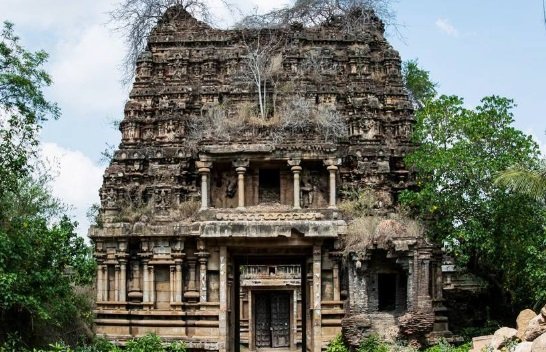
The Abathsahayeshwarar Temple in Thukkatchi, Tamil Nadu, a remarkable 1,300-year-old Chola dynasty marvel, has been honored with UNESCO’s 2023 Award of Distinction. This recognition celebrates the temple’s exceptional conservation efforts, which have revived its historical and cultural grandeur.

Historical Significance

Constructed during the reigns of Kings Vikrama Chola and Kulothunga Chola, the Abathsahayeshwarar Temple stands as a testament to the architectural brilliance and spiritual dedication of the Chola dynasty. Historically, the village surrounding the temple was known as Vikrama Chozheeswaram and Kulothunga Chola Nallur, named after these illustrious rulers. Kulothunga Chola also installed the idol of Aadhi Sarabeshwarar in the temple.

The temple is home to numerous deities, including Soundaryanayaki Ambal and Ashtabhuja Durga Parameshwari. Its five prakarams, or enclosures, reflect the grandeur of ancient Tamil temple architecture and its deep-rooted cultural heritage.

Restoration Process

Over the centuries, the temple had fallen into disrepair, with vegetation engulfing its structures and parts of its enclosures crumbling. The restoration process, however, has breathed new life into this historic monument.

The efforts included repairing two prakarams, removing overgrown plants and trees, reinforcing weakened structures, and repainting the intricate gopurams. The restoration culminated in a grand consecration ceremony held in September 2023, marking a new chapter in the temple’s illustrious history.

UNESCO’s Recognition

UNESCO lauded the restoration project for its meticulous blend of modern conservation techniques and traditional craftsmanship. Local artisans, or sthapathis, played a pivotal role in maintaining the authenticity and aesthetic integrity of the temple. Their expertise ensured that the intricate carvings, sculptures, and structural details were preserved with utmost care.

The success of this project not only revitalized the Abathsahayeshwarar Temple but also set a benchmark for the conservation of other historic temples in Tamil Nadu. UNESCO’s recognition underscores the importance of preserving such cultural treasures for future generations.

Government Support and Future Plans

The Hindu Religious and Charitable Endowments (HR&CE) department, which oversees temple management in Tamil Nadu, announced the prestigious UNESCO award. Minister P.K. Sekarbabu highlighted the government’s commitment to protecting the state’s rich temple heritage.

Chief Minister M.K. Stalin has allocated ₹100 crore annually for temple restoration projects, emphasizing the government’s proactive approach toward heritage conservation. Several more temples across Tamil Nadu have been identified for similar renovation efforts, ensuring their architectural and cultural significance is preserved.

A Cultural Milestone

The recognition of the Abathsahayeshwarar Temple by UNESCO is a moment of pride for Tamil Nadu and India. It not only celebrates the state’s rich cultural heritage but also showcases the potential of traditional craftsmanship in modern conservation projects. As more temples are earmarked for restoration, the legacy of Tamil Nadu’s historic monuments continues to inspire and endure.

Know about these Tibetan Buddhist paintings on cotton and silk fabric…

0

Khushi Sharma

Thangka painting is a Tibetan Buddhist painting on cotton, silk usually depicting a Buddhist deity, scene, or mandala. The painted thangka is given a border of rich silk brocade. This is usually of red, yellow and blue fabrics.
The term “thangka” roughly translates to “recorded message” in Tibetan. The tradition of thangka painting originated in Tibet around the 11th century and was influenced by art from India and Nepal.

Origin
The tradition of thangka painting came to Tibet from India and was influenced by the art form developed in Nepal. The first thangkas were created in Nepal around 1640, and many were exported to Tibet.

What does thangka paintings depict?
Thangka paintings are a form of Buddhist art that can symbolize many things, including culture, peace, quality, meditation, teaching and Many more.
Thangka paintings can depict a variety of subjects, including deities, bodhisattvas, and the life of the Buddha. The most prominent subject is the Wheel of Life, or Bhavachakra, which is a visual representation of the Art of Enlightenment

Importance
Newari Thankas also known as Paubha, has been the hidden art work in Kathmandu valley from 13th century. Thangka serves as important teaching tools depicting the life of the Buddha, various influential lamas and other deities and bodhisattvas.