Home Blog Page 416

India’s first-ever river linking project unveiled in MP that was once visioned by Atal Bihari Vajpayee

0

On the 100th birth anniversary of former Prime Minister Atal Bihari Vajpayee, Prime Minister Narendra Modi and Madhya Pradesh Chief Minister Mohan Yadav inaugurated the Ken-Betwa River Linking National Project. This ambitious project, a cornerstone of India’s river interlinking efforts, marks a significant milestone in addressing water scarcity in the Bundelkhand region. However, the project has also sparked criticism, particularly from the Congress, which expressed concerns over its potential environmental impact on the Panna Tiger Reserve.

What is the Ken-Betwa Link Project (KBLP)?

The Ken-Betwa Link Project is a water transfer initiative aimed at linking the Ken and Betwa Rivers, both tributaries of the Yamuna. With a 221-kilometer-long canal and a 2-kilometer tunnel, the project seeks to address water distribution issues across Madhya Pradesh and Uttar Pradesh.

According to the Ministry of Jal Shakti, the project is expected to:

  • Irrigate 10.62 lakh hectares of land (8.11 lakh hectares in Madhya Pradesh and 2.51 lakh hectares in Uttar Pradesh).
  • Provide drinking water to approximately 62 lakh people.
  • Generate power: 103 MW of hydropower and 27 MW of solar energy.

This is the first initiative under the National Perspective Plan for interlinking rivers, formulated in 1980. The plan envisions 16 projects in the peninsular region and 14 links under the Himalayan rivers development program.

Project Phases

The Ken-Betwa project is divided into two distinct phases:

  • Phase I: Focused on constructing the Daudhan Dam complex, including tunnels, the Ken-Betwa Link Canal, and powerhouses.
  • Phase II: Encompasses the Lower Orr Dam, Bina Complex Project, and Kotha Barrage.

Key Developments and Budget

In December 2021, the Union Cabinet approved the project with a budget of ₹44,605 crore (at 2020-21 prices). The foundation stone for the Daudhan Dam—a 2,031-meter-long structure (1,233 meters earthen and 798 meters concrete) with a height of 77 meters—was laid by PM Modi.

The dam will submerge approximately 9,000 hectares of land, affecting 10 villages. Its construction has been contracted to NCC Ltd, with a projected timeline of eight years for completion.

Historical Background

The Ken-Betwa project has been in development for decades. In 2005, a tripartite agreement was signed for preparing a detailed project report (DPR). In 2008, it was declared a National Project and became a part of the Prime Minister’s Bundelkhand development package. A finalized DPR was completed in 2018, clearing the way for implementation.

Environmental Concerns

Despite its benefits, the project has faced criticism over environmental risks, particularly its impact on the Panna Tiger Reserve. The submersion of forested areas and displacement of local communities remain contentious issues. Critics argue that such risks require greater scrutiny and mitigation measures.

A Tribute to Vajpayee’s Vision

The inauguration of the Ken-Betwa project on the centenary of Atal Bihari Vajpayee is seen as a tribute to his vision for a developed and sustainable India. The project holds the promise of transforming water management in one of the country’s most arid regions while serving as a flagship model for river interlinking across India.

As the nation anticipates the project’s completion, its success will depend on balancing development needs with environmental preservation and community welfare.

Age old legacy of buying gold has now made Indian women own and hold 11% of the world’s gold

0

Gold has long been a symbol of wealth, tradition, and cultural significance in India, and its importance resonates most profoundly with Indian women. From intricate bridal ornaments to gold bars, this precious metal holds a special place in Indian households and celebrations, particularly weddings. Its enduring appeal has turned gold into a cherished legacy passed down through generations, making Indian women some of the largest collective owners of gold globally.

India’s Unmatched Gold Ownership

Indian women collectively own an estimated 24,000 tons of gold, according to the World Gold Council. This staggering figure represents nearly 11% of the world’s total gold reserves in jewelry form. To put this into perspective, the combined gold holdings of Indian households surpass the official reserves of the top five gold-holding nations.

  • United States: 8,000 tons
  • Germany: 3,300 tons
  • Italy: 2,450 tons
  • France: 2,400 tons
  • Russia: 1,900 tons

The scale of gold held by Indian households even exceeds the reserves of institutions like the International Monetary Fund (IMF) and nations like Switzerland and Germany combined.

South India: The Epicenter of Gold Wealth

Southern India, in particular, dominates gold ownership, accounting for 40% of the country’s total gold reserves. Tamil Nadu alone contributes an impressive 28% of this wealth. A study by the World Gold Council (2020–21) estimated Indian households owned between 21,000–23,000 tons of gold, a figure that has since increased to 24,000–25,000 tons by 2023. This equates to over 25 million kilograms of gold, representing a substantial portion of the nation’s wealth.

This massive reserve not only underscores the cultural and sentimental value of gold but also strengthens India’s economy. With gold holdings equivalent to 40% of the nation’s GDP, Indian households’ gold serves as an informal yet critical asset backing economic stability.

Gold and Indian Weddings: A Timeless Tradition

Gold’s significance in Indian culture is most vividly showcased during weddings. Bridal jewelry, often crafted with intricate designs, forms the cornerstone of wedding traditions. Gold ornaments are seen as a symbol of prosperity and security, with families often investing substantial sums to adorn the bride and gift gold as a part of her trousseau. This practice has elevated gold from a mere adornment to a symbol of familial legacy and financial security.

Tax Laws Reflect Cultural Importance

Indian tax regulations further highlight the cultural reverence for gold. Married women are legally permitted to possess up to 500 grams of gold, while unmarried women can hold 250 grams, and men are allowed 100 grams. These allowances recognize gold’s role as both a personal asset and a cultural necessity, ensuring its continued prominence in Indian households.

A Golden Future

India’s unique connection to gold extends beyond its cultural roots to its economic impact. As the country’s gold holdings continue to grow, they serve as a testament to the enduring significance of this precious metal in Indian life. Whether as a symbol of tradition, a source of security, or a measure of wealth, gold remains an integral part of India’s identity, with Indian women leading the way in preserving this golden legacy.

China builds world’s largest underwater tunnel in just 110 days & makes fastest construction record

0

China has achieved a groundbreaking milestone in infrastructure with the construction of the world’s largest-diameter underwater shield tunnel beneath the Yellow River. Workers have completed a remarkable two-mile section of the tunnel, which boasts a massive diameter of 55.8 feet (17 meters) and incorporates 500 pipe rings for underwater shielding.

Engineering Marvel Beneath the Yellow River

Located 98 feet below the surface of the Yellow River in Jinan, the capital of Shandong Province, the tunnel is part of a larger 3.6-mile project designed to enhance regional connectivity. Once fully operational, the two-way tunnel will feature three lanes in each direction and accommodate vehicles traveling at a speed of up to 37.2 miles per hour (60 km/h).

Record-Breaking Construction

The project, spearheaded by China Railway 14th Bureau Group Co., Ltd., began on September 1, 2024. In an extraordinary feat of engineering, workers used the colossal tunnel boring machine “Shanhe” to complete the underwater shielding in just 110 days.

The “Shanhe” machine advanced at a rate of 52.5 to 59 feet per day, achieving a monthly progress of 1,396.6 feet. This impressive pace has set a new world record for shield construction in the 17-meter-class diameter category, as confirmed by ST Daily.

Comparing Global Achievements

While the Yellow River tunnel holds the record for the largest diameter at 55.8 feet, it is not the longest underwater tunnel globally. Japan’s Seikan Tunnel, stretching 33.46 miles, and the Channel Tunnel connecting the UK and France at 31.4 miles still surpass it in length. However, the Jinan Huanggang Road Tunnel stands as a unique achievement, marking a new chapter in China’s engineering endeavors.

Significance for the Yellow River and Beyond

As China’s second-largest river, the Yellow River holds immense historical and cultural significance. The Jinan Huanggang Road Tunnel is a groundbreaking development for the region, showcasing China’s ability to tackle challenging geological conditions and pioneer infrastructure solutions.

The tunnel’s completion is expected to boost regional connectivity and reduce traffic congestion, creating a vital link for transportation and commerce.

Project Timeline and Future Prospects

The entire 3.6-mile tunnel is expected to be completed by late 2025. Once operational, it will serve as a testament to China’s engineering capabilities and commitment to advancing infrastructure on a global scale.

As the world’s largest-diameter underwater tunnel, the project is poised to become a landmark achievement, setting new standards for tunnel construction and highlighting China’s growing expertise in large-scale engineering projects.

History Being Recreated as India Gets Ready to Welcome Its First Vertical Lift Sea Bridge at Pamban…

0

India’s first vertical lift sea bridge, a groundbreaking 2.08-km-long marvel constructed by Rail Vikas Nigam Limited (RVNL), is set to open in January, reconnecting Rameswaram island to the mainland via rail. This engineering feat is designed to revolutionize rail connectivity while preserving the region’s historical significance.

Modern Innovation Meets Historical Legacy

The new vertical lift sea bridge runs parallel to the heritage Pamban rail bridge, which has stood since British colonial rule over 110 years ago. Unlike the older structure, whose girders opened like butterfly wings, the new bridge features a state-of-the-art 72.5-meter-long girder that can be automatically raised 17 meters to allow ships and vessels to pass.

This innovative design, approved by both IIT Madras and IIT Bombay, will enable trains to operate at higher speeds and ensure smoother, more efficient rail traffic. Senior RVNL officials assure that the bridge’s robust construction, including a special 250-micron coating to prevent corrosion, is certified by the Central Electrochemical Research Institute (CECRI) and is built to last 100 years.

Challenges Addressed and Safety Ensured

While the Commissioner for Railway Safety initially flagged concerns about corrosion resistance and deviations from the original design, RVNL has addressed these issues comprehensively. “We have implemented rigorous anti-corrosion measures, and our new concept design has received approvals from top research institutions,” said R. Srinivasan, Senior Deputy General Manager of RVNL.

Historical Context and Future Promise

The original Pamban rail bridge, an iconic structure connecting Mandapam to Rameswaram, was declared unsafe and rail services were suspended on December 23, 2022, due to severe corrosion. Since then, train services have terminated at Mandapam, forcing travelers to rely on road transport to reach Rameswaram.

The new bridge, a modern replacement for the deteriorated structure, will not only restore rail connectivity but also enhance passenger safety and operational efficiency. Its vertical lift mechanism is a significant upgrade, reducing delays caused by ship crossings and enabling seamless train operations.

Foundation Stone to Completion: A Timeline

Prime Minister Narendra Modi laid the foundation stone for the new bridge in November 2019, with construction beginning in February 2020. Initially slated for completion by December 2021, the project faced delays due to the COVID-19 pandemic but is now ready for inauguration.

A Landmark for the Nation

The Pamban vertical lift sea bridge stands as a testament to India’s engineering prowess and its commitment to modernizing infrastructure while respecting heritage. Once operational, it will be a vital lifeline for pilgrims visiting Rameswaram and a boost for Tamil Nadu’s tourism and economy.

As the bridge prepares to welcome its first trains in January, it promises to become an enduring symbol of innovation, resilience, and connectivity, bridging the past and future of Indian railways.

India’s First Glass Bridge Opens at Kanyakumari’s Thiruvalluvar Statue

0

Kanyakumari is making history with the inauguration of India’s first glass bridge connecting two iconic landmarks—the Vivekananda Rock Memorial and the Thiruvalluvar Statue. This 77-meter-long, 10-meter-wide bowstring arch marvel, constructed at a cost of ₹37 crore, will officially open to the public this New Year, marking a new chapter in Tamil Nadu’s tourism landscape.

A Landmark Addition to Kanyakumari’s Heritage

The Thiruvalluvar statue, standing tall at 133 feet in the middle of the Kanyakumari sea, has been a symbol of Tamil culture and pride since its installation in 2000. In celebration of the statue’s silver jubilee, the Tamil Nadu government has introduced the glass bridge to enhance tourist accessibility, even during rough seas and low tide.

Chief Minister MK Stalin will inaugurate the bridge during the silver jubilee festivities, emphasizing its significance as a “game-changer” for tourism in the region. Visitors can now enjoy unparalleled views of the sea while walking on the transparent glass surface, offering a thrilling experience and a closer connection to these monumental sites.

Silver Jubilee Celebrations: A Grand Affair

The three-day silver jubilee celebrations, organized by the Tamil Nadu government, include vibrant cultural programs and special events. However, due to the recent passing of former Prime Minister Manmohan Singh, some events scheduled for December 31 have been rescheduled. The main festivities will conclude on January 1 with spectacular highlights.

As part of the celebrations, the entire area around the Thiruvalluvar statue and Vivekananda Rock Memorial has been illuminated with colorful lights. A laser light show will dazzle visitors at night, showcasing the grandeur of these landmarks against the backdrop of the Kanyakumari sea.

To ensure maximum participation, the Chennai Corporation will broadcast the celebrations live across 15 zones, including Thiruvottiyur, Manali, Madhavaram, and Kodambakkam, allowing people from across Tamil Nadu to witness the monumental occasion.

Honoring Tamil Heritage and Culture

Chief Minister Stalin will also honor Tamil heritage by presenting the Thirukkural—the timeless verses of poet Thiruvalluvar—and awards to 25 deserving individuals. Floral tributes will be paid at the Poompuhar boat station, symbolizing reverence for Tamil culture.

A Boost to Tourism and Culture

The glass bridge is expected to draw large crowds from across India and abroad, establishing Kanyakumari as a must-visit destination for tourists. Beyond its architectural marvel, the bridge represents a deeper connection to Tamil culture, history, and natural beauty.

As Kanyakumari ushers in the New Year with this groundbreaking addition, the silver jubilee celebrations of the Thiruvalluvar statue serve as a reminder of the enduring legacy of Tamil poet and philosopher Thiruvalluvar, promoting Tamil culture on a global stage.

ISRO’s LVM3 Rocket Achieves Multi-Orbit Capability

0

The Indian Space Research Organisation (ISRO) has achieved a significant milestone with its LVM3 rocket, now capable of placing satellites in multiple orbits during a single mission. This advancement, made possible by the development of a cutting-edge “multi-element ignitor” for the CE-20 Cryogenic engine, enhances the versatility and cost-efficiency of India’s space exploration efforts.

The Multi-Element Ignitor: A Game-Changer

The newly developed multi-element ignitor is a breakthrough for ISRO, enabling the CE-20 Cryogenic engine to restart in space. This innovation allows the LVM3 rocket to deploy multiple satellites into different orbits without requiring additional launches. It represents a step forward in reducing costs and maximizing the utility of a single mission.

The Vital Role of the CE-20 Cryogenic Engine

The CE-20 Cryogenic engine powers the LVM3’s final stage and plays a critical role in accurately placing satellites into their designated orbits. Recent tests confirmed the engine’s ability to restart and operate flawlessly, reinforcing its reliability for complex missions.

To ensure the engine’s functionality, ISRO conducted a “Sea Level Test,” an unconventional yet effective method adapted to simulate full operational conditions. The inclusion of a Nozzle Protection System further enhanced the test’s effectiveness while keeping costs manageable.

ISRO’s Legacy in Multi-Orbit Missions

This isn’t ISRO’s first foray into multi-orbit missions. In 2019, the PSLV-C45 demonstrated similar capabilities by deploying one primary satellite and 28 international satellites into multiple orbits through engine restarts. With the LVM3 rocket, ISRO aims to advance this legacy by enabling two to three restarts of the CE-20 engine in future missions, significantly boosting operational flexibility.

Cold Gas Thruster Technology

Before the advent of restart technology, ISRO relied on cold gas thrusters for precise satellite positioning. This method utilized leftover fuel for minor thrust adjustments, ensuring accurate deployment. While effective, it had limitations compared to the advanced capabilities of the CE-20 engine.

Enhancing Payload Capacity for Future Missions

The CE-20 engine, which uses super-cooled fuels requiring stringent storage conditions, has already powered multiple successful LVM3 missions. Its indigenous design continues to evolve, with upgrades in progress to handle heavier payloads. These advancements are critical for upcoming missions like Gaganyaan, India’s ambitious human spaceflight program.

A Milestone in Indian Space Exploration

With the LVM3 rocket’s multi-orbit capability, ISRO has once again demonstrated its engineering excellence and innovative prowess. This achievement not only enhances India’s competitiveness in the global space industry but also paves the way for more complex and cost-effective missions in the future.

What is Hydroponic Farming?

0

Hydroponic farming, a method of growing crops without soil using nutrient-rich water solutions, is steadily gaining traction across India. Agartala, Tripura, stands at the forefront of this agricultural innovation, transitioning from small-scale, portable systems to larger, commercial setups aimed at addressing local farming challenges, especially those exacerbated by climate change.

Advancements in Hydroponic Systems

In Tripura, new hydroponic systems are designed to cover expansive areas, with setups measuring over 500 square meters. One notable facility spans 560 square meters and is dedicated to cultivating high-demand crops like lettuce, coriander, strawberries, and marigolds. This large-scale approach not only meets local market demands but also ensures a steady supply of fresh produce.

Hydroponics is proving to be a game-changer for the state, which frequently faces heavy rains and floods. These natural disasters severely impact traditional farming methods. However, hydroponic systems, being weather-resistant and adaptable, enable farmers to continue producing crops despite adverse conditions.

Financial Backing and Investment

The government of Tripura has invested ₹55 lakh in this hydroponic farming initiative to bolster the agricultural economy. While the initial investment may seem substantial, experts anticipate returns within three to five years, making it a sustainable and profitable venture for local farmers.

This funding is part of a broader effort to improve the financial stability of farmers affected by climate-related challenges. By reducing dependence on arable land and ensuring year-round production, hydroponics offers a reliable solution for those whose livelihoods are vulnerable to environmental disruptions.

Benefits for Farmers and the Community

Hydroponic farming is particularly advantageous for farmers with limited landholdings. Vertical farming techniques maximize the use of space, enabling higher yields in smaller areas. This method not only satisfies household food requirements but also allows farmers to sell surplus produce in local markets, boosting their income.

Moreover, the system’s efficiency addresses the growing demand for fresh produce while promoting sustainable agricultural practices. For farmers recovering from the recent floods in Tripura, the hydroponic initiative offers a lifeline, combining financial assistance with a forward-looking, resilient farming approach.

A Path to Sustainability

Hydroponic farming in Agartala exemplifies how innovative agricultural practices can empower communities to overcome environmental challenges. By embracing this modern technique, Tripura is not only ensuring food security but also paving the way for a more sustainable and profitable future for its farmers. This initiative underscores the potential of hydroponics to transform Indian agriculture, one state at a time.

Somavati Amavasya 2025: A Sacred Day for Ancestors, Rituals, and New Beginnings

0

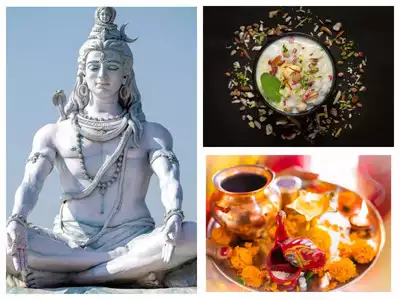
Somavati Amavasya, occurring on January 30 in 2025, is a significant event in the Hindu lunar calendar. This auspicious day falls on the new moon (Amavasya) that coincides with a Monday (Somvar), which is dedicated to Lord Shiva. The combination of these two factors — the Somavati (Monday) and Amavasya (new moon) — makes this day particularly powerful, and it is celebrated with great devotion across India, especially in places with sacred rivers and temples.

Significance of Somavati Amavasya

Somavati Amavasya holds deep spiritual and religious importance. The day is believed to be auspicious for honoring ancestors (Pitras) and seeking their blessings. Devotees believe that performing rituals on this day helps in the liberation of the souls of departed ancestors, ensuring their peace in the afterlife. The day is also a time for devotees to seek the blessings of Lord Shiva, as Mondays are particularly sacred to him.

For married women, it is believed that worshiping on Somavati Amavasya will ensure the well-being of their husbands and children. It is also a day for seeking prosperity, health, and the resolution of long-standing problems.

Rituals and Traditions

  1. Holy Bath: A common practice on Somavati Amavasya is taking a holy dip in a river or a water body. Rivers like the Ganges, Yamuna, Godavari, and Kaveri are considered especially sacred. The act of dipping in the waters is believed to cleanse devotees of their sins, purify the soul, and bring good fortune for the year ahead. Many travel to sacred pilgrimage spots like Haridwar, Varanasi, and Prayagraj to take the ritual bath.
  2. Pitru Tarpan: Offering prayers to ancestors is an essential tradition on Somavati Amavasya. People perform Pitru Tarpan, which involves offering water and sesame seeds, while reciting specific mantras to honor their forefathers. This ritual is believed to bring peace to the souls of ancestors, help in overcoming family obstacles, and ensure prosperity.
  3. Fasting and Prayers: Devotees observe a fast on Somavati Amavasya, consuming only fruits and water. This fast is believed to purify the body and mind, and it is accompanied by chanting prayers dedicated to Lord Shiva. Many visit Shiva temples to offer prayers and participate in the Shiva Puja or Somavati Vrat, a ritualistic worship on Mondays.
  4. Charity and Donations: It is also considered an auspicious time to perform acts of charity. Donating food, clothes, or money to the needy, especially to Brahmins or temples, is a way to earn spiritual merit on this day. It is believed that such acts of kindness help in accumulating good karma and ensuring a prosperous future.
  5. Yoga and Meditation: Devotees also engage in meditation and yoga on Somavati Amavasya to attain inner peace. This practice helps in connecting with the divine and purifying the mind, fostering spiritual growth and calmness.

Cultural and Regional Celebrations

Somavati Amavasya is celebrated with enthusiasm in various parts of India, especially in states like Uttar Pradesh, Maharashtra, Gujarat, and Bihar. In many regions, temples dedicated to Lord Shiva and other deities hold special ceremonies and processions. People gather in large numbers to offer prayers, participate in religious discussions, and share meals with their community.

In rural areas, the day is marked by large gatherings, with devotees singing bhajans (devotional songs) and performing aarti (rituals of worship) by the riverside or in temples. In some regions, it’s common to light oil lamps to mark the occasion, symbolizing the dispelling of darkness and the arrival of light.

Backstory

The origins of Somavati Amavasya lie in Hindu mythology. It is believed that on this day, the moon and the earth align in a way that enhances the spiritual energies, making it easier for devotees to connect with the divine and perform rituals with greater efficacy. The significance of Mondays dedicated to Lord Shiva and the new moon as a time of renewal and reflection gives this day its powerful aura.

Overall, Somavati Amavasya is not just a day for performing religious rituals but also an opportunity for spiritual growth, reflection, and honoring those who came before us. It’s a day where devotees unite in devotion, sharing blessings with family, ancestors, and communities while seeking divine favor for a prosperous year ahead.

10 Unforgettable New Year Destinations in India to Kickstart 2025 in Style!

0

As the year comes to a close, many of us seek the perfect place to welcome the New Year in style. If you’re looking for an unforgettable way to ring in the new beginnings, India offers a range of spectacular destinations that transform into vibrant celebrations. Whether you’re a last-minute planner or someone who enjoys detailed preparations, here are some of the top places in India to make your New Year’s Eve truly special.

1) Goa
Goa, often called India’s party capital, is a dream destination for those seeking a lively New Year celebration. The beaches shimmer with the rhythm of music festivals, and the electrifying party atmosphere is unmatched. From beach clubs to open-air parties under the stars, you’ll experience the perfect mix of fun and freedom. Goa offers the ideal escape to dance the night away and enjoy spectacular firework displays, making it a must-visit for party lovers.

2) Mumbai
Mumbai, with its dazzling nightlife, never fails to impress. From the glamorous rooftop bars of Bandra to the vibrant streets of Marine Drive, this city sets the stage for a night to remember. Celebrate with a glass of champagne as you watch fireworks light up the iconic Gateway of India. Whether you’re into high-end clubs or cozy bars, Mumbai’s energy and variety ensure you’ll find the perfect spot to greet the New Year.

3) Delhi
Delhi offers a rich blend of modern and traditional celebrations, making it an ideal destination for every kind of traveler. The city’s nightlife is diverse, with Hauz Khas, Connaught Place, and Aerocity hosting some of the best parties in the country. For a cultural twist, head to India Gate, where the streets fill with joy and fireworks light up the sky, adding to the festive ambiance of the city.

4) Jaipur
For a royal celebration, Jaipur is the perfect choice. The city, with its majestic forts, palaces, and heritage hotels, offers a New Year experience like no other. Many venues host traditional Rajasthani dance performances, lavish gala dinners, and cultural shows, allowing you to experience the grandeur of the Pink City in style. Spend your New Year’s Eve celebrating in opulence and elegance, surrounded by the timeless beauty of Rajasthan.

5) Bengaluru
Known as the pub capital of India, Bengaluru offers one of the most vibrant nightlife scenes in the country. Whether you’re enjoying live music at a high-end club or partying under the stars at an open-air venue like UB City, the city guarantees an unforgettable celebration. Bengaluru’s youthful energy and diverse party scene ensure there’s something for everyone this New Year’s Eve.

6) Puducherry
If you prefer a more relaxed yet equally enchanting celebration, Puducherry is the place to be. This coastal gem combines the charm of French architecture with the vibrancy of Indian culture. Enjoy a peaceful New Year by the beach with cozy bonfires, or spend time reflecting in the serene atmosphere of Auroville. Puducherry’s tranquil vibe makes it a perfect getaway for those seeking a quieter yet unforgettable start to the New Year.

7) Manali
For those seeking a snowy escape, Manali offers a perfect winter wonderland to ring in the New Year. The hill station’s snow-capped mountains, cozy cafes, and scenic landscapes create a magical atmosphere. Indulge in adventure activities like skiing and trekking, or enjoy the warmth of bonfire parties under a starry sky. Manali is ideal for both thrill-seekers and those seeking peace amidst nature’s beauty.

8) Udaipur
Udaipur, the City of Lakes, offers a serene and luxurious way to welcome the New Year. Picture yourself aboard a boat on Lake Pichola, surrounded by the city’s illuminated palaces and temples, as you celebrate with a peaceful and scenic backdrop. The city’s regal charm, along with cultural performances and intimate gatherings, makes Udaipur an enchanting destination to ring in the New Year with grace and beauty.

9) Kolkata
Kolkata brings together tradition and modernity, offering a unique fusion of celebrations. The city’s colonial elegance creates a magical atmosphere, while Park Street becomes a bustling hub of music, lights, and food festivals. Whether you’re enjoying the vibrant street parties or visiting historical landmarks, Kolkata offers a celebration that blends culture and contemporary fun, making it a fantastic destination to welcome the New Year.

10) Rishikesh
For a truly transformative start to the New Year, Rishikesh is the perfect place. This spiritual haven offers yoga retreats, Ganga aarti, and an environment of peace and reflection. Whether you’re seeking inner peace or looking to rejuvenate your spirit, Rishikesh provides a serene atmosphere to begin the New Year with mindfulness and tranquility.

India’s diverse destinations offer a perfect blend of festivities, relaxation, adventure, and spirituality, ensuring that no matter where you choose to celebrate, your New Year will be unforgettable.

Losar Village: A Hidden Gem in Spiti Valley, Where Culture, Adventure, and Serenity Meet

0

Losar, a quaint village nestled in the Spiti Valley of Himachal Pradesh, India, offers a serene retreat for travelers seeking tranquility and a glimpse into traditional Tibetan culture. Situated at an elevation of approximately 4,085 meters (13,400 feet), Losar serves as the gateway to the Spiti Valley and is renowned for its breathtaking landscapes, rich history, and unique cultural experiences.

Historical Significance

Losar holds historical importance as the confluence of the Losar and Peeno streams, marking the beginning of the Spiti Valley. Traditionally, it was a remote settlement, with its inhabitants leading a self-sustained lifestyle. Over time, the village has evolved, embracing tourism while striving to preserve its cultural heritage. The establishment of homestays and guesthouses by the hospitable locals has facilitated sustainable tourism, providing a source of income and promoting cultural exchange.

Cultural Heritage

The culture of Losar is deeply rooted in Tibetan Buddhism, with the village housing the ancient Losar Gompa (monastery). Visitors can explore the monastery’s walls adorned with intricate paintings and prayer wheels, offering insights into the spiritual life of the community. The monks perform daily rituals, and the monastery occasionally conducts Mani Stone carving workshops, preserving traditional art forms and engaging the younger generation in cultural practices.

Unique Stays and Views

Accommodation in Losar primarily consists of homestays and guesthouses, providing an authentic experience of local hospitality. These establishments offer comfortable stays with traditional wooden architecture, allowing guests to immerse themselves in the local lifestyle. The village’s elevated position offers panoramic views of the surrounding snow-capped peaks and the confluence of the Losar and Peeno streams, creating a picturesque setting for relaxation and reflection.

Best Places to Visit

While Losar itself is a tranquil destination, it serves as a base for exploring several notable attractions in the Spiti Valley:

Chandratal Lake: Located approximately 60 kilometers from Losar, this crescent-shaped lake is renowned for its crystal-clear waters and the mesmerizing reflection of the surrounding mountains. It is a popular spot for camping and photography.

Kunzum Pass: Situated about 20 kilometers from Losar, Kunzum Pass connects the Spiti Valley to the Lahaul Valley. At an altitude of 4,551 meters (14,931 feet), it offers panoramic views of the Bara Shigri Glacier and the surrounding peaks. The pass is also home to the Kunzum Mata Temple, a revered site for travelers seeking blessings for their journey.

Chicham Bridge: Located near the village of Chicham, this bridge is one of the highest in Asia, suspended at a height of 100 meters above the gorge. It connects the villages of Chicham and Kibber, facilitating easier access and offering thrilling views for visitors.

Kibber Village: Approximately 20 kilometers from Losar, Kibber is one of the highest inhabited villages in the world. It is known for its traditional Spitian architecture, the Kibber Wildlife Sanctuary, and as a base for treks to the Parang La Pass.

Tabo Monastery: Located about 50 kilometers from Losar, Tabo Monastery is a UNESCO World Heritage Site and one of the oldest monasteries in the region. It is renowned for its ancient murals, stucco sculptures, and manuscripts, offering a deep insight into Buddhist art and culture.

Best Time to Visit

The ideal time to visit Losar is during the summer months, from June to September, when the weather is pleasant, and the roads are accessible. The winter months bring heavy snowfall, making travel challenging. However, the winter season offers a unique opportunity to experience the village’s serene beauty under a blanket of snow, attracting a different set of travelers.

In summary, Losar Village in Himachal Pradesh offers a harmonious blend of natural beauty, cultural richness, and adventure. Whether you’re seeking spiritual solace, cultural immersion, or outdoor exploration, Losar provides a unique and enriching experience for every traveler.