Home Blog Page 416

The newest generation is here! Kids taking birth after Jan 1, 2025 will be known as ‘Generation Beta’

0

The post introduces “Generation Beta,” the cohort of individuals born starting January 1, 2025, marking the beginning of a new chapter in generational demographics. Named after the Greek alphabet, Generation Beta represents a fresh perspective in a world deeply integrated with artificial intelligence (AI), automation, and smart technologies. Here’s an analysis and breakdown:

Generational Overview

Gen X (1965–1980): The bridge between traditional values and the digital era, focused on stability and financial growth.

Gen Y/Millennials (1981–1995): Early adopters of social media, innovation, and flexible lifestyles.

Gen Z (1997–2012): Born into the internet age, seamlessly navigating the digital landscape.

Gen Alpha (2010–2024): Growing up alongside advanced technologies like AI and automation, they’re early tech adopters.

What Sets Gen Beta Apart?

Technology Immersion: Unlike Gen Alpha, who witnessed AI’s rise, Gen Beta will live in a world where technology is ubiquitous in education, healthcare, and entertainment.

Global Challenges: With climate change, urbanization, and demographic shifts looming large, adaptability, sustainability, and collaboration will be their survival skills.

Cultural Influence: By 2035, they’ll constitute 16% of the global population, impacting economies, cultures, and societal norms.

Implications

Sustainability as a Norm: For Gen Beta, eco-conscious living won’t be a choice but a necessity.

Skill Evolution: The focus will be on emotional intelligence, problem-solving, and teamwork, as automation handles repetitive tasks.

Generation Beta will redefine the way humanity interacts with technology and the environment, making them a pivotal group in shaping the mid-21st century. Their unique challenges and opportunities could lead to a transformative future for all.

Dubai Crowned the Ultimate Instagram-Worthy New Year’s Eve Destination

0

Dubai has once again claimed the spotlight as the world’s top destination for Instagram-worthy New Year’s Eve celebrations. Renowned for its extravagant displays and luxurious events, the city offers an unforgettable experience to welcome the new year in unparalleled style.

The Iconic Burj Khalifa Fireworks

The centerpiece of Dubai’s New Year’s Eve celebrations is the breathtaking fireworks display at the Burj Khalifa, the tallest building in the world. The light and pyrotechnic spectacle illuminates the Dubai skyline, drawing thousands of visitors to Downtown Dubai. Prime viewing spots include Burj Park and nearby restaurants, where revelers gather to witness the awe-inspiring show.

Celebrations Beyond Downtown

The magic of New Year’s Eve in Dubai extends well beyond the city center. Rooftop pools with views of the spectacular Palm Jumeirah fireworks offer a chic and relaxed vibe, while elegant gala dinners at landmarks like Atlantis, The Palm provide a luxurious culinary journey to complement the celebrations.

For those seeking unique experiences, venues like AURA Skypool, the world’s highest 360-degree infinity pool, offer panoramic views of the city’s dazzling displays. Meanwhile, star-studded performances and glamorous parties at luxury resorts add a layer of opulence, ensuring every celebration feels like a once-in-a-lifetime event.

A Social Media Sensation

Dubai’s New Year’s Eve festivities have firmly cemented its place in the digital spotlight. A study by Travelbag, which analyzed hashtag data across over 100 cities, ranked Dubai as the most Instagrammable destination for New Year’s Eve. Garnering over 10,000 hashtags, the city outshone global favorites like New York, Paris, and London.

A Destination Like No Other

From glittering fireworks displays to luxurious galas and stunning rooftop views, Dubai’s New Year’s Eve celebrations embody the city’s reputation for grandeur and innovation. It’s no surprise that this iconic destination continues to captivate the world, offering memories that are not only unforgettable but also picture-perfect for Instagram.

As the clock strikes midnight, there’s no better place to ring in the new year than Dubai, where every moment is a celebration of luxury, style, and spectacular beauty.

4o

Bengaluru celebrates everyday heroes on Namma Metro Pier Walls with Vibrant Public Art

0

The Namma Metro Yellow Line in Bengaluru has transformed into a corridor of culture and creativity, thanks to a stunning public art project. Pier walls between the Hebbagodi and Huskur Gate Metro stations now showcase vivid depictions of Karnataka’s heritage and everyday life, bringing an artistic flourish to the bustling Electronic City on Hosur Road.

A Tribute to Channapatna Dolls and Local Icons

The centerpiece of this initiative is the colorful representation of Channapatna dolls, a hallmark of Karnataka’s traditional craftsmanship. These beloved wooden toys have been creatively integrated into murals, alongside dynamic portrayals of Yakshagana performers, celebrating the state’s iconic dance-drama tradition.

Bengaluru celebrates everyday heroes on Namma Metro Pier Walls with Vibrant Public Art

Celebrating Everyday Heroes

The artwork also pays homage to unsung heroes who form the backbone of urban life. From pourakarmikas (sanitation workers) to plumbers, tailors, engineers, and more, the murals capture their contributions in a vibrant and respectful manner. This artistic expression bridges the gap between art and everyday life, resonating with commuters and pedestrians alike.

Bengaluru celebrates everyday heroes on Namma Metro Pier Walls with Vibrant Public Art

Revitalizing Urban Spaces

The project transforms the metro infrastructure into a living gallery, reflecting Bengaluru’s diverse culture and spirit. These murals not only beautify the metro line but also create a sense of pride and identity among the city’s residents. The artwork draws attention to the state’s rich heritage while celebrating the contemporary ethos of Bengaluru.

A New Landmark for Bengaluru

The art along the Yellow Line has quickly become a visual delight for locals and visitors. For commuters traveling between Hebbagodi and Huskur Gate, the journey is now more than just a transit—it’s an immersive cultural experience.

Bengaluru celebrates everyday heroes on Namma Metro Pier Walls with Vibrant Public Art

As Namma Metro continues to expand its network, initiatives like these set a precedent for blending functionality with artistry, ensuring public infrastructure reflects the vibrancy of the communities it serves.

Top 10 Award-winning animal photos from Comedy Wildlife Awards has internet in awe

0

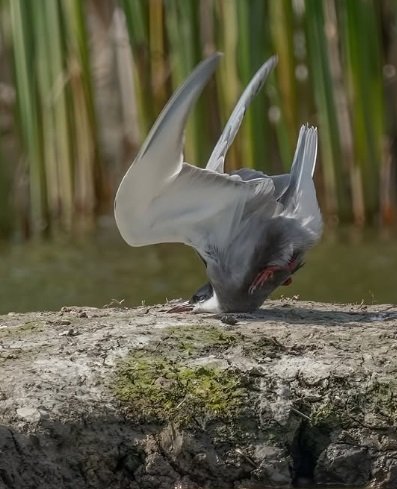
The Nikon Comedy Wildlife Awards 2024 winners have been unveiled, showcasing the delightful humor hidden in the animal kingdom. This year’s grand prize went to Milko Marchetti for his hilarious photograph of a squirrel seemingly “stuck” in a tree in Italy. Captured in the serene Podere Pantaleone park, the image exudes a mix of curiosity and playfulness as the squirrel explores an old woodpecker nest, giving viewers a glimpse of nature’s quirky side.

Top 10 Award-winning animal photos from Comedy Wildlife Awards has internet in awe

Highlights from the Competition

The competition, known for blending conservation awareness with lighthearted fun, drew remarkable entries from across the globe. Among the standout images:

  • Dancing Mantis: A Flemish Mantis appeared to strike a perfect flamenco pose, its poised legs and vibrant expression resembling a dancer mid-performance.
  • Unlikely Chase: In a surprising twist, a bream fish was photographed chasing a bald eagle, flipping the usual predator-prey narrative and leaving audiences chuckling.

These entries, along with many others, showcased the wit and charm of wildlife photography, proving that animals have personalities as colorful as humans.

Celebrating Wildlife Conservation Through Humor

Beyond the laughter, the Nikon Comedy Wildlife Awards aim to promote wildlife conservation. The competition highlights the importance of preserving biodiversity and protecting the habitats of these captivating creatures. By celebrating the joy and humor in nature, the awards encourage a deeper connection between people and the environment.

A Global Celebration of Nature’s Playfulness

The 2024 edition once again reminded us that wildlife photography is not just about majestic landscapes or dramatic action shots—it’s also about finding the joy and quirks that make the natural world so endearing. Milko Marchetti’s winning image and the other whimsical finalists are a testament to the magic that happens when photographers capture animals in their most unexpected and humorous moments.

As the Nikon Comedy Wildlife Awards continue to grow in popularity, they serve as a gentle nudge to protect and cherish the wonders of nature, one laugh at a time.

Rajasthan Unveils M-Sand 2024 Policy to Boost Sustainable Construction

0

In a progressive step toward sustainable development, Rajasthan has introduced the M-Sand 2024 policy, aiming to revolutionize the manufactured sand (M-sand) industry. The policy is designed to meet the surging demand for sand in construction while reducing environmental impacts and supporting local economies. With an annual requirement of approximately 70 million tonnes of river sand, the state’s current M-sand production of just 13 million tonnes highlights a critical gap that the new policy intends to address.

Key Goals of the M-Sand Policy

The M-Sand 2024 policy sets ambitious targets to scale up M-sand production to 30 million tonnes by 2028-29. A key objective is to minimize dependence on natural river sand, thereby safeguarding fragile river ecosystems. To achieve this, the policy emphasizes sustainable mining practices, leveraging existing overburden from mining activities, and incorporating recycling of construction and demolition waste.

Economic Boost and Incentives

To promote the growth of the M-sand industry, the policy offers robust economic incentives:

  1. Priority Allocation: At least 25% of M-sand produced will be reserved for state-funded construction projects, with this allocation increasing to 50% by 2028-29.
  2. Exemptions and Waivers: Manufacturers will benefit from exemptions on stamp duty and a full waiver of electricity duty for the first seven years of operation.
  3. Financial Support: Small and medium enterprises (SMEs) will receive significant support, with the government covering 50% of their fundraising costs, up to a cap of ₹5 lakh as one-time assistance.

These initiatives are expected to strengthen local businesses, foster entrepreneurship, and create substantial employment opportunities across Rajasthan.

Environmental Sustainability at the Core

The M-Sand policy underscores a commitment to environmental sustainability. By reducing reliance on natural sand extraction, the policy aims to mitigate the ecological damage to rivers and their surrounding habitats. The emphasis on recycling construction debris and utilizing overburden materials aligns with global best practices for sustainable construction.

Local Impact and Economic Growth

The establishment of M-sand manufacturing units is poised to have a transformative impact on Rajasthan’s economy. Beyond addressing the sand shortage, these units will create jobs for local communities, boost the state’s construction sector, and contribute to a greener, more sustainable future.

A Step Toward Sustainable Development

Rajasthan’s M-Sand 2024 policy represents a forward-thinking approach to balancing economic growth with environmental conservation. By fostering innovation in the construction industry and reducing dependence on natural resources, the state sets a precedent for sustainable development that can inspire other regions to follow suit.

This landmark initiative not only addresses immediate challenges in the construction sector but also lays the groundwork for long-term environmental and economic resilience in Rajasthan.

What is GPS Spoofing?

0

GPS spoofing, a growing threat in the realm of cybersecurity and aviation safety, is escalating globally, with notable incidents occurring in conflict zones. This cyberattack involves transmitting counterfeit GPS signals to deceive navigation systems, creating severe risks for aircraft, drones, and other GPS-reliant technologies. Recent events, particularly near India’s borders with Pakistan and Myanmar, highlight the urgency of addressing this issue.

The Mechanics of GPS Spoofing

GPS spoofing misleads navigation systems by broadcasting false signals that mimic legitimate GPS transmissions. By doing so, attackers can disrupt operations, reroute drones, or even mislead aircraft. This tactic is prevalent in regions of geopolitical tension, where it is often used to neutralize surveillance systems or compromise military and civilian assets.

The first major identification of spoofing was recorded in northern Iraq in September 2023. Since then, the phenomenon has spread, with 2024 witnessing the emergence of new hotspots globally, particularly in areas of conflict and heightened military activity.

Escalating Incidents and Devastating Impacts

The tragic crash of an Azerbaijan Airlines flight on December 25, 2024, which claimed 38 lives, underscored the dangers of GPS interference. Investigations linked the incident to Russian air defense operations targeting Ukrainian drones. Globally, spoofing incidents surged from 300 daily in January 2024 to a staggering 1,500 by August.

Closer to home, India has not been spared. Delhi’s airspace reported 316 cases of GPS spoofing affecting flights within a single month. Pilots on routes from Amritsar and northern India to international destinations frequently encounter navigation interference. These incidents pose challenges, including erroneous speed readings and misleading terrain warnings, significantly complicating safe operations.

Safety Measures and Challenges

While aircraft are equipped with backup navigation systems, such as the Inertial Reference System (IRS), which can function independently of GPS for up to five hours, the experience of GPS spoofing remains disorienting and dangerous. To mitigate risks, the Directorate General of Civil Aviation (DGCA) has urged airlines to establish and enforce robust safety protocols. However, a lack of frequent reporting and limited public disclosure of data hamper comprehensive solutions.

Global Concerns and Collaborative Efforts

The issue has drawn international attention, with the UN’s International Civil Aviation Organization (ICAO) addressing the matter at a safety conference in Montreal in late 2024. The ICAO emphasized the urgency of tackling harmful interference with Global Navigation Satellite Systems (GNSS) and called on military authorities to communicate intentional disruptions to aviation regulators to enhance safety measures.

A Growing Threat to Aviation and Beyond

GPS spoofing represents an evolving threat that not only endangers aviation but also undermines critical infrastructure reliant on precise navigation. As incidents escalate, particularly in conflict-prone regions, global collaboration and technological advancements are essential to safeguard airspace and navigation systems. The rapid increase in spoofing incidents serves as a stark reminder of the vulnerabilities in our increasingly connected world and the urgent need for proactive measures to counter this threat.

Denmark Strait Cataract: The World’s Tallest and Largest Underwater Waterfall

0

Deep beneath the icy Arctic waters between Greenland and Iceland lies a natural wonder that defies visibility yet wields profound influence over Earth’s climate: the Denmark Strait cataract, the world’s tallest and largest underwater waterfall. Plunging a staggering 11,500 feet—over three times the height of Angel Falls, the tallest terrestrial waterfall—this submerged marvel is a cornerstone of Earth’s oceanic systems and ecological balance.

Formation and Geological History

The Denmark Strait cataract was formed during the last ice age, between 17,500 and 11,500 years ago. As glaciers retreated and carved into the ocean floor, they left behind the unique geological conditions required for this colossal underwater waterfall. Today, the cataract serves as a hidden relic of Earth’s ancient past, silently shaping our planet’s climate and marine ecosystems.

Characteristics of the Denmark Strait Cataract

Unlike iconic waterfalls such as Niagara Falls, the Denmark Strait cataract operates invisibly beneath the ocean’s surface. Spanning an astonishing width of 300 miles (480 kilometers), it facilitates a massive flow of cold, dense water cascading down the ocean floor. This “waterfall” is silent and unseen—its presence cannot be detected by divers or surface observations.

The Denmark Strait cataract is driven by a striking contrast in water temperatures. Cold, dense water from the Nordic Seas plunges beneath warmer, lighter water from the Atlantic, creating a powerful downward flow. This interaction results in an immense volume of water flowing at an estimated rate of 175 million cubic feet per second—nearly 350 times greater than the flow of Iguazu Falls.

Role in Ocean Circulation

The Denmark Strait cataract is a vital component of the thermohaline circulation, often referred to as the “ocean’s conveyor belt.” This global system of currents redistributes heat, nutrients, and energy throughout the world’s oceans, playing a key role in regulating climate and supporting marine biodiversity.

By transporting cold water to deeper ocean layers and mixing it with nutrient-rich currents, the cataract helps sustain marine ecosystems. Additionally, it influences global weather patterns, sea levels, and the stability of Earth’s climate systems. Without this hidden powerhouse, the intricate balance of ocean circulation would be disrupted, with potentially catastrophic consequences for life on Earth.

Scientific Exploration and Importance

Studying the Denmark Strait cataract requires cutting-edge oceanographic tools, as its depth and location make traditional observation methods impossible. Researchers employ advanced technologies, including deep-sea submersibles and hydrographic instruments, to monitor its flow and assess its impact on the global environment.

Despite being invisible to the naked eye, the Denmark Strait cataract holds critical importance for maintaining ecological balance. Its ability to regulate temperature, distribute nutrients, and support marine biodiversity underscores its value as a natural stabilizer for Earth’s climate.

A Hidden Giant Shaping the World

The Denmark Strait cataract is a testament to the mysteries of the deep ocean. While hidden from sight, its impact reverberates across the globe, influencing weather systems, supporting marine life, and shaping the planet’s ecological health. As scientists continue to uncover the secrets of this underwater phenomenon, the world gains a deeper appreciation for the intricate and invisible forces that sustain life on Earth.

What is Kessler Syndrome? Understanding the Growing Threat of Space Debris

0

In recent months, the escalating issue of space debris has drawn global attention, particularly after a near-collision incident involving the International Space Station (ISS) in November. The ISS had to alter its trajectory to avoid a potentially catastrophic collision, highlighting the increasing risks posed by space clutter.

What is Space Debris?

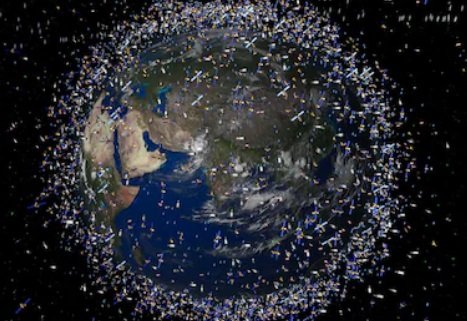
Space debris refers to the collection of defunct satellites, spent rocket stages, and fragments resulting from collisions or explosions in Earth’s orbit. Experts estimate there are tens of thousands of pieces of debris orbiting our planet, many of which are untracked. This accumulation threatens human spaceflight and satellite operations, posing significant risks to the future of space exploration and technology.

The Risk of Kessler Syndrome

A growing concern among space scientists is the potential onset of Kessler Syndrome. First proposed by NASA scientist Donald J. Kessler in 1978, this scenario describes a cascade of collisions in low-Earth orbit (LEO). Each collision generates additional debris, increasing the likelihood of further collisions, ultimately creating a self-perpetuating cycle of destruction.

Dr. Vishnu Reddy, a renowned astrophysicist, has cautioned that as more satellites and objects are launched into space, the probability of Kessler Syndrome becomes alarmingly real. Since the beginning of space exploration in 1957, over 650 recorded incidents have contributed to the debris problem. One notable example is the 2009 collision between a defunct Russian satellite and an active Iridium communications satellite, which produced nearly 2,000 fragments.

Challenges in Tracking Space Debris

Tracking space debris is an enormous challenge. While larger objects can often be monitored, smaller fragments—those smaller than a tennis ball—are frequently undetected. These tiny pieces, traveling at speeds exceeding 28,000 kilometers per hour, can cause severe damage to spacecraft and satellites. Additionally, debris in higher orbits is often too distant for effective monitoring, leaving gaps in our ability to predict potential collisions.

Impact on Technology and Society

The implications of space debris extend far beyond the safety of astronauts. Many essential technologies rely on satellites orbiting in LEO, including GPS navigation, internet connectivity, and television broadcasting. A collision involving operational satellites in this congested region could disrupt services globally, with dire consequences for communication, transportation, and defense systems.

Addressing the Crisis

While some space debris naturally re-enters Earth’s atmosphere and burns up, high-altitude debris can remain in orbit for centuries. To combat this growing crisis, researchers and engineers are developing innovative solutions for debris removal. Technologies such as braking sails, magnetic nets, and robotic arms are being explored to capture and de-orbit debris.

Although these initiatives are still in their infancy, they represent a crucial step in mitigating the risks posed by space clutter. International collaboration and proactive policies will be essential to address the issue before it spirals out of control.

As humanity’s reliance on space technology continues to grow, the threat of Kessler Syndrome serves as a stark reminder of the need for sustainable practices in orbit. Without immediate action, the dream of exploring the cosmos could be jeopardized by the very clutter we have left behind.

The Allure of Da Nang and Phu Quoc: Vietnam’s Top Destinations for Indian Tourists

0

Vietnam has steadily climbed the ranks as a favorite international destination for Indian tourists. Among its many attractions, Da Nang and Phu Quoc stand out as must-visit spots, drawing in Indian travelers with their breathtaking beaches, world-class resorts, and rich cultural experiences. These two destinations, bolstered by significant investments in tourism infrastructure, have become the jewels of Vietnam’s hospitality industry.

Da Nang: A Perfect Blend of Relaxation and Adventure

Renowned for its idyllic beaches and vibrant attractions, Da Nang has become the most popular destination for Indian tourists visiting Vietnam. According to Skyscanner India’s travel trend reports, Da Nang meets all the criteria Indian travelers seek: short flight durations, serene beachside environments, and plenty of recreational activities.

In the first nine months of 2024, Da Nang welcomed over 151,000 Indian visitors, marking a 125% increase compared to the same period in 2023. This surge has prompted the launch of new direct flight routes, including an Ahmedabad-Da Nang connection with bi-weekly flights, adding to the options beyond New Delhi.

A major highlight for Indian visitors is Sun World Ba Na Hills, home to the iconic Golden Bridge, which gracefully curves like a silk ribbon suspended in the clouds. The bridge has become a dream destination for many Indian families. Muskan Tiwari from Ahmedabad, who visited with her family, remarked, “Seeing the Golden Bridge in person has always been a dream for my family.” Beyond the bridge, Ba Na Hills offers cool weather, vibrant castles, and a tranquil atmosphere that make for an unforgettable experience.

Da Nang also appeals to food-loving Indian tourists with its Halal-certified buffet restaurant in Ba Na Hills, catering to dietary preferences and religious practices. This thoughtful inclusion ensures Indian travelers can enjoy familiar flavors while exploring new destinations.

Other attractions include the pristine My Khe Beach, known globally for its beauty, the spectacle of Dragon Bridge’s weekend fire and water shows, and the untouched wilderness of the Son Tra Peninsula.

Phu Quoc: The Rising Star of Luxury Tourism

While Da Nang is already well-known, Phu Quoc has emerged as a rising star, captivating Indian travelers with its luxurious offerings. Known as the “Island of Fireworks,” it delights visitors with nightly fireworks displays and high-end experiences tailored to discerning travelers.

Phu Quoc has become particularly popular among Indian couples seeking stunning destinations for their weddings. With its luxurious resorts and high-end hotels at competitive costs, the island has hosted several grand Indian weddings, including billionaire Rushang Shah’s wedding in 2019 and another spectacular celebration in early 2024 at the JW Marriott Phu Quoc Emerald Bay.

Beyond weddings, Phu Quoc is gaining traction as a premier MICE (Meetings, Incentives, Conferences, and Exhibitions) destination. The Sun Paradise Land ecosystem offers attractions like art shows, the world’s longest three-rope cable car, the iconic Kiss Bridge, and sprawling beachfront resorts. Facilities such as the Sun Signature Gallery and Sun Tropical Ballroom, capable of hosting up to 1,000 guests, cater to large-scale events, making it an ideal choice for corporate and leisure travelers alike.

Adding to its allure, Phu Quoc recently unveiled the Eschuri Vung Bau Golf Course, a world-class 18-hole facility offering stunning sunset views, further enhancing its appeal as a luxury destination.

Seamless Connectivity and Future Growth

Direct flights between Da Nang and Phu Quoc, coupled with plans for additional routes from other cities, are making Vietnam even more accessible for Indian tourists. With these developments, the journey to explore Vietnam’s diverse offerings is becoming more seamless and appealing.

Summing Up

Whether it’s the tranquil beaches and iconic attractions of Da Nang or the luxurious resorts and vibrant cultural experiences of Phu Quoc, Vietnam is carving a niche as one of the most sought-after destinations for Indian tourists. These destinations, rich in natural beauty, cultural significance, and world-class amenities, promise unforgettable experiences, solidifying Vietnam’s place on the Indian traveler’s map.


India’s first-ever river linking project unveiled in MP that was once visioned by Atal Bihari Vajpayee

0

On the 100th birth anniversary of former Prime Minister Atal Bihari Vajpayee, Prime Minister Narendra Modi and Madhya Pradesh Chief Minister Mohan Yadav inaugurated the Ken-Betwa River Linking National Project. This ambitious project, a cornerstone of India’s river interlinking efforts, marks a significant milestone in addressing water scarcity in the Bundelkhand region. However, the project has also sparked criticism, particularly from the Congress, which expressed concerns over its potential environmental impact on the Panna Tiger Reserve.

What is the Ken-Betwa Link Project (KBLP)?

The Ken-Betwa Link Project is a water transfer initiative aimed at linking the Ken and Betwa Rivers, both tributaries of the Yamuna. With a 221-kilometer-long canal and a 2-kilometer tunnel, the project seeks to address water distribution issues across Madhya Pradesh and Uttar Pradesh.

According to the Ministry of Jal Shakti, the project is expected to:

  • Irrigate 10.62 lakh hectares of land (8.11 lakh hectares in Madhya Pradesh and 2.51 lakh hectares in Uttar Pradesh).
  • Provide drinking water to approximately 62 lakh people.
  • Generate power: 103 MW of hydropower and 27 MW of solar energy.

This is the first initiative under the National Perspective Plan for interlinking rivers, formulated in 1980. The plan envisions 16 projects in the peninsular region and 14 links under the Himalayan rivers development program.

Project Phases

The Ken-Betwa project is divided into two distinct phases:

  • Phase I: Focused on constructing the Daudhan Dam complex, including tunnels, the Ken-Betwa Link Canal, and powerhouses.
  • Phase II: Encompasses the Lower Orr Dam, Bina Complex Project, and Kotha Barrage.

Key Developments and Budget

In December 2021, the Union Cabinet approved the project with a budget of ₹44,605 crore (at 2020-21 prices). The foundation stone for the Daudhan Dam—a 2,031-meter-long structure (1,233 meters earthen and 798 meters concrete) with a height of 77 meters—was laid by PM Modi.

The dam will submerge approximately 9,000 hectares of land, affecting 10 villages. Its construction has been contracted to NCC Ltd, with a projected timeline of eight years for completion.

Historical Background

The Ken-Betwa project has been in development for decades. In 2005, a tripartite agreement was signed for preparing a detailed project report (DPR). In 2008, it was declared a National Project and became a part of the Prime Minister’s Bundelkhand development package. A finalized DPR was completed in 2018, clearing the way for implementation.

Environmental Concerns

Despite its benefits, the project has faced criticism over environmental risks, particularly its impact on the Panna Tiger Reserve. The submersion of forested areas and displacement of local communities remain contentious issues. Critics argue that such risks require greater scrutiny and mitigation measures.

A Tribute to Vajpayee’s Vision

The inauguration of the Ken-Betwa project on the centenary of Atal Bihari Vajpayee is seen as a tribute to his vision for a developed and sustainable India. The project holds the promise of transforming water management in one of the country’s most arid regions while serving as a flagship model for river interlinking across India.

As the nation anticipates the project’s completion, its success will depend on balancing development needs with environmental preservation and community welfare.