Home Blog Page 415

Ancient Ice Core Discovery in Antarctica: Unlocking 1.2 Million Years of Climate History

0

A groundbreaking discovery has emerged from the icy expanse of Antarctica, where an international team of scientists successfully drilled an ice core estimated to be 1.2 million years old. This monumental achievement required drilling nearly 2.8 kilometers into the Antarctic bedrock at a site known as Little Dome C. The ice core promises to provide unprecedented insights into Earth’s historical atmospheric conditions and climate changes, particularly concerning greenhouse gases.

The Importance of Ice Cores

Ice cores are more than just frozen relics; they are invaluable archives of Earth’s climate history. These cylindrical samples, extracted from ice sheets or glaciers, contain tiny air bubbles that trap ancient atmospheric gases. By analyzing these samples, scientists can reconstruct past climate conditions and uncover trends spanning hundreds of thousands of years. The discovery of this 1.2-million-year-old core is especially significant, as it extends our climate data timeline beyond the previous maximum of 800,000 years.

Beyond EPICA: A Collaborative Effort

The ice core was retrieved as part of the Beyond EPICA (European Project for Ice Coring in Antarctica) initiative, a major collaborative effort funded by the European Union and supported by several nations. Spearheaded by Italian glaciologist Carlo Barbante, the project represents years of meticulous planning and execution.

The team braved extreme conditions, enduring average temperatures of minus-35 degrees Celsius, to carry out the drilling during Antarctica’s summer months over four years. This ambitious project aims to deepen our understanding of greenhouse gas concentrations and atmospheric changes over the past 1.2 million years.

Preliminary Findings: A Sobering Reality

Initial analyses of the ice core have already yielded crucial data. The findings suggest that during the warmest periods of the last 800,000 years, greenhouse gas concentrations—including carbon dioxide and methane—never reached the levels we see today. Current carbon dioxide concentrations are 50% higher than the historical maximum recorded in the ice core.

This stark contrast highlights the profound impact of human activity on atmospheric conditions and underscores the urgency of addressing climate change.

Decoding the Past Through Isotope Analysis

To determine the age of the ice core, scientists employed isotope analysis, a precise method that measures the ratio of isotopes within the ice. This technique confirmed the core’s age of at least 1.2 million years, marking it as one of the oldest ice samples ever studied. Beyond atmospheric data, the core may also reveal valuable insights into Earth’s geological history.

The Bigger Picture: Implications for Climate Science

The discovery of this ancient ice core is a milestone for climate science. By offering a window into Earth’s climatic past, it provides a critical reference point for understanding how natural processes and human activity shape the planet’s climate.

The data collected will enhance our ability to predict future climate trends and inform policies aimed at mitigating the effects of global warming. Insights gained from this research could also support international conservation efforts and foster a deeper understanding of the Earth’s complex climate systems.

A Global Effort in Climate Research

The success of the Beyond EPICA project highlights the importance of international collaboration in addressing global challenges. Supported by multiple European nations, the project brought together experts like Carlo Barbante, a leader in glaciology, and renowned climate scientist Richard Alley, a National Medal of Science recipient.

Looking Ahead

As scientists delve deeper into the analysis of this ancient ice core, the potential for groundbreaking discoveries is immense. From understanding historical greenhouse gas fluctuations to uncovering Earth’s geological mysteries, this research will play a pivotal role in shaping our approach to climate science.

The drilling of the 1.2-million-year-old ice core is more than just a scientific achievement; it is a reminder of the critical need to safeguard our planet for future generations. By learning from the past, we can better navigate the challenges of the present and build a sustainable future.

How Kamal Malik Restored Asia’s Oldest Ice Factory and Transformed It into IF.BE, Mumbai’s Creative Hub

0

In the heart of Mumbai’s Ballard Estate lies an architectural marvel that seamlessly blends history, sustainability, and creativity. What was once the Ambico Ice Factory, Asia’s oldest ice manufacturing facility established in 1878, has been masterfully transformed into IF.BE—a 10,000-square-foot cultural and creative hub. This metamorphosis is the brainchild of Kamal Malik, an architect with nearly five decades of experience, who reimagined this historic structure to preserve its legacy while making it a contemporary landmark.

A Historical Treasure Revived

When Malik first encountered the derelict building in 2019, it was a serendipitous moment. Sunlight filtering through the Burma teak trusses, illuminating the remnants of the factory, and the presence of a sprawling banyan tree ignited a vision. Initially, Malik had no concrete plans for the structure, but the image of the banyan tree lingered, eventually inspiring him to undertake the ambitious restoration project with a team comprising Abhijit Mehta, Arjun Malik, and Amrita Malik.

How Kamal Malik Restored Asia’s Oldest Ice Factory and Transformed It into IF.BE, Mumbai’s Creative Hub

Originally christened the Bombay Ice Manufacturing Co., the factory played a pivotal role in providing ice to South Bombay’s fish markets, restaurants, and vegetable vendors. Ice, initially imported from Boston, faced challenges in India’s tropical climate, prompting the establishment of local factories like Ambico. The building witnessed decades of activity before operations shifted to a newer facility in New Bombay.

The Journey of Transformation

Restoring a 145-year-old structure was no small feat. Malik and his team embarked on a painstaking 30-month journey to rejuvenate the factory, with a focus on adaptive restoration and sustainability. Every detail was treated with reverence for the building’s history. Layers of old plaster were carefully removed to reveal vintage Burma teak woodwork and intricate brick structures. The team resisted polishing these surfaces, preserving their raw and authentic appeal.

How Kamal Malik Restored Asia’s Oldest Ice Factory and Transformed It into IF.BE, Mumbai’s Creative Hub

Where necessary, structural reinforcements were added to stabilize sagging roofs and crumbling walls. Historic features like cooling coils and the original gantry used to transport ice blocks were creatively integrated into the restoration. For instance, the cooling coils are now embedded in a glass floor near the entrance, offering visitors a glimpse into the factory’s past.

How Kamal Malik Restored Asia’s Oldest Ice Factory and Transformed It into IF.BE, Mumbai’s Creative Hub

A Hub for Creativity and Collaboration

IF.BE, an acronym for Ice Factory Bellary Estate, also symbolizes possibilities and the passage of time, represented by the dot in its name. The space is divided into five sections, each offering unique experiences:

  • The Banyan Tree Café: A cozy spot for conversations and culinary delights.
  • The Substation: A reading room and shop for architectural books and tools.
  • The Ice Factory: A performance space for stand-up shows, workshops, and film screenings.
  • The Cathedral: The main exhibition area showcasing art and design.
  • Native Bombay: A fine-dining restaurant serving Indian cuisine.
How Kamal Malik Restored Asia’s Oldest Ice Factory and Transformed It into IF.BE, Mumbai’s Creative Hub

The venue has quickly become a cultural hotspot, hosting events ranging from storytelling sessions by filmmaker Zoya Akhtar to meditative workshops and art exhibitions. It serves as a meeting ground for architects, designers, and artists, fostering collaboration and dialogue.

Sustainability at Its Core

Malik’s approach to restoration was deeply rooted in sustainability, inspired by his childhood in Shimla and a lifelong connection to nature. He emphasizes that true sustainability lies in understanding and respecting the region’s climate, materials, and historical influences.

The restoration avoided cement, relying instead on the original composite of brick and wood for stability. Lightweight steel and galvanised iron roofs were used sparingly, ensuring minimal environmental impact. The adaptive reuse of existing materials, including repurposing teak wood and vintage brickwork, underscored the commitment to preserving the factory’s essence.

How Kamal Malik Restored Asia’s Oldest Ice Factory and Transformed It into IF.BE, Mumbai’s Creative Hub

A Living Legacy

IF.BE stands as a testament to the possibilities of thoughtful restoration and adaptive reuse. It is not just a building but a living, breathing entity that bridges the past and the future. Malik envisions it as a place where creative minds converge, a space that celebrates art, architecture, and sustainability in equal measure.

For those in Mumbai, a visit to IF.BE is more than just a cultural outing; it’s a journey through time, a celebration of heritage, and an inspiration for the future. As you step into this architectural oasis, you’ll find yourself immersed in a world where history meets innovation, and creativity knows no bounds.

Maha Kumbh Mela influence goes beyond border..

0

The Maha Kumbh Mela, one of the largest spiritual gatherings in the world, is set to commence on January 13, 2025, in Prayagraj, Uttar Pradesh, and will continue until February 26. This year’s event is set to attract global attention, with Laurene Powell Jobs, widow of Apple co-founder Steve Jobs, joining the devotees. Laurene will reportedly observe the sacred Hindu practice of Kalpvas during her visit, marking a significant engagement with Indian spirituality and culture.

Laurene Powell Jobs’ Visit and Kalpvas Schedule

Laurene Powell Jobs, an entrepreneur and philanthropist with a net worth of $15.8 billion (as per Forbes), will arrive in Prayagraj on January 13. She will stay at the camp of Swami Kailashananda, the Mahamandaleshwar of the Niranjani Akhara. Her Kalpvas, a month-long period of self-discipline and spiritual reflection, will continue until January 29.

During her stay, she is expected to take part in various rituals, including sacred dips at the Sangam—the confluence of the Ganga, Yamuna, and the mythical Saraswati rivers. These holy dips are believed to purify the soul and wash away sins.

Laurene Powell Jobs: A Global Icon Engaging with Indian Spirituality

Laurene Powell Jobs is renowned for her work as the founder and president of Emerson Collective, an organization dedicated to causes like environmental advocacy, education reform, immigration, and justice. She inherited her wealth, primarily through shares in Walt Disney and Apple, after the passing of Steve Jobs in 2011.

Her participation in the Maha Kumbh Mela underscores the growing global interest in India’s rich spiritual traditions. Her decision to observe Kalpvas signifies a deep commitment to understanding the roots of Hindu spirituality.

The Significance of Kalpvas

Kalpvas, an ancient Hindu practice rooted in Vedic texts like the Mahabharata and Ramcharitmanas, is a period of intense spiritual discipline. Observed by devotees known as Kalpvasis, it spans a month from Paush Purnima to Maghi Purnima and is considered equal to one day of Lord Brahma or one Kalpa.

Kalpvasis begin by setting up temporary tents near the Sangam and immerse themselves in daily rituals, including:

  • Holy Dips: Taking sacred dips in the Ganga to purify the soul.
  • Spiritual Gatherings: Participating in kirtans (devotional songs) and listening to sermons by revered saints.
  • Meditation and Yoga: Devotees engage in self-reflection, meditation, and yoga practices.
  • Religious Scriptures: Reading and reciting sacred texts.
  • Fasting and Simple Living: Observing a strict diet, with many devotees consuming food only once a day.

The culmination of Kalpvas takes place on Maghi Purnima, the last major bathing day of the Kumbh Mela. Devotees perform rituals and offer prayers, marking the completion of their spiritual journey.

A Spiritual Confluence

The Maha Kumbh Mela is a unique confluence of faith, culture, and tradition, attracting millions of devotees, saints, and visitors from across the world. Laurene Powell Jobs’ participation adds a global dimension to this sacred event, highlighting the universal appeal of Indian spirituality.

As the Maha Kumbh Mela begins, it serves as a reminder of India’s deep spiritual heritage, which continues to inspire and attract people from all walks of life, uniting them in the pursuit of inner peace and enlightenment.

This Duo Is Helping Rajasthani Folk Music Find Its Voice Again — With a Hit Song on Netflix!

0

In a world where cultural traditions often fade into oblivion, Govind Singh Bhati and Sharon Genevive are determined to ensure that Rajasthan’s rich folk music heritage not only survives but thrives. Their groundbreaking initiative, Lok Sangeet Shala, is empowering young artists from folk communities to reconnect with their cultural identity, bringing new life to an age-old musical legacy.

A Tradition on the Brink of Disappearance

Rajasthan’s folk music, once a vibrant part of the state’s cultural fabric, is now at risk. Instruments like the ghuraliya, once played by the Kalbeliya community of the Thar Desert, are becoming relics of the past. The reasons are manifold—ranging from changing societal attitudes toward folk arts to a lack of formal training for younger generations.

“It only takes a single generation to skip an art form for it to fade away,” Bhati explains. Born and raised in Western Rajasthan, he grew up surrounded by the sounds of folk instruments like the morchang (jaw harp) and alghoza (double flute), which his father and grandfather often played. This early exposure ignited his lifelong passion for preserving Rajasthan’s musical heritage.

In 2008, Bhati became an independent arts manager for Rajasthani artists, collaborating with institutions like the Mehrangarh Trust and Jaipur Virasat Foundation. Over time, however, he realized that while established artists had platforms, young aspirants lacked opportunities to learn and grow.

A Vision for Revival

In 2014, Bhati and Sharon Genevive launched BlueCity Walls, an initiative that organized shows, tours, and collaborations with local artists. But it was their establishment of Lok Sangeet Shala in 2023 that marked a transformative moment.

Unlike Indian classical music, which has a well-defined educational structure, Rajasthan’s folk music is passed down orally through generations. This residency program bridges that gap by offering a structured seven-day course for children aged 12 to 18. Participants learn folk vocals and instruments like the kamaicha, morchang, and murli directly from master artists, including Padma Shri awardee Lakha Khan Ji.

The residency fosters not only musical skills but also community harmony, breaking down barriers between traditionally segregated folk communities like the Langas, Meghwals, and Manganiyars.

A Viral Sensation

Bhati’s efforts to spotlight Rajasthan’s folk music bore fruit when his band Raitila Rajasthan went viral. Their debut song Mehman, featured in Netflix’s Mismatched Season 2, introduced audiences worldwide to the raw, soulful sound of Rajasthani folk music.

“We created bands and albums that represent true Rajasthani artists, not just the folk genre,” Bhati shares. Following the success of Mehman, the band’s next project, Kaisariya Rajasthan, also received acclaim, solidifying their place in contemporary music.

Empowering Women Through Music

One of the most remarkable achievements of Lok Sangeet Shala is its role in empowering women. In traditional folk communities, women have often been relegated to the background. However, Bhati and Sharon’s efforts are changing this narrative.

Young women like Ganga, a singer from a Meghwal family, have blossomed through the program. “I never thought I could reach this stage,” Ganga says, reflecting on her journey from singing at home to performing at public events.

This progress is a testament to the trust Bhati and Sharon have built within the community, encouraging families to support their daughters’ participation in folk music.

Healing Through Music

The residency has also created unique opportunities for cultural exchange and healing. At JIET University in Jodhpur, where the 2024 residency was hosted, music filled the campus gardens, even reaching patients in the nearby hospital.

“There was this one moment,” Bhati recalls, “when a son waiting for his father undergoing chemotherapy sat and listened to the music. It gave him a moment of peace in a difficult time.”

Sustaining Folk Artists

The COVID-19 pandemic posed unprecedented challenges for folk artists who rely on live performances for their livelihood. Sharon facilitated collaborations with platforms like My Mensa, enabling artists to perform live sessions online. This initiative not only provided financial support but also introduced these artists to new audiences.

The duo’s efforts culminated in Mehfil-e-Rajasthan, a series of 50 episodes featuring over 110 artists, now available on Spotify.

Keeping the Flame Alive

Through initiatives like Lok Sangeet Shala, Bhati and Sharon are proving that traditional art forms can adapt and thrive in the modern world. Their work serves as a reminder of the timeless appeal of Rajasthani folk music, an art form so deeply rooted in tradition that it resonates through generations.

“It only took one Shri Ravi Shankar ji to bring the sitar to global prominence. Imagine what could happen if we gave folk music the same attention,” Bhati concludes.

With passionate individuals like Bhati and Sharon leading the way, Rajasthan’s folk music is not only finding its voice again but also capturing the hearts of audiences around the globe.

Shivaji Satam’s Journey: The Cashier Who Became Everyone’s Favourite CID Inspector, ACP Pradyuman

0

As our beloved childhood show CID gears up for a grand comeback, it’s impossible not to reminisce about the man who made “Kuch toh gadbad hai, Daya!” a phrase etched in our collective memories. Shivaji Satam, the iconic ACP Pradyuman, exemplifies how passion and perseverance can transform an ordinary life into an extraordinary legacy.

Born in a small town in Maharashtra, Shivaji Satam started his professional journey far removed from the limelight. He worked as a cashier in a bank, meticulously counting cash during his nine-to-five job. But even as he managed the mundanities of financial transactions, his heart was elsewhere—on the stage. His passion for theatre remained undeterred, and he often referred to the bank as a steady sponsor for his artistic pursuits.

“The bank was subsidising my art,” Shivaji once remarked, acknowledging how it allowed him to nurture his creative inclinations. His life took a transformative turn during a theatre competition, where his love for performing arts was reignited, pushing him toward a critical decision: to leave behind the safety of a stable paycheck and plunge headfirst into the unpredictable world of acting.

The road was not easy. Shivaji began his acting career with Marathi theatre, eventually stepping into Marathi films and eyeing a breakthrough in Bollywood. Over time, he earned roles in popular Hindi films such as Nayak and Sooryavansham. Despite these appearances, his big moment in the industry was still on the horizon.

It was in 1998 that fate offered Shivaji the role of a lifetime—ACP Pradyuman in CID. Little did anyone know that this would mark the beginning of a 22-year journey that would cement his place in the hearts of millions. Shivaji poured his soul into the role, creating a character whose intensity and moral uprightness were both compelling and endearing.

“The basic thing is that I love acting,” Shivaji reflected on his journey. “I trained and educated myself watching Marathi theatre, and that’s how I can bring variations in my character. First, you have to empathise with whatever character you do.” It was this empathy and dedication that made ACP Pradyuman a household name, bonding families over thrilling cases and captivating even legends like Lata Mangeshkar.

CID wasn’t just a show; it was an era. Running for over two decades, it captivated audiences with its crime-solving brilliance, unique camaraderie, and Shivaji’s magnetic presence. Today, as news of the show’s revival rekindles nostalgia, Shivaji’s journey continues to inspire.

Reflecting on his career, Shivaji said, “I have been working for 45 years; my first theatre performance was as a child in 1976, and since then I have been enjoying myself, honestly.”

His story is not just a testament to talent but also to the power of dreams. Shivaji Satam, the cashier-turned-cultural-icon, remains a shining example of how one can achieve greatness by following their passion and never giving up. As CID prepares to make its much-awaited return, fans can once again look forward to seeing ACP Pradyuman’s sharp wit, unwavering principles, and timeless charm light up the screen.

Shoonya in Rishikesh to Ooty’s Summer Festival: 2025 Lineup of The Most Unforgettable Festivals

0

Imagine spending 2025 traveling across India, immersing yourself in the country’s rich tapestry of festivals. From literary marvels to cultural celebrations, music retreats to culinary delights—this year has a festival for every mood and month. Whether you’re a backpacker or a travel enthusiast, these festivals promise to elevate your journey and add a deeper meaning to your trips.

Here’s a carefully curated lineup of 12 festivals across India that will take you on an unforgettable cultural ride through 2025.

January: Jaipur Literature Festival, Jaipur

Kickstart your year with the ‘World’s Biggest Literary Festival’ in the royal city of Jaipur. The Jaipur Literature Festival 2025 promises a confluence of literary, political, and artistic voices. With celebrated names like Masterchef Matt Preston, historian William Dalrymple, and lyricist Javed Akhtar, expect thought-provoking debates and a melting pot of ideas.

Shoonya in Rishikesh to Ooty’s Summer Festival: 2025 Lineup of The Most Unforgettable Festivals

Dates: 30 January – 3 February 2025
Why Attend: Immerse yourself in storytelling, book launches, and engaging discussions with global thinkers.

February: Shoonya Festival, Rishikesh

Escape the hustle of daily life and embrace serenity at the Shoonya Festival in Rishikesh. This unique three-day retreat encourages mindfulness, self-discovery, and a reconnection with nature. Picture yourself attending rejuvenating workshops along the banks of the Ganges, where the symphony of nature replaces city chaos.

Shoonya in Rishikesh to Ooty’s Summer Festival: 2025 Lineup of The Most Unforgettable Festivals

Dates: 14 – 16 February 2025
Why Attend: Detox your mind and soul with activities that focus on holistic well-being.

March: Chapchar Kut, Mizoram

Celebrate the arrival of spring with Mizoram’s vibrant Chapchar Kut festival. Rooted in tradition, it marks the end of jungle-clearing for cultivation. Villages unite with feasts, rice beer, and traditional dances, showcasing the resilience and joy of the Mizo community.

Date: 7 March 2025
Why Attend: Experience the essence of Mizoram through its culture, cuisine, and community spirit.

April: Kasauli Rhythm and Blues Music Festival, Himachal Pradesh

Nestled in the serene hills of Kasauli, this music festival combines soulful melodies with a noble cause. Organized by the Genesis Foundation, it supports underprivileged children suffering from congenital heart defects. Groove to live performances by India’s top musicians while contributing to a meaningful mission.

Dates: 18 – 20 April 2025
Why Attend: A perfect blend of music, philanthropy, and mountain vibes.

May: Ooty Summer Festival, Ooty

May breathes new life into Ooty as it transforms into a paradise of blooms. The Summer Festival showcases spectacular floral arrangements, spice exhibits, and vegetable shows. The Botanical Gardens come alive with vibrant displays, making it an unmissable visual treat.

Shoonya in Rishikesh to Ooty’s Summer Festival: 2025 Lineup of The Most Unforgettable Festivals

Dates: May (to be announced)
Why Attend: A celebration of nature’s beauty in the Nilgiris’ scenic landscape.

June: São João Festival, Goa

Dive into Goa’s vibrant monsoon festival, São João, which celebrates the birth of Saint John the Baptist. Locals and tourists come together to enjoy parades, music, and traditional Goan delicacies. Don a crown of fruits and flowers and join the revelry!

Date: 24 June 2025
Why Attend: Experience the spirit of Goa with its rich Portuguese heritage.

July: Hemis Festival, Ladakh

Held at the Hemis Monastery, this festival honors Guru Padmasambhava, the founder of Tibetan Buddhism. Witness colorful masked dances, rhythmic drum beats, and the unveiling of Ladakh’s largest thangka, a sacred Buddhist painting.

Shoonya in Rishikesh to Ooty’s Summer Festival: 2025 Lineup of The Most Unforgettable Festivals

Dates: July 2025 (to be announced)
Why Attend: Immerse yourself in spirituality amidst the serene beauty of Ladakh.

August: Nehru Trophy Boat Race, Kerala

Head to Punnamada Lake in Alappuzha for the iconic Nehru Trophy Boat Race. Watch chundan vallams (snake boats) gliding through the waters in a high-energy competition. The event commemorates former Prime Minister Jawaharlal Nehru’s love for Kerala’s backwaters.

Shoonya in Rishikesh to Ooty’s Summer Festival: 2025 Lineup of The Most Unforgettable Festivals

Date: Second Saturday of August
Why Attend: A visual spectacle that combines Kerala’s culture and athleticism.

September: ZIRO Festival, Arunachal Pradesh

The Ziro Festival in Arunachal Pradesh is a celebration of Northeast India’s cultural and musical heritage. Set in the lush Ziro Valley, this festival offers a stage for indigenous artists and global performers, creating a fusion of music and tradition.

Dates: September 2025 (to be announced)
Why Attend: Discover the diversity of Northeast India while grooving to folk and contemporary tunes.

October: Jio MAMI Film Festival, Mumbai

The Mumbai Academy of Moving Image (MAMI) Film Festival is a cinephile’s dream. With screenings, masterclasses, and networking opportunities, this festival showcases the best of world cinema. Connect with like-minded creators and celebrate the magic of films.

Dates: October 2025 (to be announced)
Why Attend: A hub for cinematic innovation and global storytelling.

November: Indian Photo Festival, Hyderabad

Hyderabad’s Indian Photo Festival is more than a celebration of photography; it’s a platform for conversations on social issues. With exhibitions, workshops, and discussions, it bridges art and advocacy, bringing global perspectives to one stage.

Dates: November 2025 (to be announced)
Why Attend: Explore the power of visual storytelling to inspire change.

December: Mei-Ramew Festival, Meghalaya

Wrap up the year in Meghalaya with the Mei-Ramew Festival, which celebrates indigenous food and agrobiodiversity. The festival revives forgotten recipes and traditional cooking methods, spotlighting dishes like smoked beef and jadoh rice.

Dates: December 2025 (to be announced)
Why Attend: Savor the unique flavors of Meghalaya and learn about sustainable food practices.

Pack Your Bags for 2025!

From the literary charm of Jaipur to the rhythmic beats of Kasauli, the festive spirit of Goa to the serene tranquility of Rishikesh, India’s festivals are a kaleidoscope of experiences. Each month offers a unique slice of culture, ensuring that your year is filled with unforgettable memories. Which festival will you add to your calendar first?

Mini Kaziranga: What Makes Assam’s Orang National Park So Special?

0

Orang National Park, a hidden gem nestled in the heart of Assam, has emerged as a beacon of hope for wildlife conservation in India despite facing numerous challenges such as habitat loss, poaching, and human-wildlife conflict. Situated on the northern bank of the Brahmaputra River in Assam’s Darrang and Sonitpur districts, Orang National Park is often referred to as ‘Mini Kaziranga.’ Like the famed Kaziranga National Park, it is home to a significant population of the endangered one-horned rhinoceros and shares a similar landscape.

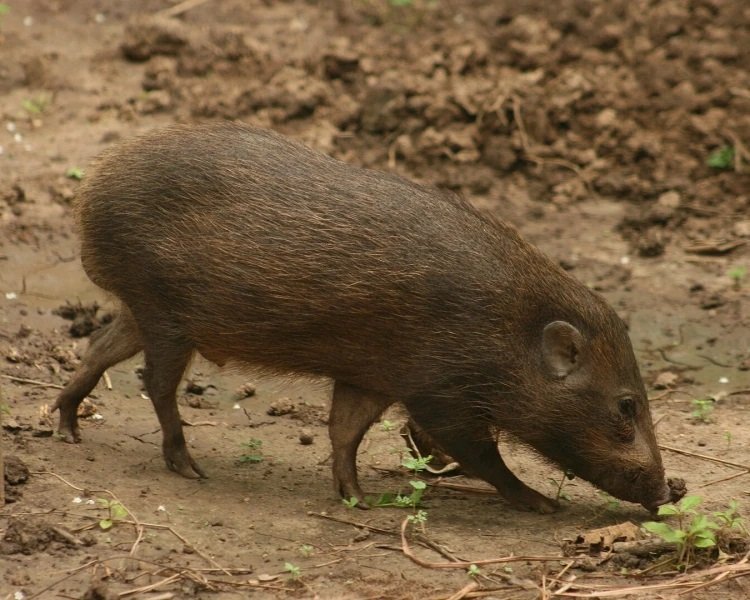
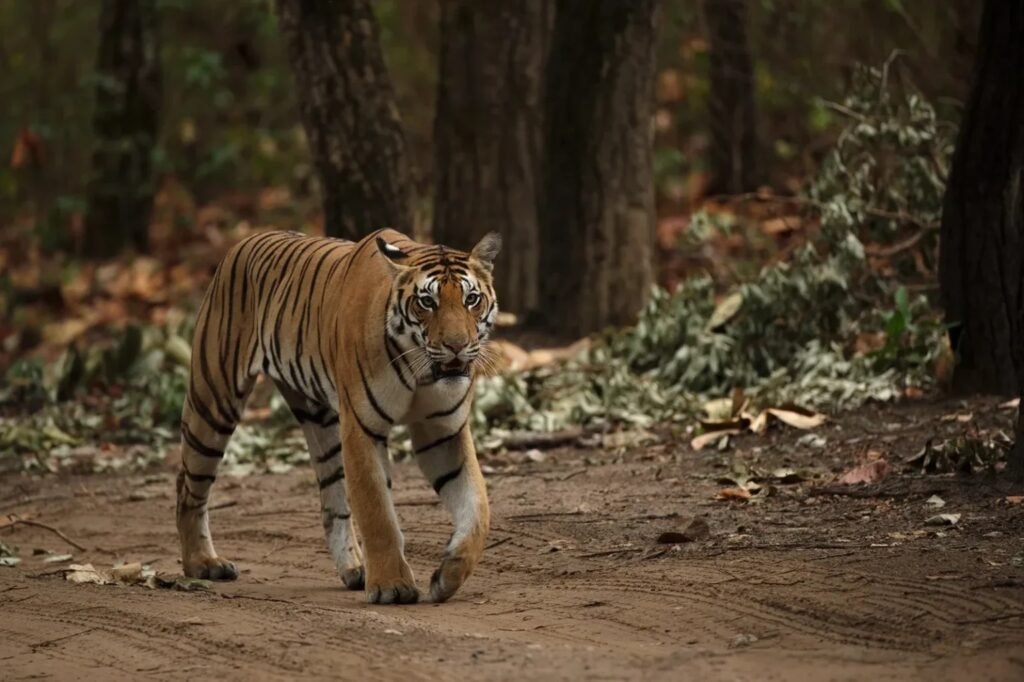
Covering just 79.28 square kilometres, Orang is a vital hotspot for wildlife, home to iconic species like the endangered one-horned rhinoceros, Bengal tiger, and pygmy hog.

A Historical Overview

Originally inhabited by local tribes, the area that is now Orang National Park was abandoned in the early 1900s due to an epidemic. In 1915, British colonial authorities designated it as a game reserve for wildlife conservation and controlled hunting. Over the years, it evolved into a wildlife sanctuary, and in 1999, it was officially declared Orang National Park.

Located in an alluvial floodplain formed by the Pachnoi, Belsiri, and Dhansiri rivers joining the Brahmaputra, Orang’s geography makes it vulnerable to seasonal flooding. However, these conditions also support a wide range of flora and fauna, including 12 natural wetlands and 26 artificial water bodies.

The Wildlife of Orang

One of Orang’s greatest strengths is its impressive array of wildlife. The park is most famous for being the northernmost stronghold of the great Indian one-horned rhinoceros. According to 2022 figures, the park is home to around 125 rhinos, with numbers steadily increasing. Other large mammals, such as the Asiatic elephant, wild water buffalo, and hog deer, also thrive here.

Mini Kaziranga: What Makes Assam’s Orang National Park So Special?

A Haven for Endangered Species

The critically endangered pygmy hog, a tiny wild pig, was reintroduced into the park between 2011 and 2015 and has since begun to thrive. Other species like the Bengal porcupine, Indian pangolin, and jungle cat also inhabit Orang, showcasing its rich biodiversity.

Bengal Tiger: A Conservation Priority

Perhaps the most iconic species in Orang National Park is the Bengal tiger. While the park’s tiger population has declined over the years, efforts to protect and monitor these elusive big cats are at the forefront of conservation work. Estimates suggest that around 26 tigers currently inhabit the park as of July 2023.

To address threats like habitat loss, poaching, and human-wildlife conflict, a unique conservation programme has been launched. Supported by global organisations such as the World Association of Zoos and Aquariums (WAZA) and Busch Gardens, this initiative employs advanced technology, including camera traps and geo-spatial monitoring, to track tiger movements and behaviours. Additionally, a community-driven approach engages locals, who have coexisted with the tigers for generations, in managing human-tiger conflict.

The success of this programme is crucial, not only for the future of tigers in Orang but also for global biodiversity. With around 4,500 Bengal tigers left in the wild, mostly in India, every successful conservation effort counts.

A Bird and Biodiversity Paradise

Orang National Park is not just a sanctuary for mammals but also a vital habitat for over 50 species of fish and a variety of migratory birds. Among these are rare and endangered species, making Orang an Important Bird and Biodiversity Area (IBA) as designated by BirdLife International. The park’s wetlands play a crucial role in supporting waterfowl and predatory birds, further enhancing its ecological importance.

Mini Kaziranga: What Makes Assam’s Orang National Park So Special?

Summing Up

Orang National Park may be small compared to some of India’s more famous wildlife sanctuaries, but its rich biodiversity and critical conservation efforts make it a jewel of Assam’s natural heritage. Whether it’s safeguarding the majestic one-horned rhinoceros, supporting endangered species like the pygmy hog, or conserving the elusive Bengal tiger, Orang exemplifies the resilience and importance of India’s lesser-known wildlife sanctuaries. As a true ‘Mini Kaziranga,’ Orang National Park continues to be a vital stronghold for wildlife conservation in the country.

Who is V Narayanan ?

0

On January 7, 2025, the Government of India announced the appointment of V Narayanan as the new Chairman of the Indian Space Research Organisation (ISRO) and Secretary of the Department of Space. He is set to officially assume office on January 14, 2025, succeeding S Somanath. With an illustrious career in rocket propulsion and leadership roles within ISRO, Narayanan’s appointment comes at a pivotal time for India’s space programme, which is advancing in satellite technology and human space missions.

Background of V Narayanan

Hailing from Melakattu village in Nagercoil, Tamil Nadu, V Narayanan has a remarkable academic background. He earned the First Rank Diploma in Mechanical Engineering and an Associate Membership in the same field. Later, he pursued M.Tech in Cryogenic Engineering at IIT Kharagpur, graduating with a Silver Medal. He also holds a Ph.D. in Aerospace Engineering, highlighting his expertise in cutting-edge space technology.

Professional Journey at ISRO

Narayanan joined ISRO in 1984 and has held numerous key positions over the years. Since January 2018, he has been serving as the Director of the Liquid Propulsion Systems Centre (LPSC). Throughout his tenure, he has contributed significantly to the development of propulsion systems for landmark missions. His involvement in projects such as the Augmented Satellite Launch Vehicle (ASLV) and the Polar Satellite Launch Vehicle (PSLV) has been instrumental in ISRO’s success. Additionally, Narayanan’s work on the GSLV Mk III and Chandrayaan missions has cemented his legacy as a key player in India’s space journey.

Key Contributions to Space Missions

As Project Director for the GSLV Mk III C25 Cryogenic Project, Narayanan was integral to the successful launch of the GSLV Mk III, a significant milestone for ISRO. He played a crucial role in developing cryogenic propulsion systems for the Chandrayaan-2 and Chandrayaan-3 lunar missions, ensuring robust landing strategies and mission success. Furthermore, his efforts in the Gaganyaan programme focused on human-rating the LVM3 vehicle and implementing advanced safety systems, paving the way for India’s first human spaceflight mission.

Awards and Recognition

Narayanan’s stellar contributions to aerospace and space research have earned him numerous accolades. Among his awards are the Gold Medal from the Astronautical Society of India and the Outstanding Achievement Award from ISRO. In 2018, he received an Honorary Doctorate of Science from Sathyabama University and the Distinguished Alumni Award from IIT Kharagpur. His achievements were further recognised with the National Design Award in 2019, celebrating his innovation and leadership in the field.

Future Prospects for ISRO

Under Narayanan’s leadership, ISRO is poised to achieve new milestones in space exploration and international collaboration. His expertise in rocket propulsion and human spaceflight is expected to steer the organisation toward ambitious projects such as Gaganyaan and bolster India’s position in the global space community. With a focus on satellite technology, interplanetary missions, and sustainable advancements, Narayanan’s leadership will play a pivotal role in shaping ISRO’s future endeavors.

Quick Facts:

  • ISRO (Indian Space Research Organisation): Founded in 1969.
  • GSLV Mk III: Geosynchronous Satellite Launch Vehicle Mark III, ISRO’s heavy-lift launch vehicle.
  • Chandrayaan: India’s lunar exploration programme initiated in 2003.
  • ASLV: Augmented Satellite Launch Vehicle, a precursor to PSLV.
  • LPSC: Liquid Propulsion Systems Centre, essential for propulsion system development.

As ISRO embarks on this new chapter under V Narayanan’s guidance, the organisation is well-positioned to enhance its contributions to space research and innovation, reaffirming India’s commitment to exploring the frontiers of space.

What is Toda Tribe and Significance of Modhweth Festival?

0

The Toda tribe, an ancient Dravidian ethnic group residing in the picturesque Nilgiris Hills of Tamil Nadu, celebrated their vibrant Modhweth Festival in December 2025. This annual festival, marking the New Year, took place at Muthanad Mund, the tribe’s community headquarters, and saw participation from members of all ages. A symbol of their cultural identity and spiritual beliefs, the festival emphasizes health, agriculture, and unity within the community.

Significance of Modhweth Festival

Modhweth is the most significant festival for the Toda tribe, held annually on the last Sunday of December or the first Sunday of January. The occasion is marked by prayer and reflection, as community members seek blessings for health, prosperity, and the well-being of their livestock. Modhekuttan, a respected tribe member, highlighted the essence of the festival, explaining that prayers offered to their deity, Shakti, are believed to fulfill wishes and bring prosperity.

Rituals and Celebrations

The Modhweth celebrations began with prayers at the Moonpo temple, dedicated to Thenkish Amman, a revered deity. The Toda community gathered in unity to offer prayers for good health, adequate rainfall, and bountiful harvests. A shared ritual of drinking buttermilk followed the prayers, symbolizing unity and collective well-being. Mandesh Kuttan, another tribal elder, explained that men pray together during the festival to strengthen communal bonds and foster harmony.

Traditional Performances

The festival was brought to life through traditional performances, including devotional songs and dances. The Toda people showcased their cultural heritage through a lively dance performed outside the temple, honoring their deities and entertaining the gathered community. The celebrations culminated in a unique stone-lifting ceremony, where young men demonstrated their strength and masculinity by lifting a greased boulder weighing approximately 80 kilograms. This act of skill and endurance added an element of excitement to the festivities.

The Moonpo Temple

Central to the Modhweth Festival is the Moonpo temple, a structure of immense historical and cultural significance. Its distinctive architectural design, featuring a vertical thatched roof capped with a flat stone, makes it a rare example of traditional Toda architecture. The temple not only serves as a spiritual hub for the Toda community but also attracts tourists who are keen to explore the tribe’s rich heritage. During the festival, the temple becomes the focal point of prayers and rituals, reinforcing the tribe’s deep spiritual connection.

The Toda Community

The Toda tribe consists of approximately 50 members who primarily engage in cattle-herding and dairy farming. Their settlements, known as mund, are characterized by small thatched houses arranged in a unique half-barrel shape. The Toda people follow a strictly vegetarian lifestyle, abstaining from meat, fish, and eggs that can hatch. Their religious practices revolve around a pantheon of gods, with Tökisy and Ön holding central importance. The Toda language, part of the Dravidian family, further reflects their distinct cultural identity and ancient heritage.

Preserving Cultural Heritage

The Modhweth Festival is more than a celebration; it is a testament to the Toda tribe’s enduring cultural and spiritual traditions. Through their prayers, rituals, and performances, the Toda people continue to honor their heritage and pass it on to future generations. By embracing their unique way of life, they not only strengthen their community bonds but also share their rich legacy with the world. As the Moonpo temple echoes with prayers and songs during Modhweth, the Toda tribe’s unwavering spirit shines brightly, celebrating a harmonious blend of tradition and unity.

When Is National Youth Day 2025? Date, Theme, History, and Significance of Rashtriya Yuva Diwas

0

National Youth Day, celebrated annually in India, holds great significance as a platform for empowering and inspiring the youth to create meaningful change. This day commemorates the birth anniversary of Swami Vivekananda, a visionary leader and spiritual icon who believed in the immense potential of young minds. In 2025, National Youth Day, also known as Rashtriya Yuva Diwas, will once again bring together the nation’s youth to honor Vivekananda’s legacy through impactful events, activities, and campaigns.

Date of National Youth Day 2025

National Youth Day is celebrated every year on January 12, marking the birth anniversary of Swami Vivekananda. This day is observed with fervor and enthusiasm across India, with schools, colleges, and organizations conducting various programs to engage and motivate the youth.

Theme for National Youth Day 2025

Each year, National Youth Day revolves around a specific theme that resonates with the aspirations and challenges of the youth. While the official theme for 2025 is yet to be announced, previous themes have focused on topics such as youth empowerment, innovation, and the role of young individuals in nation-building. The theme plays a central role in shaping the activities and discussions during the celebrations.

History of National Youth Day

National Youth Day was first declared by the Government of India in 1984, with the inaugural celebration taking place in 1985. The date, January 12, was chosen to honor Swami Vivekananda’s birth anniversary due to his profound influence on India’s youth and his role in shaping modern Indian thought. Vivekananda’s teachings emphasized self-confidence, spirituality, and the importance of education, which continue to inspire generations of young people.

Significance of National Youth Day

National Youth Day serves as a reminder of the pivotal role young individuals play in shaping the future of a nation. The day aims to ignite a sense of responsibility and purpose among the youth by promoting the values of Swami Vivekananda. Activities such as debates, essay-writing competitions, cultural events, and motivational speeches are organized to inspire young minds and channel their energy towards constructive endeavors.

Swami Vivekananda’s belief that “Arise, awake, and stop not till the goal is reached” is a clarion call for today’s youth to take charge of their destiny and contribute to society. His emphasis on self-reliance, perseverance, and service to humanity remains as relevant as ever.

How National Youth Day is Celebrated

  • Educational Programs: Schools and colleges host seminars, lectures, and workshops to educate students about Swami Vivekananda’s philosophy.
  • Cultural Events: Youth-centric cultural programs, including music, dance, and drama, are organized to celebrate the vibrant energy of the younger generation.
  • Youth Festivals: The government often conducts National Youth Festivals, bringing together talented individuals to showcase their skills and creativity.
  • Social Initiatives: Many organizations take this opportunity to launch campaigns focused on social issues such as education, health, and employment for the youth.

Summing Up

National Youth Day is not just a celebration of Swami Vivekananda’s life and teachings but also a call to action for the youth to rise above challenges and create a positive impact on society. As India gears up to celebrate Rashtriya Yuva Diwas on January 12, 2025, the occasion serves as a reminder of the boundless potential of young minds to shape a brighter future.