Home Blog Page 409

Shoonya in Rishikesh to Ooty’s Summer Festival: 2025 Lineup of The Most Unforgettable Festivals

0

Imagine spending 2025 traveling across India, immersing yourself in the country’s rich tapestry of festivals. From literary marvels to cultural celebrations, music retreats to culinary delights—this year has a festival for every mood and month. Whether you’re a backpacker or a travel enthusiast, these festivals promise to elevate your journey and add a deeper meaning to your trips.

Here’s a carefully curated lineup of 12 festivals across India that will take you on an unforgettable cultural ride through 2025.

January: Jaipur Literature Festival, Jaipur

Kickstart your year with the ‘World’s Biggest Literary Festival’ in the royal city of Jaipur. The Jaipur Literature Festival 2025 promises a confluence of literary, political, and artistic voices. With celebrated names like Masterchef Matt Preston, historian William Dalrymple, and lyricist Javed Akhtar, expect thought-provoking debates and a melting pot of ideas.

Shoonya in Rishikesh to Ooty’s Summer Festival: 2025 Lineup of The Most Unforgettable Festivals

Dates: 30 January – 3 February 2025
Why Attend: Immerse yourself in storytelling, book launches, and engaging discussions with global thinkers.

February: Shoonya Festival, Rishikesh

Escape the hustle of daily life and embrace serenity at the Shoonya Festival in Rishikesh. This unique three-day retreat encourages mindfulness, self-discovery, and a reconnection with nature. Picture yourself attending rejuvenating workshops along the banks of the Ganges, where the symphony of nature replaces city chaos.

Shoonya in Rishikesh to Ooty’s Summer Festival: 2025 Lineup of The Most Unforgettable Festivals

Dates: 14 – 16 February 2025
Why Attend: Detox your mind and soul with activities that focus on holistic well-being.

March: Chapchar Kut, Mizoram

Celebrate the arrival of spring with Mizoram’s vibrant Chapchar Kut festival. Rooted in tradition, it marks the end of jungle-clearing for cultivation. Villages unite with feasts, rice beer, and traditional dances, showcasing the resilience and joy of the Mizo community.

Date: 7 March 2025
Why Attend: Experience the essence of Mizoram through its culture, cuisine, and community spirit.

April: Kasauli Rhythm and Blues Music Festival, Himachal Pradesh

Nestled in the serene hills of Kasauli, this music festival combines soulful melodies with a noble cause. Organized by the Genesis Foundation, it supports underprivileged children suffering from congenital heart defects. Groove to live performances by India’s top musicians while contributing to a meaningful mission.

Dates: 18 – 20 April 2025
Why Attend: A perfect blend of music, philanthropy, and mountain vibes.

May: Ooty Summer Festival, Ooty

May breathes new life into Ooty as it transforms into a paradise of blooms. The Summer Festival showcases spectacular floral arrangements, spice exhibits, and vegetable shows. The Botanical Gardens come alive with vibrant displays, making it an unmissable visual treat.

Shoonya in Rishikesh to Ooty’s Summer Festival: 2025 Lineup of The Most Unforgettable Festivals

Dates: May (to be announced)
Why Attend: A celebration of nature’s beauty in the Nilgiris’ scenic landscape.

June: São João Festival, Goa

Dive into Goa’s vibrant monsoon festival, São João, which celebrates the birth of Saint John the Baptist. Locals and tourists come together to enjoy parades, music, and traditional Goan delicacies. Don a crown of fruits and flowers and join the revelry!

Date: 24 June 2025
Why Attend: Experience the spirit of Goa with its rich Portuguese heritage.

July: Hemis Festival, Ladakh

Held at the Hemis Monastery, this festival honors Guru Padmasambhava, the founder of Tibetan Buddhism. Witness colorful masked dances, rhythmic drum beats, and the unveiling of Ladakh’s largest thangka, a sacred Buddhist painting.

Shoonya in Rishikesh to Ooty’s Summer Festival: 2025 Lineup of The Most Unforgettable Festivals

Dates: July 2025 (to be announced)
Why Attend: Immerse yourself in spirituality amidst the serene beauty of Ladakh.

August: Nehru Trophy Boat Race, Kerala

Head to Punnamada Lake in Alappuzha for the iconic Nehru Trophy Boat Race. Watch chundan vallams (snake boats) gliding through the waters in a high-energy competition. The event commemorates former Prime Minister Jawaharlal Nehru’s love for Kerala’s backwaters.

Shoonya in Rishikesh to Ooty’s Summer Festival: 2025 Lineup of The Most Unforgettable Festivals

Date: Second Saturday of August
Why Attend: A visual spectacle that combines Kerala’s culture and athleticism.

September: ZIRO Festival, Arunachal Pradesh

The Ziro Festival in Arunachal Pradesh is a celebration of Northeast India’s cultural and musical heritage. Set in the lush Ziro Valley, this festival offers a stage for indigenous artists and global performers, creating a fusion of music and tradition.

Dates: September 2025 (to be announced)
Why Attend: Discover the diversity of Northeast India while grooving to folk and contemporary tunes.

October: Jio MAMI Film Festival, Mumbai

The Mumbai Academy of Moving Image (MAMI) Film Festival is a cinephile’s dream. With screenings, masterclasses, and networking opportunities, this festival showcases the best of world cinema. Connect with like-minded creators and celebrate the magic of films.

Dates: October 2025 (to be announced)
Why Attend: A hub for cinematic innovation and global storytelling.

November: Indian Photo Festival, Hyderabad

Hyderabad’s Indian Photo Festival is more than a celebration of photography; it’s a platform for conversations on social issues. With exhibitions, workshops, and discussions, it bridges art and advocacy, bringing global perspectives to one stage.

Dates: November 2025 (to be announced)
Why Attend: Explore the power of visual storytelling to inspire change.

December: Mei-Ramew Festival, Meghalaya

Wrap up the year in Meghalaya with the Mei-Ramew Festival, which celebrates indigenous food and agrobiodiversity. The festival revives forgotten recipes and traditional cooking methods, spotlighting dishes like smoked beef and jadoh rice.

Dates: December 2025 (to be announced)
Why Attend: Savor the unique flavors of Meghalaya and learn about sustainable food practices.

Pack Your Bags for 2025!

From the literary charm of Jaipur to the rhythmic beats of Kasauli, the festive spirit of Goa to the serene tranquility of Rishikesh, India’s festivals are a kaleidoscope of experiences. Each month offers a unique slice of culture, ensuring that your year is filled with unforgettable memories. Which festival will you add to your calendar first?

Mini Kaziranga: What Makes Assam’s Orang National Park So Special?

0

Orang National Park, a hidden gem nestled in the heart of Assam, has emerged as a beacon of hope for wildlife conservation in India despite facing numerous challenges such as habitat loss, poaching, and human-wildlife conflict. Situated on the northern bank of the Brahmaputra River in Assam’s Darrang and Sonitpur districts, Orang National Park is often referred to as ‘Mini Kaziranga.’ Like the famed Kaziranga National Park, it is home to a significant population of the endangered one-horned rhinoceros and shares a similar landscape.

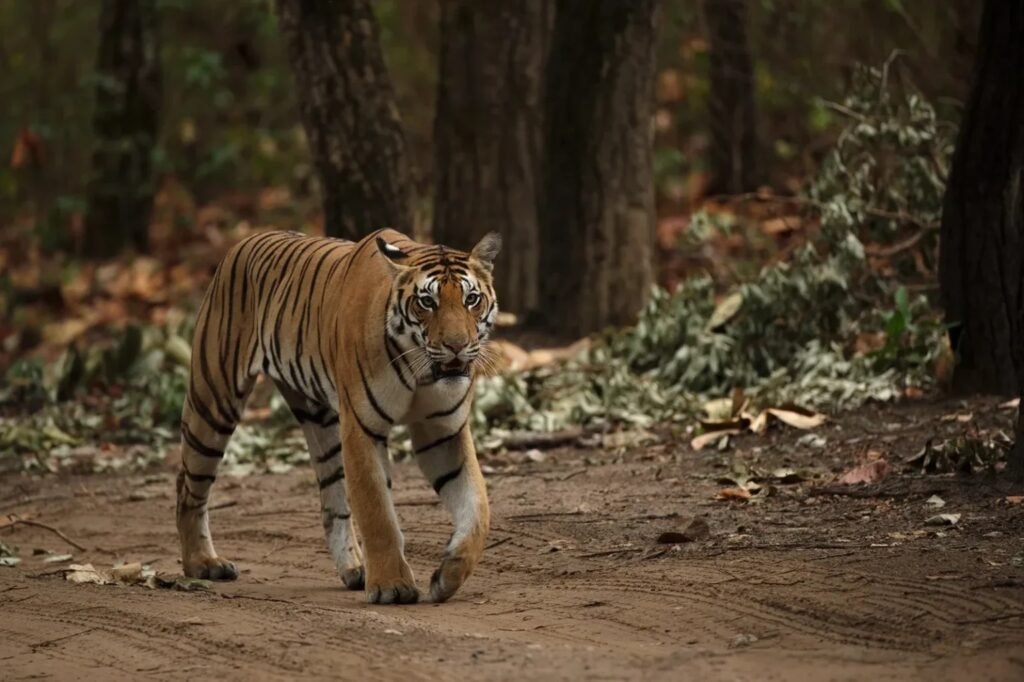
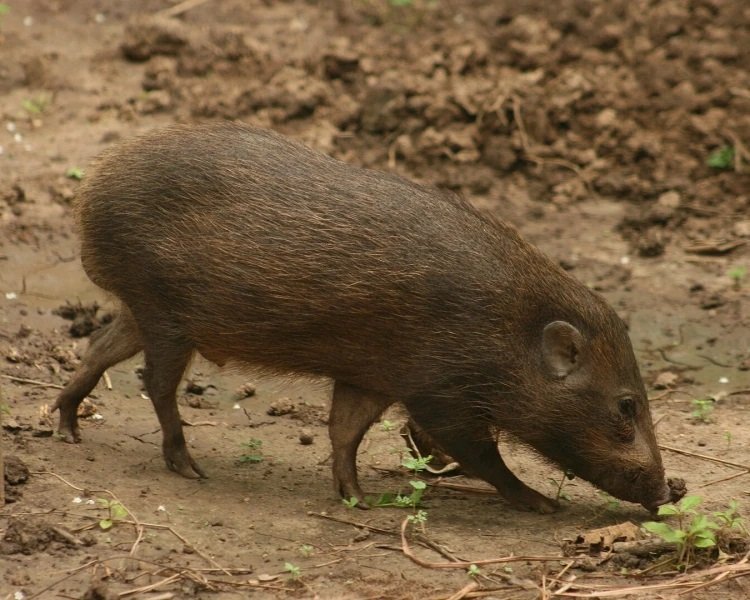
Covering just 79.28 square kilometres, Orang is a vital hotspot for wildlife, home to iconic species like the endangered one-horned rhinoceros, Bengal tiger, and pygmy hog.

A Historical Overview

Originally inhabited by local tribes, the area that is now Orang National Park was abandoned in the early 1900s due to an epidemic. In 1915, British colonial authorities designated it as a game reserve for wildlife conservation and controlled hunting. Over the years, it evolved into a wildlife sanctuary, and in 1999, it was officially declared Orang National Park.

Located in an alluvial floodplain formed by the Pachnoi, Belsiri, and Dhansiri rivers joining the Brahmaputra, Orang’s geography makes it vulnerable to seasonal flooding. However, these conditions also support a wide range of flora and fauna, including 12 natural wetlands and 26 artificial water bodies.

The Wildlife of Orang

One of Orang’s greatest strengths is its impressive array of wildlife. The park is most famous for being the northernmost stronghold of the great Indian one-horned rhinoceros. According to 2022 figures, the park is home to around 125 rhinos, with numbers steadily increasing. Other large mammals, such as the Asiatic elephant, wild water buffalo, and hog deer, also thrive here.

Mini Kaziranga: What Makes Assam’s Orang National Park So Special?

A Haven for Endangered Species

The critically endangered pygmy hog, a tiny wild pig, was reintroduced into the park between 2011 and 2015 and has since begun to thrive. Other species like the Bengal porcupine, Indian pangolin, and jungle cat also inhabit Orang, showcasing its rich biodiversity.

Bengal Tiger: A Conservation Priority

Perhaps the most iconic species in Orang National Park is the Bengal tiger. While the park’s tiger population has declined over the years, efforts to protect and monitor these elusive big cats are at the forefront of conservation work. Estimates suggest that around 26 tigers currently inhabit the park as of July 2023.

To address threats like habitat loss, poaching, and human-wildlife conflict, a unique conservation programme has been launched. Supported by global organisations such as the World Association of Zoos and Aquariums (WAZA) and Busch Gardens, this initiative employs advanced technology, including camera traps and geo-spatial monitoring, to track tiger movements and behaviours. Additionally, a community-driven approach engages locals, who have coexisted with the tigers for generations, in managing human-tiger conflict.

The success of this programme is crucial, not only for the future of tigers in Orang but also for global biodiversity. With around 4,500 Bengal tigers left in the wild, mostly in India, every successful conservation effort counts.

A Bird and Biodiversity Paradise

Orang National Park is not just a sanctuary for mammals but also a vital habitat for over 50 species of fish and a variety of migratory birds. Among these are rare and endangered species, making Orang an Important Bird and Biodiversity Area (IBA) as designated by BirdLife International. The park’s wetlands play a crucial role in supporting waterfowl and predatory birds, further enhancing its ecological importance.

Mini Kaziranga: What Makes Assam’s Orang National Park So Special?

Summing Up

Orang National Park may be small compared to some of India’s more famous wildlife sanctuaries, but its rich biodiversity and critical conservation efforts make it a jewel of Assam’s natural heritage. Whether it’s safeguarding the majestic one-horned rhinoceros, supporting endangered species like the pygmy hog, or conserving the elusive Bengal tiger, Orang exemplifies the resilience and importance of India’s lesser-known wildlife sanctuaries. As a true ‘Mini Kaziranga,’ Orang National Park continues to be a vital stronghold for wildlife conservation in the country.

Who is V Narayanan ?

0

On January 7, 2025, the Government of India announced the appointment of V Narayanan as the new Chairman of the Indian Space Research Organisation (ISRO) and Secretary of the Department of Space. He is set to officially assume office on January 14, 2025, succeeding S Somanath. With an illustrious career in rocket propulsion and leadership roles within ISRO, Narayanan’s appointment comes at a pivotal time for India’s space programme, which is advancing in satellite technology and human space missions.

Background of V Narayanan

Hailing from Melakattu village in Nagercoil, Tamil Nadu, V Narayanan has a remarkable academic background. He earned the First Rank Diploma in Mechanical Engineering and an Associate Membership in the same field. Later, he pursued M.Tech in Cryogenic Engineering at IIT Kharagpur, graduating with a Silver Medal. He also holds a Ph.D. in Aerospace Engineering, highlighting his expertise in cutting-edge space technology.

Professional Journey at ISRO

Narayanan joined ISRO in 1984 and has held numerous key positions over the years. Since January 2018, he has been serving as the Director of the Liquid Propulsion Systems Centre (LPSC). Throughout his tenure, he has contributed significantly to the development of propulsion systems for landmark missions. His involvement in projects such as the Augmented Satellite Launch Vehicle (ASLV) and the Polar Satellite Launch Vehicle (PSLV) has been instrumental in ISRO’s success. Additionally, Narayanan’s work on the GSLV Mk III and Chandrayaan missions has cemented his legacy as a key player in India’s space journey.

Key Contributions to Space Missions

As Project Director for the GSLV Mk III C25 Cryogenic Project, Narayanan was integral to the successful launch of the GSLV Mk III, a significant milestone for ISRO. He played a crucial role in developing cryogenic propulsion systems for the Chandrayaan-2 and Chandrayaan-3 lunar missions, ensuring robust landing strategies and mission success. Furthermore, his efforts in the Gaganyaan programme focused on human-rating the LVM3 vehicle and implementing advanced safety systems, paving the way for India’s first human spaceflight mission.

Awards and Recognition

Narayanan’s stellar contributions to aerospace and space research have earned him numerous accolades. Among his awards are the Gold Medal from the Astronautical Society of India and the Outstanding Achievement Award from ISRO. In 2018, he received an Honorary Doctorate of Science from Sathyabama University and the Distinguished Alumni Award from IIT Kharagpur. His achievements were further recognised with the National Design Award in 2019, celebrating his innovation and leadership in the field.

Future Prospects for ISRO

Under Narayanan’s leadership, ISRO is poised to achieve new milestones in space exploration and international collaboration. His expertise in rocket propulsion and human spaceflight is expected to steer the organisation toward ambitious projects such as Gaganyaan and bolster India’s position in the global space community. With a focus on satellite technology, interplanetary missions, and sustainable advancements, Narayanan’s leadership will play a pivotal role in shaping ISRO’s future endeavors.

Quick Facts:

  • ISRO (Indian Space Research Organisation): Founded in 1969.
  • GSLV Mk III: Geosynchronous Satellite Launch Vehicle Mark III, ISRO’s heavy-lift launch vehicle.
  • Chandrayaan: India’s lunar exploration programme initiated in 2003.
  • ASLV: Augmented Satellite Launch Vehicle, a precursor to PSLV.
  • LPSC: Liquid Propulsion Systems Centre, essential for propulsion system development.

As ISRO embarks on this new chapter under V Narayanan’s guidance, the organisation is well-positioned to enhance its contributions to space research and innovation, reaffirming India’s commitment to exploring the frontiers of space.

What is Toda Tribe and Significance of Modhweth Festival?

0

The Toda tribe, an ancient Dravidian ethnic group residing in the picturesque Nilgiris Hills of Tamil Nadu, celebrated their vibrant Modhweth Festival in December 2025. This annual festival, marking the New Year, took place at Muthanad Mund, the tribe’s community headquarters, and saw participation from members of all ages. A symbol of their cultural identity and spiritual beliefs, the festival emphasizes health, agriculture, and unity within the community.

Significance of Modhweth Festival

Modhweth is the most significant festival for the Toda tribe, held annually on the last Sunday of December or the first Sunday of January. The occasion is marked by prayer and reflection, as community members seek blessings for health, prosperity, and the well-being of their livestock. Modhekuttan, a respected tribe member, highlighted the essence of the festival, explaining that prayers offered to their deity, Shakti, are believed to fulfill wishes and bring prosperity.

Rituals and Celebrations

The Modhweth celebrations began with prayers at the Moonpo temple, dedicated to Thenkish Amman, a revered deity. The Toda community gathered in unity to offer prayers for good health, adequate rainfall, and bountiful harvests. A shared ritual of drinking buttermilk followed the prayers, symbolizing unity and collective well-being. Mandesh Kuttan, another tribal elder, explained that men pray together during the festival to strengthen communal bonds and foster harmony.

Traditional Performances

The festival was brought to life through traditional performances, including devotional songs and dances. The Toda people showcased their cultural heritage through a lively dance performed outside the temple, honoring their deities and entertaining the gathered community. The celebrations culminated in a unique stone-lifting ceremony, where young men demonstrated their strength and masculinity by lifting a greased boulder weighing approximately 80 kilograms. This act of skill and endurance added an element of excitement to the festivities.

The Moonpo Temple

Central to the Modhweth Festival is the Moonpo temple, a structure of immense historical and cultural significance. Its distinctive architectural design, featuring a vertical thatched roof capped with a flat stone, makes it a rare example of traditional Toda architecture. The temple not only serves as a spiritual hub for the Toda community but also attracts tourists who are keen to explore the tribe’s rich heritage. During the festival, the temple becomes the focal point of prayers and rituals, reinforcing the tribe’s deep spiritual connection.

The Toda Community

The Toda tribe consists of approximately 50 members who primarily engage in cattle-herding and dairy farming. Their settlements, known as mund, are characterized by small thatched houses arranged in a unique half-barrel shape. The Toda people follow a strictly vegetarian lifestyle, abstaining from meat, fish, and eggs that can hatch. Their religious practices revolve around a pantheon of gods, with Tökisy and Ön holding central importance. The Toda language, part of the Dravidian family, further reflects their distinct cultural identity and ancient heritage.

Preserving Cultural Heritage

The Modhweth Festival is more than a celebration; it is a testament to the Toda tribe’s enduring cultural and spiritual traditions. Through their prayers, rituals, and performances, the Toda people continue to honor their heritage and pass it on to future generations. By embracing their unique way of life, they not only strengthen their community bonds but also share their rich legacy with the world. As the Moonpo temple echoes with prayers and songs during Modhweth, the Toda tribe’s unwavering spirit shines brightly, celebrating a harmonious blend of tradition and unity.

When Is National Youth Day 2025? Date, Theme, History, and Significance of Rashtriya Yuva Diwas

0

National Youth Day, celebrated annually in India, holds great significance as a platform for empowering and inspiring the youth to create meaningful change. This day commemorates the birth anniversary of Swami Vivekananda, a visionary leader and spiritual icon who believed in the immense potential of young minds. In 2025, National Youth Day, also known as Rashtriya Yuva Diwas, will once again bring together the nation’s youth to honor Vivekananda’s legacy through impactful events, activities, and campaigns.

Date of National Youth Day 2025

National Youth Day is celebrated every year on January 12, marking the birth anniversary of Swami Vivekananda. This day is observed with fervor and enthusiasm across India, with schools, colleges, and organizations conducting various programs to engage and motivate the youth.

Theme for National Youth Day 2025

Each year, National Youth Day revolves around a specific theme that resonates with the aspirations and challenges of the youth. While the official theme for 2025 is yet to be announced, previous themes have focused on topics such as youth empowerment, innovation, and the role of young individuals in nation-building. The theme plays a central role in shaping the activities and discussions during the celebrations.

History of National Youth Day

National Youth Day was first declared by the Government of India in 1984, with the inaugural celebration taking place in 1985. The date, January 12, was chosen to honor Swami Vivekananda’s birth anniversary due to his profound influence on India’s youth and his role in shaping modern Indian thought. Vivekananda’s teachings emphasized self-confidence, spirituality, and the importance of education, which continue to inspire generations of young people.

Significance of National Youth Day

National Youth Day serves as a reminder of the pivotal role young individuals play in shaping the future of a nation. The day aims to ignite a sense of responsibility and purpose among the youth by promoting the values of Swami Vivekananda. Activities such as debates, essay-writing competitions, cultural events, and motivational speeches are organized to inspire young minds and channel their energy towards constructive endeavors.

Swami Vivekananda’s belief that “Arise, awake, and stop not till the goal is reached” is a clarion call for today’s youth to take charge of their destiny and contribute to society. His emphasis on self-reliance, perseverance, and service to humanity remains as relevant as ever.

How National Youth Day is Celebrated

  • Educational Programs: Schools and colleges host seminars, lectures, and workshops to educate students about Swami Vivekananda’s philosophy.
  • Cultural Events: Youth-centric cultural programs, including music, dance, and drama, are organized to celebrate the vibrant energy of the younger generation.
  • Youth Festivals: The government often conducts National Youth Festivals, bringing together talented individuals to showcase their skills and creativity.
  • Social Initiatives: Many organizations take this opportunity to launch campaigns focused on social issues such as education, health, and employment for the youth.

Summing Up

National Youth Day is not just a celebration of Swami Vivekananda’s life and teachings but also a call to action for the youth to rise above challenges and create a positive impact on society. As India gears up to celebrate Rashtriya Yuva Diwas on January 12, 2025, the occasion serves as a reminder of the boundless potential of young minds to shape a brighter future.

Death Anniversary of Lal Bahadur Shastri 2025: Theme, Quotes and History

0

The Death Anniversary of Lal Bahadur Shastri, one of the most significant days in January, is observed on 11th January 2025. This date marks the remembrance of Shastriji’s untimely demise in 1966, in Tashkent, Uzbekistan, shortly after signing the Tashkent Agreement. His tenure as India’s second Prime Minister is remembered for pivotal contributions, including the Green Revolution and White Revolution, which transformed India’s agricultural and dairy sectors. His slogan, “Jai Jawan, Jai Kisan”, continues to inspire generations.

For candidates preparing for competitive exams or anyone eager to understand his legacy, this article provides a comprehensive overview of the history, significance, and key themes related to Lal Bahadur Shastri’s Death Anniversary in 2025.

Death Anniversary of Lal Bahadur Shastri: History

Lal Bahadur Shastri was born on 2nd October 1904 in Mughalsarai, Uttar Pradesh. He played an integral role in India’s fight for independence and served as a stalwart leader of the Indian National Congress Party.

  1. Participation in the Independence Movement:
    • Shastriji joined the non-cooperation movement at the age of 16, inspired by Mahatma Gandhi’s call for freedom.
    • In 1930, he actively participated in the Salt Satyagraha, which led to his imprisonment for more than two years.
    • He was arrested again during the Quit India Movement in 1942 and spent a total of nine years in prison. During his incarceration, he extensively studied Western philosophy and literature, shaping his ideological framework.
  2. Leadership After Independence:
    • Shastriji served in various ministerial roles before becoming Prime Minister in 1964, succeeding Jawaharlal Nehru.
    • His administration is credited with addressing food shortages through the Green Revolution and bolstering India’s dairy industry with the White Revolution.
  3. Peace Efforts:
    • Lal Bahadur Shastri is celebrated as a “Man of Peace” for his efforts to resolve the Indo-Pak conflict through the Tashkent Agreement, signed just a day before his sudden demise.

Death Anniversary of Lal Bahadur Shastri 2025: Theme

The theme for Lal Bahadur Shastri’s Death Anniversary in 2025 has yet to be announced. Once published, it will be updated on relevant platforms to reflect the central message of the commemoration.

Significance of Lal Bahadur Shastri’s Legacy

Lal Bahadur Shastri’s contributions to India’s independence and governance are immense, making his death anniversary a moment of reflection and tribute:

  • Honesty and Patriotism:
    Shastriji was known for his simplicity and unwavering commitment to truth and justice.
  • Service to the Nation:
    Despite serving as Prime Minister for just 19 months, his 30 years of service to India’s independence and development stand as a testament to his dedication.
  • Lal Bahadur Shastri’s Vision:
    His famous slogan “Jai Jawan, Jai Kisan” (Hail the Soldier, Hail the Farmer) highlighted his belief in the strength of India’s farmers and armed forces as pillars of the nation’s growth.
  • Awards and Recognition:
    Shastriji was posthumously awarded the Bharat Ratna, India’s highest civilian honor, in 1966.

Memorable Quotes by Lal Bahadur Shastri

Here are some inspiring quotes that capture Shastriji’s wisdom and vision for India:

  1. “We must fight for peace bravely as we fought in the war.”
  2. “Discipline and united action are the real sources of strength for the nation.”
  3. “We can win respect in the world only if we are strong internally and can banish poverty and unemployment in our country.”
  4. “We cannot afford to spend millions and millions over nuclear arms when there is poverty and unemployment all around us.”
  5. “True democracy or the swaraj of the masses can never come through untruthful and violent means.”

Summing Up

Lal Bahadur Shastri’s life and legacy continue to inspire generations. His contributions to India’s independence, his vision for self-reliance, and his dedication to peace and progress make him a national icon. Observing his death anniversary serves as a reminder of the values of simplicity, integrity, and patriotism that he championed.

For those preparing for exams or seeking to deepen their understanding of India’s history, remembering Shastriji’s remarkable journey offers valuable lessons in leadership, resilience, and service to the nation.

World Hindi Day 2025: Date, Theme, Significance, Celebration and poster ideas

0

World Hindi Day is celebrated annually on January 10th to honor the heritage, beauty, and cultural significance of the Hindi language. This global event commemorates the first-ever World Hindi Conference held in Nagpur, India, on January 10, 1975, and aims to promote Hindi as a language of global unity and cultural pride.

In 2025, the celebration revolves around the theme: “Hindi: A Global Voice of Unity and Cultural Pride”, emphasizing Hindi’s role in preserving India’s cultural heritage while establishing its presence on the global stage.

The History of World Hindi Day

The celebration of World Hindi Day began in 2006, initiated by the then Prime Minister of India, Dr. Manmohan Singh. It is distinct from Hindi Diwas, which is observed on September 14th to commemorate Hindi being adopted as one of India’s official languages.

World Hindi Day extends beyond national boundaries, focusing on spreading awareness about the global use of Hindi and its significant contributions to literature, art, and culture.

Significance of World Hindi Day

World Hindi Day holds immense importance for:

  1. Promoting Global Use: Encouraging the adoption of Hindi across international platforms.
  2. Cultural Preservation: Preserving and celebrating India’s traditions and linguistic heritage.
  3. Literary Excellence: Honoring the contributions of Hindi literature to global culture.
  4. Strengthening Unity: Uniting Hindi speakers worldwide, celebrating shared linguistic roots.

Celebration Ideas for World Hindi Day 2025

Here are creative ways to celebrate this special day:

  1. Poetry Competitions: Host Hindi poetry recitation events to appreciate its literary charm.
  2. Storytelling Sessions: Share classic Hindi tales and folklore with communities.
  3. Workshops for Non-Native Speakers: Conduct Hindi learning sessions for beginners.
  4. Cultural Programs: Include Hindi songs, plays, and dance performances.
  5. Poster Making: Design posters using the Postive Festival Poster Maker App, featuring slogans and visuals inspired by the theme.
  6. Hindi Film Screenings: Organize movie marathons of iconic Hindi films.
  7. Virtual Meetups: Host global online events with Hindi enthusiasts to discuss the language’s impact.
  8. Honoring Hindi Writers: Recognize contributions of notable Hindi poets, authors, and lyricists.
  9. Interactive Games: Organize quizzes, crossword puzzles, and word games based on Hindi.
  10. Social Media Campaigns: Use hashtags like #WorldHindiDay to promote Hindi’s global relevance.

Wishes & Messages for World Hindi Day 2025

Spread the joy of this occasion with heartfelt messages:

  • “Celebrate the richness of Hindi, a language that unites and inspires millions. Happy World Hindi Day!”
  • “Hindi is more than words; it is the heartbeat of our culture. Celebrate its beauty today!”
  • “On World Hindi Day, let’s take pride in our mother tongue and promote its global reach.”
  • “Hindi is our heritage, our pride, and our voice. Let’s honor it together!”

Quotes for World Hindi Day 2025

  • “Hindi is not just a language; it is the soul of India.” — Sardar Vallabhbhai Patel
  • “The beauty of Hindi lies in its simplicity and universality.” — Bharatendu Harishchandra
  • “Through Hindi, we express our joys, sorrows, and dreams.” — Jaishankar Prasad
  • “Hindi connects hearts and strengthens bonds globally.” — Harivansh Rai Bachchan

Speech for World Hindi Day 2025

Good Morning/Afternoon Everyone,

Today, as we celebrate World Hindi Day, we pay homage to a language that is the essence of India’s identity. Hindi is not just a mode of communication but a reflection of our culture, heritage, and unity.

On this day, let us acknowledge the global impact of Hindi and strive to preserve and promote its beauty. Whether it’s through literature, art, or digital media, each of us can play a role in ensuring the future of this language.

Let us celebrate Hindi not just as a language of the past but as a global voice for the future.

Thank you, and Happy World Hindi Day!

Poster Ideas for World Hindi Day 2025

Design engaging and impactful posters:

  1. Theme-Based Posters: Highlight the theme with bold slogans and vibrant visuals.
  2. Hindi Calligraphy Art: Feature intricate Hindi scripts with inspiring quotes.
  3. Global Outreach: Illustrate Hindi’s global presence through cultural maps.
  4. Timeline of Evolution: Showcase the history of Hindi, from its origins to today.
  5. Cultural Depictions: Use symbols like the peacock, lotus, and monuments to celebrate Hindi’s heritage.

Activities for World Hindi Day 2025

  1. Essay Competitions: Explore the role of Hindi in today’s globalized world.
  2. Debates: Organize discussions on topics like the future of Hindi in a digital era.
  3. Calligraphy Workshops: Teach participants the art of writing beautiful Hindi scripts.
  4. Song Compositions: Celebrate the day with original Hindi songs.
  5. Drama Performances: Stage plays in Hindi that reflect traditional and modern themes.

World Hindi Day 2025 is a reminder of the timeless legacy of Hindi as a language that unites people, preserves cultural richness, and continues to evolve on the global stage. Celebrate this day with pride, creativity, and commitment to spreading the beauty of Hindi across the world!

This IIT Couple Found Happiness in Farming & Off-Grid Life After Leaving High-Paying US Jobs

0

In an era dominated by the pursuit of material wealth, Sakshi Bhatia and Arpit Maheshwari, both IIT toppers, chose a path less traveled. They traded their high-paying corporate jobs in the United States for a simpler, eco-conscious life in rural India, where they built a sustainable farm named Jeevantika and a self-made mud house that stands as a testament to their commitment to sustainability.

A Journey Inspired by Minimalism

The seeds of their transformation were sown in 2015 during a life-changing backpacking trip across South America. “The futility of consumerism started to gnaw at us,” recalls Arpit. Before embarking on their travels, the couple sold most of their belongings, embracing a minimalist lifestyle. As they journeyed through the Amazon, Peru, Ecuador, and Colombia, they experienced the profound beauty of living in harmony with nature. This trip cemented their desire to adopt a sustainable way of life.

Returning Home to Build a Dream

In 2017, Sakshi and Arpit returned to India, leaving behind the luxuries of city life. They chose Badnagar, a small village in Madhya Pradesh, to begin their journey toward sustainability. On a modest 1.5-acre plot of land, they established Jeevantika, their organic farm, with the goal of growing most of their own food. Today, the couple cultivates nearly 85% of what they consume, with the only exception being oil, as they lack the machinery to produce it.

A Mudhouse Like No Other

The centerpiece of their sustainable lifestyle is their hand-built mud house, constructed entirely without external assistance. “Building a mud house is tougher than cracking JEE,” jokes Sakshi, reflecting on the physical and emotional challenges they faced during the three-month construction process.

The house, built from natural materials, remains cool even during the peak of summer, eliminating the need for electricity-dependent appliances like fans or air conditioning. Remarkably, the couple has also chosen to forgo a refrigerator, relying instead on their farm’s fresh produce, which they harvest as needed.

Living in Harmony with Nature

At Jeevantika, Sakshi and Arpit follow permaculture principles, ensuring their farming practices promote ecological balance and sustainability. By growing their own food, reducing waste, and embracing a minimalist lifestyle, the couple has achieved a level of self-sufficiency that many aspire to but rarely attain.

“The process of living off the land has brought us immense joy and a sense of purpose,” says Sakshi. Despite the hard work and occasional challenges, the couple feels deeply connected to their surroundings, finding happiness in the simplicity of their everyday life.

An Inspiring Shift

Sakshi and Arpit’s journey from corporate America to rural India is not just a story of personal transformation but also an inspiring example of how sustainable living can lead to a more fulfilling life. In an increasingly consumer-driven world, their decision to prioritize harmony with nature over material comforts offers a refreshing perspective on what it truly means to be happy.

Through Jeevantika, the couple has found their calling, proving that sometimes, happiness lies not in accumulating more, but in embracing less.

64 Families in Tripura Build India’s First Bio-Village Using Eco-Friendly Farming

0

Through the Bio Village 2.0 initiative, Daspara, a small village in Tripura, has emerged as a model for rural sustainability and renewable energy adoption. By embracing eco-friendly farming techniques, cleaner energy solutions, and community-driven development, Daspara is paving the way for a greener and more prosperous future for Indian villages.

Transforming Daspara: A Community Effort

Situated in the Sepahijala district, Daspara consists of just 64 families, 75% of whom rely on agriculture and fishery for their livelihood. Despite its small size, the village has achieved remarkable progress, becoming India’s first self-sustaining bio-village. This transformation began with the State Government’s introduction of the ‘Bio Village 2.0’ concept, spearheaded by Tripura’s Biotechnology Directorate. The initiative focuses on incorporating renewable energy sources, eco-friendly farming methods, and sustainable practices into daily village life.

What is Bio Village 2.0?

Launched in 2018, the Bio Village 2.0 project initially aimed to promote organic farming. Over time, it evolved to include climate-smart interventions such as improved livestock breeds, solar-powered equipment, energy-efficient devices, and biogas plants. The initiative empowers communities by providing tools and knowledge to adopt sustainable agricultural practices and adapt to climate change.

Daspara’s villagers have embraced a range of green technologies. Solar-powered tools, biogas systems, and organic fertilizers have reduced the dependence on chemical inputs and fossil fuels. These eco-friendly practices have improved soil health, increased crop yields, and fostered a sustainable way of life.

Clean Energy for Homes and Fields

Daspara has achieved significant progress in clean energy adoption. Solar panels and biogas systems have been installed throughout the village, ensuring access to affordable and renewable energy. Biogas serves as a clean cooking alternative, reducing the village’s carbon footprint. Solar-powered pumps irrigate fields, while energy-efficient appliances lower electricity consumption. These innovations have enhanced the quality of life for Daspara’s residents.

Economic Growth and Livelihood Diversification

The Bio Village 2.0 initiative has brought notable economic benefits to Daspara. Sustainable farming practices have led to higher productivity and increased household incomes, with families earning an additional Rs 5,000 to Rs 15,000 per month.

The project has also improved food security and created new livelihood opportunities. Farmers and artisans have been trained in skills such as mushroom cultivation, beekeeping, and bio-composting. These practices enable villagers to diversify their incomes and reduce reliance on traditional farming methods.

Global Recognition and Future Expansion

Daspara’s success has drawn international attention. The Climate Group, a London-based NGO, recognized the village’s eco-friendly technologies as one of the ten best practices worldwide. This accolade has placed Daspara on the global map as a model for sustainable development, climate change mitigation, and rural poverty alleviation.

Inspired by Daspara’s achievements, the Tripura government plans to establish 100 bio-villages across the state. To date, 10 such villages have already been set up. The holistic approach of Bio Village 2.0 ensures that these benefits are sustainable over the long term.

A Community-Driven Approach

One of the key strengths of the Bio Village initiative is its emphasis on community involvement. Villagers are encouraged to choose the project components that best meet their needs. For instance, some families may opt for solar water pumps, while others prefer biogas units or improved livestock breeds. This flexibility ensures that the solutions are tailored to the specific priorities of each household, fostering a sense of ownership and empowerment.

A Model for the Nation

The Bio Village 2.0 initiative in Daspara demonstrates that rural communities can thrive through sustainable practices and renewable energy. It serves as a powerful example of what can be achieved when governments, local communities, and international organizations collaborate to tackle global challenges such as climate change, food security, and rural poverty.

As Daspara continues to inspire similar initiatives across Tripura and beyond, it stands as a beacon of hope for rural development and environmental sustainability in India.

How This Udaipur Artist Turns Cow Dung and Henna Into Stunning Pieces of Art

0

In an era dominated by synthetic materials and mass production, Udaipur-based artist Pooja Rathore stands apart with her extraordinary project, ‘Studio The Soil’, which transforms natural elements like cow dung, henna, and corn fiber into breathtaking works of art. Through her creations, Pooja bridges the gap between modern lives and the earth, evoking a sense of nostalgia and inspiring eco-conscious creativity.

The Genesis of Studio The Soil

For Pooja Rathore, art is deeply personal, rooted in her childhood memories of playing outdoors, feeling the texture of soil, and breathing in the earthy scents of Rajasthan. Growing up, she was captivated by the mud houses of rural Rajasthan. “The texture of those walls is almost primordial; it cannot be replicated,” she says, recalling her fascination with their raw, natural beauty.

How This Udaipur Artist Turns Cow Dung and Henna Into Stunning Pieces of Art

Her love for art was nurtured during her formative years in Jaipur, a city steeped in artistic heritage. Encouraged by her family, Pooja pursued formal training in visual arts at IISU, Jaipur. Yet, she found herself yearning for something beyond conventional art practices. Inspired by online resources and artists like David Kassan, she developed her unique artistic style, eventually embracing natural materials to deepen her connection with the environment.

The COVID-19 lockdown became a turning point. “I was already creating abstract art with natural hues, but I thought, why not use natural materials directly?” she says. This epiphany gave birth to Studio The Soil, where she transforms materials like mud, cow dung, henna, and sawdust into intricate pieces of art.

The Creative Process

Pooja’s work is a harmonious blend of abstraction and natural textures. Each piece begins with basic composition, followed by experimentation with natural pigments and materials. Balancing earthy tones like browns, whites, and greens, she uses unconventional ingredients, including charcoal and corn fibers, to achieve the desired texture and color palette.

How This Udaipur Artist Turns Cow Dung and Henna Into Stunning Pieces of Art

Her first artwork, featuring the word “Ram” crafted from cow dung, white charcoal, and husk, marked the beginning of her journey. “It felt like the start of something meaningful,” she reflects.

How This Udaipur Artist Turns Cow Dung and Henna Into Stunning Pieces of Art

However, working with natural materials poses unique challenges. Unlike synthetic paints, they often struggle to adhere to canvas. Through trial and error, Pooja discovered that henna is particularly versatile, while cow dung, despite its authenticity, is challenging to work with due to its strong odor. Nevertheless, her perseverance ensures that each piece reflects the unadulterated beauty of Rajasthan’s landscapes.

Art as a Medium to Reconnect With Nature

Pooja’s art goes beyond aesthetics—it serves as a call to reconnect with nature. Her creations, often adorned with earthy textures and minimalist designs, inspire mindfulness and appreciation for the natural world.

Her clients, like Sakshi Kalra, a software developer from Indore, find her work transformative. “When we designed our new home, we wanted art that complemented its earthy, minimalist aesthetic. Pooja’s pieces were perfect—they brought warmth and authenticity into our space,” says Sakshi.

How This Udaipur Artist Turns Cow Dung and Henna Into Stunning Pieces of Art

A Voice for Environmental Conservation

Through her work, Pooja also highlights the urgent need for environmental conservation. She believes that rather than planting new trees, we must focus on preserving existing ecosystems.

“We’ve created a concrete barrier between ourselves and the soil,” she observes, pointing out how urbanization disrupts natural water cycles and contributes to flooding. Her art, deeply rooted in sustainability, is a gentle reminder of what humanity stands to lose if it continues down this unsustainable path.

How This Udaipur Artist Turns Cow Dung and Henna Into Stunning Pieces of Art

Now a mother, Pooja feels an even stronger responsibility to advocate for a greener future. “I want to leave the world a better place for my child,” she says. Studio The Soil is her way of fostering a deeper bond with nature—encouraging people to step outside, use their hands, and rediscover the joy of being connected to the earth.

A Legacy of Earth-Friendly Creativity

Pooja Rathore’s Studio The Soil is more than just an art project—it’s a movement. By turning humble materials like cow dung and henna into stunning pieces of art, she not only challenges the boundaries of creativity but also advocates for a more mindful and sustainable way of living.

Her journey is a testament to the power of nature-inspired art to heal, ground, and inspire. Through her work, Pooja invites us to pause, breathe, and appreciate the beauty of the world around us—one earthy, textured masterpiece at a time.