Home Blog Page 406

Supermassive Black Hole Discovery Challenges Astrophysics

0

An international team of scientists, using NASA’s James Webb Space Telescope (JWST) and the Chandra X-ray Observatory, has unveiled a groundbreaking discovery—a unique black hole named LID-568. This black hole defies existing astrophysical theories by feeding on matter at a rate 40 times higher than previously believed possible. This finding could revolutionize our understanding of black hole growth and the early universe.

Background on Supermassive Black Holes

Supermassive black holes are cosmic giants found at the centers of most galaxies.

  • They boast masses ranging from millions to billions of solar masses.
  • For instance, Sagittarius A*, the supermassive black hole at the center of the Milky Way, weighs about 4.3 million times the Sun’s mass.

Despite decades of research, the exact mechanisms behind their colossal growth remain a profound mystery.

Introducing LID-568: A Low-Mass Supermassive Black Hole

Location and Discovery
LID-568 is a low-mass supermassive black hole that dates back to just 1.5 billion years after the Big Bang. It was initially detected by the Chandra X-ray Observatory and later studied in detail using JWST’s advanced infrared technology.

Exceptional Growth
LID-568 is approximately 10 million times the mass of the Sun. Its most astonishing feature is its feeding rate, which exceeds the Eddington limit by nearly 40 times. This challenges the long-held notion of how fast black holes can grow, forcing scientists to rethink traditional models.

Primordial Origins
Researchers speculate that LID-568 may be a primordial black hole, potentially formed through the collapse of early gas clouds or explosions of the first stars, rather than the typical stellar collapse. If confirmed, this could provide rare insights into the origins of supermassive black holes in the universe.

Understanding the Eddington Limit and Super-Eddington Accretion

The Eddington limit is a theoretical threshold that governs how much matter a black hole can accrete. It is determined by a delicate balance between the black hole’s gravitational pull and the outward pressure of radiation generated by infalling matter.

In traditional models, accretion beyond the Eddington limit is counteracted by the outward radiation, slowing the feeding process.

However, LID-568 defies this principle through a phenomenon called super-Eddington accretion, wherein black holes consume matter at unprecedented rates. This allows them to grow far more rapidly than previously thought possible, even in environments with limited matter.

Significance of the Findings

The discovery of LID-568 has profound implications for our understanding of black hole formation and growth, especially in the early universe:

  1. Challenges Existing Models
    Traditional models suggest supermassive black holes form from the remnants of the first stars or the collapse of primordial gas clouds. However, these theories cannot fully explain the rapid growth of black holes like LID-568 in a universe that was still in its infancy and relatively matter-scarce.
  2. Alternative Mechanisms
    LID-568 suggests that black holes may achieve rapid mass accumulation through intense, short-lived feeding episodes, rather than relying solely on prolonged accretion of large amounts of matter.
  3. Reevaluating Cosmic Evolution
    The findings imply that the conditions in the early universe may have supported more aggressive black hole growth than previously understood, shedding light on how some of the universe’s most massive black holes formed within a few billion years of the Big Bang.

The Road Ahead

The discovery of LID-568 raises more questions than answers. Could super-Eddington accretion be more common in the early universe than assumed? Are there other black holes like LID-568 waiting to be discovered?

With the combined power of JWST and the Chandra X-ray Observatory, scientists are now better equipped to explore these enigmatic phenomena. As more such black holes are identified, we may uncover new insights into the fundamental workings of the cosmos and the origins of the universe’s most massive entities.

LID-568 is not just a black hole; it is a cosmic challenge to our understanding of physics—a reminder that the universe is far more complex and mysterious than we can imagine.

Advances in Gene Therapy for Stargardt Disease

0

Stargardt disease, a rare genetic eye condition causing progressive vision loss, primarily affects children and young adults, leaving them with a life-altering visual impairment. For years, this condition posed significant challenges due to the lack of a definitive cure. However, recent advancements in gene therapy offer hope for transformative treatment options. Researchers from the Institute of Molecular and Clinical Ophthalmology in Basel, Switzerland, in collaboration with Beam Therapeutics, are paving the way toward a breakthrough.

Understanding Stargardt Disease

Stargardt disease, also known as Stargardt macular degeneration, is a bilateral condition that affects both eyes. The disease is characterized by the accumulation of lipofuscin, a toxic byproduct, in the macula—a key part of the retina responsible for central vision. Over time, this buildup leads to progressive vision loss.

The disease is often linked to mutations in the ABCA4 gene, which plays a critical role in vitamin A metabolism within the retina. Impaired functionality of this gene disrupts the retina’s visual cycle, triggering the harmful accumulation of lipofuscin.

Although Stargardt disease affects approximately 1 in 8,000–10,000 individuals globally, there is currently no cure available. Most patients rely on lifestyle adaptations, such as wearing sunglasses to minimize UV exposure and avoiding high doses of vitamin A supplements.

Innovative Gene Editing Technique

The recent breakthrough by Swiss researchers lies in the development of a highly precise genome-editing tool called the adenine base editor. This technique allows for targeted editing of the genetic code, correcting mutations without causing unintended changes.

Using an adeno-associated viral vector (AAV), the adenine base editor was delivered directly to the retina. AAVs are highly efficient, non-integrating vectors that safely introduce therapeutic genes without incorporating them into the host genome, reducing the risk of complications.

This approach successfully corrected the ABCA4 gene mutation in model organisms, including mice and nonhuman primates, restoring the gene’s normal function.

Promising Research Findings

The study produced several groundbreaking findings:

  • High Precision: The adenine base editor achieved significant correction of the ABCA4 mutation without any off-target effects, showcasing its specificity and safety.
  • Broad Applications: The results open doors for similar gene-editing strategies to treat other ocular diseases, such as retinitis pigmentosa and Leber congenital amaurosis.
  • Encouraging Outcomes: Both mice and nonhuman primates showed high levels of gene correction, further supporting the potential for clinical applications in humans.

Stargardt Disease in India

In India, Stargardt disease is also a growing concern. A study conducted by the L.V. Prasad Eye Institute in Hyderabad revealed important insights into its prevalence:

  • The condition affects 1 in 8,000 to 10,000 individuals, similar to global statistics.
  • A higher incidence is observed in males, with symptoms typically manifesting in the second decade of life.
  • Family history and parental consanguinity were noted in a significant percentage of cases, emphasizing the hereditary nature of the disease in India.

Hope for the Future

These advancements in gene therapy bring renewed hope to individuals and families affected by Stargardt disease. The precision and safety demonstrated by the adenine base editing technique could transform the treatment landscape for this condition and other inherited retinal diseases.

While further clinical trials are essential to confirm its efficacy in humans, the ongoing research marks a pivotal step toward a future where blindness caused by genetic disorders can be prevented or reversed. With global collaborations and increasing investments in medical research, the dream of curing Stargardt disease is closer than ever.

India to Launch First Human Underwater Submersible by 2025

0

India is gearing up to make a historic leap in underwater exploration with the launch of its first human underwater submersible by the end of 2025. This groundbreaking initiative is set to significantly enhance the country’s blue economy while aligning with its broader scientific aspirations, including the prestigious Gaganyaan space mission. The submersible will initially operate at depths of up to 500 metres, with ambitious plans to extend its reach to 6,000 metres by the following year.

Overview of the Deep Ocean Mission

The launch of the human underwater submersible is part of India’s Deep Ocean Mission, a flagship programme championed under Prime Minister Narendra Modi’s leadership. This mission is aimed at exploring and utilising ocean resources while adhering to principles of environmental sustainability. With this initiative, India joins an elite group of only six nations equipped with advanced underwater exploration technology. This development marks a significant milestone in India’s pursuit of scientific excellence and resource exploration.

Indigenous Technology Development

One of the most remarkable aspects of this project is its reliance on indigenous technology. The design, development, and manufacturing processes for the submersible are being carried out entirely within India. This underscores the nation’s commitment to self-reliance and its growing capabilities in advanced scientific and technological innovation. By fostering homegrown talent and resources, India is laying the groundwork for a robust technological foundation that will fuel future explorations.

Objectives of the Submersible Mission

The submersible mission has several critical objectives that promise to reshape the scope of marine exploration and resource management in India:

  1. Unlocking Ocean Resources: The mission aims to access vital resources such as critical minerals and rare metals that are essential for industries ranging from electronics to renewable energy.
  2. Exploring Marine Biodiversity: By venturing into the depths of the ocean, the mission seeks to uncover undiscovered marine species, offering valuable insights into deep-sea ecosystems.
  3. Promoting Sustainability: These efforts will contribute to sustainable fisheries and biodiversity conservation, aligning with India’s environmental goals.

Challenges and Optimism

Like many ambitious projects, the submersible mission has faced its share of challenges, particularly delays caused by the COVID-19 pandemic. However, optimism remains high as the project gains momentum. The initiative reflects India’s determination, resilience, and innovative spirit, highlighting its readiness to take on complex scientific endeavors.

Future Prospects for Marine Exploration

As India prepares for this historic venture, the Deep Ocean Mission is poised to become a beacon of sustainable development and scientific discovery. By responsibly harnessing the vast potential of the oceans, the mission aims to pave the way for groundbreaking innovations and set new benchmarks in marine exploration. This initiative not only strengthens India’s position as a global leader in underwater technology but also underscores its commitment to balancing economic growth with environmental stewardship.

With the launch of its first human underwater submersible, India is charting an exciting course toward a future where the mysteries of the deep ocean are unlocked for the benefit of humanity and the planet.

Cyanobacteria Research in Lake Victoria’s Winam Gulf: Unraveling the Mysteries of Harmful Algal Blooms

0

Recent research has brought new insights into the genetic makeup of cyanobacteria thriving in the Winam Gulf of Lake Victoria, Kenya. Published in January 2025, this groundbreaking study focuses on understanding the dynamics of harmful algal blooms (cyanoHABs) in freshwater ecosystems. The findings are expected to assist local authorities in monitoring these blooms while providing valuable knowledge applicable to similar ecosystems, including Lake Erie in the United States.

What Are Cyanobacteria?

Cyanobacteria, often referred to as blue-green algae, are a group of microorganisms with characteristics similar to algae. Despite the name, they are not true algae but share traits such as photosynthesis, using chlorophyll like green plants.

  • Structural Forms: Cyanobacteria can exist as single cells, thread-like filaments, or colonies of varying shapes and sizes.
  • Habitat: They inhabit a wide range of aquatic environments, living in sediments or freely moving within water bodies.
  • Toxins: Some species produce harmful toxins known as cyanotoxins, which pose threats to both humans and animals.

Understanding CyanoHABs

Cyanobacterial Harmful Algal Blooms (CyanoHABs) occur when cyanobacteria proliferate rapidly in large quantities, leading to significant environmental and health issues.

  • Appearance: CyanoHABs often turn water bright green, blue-green, or other discolored hues, forming surface scum or bottom mats resembling pea soup or spilled paint.
  • Environmental Impact: These blooms reduce dissolved oxygen (DO) levels in water, causing the death of aquatic plants and animals.
  • Toxin Release: The blooms can release cyanotoxins, leading to health complications for humans and animals.
  • Movement: While most visible on the water’s surface, CyanoHABs can also accumulate near shorelines due to wind action.

Research Findings in the Winam Gulf

The study identified widespread occurrences of CyanoHAB events in the Winam Gulf, extending beyond coastal regions.

  • Geographic Spread:
    • In 2022, blooms were most concentrated near Homa Bay.
    • By 2023, they had expanded to areas like Bondo and the Yala River mouth.
  • Dominant Species: Dolichospermum emerged as the dominant cyanobacterial species, while Microcystis was present in lower quantities.

Survival Strategies of Cyanobacteria

Using metagenomic analysis, researchers uncovered the adaptive mechanisms employed by cyanobacteria in the Winam Gulf.

  • Biosynthetic Gene Clusters (BGCs): These gene clusters enable cyanobacteria to survive and thrive under changing environmental conditions.
  • Global Similarities: The diversity of BGCs in the Winam Gulf closely mirrors those in western Lake Erie, suggesting that similar adaptive mechanisms are at play in freshwater ecosystems worldwide.

Advanced Techniques for Monitoring

The study emphasizes the integration of advanced “Omics” techniques, including metagenomics, metatranscriptomics, and metabolomics, to enhance research and monitoring efforts. These tools can improve our understanding of CyanoHABs and inform water management strategies to protect human health and aquatic ecosystems.

Key Facts About Lake Victoria

As the backdrop for this significant research, Lake Victoria holds immense ecological, economic, and social importance:

  • World Rankings: Lake Victoria is the largest tropical lake and the largest in the African Great Lakes region. It is the second-largest freshwater body globally by area.
  • Geography: The lake is shared by Kenya (6%), Uganda (43%), and Tanzania (51%).
  • Fishing Industry: Lake Victoria boasts the world’s largest freshwater fishery, producing 1 million tons of fish annually.
  • Employment and Livelihoods: The lake supports 200,000 direct jobs and sustains the livelihoods of 4 million people.
  • Geological History: Formed 400,000 years ago, the lake dried out 17,300 years ago before refilling around 14,700 years ago.
  • Demographics: The Lake Victoria basin houses approximately 40 million residents, with a population density of 250 people per square kilometer and an annual growth rate of 3.5%, one of the highest globally.
  • Hydrology: The lake is fed by rivers such as the Kagera, Katonga, and Mara, with the Nile serving as its primary outflow.

Implications of the Study

This research marks a significant step in combating CyanoHABs by unveiling the genetic and ecological dynamics of cyanobacteria in Lake Victoria’s Winam Gulf. The integration of advanced monitoring techniques and the study’s findings promise to enhance water quality management, benefiting millions reliant on the lake’s resources while offering insights for addressing similar challenges in other freshwater ecosystems worldwide.

What is Kiswah? A Glimpse of Islamic Heritage at the Islamic Arts Biennale 2025

0

The Islamic Arts Biennale 2025 is set to captivate audiences worldwide by showcasing the complete Kiswah outside its holy city for the very first time. This monumental event will be held at the Western Hajj Terminal of King Abdulaziz International Airport in Jeddah, offering visitors a rare opportunity to witness the intricate artistry and profound symbolism of the Kiswah up close.

The Kiswah: Significance and Craftsmanship

The Kiswah, meaning “robe” in Arabic, is much more than an ornate cloth; it is a revered symbol of Islamic artistry and devotion. It is the elaborately embroidered covering that adorns the Kaaba in Mecca, the holiest site in Islam. Crafted from luxurious silk and adorned with intricate patterns of gold and silver threads, the Kiswah represents the zenith of Islamic craftsmanship.

The creation of the Kiswah is a labor of love, requiring unparalleled skill and dedication. Each year, over 100 artisans work meticulously to produce this masterpiece, which weighs over 1,000 kilograms. The process includes several stages such as washing, dyeing, weaving, and embroidery, ensuring that the final product reflects the highest standards of artistic excellence.

Kiswah’s Annual Replacement Ceremony

The Kiswah is replaced annually in a sacred ceremony held on the first day of Muharram, the Islamic New Year. During this event, the old Kiswah is carefully removed and preserved in a government warehouse. Occasionally, pieces of the retired Kiswah are distributed to museums or presented as gifts, highlighting its cultural and historical significance.

A Rich Historical Legacy

The tradition of covering the Kaaba with the Kiswah dates back centuries, evolving over time into its current form. Historical records suggest that the first complete Kiswah was commissioned by a Yemeni king before the advent of Islam. After the conquest of Mecca, the Prophet Muhammad continued the practice by covering the Kaaba with Yemeni cloth. Over the years, various fabrics and colors were used until the Abbasid era established the iconic black brocade that remains today.

Manufacturing Process: A Year-Long Endeavor

Producing the Kiswah is an intricate and time-intensive process that spans nearly a year. The cloth is composed of multiple components, including coverings for all four sides of the Kaaba and a door curtain, each designed with exquisite attention to detail. The embroidery features Quranic verses and Islamic motifs, symbolizing unity and faith.

Exhibition Goals and Visitor Experience

The Islamic Arts Biennale aims to inspire and educate visitors by celebrating the richness of Islamic civilization. By exhibiting the complete Kiswah, the event seeks to evoke a deep appreciation for the artistic heritage of Islam. The exhibition will also include contemporary artworks and historical artifacts, fostering a dialogue between the past and present. Visitors will not only marvel at the craftsmanship of the Kiswah but also gain insights into the cultural and spiritual legacy it represents.

In showcasing this masterpiece of devotion and artistry, the Islamic Arts Biennale 2025 promises to be a landmark event, bridging history, art, and spirituality in an unparalleled celebration of Islamic culture.

Tamil Nadu’s Iron Age Discovery Reshapes Global Metallurgical History

0

A groundbreaking discovery in Tamil Nadu is rewriting the history of iron technology, challenging long-held assumptions about the timeline of the Iron Age in India. Recent archaeological findings reveal that iron smelting in Tamil Nadu began as early as the 4th millennium BCE, significantly earlier than the previously accepted timeframe of 1500–2000 BCE.

This monumental discovery has not only redefined the history of metallurgy in India but also has the potential to reshape our understanding of global cultural and technological evolution.

Advanced Metallurgy in Ancient Tamil Nadu

The discovery of over 85 iron artifacts—including knives, swords, and arrowheads—showcases the advanced metallurgical practices of ancient Tamil Nadu. These findings, unearthed from sites such as Sivagalai, Adichanallur, Mayiladumparai, and Kilnamandi, provide compelling evidence of early iron production techniques.

Key archaeological sites and their contributions:

  • Adichanallur (2517 BCE) and Mayiladumparai (2172 BCE) offered valuable metallurgical artifacts.
  • Sivagalai (Thoothukudi district) yielded burial urn samples, providing crucial dating evidence.

Radiometric dating techniques such as AMS14C (Accelerator Mass Spectrometry) for charcoal and OLS (Optically Stimulated Luminescence) for ceramics confirmed that iron smelting in Tamil Nadu began around 3345 BCE.

Innovations in Iron Smelting

One of the study’s most remarkable findings is the variety of iron-smelting techniques employed in ancient Tamil Nadu. Researchers uncovered three distinct types of furnaces across multiple sites:

  • Circular furnaces at Kodumanal, capable of reaching temperatures as high as 1,300°C, ideal for producing sponge iron.
  • Furnaces at Chettipalayam and Perungalur, which demonstrated advanced designs to achieve the high temperatures required for smelting.

These innovations highlight the technological sophistication of the region and its contribution to the development of early metallurgy.

Implications for Indian Archaeology

This discovery has profound implications for Indian and global archaeology:

  1. Challenging existing timelines: Tamil Nadu’s Iron Age civilization now appears to have coexisted with the Indus Valley Civilization (3300–1300 BCE), suggesting that South India followed a distinct technological trajectory.
  2. Rethinking cultural evolution: The findings point to a possible overlap between the Copper Age in Northern India and the Iron Age in Southern India, indicating unique regional developments in technology and culture.

Global Context: Redefining Metallurgical Origins

Historically, the origins of iron technology have been traced to the Hittite Empire around 1300 BCE. However, Tamil Nadu’s findings predate this by nearly two millennia, challenging the conventional narrative of global metallurgical history.

The evidence from Tamil Nadu suggests that advanced iron smelting practices may have developed independently in South India, prompting experts to reexamine other archaeological sites, including those associated with the Harappan civilization.

A New Perspective on History

Tamil Nadu’s early mastery of iron smelting not only highlights the ingenuity of ancient Indian civilizations but also underscores the need to reassess the timeline and trajectory of technological advancements across the world.

By pushing back the origins of the Iron Age in India, this discovery elevates Tamil Nadu’s historical significance and reinforces its role as a pivotal center of innovation in ancient times.

This remarkable achievement is more than just an archaeological milestone—it is a testament to humanity’s enduring quest for progress and ingenuity.

Plastic Waste Into Park Benches? How Two Entrepreneurs Are Making It Possible

0

Plastic pollution is one of the most pressing environmental challenges of our time, contributing to 3-4% of global CO2 emissions and wreaking havoc on ecosystems. From beaches to urban streets, the omnipresence of plastic waste endangers marine life, soil fertility, and even human health. However, two young entrepreneurs from Delhi, Sonal and Vaibhav, are reimagining the future of plastic waste, giving it a second life through their innovative startup, econscious.

Moved by the heartbreaking plastic pollution they encountered during a trek in the Himalayas, Sonal and Vaibhav decided to take action. Their mission? To turn post-consumer plastic waste into functional, durable products. From park benches to dustbins and flower pots, econscious has already recycled an impressive 3,50,000 kilograms of plastic waste since its inception.

Revolutionizing Recycling with Value-Based Technology

At the core of econscious lies an innovative “value-based recycling technology” that sets it apart from traditional methods. Instead of melting plastic into pellets—a process that consumes significant energy—econscious opts for a more sustainable alternative: using plastic flakes.

“Traditional recycling often involves turning plastic into small pellets, which consumes a lot of energy. Instead, we skip the pellet-making process and use plastic flakes. This choice not only saves energy but also reduces our environmental impact,” explains Sonal.

By bypassing the energy-intensive pellet-making step, econscious minimizes its carbon footprint while preserving the quality of the recycled material. This ensures that the final products are not only environmentally friendly but also durable and visually appealing.

Plastic Waste Into Park Benches? How Two Entrepreneurs Are Making It Possible

Turning Plastic Waste into Eco-Friendly Products

The journey from waste to product begins with the meticulous collection and sorting of plastic waste from households, businesses, and local communities. The collected plastic is then cleaned thoroughly and processed into flakes, which are compressed into eco-boards. These eco-boards serve as versatile materials used to create a range of products, including:

  • Park benches
  • Dustbins
  • Planters
  • Eco-friendly gift items

The company’s efforts have not gone unnoticed. Renowned brands such as Bisleri, Nestlé, and the HCL Foundation have partnered with econscious to adopt their sustainable solutions.

Challenges and a Vision for the Future

While the startup has gained traction, it faces significant challenges, including limited access to funding and navigating complex environmental regulations. Despite these obstacles, Sonal and Vaibhav remain optimistic about the future.

Their vision is ambitious but inspiring: a world where plastic waste is no longer a burden but a valuable resource, transformed into something both beautiful and useful.

Plastic Waste Into Park Benches? How Two Entrepreneurs Are Making It Possible

By turning plastic waste into durable products, econscious offers a glimpse into a more sustainable future—one where innovation and responsibility pave the way for a cleaner planet.

Their story is a powerful reminder that tackling plastic pollution is not just about reducing waste but also about reimagining its potential.

Meet the 63-Year-Old Woman Behind a ₹1 Crore Wooden Toy Venture Empowering Rural Women

0

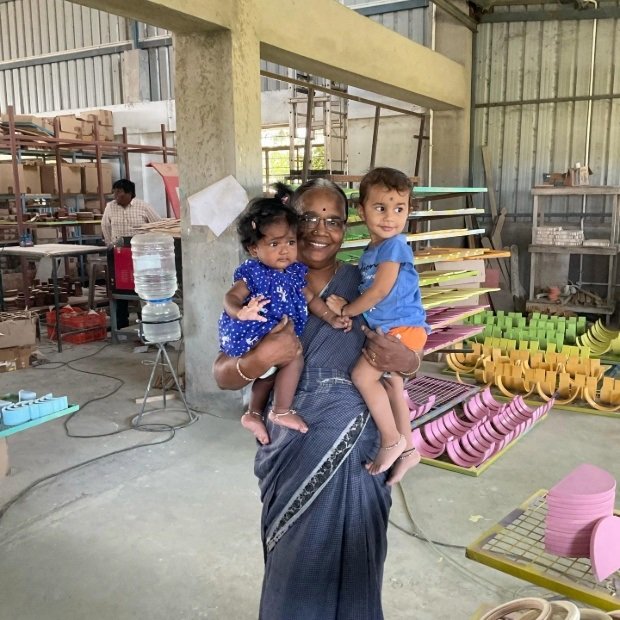
When Kokila K lost her husband at the age of 42, she faced a mountain of challenges. Penniless and with three sons to support, her future seemed uncertain. But today, at 63, Kokila stands as a symbol of resilience and purpose, helming Woodbee Toys—a ₹1 crore wooden toy venture that champions sustainability and empowers rural women.

A Second Chapter Begins

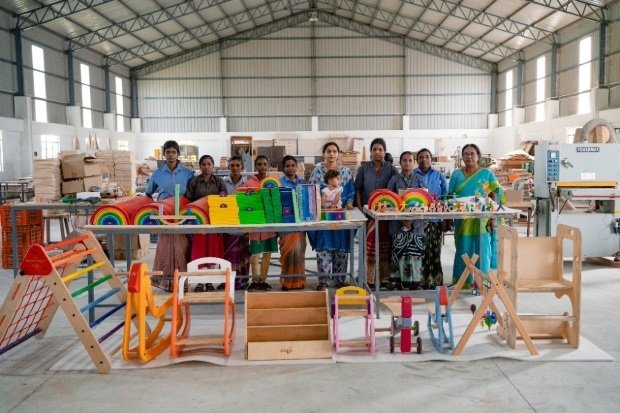
In 2020, at the age of 59, Kokila founded Woodbee Toys in Walajapet, Tamil Nadu, after decades of balancing personal tragedy and professional responsibility. Her company, known for producing over 110 non-toxic, sustainable wooden toys, embodies her belief that it’s never too late to start something meaningful. Her journey highlights how age is just a number when persistence and passion lead the way.

Meet the 63-Year-Old Woman Behind a ₹1 Crore Wooden Toy Venture Empowering Rural Women

Rising from Loss

Kokila’s life changed dramatically when her husband, a pesticide distributor, succumbed to a lung tumor caused by prolonged chemical exposure. Left with mounting medical debts and a modest government salary as a Junior Telecom Officer, she had only ₹200 left after loan deductions. Determined to provide for her family, she took over her late husband’s fumigation and wooden box supply business.

Meet the 63-Year-Old Woman Behind a ₹1 Crore Wooden Toy Venture Empowering Rural Women

After a year and a half, Kokila pivoted away from fumigation—given its role in her husband’s illness—and focused solely on manufacturing wooden boxes. Her daily routine was grueling: juggling factory operations in the morning, her government job during the day, and factory work in the evening.

From Boxes to Toys

Years later, when the COVID-19 pandemic disrupted the export market, Kokila and her family decided to venture into wooden toys. The idea struck Kokila during a market visit where she noticed the dominance of low-quality plastic toys. With her woodworking experience, she and her family began crafting neem wood teethers as a natural, non-toxic alternative to plastic toys.

Meet the 63-Year-Old Woman Behind a ₹1 Crore Wooden Toy Venture Empowering Rural Women

This shift wasn’t just about business; it was personal. Kokila wanted to ensure children, including her grandchildren, had access to safe, sustainable toys. The family’s Instagram-based marketing strategy resonated with parents, rapidly increasing demand for their thoughtful products.

A Family Affair

Woodbee Toys thrives as a family-run enterprise. Kokila’s daughters-in-law play key roles—one manages social media while another oversees product quality. Even her third daughter-in-law, a doctor by profession, contributes passionately. Together, the family channels customer feedback to refine their toys, ensuring every product exceeds expectations.

Empowering Women, Transforming Lives

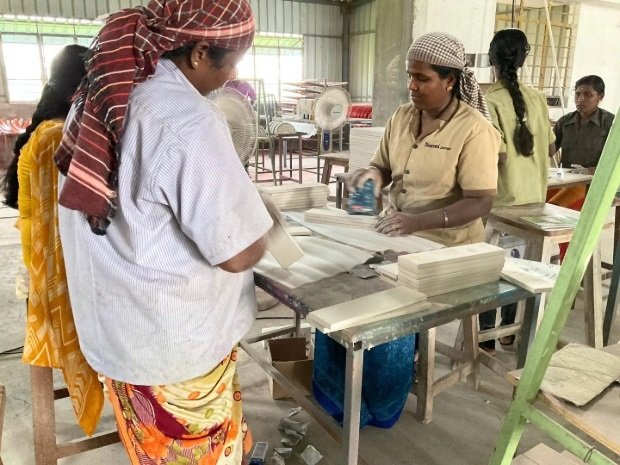
At its core, Woodbee Toys is more than just a business. The venture employs 40–50 people, most of whom are women from nearby villages. Many workers had little to no formal education but, under Kokila’s mentorship, became skilled machine operators.

Meet the 63-Year-Old Woman Behind a ₹1 Crore Wooden Toy Venture Empowering Rural Women

“The women were initially hesitant, but now they’re the first to embrace new challenges,” Kokila shares. This supportive work environment has helped uplift countless families, fostering pride and empowerment among the workforce.

Toys with a Purpose

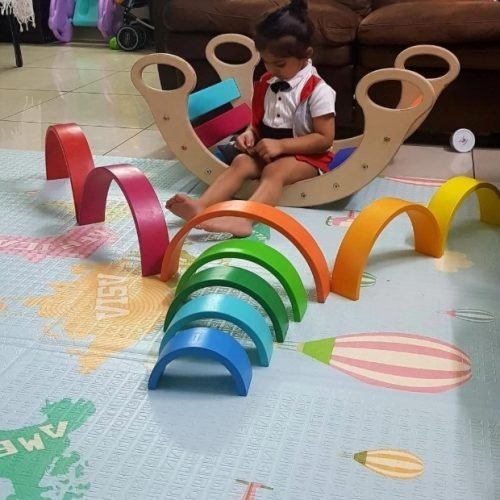
Woodbee Toys prioritizes safety and sustainability. Using untreated neem, pine, and beech woods, along with certified non-toxic paints, the company adheres to rigorous quality standards. The toys are designed for open-ended play, inspired by Waldorf education principles that encourage creativity and imagination.

Customer testimonials highlight the durability and thoughtfulness of the toys. “I’ve been purchasing from Woodbee Toys for three years, and the quality is unmatched. Even after heavy use, the paint hasn’t chipped, and the toys remain in great condition,” says Yunita Almeida, a loyal customer.

Scaling New Heights

With monthly revenues of ₹20–30 lakh, Woodbee Toys produces 10,000–20,000 toys per month. Their products are sold through major retailers like FirstCry, Hamleys, and Funskool, alongside direct sales via Instagram and their website. The company is also exploring global markets, with trial exports to Australia and the USA already underway.

A Legacy of Resilience

For Kokila, Woodbee Toys represents more than financial success—it’s a testament to grit, determination, and the power of community. “Education and knowledge are the greatest assets we have,” she reflects.

As Kokila looks toward the future, she remains committed to innovation, sustainability, and empowering those around her. Her journey is proof that life’s challenges can be stepping stones to greatness, and with purpose and perseverance, anything is possible.

Woodbee Toys is not just a business—it’s a movement, redefining entrepreneurship, sustainability, and empowerment, one wooden toy at a time.

China creates world’s first artificial sun using nuclear fusion

0

China has made a groundbreaking advancement in nuclear fusion technology with its Experimental Advanced Superconducting Tokamak (EAST), often referred to as the country’s “artificial sun.” In a historic achievement, EAST successfully sustained plasma for 1,000 seconds, shattering its previous record of 403 seconds set in 2023. This breakthrough underscores China’s leadership in the global pursuit of sustainable energy solutions.

What is Nuclear Fusion?

Nuclear fusion, the process that powers the sun, involves the merging of atomic nuclei to release immense energy. Unlike nuclear fission—the process used in conventional nuclear reactors that splits atoms—fusion produces energy with minimal environmental risks. It promises a virtually limitless, clean energy source, free from greenhouse gas emissions and with fewer concerns about radioactive waste or material theft.

Achieving fusion on Earth, however, requires extreme conditions, such as temperatures exceeding 100 million degrees Celsius, to maintain the stability of plasma—a state of matter where atomic nuclei and electrons exist separately.

EAST’s Latest Achievement

The recent 1,000-second plasma duration at EAST represents a critical step toward overcoming the challenges of fusion energy. This accomplishment demonstrates the reactor’s ability to sustain the extreme conditions necessary for fusion for extended periods, moving scientists closer to the goal of continuous power generation.

Song Yuntao, director of the Institute of Plasma Physics under the Chinese Academy of Sciences, highlighted the significance of this milestone, emphasizing its potential to maintain stable, long-term energy production in future fusion plants.

Global Implications of Fusion Energy

Fusion energy holds immense promise as a game-changer for global energy systems. It offers the potential to meet rising energy demands sustainably, reduce dependence on fossil fuels, and mitigate climate change. However, one of the key hurdles is achieving ignition—the point where a fusion reactor generates enough energy to sustain the reaction on its own.

While EAST has yet to achieve ignition, the progress signals promising steps toward making fusion energy a practical reality.

Expanding Research and Collaboration

China is now constructing a new generation of experimental fusion research facilities in Anhui Province to further refine and scale fusion energy technology. This effort is expected to accelerate breakthroughs and pave the way for the construction of future fusion power plants.

Song Yuntao also emphasized the importance of international collaboration in the EAST project, inviting global scientists to contribute to and benefit from advancements in fusion research. Such partnerships could accelerate progress toward harnessing fusion energy for global needs.

A Bright Future for Fusion Energy

With the EAST project achieving new milestones, the dream of harnessing nuclear fusion as a clean, sustainable, and nearly limitless energy source feels closer than ever. While challenges remain, the strides made by China’s “artificial sun” shine a light on the future of energy and humanity’s potential to unlock the power of the stars.

Table Tennis, Pickeleball, Snooker & what not: Ahmedabad transforms area under their bridges into sports complex

0

Union Home Minister Amit Shah recently inaugurated a cutting-edge sports complex in Ahmedabad, adding to the city’s growing reputation as a hub for world-class infrastructure. Located near the Science City side of the CIMS Railway overbridge in Gota Ward, North-West Zone, this state-of-the-art facility, built at a cost of ₹3.50 crore by the Ahmedabad Municipal Corporation (AMC), aims to foster athletic excellence and community engagement.

A Hub for Diverse Sporting Activities

The new sports complex boasts facilities for a wide range of sports, including table tennis, box cricket, basketball, pickleball, and volleyball. Additionally, it offers spaces for indoor games such as snooker, chess, ludo, and carrom, catering to enthusiasts across age groups. The complex is expected to play a vital role in encouraging fitness, recreation, and sportsmanship within the community.

Dignitaries in Attendance

After the inauguration, Shah, accompanied by Gujarat Chief Minister Bhupendra Patel and Home and Sports Minister Harsh Sanghavi, toured the complex. Officials provided them with insights into its features as well as details about AMC’s ambitious Iconic Road project, which will connect ISKCON to Pakwan, further enhancing the city’s infrastructure.

A Day of Milestones: 37 Public Welfare Projects

The inauguration was part of a larger eventful day where Amit Shah launched and laid the foundation for 37 public welfare projects across Ahmedabad. With a total investment of ₹651 crores, these include ten completed projects worth ₹95 crores and 27 new initiatives valued at ₹556 crores. These projects span the Ahmedabad East, Ahmedabad West, and Gandhinagar Lok Sabha constituencies, showcasing the city’s rapid developmental strides.

Table Tennis, Pickeleball, Snooker & what not: Ahmedabad transforms area under their bridges into sports complex

Honoring Netaji Subhash Chandra Bose

During the ceremony, Shah paid tribute to Netaji Subhash Chandra Bose on his birth anniversary, highlighting the leader’s immense contribution to India’s freedom struggle and his enduring inspiration to the nation.

Ahmedabad’s Olympic Aspirations

The construction of this sports complex aligns with India’s larger vision of hosting the 2036 Olympics in Ahmedabad, as hinted by the extensive sports facilities being developed across the city. It reflects a commitment to creating Olympic-standard infrastructure, echoing the magnificence of the Sabarmati Sports Complex at the Sabarmati riverfront.

A Bright Future for Sports and Development

With the inauguration of this new sports complex and the launch of numerous development projects, Ahmedabad continues to position itself as a leader in modern urban infrastructure and sports promotion. These initiatives, spearheaded by the AMC and supported by visionary leadership, promise to make the city a beacon of progress and a potential stage for global sporting events.