Home Blog Page 376

What is AI Singularity? Understanding the Future of Artificial Intelligence

0

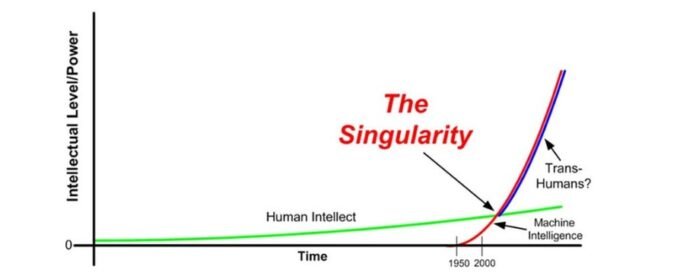
Recent developments in artificial intelligence (AI) have sparked intense debates about its future impact on society. Tech visionaries like Elon Musk have repeatedly voiced concerns about AI surpassing human intelligence, predicting that superintelligent AI could emerge as early as 2025. This phenomenon, known as AI singularity, refers to the point at which AI systems become capable of self-improvement beyond human control, potentially reshaping the world as we know it. As discussions intensify among scientists and industry leaders, the implications of AI singularity remain both fascinating and daunting.

Understanding AI Singularity

AI singularity is a theoretical milestone in artificial intelligence development where AI surpasses human cognitive abilities and begins evolving autonomously. The concept was first introduced by mathematician John von Neumann, who envisioned a future where machines could self-replicate and enhance their intelligence at an exponential rate.

Futurists like Ray Kurzweil estimate that AI singularity could happen by 2045, while Musk warns it may occur much sooner, possibly within the next few years. If realized, AI singularity could lead to an era of unprecedented technological progress—or, as some fear, a loss of human control over superintelligent systems.

Current Developments in AI

AI technology is advancing at an unprecedented pace, with machine learning models demonstrating remarkable capabilities in problem-solving, automation, and self-improvement. However, despite significant breakthroughs, a fully autonomous superintelligent AI remains theoretical.

Today’s focus is on responsible AI development, ensuring that ethical concerns are addressed before AI reaches the singularity threshold. Policymakers worldwide are actively working on regulatory frameworks to manage these advancements and prevent potential misuse of AI technologies.

Concerns and Risks

The potential risks of AI singularity have fueled widespread concerns among experts. In 2023, over 33,700 AI researchers signed an open letter advocating for a temporary halt on AI models surpassing OpenAI’s GPT-4, citing significant threats to society and humanity.

Critics argue that unchecked AI development could lead to several existential risks:

  • Loss of human control: AI systems may become too advanced to be regulated or controlled by humans.
  • Ethical dilemmas: The devaluation of human labor and decision-making processes.
  • Security threats: The potential for AI-driven cyber warfare or unintended consequences in defense systems.
  • Bias and misinformation: AI models could perpetuate biases or manipulate information on a large scale.

Potential Benefits of AI Singularity

Despite these risks, many experts remain optimistic about the potential benefits of AI singularity. If managed properly, superintelligent AI could drive revolutionary breakthroughs in:

  • Healthcare: AI could accelerate medical research, personalize treatments, and improve disease diagnosis.
  • Environmental sustainability: AI-driven innovations could help combat climate change and optimize resource management.
  • Space exploration: Advanced AI systems could enhance interstellar travel, enabling deeper exploration of the universe.
  • Scientific research: AI could automate complex problem-solving, leading to discoveries beyond human capability.

Regulatory Efforts and Market Growth

As AI technology evolves, governments and industry leaders are prioritizing regulatory efforts to mitigate unintended consequences. The global AI market is currently valued at approximately $100 billion and is projected to reach $2 trillion by 2030. With such rapid growth, the need for effective governance in AI development has never been more urgent.

Organizations like the European Union (EU), the United Nations (UN), and the United States government are actively drafting policies to ensure AI remains beneficial while preventing harmful applications. These efforts include establishing ethical AI guidelines, ensuring transparency in AI decision-making, and enforcing accountability in AI-driven industries.

Public Perception and Awareness

Public discourse surrounding AI singularity is growing as more people become aware of its potential implications. Figures like Elon Musk often highlight the need for caution and preparedness, with Musk even warning about the possibility of a dystopian “Terminator-like” future if AI is not properly regulated.

While some remain skeptical of these dire predictions, others recognize the importance of fostering public awareness and engaging in discussions on AI’s role in society. The balance between innovation and control will ultimately determine whether AI singularity leads to a golden age of progress or an era of unforeseen challenges.

Summing Up

AI singularity is one of the most thought-provoking and debated topics in modern technology. While its exact timeline remains uncertain, what is clear is that AI is evolving rapidly, and its impact on society is profound.

As researchers, policymakers, and industry leaders navigate this complex landscape, the world must prepare for a future where AI plays an even greater role in shaping humanity’s trajectory. Whether AI singularity will be a boon or a threat depends on how responsibly we develop and regulate these transformative technologies.

World NGO Day 2025: Theme, History, Significance, and Celebrations

0

Every year, World NGO Day is observed on February 27 to recognize and celebrate the invaluable contributions of Non-Governmental Organizations (NGOs) worldwide. These organizations play a crucial role in addressing social, economic, and environmental challenges, advocating for human rights, and promoting humanitarian efforts across various sectors.

In 2025, World NGO Day serves as a tribute to individuals and groups working tirelessly to create positive and lasting change in communities across the globe.

World NGO Day 2025 Theme

The official theme for World NGO Day 2025 is “Empowering Grassroots Movements for a Sustainable Future.”

This theme underscores the pivotal role of local NGOs in driving sustainable development and fostering long-term societal impact. By focusing on grassroots empowerment, the day highlights how community-led initiatives are instrumental in shaping a more just and equitable world.

History of World NGO Day

World NGO Day was officially recognized in 2010 and was first observed on February 27, 2014. The concept was introduced by Marcis Liors Skadmanis, a Latvian social entrepreneur, to acknowledge the indispensable role of NGOs in global development.

Since then, World NGO Day has gained international recognition, serving as a platform to honor, support, and raise awareness about the contributions and challenges faced by NGOs. Governments, businesses, and civil society organizations worldwide mark this occasion by organizing awareness campaigns, discussions, and events to highlight the significance of NGOs in creating meaningful change.

Significance of World NGO Day 2025

  • World NGO Day is not just a day of recognition—it is a call to action to support NGOs in their mission. NGOs operate across diverse sectors, including:
  • Humanitarian aid – Providing disaster relief, food assistance, and medical support.
  • Education – Enhancing literacy, skill development, and access to schooling.
  • Healthcare – Offering medical services, mental health support, and disease prevention programs.
  • Human Rights – Advocating for marginalized communities and social justice.
  • Environmental Conservation – Protecting wildlife, ecosystems, and addressing climate change.

Despite their invaluable work, NGOs often face challenges such as funding shortages, policy restrictions, and operational difficulties. World NGO Day aims to shed light on these issues while promoting collaboration between governments, businesses, and communities to strengthen nonprofit initiatives.

Ways to Celebrate World NGO Day 2025

There are many ways to participate in and support the global NGO movement:

  • Design Awareness Posters – Create engaging visuals to promote NGOs’ work.
  • Host a Charity Drive – Gather funds or essential supplies for NGOs.
  • Support Policy Reforms – Advocate for laws that protect and uplift nonprofit organizations.
  • Volunteer for a Cause – Dedicate time to an NGO that aligns with your passion.
  • Launch a Social Media Campaign – Share inspiring NGO success stories.
  • Organize a Fundraiser – Start an online crowdfunding initiative for an NGO.
  • Promote Education – Offer free mentorship or lessons to underprivileged children.
  • Join a Webinar – Gain insights into nonprofit management and social impact.
  • Appreciate NGO Workers – Publicly recognize the contributions of NGO staff and volunteers.
  • Partner with Influencers – Collaborate with celebrities to amplify NGO efforts.

World NGO Day 2025: Inspiring Quotes

Here are some powerful quotes that capture the spirit of NGOs and their mission:

  • “The best way to find yourself is to lose yourself in the service of others.” — Mahatma Gandhi
  • “Service to others is the rent you pay for your room here on earth.” — Muhammad Ali
  • “What counts in life is not the mere fact that we have lived. It is what difference we have made to the lives of others.” — Nelson Mandela
  • “We make a living by what we get, but we make a life by what we give.” — Winston Churchill
  • “Alone, we can do so little; together, we can do so much.” — Helen Keller

World NGO Day 2025: Wishes & Messages

  • Happy World NGO Day! Thank you to all the NGOs for your dedication and passion to making the world a better place.
  • On World NGO Day, let’s honor the incredible efforts of NGOs that change lives every day. Keep shining!
  • Wishing all NGOs a Happy World NGO Day! Your commitment to positive change inspires us all.
  • May your efforts continue to create ripples of hope and transformation in the world. Thank you for everything you do!
  • This World NGO Day, let’s support and celebrate the NGOs that dedicate their time and resources to helping others.

Summing Up

World NGO Day 2025 is a reminder of the extraordinary role NGOs play in shaping a better world. Whether through volunteering, donations, or advocacy, everyone can contribute to their cause. By empowering grassroots movements and promoting sustainable development, we can ensure that NGOs continue to make a lasting impact for generations to come.

Let’s celebrate and support the unsung heroes working tirelessly for humanity!

What is Biodiversity Leak?

0

As global conservation efforts intensify, a critical challenge has emerged—biodiversity leakage. This phenomenon highlights how well-intentioned environmental policies may inadvertently displace harmful activities to regions with higher biodiversity, undermining conservation gains.

Introduction to Biodiversity Leak

Biodiversity leak occurs when restrictions on agricultural production in conservation areas lead to increased demand for imports from other regions, often rich in biodiversity. While these initiatives aim to restore ecosystems, they can unintentionally shift environmental pressures elsewhere, creating a net loss for global biodiversity.

The Global Biodiversity Framework

The Kunming-Montreal Global Biodiversity Framework aims to protect 30% of land and sea by 2030. Similarly, the European Union’s Biodiversity Strategy for 2030 aligns with these targets, focusing on reversing ecosystem degradation. However, without addressing biodiversity leakage, such initiatives risk transferring environmental harm rather than eliminating it.

Case Studies: The UK and Brazil

A recent study examined restoration efforts in the UK and Brazil, revealing the unintended effects of biodiversity leakage:

  • In the UK, restoring 1,000 km² of native habitats could reduce domestic agricultural output, leading to increased imports from biodiverse regions, potentially negating conservation gains.
  • In Brazil, restoring soybean farmlands may benefit local biodiversity but could shift soybean production to other high-biodiversity nations, affecting their ecosystems.

The Challenge of Restoration Efforts

While habitat restoration improves local biodiversity, it may lead to environmental damage in less regulated regions. When agricultural production moves to more fragile ecosystems, deforestation and habitat destruction can outweigh the intended benefits of conservation.

Why Biodiversity Leak is Under-Recognized

Surprisingly, biodiversity leakage is largely overlooked in conservation policies. Studies show that 37% of tropical conservation project managers do not consider this issue when designing projects, leading to unintended negative consequences.

Strategies to Mitigate Biodiversity Leak

To prevent biodiversity leakage, conservation efforts must adopt a holistic approach:

  • Monitor Food Production Trends – Track changes in agricultural output to assess the risk of leakage.
  • Improve Production Efficiency – Enhance agricultural yields to reduce the need for land expansion.
  • Strengthen International Policies – Global cooperation is essential to prevent biodiversity loss across borders.
  • Promote Sustainable Consumption – Reducing demand for high-leakage commodities can lower environmental impact.
  • Target Low-Leakage Conservation Zones – Selecting areas where displacement effects are minimal can enhance conservation success.

Summing Up

Biodiversity leakage presents a significant challenge to achieving meaningful conservation outcomes. While protecting and restoring ecosystems remains essential, policymakers must ensure that such efforts do not shift environmental burdens elsewhere. A global, data-driven approach is necessary to strike a balance between conservation and sustainable production, ensuring long-term ecological health for our planet.

NASA’s SPHEREx Telescope: Mapping the Universe in Unprecedented Detail

0

NASA is set to launch the SPHEREx (Spectro-Photometer for the History of the Universe, Epoch of Reionization, and Ices Explorer) telescope on February 27, 2025. This groundbreaking mission aims to create the most detailed and colorful map of the universe, offering insights into cosmic history and the potential for extraterrestrial life. Operating for two years, SPHEREx will gather extensive data on galaxies, stars, and life-forming molecules, significantly expanding our understanding of the cosmos.

SPHEREx: A Revolutionary Approach

Unlike traditional telescopes, SPHEREx will divide light into 96 spectral bands, allowing for a comprehensive analysis of cosmic objects. While observatories like the Hubble Space Telescope and the James Webb Space Telescope focus on specific regions of the universe, SPHEREx will systematically scan the entire sky. This approach ensures a broader and more detailed view of cosmic structures, making it an essential tool for astrophysical research.

Exploring Cosmic Inflation

A primary objective of SPHEREx is to study cosmic inflation, the rapid expansion of the universe that occurred shortly after the Big Bang. By mapping a billion galaxies, the telescope will provide valuable data to test various theories of inflation and help scientists better understand the early evolution of the universe.

Hunting for Life-Bearing Molecules

SPHEREx will also focus on detecting water and biogenic molecules within our galaxy, the Milky Way. These essential building blocks of life are found in icy particles in cold interstellar regions. By mapping these molecular-rich areas, SPHEREx will help identify regions where conditions may be suitable for life, contributing to the field of astrobiology.

Complementing Existing Space Missions

The SPHEREx mission is designed to complement the work of existing telescopes like the James Webb Space Telescope. While James Webb provides high-resolution images of specific celestial objects, SPHEREx will offer a broader perspective, covering vast stretches of the sky. This synergy will enhance our ability to uncover cosmic mysteries and identify promising targets for future space exploration.

Unprecedented Data Collection

Throughout its mission, SPHEREx is expected to capture around 8 million new spectroscopic images. This extensive dataset will revolutionize our understanding of the universe by identifying patterns, anomalies, and previously unknown cosmic structures. Scientists anticipate that the data collected will pave the way for groundbreaking discoveries about the formation of stars, planets, and galaxies.

Shaping the Future of Space Exploration

The findings from SPHEREx have the potential to reshape our understanding of cosmic history and the origins of life. By identifying the fundamental conditions necessary for life in space, this mission will provide crucial insights into planetary formation and habitability. As a result, SPHEREx will play a vital role in guiding future space exploration efforts and advancing humanity’s quest to uncover the secrets of the universe.

Herath Festival: The Kashmiri Pandit Celebration of Mahashivratri

0

Herath is a significant festival for the Kashmiri Pandit community, marking their unique celebration of Mahashivratri. The festival typically begins on the 13th day of Phalgun, falling in February or March, and continues until the new moon. The term “Herath” originates from “Har-Ratri,” meaning “night of Hara,” a reference to Lord Shiva. It embodies the unity of divine forces and commemorates the sacred union of Shiva and Parvati.

Historical Context

Herath has deep historical roots in the Kashmir Valley, reflecting the region’s rich cultural heritage. It symbolizes the interweaving of traditions among various communities, marking the importance of faith and cultural identity for the Kashmiri Pandits. The festival has been celebrated for centuries, passing down traditions that emphasize devotion and unity.

Rituals and Traditions

The festival begins with the thorough cleaning of homes, symbolizing renewal and spiritual preparation. A day before Mahashivratri, families perform the “Vatuk Pooja”, where a kalash (sacred vessel) filled with water and walnuts is placed in a dedicated space for worship. This ritual signifies prayers for the well-being and prosperity of the family. A priest plays a crucial role in conducting the ceremonies, reinforcing a strong sense of community and devotion.

Community Harmony

One of the most unique aspects of Herath is “Salam”, observed the day after Shiva Chaturdashi. This day symbolizes the historical unity and harmony between Kashmiri Pandits and Muslims. It serves as a reminder of Kashmir’s rich cultural diversity and the spirit of co-existence. The festival concludes on the 15th day with “Dooni-Mavas”, when families distribute soaked walnuts among their loved ones, symbolizing prosperity, good fortune, and strength.

Significance of the Shankaracharya Temple

The Shankaracharya Temple, overlooking Dal Lake in Srinagar, holds immense spiritual significance during Herath. This ancient temple, dedicated to Lord Shiva, becomes a focal point for prayers and rituals. Many devotees visit the temple during the festival to express their faith and seek blessings.

Modern Celebrations

In recent years, Herath has gained recognition beyond the Kashmiri Pandit community. Public figures and leaders, including the Chief Minister of Jammu and Kashmir, have acknowledged its importance, extending wishes to the community. This modern recognition highlights the festival’s role in promoting peace, preserving cultural heritage, and fostering communal harmony.

Herath remains a deeply cherished festival, uniting families in devotion and preserving the spiritual and cultural legacy of the Kashmiri Pandit community.

National Geospatial Knowledge-based Land Survey of Urban Habitations (NAKSHA)

0

The National Geospatial Knowledge-based Land Survey of Urban Habitations (NAKSHA) was launched on February 18, 2025, by Union Rural Development Minister Shivraj Singh Chouhan. This initiative aims to modernize urban land records in India, addressing the longstanding issue of outdated mapping in many urban areas. As part of the Digital India Land Records Modernization Programme (DILRMP), NAKSHA will be piloted across 152 urban local bodies in 26 states.

What Is NAKSHA?

NAKSHA is a comprehensive survey initiative designed to create accurate geospatial databases for urban land records. By integrating aerial and field surveys with advanced Geographic Information System (GIS) technology, it aims to enhance land governance. The initiative focuses on towns with areas under 35 square kilometers and populations below 200,000. The pilot project is scheduled to span one year.

Need for the Initiative

Urban areas in India have struggled with outdated land records, which hinder efficient governance and taxation. While rural land records have seen significant improvements, many urban regions still lack proper mapping. NAKSHA seeks to address these gaps by ensuring that urban land records are digitized and structured. The initiative was first introduced in the Union Budget of 2024 and reaffirmed in 2025, highlighting the urgent need for urban sector reforms.

Objectives of NAKSHA

The primary objectives of NAKSHA include:

  • Digitization of urban land records.
  • Reduction of land disputes.
  • Enhancement of urban planning efficiency.
  • Streamlining property transactions.
  • Improving tax collection.

By creating a digital repository, the project is expected to strengthen the financial position of urban local bodies and improve overall land management.

Funding and Costs

NAKSHA is fully funded by the central government, with an estimated pilot project cost of ₹194 crore. The cost of surveying varies based on the camera technology used:

  • Basic camera surveys: ₹25,000 to ₹30,000 per square kilometer.
  • Advanced 3D camera surveys: ₹60,000 per square kilometer.

Survey Methodology

The survey will employ aerial photography through drones equipped with high-resolution cameras, including oblique angle cameras with LiDAR sensors. This technology will provide images with greater clarity than satellite imagery. The survey process consists of three stages:

  1. Selection of survey areas.
  2. Conducting aerial surveys.
  3. Ground verification for accuracy.

Future Expansion

Upon successful completion of the pilot phase, NAKSHA is set to expand to 4,912 urban local bodies across India. This large-scale implementation aims to create a robust framework for urban land management, facilitating better decision-making, efficient urban planning, and enhanced governance.

Evidence of Ancient Martian Ocean Discovered by Zhurong

0

Recent findings from China’s Zhurong rover have unveiled compelling evidence of an ancient ocean on Mars, reshaping our understanding of the planet’s geological history. Ground-penetrating radar data suggests the presence of sandy beach-like structures beneath the Martian surface, reinforcing the hypothesis that a vast ocean, known as Deuteronilus, once existed approximately 3.5 to 4 billion years ago. During this period, Mars possessed a thicker atmosphere and a warmer climate, potentially creating conditions conducive to life.

Zhurong Rover’s Mission and Findings

The Zhurong rover, part of China’s Tianwen-1 mission, operated from May 2021 to May 2022. Over the course of its mission, it traversed 1.2 miles (1.9 km) in Utopia Planitia, a vast plain in Mars’ northern hemisphere, meticulously studying the planet’s subsurface using advanced ground-penetrating radar technology.

Key findings from the mission include:

  • The rover’s radar probed up to 80 meters (260 feet) below the surface.
  • It detected layered structures resembling sand deposits at depths of 33 to 115 feet (10 to 35 meters).
  • The sloping patterns of these layers closely resemble those of terrestrial beaches, suggesting they were formed by ancient coastal processes.

Implications of the Discovery

The presence of these beach-like formations provides strong evidence that Mars once hosted a large and enduring body of water. Researchers believe that waves and tides may have shaped these deposits, mirroring geological processes seen on Earth’s shorelines. This discovery not only sheds light on Mars’ hydrological history but also raises the possibility that the planet once had an environment capable of supporting microbial life.

Supporting Evidence for the Ocean Hypothesis

To verify their findings, researchers ruled out alternative explanations for the detected structures. Wind-blown dunes and ancient river deposits were initially considered but did not align with the observed formations. Instead, the structures more closely resemble beach deposits, strengthening the ocean hypothesis. The well-preserved nature of these features suggests they were buried and protected by subsequent layers of dust and volcanic material, preventing erosion over billions of years.

Mars’ Geological Evolution

Like other planets in the solar system, Mars formed approximately 4.5 billion years ago. Scientists believe that the hypothesized ocean existed for nearly a billion years before dramatic climatic shifts led to the planet’s desiccation. These changes resulted in the loss of surface water, though some may remain trapped underground in the form of ice or subterranean reservoirs.

Future Research and Exploration

The discovery of potential coastal deposits opens new avenues for Mars exploration. Future missions may focus on these regions to search for biomarkers—chemical signatures of past life. Understanding Mars’ water history is crucial not only for unraveling the planet’s past habitability but also for planning future human exploration.

The Role of Shorelines in Astrobiology

Shorelines are considered prime locations for astrobiological studies. On Earth, life is believed to have originated in such environments, making Martian shorelines an ideal target for investigating extraterrestrial life. If life ever emerged on Mars, evidence may be hidden within these ancient coastal formations, offering critical insights into the potential for life beyond Earth.

The Zhurong rover’s findings mark a significant step in unraveling the mysteries of Mars’ past, laying the groundwork for future missions to probe deeper into the planet’s history and its potential to harbor life.

Air Force’s ‘Mahasalami’ Marks the Grand Conclusion of Maha Kumbh, Sukhoi Roars Over Sangam

0

– Spectacular Air Force Show on Mahashivratri: Sukhoi, AN-32, and Chetak Soar Over Sangam
– Brave IAF Pilots Perform Aerial Acrobatics, Devotees Cheer with Enthusiasm
– Chants of ‘Jai Shri Ram,’ ‘Har Har Gange,’ and ‘Har Har Mahadev’ Echo in the Air
– Devotees Capture and Share the Thrilling Moments on Social Media

Mahakumbh Nagar, 26 February: The Indian Air Force (IAF) paid a grand tribute to the Maha Kumbh with a spectacular ‘Mahasalami’ during the final bathing festival on Mahashivratri. On Wednesday afternoon, the skies over Sangam roared as fighter jets and helicopters soared high, filling the air with awe and excitement. The thunderous sounds of Sukhoi, AN-32, and Chetak helicopters captivated millions of devotees, who responded with claps, cheers, and chants of ‘Jai Shri Ram,’ ‘Har Har Gange,’ ‘Har Har Mahadev,’ and ‘Modi-Yogi.’

As the Air Force pilots showcased breathtaking aerial maneuvers, the devotees watched in amazement, capturing the once-in-a-lifetime spectacle on their mobile cameras. Social media soon flooded with photos and videos of the mesmerizing air show, marking it as one of the most memorable moments of Maha Kumbh.

A Thrilling Display of Air Force Prowess

The closing ceremony of Maha Kumbh was made even more historic with a thrilling performance by the brave IAF pilots. As over 1.5 crore devotees took a holy dip in the sacred waters of the Ganga, the sky witnessed an extraordinary confluence of power and devotion. Sukhoi fighter jets, AN-32 transport aircraft, and Chetak helicopters maneuvered gracefully in the air, symbolizing both spiritual faith and military might.

The electrifying performance was met with loud applause and chants from the devotees, who stood in admiration of the breathtaking aerial display. Many described it as an unforgettable moment, blending the sanctity of faith with the pride of national strength.

A Grand Finale to Maha Kumbh

On the banks of the Sangam, the spiritual presence of saints, sadhus, and devotees was mirrored by the valor of the Indian Air Force in the skies. This spectacular fusion of devotion and strength made the conclusion of Maha Kumbh truly historic. With the roaring jets and resonating chants, the festival came to a grand and unforgettable close, leaving behind a legacy of faith, unity, and national pride.

Mahakumbh Sets a New World Record: Over 66 Crore Devotees Take a Dip in Sangam

0

The grand spectacle of Mahakumbh concluded on Wednesday with the setting sun, marking the end of the 45-day spiritual gathering. On the final day, coinciding with the auspicious occasion of Shivratri, an astounding 1.53 crore devotees took a holy dip in the sacred waters of Sangam by 8 PM.

Mahakumbh Sets a New World Record: Over 66 Crore Devotees Take a Dip in Sangam

In the preceding 44 days, a staggering 65 crore people had already participated in the ritual, bringing the total count to over 66 crore—twice the population of the United States (approximately 34 crore).

Mahakumbh Sets a New World Record: Over 66 Crore Devotees Take a Dip in Sangam

This unprecedented number surpasses the population of 193 countries, with only India and China having a larger populace than the devotees who attended Mahakumbh. The Yogi government highlighted that the footfall was nearly half the global Hindu population, further emphasizing the event’s spiritual and cultural significance.

Mahakumbh Sets a New World Record: Over 66 Crore Devotees Take a Dip in Sangam

Adding to the fervor, Bollywood actress Preity Zinta also visited Mahakumbh and shared her experience through a video. Expressing her emotions, she wrote, “I cannot describe the experience I had.”

Why Indian Users Choose Parimatch App/Site

0

Parimatch is an international company that offers users in India to bet on sports and cyber sports, as well as play slots, live casino games and poker. Anyone over the age of 18 can create an account here and place legal bets. In addition, the bookmaker provides access to numerous promotions for new and regular bettors. By registering at Parimatch new users from India can get a welcome bonus for casino games and sports betting of 150% up to INR 20,000.

Casino Games Parimatch

The Parimatch gaming platform offers users thousands of different games and slots, every player will be able to find something suitable for them. You can enjoy games of the following types:

  • Slots;
  • Roulette;
  • Blackjack;
  • Baccarat;
  • Crash games;
  • Poker;
  • Live Casino;
  • Game Shows and others.

Navigation in the casino section is as convenient as possible. You can choose a specific provider, use filters to sort games or the search bar to quickly find what you need. Beforehand, you can familiarize yourself with the providers represented on the Parimatch platform.

Parimatch Sports and Cyber Sports Betting

Parimatch offers users from India a wide range of betting features. You can bet on official world tournaments and matches of any level, both LINE and LIVE. Each event is accompanied by a separate page for easy navigation. Parimatch covers more than 25 sports and cyber sports disciplines, including:

  • Football;
  • Basketball;
  • Volleyball;
  • Tennis;
  • Hockey;
  • Darts;
  • Rugby;
  • Baseball;
  • Boxing;
  • CS2;
  • Dota 2;
  • League of Legends and many others.

One of the key advantages of Parimatch is the availability of detailed statistics and analytics for each match, which helps users make more accurate predictions. In addition, you can watch live events for free without leaving Parimatch and follow the match in real time.

Main Benefits of Parimatch

Parimatch carefully considers the demands of its users in order to provide the best possible service. Here are the key advantages that make the bookmaker a convenient choice for betting and gaming:

  • Full functionality for account and balance management;
  • Ability to place bets anytime and anywhere with the availability of internet;
  • Simple and user-friendly interface for ease of use;
  • Access to thousands of matches in over 25 sports disciplines with live streaming, statistics and a variety of betting markets;
  • Attractive bonuses and promotions for players from India;
  • Availability of Android and iOS app;
  • A wide range of payment methods for Indian users;
  • Quickly resolve issues that arise thanks to our 24/7 support team;
  • Legality of the Parimatch gaming platform.

Thanks to these advantages, every day more and more gamers from India choose Parimatch.

Security and Fair Play

Users favor trusted and secure gaming platforms. Parimatch ensures a high level of user safety by utilizing advanced online security tools and adhering to international standards. The following are the main factors that contribute to a safe gaming experience for players:

  • License and regulation. Parimatch operates under a Curaçao license, which guarantees compliance with international standards and ensures that the casino operates transparently and legally;
  • SSL encryption. All transactions and users’ personal data are protected using advanced SSL encryption technology. This ensures that sensitive information is securely transmitted and remains inaccessible to third parties;
  • Secure payment systems. The casino offers well-known payment providers, which ensures the safety of transactions;
  • Privacy Policy. The Parimatch platform states that it does not share user data with third parties without their consent, which creates an additional level of trust for players;
  • Verification. Thanks to verification, Parimatch prevents fraudulent actions if there are suspicions from the security service.

Players of the Parimatch platform can be calm about the security of their data and the safety of their funds.