Home Blog Page 364

Holi Special Story: When Lord Dwarkadhish Travelled From Dwarka to Pali’ Jhitda

0

Nestled in the village of Jhitda, in Pali, Rajasthan, lies an ancient temple dedicated to Lord Dwarkadhish. According to legend, the deity was so pleased with the devotion of Kubaji Maharaj that he accompanied him to Jhitda on Dhulandi, the second day of Holi. This divine event has since been commemorated with a grand fair and religious festivities.

The village is home to the revered Janrai temple of Radha-Krishna and Lord Dwarkadhish, which has stood for over a century. On the second day of Holi, devotees believe that Lord Dwarkadhish leaves his abode in Dwarka to visit Jhitda. In recognition of this, a sign is placed in Dwarka, stating that the Lord has departed for Jhitda.

The celebrations in Jhitda begin with a grand procession. On Dhulandi, the palanquin of Lord Dwarkadhish sets out from the Janrai temple and makes its way to the village pond. It is believed that when the water level rises by one and a quarter hands, it signifies the divine presence of Lord Dwarkadhish in Jhitda. The festivities continue throughout the day, drawing thousands of devotees. By evening, the grand procession returns to the temple, marking the conclusion of the sacred journey.

Kevalprasad Maharaj, also known as Kubaji Maharaj, was a saint from the Kumawat community and a devout follower of Lord Dwarkadhish. It is said that Lord Janrai himself appeared before him in Jhitda, granting him divine blessings. Despite never traveling to Dwarka, Kubaji Maharaj bore the sacred symbol of Dwarka on his hand. Miraculously, he even emerged unharmed after being buried in the soil, further solidifying his spiritual significance.

On the day of Dhulandi, devotees from far and wide gather in Jhitda to witness the divine presence of Lord Dwarkadhish. Since the Lord is believed to be in Jhitda on this day, pilgrims receive the same spiritual merit here as they would in Dwarka. The event culminates with the return of Dwarkadhish’s Rewari (procession) to the Janrai temple, amidst great reverence and celebration.

This annual tradition continues to uphold the deep spiritual connection between Jhitda and Dwarkadhish, making it a sacred destination for countless devotees.

Holi 2025 OTT Watchlist: Must-Watch Releases on Netflix, Prime Video, JioHotstar, Zee5, and More on this long weekend

0

As Holi 2025 approaches, streaming platforms are set to deliver an exciting lineup of movies and series, making the festive long weekend a perfect time to indulge in entertainment. From action-packed thrillers to animated adventures and intense political dramas, this Holi season has something for everyone. Whether you prefer edge-of-the-seat storytelling or lighthearted family dramas, here’s a curated list of must-watch releases on OTT platforms.

1. Emergency (Netflix – March 17, 2025)

Kangana Ranaut’s much-discussed political drama, Emergency, finally makes its way to Netflix. The film, which portrays the controversial Emergency period in India under Prime Minister Indira Gandhi, faced delays before its theatrical release in January 2025. While it received mixed-to-negative reviews and underperformed at the box office, Emergency is expected to find a new audience on OTT, providing an insightful take on one of India’s most debated historical events.

2. Ponman (Netflix – March 14, 2025)

This Malayalam-language dark comedy, directed by Jothish Shankar, was a sleeper hit in theaters. Based on GR Indugopan’s novel Naalanchu Cheruppakar, Ponman follows an unconventional narrative filled with wit and gripping drama. The film, featuring Basil Joseph, Sajin Gopu, and Lijomol Jose, is known for its exceptional performances and engaging storyline. Shot in the scenic locales of Kollam, this critically acclaimed film is a must-watch for fans of regional cinema.

3. Moana 2 (JioHotstar – March 14, 2025)

Disney’s beloved adventurer returns in Moana 2, bringing another thrilling journey across the ocean. Following its billion-dollar box office success, the animated sequel is set to make its digital debut on JioHotstar. While the soundtrack may not surpass the original, the film promises breathtaking visuals, new challenges, and heartwarming moments as Moana and Maui set out to discover the lost island of Motufetu.

4. Agent (Sony LIV – March 14, 2025)

The much-delayed OTT release of Agent is finally happening on Sony LIV. The 2023 Telugu-language spy thriller starring Akhil Akkineni faced setbacks due to its poor box office performance. However, with its high-octane action sequences and thrilling espionage elements, Agent is still worth a watch for fans of the genre. After missing its initial digital premiere, the film is ready to find a new audience on streaming.

5. Vanvaas (ZEE5 – March 14, 2025)

This emotionally charged family drama, starring veteran actor Nana Patekar and Utkarsh Sharma, is set to make its digital debut on ZEE5. Following its theatrical release in December 2024, Vanvaas quickly became a favorite among audiences for its gripping storyline and powerful performances. To build excitement, ZEE5 recently unveiled a fresh poster for the film, hinting at its much-anticipated streaming release.

6. Anora (JioHotstar – March 17, 2025)

Winner of multiple Academy Awards, Anora is a gripping tale of love, ambition, and conflict. The story follows a Brooklyn stripper, played by Mikey Madison, who becomes entangled in a whirlwind romance with the son of a Russian oligarch. As their relationship escalates, unexpected twists turn their lives upside down. Featuring a stellar cast, including Mark Eidelstein and Yuri Borisov, Anora is a must-watch for fans of intense drama and award-winning storytelling.

More Recent Releases to Explore:

  • Dabba Cartel (Netflix – February 28, 2025) – A thrilling drama packed with crime and suspense.
  • Naadaniyan (Netflix) – A lighthearted comedy perfect for family viewing.
  • Doo Pahiya (Amazon Prime) – A heartwarming family-friendly film.
  • Be Happy (Amazon Prime Video) – An uplifting tale of self-discovery and happiness.

With this diverse lineup of films and series, the Holi 2025 long weekend promises a binge-worthy celebration. Whether you’re looking for a compelling political thriller, a delightful animated adventure, or an intense drama, these OTT releases have something special to offer. Grab your colors, gather your loved ones, and get ready for an entertaining Holi weekend!

ALSO READ: Must-Watch Political Crime Thrillers on OTT: Hathya, Suzhal The Vortex, Jai Bhim, Scoop, and More on Netflix, Prime Video, SonyLIV

Jowar, Ragi & More: The Millets That Help India Stay Cool in Summer

0

When the summer heat peaks, we instinctively reach for cold drinks and air-conditioned spaces. But what if the secret to staying cool lies not in modern comforts but in our traditional diet? Millets, once a staple in Indian households, have long been valued for their ability to regulate body temperature while offering a wealth of nutrients. As temperatures soar, it’s time to revisit these cooling superfoods and embrace their benefits.

Why Millets for Summer?

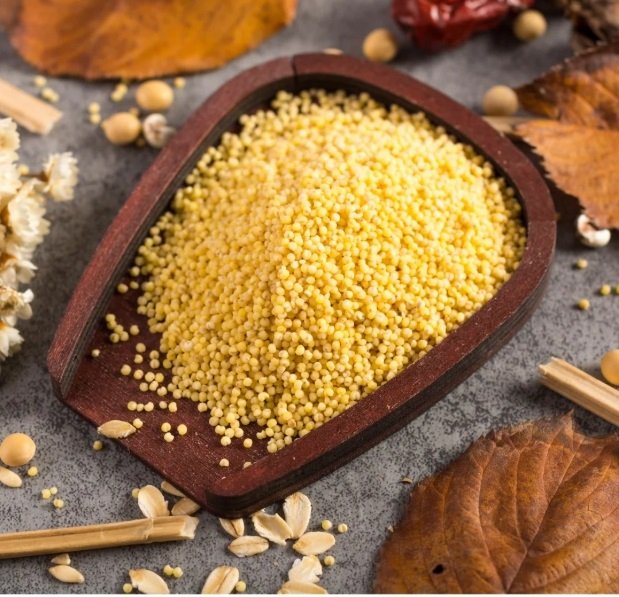
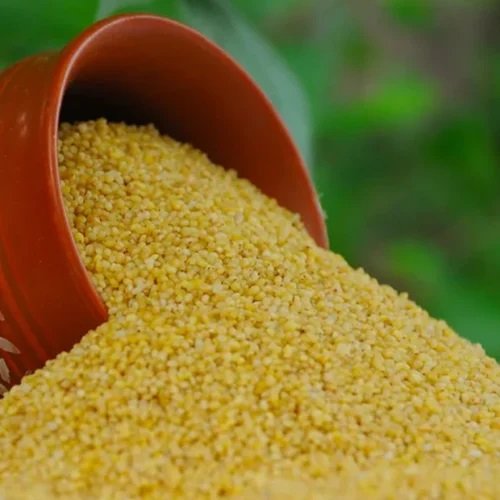
Millets are naturally rich in fibre, essential minerals, and antioxidants. They aid digestion, prevent dehydration, and help in maintaining optimal body temperature. Unlike wheat and rice, these ancient grains are light on the stomach and promote long-lasting energy without spiking blood sugar levels. Let’s explore five powerhouse millets that are perfect for summer meals.

Jowar, Ragi & More: The Millets That Help India Stay Cool in Summer

1. Sorghum (Jowar)

Jowar is a gluten-free grain packed with fibre, which aids digestion and keeps the gut healthy. Its neutral taste makes it a versatile addition to various dishes.

  • How to Eat: Prepare soft Jowar rotis and pair them with cooling curd-based curries or vegetable sabzi. Alternatively, a refreshing Jowar salad with cucumbers, tomatoes, and lemon dressing makes for a light and hydrating meal.

2. Foxtail Millet (Kangni)

Foxtail millet is easily digestible and rich in complex carbohydrates, providing sustained energy without causing heat buildup in the body.

  • How to Eat: Toss cooked Kangni into a millet salad with seasonal greens and a tangy vinaigrette. For breakfast, a chilled Kangni porridge topped with nuts and honey offers a nutritious and cooling start to the day.

3. Kodo Millet

Kodo millet is known for its high protein and fibre content, keeping you full while supporting digestion. Its mild flavor blends seamlessly into a variety of dishes.

  • How to Eat: Try Kodo millet upma with mustard seeds, curry leaves, and fresh vegetables. You can also substitute it for rice in a yogurt rice dish, garnished with pomegranate seeds and coriander for added freshness.

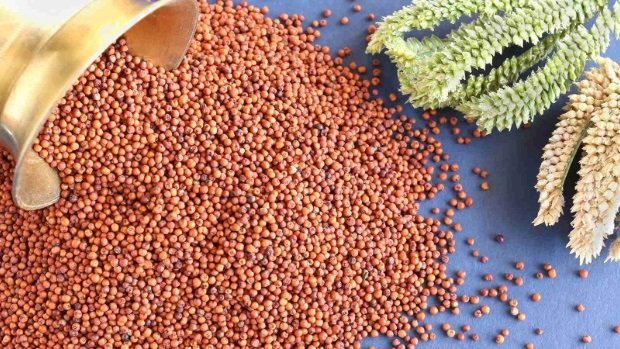
4. Finger Millet (Ragi)

Ragi is a calcium-rich millet packed with essential amino acids. While generally considered a warming grain, it can be prepared in cooling ways to suit summer diets.

  • How to Eat: A chilled Ragi malt drink made by mixing Ragi flour with water or milk, sweetened lightly, offers instant refreshment. Ragi dosas, paired with coconut chutney, make for a light yet nourishing meal.

5. Barnyard Millet

Barnyard millet has a low glycemic index and high fibre content, making it a great choice for maintaining blood sugar levels and overall digestion.

  • How to Eat: Cooked barnyard millet can be used in a nutritious pilaf with sautéed vegetables and herbs. A simple bowl of steamed barnyard millet tossed with olive oil and summer vegetables provides a quick and wholesome meal.

Embracing Tradition for a Healthier Summer

Incorporating these millets into your summer diet not only helps regulate body temperature but also reduces dependence on heavily processed foods. By experimenting with millet-based dishes, you can enjoy flavorful, nutrient-rich meals while staying naturally cool. This summer, let’s return to our roots and rediscover the wisdom of our ancestors—one wholesome bite at a time.

40 Years, 5 Million Lives: The Movement That Redefined Children’s Rights in India

0

The Legacy of CRY: Transforming Children’s Lives Through Collective Action

In 1979, soaring high above the clouds as an Air India purser, Rippan Kapur had an epiphany that would change his life—and the lives of millions of children in underserved communities. Realizing his true calling lay on the ground, he founded CRY (Child Rights and You), an initiative that has since grown into one of India’s most impactful child welfare organizations. Over the past four and a half decades, CRY has reached approximately 4.7 million children across 20 Indian states, working tirelessly to protect their rights in education, health, nutrition, and labor.

A Community-Centric Approach to Change

CRY operates on a deep-rooted belief: change requires a collective effort. The organization collaborates with parents, teachers, Anganwadi workers, communities, and local governments to create lasting improvements. This approach has helped thousands of children overcome barriers that once seemed insurmountable.

Take Anaya (name changed), for example. A few years ago, education was a distant dream for her. Orphaned young and left in the care of her grandparents after her father abandoned her, Anaya faced an impossible challenge: enrolling in school without an Aadhaar card or legal guardianship. CRY intervened, assisting her grandparents with legal formalities, and in 2022, she officially secured her right to education. Today, she recites multiplication tables with confidence, a testament to the power of timely intervention.

Sanjana (11) found a different path to empowerment. When the COVID-19 pandemic strained her family’s finances, she began learning karate at a CRY-supported center. Soon, she competed in the 7th International Karate Tournament and won gold in the 25kg Kumite category. Now, she dreams of joining the Indian Army, determined to protect others just as she was protected.

The Power of Volunteering

“Their stories remind us that while challenges arise, so does hope,” shares Isha Kalra, a CRY volunteer since 2022. Volunteering, she says, is more than just time investment; it is a deeply personal journey of growth and purpose.

Anupama Muhuri, who leads CRY’s national volunteering program, echoes this sentiment. After 15 years with the organization, she acknowledges that while reaching every child in India is an ambitious goal, working with grassroots partners makes it feasible. CRY strengthens these organizations, ensuring sustainable change through systematic intervention.

Instead of offering temporary relief, CRY builds robust support systems. Their approach is holistic, placing children at the center of concentric circles—their immediate families, communities, and broader social policies. “We intervene at all these levels,” Anupama explains. By mapping challenges like malnutrition, child marriage, and school dropouts against national statistics, CRY sets its benchmarks higher than the national average.

A Modern Approach to Volunteering

Recognizing that today’s youth seek flexible, impactful engagement, CRY has adapted its volunteer model based on a 2024 research study. Findings revealed that 46% of participants preferred hybrid volunteering, blending online and in-person involvement. Additionally, 54.8% of respondents cited confidence and self-esteem as key motivators.

For Isha, the benefits went beyond personal growth. “Teaching children, sharing laughter, and bonding with fellow volunteers enriched my well-being. The flexibility of CRY’s model allowed me to balance my professional commitments with giving back,” she says.

CRY’s network of 10,000 volunteers is proof that collective effort can drive real change. And it’s not just about direct child interaction—volunteers contribute through content creation, designing, corporate outreach, and community engagement.

Everyone Can Be a CRY Champion

For many, CRY has been a household name. Anupama recalls her childhood memories of buying CRY-branded greeting cards, her parents explaining how the proceeds supported children in need. Years later, she now plays a pivotal role in the organization she once admired from afar.

The impact of CRY’s work is evident in numbers: in the past year alone, 2,34,246 children enrolled in school thanks to their initiatives. Yet, the challenge remains vast. A recent Times of India report highlighted a distressing reality—43% of rural children aged 14-18 struggle to read a basic sentence. CRY is determined to change this narrative.

A Legacy That Lives On

Rippan Kapur’s journey started humbly, with just Rs 50 pooled together by six friends at a dining table. CRY’s first office was a garage, but his passion and vision propelled it into a national movement.

His legacy is not just in policies or numbers, but in moments of joy and transformation. One of the most heartwarming stories recalls how Rippan once brought in a team of British clowns to stage a travelling show called Circus Magic, bringing smiles to impoverished children. His belief was simple yet powerful: collective action can overcome any obstacle.

Rippan dreamed of a world where every child had the freedom to dream big. Now, the question remains: will you help make those dreams come true?

Volunteer at CRY today and be a part of this revolution in child rights.

Why Some Walk on Fire & Others Build Pyres: The Many Ways India Burns Holika

0

The Holika Dahan ritual varies across India—from circular and pyramid pyres to fire-walking traditions. Here’s the science and cultural significance behind it.

As Holi approaches, the air fills with excitement—colours, music, and the scent of festive sweets. But before the vibrant celebrations begin, an important ritual takes place: Holika Dahan, the symbolic burning of Holika. While the essence of the tradition remains the same across India, the way different regions conduct this ritual varies widely. Ever wondered why?

A Fire That Tells a Story

Holika Dahan is an auspicious ritual that features a ceremonial bonfire accompanied by singing, dancing, and chanting of hymns. It signifies the triumph of good over evil, a theme deeply rooted in Hindu mythology.

According to legend, Holika, the sister of the demon king Hiranyakashipu, attempted to burn his son, Prahlad, who was a devout follower of Lord Vishnu. However, divine intervention saved Prahlad while Holika perished in the flames. This event symbolizes the victory of righteousness, but the method of burning differs from region to region, influenced by cultural beliefs and scientific reasoning.

The Scientific and Cultural Logic Behind the Ritual

1. Circular vs. Pyramid Arrangements

In North India, particularly in states like Uttar Pradesh and Bihar, Holika pyres are stacked in a circular formation, symbolizing unity and continuity. In contrast, Gujarat and Maharashtra favor pyramid-like structures, signifying elevation above negativity. The shape of the pyre affects how the fire spreads, influencing its symbolic meaning in each region.

2. The Significance of Direction

Communities across India follow different traditions regarding the direction from which the pyre is lit. Many believe that lighting the fire from the east welcomes prosperity, as the sun rises from this direction. Conversely, some regions, especially in Rajasthan, ignite the flames from the west, a practice believed to burn away past troubles and negative energies.

3. Local Elements in the Firewood

Different regions incorporate unique elements into their Holika Dahan fires:

  • Punjab: Dried cow dung cakes, symbolizing sustenance, are thrown into the flames.
  • Bengal: Neem leaves, known for their medicinal properties, are added to cleanse the air.
  • Madhya Pradesh: Stalks of newly harvested wheat are burned as a thanksgiving gesture for a good harvest.

4. Walking Through Fire

One of the most striking traditions associated with Holika Dahan is fire-walking. Observed in villages across Rajasthan, Gujarat, and Chhattisgarh, this ritual sees devotees walk barefoot over burning embers. It is believed that fire-walking grants wishes and absolves individuals of sadness and misfortunes. People of all ages, including children, participate in this age-old practice, reinforcing their faith and resilience.

More Than Just a Ritual

Holika Dahan is more than just a religious practice; it is a fascinating blend of faith, science, and cultural heritage. Many believe that the fire serves a practical purpose by purifying the air, killing bacteria and insects that thrive during the seasonal transition from winter to summer.

Moreover, the diverse ways in which Holika Dahan is celebrated reflect India’s regional customs, agricultural traditions, and spiritual beliefs. Whether through towering pyres or daring fire-walks, each variation of the ritual carries a deeper significance, uniting communities in celebration and devotion.

So, the next time you watch the flames rise, take a moment to appreciate the rich traditions and scientific wisdom behind this timeless festival—a festival that continues to bring people together in faith and festivity.

Holi 2025: Why Do We Celebrate Holi? History, Significance, and Festivities of the Festival of Colours

0

Holi, also known as the “Festival of Colours,” is one of the most joyous and vibrant festivals celebrated in India and across the world. This festival signifies the arrival of spring, the triumph of good over evil, and the deep-rooted cultural traditions of love, unity, and joy. In 2025, Holika Dahan, also known as Choti Holi, will be observed on Thursday, March 13, followed by the grand celebration of Holi on Friday, March 14. But have you ever wondered why Holi is celebrated? Let’s explore its history, significance, and the ways it is celebrated across different regions.

The Mythological Origins of Holi

Holi has its roots in Hindu mythology, with two prominent legends associated with its celebration:

The Legend of Prahlad and Holika

One of the most well-known stories associated with Holi is that of King Hiranyakashipu, his devoted son Prahlad, and his sister Holika. Hiranyakashipu, a powerful king who had received a boon making him nearly invincible, demanded that everyone worship him. However, his son, Prahlad, remained a devoted follower of Lord Vishnu, refusing to obey his father. Enraged by Prahlad’s defiance, Hiranyakashipu ordered his sister Holika to burn him alive. Holika, who had a magical cloak that made her immune to fire, sat on a burning pyre with Prahlad. However, in a divine twist, the cloak protected Prahlad instead, and Holika perished in the flames. This event symbolizes the victory of good over evil and is commemorated through the ritual of Holika Dahan, where bonfires are lit on the eve of Holi.

The Story of Radha and Krishna

Another popular legend behind Holi revolves around the eternal love between Lord Krishna and Radha. As per mythology, Krishna, who had a dark complexion, worried that Radha, who was fair-skinned, would not accept him. His mother, Yashoda, playfully suggested that he apply colours to Radha’s face to erase their differences. Krishna took her advice, and thus began the tradition of smearing colours on loved ones, which has become the hallmark of Holi celebrations.

Significance of Holi

Holi is more than just a festival of colours; it carries deep cultural and spiritual significance:

  • Victory of Good Over Evil: The story of Holika and Prahlad teaches the importance of righteousness and faith.
  • Celebration of Love and Unity: Inspired by Radha and Krishna’s playful romance, Holi fosters love, joy, and togetherness.
  • End of Winter, Arrival of Spring: Holi marks the changing seasons, welcoming new beginnings and agricultural prosperity.
  • Social Harmony: The festival breaks barriers of caste, class, and social status, encouraging people to embrace each other with colours and friendship.

How is Holi Celebrated?

Holi is celebrated with immense enthusiasm across India and in many parts of the world. The celebrations typically unfold in two parts:

Holika Dahan (Choti Holi) – March 13, 2025

On the night before Holi, people gather around bonfires to perform rituals symbolizing the burning of negativity and evil forces. The flames represent purification, and families offer prayers for prosperity and happiness.

Rangwali Holi (Main Celebration) – March 14, 2025

On the day of Holi, streets and homes are filled with a burst of colours as people play with gulal (coloured powders), water balloons, and pichkaris (water guns). Music, dance, and joyous gatherings define the spirit of the festival. Some of the unique traditions include:

  • Lathmar Holi in Barsana and Nandgaon: Women playfully chase men with sticks, recreating the legend of Radha and Krishna.
  • Basant Utsav in West Bengal: Holi is celebrated with cultural performances, music, and traditional abir (dry colours).
  • Royal Holi in Rajasthan: Palaces and heritage sites host grand celebrations with folk music, dance, and colourful festivities.

Holi Delicacies and Festive Treats

Holi is incomplete without its special festive delicacies. Some of the must-have treats include:

  • Gujiya: A sweet dumpling filled with khoya, nuts, and dry fruits.
  • Malpua: A deep-fried pancake soaked in sugar syrup.
  • Thandai: A refreshing milk-based drink infused with nuts and spices.
  • Dahi Bhalla: A savory snack made of lentil dumplings served with curd and chutneys.

Holi Across the Globe

With its growing popularity, Holi is now celebrated in different parts of the world, including the USA, UK, Canada, Australia, and Nepal. Events featuring music, dance, and colour play bring together people from diverse backgrounds, spreading the joyous spirit of the festival globally.

Summing Up

Holi is more than just a festival of colours; it is a celebration of love, unity, and the victory of good over evil. Whether you enjoy splashing colours, relishing festive sweets, or simply soaking in the festive spirit, Holi brings people together in a beautiful display of joy and harmony. As we prepare to celebrate Holi 2025 on March 14, let’s embrace the essence of the festival by spreading happiness and positivity!

Wishing you a Happy and Colourful Holi 2025! 🎨✨

YUVIKA 2025: ISRO’s Young Scientist Programme for Space Enthusiasts

0

Is your child fascinated by space, rockets, and satellites? Do they dream of becoming an astronaut or a space scientist? If so, here’s an incredible opportunity! The Indian Space Research Organisation (ISRO) has opened registrations for YUVIKA 2025, its prestigious Young Scientist Programme, designed to give students hands-on exposure to space science and technology.

What is YUVIKA?

YUVIKA (YUva VIgyani KAryakram) is an exclusive educational initiative by ISRO, aimed at nurturing young minds and igniting their passion for space research. Targeted at students currently in Class 9, this programme introduces them to cutting-edge space technology, applications, and scientific advancements in an engaging and interactive way.

As part of ISRO’s ‘Catch Them Young’ mission, YUVIKA seeks to inspire the next generation of scientists and engineers to pursue careers in STEM (Science, Technology, Engineering, and Mathematics). The best part? ISRO fully sponsors the programme, covering accommodation, food, and study materials for all selected students.


Who Can Apply?

The programme is open to Class 9 students (as of 1 January 2025) studying in any school across India. Selection is based on a student’s academic performance and extracurricular achievements, with preference given to students from rural areas.


Important Dates to Remember

  • Announcement of the programme: 24 February 2025
  • Registration begins: 24 February 2025
  • Registration closes: 23 March 2025
  • First selection list announcement: 7 April 2025
  • Reporting to ISRO centres: 18 May 2025 (or as notified by ISRO)
  • Programme duration: 19 to 30 May 2025
  • Send-off date: 31 May 2025

Selection Process: How Are Students Chosen?

ISRO will evaluate applicants based on multiple criteria to ensure a fair and merit-based selection process. The selection is weighted as follows:

  • Class 8 academic performance: 50%
  • Performance in ISRO’s Online Quiz: 10%
  • Participation in Science Fairs (School/District/State/National level, past three years): 2-10%
  • Rank in Olympiads (School/District/State/National level, past three years): 2-5%
  • Winners in Sports Competitions (1st-3rd place at School/District/State/National level, past three years): 2-5%
  • Participation in Scouts/Guides/NCC/NSS (past three years): 5%
  • Students from Rural or Panchayat Area Schools: 15%

Where Will the Programme Take Place?

Selected students will visit one of ISRO’s prestigious research centres for an immersive learning experience. The seven ISRO centres hosting YUVIKA 2025 are:

  1. Indian Institute of Remote Sensing (IIRS), Dehradun
  2. Vikram Sarabhai Space Centre (VSSC), Thiruvananthapuram
  3. Satish Dhawan Space Centre (SDSC), Sriharikota
  4. UR Rao Satellite Centre (URSC), Bengaluru
  5. Space Applications Centre (SAC), Ahmedabad
  6. National Remote Sensing Centre (NRSC), Hyderabad
  7. North-Eastern Space Applications Centre (NE-SAC), Shillong

Travel & Expenses: Fully Sponsored by ISRO

ISRO will cover all expenses, including lodging, food, and study materials. Additionally, travel costs will be fully reimbursed, with students eligible for:

  • Second AC train fare or AC Volvo bus fare (from their nearest railway station/bus terminal to the assigned ISRO centre and back).
  • Reimbursement upon submission of original travel tickets.

How to Apply?

Parents, this is a golden opportunity to help your child take a giant leap toward a future in space science! Interested students must register online via ISRO’s official website before 23 March 2025.

For more details and registration, visit ISRO’s official website today. Don’t miss this once-in-a-lifetime opportunity!


Conclusion

The YUVIKA 2025 programme is an incredible initiative by ISRO to inspire and educate young minds about space science and technology. With hands-on training, expert guidance, and real-world exposure, students will gain invaluable insights into the fascinating world of space exploration. If your child has a passion for the cosmos, YUVIKA is the perfect platform to turn their dreams into reality!

Happy Holi 2025: Wishes, Messages & Greetings to Share with Loved Ones

0

Holi, the festival of colours, is a time of joy, togetherness, and vibrant celebrations. Falling on Friday, March 14, 2025, this festival marks the triumph of good over evil, inspired by the legendary tale of Prahlad. Across the country, people celebrate Holi by smearing colours, exchanging sweets like Gujiya, and spreading happiness.

To make your Holi even more special, we have compiled a collection of heartfelt wishes, images, messages, and greetings that you can share with your friends and family on WhatsApp, Facebook, and other social media platforms.

Holi 2025 Wishes & Greetings

  1. May this Holi bring you vibrant colours of joy, love, and prosperity! Wishing you a happy and safe Holi! 🌸🎨✨
  2. Let’s fill this Holi with sweet memories, endless laughter, and the brightest colours! Have a joyous and colourful Holi! 🌈🥳
  3. May your Holi be filled with bright hues of happiness, love, and good health. Wishing you and your family a wonderful festival of colours! 🌸💖
  4. This Holi, let’s forget all grudges and embrace each other with warmth and love! Happy Holi to you and your family! 🤗🌸
  5. Holi is the time to celebrate friendship, love, and new beginnings. Wishing you a Holi as vibrant as your spirit! 🌈💫
  6. As you splash colours on your friends and family, may your life be filled with shades of happiness and success! Happy Holi! 🎉🎨
  7. May this festival of colours brighten your life with joy, peace, and good fortune. Happy Holi to you and your loved ones! 🥰✨
  8. Holi is not just about colours but about togetherness, love, and happiness. Have a colourful and safe Holi! 🌸🌿
  9. May the colours of Holi paint your life with happiness, laughter, and prosperity! Wishing you a joyful Holi! 🌈🎊
  10. Just like the colours of Holi, may your life be filled with endless joy and positivity! Have a fantastic Holi celebration! 🥳🎨

Holi 2025 Messages for Friends & Family

  1. Let’s celebrate Holi with enthusiasm, positivity, and lots of colours! Wishing you a vibrant and joyful Holi, my dear friend! 🎉🌿
  2. May the splashes of colour brighten your life with laughter, love, and unforgettable memories. Happy Holi to you and your family! 🎨💖
  3. Let’s drench each other in colours of happiness and joy. May this Holi bring love, peace, and prosperity into your life! 🌈💞
  4. Wishing you and your family a Holi filled with love, laughter, and colours as bright as your smile! 🌸🥳
  5. The beauty of Holi is in forgetting past troubles and embracing the joy of the present. Have a wonderful and colourful Holi! 🎊🌿
  6. Holi is a time to celebrate love, unity, and togetherness. May this festival bring endless happiness into your life! Happy Holi! 🌈💫
  7. May your heart be filled with happiness and your life with the vibrant colours of Holi! Have a wonderful celebration! 🎉💖
  8. As you throw colours in the air, let them bring endless joy and success into your life! Wishing you a fantastic Holi celebration! 🌈✨
  9. Let’s play Holi with natural colours and make unforgettable memories with our loved ones. Wishing you a safe and happy Holi! 🎊🌿
  10. Wishing you a Holi filled with love, laughter, and colours that brighten your day and bring positivity into your life! 💖🌸

Happy Holi 2025 Status for WhatsApp & Facebook

  1. “Holi is the day to express love with colours. It is time to show affection and happiness.” Wishing you a joyful and colourful Holi! 🎨✨
  2. Let the colours of Holi bring peace, happiness, and prosperity to your life. Enjoy the festival to the fullest! 🌸💖
  3. “Holi is not just about colours; it’s about spreading love, laughter, and positivity.” Wishing you a fun-filled and safe Holi! 🌈🥳
  4. Celebrate this festival with enthusiasm and warmth. May the colours of Holi brighten your days ahead. Happy Holi! 🎊🌿
  5. Life is more fun when you add colour to it. This Holi, let’s spread joy and happiness all around! Have a wonderful Holi! 🌈💞
  6. Holi is a reminder that good always triumphs over evil. May your life be filled with positivity and success! 🌸✨
  7. Let’s fill our hearts with love and our hands with colours. Wishing you a Holi as bright as your dreams! 🎨💖
  8. This Holi, take a moment to appreciate the beauty of life, the joy of friendship, and the magic of colours! 🌈🥳
  9. Splash into the colours of joy and happiness. May this Holi bring you good fortune and great memories. Happy Holi! 🎊🌿
  10. Holi is the time to break free from worries and celebrate life with colour, music, and happiness. Enjoy the festival!

This Holi, spread love, happiness, and positivity by sharing these wonderful wishes, messages, and greetings with your loved ones. Wishing you a Holi filled with colours, laughter, and endless joy! 🌸🎨🥳

World Pi Day: Celebrating the Magic of Mathematics

0

Every year on March 14th, mathematicians, scientists, and enthusiasts worldwide celebrate World Pi Day. This special day is dedicated to honoring the mathematical constant π (pi), a number that has fascinated scholars for centuries. The date—3/14—corresponds with the first three digits of pi (3.14), making it the perfect occasion to acknowledge its significance in mathematics, science, and everyday life.

What is Pi?

Pi (π) is an irrational number, meaning it has an infinite number of non-repeating decimal places. It represents the ratio of a circle’s circumference to its diameter and is approximately equal to 3.14159. Pi is used extensively in geometry, trigonometry, physics, and engineering, playing a crucial role in calculations involving circles and curves.

The Origins of Pi Day

Pi Day was first celebrated in 1988, thanks to physicist Larry Shaw, who worked at the Exploratorium in San Francisco. Since then, it has grown into an international event, with schools, universities, and research institutions organizing activities such as pi recitation contests, math challenges, and even pie-eating competitions—because who can resist the pun between pi and pie?

Why is Pi Important?

Pi is more than just a number; it is a fundamental part of our universe. It appears in equations related to waves, planetary motion, electrical currents, and quantum mechanics. Scientists use pi to calculate planetary orbits, engineers rely on it for structural designs, and even artists find inspiration in its infinite nature.

Fun Ways to Celebrate Pi Day

Whether you’re a math enthusiast or just someone who enjoys a good excuse to eat pie, there are plenty of ways to celebrate Pi Day:

  • Memorizing Pi: Test your memory by trying to recall as many digits of pi as possible. The world record is over 70,000 digits!
  • Baking and Eating Pie: Since “pi” sounds like “pie,” many people bake and enjoy delicious pies in honor of the day.
  • Math Challenges: Schools and universities host math puzzles and trivia contests to engage students in mathematical exploration.
  • Learning About Pi’s History: Explore the contributions of great mathematicians like Archimedes, Euler, and Ramanujan, who made significant discoveries about pi.
  • Watching Educational Videos: Documentaries and online videos about pi help deepen understanding of its applications in real-world science and technology.

Beyond Pi Day: The Beauty of Mathematics

While Pi Day is a great way to celebrate mathematics, it also serves as a reminder of the beauty and importance of numbers in our daily lives. Mathematics is the foundation of modern technology, from computing and cryptography to space exploration and artificial intelligence.

Conclusion

World Pi Day is more than just a celebration of a mathematical constant—it is a tribute to human curiosity, discovery, and innovation. Whether you’re solving equations, enjoying a slice of pie, or simply appreciating the wonders of math, Pi Day offers something for everyone. So, on March 14th, take a moment to marvel at the infinite nature of pi and its remarkable presence in the universe!

75/25 Initiative for Hypertension and Diabetes

0

In 2023, the Government of India launched the “75/25” initiative on World Hypertension Day. This initiative aims to provide standardised care to 75 million individuals living with hypertension and diabetes by December 2025. As of March 2025, 42.01 million individuals have received treatment for hypertension, and 25.27 million for diabetes. This achievement reflects a commitment to address the rising prevalence of non-communicable diseases (NCDs).

Non-Communicable Diseases

Non-communicable diseases include hypertension, diabetes, and various cancers. They pose health burden globally. The National Programme for Prevention and Control of Non-Communicable Diseases (NP-NCD) was initiated in India in 2010. This programme aims to reduce the incidence of NCDs through early detection and treatment.

Key Features of the NP-NCD Programme

The NP-NCD employs a multifaceted strategy. This includes population-based screening for individuals aged 30 and above. Opportunistic screening is also conducted at all healthcare levels. The programme provides support for accurate diagnosis and cost-effective treatment options. Teleconsultation services enhance access to healthcare. A dedicated National NCD Portal monitors NCD statistics and trends.

Recent Screening Campaign

Recently, the Ministry of Health launched a nationwide NCD Screening Campaign. This campaign aims for 100% screening of individuals aged 30 and above by March 31, 2025. It is conducted across various healthcare facilities under the NP-NCD framework. Data collection and performance management are key components of this initiative.

Government Commitment and Resources

The Union Health Ministry has committed resources to combat NCDs. This includes the operationalisation of over 150,000 Health and Wellness Centres (HWCs). The government emphasises the importance of lifestyle changes and community participation in health promotion. This reflects a broader effort to integrate healthcare with societal well-being.

Future Directions

The focus on prevention is paramount. The government aims to ensure that at least 80% of diagnosed individuals receive treatment. Engaging the private sector and academic institutions is essential for achieving these goals. A comprehensive approach that includes lifestyle changes is critical for reducing the burden of NCDs.