Home Blog Page 348

Places to visit: Chidiya Tapu, A Haven for Nature Enthusiasts and Bird Watchers

0

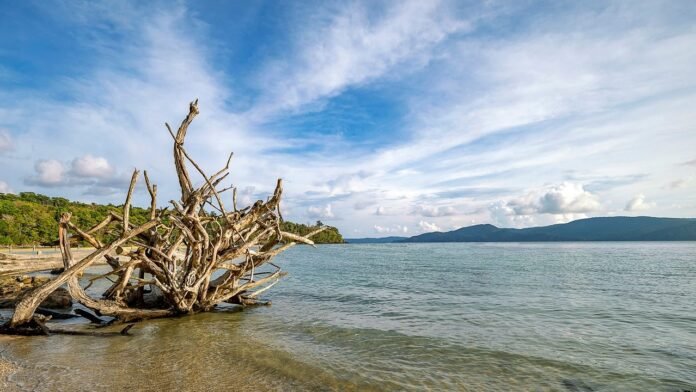
Nestled on the southernmost tip of South Andaman Island, approximately 28 kilometres from Sri Vijaya Puram, Chidiya Tapu, also known as ‘Bird Island,’ is a sanctuary where nature and history converge. This picturesque haven, once believed to be sacred ground for the indigenous Jarawa tribe, now offers an enchanting mosaic of experiences. With emerald forests on one side and dramatic cliffs on the other, its horseshoe-shaped beach and the turquoise waters of the Andaman Sea provide a constant lullaby to all who visit.

A Journey Through Nature’s Canvas

The journey to Chidiya Tapu is as breathtaking as the destination itself. Whether you hire a cab or opt for a self-driven trip from Sri Vijaya Puram, the road winds through lush greenery and offers glimpses of untouched natural beauty. As you approach this unspoiled haven, the rhythmic rustling of mangroves and the calls of exotic birds hint at the wonders that lie ahead.

A Kaleidoscope of Flora and Fauna

Chidiya Tapu is renowned for its rich biodiversity. With over 45 species of exotic birds, including the Andaman Woodpecker, Andaman Drongo, Andaman Bulbul, and Andaman Treepie, the skies come alive with a burst of colours and melodies. The mangrove forests add an air of mystique, while the indigenous flora flourishes, creating an ecosystem that is as vibrant as it is delicate.

The Mystical Allure

Visitors often describe an ethereal charm as they step onto Chidiya Tapu’s serene grounds. The air seems to carry whispered stories of ancient mysteries, captivating hearts and revitalizing spirits. It is a place where time slows down, allowing one to bask in the tranquil embrace of nature.

Golden Sands and Mesmerising Sunsets

One of the most enchanting experiences at Chidiya Tapu is witnessing the sunset. As the sun dips below the horizon, it paints the sky with hues of gold, pink, and crimson. The golden light dances upon the water, creating a magical scene that lingers in memory long after the day is done. It is the perfect way to unwind and let nature’s beauty wash away the worries of the day.

Beyond Observation: Immersive Experiences

Chidiya Tapu offers more than just observation; it provides an immersive experience. The Chidiya Tapu Biological Park is a treasure trove of the island’s unique flora and fauna. Visitors can marvel at the gentle Aldabra tortoises and the vibrant Andaman Green Pigeon. For thrill-seekers, water sports such as snorkelling and scuba diving offer a glimpse into the vibrant marine life beneath the waves. Collecting unique seashells serves as a tangible token of an unforgettable visit.

Exploring Nearby Wonders

Chidiya Tapu is surrounded by several attractions that enrich the travel experience.

  • Munda Pahar Lighthouse: A short trek leads to this hilltop lighthouse, offering panoramic views of the Andaman Sea.
  • Cellular Jail: A stark reminder of India’s colonial past, this historical site provides deep insights into the country’s struggle for freedom.
  • Kalapathar Beach: Known for its dramatic black volcanic rocks, this beach offers a unique visual spectacle.
  • Wandoor Beach: With its pristine beauty, Wandoor is perfect for those seeking tranquillity.

Timings

  • Opening Time: 09:00 AM
  • Closing Time: 04:00 PM

Summing Up

Chidiya Tapu is more than just a destination; it is an experience where nature’s wonders and historical whispers come together. From the lush greenery and vibrant birdlife to mesmerizing sunsets and thrilling water activities, this haven offers something for everyone. As you wander through its serene pathways and explore its rich biodiversity, you carry home not just memories but also a renewed connection with nature.

Places to visit: Naida Caves, A Maze of Wonder

0

Mysterious, shadowy, and shrouded in history and legend, the Naida Caves in Diu offer a unique experience that transcends the ordinary. These captivating caves weave an intriguing tale of time, where myths and reality converge. Some believe the caves are man-made, while others attribute their formation to natural forces. Whatever the origin, their mystique remains unmatched.

A Historical Enigma

During the Portuguese colonial era, Diu Fort served as a formidable stronghold. Legend has it that the Portuguese extracted building materials from these very caves to construct the fort. Over time, natural wear and tear sculpted the present form of the caves, featuring a maze of tunnels with square-hewn steps. Whether shaped by human hands or nature’s whims, Naida Caves stand as silent witnesses to centuries gone by.

Ethereal Ambiance

As you step into the Naida Caves, an overwhelming sense of otherworldliness envelops you. The irregular ground surface, interconnected tunnels, and hidden grottoes create an intricate maze waiting to be explored. The caves invite visitors to lose themselves in their winding pathways, where every turn reveals a new surprise.

Portuguese Legacy

The Portuguese legacy echoes within these limestone walls. The fort’s construction materials, pilfered from the caves, left behind troughs and crests that define the cave’s contours. These rocky textures and patterns bear testament to the rich colonial history embedded in Diu’s cultural fabric.

Timings

  • Opening Time: 08:00 AM
  • Closing Time: 06:00 PM

Entrances and Pathways

Some entrances boast proper rectangular steps, guiding visitors through the rocky terrain. Others reveal wide openings, inviting explorers to venture deeper. Red arrows etched into the stone act as guides, helping visitors navigate this subterranean wonder.

A Historical Puzzle

Naida Caves’ enigmatic past fuels endless curiosity. Were they a secret refuge or a clandestine meeting place? Local folklore suggests that during Operation Vijay, when the Indian Army launched an offensive to seize control of Diu, several Portuguese soldiers hid in these caves. The whispers of time remain locked within these rugged walls, waiting for those curious enough to listen.

A Photographer’s Paradise

For shutterbugs, Naida Caves offer a visual feast. Sunlight filtering through crevices illuminates the rugged surfaces, creating a mesmerizing interplay of light and shadow. Every corner offers a perfect shot, making it a dream destination for photographers.

An Escape from the Ordinary

Amid Diu’s sun-kissed beaches and ancient forts, Naida Caves provide a tranquil escape into the unknown. Their cool, damp interiors offer respite from the scorching sun, inviting contemplation and wonder.

Other Attractions in Diu

Diu is more than just Naida Caves. Here are some must-visit attractions that complement the dramatic beauty of the caves:

  • Diu Fort: Built in the 16th century by the Portuguese, this impressive structure offers panoramic sea views and houses old cannons and a lighthouse.
  • Gangeshwar Temple: Located about 3 km from Diu town, this temple is famous for its five shivlings situated amidst rocks on the seashore, washed by sea waves.
  • St. Paul’s Church: Known for its exquisite baroque architecture, this 17th-century church is dedicated to Our Lady of Immaculate Conception.
  • INS Khukri Memorial: Honoring the crew of the INS Khukri, an Indian naval ship that sank during the Indo-Pakistani War of 1971.
  • Diu Museum: Situated inside St. Thomas Church, this museum displays antique statues, ancient stone inscriptions, wooden carvings, shadow clocks, and other artifacts.
  • Zampa Gateway: A historic landmark featuring a medieval-era chapel inside the gateway.
  • Jalandhar Shrine: Perched on a hill near the beach, this shrine is linked to the demon Jalandhar and offers splendid views.
  • Chakratirth Beach: A well-maintained beach near the town center, perfect for relaxing and watching sunsets.
  • Ghoghla Beach: Known for its golden sand and various water sports activities, this less crowded beach offers tranquility.
  • Simbor Beach: Near the Gujarat border, this pristine beach is celebrated for its scenic beauty.

A Testament to Resilience and Transformation

As the Arabian Sea whispers its secrets to the rocky shores, Naida Caves stand as a testament to resilience and transformation. Whether crafted by man or nature, these caverns invite us to explore, imagine, and connect with the past. A visit to these caves is not just a journey through tunnels of rock but a passage through time itself.

Pondicherry: A Timeless Blend of French Charm and Indian Spirit

0

Introduction

Pondicherry: A Timeless Blend of French Charm and Indian Spirit

Pondicherry, or Puducherry, is a coastal paradise on India’s southeastern coast. A former French colony, this charming town blends colonial elegance with Tamil vibrancy. From tranquil beaches to vibrant streets lined with pastel-hued houses, Pondicherry offers a unique escape into a world where history, culture, gastronomy, and relaxation converge.

A Glimpse into History

Pondicherry’s history is a fascinating tale of conquests and cultural amalgamation. Originally a trading port for the Romans and later occupied by the Portuguese, Dutch, and British, it was the French who left the most lasting imprint. In 1674, the French East India Company established a trading center here, shaping its architecture, culture, and governance. The town remained under French rule until 1954, when it was integrated into independent India. Today, its distinct French Quarter, with mustard-colored villas and European-style streets, stands as a testament to its colonial past.

Pondicherry: A Timeless Blend of French Charm and Indian Spirit

The People and Culture

Pondicherry’s population is a harmonious blend of Tamil locals, Franco-Tamil communities, and expatriates. The town exudes an air of cultural coexistence, where French bakeries sit next to South Indian eateries, and colonial churches stand alongside ancient Hindu temples. The Aurobindo Ashram and Auroville reflect a deep spiritual ethos, drawing seekers from around the world. The people here are warm, welcoming, and deeply connected to their heritage.

Places to Visit

1. The French Quarter

Take a stroll through the cobbled streets of White Town, where colonial buildings, cafés, and boutiques transport you to a different era. Don’t miss the Rue de la Marine and the Notre Dame des Anges Church.

2. Promenade Beach

This scenic waterfront stretch is perfect for an early morning walk or an evening unwind. Highlights include the War Memorial, Mahatma Gandhi statue, and old lighthouse.

3. Auroville

Founded in 1968 by Mirra Alfassa, Auroville is an experimental township dedicated to human unity. Visit the iconic Matrimandir, a golden sphere that serves as a meditation center.

4. Sri Aurobindo Ashram

Established by Sri Aurobindo and The Mother, the ashram is a haven for spiritual seekers. Visitors can explore the peaceful courtyards and attend meditation sessions.

5. Paradise Beach

Accessible via a short boat ride, Paradise Beach offers pristine sands and azure waters—ideal for relaxation and water sports.

6. Basilica of the Sacred Heart of Jesus

This Gothic-style church, known for its stunning stained-glass panels, is a must-visit for history and architecture enthusiasts.

7. Botanical Garden

Established by the French in 1826, the garden boasts rare plant species, a musical fountain, and a serene green space for a refreshing escape.

Things to Do

  • Cycle around White Town: Rent a bicycle and explore the picturesque streets at your own pace.
  • Café-hopping: Enjoy authentic French pastries and coffee at Café des Arts, Baker Street, or Le Café by the sea.
  • Water sports: Try kayaking, scuba diving, or jet skiing at Serenity Beach.
  • Shopping: Pick up handmade candles, Auroville products, and chic French-inspired souvenirs at local markets.
  • Sunset at Ousteri Lake: A beautiful spot for birdwatching and scenic boat rides.

Gastronomy: A Culinary Fusion

Pondicherry’s cuisine is a delightful blend of French, Tamil, and global influences. From street food to fine dining, the town offers a feast for food lovers.

  • French Cuisine: Enjoy buttery croissants, quiches, and coq au vin at La Maison Rose and Villa Shanti.
  • South Indian Delicacies: Relish dosa, idli, and filter coffee at Surguru or Adyar Ananda Bhavan.
  • Creole Flavors: Experience Franco-Tamil fusion dishes like curried crab and coconut-flavored fish curry at Carte Blanche.
  • Seafood Delights: Savor fresh prawns, lobster, and fish cooked in a variety of styles at The Promenade and Le Pondy.
  • Auroville’s Organic Cafés: Try healthy, farm-to-table meals at Naturellement Café or the Solar Kitchen.

A Perfect 3-Day Itinerary

Day 1: Exploring the Colonial Charm

  • Breakfast at Café des Arts
  • Stroll through White Town and visit the Notre Dame des Anges Church
  • Explore Sri Aurobindo Ashram
  • Lunch at Coromandel Café
  • Visit the Promenade Beach for a relaxed evening
  • Dinner at Villa Shanti

Day 2: Auroville and Nature’s Retreat

  • Morning meditation at Matrimandir (pre-booking required)
  • Explore Auroville and its artisan workshops
  • Lunch at Auroville’s Solar Kitchen
  • Visit the Botanical Garden
  • Sunset at Ousteri Lake
  • Dinner at Tanto Pizzeria

Day 3: Beach Fun and Local Experiences

  • Early morning at Paradise Beach
  • Breakfast at Le Café
  • Try water sports at Serenity Beach
  • Explore the vibrant local markets
  • Lunch at Surguru for authentic Tamil cuisine
  • Visit Basilica of the Sacred Heart of Jesus
  • Wrap up with a quiet evening at Rock Beach

Conclusion

Pondicherry is a timeless blend of colonial charm, spiritual serenity, coastal beauty, and culinary delights. Whether you’re a history enthusiast, a beach lover, or a food connoisseur, this town promises an unforgettable experience. Plan your trip, immerse yourself in its enchanting streets, and let Pondicherry’s magic unfold before you.

Before & After: 5 Powerful Photos That Show How Indians Are Reversing Water Scarcity

0

Water scarcity is one of India’s most pressing challenges, but amidst the crisis, there are stories of resilience, determination, and innovative solutions. Across the country, individuals and communities have turned barren lands into thriving ecosystems through traditional wisdom and modern conservation techniques. Here are five extraordinary before-and-after stories that showcase the power of collective action in revitalizing India’s water resources.

1. Patqapara Village’s Pond Restoration: A Revival of Lost Water Bodies

Before & After: 5 Powerful Photos That Show How Indians Are Reversing Water Scarcity

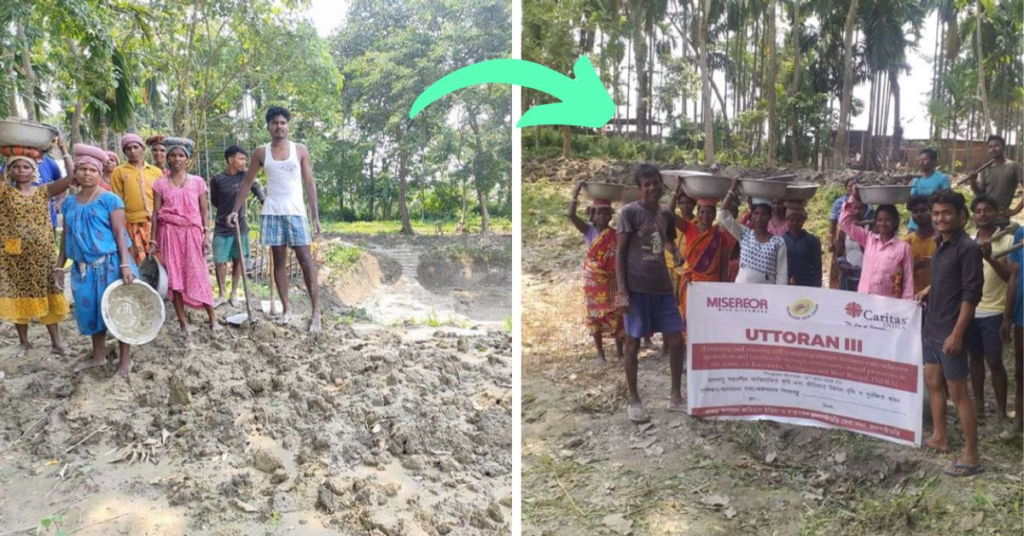
Before: Patqapara, a remote village in West Bengal, suffered from acute water shortages. Its once-abundant ponds had dried up, leading to a decline in agricultural output and forcing villagers to rely on erratic rainfall.

After: In collaboration with NGOs, the villagers took matters into their own hands. They restored 15 neglected ponds by removing silt and deepening them, allowing them to store more water. These rejuvenated ponds now ensure year-round water availability for farming and fishery activities, breathing new life into the local economy.


2. Badi Dani’s Revival of the Bartasar Pond: A Community’s Commitment

Before & After: 5 Powerful Photos That Show How Indians Are Reversing Water Scarcity

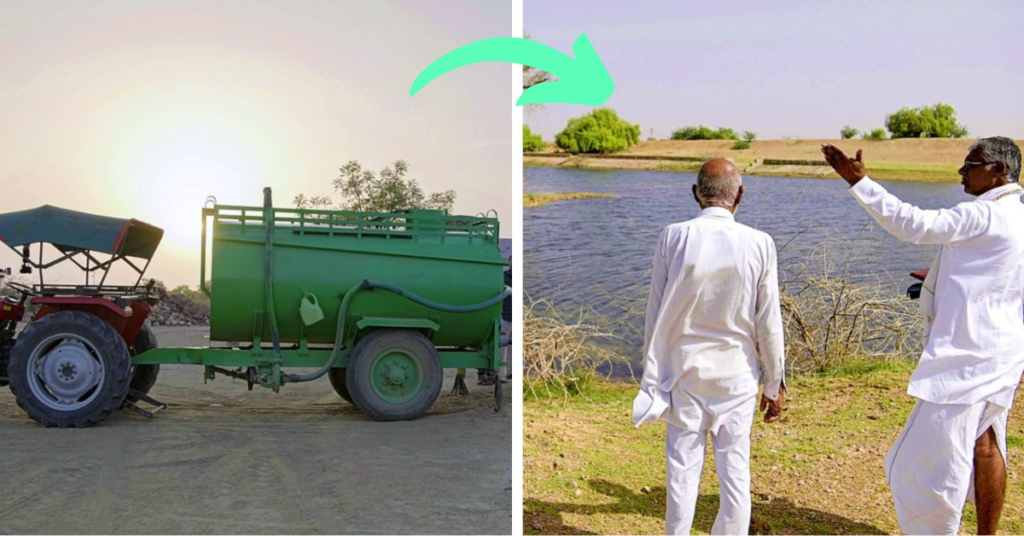
Before: In Badi Dani, a drought-prone village in Rajasthan, the ancient Bartasar Pond had turned into a dry, cracked expanse. Water scarcity led to crop failures, leaving residents with no choice but to migrate in search of livelihood.

After: The local community, determined to reclaim their water source, desilted and reinforced the pond’s embankments. This initiative significantly recharged the groundwater table, secured irrigation needs, and restored the village’s natural ecosystem. Today, Badi Dani stands as a testament to the power of grassroots action.


3. Surgana Taluka’s Water Conservation Efforts: From Drought to Abundance

Before & After: 5 Powerful Photos That Show How Indians Are Reversing Water Scarcity

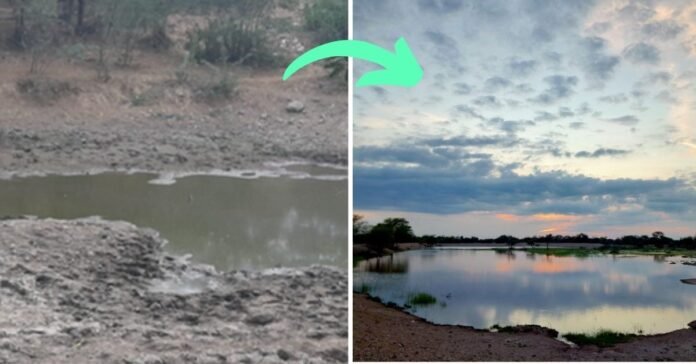
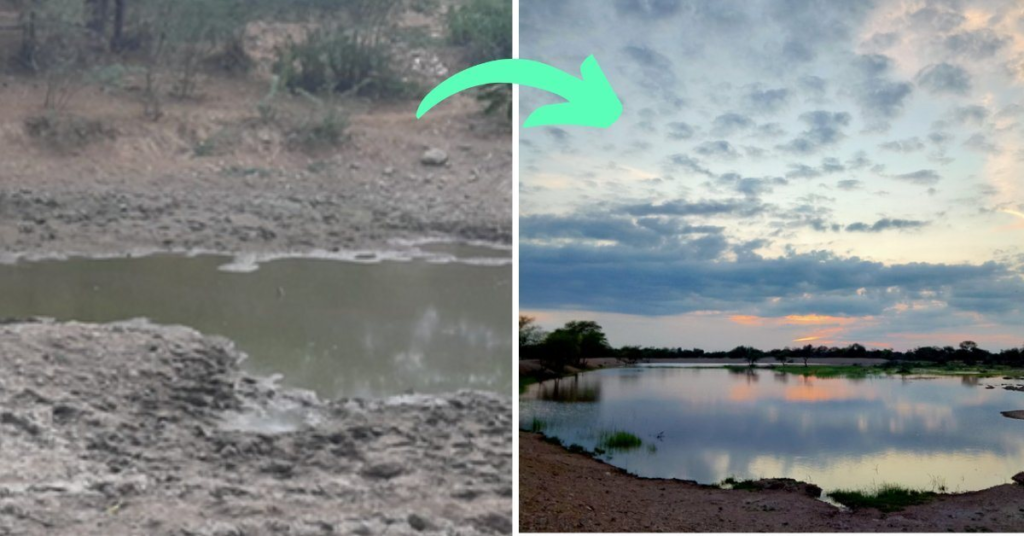
Before: Chronic drought in Nashik’s Surgana taluka had left fields barren, forcing villagers to depend on distant and unreliable water sources.

After: Supported by the Naam Foundation and NHPC Ltd, the community implemented water conservation techniques such as trenching, bunding, and rainwater harvesting. These measures successfully raised groundwater levels and boosted agricultural productivity. Today, Surgana serves as a model of sustainable water management, demonstrating how strategic planning can combat drought.


4. Rajendra Singh’s Mission to Revive Rajasthan’s Rivers

Before & After: 5 Powerful Photos That Show How Indians Are Reversing Water Scarcity

Before: In the 1980s, Rajasthan’s Alwar district was reeling under extreme drought. Rivers had vanished, wells had dried up, and agriculture was at a standstill. Many villagers were left with no choice but to migrate.

After: Rajendra Singh, known as the ‘Waterman of India,’ spearheaded a movement to construct johads (traditional earthen dams). In collaboration with local communities, he facilitated the construction of over 8,600 johads across 1,200 villages. His efforts led to the revival of five major rivers, including the Arvari and Ruparel. The result? Groundwater levels rose, agriculture flourished, and prosperity returned to the region.


5. Aabid Surti’s Fight Against Water Wastage: A Drop of Change

Before & After: 5 Powerful Photos That Show How Indians Are Reversing Water Scarcity

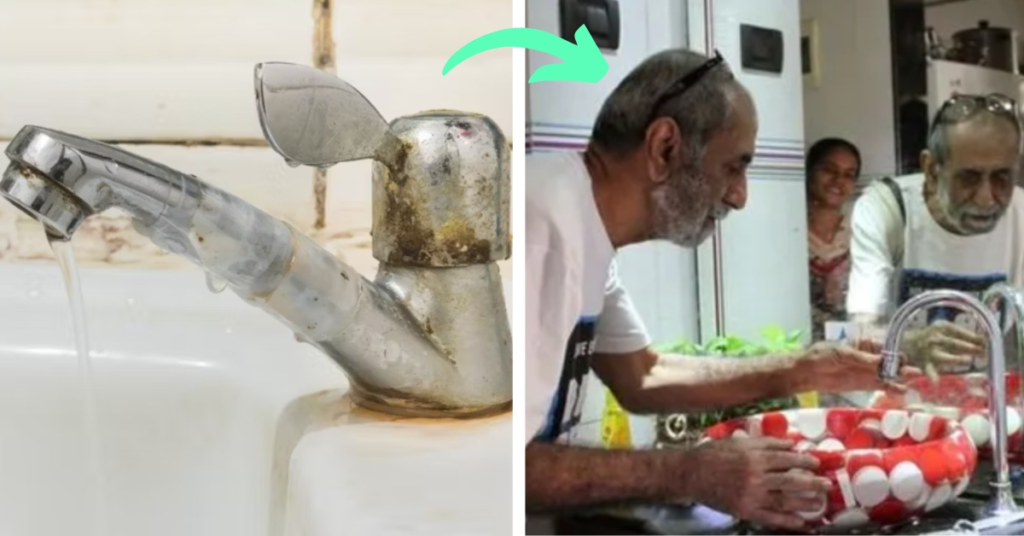
Before: In the congested suburbs of Mumbai, thousands of households unknowingly contributed to massive water wastage through leaking taps, each drop adding up to an alarming loss.

After: Aabid Surti, an octogenarian writer and artist, took matters into his own hands by founding the Drop Dead Foundation. Every Sunday, he visited homes and offered free tap repairs, fixing leaks in over 13,000 homes in 15 years. His initiative not only saved millions of liters of water but also raised awareness about the importance of everyday conservation.


A Lesson in Water Conservation

These inspiring stories highlight the undeniable truth: local action leads to lasting change. Whether through large-scale river rejuvenation or small yet impactful measures like fixing leaks, the collective effort of individuals and communities has the power to combat India’s water crisis. By blending traditional knowledge with modern innovations, these regions have turned despair into hope, ensuring water security for generations to come.

Water is life, and these transformations prove that with determination, every drop counts.

Billionaire Builds £160 Million Private Racetrack in Japanese Mountains

0

If you were a billionaire, what would you splurge on? A luxury yacht? A private island? Or perhaps a mega-mansion? For one Japanese billionaire, the answer was a £160 million private racetrack built into the side of a mountain.

Located in the picturesque Chiba Prefecture, just an hour outside Tokyo, the Magarigawa Club is an exclusive, members-only racetrack that overlooks the breathtaking landscapes of Mt. Fuji and Tokyo Bay. Opened on 29 July 2023, this high-end automotive playground was designed by renowned F1 circuit designer Hermann Tilke and is the first private racetrack in Asia.

A Track Like No Other

Spanning 2.17 miles, the Magarigawa track features 22 corners, with about 20 percent of the circuit running uphill and 16 percent downhill. It also boasts an impressive 800-metre straightaway, providing the ultimate thrill for car enthusiasts.

With a layout carefully crafted for both high-speed excitement and leisurely cruising, the track caters to drivers of all skill levels. Whether a seasoned racer or a weekend driving enthusiast, Magarigawa offers an unmatched experience.

More Than Just a Racetrack

But the billionaire behind this ambitious project didn’t stop at just building a racetrack. The Magarigawa Club is an ultra-luxurious facility offering much more than just a driving experience. The site includes:

  • A climate-controlled indoor pit lane staffed by professional mechanics.
  • A state-of-the-art gym for fitness enthusiasts.
  • An infinity pool with stunning mountain views.
  • A fine-dining restaurant serving exquisite cuisine.
  • A private karaoke room for entertainment.

The vision behind this world-class facility? The billionaire simply wanted a place where he, his wife, and their two daughters could enjoy driving in a safe and private environment. Not finding anything suitable, he did what only the ultra-wealthy can do—built his own dream track.

Billionaire Builds £160 Million Private Racetrack in Japanese Mountains

A Racetrack Fit for Legends

Even motorsport experts are impressed. In a feature for Top Gear Magazine, automotive journalist Tom Brown took a spin around Magarigawa in a 2010 Porsche 911 GT3 RS—his dream car. Describing the experience as unparalleled, Brown speculated that Magarigawa could be “the greatest private racetrack in the world.”

A Billionaire’s Dream, A Car Enthusiast’s Fantasy

For those with deep pockets and a love for high-performance driving, Magarigawa represents the ultimate luxury. It’s an invitation-only club, meaning only a select few get to experience the thrill of this one-of-a-kind racetrack.

So, if you ever find yourself daydreaming about what you’d do with billions, just remember—some people buy supercars, and others build entire racetracks in the mountains.

How One Maharashtra Farmer Earns Rs 10 Lakh Per Acre with Avocados

0

In Maharashtra’s drought-prone Beed district, where farming is often a struggle due to scorching temperatures and water scarcity, Parmeshwar Thorat has defied the odds. By cultivating avocados with smart farming techniques, he now earns Rs 10 lakh per acre, proving that even in one of India’s harshest agricultural environments, innovation and perseverance can yield success. Here’s how he made it happen—and how you can too.

Step 1: Choosing the Right Variety

Parmeshwar’s journey began in 2018 when he visited Bengaluru and discovered the Arka Supreme variety, which thrives in hot climates. “I knew it would work here,” he recalls. This variety can withstand temperatures as high as 45°C, making it perfect for Beed’s harsh conditions. Its high yield and adaptability made it the ideal choice for his farm.

Step 2: Preparing the Land

Beed’s soil quality and water scarcity posed major challenges, but Parmeshwar tackled them head-on. He dug pits measuring two feet by two feet across 0.75 acres and enriched them with cow dung manure before planting the saplings. “I knew the soil needed enrichment,” he explains. This organic preparation ensured the young avocado plants had the nutrients needed to thrive.

Step 3: Installing Drip Irrigation and Water Conservation Measures

Water conservation is critical in dry regions, so Parmeshwar installed a drip irrigation system that delivers water directly to plant roots, reducing wastage. To supplement this, he built a pond on his farm to collect and store rainwater for use during dry months. “We collect as much rainwater as possible during the monsoon and use it in the dry season,” he says. This system keeps the farm sustainable year-round.

Step 4: Transitioning to Organic Farming

Initially using chemical fertilisers, Parmeshwar later switched to organic methods, fertilising his plants with cow dung manure and natural compost. This approach not only improved the taste and quality of his avocados but also aligned with the growing demand for organic produce.

Step 5: Grafting for Better Yields

To enhance productivity, Parmeshwar adopted grafting, a technique that combines the root system of one plant with the shoot of another for stronger, more resilient trees. In 2022, he grafted 250 saplings, ensuring a higher and more consistent yield for the future. “Grafting helps extend the lifespan of the plants,” he explains.

Step 6: Harvesting and Selling Avocados

After years of careful planning and dedication, Parmeshwar harvested his first avocados in 2021. By 2022, his 50 trees were producing fruit, and demand for locally grown avocados soared. By 2023, he harvested over 1,200 kg, generating a healthy profit.

Lessons for Farmers in Drought-Prone Regions

Parmeshwar’s success offers valuable insights for other farmers facing similar challenges:

  • Choose the Right Variety: Opt for heat- and drought-resistant avocado varieties like Arka Supreme.
  • Improve Soil Health: Enrich soil with organic manure like cow dung compost for better growth.
  • Prioritise Water Conservation: Use drip irrigation and rainwater harvesting to optimise water use.
  • Be Patient and Persistent: Avocado trees take time to mature, but the long-term benefits outweigh the wait.

Through innovative thinking and sustainable practices, Parmeshwar Thorat has shown that even in the toughest conditions, agriculture can be transformed into a profitable and environmentally friendly venture. His story serves as an inspiration for farmers looking to explore unconventional crops in challenging climates.

This 18-YO’s Greywater Recycling System Can Save 5000 Litres of Potable Water per Month

0

Water scarcity is one of the most pressing challenges of our time, yet an average Indian household wastes over 50 litres of water daily. At just 18 years old, Mannat Kaur has taken a bold step toward changing that reality. Her groundbreaking innovation, the ‘Decentralised Greywater Collection and Recycling System,’ has not only positioned her as a leader in water conservation but also made her the first Indian to represent the country at the prestigious Stockholm Junior Water Prize (2024).

A Childhood Rooted in Sustainability

Mannat’s journey toward sustainability was nurtured at home. Growing up in an environment where resource conservation and jugaad (creative problem-solving) were a way of life, she developed an early appreciation for sustainability. However, it was a firsthand experience during a water crisis in Delhi that ignited her passion for water recycling. Witnessing people struggle for water during a two-day supply disruption in 2016, she realized the fragility of urban infrastructure and the urgent need for water conservation.

Determined to find a solution, Mannat, at just 10 years old, began researching water wastage and the absence of a circular economy for water reuse. Over two years, she immersed herself in understanding the problem, conducting household water audits, and surveying 400 individuals to identify barriers to greywater recycling. Her findings revealed that while people were willing to recycle water, limitations such as space constraints, health concerns, and lack of awareness deterred them.

Bridging the Gap with Innovation

Driven by the need to offer a practical solution, Mannat developed her ‘Decentralised Greywater Recycling System,’ consisting of two key components: the Bilge Vessel (BV) and the Scupper Valve (SV).

  • The Scupper Valve is a compact device placed in the floor drain, collecting greywater from showers and kitchens and directing it to filtration.
  • The Bilge Vessel, inspired by the traditional Khamba composting method, is a three-bucket filtration system using natural filter media like charcoal, orange peel, and pebbles. This eco-friendly process purifies water, making it suitable for non-potable uses such as irrigation, mopping, and car washing.

The system, currently functioning in Mannat’s home for over two years, recycles 50% of the household’s water consumption, saving approximately 6,000 litres of potable water per month. The initial investment of Rs 2,000 is recouped within a year through water bill savings, making it an accessible and cost-effective solution for households.

This 18-YO’s Greywater Recycling System Can Save 5000 Litres of Potable Water per Month

Overcoming Challenges with Perseverance

Developing this system was not without its hurdles. From technical challenges like managing overflow rates to sourcing the right pump, Mannat faced several roadblocks. However, her relentless determination led her to refine the system through iterative design, successfully addressing inefficiencies and optimizing its functionality.

Her father, Gurneet Singh, has been a steadfast supporter of her journey. “To date, I think Mannat must have competed in 12 to 15 competitions, and she takes the feedback seriously and ensures to make the necessary modifications to her prototype,” he shares, emphasizing her commitment to continuous improvement.

Making History on the Global Stage

Mannat’s dedication earned her recognition at the IIT Madras national chapter of the Stockholm Junior Water Prize, where she stood out among 350 applicants. Her ability to bridge the gap between theoretical knowledge and practical implementation impressed the jury, securing her a spot as India’s first representative at the international competition in Stockholm.

At the global stage, Mannat had the invaluable opportunity to present her project to industry leaders, including experts from Xylem. Their feedback provided crucial insights for further enhancing her system. She also had the honor of meeting the King and Queen of Sweden, marking a proud moment in her journey.

A Vision for the Future

Mannat’s greywater recycling system goes beyond household water conservation. By reducing dependence on central sewage treatment plants, her decentralised approach can cut carbon emissions by 80-85%, potentially offsetting 18,000 tonnes of CO2 emissions annually.

As she looks ahead, Mannat aims to commercialize her innovation, making it readily available for households across India. “As I go forward, I hope to turn this into a product that can be bought off the shelf,” she shares. Her vision is to empower individuals to take control of their water consumption and actively participate in building a sustainable future.

A Beacon of Change

Mannat Kaur’s journey is a testament to the power of youthful innovation, resilience, and a deep understanding of real-world problems. Her decentralised greywater recycling system is not just a technological advancement—it is a movement toward sustainability, proving that even the smallest changes at the household level can create a ripple effect in global water conservation.

With her pioneering spirit and unwavering commitment, Mannat is shaping a future where every drop counts, inspiring generations to rethink their relationship with water.

India’s 6 Rarest Summer Flowers: One Only Appears Every 12 Years!

0

India, with its vast landscapes and rich biodiversity, is home to some of the world’s most extraordinary and rare flowers. These elusive blooms appear only in select regions or during specific seasons, captivating nature enthusiasts with their unique beauty, fragrance, and fascinating stories. Let’s explore some of India’s rarest summer flowers, uncovering where to find them, why they are special, and what makes them truly enchanting.


1. Neelakurinji – The Bloom of a Lifetime

Blooming Season: Once every 12 years (Next bloom expected in 2030)
Location: Western Ghats (Kerala, Tamil Nadu, Karnataka)

A flower steeped in legend, the Neelakurinji is famous for its breathtaking violet-blue hue that carpets the rolling hills of the Western Ghats every twelve years. This rare phenomenon transforms places like Munnar, Kerala, into an ethereal landscape, attracting visitors from around the world. When Neelakurinji blooms, it creates a fleeting yet unforgettable spectacle, a marvel of nature that photographers and travelers eagerly await.

India’s 6 Rarest Summer Flowers: One Only Appears Every 12 Years!

2. Brahma Kamal – The Divine Night Bloom

Blooming Season: June to August
Location: High-altitude regions of Uttarakhand and Himachal Pradesh

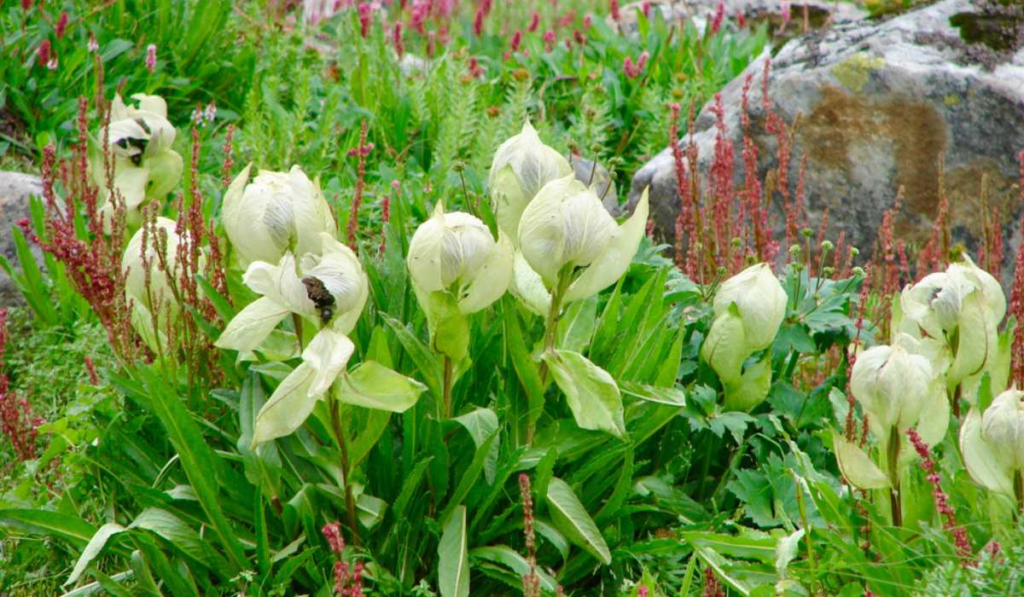
Revered as the ‘King of Flowers,’ the Brahma Kamal thrives in the high-altitude regions of the Himalayas. With its large, white, lotus-like petals, this mystical flower is deeply ingrained in Indian mythology and spirituality. What makes it truly special is its nocturnal bloom, unfurling only at night, casting a mesmerizing glow under the moonlight. Found in remote areas like Uttarakhand’s highlands, witnessing a Brahma Kamal bloom is a rare and surreal experience.

India’s 6 Rarest Summer Flowers: One Only Appears Every 12 Years!

3. Rhododendron – The Jewel of the Hills

Blooming Season: May to June
Location: Himachal Pradesh, Jammu & Kashmir, Sikkim, Arunachal Pradesh

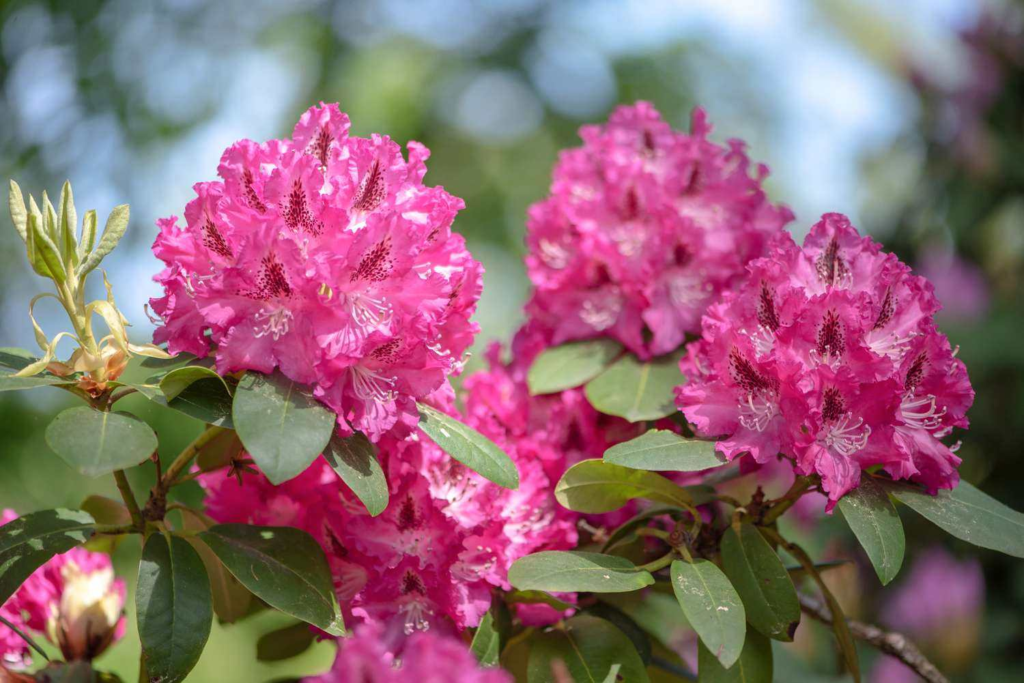
The Rhododendron, with its striking hues ranging from deep red to soft pink, flourishes in the misty heights of northern India. The flower’s delicate beauty and rarity make it one of the most cherished sights in the Valley of Flowers (Uttarakhand) and Sikkim’s rolling hills. Against the backdrop of towering mountains, the vibrant petals create a breathtaking contrast, making these blooms a dream for nature lovers.

India’s 6 Rarest Summer Flowers: One Only Appears Every 12 Years!

4. Sakura – India’s Own Cherry Blossom

Blooming Season: March to April (Transition before summer)
Location: Kashmir Valley

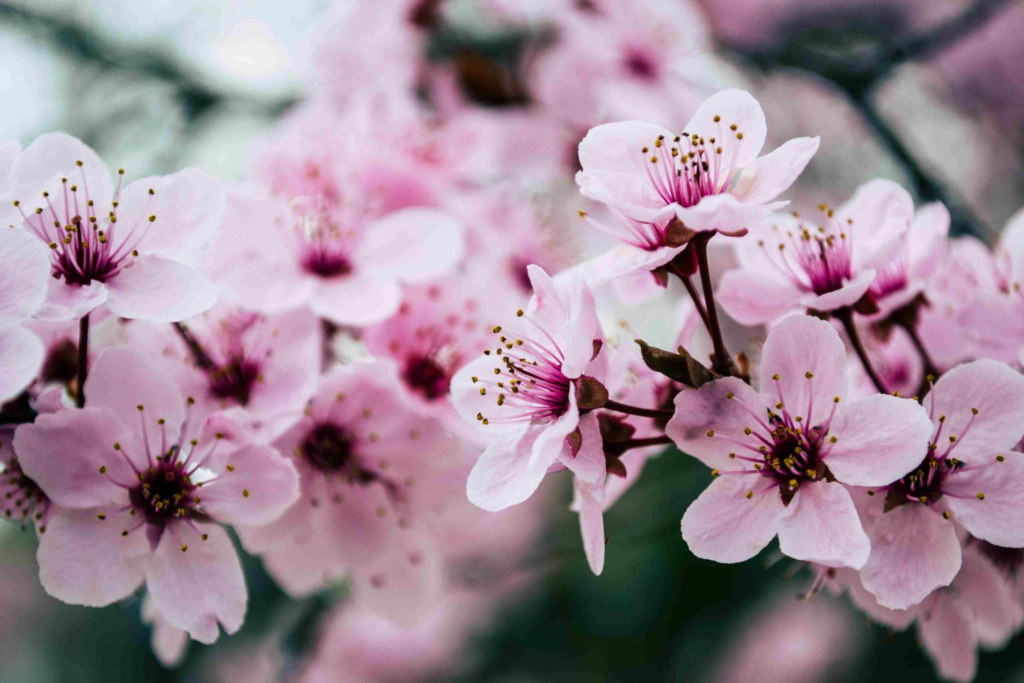
Just like Japan’s famed cherry blossoms, India’s Sakura graces the Kashmir Valley in early summer, painting the landscape in delicate shades of pink and white. The ephemeral beauty of these blooms, lasting only a few weeks, draws visitors from across the country. As they flutter in the wind, the blossoms create an atmosphere of serenity and romance, offering a rare and unforgettable experience in one of India’s most picturesque settings.

India’s 6 Rarest Summer Flowers: One Only Appears Every 12 Years!

5. Blue Lotus – The Flower of Tranquility

Blooming Season: June to August
Location: Water bodies in Uttar Pradesh, Bihar, Assam

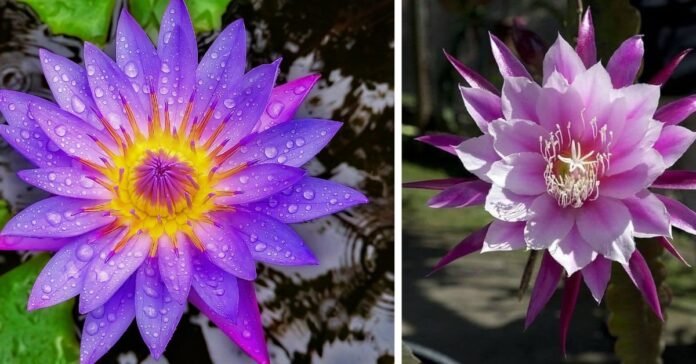
The Blue Lotus, with its majestic petals, is steeped in Indian culture and mythology, symbolizing purity and enlightenment. Found in the still waters of places like Varanasi and Assam, its beauty is most captivating at dawn, when the delicate flowers rise above the water, creating a serene and almost mystical scene. The rarity of this bloom adds to its symbolic and aesthetic appeal, making it a treasured sight for those fortunate enough to witness it.

India’s 6 Rarest Summer Flowers: One Only Appears Every 12 Years!

6. Flame Lily – Nature’s Firework

Blooming Season: June to August
Location: Western Ghats, Karnataka, Tamil Nadu, Assam, and other tropical regions across India

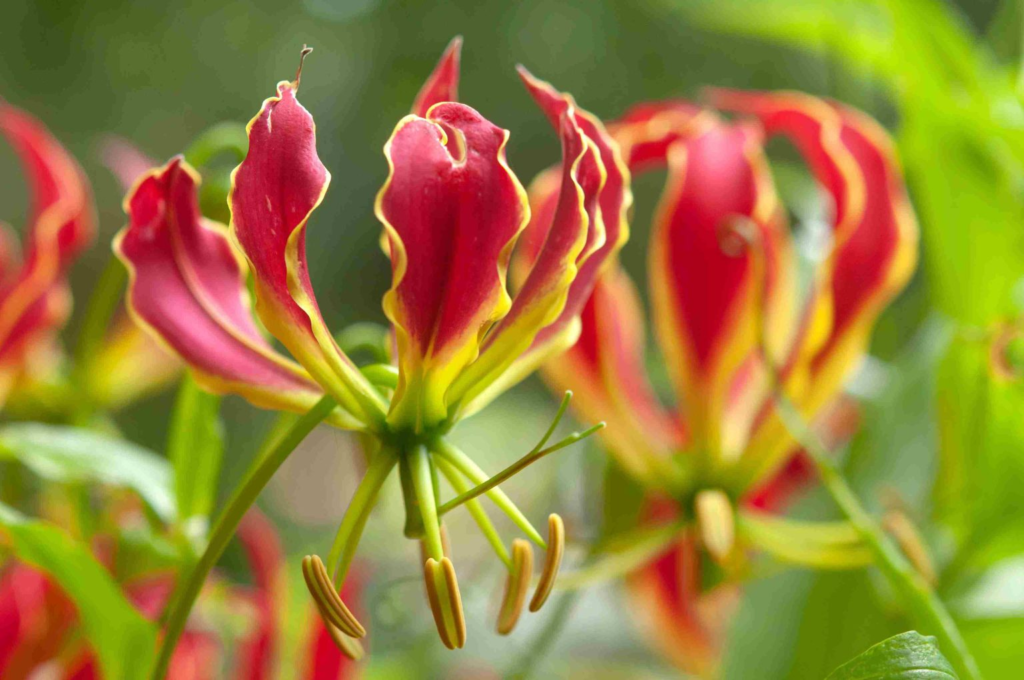
Also known as the Glory Lily, the Flame Lily is a striking climber native to tropical Asia, including India. With its bright red, orange, and yellow petals that curl outward, it resembles flickering flames, making it a symbol of passion and ambition. Found in lush forests and open grasslands, this exotic bloom plays a crucial role in attracting pollinators, ensuring its survival. Its rarity and fiery elegance make it one of India’s most distinctive summer flowers.

India’s 6 Rarest Summer Flowers: One Only Appears Every 12 Years!

Conclusion: A Floral Wonderland

India’s rare summer blooms offer more than just aesthetic beauty—they embody history, mythology, and ecological significance. From the fleeting Neelakurinji to the mystical Brahma Kamal, each of these flowers tells a unique story. Whether you’re an avid traveler, a nature enthusiast, or simply someone who appreciates the ephemeral wonders of the natural world, these blooms are a testament to India’s breathtaking biodiversity. So, if you ever get the chance, embark on a journey to witness these floral marvels in their native habitats—before they vanish with the season.

Gujarat’s Pioneering Strides in Tuberculosis Elimination

0

Gujarat has emerged as a frontrunner in India’s battle against tuberculosis (TB) under Prime Minister Narendra Modi’s ambitious initiative to eradicate the disease. In 2024, the state achieved an impressive 95% of the target set by NITI Aayog for TB registration and treatment success, marking a significant milestone in public health.

Impressive Achievements in TB Control

Gujarat was tasked with identifying and registering 145,000 TB patients in 2024. The state made remarkable progress by successfully registering 137,929 patients, a near-complete achievement of its goal. Of these, 124,581 patients completed their full course of treatment, resulting in a 90.52% treatment success rate. Additionally, the government ensured that 131,501 registered TB patients received timely and effective treatment, demonstrating Gujarat’s commitment to a TB-free future.

Financial Support Through Nikshay Poshan Yojana

To reduce the financial burden on TB patients, the Gujarat government has actively implemented the Nikshay Poshan Yojana (NPY) under the National Tuberculosis Elimination Program. This scheme provides financial support of ₹1,000 per month to each notified TB patient undergoing treatment. The assistance, distributed either in cash or in-kind, ensures that patients receive essential support for their recovery.

Strengthening Nutritional Support for TB Patients

Recognizing the role of nutrition in TB recovery, Gujarat has mobilized an extensive support network. The state has registered 10,682 Nikshay Mitras on the Nikshay portal, who have collectively distributed 349,534 nutrition kits to TB patients. This initiative ensures that patients receive both medical treatment and nutritional care, boosting their chances of a successful recovery.

100-Day Intensive TB Eradication Campaign

As part of the Government of India’s efforts to intensify the fight against TB, the “100-Day Intensive TB Eradication Campaign” was launched in December 2024. Gujarat has actively participated by including 16 districts and four municipal corporations in the campaign. As of March 20, 2025, approximately 35.75 lakh individuals have been screened for TB, leading to the identification of 16,758 new patients who can now receive timely treatment.

A Vision for a TB-Free Gujarat

With its robust healthcare framework, financial support initiatives, and intensive screening programs, Gujarat is setting a benchmark for TB elimination in India. The state’s multi-pronged approach, combining early detection, treatment success, financial aid, and nutritional assistance, reflects a comprehensive strategy to eliminate TB and improve public health outcomes. As Gujarat moves closer to its goal, its efforts serve as a model for other states, strengthening India’s fight against tuberculosis and ensuring a healthier future for all.

India Strengthens Naval Might with the Launch of Stealth Frigate ‘Tavasya’

0

India marked a significant milestone in its naval modernization journey with the launch of the stealth frigate ‘Tavasya’ on March 22, 2025. The event, held at Goa Shipyard Limited, celebrated India’s growing self-reliance in defence production. Officiated by Raksha Rajya Mantri Shri Sanjay Seth, the launch underscores India’s commitment to indigenizing military technology and bolstering maritime security.

Project 1135.6: The Evolution of Indian Stealth Frigates

‘Tavasya’ is the second frigate in the Project 1135.6 series, commonly referred to as the Talwar-class frigates. This project is a product of Indo-Russian collaboration, originally based on the Krivak III-class design. While the first vessels in this class were built in Russia, subsequent ships, including ‘Tavasya’, are being indigenously constructed in India, reflecting the country’s growing expertise in shipbuilding and defence manufacturing.

Cutting-Edge Specifications

‘Tavasya’ is designed to be a formidable addition to the Indian Navy’s fleet, with specifications that enhance its operational flexibility:

  • Length: 124.8 meters
  • Beam: 15.2 meters
  • Draught: 4.5 meters
  • Displacement: Approximately 3,600 tons
  • Top Speed: 28 knots
  • Propulsion: Combined gas turbine system for enhanced maneuverability and cruising efficiency

Stealth and Combat Capabilities

The frigate features stealth technology, incorporating radar-absorbing materials to reduce its radar cross-section. This enhances its ability to operate undetected in hostile environments. ‘Tavasya’ is equipped with a powerful arsenal of advanced weaponry:

  • BrahMos supersonic cruise missile system, providing high-precision strike capabilities
  • Shtil-1 surface-to-air missiles, offering robust air defence
  • 100 mm A-190 naval gun, ensuring effective naval firepower
  • Anti-submarine warfare suite, including torpedo tubes and rocket launchers for underwater threats

Indigenous Development: A Leap Towards Self-Reliance

The launch of ‘Tavasya’ represents a significant step in India’s quest for self-reliance in defence technologies. The successful integration of BrahMos missiles, advanced sonar suites, and electronic warfare systems demonstrates India’s shipbuilding capabilities. This aligns with the Atmanirbhar Bharat (Self-Reliant India) initiative, reducing dependence on foreign suppliers while strengthening domestic production capabilities.

Strategic Impact and Future Prospects

With ‘Tavasya’ joining the fleet alongside its sister ship ‘Triput’, launched in July 2024, India is reinforcing its naval strength. These stealth frigates are designed for multi-role operations, making them vital assets in both defensive and offensive maritime strategies. Their deployment will enhance the Indian Navy’s operational reach, enabling it to safeguard national interests across diverse maritime theatres.

As India continues to expand its naval capabilities, the launch of ‘Tavasya’ signals a new era of technological advancement, strategic autonomy, and maritime dominance. With a focus on innovation, security, and self-sufficiency, the Indian Navy is well on course to becoming a formidable force in the Indo-Pacific region and beyond.