Home Blog Page 331

April Fools’ Day and Apple Company Day: What Else is Celebrated on April 1?

0

April 1 is widely recognised as April Fools’ Day, a day dedicated to pranks and jokes. However, it is also an important date for other celebrations, including the anniversary of Apple Inc., International Bird Day, and Edible Book Day. Additionally, it is a day of remembrance for Mary of Egypt, who is honored for her spiritual significance in Christianity.

April Fools’ Day: A Tradition of Laughter

April Fools’ Day, also known as the International Day of Laughter, is observed in many countries. Though its exact origins are unclear, one theory suggests it began in Ancient Rome and India as part of vernal equinox celebrations, where jokes were used to appease nature for good weather. Another theory links it to the 16th-century shift of New Year’s celebrations in Europe from April 1 to January 1. Those who continued to mark the new year on April 1 were playfully mocked as “April fools.”

Regardless of its origins, the tradition has persisted, with people playing pranks on friends, family, and colleagues as a lighthearted way to celebrate.

Apple Inc.’s Anniversary

On April 1, 1976, Steve Jobs, Steve Wozniak, and Ronald Wayne founded Apple Inc., now one of the most valuable technology companies in the world. The company’s first personal computer, designed by Wozniak, was priced at $666.66, simply because he liked repeating numbers. This early innovation laid the foundation for Apple’s future success. In 2025, Apple celebrates its 49th anniversary, having reported a staggering profit of $112.26 billion.

Edible Book Day: A Feast for Book Lovers

Established in 2000 by Beatrice Coron and Judith Hoffberg, Edible Book Day is a unique celebration that unites book enthusiasts, publishers, writers, illustrators, and librarians. Participants create edible versions of books, which are then displayed, discussed, and ultimately eaten. The event features awards in categories such as “Most Creative Book,” “Least Edible Book,” “Best Taste,” and “Most Delicious-Looking Book.”

International Bird Day: Protecting Avian Life

International Bird Day, observed annually on April 1, was first proposed in 1894 by Charles Almanzo Babcock, superintendent of Oil City schools. The holiday aims to promote bird conservation as a moral and environmental responsibility. A key milestone in bird protection occurred on this date in 1902, when eleven European nations signed the International Convention for the Protection of Birds Useful to Agriculture. The agreement was later ratified in multiple countries, cementing April 1 as a significant day for avian awareness and conservation efforts.

A Day of Diverse Celebrations

While April 1 is best known for pranks and humor, it is also a day of reflection, innovation, environmental consciousness, and literary creativity. From honoring the legacy of Apple Inc. to celebrating books in edible form and promoting bird conservation, April 1 offers a variety of meaningful observances beyond its famous tradition of mischief

Sarhul: A Festival of Nature, Culture, and Unity

0

The arrival of spring in the Chhotanagpur region of Jharkhand brings with it the vibrant celebration of Sarhul, one of the most significant cultural festivals of the Adivasi communities. Rooted in ancient traditions, this festival is more than just a seasonal observance; it is a sacred tribute to nature, an expression of gratitude for agricultural prosperity, and a reaffirmation of community bonds. The festival holds deep spiritual meaning, symbolizing the unbreakable connection between Adivasis and their natural surroundings.

The Sacred Sal Tree: Heart of the Festival

At the heart of Sarhul lies the Sal tree (Shorea robusta), revered as the sacred dwelling place of Sarna Maa, the protective village deity. The Adivasis believe that the Sal tree represents the harmonious union between the Sun and the Earth, both of which are essential for sustaining life. The tree is not only a spiritual symbol but also an integral part of their livelihood and ecology, providing timber, resin, and shade.

The Structure of the Celebration

Sarhul is a three-day festival filled with rituals, communal gatherings, and vibrant festivities. The first day is dedicated to preparations—villages are cleaned, homes and sacred groves (Sarna Sthals) are adorned with red and white flags, and the village priest, known as Pahan, collects fresh Sal flowers for the upcoming rituals.

The second day is the most sacred. The Pahan leads a grand ritual, offering Sal flowers, rice, and a ceremonial rooster to the deity as a mark of reverence. This is followed by lively performances of traditional dances and songs, such as Jadur and Gena, where men and women, dressed in vibrant ethnic attire, dance to the rhythmic beats of drums and flutes.

The final day culminates in a grand communal feast, where villagers gather to enjoy traditional dishes prepared from seasonal produce, accompanied by Handia (fermented rice beer). This gathering reinforces social harmony, ensuring that every member of the community, regardless of age or status, participates in the joyous occasion.

A Festival Evolving with Time

Historically, Sarhul was closely tied to hunting traditions, reflecting the early subsistence practices of the Adivasis. However, over time, as communities transitioned to agriculture, the festival adapted to include prayers for good harvests and rainfall. During the colonial era and post-independence displacement, Sarhul became a symbol of Adivasi resistance and identity, spreading beyond Jharkhand to regions such as Assam, Nepal, and Bhutan, where migrant Adivasi communities continued to honor their heritage.

Sarhul in the Contemporary World

Today, Sarhul remains a cultural cornerstone for tribes such as the Munda, Santal, and Oraon, each incorporating unique customs into the celebrations. Beyond its religious significance, the festival serves as a platform for expressing Adivasi unity and cultural resilience in the face of modernization and socio-political challenges. The festival has also found its place in urban areas, where Adivasi groups organize Sarhul parades, cultural programs, and awareness campaigns to celebrate their rich heritage.

As the world moves towards a more sustainable and nature-conscious future, Sarhul stands as a poignant reminder of humanity’s intrinsic bond with the environment. It is not just a festival—it is a legacy of reverence, gratitude, and unity, echoing the voices of generations past while inspiring future ones to honor and protect the earth that sustains them.

Empowering Tribal Entrepreneurs: Startup Mahakumbh 2025 to Boost Innovation and Growth

0

The Startup Mahakumbh 2025, set to take place from April 3-5, 2025, at Bharat Mandapam, New Delhi, marks a significant step towards fostering tribal entrepreneurship in India. Organized by the Ministry of Tribal Affairs (MoTA), this landmark event is designed to provide Scheduled Tribe (ST) entrepreneurs with a platform to showcase their innovations, gain exposure, and connect with industry leaders. The initiative coincides with Janjatiya Gaurav Varsh, commemorating the 150th birth anniversary of Bhagwan Birsa Munda, a revered tribal freedom fighter and leader.

Dharti Aaba TribePreneurs 2025: Pioneering Tribal Entrepreneurship

At the heart of Startup Mahakumbh 2025 is the flagship initiative, Dharti Aaba TribePreneurs 2025, which underscores the importance of tribal entrepreneurship in India’s economic landscape. This initiative is aimed at promoting inclusive economic growth and fostering self-reliance among tribal communities. Over 45 startups founded by ST entrepreneurs will be featured, many of which have been incubated at prestigious institutions like IIM Calcutta and IIT Bhilai. These startups span a diverse range of industries, including agriculture, technology, sustainable energy, and handicrafts, reflecting the vast potential of tribal innovation.

Objectives of Startup Mahakumbh 2025

The event serves multiple objectives, all aligned with the government’s vision of Atma Nirbhar Bharat (Self-Reliant India):

  • Promoting tribal entrepreneurship and innovation by providing a launchpad for startups to gain national and international recognition.
  • Facilitating networking opportunities with venture capitalists, impact investors, and industry experts to drive funding and mentorship.
  • Encouraging policy discussions that focus on creating a sustainable ecosystem for tribal businesses.
  • Enhancing skills development and market access for tribal entrepreneurs to ensure long-term success and scalability.

Strategic Partnerships and Funding Initiatives

To bolster the tribal startup ecosystem, MoTA has partnered with leading institutions such as IIM Calcutta and IIT Delhi. These partnerships aim to offer mentorship, business development resources, and capacity-building programs for ST entrepreneurs. Additionally, the government has established a Venture Capital Fund for Scheduled Tribes, with an initial corpus of ₹50 crore, dedicated to supporting innovation, product development, and market expansion within tribal communities.

Commitment to Inclusive Growth

The Startup Mahakumbh 2025 reflects the government’s commitment to fostering inclusive economic growth. Tribal entrepreneurs play a crucial role in preserving India’s rich cultural heritage while contributing to the nation’s economic progress. By elevating tribal startups to national and global platforms, MoTA seeks to create long-term, sustainable economic opportunities for ST communities.

This event is more than just a startup summit—it is a movement towards economic empowerment, self-sufficiency, and innovation in tribal entrepreneurship. With continued government support and industry collaboration, the future of tribal enterprises in India looks promising and transformative.

ISRO’s Semicryogenic Engine: A Breakthrough in Space Propulsion Technology

0

The Indian Space Research Organisation (ISRO) has achieved a significant milestone in space propulsion technology with the successful hot test of its Semicryogenic engine. This cutting-edge engine is designed to power the Semicryogenic booster stage of the Launch Vehicle Mark-3 (LVM3), significantly enhancing India’s launch capabilities. The test, conducted at the ISRO Propulsion Complex in Mahendragiri, Tamil Nadu, marked a crucial step in advancing India’s space ambitions.

Understanding the Semicryogenic Engine

The Semicryogenic engine, designated SE2000, operates using Liquid Oxygen (LOX) and Kerosene as propellants. This combination offers significant advantages over traditional hypergolic propellants, being non-toxic and environmentally safer. Moreover, it provides enhanced thrust and efficiency, enabling ISRO to increase the payload capacity of LVM3 from 4 tonnes to 5 tonnes in Geosynchronous Transfer Orbit (GTO).

Successful Hot Test and Key Achievements

On March 28, 2025, ISRO conducted a hot test of the SE2000 engine. The test, which lasted 2.5 seconds, successfully demonstrated smooth ignition and operational efficiency. It validated the performance of critical subsystems, including the pre-burner and turbo pumps, confirming that all parameters met expected benchmarks. This marks a major step toward qualifying the engine for future missions.

Major Subsystems of SE2000

The SE2000 engine consists of several essential components:

  • Thrust Chamber – Generates thrust to propel the rocket.
  • Pre-Burner – Plays a key role in initiating combustion.
  • Turbo Pump System – Ensures efficient fuel and oxidizer delivery.
  • Control Components – Regulate the engine’s operation.
  • Start-Up System – Initiates the ignition sequence.

Each of these subsystems underwent rigorous qualification tests before being integrated into the Power Head Test Article (PHTA), which serves as the test configuration for engine validation.

State-of-the-Art Test Facility and Future Plans

The Semicryogenic Integrated Engine Test (SIET) facility, inaugurated in February 2024 at ISRO’s Propulsion Research Complex, played a crucial role in the successful test. This advanced facility enables ISRO to conduct high-fidelity assessments of engine performance. Moving forward, further tests on the PHTA will focus on evaluating the propellant feed system, including turbo-pumps and the pre-burner, to ensure flawless operation in actual missions.

Challenges in Development

Developing a high-thrust semicryogenic engine presents numerous technological challenges. The technology is rare and mastered by only a handful of spacefaring nations. The engine hardware must withstand extreme temperatures and oxidizer-rich combustion environments, requiring advanced engineering solutions. ISRO’s collaboration with Indian industries has been instrumental in overcoming these hurdles and realizing this complex technology.

Significance of the Breakthrough

The development of the SE2000 Semicryogenic engine represents a leap forward for India’s space program. With increased payload capacity, ISRO will be better equipped to launch heavier satellites, support interplanetary missions, and participate in commercial space launches. This achievement further solidifies India’s position as a leading global space power and sets the stage for even more ambitious endeavors in the future.

With continued advancements in propulsion technology, ISRO is paving the way for cost-effective, efficient, and sustainable space exploration, bringing India closer to its goal of self-reliance in high-end space technologies.

UNESCO Report Calls for Improved School Meal Nutrition at Global Summit

0

During the ‘Nutrition for Growth’ event hosted by France on March 27-28, 2025, UNESCO released a new report emphasizing the importance of meal quality in schools. Titled Education and Nutrition: Learn to Eat Well, the report urges governments to enhance the nutritional value of school meals worldwide. While nearly half of primary school pupils receive meals, concerns remain about their nutritional adequacy. The report highlights the need for balanced meals and food education to support children’s health and learning.

Current Global Context

As of 2024, around 47% of primary school pupils globally benefitted from school meal programs. However, UNESCO stresses that the nutritional quality of these meals is often inadequate. Malnourishment in children remains a challenge, and enhancing meal quality can lead to better academic performance and school attendance.

Key Findings of the UNESCO Report

The report presents concerning statistics on school meal programs:

  • In 2022, 27% of school meals worldwide were not designed with input from nutritionists.
  • Only 93 out of 187 countries had legislation regulating school food.
  • Just 65% of these countries had standards for food sold in school cafeterias and vending machines.

Health Implications

UNESCO raises concerns over rising childhood obesity and food insecurity. Since 1990, childhood obesity rates have more than doubled, while many children still suffer from malnutrition. Schools play a crucial role in shaping eating habits, yet many offer unhealthy food options. The report advocates for a transition to fresh, locally sourced food and stricter nutritional guidelines.

Successful Initiatives Worldwide

Several countries have implemented effective school meal programs to improve nutrition:

  • Brazil has limited ultra-processed foods in its national school feeding program.
  • China has introduced dairy and vegetables in rural schools to enhance nutrient intake.
  • Nigeria’s Home-Grown School Feeding Programme has led to a 20% increase in primary school enrolment.
  • India’s Maharashtra initiative introduced fortified organic pearl millet, improving adolescents’ cognitive functions.

Recommendations and Future Actions

UNESCO calls on governments and education stakeholders to:

  • Prioritize fresh, unprocessed foods in school meals.
  • Reduce sugar and ultra-processed foods in school cafeterias.
  • Integrate food education into school curricula to promote healthy eating habits.
  • Develop training programs for policymakers to effectively incorporate nutrition into education systems.

A Path Forward

With its latest report, UNESCO underscores the urgent need for policy reforms to enhance school meal programs. By integrating nutritional standards, education, and sustainable practices, schools can play a pivotal role in improving children’s health and academic success worldwide.

Newly Discovered Snakehead Fish in Meghalaya: Channa nachi and Its Significance

0

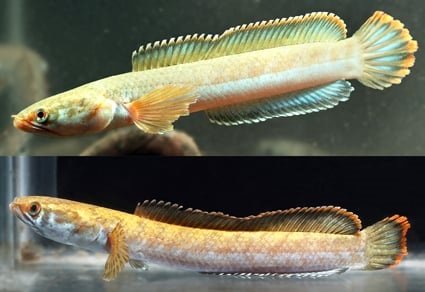
Meghalaya’s rich freshwater biodiversity has received another scientific milestone with the discovery of a new species of snakehead fish, named Channa nachi. This newly identified species highlights the ecological diversity of the South Garo Hills region, where it was first collected from a stream feeding into the Simsang River system four years ago.

Habitat and Ecological Importance

Channa nachi was found in a shallow, slow-moving stream characterized by sand, leaf litter, and pebbles, which provide a suitable habitat for a variety of aquatic species. This stream is part of the larger Simsang River system, known for its lesser-explored fish diversity. Researchers believe that the presence of Channa nachi adds to the ecological significance of the region, offering new insights into its freshwater ecosystem.

Distinctive Features of Channa nachi

This species stands out due to its unique physical characteristics, including:

  • Slender, elongated body with a striking bicolor appearance.
  • A gradient from creamish-yellow on the underside to a deep blue on the upper body.
  • Pale-blue marbling across its body, giving it a distinctive aesthetic appeal.
  • Dorsal saddles that make it easily distinguishable from other snakehead species.

These features make Channa nachi a potential candidate for the ornamental fish trade, increasing its global appeal among aquarium enthusiasts.

Cultural and Scientific Significance

The species name, “nachi”, originates from the Garo language, reflecting the deep cultural and ecological ties between indigenous communities and their environment. This discovery underscores the importance of integrating local knowledge into scientific research, ensuring that conservation efforts align with traditional ecological understanding.

Impact on Conservation and Ornamental Trade

The discovery of Channa nachi further boosts interest in snakehead species, which have gained popularity in the international ornamental fish market. Other recent discoveries from Northeast India have similarly enhanced awareness of the region’s biodiversity, emphasizing the need for conservation efforts to protect these unique species from habitat degradation and overexploitation.

Future Research and Conservation Efforts

As scientists continue to uncover new snakehead species, they advocate for standardized classification methods, integrating both morphological and molecular data. This approach will ensure accurate documentation and preservation of biodiversity, paving the way for further scientific discoveries in India’s freshwater ecosystems.

With its distinct features, cultural significance, and ecological value, Channa nachi stands as a testament to Meghalaya’s rich and diverse aquatic heritage, urging further exploration and conservation of its unique species.

Sahkar Taxi: India’s Cooperative-Based Ride-Hailing Revolution

0

The Government of India is set to launch “Sahkar Taxi,” a cooperative-based taxi service aimed at providing a driver-friendly alternative to existing ride-hailing giants like Ola and Uber. Union Minister Amit Shah announced this initiative in Parliament, highlighting its focus on direct driver benefits rather than corporate profits. The service will cover two-wheeler taxis, auto-rickshaws, and four-wheeler taxis across the country, offering a more sustainable and equitable model for transportation.

Background: The Need for Sahkar Taxi

India’s ride-hailing market has witnessed exponential growth over the years, with Ola and Uber dominating the sector. However, despite their success, these platforms have struggled with rising consumer demand and driver dissatisfaction. One of the major challenges is the shortage of vehicles, driven by high asset ownership costs and increasing operational expenses.

The Indian ride-hailing market is projected to reach $44.18 billion by 2030, making it a lucrative space for innovation. Sahkar Taxi aims to address the shortcomings of traditional platforms by providing a more driver-centric model that ensures greater financial independence for transport workers.

Key Features of Sahkar Taxi

Sahkar Taxi operates on a cooperative model, meaning that profits will go directly to the drivers instead of being shared with large corporations. This is a stark contrast to the commission-based model used by Ola and Uber, where companies take a significant share of the earnings. The government also plans to introduce a cooperative insurance company that will offer drivers affordable coverage to enhance their financial security.

Comparison with Existing Services

Unlike Ola and Uber, Sahkar Taxi prioritizes driver welfare. The main differences between these models include:

  • Fair Earnings: Drivers under Sahkar Taxi will receive the full fare amount, ensuring higher take-home pay.
  • No Corporate Middlemen: Traditional ride-hailing platforms deduct commissions, reducing driver profits. Sahkar Taxi eliminates this issue.
  • Government Support: The initiative is backed by the government, ensuring policy-level support and stability.

This model has already proven successful in various states, demonstrating its viability as a sustainable alternative.

State-Level Cooperative Taxi Services

Several Indian states have already experimented with cooperative taxi services:

  • West Bengal’s “Yatri Sathi” has gained traction beyond Kolkata, offering affordable fares, local language support, and 24/7 customer service.
  • Kerala’s “Kerala Savaari” is another example, currently undergoing a relaunch with updated technology and competitive pricing.

These state-level initiatives highlight a growing trend towards cooperative models in the transport sector, setting the stage for Sahkar Taxi’s nationwide implementation.

Conclusion: A Game Changer for India’s Transport Sector

Sahkar Taxi represents a paradigm shift in India’s ride-hailing industry. By prioritizing driver benefits and cooperative principles, this initiative aims to create a fair, sustainable, and driver-friendly alternative to existing platforms. If implemented successfully, it could reshape the future of urban mobility in India, offering a more equitable and profitable transportation solution for drivers nationwide.

Gaia Mission: Mapping the Milky Way and Beyond

0

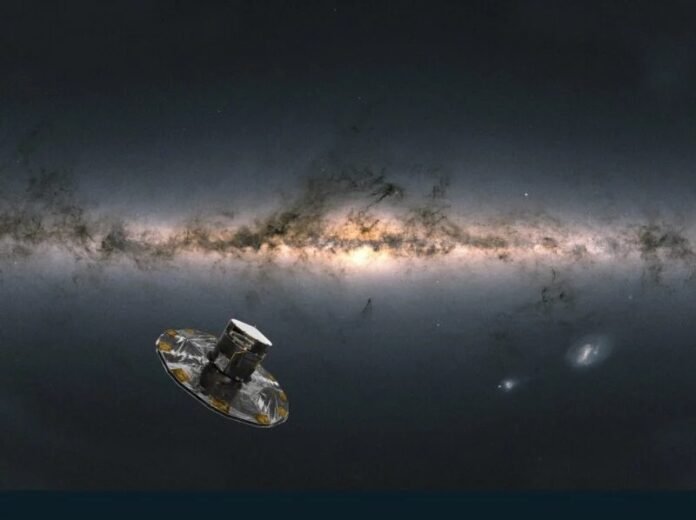
The European Space Agency (ESA) officially concluded its Gaia mission on March 27, 2025, marking the end of one of the most ambitious astronomical projects in history. Launched in December 2013, Gaia has revolutionized our understanding of the Milky Way galaxy by providing unprecedented data on its structure and evolution.

The Gaia Mission: An Overview

Originally named the Global Astrometric Interferometer for Astrophysics, Gaia was designed to map the cosmos in three dimensions. The mission’s primary goal was to precisely measure the positions, movements, and properties of billions of stars, offering new insights into the dynamic nature of our galaxy.

Positioned at Lagrange Point 2 (L2), approximately 1.5 million kilometers from Earth, Gaia was strategically placed to observe the universe without interference from celestial bodies. This location ensured optimal stability and visibility, allowing Gaia to conduct high-precision astrometric measurements.

Technological Innovations

Gaia was equipped with cutting-edge instruments that enabled it to collect vast amounts of astronomical data:

  • Twin Telescopes: Captured observations across a wide field of view.
  • Billion-Pixel Camera: The largest digital camera ever flown in space, capable of detecting incredibly faint celestial objects.
  • Three Key Instruments:
    • Astrometer – Measured star positions with extreme precision.
    • Photometer – Analyzed the brightness and color of stars.
    • Spectrometer – Determined the composition and motion of stars by analyzing their spectra.

Gaia’s Contributions to Astronomy

Over its operational period, Gaia made 3 trillion observations of around 2 billion stars and other celestial objects. The mission has resulted in over 13,000 scientific publications, dramatically enhancing our knowledge of the Milky Way’s composition and evolution. Some of Gaia’s most significant findings include:

  • Mapping the Milky Way’s Complex Structure: Gaia unveiled the galaxy’s warped disc and central bulge, revealing new details about its shape and formation.
  • Tracking Stellar Movements: The data provided a clearer picture of how stars migrate, influenced by gravitational interactions.
  • Unveiling Galactic Evolution: By identifying remnants of past galactic mergers, Gaia helped astronomers reconstruct the history of the Milky Way.

Discovery of Black Holes and Asteroids

Beyond mapping stars, Gaia made remarkable discoveries in other areas of astronomy:

  • Black Holes: Gaia identified a new type of black hole detectable only through its gravitational effects, a significant breakthrough compared to traditional detection methods that rely on emitted light.
  • Asteroids: The spacecraft cataloged over 150,000 asteroids, providing crucial data on their orbits and characteristics, some of which could pose potential threats to Earth.

Retirement and Future Data Releases

Following its final observations, Gaia was passivated, meaning all its energy sources were depleted to prevent interference with future space missions. The spacecraft has transitioned into a retirement orbit around the Sun.

Despite the mission’s conclusion, a substantial portion of Gaia’s data remains to be processed. ESA has scheduled future data releases in the coming years, ensuring that Gaia’s impact on astronomy will continue well beyond its operational lifespan.

Scientific Legacy of Gaia

Although Gaia mapped only about 2% of the estimated 100 billion stars in the Milky Way, its contributions to astronomy are profound. The mission has set the foundation for future explorations, with ongoing analysis expected to yield new discoveries in the coming decades.

Gaia’s legacy will influence generations of astronomers, paving the way for a deeper understanding of our galaxy’s structure, evolution, and the universe beyond.

Health Risks of Martian Dust: Challenges and Solutions for Future Astronauts

0

As humanity moves closer to manned missions to Mars, the health risks associated with Martian dust have become a critical area of concern. Researchers from prestigious institutions have identified the toxic components of Martian dust and outlined precautionary measures for astronaut safety. With both NASA and the Chinese Manned Space Agency planning missions to the Red Planet, understanding and mitigating these risks is essential for the success of long-duration space travel.

The Composition and Nature of Martian Dust

Martian dust consists of fine particles, each measuring only about 4% the width of a human hair. This minuscule size allows the dust to penetrate deep into the lungs and even enter the bloodstream. Unlike lunar dust, which is known for its sharp and abrasive nature, Martian dust exhibits a strong tendency to adhere to surfaces. Its composition includes:

  • Silica – Known to cause severe lung diseases.
  • Gypsum – A common mineral that may contribute to respiratory issues.
  • Heavy metals – Including chromium and arsenic, both of which pose significant health risks.
  • Perchlorates – Toxic compounds that can interfere with thyroid function.

Understanding these components is crucial for developing countermeasures to ensure astronaut safety.

Health Hazards of Martian Dust Exposure

Prolonged exposure to Martian dust can lead to serious health complications. One of the most concerning risks is silicosis, a lung disease commonly found in coal miners due to inhalation of silica particles. Additionally, perchlorates present in the dust can disrupt the thyroid gland, affecting metabolism and overall health.

Moreover, the presence of heavy metals such as chromium and arsenic raises concerns about long-term toxicity, which could lead to organ damage or cancer. The combined impact of microgravity, radiation exposure, and toxic dust particles makes astronaut health a major challenge for Mars missions.

Medical Challenges on Mars Missions

Unlike Earth-based missions, space travel to Mars presents unique medical challenges:

  • Communication Delays: The 40-minute time lag between Mars and Earth limits real-time medical assistance.
  • No Emergency Evacuation: Astronauts will have no option for immediate return to Earth in case of severe health complications.
  • Limited Medical Resources: Only a restricted supply of medical equipment and treatments will be available on the spacecraft and Mars habitat.

Given these challenges, prevention and early intervention are the best strategies to ensure astronaut well-being.

Proposed Countermeasures and Solutions

To mitigate the risks posed by Martian dust, researchers propose a combination of technological and physiological countermeasures:

  • Advanced Air Filtration Systems: High-efficiency filters will be essential to remove fine dust particles from the habitat’s atmosphere.
  • Self-Cleaning Spacesuits: These suits will minimize dust exposure by repelling dust before re-entering the habitat.
  • Electrostatic Repulsion Devices: Designed to remove dust from surfaces using electromagnetic forces, reducing contamination inside spacecraft and habitats.
  • Nutritional Interventions: Certain dietary supplements may help counteract the toxic effects of Martian dust:
    • Vitamin C can reduce the impact of chromium toxicity.
    • Iodine supplements can help protect the thyroid from perchlorate exposure.

The Future of Astronaut Health Research

These findings underscore the importance of ongoing research into astronaut health and Martian environmental hazards. As space agencies advance their preparations for human exploration of Mars, addressing the risks of Martian dust toxicity must be a top priority.

By implementing comprehensive safety measures, researchers and engineers can ensure that astronauts remain healthy and capable of carrying out their missions. Through continued innovation and international collaboration, humanity is one step closer to making Mars a safe and viable destination for long-term exploration.

Strengthening India’s Healthcare System: National Guidelines on Medical Oxygen Management

0

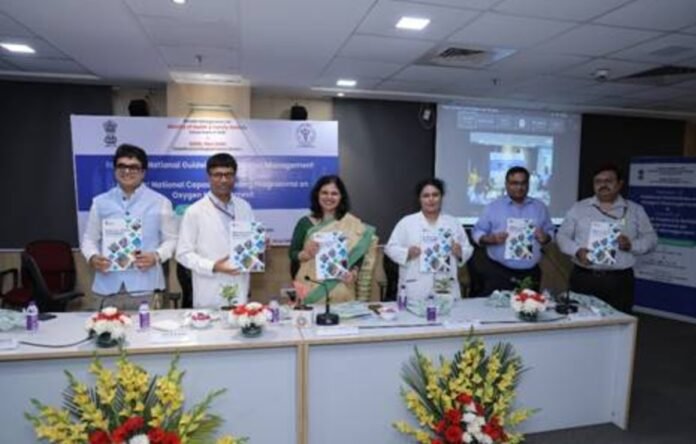
Recognizing the critical role of medical oxygen in healthcare, the Union Health Ministry has released the National Guidelines on Medical Oxygen Management and launched a National Capacity Building Programme on Oxygen Management. This initiative, in collaboration with AIIMS, New Delhi, aims to enhance the management and supply of medical oxygen across healthcare facilities in India. The programme is a direct response to the challenges encountered during the COVID-19 pandemic, particularly the severe strain on oxygen infrastructure.

National Guidelines on Medical Oxygen Management

The newly introduced guidelines provide a comprehensive framework for the procurement, storage, and administration of medical oxygen. They focus on:

  • Standardizing practices across hospitals and healthcare facilities.
  • Ensuring patient safety by improving oxygen delivery systems.
  • Enhancing clinical outcomes through better oxygen utilization.
  • Preparing for emergencies by establishing robust response mechanisms.

By implementing these guidelines, India aims to create a more resilient healthcare system, capable of efficiently managing medical oxygen resources during both routine operations and crises.

Building Expertise: Training Master Trainers

A key component of the capacity-building programme is the training of 200 master trainers, who will then educate hospital administrators and medical officers. These experts will focus on:

  • Proper handling and utilization of medical oxygen to prevent mismanagement.
  • Reducing wastage to ensure efficient use of available resources.
  • Enhancing clinical protocols for oxygen administration in hospitals nationwide.

By developing a well-trained workforce, the programme aims to embed best practices in oxygen management across the country’s healthcare infrastructure.

Lessons from the COVID-19 Pandemic

The devastating impact of the COVID-19 pandemic highlighted the urgent need for robust oxygen supply systems. The crisis exposed gaps in oxygen storage, distribution, and accessibility, underscoring the necessity for a strategic and well-coordinated approach to oxygen management. This new initiative incorporates the lessons learned from the pandemic, ensuring that healthcare facilities are better equipped to handle future emergencies.

AIIMS’ Role in Capacity Building

As a leading medical institution, AIIMS, New Delhi, is spearheading the capacity-building programme by:

  • Leading training efforts to educate healthcare professionals on best practices.
  • Promoting awareness about the critical role of oxygen management.
  • Establishing a national standard for oxygen utilization and emergency preparedness.

With AIIMS at the forefront, the programme is set to transform oxygen management practices across India, fostering a more prepared and resilient healthcare system.

A Step Towards a Stronger Healthcare Future

The launch of the National Guidelines on Medical Oxygen Management and the National Capacity Building Programme mark a significant step towards strengthening India’s healthcare system. By investing in standardized protocols, expert training, and improved infrastructure, the government is ensuring that the country is well-prepared to manage medical oxygen effectively, both in daily healthcare settings and future emergencies.

With this initiative, India is not just addressing past challenges but is also paving the way for a more secure and efficient healthcare system that prioritizes patient safety and operational excellence.