Home Blog Page 323

Difference Between Puthandu and Vishu, South India’ New Year Celebration Days

0

Puthandu and Vishu are vibrant New Year festivals celebrated in South India, typically falling on the same day—April 14 or 15—based on the solar calendar. Though they share the spirit of new beginnings, these festivals are observed by different communities with unique cultural nuances.

Name and Language

  • Puthandu (புத்தாண்டு) is the Tamil New Year, celebrated by the Tamil-speaking population.
  • Vishu (വിഷു) marks the Malayalam New Year and is celebrated by Malayalis in Kerala.

Location

  • Puthandu is primarily observed in Tamil Nadu and among Tamil communities worldwide.
  • Vishu is celebrated across Kerala and by Malayali communities in India and abroad.

Traditions and Celebrations

Despite their regional and linguistic distinctions, both festivals share common elements such as:

  • Wearing new clothes
  • Visiting temples
  • Preparing elaborate festive meals
  • Spending time with family

However, there are notable traditions specific to each:

  • Vishu:
    • Vishukkani: An arrangement of auspicious items like rice, fruits, flowers, a mirror, and a lit lamp is prepared the night before, and it is the first thing one sees on the morning of Vishu.
    • Vishukkaineetam: Elders gift money to children and younger family members as a blessing for prosperity.
  • Puthandu:
    • The day typically begins with viewing auspicious items (kani), similar in spirit to Vishukkani, though it is less ritualized.
    • Mango Pachadi: A symbolic dish made with raw mango, jaggery, neem flowers, and tamarind, representing the varied experiences of life—sweet, sour, bitter, and tangy.

Shared Spirit, Regional Flavor

While Puthandu and Vishu are culturally distinct, they share a deep-rooted connection in their emphasis on renewal, prosperity, and familial bonds. Their simultaneous observance and overlapping rituals reflect the interconnectedness of South Indian traditions, shaped by geography, language, and shared heritage

Maharashtra Signs MoU with Russia’s ROSATOM for Thorium-Based Small Modular Reactor

0

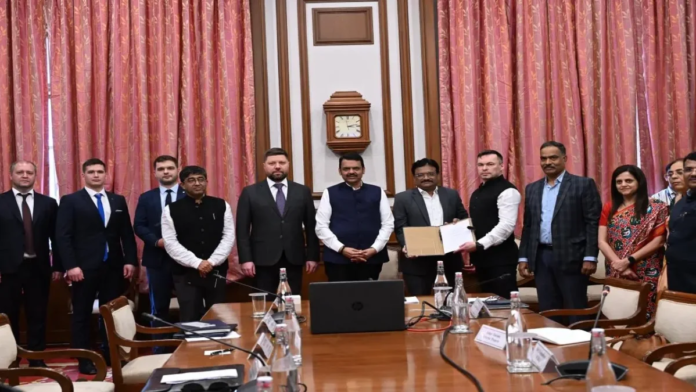
In a landmark development, the Maharashtra government has signed a Memorandum of Understanding (MoU) with Russia’s state-owned ROSATOM for the development of a Small Modular Reactor (SMR). This marks the first instance of a state government in India directly participating in nuclear energy development—an area traditionally overseen by the Department of Atomic Energy (DAE). The project will move forward only after securing necessary approvals from the central government.

Objectives of the MoU

The primary aim of the MoU is the collaborative development and eventual commercialization of a thorium-based reactor in Maharashtra. The initiative emphasizes adherence to safety standards laid down by the Atomic Energy Regulatory Board (AERB) and aims to establish a localized manufacturing ecosystem under the ‘Make in Maharashtra’ initiative.

Key Stakeholders

The agreement was signed between Maharashtra State Power Generation Co. Ltd. (MAHAGENCO) and ROSATOM’s Small Modular Reactor division. Strategic support will be provided by the Maharashtra Institution for Transformation (MITRA). A joint working group will be created to facilitate research, coordination, and implementation of the project.

Safety and Regulatory Compliance

The project will operate in full compliance with the Government of India’s legal and regulatory framework, particularly the safety protocols set by the AERB. Given the sensitive nature of nuclear energy, strict adherence to safety guidelines is a cornerstone of this initiative.

India’s Thorium Journey: Background

While India has developed significant expertise in the nuclear fuel cycle, it currently does not operate any reactors powered by thorium. The Prototype Fast Breeder Reactor (PFBR), under development, will initially use Uranium-Plutonium Mixed Oxide (MOX) fuel but is eventually designed to convert thorium-232 into fissile Uranium-233. This progression is key to leveraging India’s abundant thorium reserves.

Advantages of Small Modular Reactors

Small Modular Reactors present several benefits over conventional nuclear reactors. They are inherently safer, more efficient, and easier to integrate into existing power systems due to their modular design. The PFBR, for example, incorporates advanced safety mechanisms that enable rapid shutdown during emergencies, thereby mitigating potential risks.

Looking Ahead: Future Prospects

This collaboration between Maharashtra and ROSATOM could be a turning point for India’s nuclear energy sector. If successful, it will not only boost domestic energy security but also support the nation’s transition towards clean and sustainable energy sources. The project represents a forward-looking step in aligning with India’s broader goals of energy innovation and environmental responsibility.

Wanna Know What NITI Aayog’s Report on Strengthening India’s Automotive Sector Says? Read the Crux Here…

0

Recently, NITI Aayog released a significant report titled “Automotive Industry – Powering India’s Participation in Global Value Chains.” The report examines the current landscape of India’s automotive sector, identifies key challenges, and outlines strategic recommendations to strengthen India’s position in global markets.

Global and Indian Automotive Landscape

In 2023, global automobile production reached approximately 94 million units, while the global automotive components market was valued at USD 2 trillion. India emerged as the fourth-largest automobile producer worldwide, manufacturing nearly 6 million vehicles annually. The country has a strong footprint in both domestic and export markets, particularly in small cars and utility vehicles. Government initiatives like Make in India continue to enhance India’s competitive edge.

Emerging Trends in the Automotive Sector

The global automotive industry is undergoing a transformative shift toward electric vehicles (EVs), spurred by growing consumer demand for sustainability and tightening regulatory standards. EV sales are rising steadily, reshaping the industry’s manufacturing dynamics. Battery production hubs are emerging in regions such as Europe and the United States, opening new avenues for investments in lithium and cobalt mining.

Simultaneously, the adoption of Industry 4.0 technologies—including Artificial Intelligence (AI), Machine Learning (ML), the Internet of Things (IoT), and robotics—is revolutionizing manufacturing, driving increased efficiency, productivity, and flexibility.

Challenges Facing India’s Automotive Sector

Despite its scale, India holds only a 3% share in the global automotive component trade, valued at roughly USD 20 billion. Major challenges hindering growth include high operational costs, inadequate infrastructure, limited integration into global value chains, and low investment in research and development. India’s presence in high-precision component segments remains minimal, affecting overall competitiveness.

Kings in India Named Ponds, Palace in Name of Their Queens; Women Were Empowered In Indian History Too!

0

How many of you have seen women’ nameplate right outside their houses? Thinking and surprised? Yes, because it is a rare sight in today’ era. However, when we speak of Indian history, this wasn’t taboo as kings used to name ponds and palaces in the name of their queens.

A small town in MP which has big contribution to Indian Railways and Indian trade boasts of this reality. The age old pong called s Jhali Talab was named in memory of Maharani Rajkunwar Jhali. After the World War, the then-Maharaja of Ratlam, Sajjan Singh, performed a ritual for success on its banks. This pond was constructed for his victory and safety by priests and in memory Maharani Rajkunwar Jhali, this pond was named as the jhali talab. The beautiful pond situated near Kalika Mata Temple is carved from red-pink stones with 52 steps and a depth of 86 feet, this pond is recognised as a centre of historical and religious faith.

Today, we talk about women’s empowerment and equality everywhere. In India, having a woman’s name on a house’s nameplate is considered an achievement. However, in India, this isn’t new—it has been a tradition since ancient times. Women’s empowerment has been prevalent even when a woman’s identity was veiledsays Anjali Solanki adding that in this article, she discusses a pond in Ratlam built by the then-ruler Sajjan Singh, which reflects this legacy. A city nestled in the Malwa region of Madhya Pradesh, India, is steeped in history and cultural heritage. Among its many landmarks, Jhali Talab stands out as a serene pond with a rich historical narrative tied to the royal legacy of the region. Located within the Kalika Mata Temple complex, this water body is more than just a scenic spot it carries a legacy that intertwines with themes of women’s significance and empowerment, reflecting the strength and influence of women in Ratlam’s past.

So what will you say after reading this article? Dont you feel woman empowerment is not a new term but it existed in India since centuries, asks Anjali.

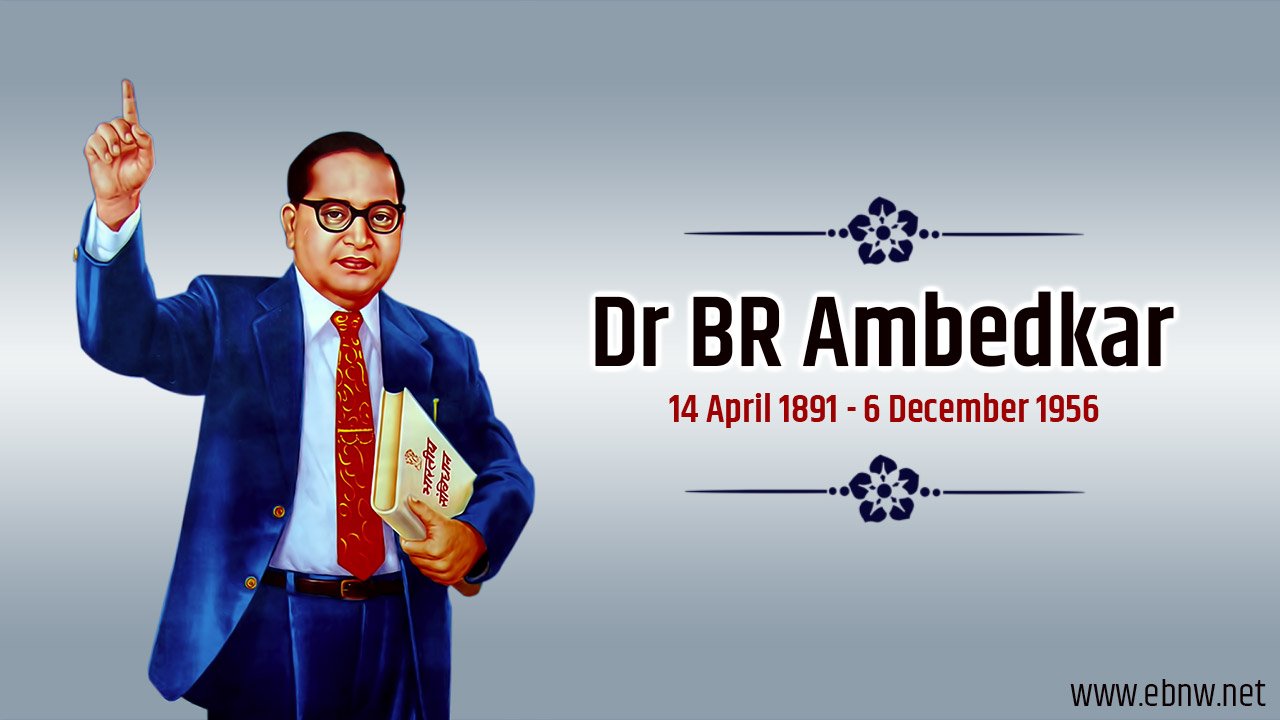
I Measure Progress of A Community By Degree of Progress Which Women have Achieved: Dr BR Ambedkar

0

Dear women of yesterday, today, and tomorrow, think once where your voice was silenced, your rights denied, and your dreams confined by the chains of tradition.

Now try thinking of a man born into a society that deemed him untouchable, he rose like a phoenix to shatter those chains, not just for himself but for you.

This is the story of Dr. B.R. Ambedkar, a revolutionary whose heart beat for equality and whose vision lit the path for every woman to claim her power. Let’s walk through his legacy, a love letter to your strength, your courage, and your boundless potential.

Dr. Bhimrao Ramji Ambedkar wasn’t just the architect of India’s Constitution or a fierce advocate for the marginalized he was a feminist before the word found its way into India’s lexicon. In a nation where women were often seen as shadows of men, bound by oppressive customs and denied basic freedoms, Ambedkar dared to dream of a world where every woman could stand tall. His contribution to women’s rights weren’t mere policies; they were acts of rebellion against centuries of injustice.

To the women of today, Ambedkar’s legacy is a reminder that your freedoms were hard-won. Every time you own property, choose your partner, or cast your vote, you’re living the dream he fought for. But his work isn’t done. The shadows of inequality be it in workplaces, homes, or society still linger. Ambedkar’s vision calls you to rise, to educate yourself, to question, and to fight for a world where no woman is left behind.
So, to every woman reading this whether you’re breaking glass ceilings, raising a family, or chasing your wildest dreams know that Ambedkar’s spirit walks with you. He saw your worth when the world didn’t, and he built a foundation for you to soar. Let’s honor him by living boldly, loving fiercely.

Dr. Br. Ambedkar was more than a man he was a movement. From the dusty streets of Mhow to the hallowed halls of India’s Parliament, his journey was one of courage, intellect, and compassion. His thoughts on equality, dignity, and democracy were not just ideas but blueprints for a better world. As we reflect on his life, we are reminded that the fight for justice is eternal, and Ambedkar’s legacy is a torch that will forever light the way.

Ratlam City in Madhya Pradesh Sets World Record Again with 111,000 Chanting Hanuman Chalisa

0

In an extraordinary display of devotion and unity, Ratlam, Madhya Pradesh, has once again made global headlines by setting a new world record. On the occasion of Hanuman Jayanti, April 12, 2025, an estimated 111,000 devotees gathered to chant the Hanuman Chalisa in unison — a feat organized by the Seva Veer Kalyan Samiti.

This spiritual event marks a significant milestone, building on the success of the 2024 gathering, where 51,000 participants came together for the same purpose, also earning recognition for its scale. The 2025 event not only surpassed the previous record but also cemented Ratlam’s growing reputation as a center of spiritual and cultural unity.

Held under the banner of promoting faith and community harmony, the mass chanting has become a symbol of devotion for the region. Organizers and participants alike described the gathering as a landmark moment in spiritual expression and a proud reflection of the city’s cultural vibrance.

Baisakhi 2025: Honoring Faith, Harvest, and Harmony Across Regions

0

As we seen India’s festivals are a vibrant tapestry of unity, weaving together diverse faiths in a celebration of life.
So today, no matter where you are you from, in India, Baisakhi known by different names in different regions ignites a shared spirit of abundance and unity. Baisakhi isn’t just a festival it’s a whirlwind of faith, culture, and unstoppable energy that sweeps you off your feet. Whether you’re in Punjab’s fields or a bustling city, Baisakhi 2025 promises a celebration that’ll leave your heart soaring.

The day kicks off with people flocking to Gurdwaras for heartfelt prayers, where the Guru Granth Sahib is bathed in milk. Sweet treats are shared, spreading smiles all around. By afternoon, the holy book takes center stage in lively parades, accompanied by the proud symbols of the Five K’s : the Kirpan, Kesh, Kara, Kangha, and Katchera. These rituals weave together devotion, community, and pride in Sikh identity. However, in Hinduism, Baisakhi is observed as the New Year’s Day and is celebrated with splendour in some of the states of India.
Other than the historical significance, the day also marks the ripening of the Rabi crop and is celebrated with splendour among the people of Punjab.

How Baisakhi is Celebrated in India

Gurdwaras are decorated with lights of various colours while the Sikhs organise ‘Nagar Kirtan’, a procession led by five Khalsa. The procession is marked by people singing hymns from the Sikh texts. Some of the bigger processions keep a copy of the Guru Granth Sahib as a show of respect.
Events that depict the true culture of Punjab are organised. Traditional folk dance or Bhangra, essentially a harvest festival dance, is quite common in these cultural events. People flock to local fairs that form an integral part of the Punjabi culture.

New Year Celebrations in Many Parts of India

In other parts of India, Hindus celebrate the day as the beginning of the new year. People take a dip in the holy Ganges and other holy rivers before starting the day. Dressing up in traditional attire, indulging in local delicacies, and visiting friends’ and relatives’ houses are quite common. Baisakhi is also considered as an auspicious day to start a new venture. The harvest festival is celebrated across India, albeit the names being different in different states. The festival is seen as a symbol of prosperity for all.

Best Places to Celebrate Vaisakhi this year –

Delhi: Delhi, the capital city of India, hosts various events to celebrate the day. It is also visited by many people from all parts of the country.

Punjab: If you want to see the real celebrations, consider visiting Punjab during Vaisakhi 2025. the state organises dance and singing concerts.

Haryana: Haryana conducts a vast mela each year. Many people visit this state to take part in Vaisakhi mela, which is very famous.

Chandigarh: Chandigarh is one of most visited destinations during this festival. Tourists visit gurudwaras of the city and pray to the God.

Jalandhar: The city of Jalandhar celebrates Vaisakhi attractively. The main festivities include dancing, singing, etc. Both men and women perform folk dances.

Jallianwala Bagh Massacre: A Dark Day in India’s History Which Continues to Haunt Even After 100 Years

0

April 13 is remembered as one of the darkest days in Indian history — a day that exposed the brutal face of British colonial rule. On this day in 1919, the British government committed a heinous massacre in Amritsar that continues to haunt the nation even today. The wounds of Jallianwala Bagh are still fresh in the collective memory of India.

The British were preparing to implement the Rowlatt Act, which aimed to suppress political dissent by allowing imprisonment without trial. In protest, thousands of Indians — including men, women, children, and the elderly — gathered peacefully at Jallianwala Bagh. Without any warning, General Dyer ordered his troops to open fire on the unarmed crowd. When the entire state was celebrating the harvest festival of Baisakhi, the news of hundreds of people shot dead spread like a wild fire and celebrations turned into mourning across the nation.

The garden turned into a bloodbath. With only one narrow exit, panic spread quickly, leading to a deadly stampede. Many were trampled, while hundreds were riddled with bullets. In a desperate attempt to escape, some jumped into a well located inside the compound — many lost their lives there too.

The British government formed the Hunter Commission to investigate the incident, but its report grossly underplayed the horror, stating the official death toll as just 379 — a figure widely disputed by Indian sources, who estimated thousands of casualties.

Udham Singh’s Revenge

The massacre triggered widespread outrage across the country. One man deeply affected by the tragedy was Udham Singh. Determined to avenge the massacre, he vowed to punish those responsible — particularly General Dyer and then Punjab Governor Michael O’Dwyer. While General Dyer died of a brain hemorrhage in 1927, Michael O’Dwyer remained on Singh’s radar.

On March 13, 1940, Michael O’Dwyer was scheduled to speak at Caxton Hall in London. Udham Singh managed to enter the event with a concealed pistol and shot O’Dwyer with six bullets, two of which proved fatal. With this act, Udham Singh delivered justice for the massacre at Jallianwala Bagh.

Inspiration for a Revolution

The Jallianwala Bagh massacre sparked a surge of revolutionary sentiment among India’s youth. It served as a turning point, inspiring figures like Ram Prasad Bismil, Chandrashekhar Azad, and Bhagat Singh to recruit more young people into their revolutionary movements during the 1920s.

Even the moderate leaders of the Indian National Congress, who had previously advocated for reforms, now began demanding complete independence from British rule. The massacre became a defining moment in India’s struggle for freedom — one that united people across ideologies in their fight against colonial oppression.

Hanuman Jayanti & Munindra Rishi: Exploring the Divine Connection

0

On the occasion of Hanuman Jayanti, the name of Munindra Rishi often surfaces, sparking curiosity among people about his connection to the festival. Social media buzz around his name and stories inspires many to learn more about him. In this article, I aim to share insights into the relationship between Hanuman Jayanti and Munindra Rishi, exploring their significance.

Who is Munindra Rishi?

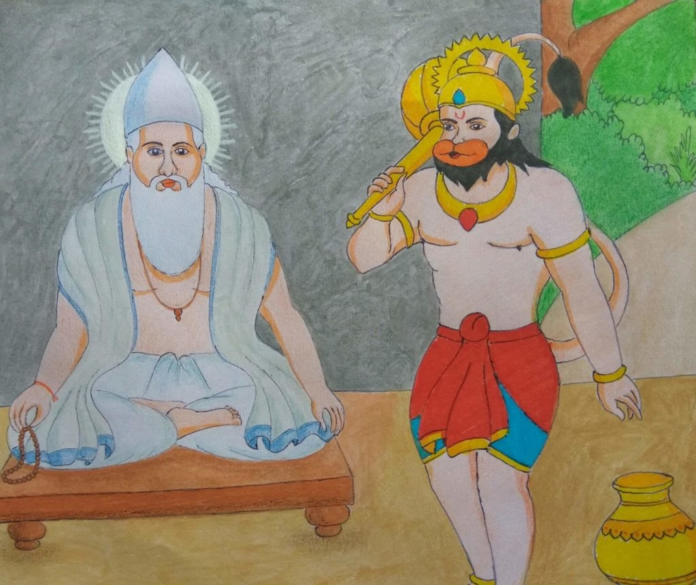
Certain narratives, particularly those propagated by Jagatguru Rampal Ji and his followers, describe Munindra Rishi as a spiritual guide who played a pivotal role in Hanuman’s life. According to these stories, Munindra Rishi imparted profound spiritual wisdom to Hanuman, guiding him toward the path of true devotion and liberation. One tale recounts that when Hanuman was returning with Sita’s token (such as her bracelet), he encountered Munindra Rishi. The sage enlightened him about the existence of a supreme divine power beyond Lord Rama, emphasizing the importance of higher spiritual knowledge.

The Connection Between Munindra Rishi and Hanuman Jayanti

The link between Munindra Rishi and Hanuman Jayanti stems primarily from a specific sectarian narrative that highlights his role as Hanuman’s mentor. This story underscores Munindra Rishi’s contribution to Hanuman’s spiritual journey. However, this account is not widely accepted across all Hindu communities and remains largely confined to certain spiritual groups. The essence of Hanuman Jayanti typically revolves around celebrating Hanuman’s devotion, strength, and unwavering loyalty to Lord Rama. For those who believe in this particular narrative, remembering Munindra Rishi on this day symbolizes the pursuit of spiritual wisdom. They hold that Munindra Rishi’s guidance brought a transformative shift in Hanuman’s life, making his journey incomplete without it. Thus, on Hanuman Jayanti, devotees who follow this belief also honor Munindra Rishi as Hanuman’s guru alongside celebrating Hanuman’s birth.

Thier are more stories of highlight Munindra Rishi’s role as a catalyst for spiritual and practical outcomes in the Ramayana.

Munindra Rishi with Nala and Neel

Nala and Neel, two vanaras in Rama’s army, were once plagued by mental and physical ailments, deemed incurable by other sages. Seeking relief, they approached Munindra Rishi, who blessed them, curing their suffering. Grateful, they served at his ashram, but their weakened minds led to mistakes, like leaving items to float away in the river. Munindra granted them a boon: anything they placed in water—stones or utensils—would float. Later, when tasked with building the Ram Setu, Nala and Neel initially forgot their guru’s blessing, and the stones sank. Realizing their error, they invoked Munindra Rishi’s guidance, enabling them to construct the bridge successfully, as the stones floated with his divine aid.

Munindra Rishi with Ravana and Mandodari

In these narratives, Munindra Rishi was a spiritual mentor to Mandodari, Ravan’s wife, and Vibhishana, Ravan’s brother. After receiving initiation from Munindr, Mandodari embraced spiritual wisdom and urged Ravan to release Sita and reform his ways. However, Ravan, steeped in ego and devotion to mahadev alone, ignored her pleas. Munindr’s teachings inspired Mandodari to see beyond Ravan’s actions, but she couldn’t sway him. The sage’s influence also reached Vibhishana, who aligned with Ram, reflecting Munindra’s guidance toward righteousness, though Ravan remained unmoved by the sage’s indirect impact.

Munindra Rishi with shree Ram

A specific story describes Munindra Rishi meeting Ram when he was grieving after Sita’s abduction. The sage offered spiritual counsel, advising Ram to seek allies like Sugriva and Vibhishana to defeat Ravan. Munindra emphasized the importance of devotion to a supreme power beyond earthly struggles, uplifting Rama’s resolve. During the battle with Ravana, when Rama struggled to kill the demon king, Munindra is said to have appeared in a subtle form as the Supreme God, striking Ravana’s navel to end his life, revealing a divine intervention to aid Rama’s victory.