Home Blog Page 275

World’s 10 Deadliest Plane Crashes: From Mid-Air Collisions to Technical Failures

0

The recent crash of an Air India Boeing 787 Dreamliner in Ahmedabad has once again highlighted the tragic consequences of aviation disasters. The aircraft had 242 passengers, including former Gujarat Chief Minister Vijay Rupani, along with 52 British and 6 Portuguese nationals. Over 100 bodies have been recovered, though official confirmation is awaited.

Here’s a look at the 10 deadliest plane accidents in global aviation history:

1. March 1977 – Collision in Spain: 586 Deaths

World’s 10 Deadliest Plane Crashes: From Mid-Air Collisions to Technical Failures

The deadliest plane crash in aviation history occurred on 27 March 1977 at Los Rodeos Airport, Spain, when two Boeing 747 jets – KLM Flight 4805 and Pan Am Flight 1736 – collided on the runway. Due to miscommunication and dense fog, 586 people were killed.

2. August 1985 – Japan Airlines Crash: 520 Dead

World’s 10 Deadliest Plane Crashes: From Mid-Air Collisions to Technical Failures

On 12 August 1985, Japan Airlines Flight 123 crashed into a mountain after its rear pressure bulkhead failed, causing a rapid loss of cabin pressure. The aircraft lost control, leading to 520 fatalities, the deadliest single-aircraft crash ever recorded.

3. November 1996 – Mid-Air Collision in Haryana, India: 349 Dead

On 12 November 1996, a Saudi Arabian Airlines Boeing 747 and a Kazakhstan Airlines Ilyushin Il-76 collided near Charkhi Dadri in Haryana, India. 349 people were killed due to pilot miscommunication and altitude misunderstanding.

4. March 1974 – Turkish Airlines Crash Near Paris: 346 Dead

World’s 10 Deadliest Plane Crashes: From Mid-Air Collisions to Technical Failures

On 3 March 1974, a Turkish Airlines DC-10 crashed near Paris after a cargo door broke mid-flight, leading to sudden decompression. The aircraft lost control and fell into a forest, killing all 346 people on board. The disaster was later traced to a design flaw.

5. August 1980 – Saudi Arabian Fire Disaster: 301 Dead

World’s 10 Deadliest Plane Crashes: From Mid-Air Collisions to Technical Failures

On 19 August 1980, a Saudi Airlines Lockheed Tristar caught fire shortly after takeoff from Riyadh. Although the aircraft landed safely, smoke inhalation killed all 301 passengers, as evacuation was delayed due to poor emergency response.

6. January 1978 – Air India Crash in Arabian Sea: 213 Dead

World’s 10 Deadliest Plane Crashes: From Mid-Air Collisions to Technical Failures

On 1 January 1978, an Air India Boeing 747 crashed into the Arabian Sea shortly after takeoff from Mumbai, en route to Dubai. Due to directional confusion and technical failure, 213 lives were lost.

7. May 2010 – Mangalore Airport Tragedy: 158 Dead

On 22 May 2010, Air India Express Flight 812, returning from Dubai, overshot the runway at Mangalore Airport and fell into a gorge. The plane broke in two, killing 158 people. The cause was pilot fatigue and delayed landing, leaving insufficient space to brake.

8. August 2020 – Kozhikode Runway Crash: 21 Dead

World’s 10 Deadliest Plane Crashes: From Mid-Air Collisions to Technical Failures

On 7 August 2020, during the Vande Bharat Mission, Air India Express Flight 1344 from Dubai skidded off the runway in Kozhikode, Kerala. The aircraft broke apart, resulting in 21 deaths and 110 injuries.

9. April 1993 – Plane Collides with Truck in Aurangabad: 55 Dead

World’s 10 Deadliest Plane Crashes: From Mid-Air Collisions to Technical Failures

On 26 April 1993, Indian Airlines Flight 491 collided with a truck on the runway while taking off from Aurangabad. The plane caught fire, resulting in 55 deaths. The accident highlighted severe runway safety lapses.

10. Recent 2025 – Air India Crash in Ahmedabad

An Air India Boeing 787 Dreamliner with 242 passengers crashed near Ahmedabad, with early reports suggesting over 100 fatalities. Among the passengers were foreign nationals and political figures. The cause is yet to be confirmed.

Global Cybercrime Crackdown: ‘Operation Secure’ Dismantles 20,000 Malicious Domains

0

A major international operation codenamed ‘Operation Secure’ was launched to combat rising cybercrime threats worldwide. Coordinated by Interpol, the operation involved law enforcement agencies from 26 countries, working together to dismantle infrastructure linked to information-stealing malware.

Operation Secure: A Four-Month Global Effort

Running from January to April 2025, Operation Secure targeted over 20,000 malicious IP addresses and domains used for cybercriminal activities. The operation achieved a significant breakthrough, taking down nearly 79% of the identified malicious IPs.

Key private-sector cybersecurity firms, including Group-IB, Kaspersky, and Trend Micro, supported the operation by providing technical expertise and threat intelligence.

Widespread International Collaboration

Countries such as India, Vietnam, Sri Lanka, and Nauru actively participated in the operation. Agencies worked in coordination to track server locations, map criminal networks, and execute targeted takedowns, enhancing global cybersecurity resilience.

Major Seizures and Arrests

The operation led to the seizure of 41 servers and over 100 GB of stolen data. Authorities arrested 32 suspects globally, including 18 in Vietnam, for involvement in illicit cyber activities. Additionally, more than 216,000 potential victims were alerted and advised to change passwords and secure their digital accounts.

Infostealer Malware: The Core Threat

At the center of these cyberattacks was infostealer malware, a tool used to extract sensitive data such as browser credentials, email logins, and credit card information. This stolen data is commonly sold on underground cybercrime forums.

Command-and-Control Networks Uncovered

One of the operation’s major revelations was the identification of 117 command-and-control servers in Hong Kong, which were used to launch phishing attacks and online fraud campaigns. Shutting down these servers disrupted several active criminal operations.

Strengthening Cyber Defenses

Interpol emphasized that Operation Secure demonstrates the growing scale of cybercrime and the urgent need for global cooperation. The operation is now being hailed as a model for future international cybersecurity efforts

Pak Secures roles in UNSC As Non-Permanent Member for Year 2025-26

0

Pakistan secured roles in the UNSC as an elected non-permanent member for the 2025-26 term. It now chairs the 1988 Taliban Sanctions Committee and serves as the Vice Chair of the 1373 Counter Terrorism Committee. Additionally, Pakistan is a Co-Chair in two informal working groups. This development raises questions ab out Pakistan’s influence and the implications for India.

Pakistan’s Election and Committee Roles

Pakistan’s recent election as a non-permanent member of the UNSC was part of the Asia-Africa grouping. This membership made it eligible to chair subsidiary bodies of the Council. The structure of the UNSC allows non-permanent members to take leadership roles in committees. Permanent members do not chair these committees to avoid conflicts of interest.

About the Committees

The 1988 Taliban Sanctions Committee monitors sanctions against individuals and entities linked to the Taliban. The 1373 Counter-Terrorism Committee focuses on member states’ responsibilities to combat terrorism in line with UNSCR 1373. Both committees require consensus among members for decisions, limiting unilateral actions.

Implications of Pakistan’s Chairmanship

Pakistan’s role in the 1988 Committee allows it to set the agenda and monitor sanctions. However, it does not possess special powers to unilaterally impose or lift sanctions. The political dynamics within the UNSC, particularly the influence of other members, will shape Pakistan’s effectiveness in this role.

Limitations of Influence

Pakistan’s ability to influence the 1988 Committee is constrained. The Taliban’s status as de facto rulers complicates sanctions discussions. Additionally, the technical nature of the Counter-Terrorism Committee focuses on capacity building rather than punitive measures. Pakistan’s record of violating UNSCR 1373 provisions further undermines its credibility in counter-terrorism discussions.

Concerns for India

Despite Pakistan’s roles, these positions do not pose a direct threat to Indian interests. The effectiveness of the UNSC and its subsidiary bodies in combating terrorism has been questioned. Pakistan’s past attempts to leverage its UNSC roles for political gain, particularly regarding Kashmir, indicate its strategic intentions.

The Broader Context

Pakistan’s upcoming presidency of the UNSC in July 2025 raises concerns about its potential to influence discussions on contentious issues. While procedural advantages exist, the presidency does not grant substantive powers. The challenges faced by the UNSC in addressing terrorism remain concern for all member states.

Why Every Parent Should Consider a Child Savings Plan for Future Security

0

Every parent dreams of giving their child a secure future. This can be through various milestones such as quality education, financial independence, or a dream wedding. However, rising inflation and unforeseen life circumstances can pose significant challenges to fulfilling these goals. This is where a child savings plan can help. These plans are designed to build a dedicated corpus for a child’s future needs. Alongside, they also provide life insurance protection to ensure that financial goals are still met in the parent’s absence.

What is a Child Savings Plan?

A child savings plan combines life insurance and investment. It helps parents to save systematically for their child’s long-term needs. The core idea is to prepare funds as needed, such as for higher education or marriage expenses. These plans span across years with customised to align them with the important milestones in a child’s life. Broadly, there are two types of child savings plans:

● A traditional child endowment plan that offers assured returns and bonuses.

● A unit-linked child plan that offers market-linked returns for higher growth potential.

Building a Disciplined Corpus

Child savings plans are based on disciplined, long-term saving through regular premium payments. Over time, they help build a substantial fund that matures when your child requires it. For example, a 15-year plan started when the child is 3 years old may mature around the time of university admission, providing much-needed financial support.

Flexibility in Planning

Flexibility is an essential feature of many child savings plans, especially unit-linked ones. Parents can increase contributions or switch investment funds as per changing financial situations. Some plans may also allow partial withdrawals in case of emergencies. This flexibility ensures that savings continue while also offering access to funds when genuinely needed.

Tax Benefits

Tax advantages are another key factor to consider. Many child savings plans offer deductions under Section 80C of the Income Tax Act. In this scenario, parents can claim up to ₹1.5 lakh annually on the premiums paid. Also, maturity benefits may be exempt from tax under Section 10(10D in some cases. By selecting a tax-efficient plan, parents can not only secure their child’s future but also optimise their savings.

Starting early is always advisable. It will allow you to contribute more over time and benefit from compounding returns. During this pursuit, a child savings plan should be considered. After all, it has the combined benefits of financial goal-based saving and life insurance protection. With time, parents can be at peace as their children receive the financial protection they need.


Plant-Based Meat and Seafood in India’s Vegetarian Market

0

India, often celebrated as the world’s largest vegetarian market, is witnessing a quiet revolution in its food ecosystem. For decades, traditional plant-based diets dominated by pulses, grains, and dairy products have defined Indian cuisine and culture. However, a new wave of innovation is transforming the protein landscape—plant-based meats and cultivated seafood are making significant inroads, offering alternative sources of nutrition that promise sustainability, health benefits, and culinary appeal. This transformation is driven by a convergence of consumer awareness, technological advancement, and evolving environmental concerns.

Interestingly, just as gamers tackle challenges in titles like mission uncrossable game, Indian consumers are embarking on a complex journey to reconcile their rich culinary heritage with novel protein sources that replicate the taste and texture of meat and seafood without compromising traditional values. This journey is not only changing how Indians eat but also shaping global conversations about food security and sustainability.

Traditional Protein Sources and Dietary Patterns in India

India’s vegetarian population, estimated at over 30%, has long depended on lentils, beans, dairy, and vegetables to fulfill protein requirements. Legumes such as masoor dal, chana dal, and moong dal are dietary staples, supplemented by dairy products like paneer, yogurt, and ghee. Coastal and northeastern communities have traditionally consumed fish and seafood, but these remain exceptions within the broader vegetarian-centric demographic.

Despite the dominance of vegetarian diets, protein malnutrition has persisted as a public health concern. Over-reliance on cereals and limited access to diverse protein sources have driven interest in more nutritious and accessible alternatives. This nutritional gap sets the stage for plant-based meats and cultivated seafood to provide innovative solutions that align with cultural sensitivities while addressing health challenges.

Drivers of Growth in Plant-Based Meat and Cultivated Seafood

Several critical factors are fueling the expansion of alternative protein markets in India:

Health awareness has risen sharply in recent years. With increasing cases of lifestyle-related diseases such as diabetes, cardiovascular conditions, and obesity, Indian consumers are actively seeking healthier protein alternatives that are lower in saturated fats and free from antibiotics and hormones often found in conventional meat. This shift is particularly visible in urban and semi-urban populations, where dietary choices are influenced by medical advice and wellness trends.

Environmental concerns are also playing a significant role. Livestock farming contributes considerably to greenhouse gas emissions, deforestation, and water consumption, all pressing issues for a country facing climate change challenges and water scarcity. As the public becomes more conscious of the environmental impact of their food choices, plant-based and cultivated protein sources gain traction as sustainable alternatives.

Urbanization and changing lifestyles amplify demand for convenient, nutritious, and tasty food options. The growth of supermarkets, online grocery platforms, and food delivery services in India has made it easier for consumers to access innovative protein products that were previously limited to niche markets or metropolitan centers.

Finally, technological advancements in food science have enabled companies to develop products that closely mimic the taste, texture, and nutritional profile of animal-based meat and seafood. Innovations in cellular agriculture and plant-based formulations are helping bridge the gap between traditional Indian palates and global alternative protein trends.

Plant-Based Meat: Innovation Rooted in Tradition

Unlike Western markets, where plant-based meat often mimics beef or pork, India’s innovation focuses on familiar ingredients and spices. Pulses such as chickpeas, lentils, and peas provide protein bases for products designed to replicate popular Indian dishes like kebabs, cutlets, and koftas. These products are formulated to satisfy both taste and texture expectations, which is critical in a country where food is deeply tied to identity.

Brands are adopting strategies such as culinary localization—incorporating indigenous spices like garam masala, turmeric, and asafoetida—to help these products resonate with consumers’ palates. The product range includes ready-to-cook snacks, meat analogs intended for curries and biryanis, and convenience foods aimed at busy urban consumers. Additionally, sourcing locally grown pulses and grains supports farmers and ensures product freshness while reducing the environmental footprint.

Cultivated Seafood: Navigating New Waters

India’s seafood consumption is sizable but faces sustainability challenges such as overfishing, pollution, and climate impacts. Cultivated seafood, produced by growing fish cells in controlled environments, offers a sustainable alternative that can relieve pressure on marine ecosystems while ensuring food safety and quality.

Key aspects shaping the cultivated seafood market in India include focusing on regionally popular species such as shrimp, rohu, and pomfret, providing consumers with familiar flavors and textures. Cultivated seafood offers benefits including food safety—free from contaminants like heavy metals and microplastics—and supply reliability, unaffected by seasonal or environmental fluctuations. Furthermore, it allows for customization, such as enhancing omega-3 fatty acid content or reducing sodium levels to promote health.

Despite these advantages, consumer acceptance remains a challenge, requiring education, transparency, and culinary endorsements to build trust and enthusiasm for cultivated seafood.

Challenges in Scaling Alternative Proteins

India’s alternative protein market faces several significant obstacles:

First, price sensitivity remains a key barrier. Plant-based meats and cultivated seafood products are often priced higher than traditional vegetarian staples, limiting their reach primarily to urban, affluent consumers. Achieving economies of scale through expanded production and streamlined supply chains is essential to making these products more accessible.

Second, regulatory clarity is needed. The evolving legal landscape for novel foods—particularly cultivated meat and seafood—requires clear safety standards, labeling rules, and marketing guidelines. This regulatory framework is vital for encouraging investment, innovation, and consumer confidence.

Third, cultural acceptance plays a major role. Deep-rooted food traditions and skepticism toward lab-grown or heavily processed foods can slow adoption. Alternative proteins must demonstrate culinary authenticity and respect for cultural preferences to win over the broader population.

Fourth, infrastructure and distribution channels must improve. Cold-chain logistics are underdeveloped in many parts of India, restricting product availability outside major metropolitan centers and limiting market penetration in tier-2 and tier-3 cities.

Consumer Engagement and Marketing Strategies

Effective marketing in India carefully blends health benefits, sustainability, and traditional culinary elements. Campaigns highlight the nutritional quality of alternative proteins, positioning them as aligned with India’s longstanding vegetarian values. Demonstrating how plant-based and cultivated proteins can be seamlessly incorporated into beloved dishes helps overcome hesitancy.

Celebrity endorsements and influencer partnerships amplify awareness, connecting alternative proteins to aspirational lifestyles. Sampling programs at food festivals, supermarkets, and online platforms invite consumers to try products firsthand, easing the transition from curiosity to habitual use. Cooking tutorials and recipe kits further help consumers integrate these proteins into their everyday meals, showcasing their versatility.

Government Role and Policy Support

The Indian government has started to recognize the potential of alternative proteins in addressing food security and environmental sustainability. Key initiatives include research grants for cellular agriculture and plant protein innovation, pilot programs to incorporate alternative proteins in public nutrition schemes, and incentives for startups developing sustainable food technologies.

Further, aligning alternative protein development with India’s climate commitments promotes a holistic approach to reducing the environmental footprint of agriculture. Coordinated policies across agriculture, health, and industry ministries are crucial to prevent silos and promote cohesive growth.

Outlook: India’s Role in the Global Alternative Protein Revolution

India’s combination of a large vegetarian population, rich culinary heritage, and growing technological capability positions it as a future leader in alternative protein development. As products become more affordable and culturally relevant, their penetration will extend beyond affluent urban areas into the broader population.

The rise of plant-based meat and cultivated seafood in India reflects a broader shift towards sustainable, health-conscious food systems. This evolution offers a model of how ancient dietary traditions can blend with modern innovation to meet the challenges of nutrition, environmental impact, and food security in the 21st century.

India is poised to not only transform its own protein supply but also influence global food trends by developing scalable, culturally nuanced alternative proteins that deliver on taste, health, and sustainability. The future of protein in India is one where technology and tradition come together, offering consumers more choice, better nutrition, and a lighter ecological footprint.


How Blood Sugar Quietly Steals Your Memory and Brain Power

0

By Udit Sharma

Most of us associate high blood sugar with diabetes and weight gain. But did you know that elevated blood sugar can silently attack your brain, affecting memory, focus, and overall cognitive function? Whether you’re diabetic or not, blood sugar fluctuations may be quietly eroding your brain power every single day.

In this article, we’ll explore how blood sugar affects your brain, the science behind this connection, symptoms to watch for, and practical steps to protect your cognitive health.

The Brain’s Dependence on Glucose

The brain is the most energy-demanding organ in your body, consuming nearly 20% of your daily glucose intake. Glucose fuels mental processes like concentration, learning, problem-solving, and memory retention.

When your blood sugar levels are stable, your brain performs optimally. But when glucose levels frequently spike or drop, your brain starts to suffer — often without you even realizing it.

How High Blood Sugar Damages Your Brain

  1. Oxidative Stress and Inflammation

Consistently high blood sugar leads to oxidative stress, which produces free radicals that damage brain cells. Chronic inflammation from high glucose levels can impair neuron communication, making it harder for your brain to process and store information.

  1. Insulin Resistance in the Brain

High blood sugar often leads to insulin resistance — not just in the body but also in the brain. Insulin helps brain cells absorb glucose and supports neurotransmitter function. When brain cells resist insulin, it leads to cognitive decline, memory loss, and brain fog.

  1. Brain Shrinkage

Research shows that people with elevated blood sugar are more likely to experience brain atrophy, especially in the hippocampus, which is vital for memory. This shrinkage increases the risk of cognitive decline, dementia, and Alzheimer’s disease.

  1. Higher Alzheimer’s Risk (Type 3 Diabetes)

Alzheimer’s disease is sometimes called Type 3 diabetes because of its strong link to insulin resistance and glucose metabolism dysfunction in the brain. High blood sugar contributes to the build-up of beta-amyloid plaques and tau tangles, which are key markers of Alzheimer’s.

Silent Symptoms of Blood Sugar-Related Cognitive Decline
• Frequent forgetfulness
• Difficulty focusing (brain fog)
• Mental fatigue and confusion
• Irritability and mood swings
• Slower processing of information

If you experience these symptoms regularly, your blood sugar could be playing a role—even if you don’t have diabetes.

Who Is at Risk?
• People with prediabetes or diabetes
• Overweight or obese individuals
• People with a sedentary lifestyle
• Poor diet high in processed foods and sugars
• Chronic stress sufferers
• Individuals with poor sleep habits

How to Protect Your Brain from Blood Sugar Damage

  1. Maintain a Balanced Diet
    • Eat low-glycemic foods: whole grains, vegetables, legumes, and lean proteins.
    • Avoid processed sugars, refined carbs, and sugary drinks.
  2. Exercise Regularly
  3. Physical activity improves insulin sensitivity and helps stabilize blood sugar levels.
  4. Get Quality Sleep: Poor sleep affects glucose regulation and increases the risk of cognitive decline.
  5. Manage Stress: Chronic stress raises cortisol, which can destabilize blood sugar levels.
  6. Monitor Your Blood Sugar

Even if you’re not diabetic, periodically check your fasting glucose, HbA1c, and insulin levels to catch issues early.

Conclusion

Blood sugar may be silently stealing your memory and brain power without any obvious signs. By understanding the connection between glucose and brain health, you can take proactive steps to protect your cognitive function. Healthy blood sugar levels not only prevent diabetes but also preserve your mental clarity, focus, and memory for years to come.

Stop Child Labour: Says Netizens on World Day Against Child Labour. Look How They Share Awareness Via Messages and Posters…

0

Globally, an estimated 160 million children are engaged in child labor, which represents nearly 1 in 10 children worldwide. This figure includes 63 million girls and 97 million boys. A significant portion, 79 million, are working in hazardous conditions. The highest prevalence of child labor is in Africa, followed by Asia and the Pacific. 

Here’s a more detailed breakdown:

  • Global Prevalence: 160 million children are engaged in child labor. 
  • Gender Distribution: 63 million girls and 97 million boys are involved in child labor. 
  • Hazardous Work: Nearly half of all children in child labor, 79 million, are in hazardous conditions. 
  • Regional Distribution: Africa (72 million), followed by Asia and the Pacific (62 million), have the highest prevalence. 
  • India: The number of children in child labor in India ranges from 1.8 million (0.7% of all children aged 5-17 years) to 3.3 million (1.3% of children), depending on the definition used. 

Gulab Chakkar in Ratlam Bespeaks Story of Father Daughter’s Bond…

0

The Majestic Gulab Chakkar: A Symbol of Love and Legacy

Can you image a circle in the heart of a city bespeaking a story of a father and daughter love? Surprised? How can a circle bespeak a tale of father daughter bond? This might be a billion dollar question bouncing your brain?

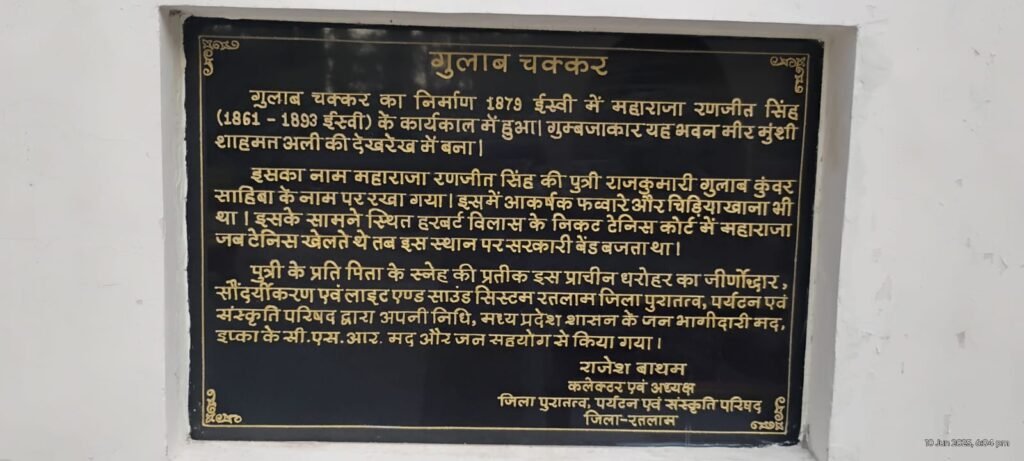
So if you want a reply to this question, you should try visiting Gulab Chakkar situated in the heart of Ratlam. It embodies the city’s royal legacy and a father’s boundless love. Built in 1879 under the patronage of Maharaja Ranjit Singh, this dome-shaped marvel was dedicated to his daughter, Rajkumari Gulab Kunwar Sahiba. Crafted under the meticulous supervision of Mir Munshi Shahamat Ali, Gulab Chakkar is more than an architectural gem—it is a living testament to Ratlam’s rich heritage, a symbol of familial devotion, and a cultural anchor for future generations. Preserving this iconic structure is not just a matter of maintaining a building; it is about safeguarding the soul of Ratlam and its storied past.

And Ratlam District Collector Rajesh Batham should be congratulated for presenting this precious asset to the people of Ratlam which speaks a beautiful story of family’s bonding with its exquisite artistry. Batham opened Gulab Chakar for the city residents after performing Puja. Once Maharaja used to play tennis in Herbert Palace, then the melodious sound of the government band used to resonate here. To make it alive, a musical performance was given by the police band of MP SAF Indore along with Gulab Chakar. In the evening, artists from various singing clubs, groups, orchestras presented songs and music.

Historical Significance: A Monument Born of Familial Devotion

Gulab Chakkar’s historical significance lies in its unique origin story. Born from a father’s love for his daughter, it stands as a rare monument in Indian history where familial affection is immortalized in stone. Unlike many structures from the era built for political or military purposes, Gulab Chakkar represents an emotional narrative, making it a distinctive cultural artifact. Its intricate design, inspired by the architectural brilliance of the time, reflects the craftsmanship of artisans who poured their skill into every detail. Preserving this monument ensures that future generations can connect with the human stories behind Ratlam’s royal past, fostering a sense of pride and identity.

Gulab Chakkar in Ratlam Bespeaks Story of Father Daughter's Bond...

Cultural Touchstone: The Heartbeat of Ratlam’s Heritage

Beyond its historical value, Gulab Chakkar is a cultural touchstone. In its heyday, it was a vibrant hub where fountains sang, peacocks danced in the nearby zoo, and the royal band played melodious tunes as Maharaja Ranjit Singh’s tennis racket echoed on the Herbert Vilas courts. These scenes evoke a time when Gulab Chakkar was the heartbeat of Ratlam’s social and cultural life. Today, it serves as a reminder of the city’s grandeur, a place where history and festivity intertwined. Protecting this monument preserves the memories of a bygone era, allowing Ratlam’s residents to celebrate their heritage and share it with visitors.

Colourful lights enhance its beauty

At night, Gulab Chakkar becomes more than a monument—it turns into a beacon of Ratlam’s royal heritage, its illuminated silhouette standing proud against the starry sky. The lights not only enhance its aesthetic beauty but also amplify its emotional resonance, reminding visitors of the love and devotion etched into its foundation. The surrounding area, once alive with fountains and music, seems to hum with the echoes of history under the gentle glow, inviting quiet reflection and admiration. This nocturnal splendor makes Gulab Chakkar a visual masterpiece, drawing locals and travelers alike to bask in its timeless charm and connect with Ratlam’s storied past.

Gulab Chakkar in Ratlam Bespeaks Story of Father Daughter's Bond...


Now, AC Temperature Can’t Be Set Under 20 Degree Celcius and Above 28 Degree Celcius. Know Why?

0

In a move aimed at reducing electricity consumption and combating global warming, the central government is set to introduce new rules that will restrict air conditioners (ACs) from being set below 20°C. Once the regulations come into force, newly purchased ACs can only operate within a temperature range of 20°C to 28°C.

This initiative is part of a broader government strategy to promote energy efficiency, especially during the peak summer months when electricity usage surges due to widespread AC use.

Massive Savings Expected for Consumers

According to government estimates, this change could result in nationwide savings of ₹18,000 to ₹20,000 crore in electricity bills over the next three years. The decision is being welcomed as a practical step toward balancing consumer comfort with environmental sustainability.

Cooling Efficiency to Improve, Says Power Minister

Union Power Minister Manohar Lal stated that the upcoming regulations will mandate AC manufacturing companies to enhance the cooling efficiency of their products. “The new rule will not only ensure more efficient cooling but also help curb electricity demand and reduce skyrocketing power bills during summer,” he said.

The regulation will apply across all sectors, including residential homes, as well as commercial spaces like offices, malls, hotels, and cinema halls—where ACs are commonly operated at minimum temperatures such as 16°C or 18°C, leading to excessive energy use.

Why This Rule Matters

  • Energy Efficiency: ACs operating at very low temperatures consume significantly more power. Setting a default range helps cut energy waste.
  • Environmental Impact: The move supports India’s commitment to climate goals by limiting unnecessary energy consumption.
  • Health Considerations: Running ACs at excessively low temperatures can also lead to health discomfort or cold-related issues.

The new rule is expected to be rolled out soon and will likely be mandatory for all new AC units sold in India. Consumers are encouraged to adopt eco-friendly practices and adjust to the new norms for a sustainable future.

Da Nang to Target Luxury Tourism from Dubai’s Elite

0

The direct route between Dubai and Da Nang, operated by Emirates – one of the world’s most prestigious airlines – has officially launched. These flights from the Middle East, a fast-growth region, are expected to bring significant changes to the coastal city. Sustaining long-term appeal for this class of affluent travellers is now a central concern for Da Nang.

Potential from the Middle East

Emirates, recently named a global leader in aviation by Forbes Travel Guide 2025, is the largest airline in the Middle East with over 4,100 flights each week from Dubai International Airport to more than 140 cities across 80 countries.
 

The new direct route to Da Nang is a gateway for billionaires from one of the wealthiest regions on earth to access Vietnam’s central coast, carrying immense spending power. It also facilitates the arrival of high-end travellers from Europe and the Americas, as Dubai ranks among the world’s busiest international transit hubs.
 

According to the Department of Culture, Sports and Tourism of Da Nang, as of April 2025, over 13,000 visitors from Middle Eastern countries had arrived in the city. This figure represents 0.73 percent of total international visitors, with most travellers coming from Iran, Israel and Turkey. With the new Emirates route now in operation, this number is expected to rise sharply, potentially adding trillions of Vietnamese dong in tourism revenue to the local economy. 
 

In recent years, Da Nang has made notable progress in diversifying into new high-potential markets. With a keen focus on growth, the city is extending its tourism outreach to areas including the Middle East and Central Asia. Charter flights to Da Nang have already launched from several cities, including Astana and Almaty in Kazakhstan, with seven airlines offering 10 weekly flights from April to October 2025. Centrum-Air Airways is also operating a weekly service from Tashkent, Uzbekistan.
 

According to Tran Chi Cuong, Vice Chairman of the Da Nang People’s Committee, the launch of the Emirates Dubai–Da Nang route reduces the travel gap between Da Nang and major global markets such as the Middle East, Europe, North America and Africa. It also helps to strengthen tourism development and opens new avenues for trade, investment, and cultural exchange.
 

Da Nang appeals to affluent travellers

To serve high-end tourists, a destination must offer diverse experiences and premium resorts. Travelers from the Middle East are increasingly seeking new places to explore beyond the typical Southeast Asian favourites like Thailand, Indonesia and Singapore. It’s a prime opportunity for Da Nang, a city that combines natural beauty with world-class hospitality services, to welcome this affluent market.