Home Blog Page 269

India’s Drone System: Eyes in the Sky, Checking Threats on the Ground And Strengthening India’s Safety Framework…

0

As India’s drone ecosystem rapidly expands—from hobbyist flyers to commercial and defence-grade UAVs—a new national security concern is emerging: Trojan horse-style drones. These remotely piloted FPV drones are increasingly being used in global conflicts to carry malware or explosives, hidden inside seemingly harmless containers.

If India doesn’t act fast, the same tactic could be deployed within its borders.

The Rising Threat of Trojan Horse Drones

In Ukraine, FPV drones concealed in wooden crates—dubbed Trojan horse drones—were used to strike airbases deep behind Russian lines. This tactic allowed small drones to bypass detection and deliver precise, destructive payloads.

Security experts warn that such methods could be replicated globally, especially in conflict-prone regions like South Asia.

India, too, has already seen the impact:

  • Jammu Air Force Station Attack (2021): Drone-borne explosives caused blasts inside a military base.
  • Drone bans in Haryana and Pune: Rising incidents have led to state-wide restrictions on civilian drones.

India’s Current Drone Rules: A Good Start, But Not Enough

India’s Drone Rules 2021 lay the groundwork for UAV safety:

  • Classification by weight (Nano to Large)
  • Mandatory registration, pilot certification, and permits
  • Operational restrictions like max altitude (120 m) and no-fly zones

However, these rules focus more on preventing accidents and crowd interference—not cyber threats, smuggled payloads, or espionage risks.

Why Stronger Safe‑Use Guidelines Are Urgently Needed

IssueRisks in Indian ContextRecommended Action
Trojan horse dronesSmuggling explosives/malware into secure areasPre-flight payload scanning protocols
Use of Chinese componentsPotential cyber backdoors or hardware tamperingEnforce domestic supply chain audits
State-level drone bansHarm to legitimate drone operators and startupsDefine clear exemptions for verified users
Airspace misuseIntrusions over crowded or private areasStrengthen geo-fencing, live tracking, and operator training

India’s Homegrown Anti-Drone Tech Offers Hope

Indian startups and defence firms are already building world-class Counter-Unmanned Aircraft Systems (C-UAS). Two key systems include:

  • Bhargavastra C-UAS: A micro-missile-based drone neutralization system
  • Indrajaal Dome: AI-powered smart drone defence capable of tracking and eliminating swarm threats

These innovations could become critical assets in defending both civilian and military airspace.

Key Recommendations for Drone Safety Reforms in India

  1. Mandatory Payload Inspection
    • Enforce routine drone scans before flights, especially for commercial and long-range FPVs.
  2. Supply Chain Transparency
    • Require drone makers to disclose component origin and secure cybersecurity certification.
  3. Anti-Hacking Safeguards
    • Define rules for encrypted firmware, intrusion detection, and emergency response procedures.
  4. Operator Education & Awareness
    • Launch campaigns on drone safety zones and promote certification training programs.
  5. Public-Private Coordination
    • Create integrated reporting channels between DGCA, local law enforcement, and manufacturers.

Final Thoughts: The Sky Needs Smarter Laws

Trojan horse drones mark a new hybrid threat—blending cyber intrusion, espionage, and physical attacks in one airborne platform. While India’s Drone Rules 2021 established a regulatory foundation, they need urgent upgrades.

Stronger guidelines around:

  • Payload security
  • Component sourcing
  • Operator responsibility
  • Cybersecurity protocols

…alongside advanced domestic counter-drone tech, can help ensure that India’s skies remain safe, secure, and future-ready.

Honoring Migrant Workers: The Significance of the International Day of Family Remittances

0

A Day Dedicated to Responsibility and Sacrifice

The International Day of Family Remittances (IDFR) stands as a heartfelt tribute to the countless migrant workers who leave their homelands to work abroad, driven by a deep sense of responsibility and sacrifice to support their families. These individuals do far more than provide for their loved ones’ immediate needs; their remittances—money sent back home—serve as a vital foundation for family well-being and national economic stability. By bridging distances with their hard-earned contributions, migrant workers not only sustain households but also bolster the economies of their home countries and the global financial landscape.

Observed Every Year on 16 June

Each year on June 16, the world comes together to observe the International Day of Family Remittances. Officially recognized in 2015 by the United Nations’ International Fund for Agricultural Development (IFAD), this day honors the dedication of over 200 million migrant workers who send money home to support more than 800 million family members. These remittances form an economic lifeline for millions of households, especially in low- and middle-income countries, ensuring access to essentials like food, education, and healthcare while reinforcing the resilience of communities worldwide.

Awareness and Empowerment through Campaigns

The IDFR is more than a day of recognition—it’s a platform for action. Across the globe, awareness campaigns are launched to educate families about the significance of remittances and how to use them effectively. These initiatives spotlight the personal stories of migrant workers, shedding light on their challenges and sacrifices. Meanwhile, policymakers collaborate to develop strategies that make money transfers safer, more affordable, and more efficient. Families also receive guidance on managing these funds wisely, channeling them into long-term investments such as education, health, and local businesses to secure a brighter future.

Supporting the Sustainable Development Goals (SDGs)

The IDFR aligns closely with global efforts to achieve the Sustainable Development Goals (SDGs), and the 2025 campaign marks a pivotal moment in this decade-long initiative. This year’s focus is twofold:
Demonstrating how remittances contribute to financing development: Highlighting their role in reducing poverty, improving access to education and healthcare, and driving economic growth.

Identifying key priorities: Maximizing the impact of remittances on economic resilience, climate adaptability, and sustainable local development.By linking remittances to the SDGs, the IDFR underscores their transformative potential for families and nations alike.
India:

The World’s Largest Recipient of Remittances
India stands at the forefront of the global remittance story as the world’s largest recipient. In 2023, according to the World Bank, the country received approximately USD 125 billion from its overseas workforce. This staggering influx of funds supports millions of Indian families, particularly in rural areas, where it helps alleviate poverty and enhances access to education and healthcare. Beyond individual households, these remittances strengthen India’s foreign exchange reserves and contribute significantly to its GDP, making them a cornerstone of the nation’s economic growth.

Amarnath Yatra 2025: Know Dates, Security Arrangements and Detailed Review by Admn Before Start of Pilgrimage…

0

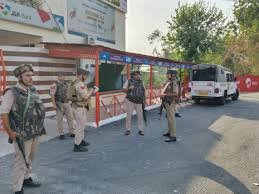
As preparations intensify for the Amarnath Yatra 2025, Jammu and Kashmir’s Director General of Police (DGP), Nalin Prabhat, conducted a detailed security review at the Bhagwati Nagar base camp in Jammu on Saturday. The pilgrimage is scheduled to commence early next month.

High-Level Security Meeting Conducted

The DGP chaired a high-level security review meeting attended by senior officials from the Central Reserve Police Force (CRPF), state police, and intelligence agencies. The discussion focused on safeguarding the upcoming pilgrimage and ensuring a peaceful experience for the devotees.

Officials provided comprehensive updates on the security protocols and deployment strategies being implemented ahead of the pilgrimage.

Emphasis on Coordination and Synergy

Before the meeting, DGP Nalin Prabhat personally inspected the Bhagwati Nagar base camp facilities. He stressed the critical need for seamless coordination among different wings of law enforcement and security forces to ensure an incident-free Yatra.

“There must be synergy between all police units and security agencies to ensure a smooth and safe pilgrimage,” he stated.

First Batch of Pilgrims to Depart Soon

Officials confirmed that the first batch of Amarnath pilgrims is expected to depart from Jammu’s Bhagwati Nagar base camp a day before the Yatra officially begins. Special attention is being given to the security of convoys traveling from Jammu to the Kashmir Valley.

Separate Security Review in Udhampur-Reasi Range

In a parallel effort, Deputy Inspector General (DIG) Sarah Rizvi, from the Udhampur-Reasi Range, held a separate security coordination meeting to evaluate local arrangements for the pilgrimage.

A police spokesperson noted that DIG Rizvi emphasized collaborative action and real-time information sharing among stakeholders. This includes coordination with intelligence agencies, the military, paramilitary forces, and civil support departments.

Focus on Threat Mitigation and Safety

DIG Rizvi also highlighted the importance of detailed planning and effective execution of all security protocols to mitigate potential threats. The consensus from the meeting stressed the need for all departments to work in close coordination to guarantee the safety of pilgrims during Amarnath Yatra 2025.

Conclusion:
With less than a month to go, the Jammu and Kashmir police and security agencies are leaving no stone unturned to ensure the safe and secure conduct of Amarnath Yatra 2025. Senior officers’ proactive involvement reflects the administration’s commitment to the smooth facilitation of one of India’s most sacred pilgrimages.

G7: Know What It Is? Why Was it Formed and What is Its History…

0

The Group of Seven (G7) is an informal bloc of advanced industrialised democracies—Canada, France, Germany, Italy, Japan, the United Kingdom, and the United States—that convenes annually to discuss major global issues, including economic governance, international security, and emerging topics like artificial intelligence (AI). Proponents argue that the group’s small, relatively like-minded membership fosters decisive collective action, though critics highlight its lack of enforcement mechanisms and the exclusion of emerging powers.

How G7 Started

The G7 began in 1975 as the Group of Six—comprising France, West Germany, Italy, Japan, the UK, and the US—to address pressing economic concerns such as inflation and recession triggered by the OPEC oil embargo. Canada joined in 1976, forming the G7. While originally focused on economic policy, Cold War politics soon influenced the agenda.

Since 1981, the European Union (EU) has participated as a “nonenumerated” member, represented by the presidents of the European Council and European Commission. Though there are no formal criteria for membership, all G7 participants are wealthy democracies. In 2024, the combined GDP of the G7 (excluding the EU) was nearly $57 trillion—about 29% of the global economy.

G7 USP

Unlike formal organizations such as the United Nations or NATO, the G7 has no charter or permanent secretariat. Its presidency rotates annually among members, setting the agenda and organizing the summit. Preparatory meetings, led by ministers and senior officials known as “sherpas,” shape policy proposals. Occasionally, nonmember countries are invited to participate in select discussions.

What Happened with Russia?

Russia joined the G7 in 1998, expanding it to the G8. U.S. President Bill Clinton supported Russia’s inclusion to elevate its international status and encourage democratic and economic reforms under President Boris Yeltsin. Clinton also hoped G8 membership would ease tensions over NATO’s eastward expansion.

However, skepticism persisted, especially among finance ministries, given Russia’s smaller economy and significant public debt. Over time, Russia’s turn toward authoritarianism under Vladimir Putin and its growing divergence from Western norms heightened tensions.

In 2014, following Russia’s annexation of Crimea, it was suspended indefinitely from the group. Additional friction stemmed from Russia’s support of Syria’s Bashar al-Assad, including in the aftermath of chemical attacks, and from interference in U.S. and European elections.

Russia’s full-scale invasion of Ukraine in early 2022 further deepened the rift. The G7 responded with unprecedented sanctions, including phasing out Russian oil and gas imports, freezing Russian financial assets, and restricting access to Western currencies. These actions aimed to cripple Russia’s war capabilities and isolate it economically. At the same time, G7 members have delivered military equipment and hundreds of billions of dollars in aid to Ukraine. In a landmark move, they agreed to lend Ukraine an additional $50 billion using windfall profits from frozen Russian assets as collateral.

India On Track to Become 3rd Largest Economy of World by 2030 with Projected GDP of $7.3 Trillion

0

India, the world’s fourth-largest economy, has emerged as the fastest-growing major economy and is on track to become the world’s third-largest economy with a projected GDP of $7.3 trillion by 2030. India is projected to be world’s fastest growing major economy (6.3% to 6.8% in 2025-26). Driven by robust domestic demand, a dynamic demographic profile, and sustained economic reforms, India is asserting its rising influence in global trade, investment, and innovation.

India On Track to Become 3rd Largest Economy of World by 2030 with Projected GDP of $7.3 Trillion

At the Kautilya Economic Conclaverenowned economist Jagdish Bhagwati remarked: “In the old days, the World Bank used to tell India what to do, but now, India tells the World Bank what to do.” This statement powerfully reflects India’s shift in last Eleven years, from a dependent economy to a self-reliantglobally competitive powerhouse.

At the core of this transformation is the vision of Aatmanirbhar Bharat, a movement that promotes innovation, entrepreneurship, and technological sovereignty. Under Modi’s leadership, strategic initiatives like the Production Linked Incentive (PLI) schemes, revitalisation of MSMEs, and the expansion of digital infrastructure have laid the foundation for a high-growth, high-opportunity economy.

Fast Facts ₹29.8 lakh crore Aatmanirbhar Bharat Package during COVID saved economy.

Today, India is a nation that is digitalgreenaspirational, and future-ready, firmly advancing towards its goal of becoming a global leader.

Quick Facts

  • India became the 4th largest global economy in 2025, driven by domestic reforms and global positioning under the vision of Aatmanirbhar Bharat.
  • India is the world’s fastest-growing major economy, with real GDP growing at 6.5% and nominal GDP tripling from ₹106.57 lakh crore (2014–15) to ₹331.03 lakh crore (2024–25).
  • India is projected to be world’s fastest growing major economy (6.3% to 6.8% in 2025-26).
  • Total exports increased by 76% over the last decade, reaching US$ 825 billion in 2024–25, led by engineering goods, electronics, and pharmaceuticals.
  • Services exports more than doubled, growing from US$ 158 billion in 2013–14 to US$ 387 billion in 2024–25.
  • Cumulative FDI inflows reached US$ 1.05 trillion, with a record 27% increase in equity inflows in the first 9 months of FY25 alone.
  • Digital transactions surged 9x in volume (FY18–FY24), with UPI processing 172 billion transactions in 2024 alone.
  • Inflation was reduced from an average of 8.2% (2004–14) to around 5% (2015–25) through targeted fiscal and monetary policies.
  • Retail inflation fell to 4.6% in 2024–25, the lowest since 2018–19.

Rajwada Palace: A Timeless Emblem Of Indore’ Royal Heritage And Architectural Grandeur

0

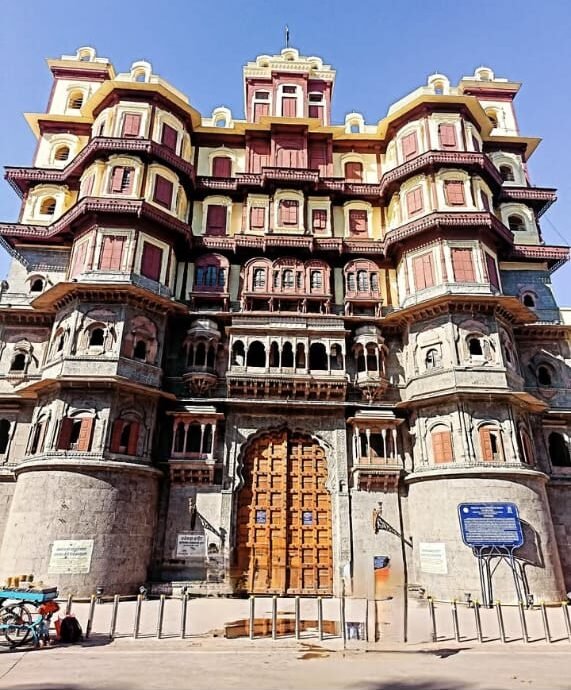
Nestled in the heart of Indore, India’s cleanest city and Madhya Pradesh’s economic powerhouse, stands the regal Rajwada Palace—a timeless emblem of the city’s royal heritage and architectural grandeur. Often dubbed the education hub of Central India, Indore pulses with modernity, yet Rajwada anchors it to its glorious past. This wooden marvel, bathed in history, whispers tales of the Holkar dynasty. Let’s unravel the captivating story of Rajwada, its architectural splendor, current state, and enduring significance.

The Historical Saga

Built in 1747 by the Holkar dynasty’s founder, Malhar Rao Holkar, Rajwada served as the administrative and residential seat of the Holkars, who ruled Indore until India’s independence. This seven-story palace, strategically located in the bustling old city, symbolized the Holkars’ might and vision. Over centuries, it endured invasions, fires, and time’s relentless march, yet its spirit remains unbroken. Reconstructed after a devastating fire in 1984, Rajwada stands as a testament to Indore’s resilience and reverence for its heritage.

Architectural Brilliance

Rajwada’s architecture is a mesmerizing blend of Maratha, Mughal, and French influences, reflecting the Holkars’ cosmopolitan tastes. The façade, crafted primarily from wood and stone, exudes rustic elegance with its intricately carved arches and jharokhas (overhanging balconies). The lower two floors, built with stone, feature robust pillars and wide courtyards, while the upper floors, made of wood, showcase delicate latticework. The entrance gate, adorned with geometric patterns and floral motifs, leads to a sprawling courtyard, once a stage for royal gatherings.
The palace’s design prioritizes functionality and aesthetics. Its seven stories include a grand durbar hall, private chambers, and a temple dedicated to Goddess Ahilya Bai, the revered Holkar queen. The use of wood lends warmth, while stone ensures durability. Mughal-inspired domes and arches mingle with Maratha simplicity, creating a harmonious balance. The French influence is evident in the ornate chandeliers and decorative elements in the interiors, remnants of which still captivate visitors.

Rajwada Today

Today, Rajwada stands partially restored, with the ground floor housing a museum showcasing Holkar artifacts—royal relics, coins, and paintings that narrate Indore’s regal past. The upper floors, however, bear scars of time and neglect, with some areas restricted due to structural concerns. The 1984 fire destroyed much of the original woodwork, but restoration efforts have revived its charm, though maintenance remains a challenge. The surrounding market, buzzing with shops and street food, keeps Rajwada’s courtyard alive with Indore’s vibrant energy.

Cultural and Historical Importance

Rajwada is more than a monument; it’s Indore’s soul. It embodies the Holkars’ legacy, particularly Ahilya Bai’s contributions to governance and culture. As a tourist magnet, it draws history buffs, architecture enthusiasts, and locals celebrating festivals like Ganesh Chaturthi, hosted in its temple. Rajwada’s silhouette against Indore’s skyline bridges the city’s past with its modern ambitions, reminding residents of their roots amid rapid urbanization.

Indian Rebellion of 1857: Historic Tree in Neemuch Bespeaks Story 27 Revolutionaries Who were Hanged To Death…

0

The Indian Rebellion of 1857, India’s First War of Independence, was a pivotal uprising against British colonial rule, sparked on May 10, 1857, in Meerut, Uttar Pradesh. It spread across India, showcasing Indian unity and resistance. Neemuch, in Madhya Pradesh, played a significant role, with its freedom fighters leaving a lasting legacy. The historic tree in Shahid Park, where 27 revolutionaries were hanged, stands as a symbol of their sacrifice, still standing after 168 years.

A Unified Uprising

The 1857 revolt began when sepoys in Meerut refused to use greased cartridges, offending religious sentiments. This act ignited a nationwide rebellion involving sepoys, civilians, and local rulers in places like Delhi, Kanpur, and Neemuch. The uprising challenged British authority and fostered unity among diverse Indian communities, setting the stage for future independence movements.

Neemuch’s Pivotal Role

Neemuch, a key British military outpost in Madhya Pradesh, was a hotspot of resistance. On June 3, 1857, the revolt erupted in Neemuch Cantonment under Mohammad Ali Beg, marking the start of the rebellion in the state. Native Bengal troops mutinied, joined Delhi’s uprising, and inspired local civilians—peasants, artisans, and tribals—to resist British rule. Despite limited resources, Neemuch’s rebels disrupted British operations, forcing them to divert military resources. The British responded brutally, hanging 27 revolutionaries on a single tree, a tragic yet powerful symbol of resistance.

Contributions of Neemuch’s Freedom Fighters

Sparking the Revolt: Neemuch’s mutiny ignited the rebellion in Madhya Pradesh, inspiring uprisings in Gwalior, Mhow, and Jabalpur.
Mass Participation: The revolt saw widespread civilian involvement, reflecting deep discontent with British policies like economic exploitation and cultural insensitivity.
Symbol of Sacrifice: The 27 martyrs hanged on the tree became enduring symbols of courage, inspiring future freedom struggles.
Challenging British Rule: The rebels disrupted British control, briefly seizing Neemuch and weakening colonial authority in the region.
These efforts, though suppressed by Colonel Sobers, highlighted the power of collective resistance and influenced later independence movements.

Shahid Park: A Tribute to Martyrs

Shahid Park in Neemuch is a sacred site honoring the 1857 freedom fighters. Its centerpiece is the historic tree where 27 revolutionaries were executed, a 168-year-old symbol of sacrifice. The park serves as a memorial, attracting visitors to pay homage and learn about Neemuch’s role. It hosts events fostering patriotism and preserves the legacy of Hindu, Muslim, and tribal unity during the revolt. The tree’s endurance mirrors the martyrs’ lasting impact.

Lasting Legacy

Neemuch’s freedom fighters inspired future movements, including the Quit India Movement, and exposed British vulnerabilities, contributing to the 1858 transfer of power to the British Crown. Shahid Park’s tree stands as a testament to their courage, reminding us of the sacrifices made for India’s freedom. Neemuch’s role in 1857 remains a powerful chapter in the nation’s fight for independence.
Word count: 497

A Divine Blend of Nature and Spirituality: Shri Kedareswar Mahadev Temple, Sailana

0

Nestled amidst the lush green hills of the Vindhya Range in Madhya Pradesh’s Ratlam district, the Shri Kedareswar Mahadev Temple in Sailana is a spiritual haven that beckons devotees and nature lovers alike. This 350-year-old temple, dedicated to Lord Shiva, is not just a place of worship but a breathtaking destination where faith meets the serene beauty of nature. Located in Adwaniya along the Shivgarh Road, this sacred site is a perfect retreat for those seeking peace and divine blessings.

How to Reach?

The Shri Kedareswar Mahadev Temple is conveniently located about 25 km from Ratlam’s district headquarters and just 5 km from Sailana. Visitors can travel by private vehicle or take a bus heading toward Rawti or Shivgarh. The bus drops you at the main road, from where a short 300-400 meter descent leads to the temple. This brief trek through nature only heightens the anticipation of the divine experience awaiting you.

A Glimpse into History and Significance

Established during the reign of Sailana’s ruler Raja Jaisingh in 1736, the temple earned its revered name as Shri Kedareswar Mahadev. Adorned with pillars and chhatris (canopies) from the Rajput era, the temple complex reflects the grandeur of its historical roots. Resting spots around the temple offer pilgrims a place to pause and soak in the serene ambiance.

Nature’s Charm and Festive Celebrations

The temple’s allure peaks during the rainy season, when a waterfall plunges from the hills into the temple’s water tank, creating a scene of unparalleled beauty. This natural wonder draws tourists from far and wide. The temple hosts vibrant fairs during Sawan and Mahashivratri, where devotees perform sacred rituals for Lord Shiva. The Kartik Purnima fair and the grand Shiv Maharti on Mahashivratri night are spiritual highlights, leaving devotees in awe.

Why Visit This Sacred Gem?

The Shri Kedareswar Mahadev Temple is more than a religious site—it’s a sanctuary where spirituality and nature intertwine. The tranquil surroundings, the soothing sound of the waterfall, and the divine presence of Lord Shiva create an unforgettable experience. Whether you’re a pilgrim seeking blessings or a traveler chasing scenic beauty, this temple promises to leave you enchanted. Plan a visit to this sacred gem and immerse yourself in its divine and natural splendor!

The Matki Dance of Malwa: Spinning Stories on Earthen Pots, Celebrating Grace, Rhythm and Traditional Rural Life…

0

Can you balance a pot on your head?
Most would say “No” or hesitate to try — but for the women of Malwa, it’s not just impossible; it’s a part of a beautiful art form. In Matki Dance, women gracefully balance earthen pots (matkis) on their heads while dancing, often without using their hands. This remarkable balance and poise is what gives the dance its name — Matki Dance.

The Matki dance, a vibrant folk tradition from the Malwa region, beautifully blends the simplicity of rural life with the elegance of feminine grace. This dance originated organically from the daily routines of the women of Malwa. As they carried earthen pots, or matkis, on their heads to fetch water from distant sources, they would hum melodies to lighten their journey. Over time, these spontaneous tunes and rhythmic movements evolved into the captivating Matki dance, a symbol of women’s strength, adornment, and the essence of village life.

A Dance of Tradition and Togetherness

Performed primarily by women during special occasions such as weddings, birthdays, or festive celebrations, the Matki dance is a solo performance that radiates cultural pride. The term matki refers to a small earthen pot, which plays a central role in the dance. Women, dressed in vibrant sarees or lehengas and adorned with intricate jewelry, skillfully balance these pots on their heads while moving gracefully in circular formations. The presence of a ghunghat (veil) covering their faces adds an element of mystique to their performance.
Accompanied by the rhythmic beats of the dhol, a traditional drum, the Matki dance captures the spirit of rural Malwa. Its circular movements reflect unity and community, fostering a sense of togetherness among performers and spectators alike. A variation of this dance, known as Ghat-Nritya, further showcases its versatility and deep connection to local traditions.

A Symbol of Feminine Power and Cultural Preservation

More than just a dance, Matki is a celebration of nari shakti (feminine strength), grace, and the vibrant rural lifestyle. It transforms the mundane act of fetching water into an art form, highlighting the beauty in everyday tasks. By preserving and showcasing the rich cultural heritage of Malwa, the Matki dance serves as a powerful medium to strengthen community bonds and keep traditions alive.
Through its rhythmic movements, colorful attire, and symbolic gestures, the Matki dance continues to enchant audiences, embodying the heart and soul of Malwa’s cultural legacy.

Cultural Significance and Community Bonding

Beyond entertainment, Matki Dance plays a vital role in preserving the cultural identity of the Malwa region. It is often performed during festivals, weddings, and community gatherings, bringing people together and promoting social unity.

Celebrate Fresh Veggies Day: A Colorful Path to Health and Sustainability

0

The Importance of Fresh Vegetables
Every June 16, Fresh Veggies Day shines a spotlight on the humble yet vital role of vegetables in our lives. Often overlooked, fresh greens are nutritional powerhouses that keep our bodies and minds in top shape. From reducing the risk of obesity, diabetes, and certain cancers to supporting local farmers, eating a rainbow of vegetables is a simple yet impactful choice for health and sustainability.

A Brief History of Fresh Veggies Day

Originating in the early-to-mid-1990s through nutrition-advocacy blogs and farmers’ market promoters, Fresh Veggies Day emerged to highlight the benefits of fresh produce. Without a single founder or formal legislation, the day gained momentum in the 2000s via social media, with hashtags like #FreshVeggiesDay trending as influencers and dietitians shared recipes and farm-visit snaps. Binto farm-to-table initiatives.

Creative Ways to Celebrate

Communities worldwide mark Fresh Veggies Day with innovative ideas:
Government Initiatives: Municipalities promote no-GST or discounted farmers’ market stalls, launch social-media challenges like Eat Right India or MyPlate, and incorporate “6-veggies, 6-colours” plates into school meals. Programs like India’s MIDH (Mission for Integrated Development of Horticulture) support pop-up cold-storage vans to keep produce fresh.

Retail and F&B Brands: Retailers offer “buy-local” badges and QR codes tracing produce origins, while chefs livestream cooking demos from markets or kitchens.

NGOs, Dietitians, and Schools: Fun activities like “veggie passport” games encourage kids to try new vegetables, and community rooftop-garden workshops foster local growing.

Farmers and Ag-Tech Startups: Open-farm days and U-Pick vegetable patches, popular in North America and Europe, are gaining traction in peri-urban India.

India’s Role in Global Vegetable Production

India is a vegetable powerhouse, producing approximately 145 million tons annually, ranking second globally behind China (616 million tons). Leading in crops like okra, banana, and papaya, and ranking top-three in onions and tomatoes, India grows 11% of the world’s vegetables on just 2.4% of global land. Its crop-diversity trials, micro-irrigation systems, and nutritional-garden programs serve as models for other Global South nations, often piloted by the FAO.

Join the Fresh Veggies Movement

Fresh Veggies Day is more than a celebration—it’s a reminder to embrace the diversity and nutrition of vegetables while supporting local farmers and sustainable practices. Whether through trying a new vegetable, visiting a farmers’ market, or planting a small garden, June 16 is the perfect day to make vegetables the star of your plate.