Home Blog Page 263

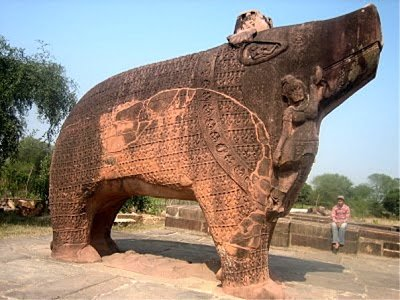
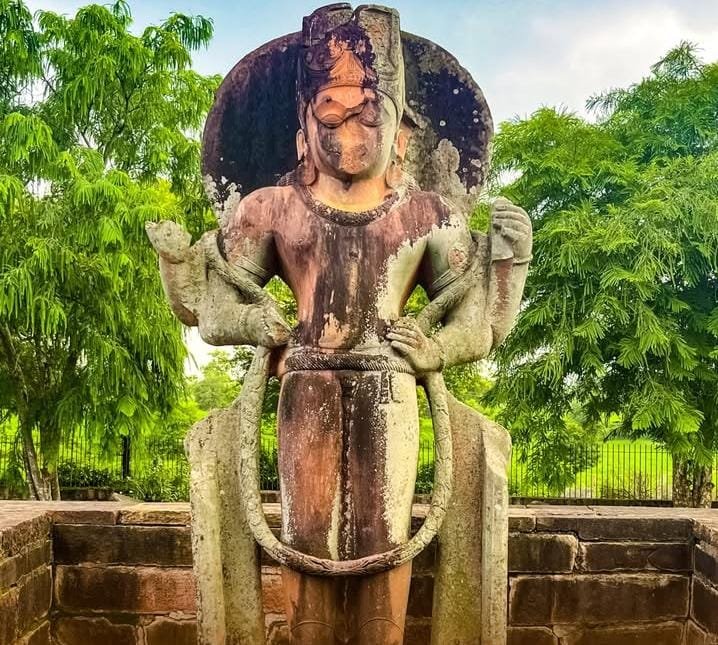
Eran in MP: This Riverside Town Still Echoes With Glory of The Guptas, Grand Temples, and Timeless Sculptures.

0

Where Is Eran Located?

Eran is a small but historically rich town located around 75 km from Sagar and 90 km from Vidisha, in Madhya Pradesh. It rests peacefully where the Bina and Rewta rivers meet.

Eran in MP: This Riverside Town Still Echoes With Glory of The Guptas, Grand Temples, and Timeless Sculptures.

A Glimpse into the Past

Eran has witnessed many great rulers and empires, including the Gupta dynasty, the Huna (Huns), and the golden era of Chandragupta Vikramaditya. This place carries deep historical significance from some of India’s most powerful times.

Why Is Eran Special?

Visitors to Eran will find:

  • A giant Varaha (boar) statue, an ancient and artistic sculpture of Lord Vishnu.
  • Ruins of grand temples, still full of stories and beauty.
  • Ancient coins and inscriptions, with symbols like elephants, horses, and the thunderbolt (vajra). These symbols show that Eran was once a busy center for trade, religion, and royal power.
Eran in MP: This Riverside Town Still Echoes With Glory of The Guptas, Grand Temples, and Timeless Sculptures.

Protected by ASI

The remains and ruins of Eran are looked after by the Archaeological Survey of India (ASI) to preserve its importance for future generations.

A Must-Visit for History Lovers

If you’re traveling to Sanchi (famous for Buddhist monuments) or Sagar, do take time to visit Eran. It’s a place where you can feel the ancient past come alive through its temples, sculptures, and peaceful riverside setting.

Eran in MP: This Riverside Town Still Echoes With Glory of The Guptas, Grand Temples, and Timeless Sculptures.

“Step into Mindfulness: Honoring World Sauntering Day”

0

Every year on June 19, the world pauses to honor World Sauntering Day – a quirky yet meaningful reminder to step off the fast track and enjoy life at a leisurely pace. Let’s explore why this day matters and how you can embrace the art of sauntering.

What Is Sauntering?

“Saunter” means walking in a slow, relaxed, and unhurried way – allowing yourself to fully experience the moment. As Henry David Thoreau noted, sauntering is an intimate communion with nature and the self – a pause in the rush of life.

Origins of World Sauntering Day

  • Founded in 1979 by W.T. “Bill” Rabe, a publicist at the Grand Hotel on Mackinac Island, Michigan, home to the world’s longest porch (660 feet).
  • The holiday was created as a gentle counterpoint to the jogging craze, encouraging people to take life more slowly.
  • Rabe’s simple “rules”: wear comfortable clothing; pick the right dog – big enough for company, but not so big as to be burdensome.
  • His son, John Rabe, beautifully summed it up: “Sauntering is going from point X to point Z: you don’t care where or when you arrive, just pay attention along the way”.

Why It Matters Today

In our always-on world, this day provides a chance to disconnect from the pace and reconnect with our lives:

  • Boost mindfulness & creativity: Slow walking boosts brain health and sparks creativity – up to 60%, some studies claim.
  • Reduce stress & improve wellness: It lowers blood pressure, eases anxiety, and sharpens mental clarity .
  • Strengthen our connection to nature: Sauntering makes us notice and appreciate the beauty around us – from blooming flowers to bird songs.

How to Celebrate

  1. Take a Sauntering Stroll
    Drop your pace today. Whether dining alone, walking to work, or wandering in the park – no destination, no rush.
  2. Use Unexpected Breaks
    Leave the train one stop early or take a longer route home. Let aimlessness guide you.
  3. Enjoy a Coffee Break
    Sit at a cafe, twirl your coffee, watch life pass by – unhurried and unconcerned.
  4. Bring a Thoughtful Dog
    If you have a pup that fits the “sauntering” criteria, bring them along for company.
  5. Practice “Purposeful Pointlessness”
    Just like Rabe and Thoreau, let aimlessness be your guide – there’s joy in simply existing.

Thoughtful Quotes to Inspire

  • “Sauntering is going from point X to point Z…don’t care where you’re going, how you’re going or when you might get there.” – John Rabe explaining his father’s ethos.
  • “I think that I cannot preserve my health and spirits unless I spend four hours a day at least… sauntering…” – Henry David Thoreau.

Embrace the Art of Sauntering: A Reflective Finale

World Sauntering Day isn’t just a whimsical pause – it’s a meaningful invitation to slow down and rediscover the beauty in life’s small moments. Amid fast-paced routines, taking time to walk purposefully and mindfully can renew your energy, reduce stress, and spark creativity, whether you’re watching birds in a park or savoring the aroma of your morning coffee.

So this June 19, let go of your to‑do list – just for today – and surrender to the rhythm of your surroundings. Whether you wander on winding paths, linger at a café, or stroll through your own neighborhood, make each step count. After all, sauntering isn’t about reaching a destination – it’s about experiencing the journey itself, with intention and presence.

Let this day – and every saunter thereafter – invite you to live more fully, think more calmly, and truly appreciate the world at your feet.

“Walk, Jog, or Cycle? How to Choose the Right Workout for Your Body”

0

Looking to stay fit but unsure whether to walk, jog, or cycle? These three cardio staples all offer excellent benefits—but the best choice depends on your goals, fitness level, and personal preferences. Whether you’re just starting your fitness journey or you’re looking to shake up your routine, this guide will help you choose the activity that’s best for you.

1. Walking: The Low-Impact All-Rounder

Walking is one of the easiest and most accessible forms of exercise. According to Shazia Shadab, Lead Physiotherapist at Cloudnine Group of Hospitals, Bengaluru, it’s ideal for people of all ages and fitness levels.

Why Choose Walking?

  • Joint-Friendly: Perfect for beginners, seniors, or those recovering from injuries.
  • Heart Health Boost: Helps lower blood pressure and improves circulation.
  • Supports Weight Management: A brisk walk can help burn calories and maintain a healthy weight.
  • Mental Clarity: Walking outdoors, especially in green spaces, reduces stress and lifts your mood.

Best For:

  • New exercisers or individuals recovering from injuries
  • Pregnant women (safe and promotes circulation)
  • Anyone looking for a gentle yet effective daily habit

Downside:

  • Burns fewer calories than jogging or cycling.

“Walking is the easiest way to incorporate movement into daily life without putting undue stress on the body,” says Shadab.

2. Jogging: The Cardio Powerhouse

Want to burn more calories and build stamina? Jogging is a powerful cardiovascular workout. It’s more intense than walking and offers quicker fitness gains—if your body is ready for the challenge.

Why Choose Jogging?

  • High-Calorie Burn: Excellent for weight loss and revving up your metabolism
  • Bone Strength: Helps prevent bone loss and improves bone density
  • Cardio Boost: Strengthens the heart and improves lung capacity

Best For:

  • Intermediate to advanced fitness levels
  • Individuals aiming to lose weight or improve endurance

Downside:

  • Higher impact on joints, especially knees and ankles
  • Not ideal for people with joint issues or significant obesity

3. Cycling: The Low-Impact Strength Builder

Prefer something gentler on the joints but still challenging? Cycling is your go-to. Whether outdoors or on a stationary bike, it’s an effective full-leg workout that’s easy on your body.

Why Choose Cycling?

  • Low-Impact: Easy on the knees and hips, making it a safe option for joint-sensitive individuals
  • Leg Toning: Builds strength in your quads, hamstrings, calves, and glutes
  • Flexible: Can be done indoors or outdoors, depending on your preference
  • Great Calorie Burn: High-intensity rides can burn as many calories as jogging

Best For:

  • Those with joint issues or arthritis
  • Anyone looking to tone their lower body
  • Fitness fans who enjoy outdoor adventures or indoor spin classes

Downside:

  • Requires access to a bike and proper safety gear for outdoor rides
  • Doesn’t engage the upper body as much

So, Which One Should You Choose?

Here’s a quick breakdown:

Your GoalBest Option
General health & low-impact Walking
Quick weight loss & cardio boost Jogging
Joint-friendly strength & cardio Cycling

Tips to Get the Most Out of Your Workout

  • Start Slow: Build your stamina and intensity gradually.
  • Mix It Up: Rotate between walking, jogging, and cycling to work different muscles and keep things interesting.
  • Use the Right Gear: Invest in good walking/running shoes and a properly fitted bike.
  • Be Consistent: Aim for regular, moderate workouts instead of sporadic intense sessions.

No matter which activity you choose, remember: the best exercise is the one you’ll stick with. Whether it’s a morning walk, a weekend bike ride, or a jog around the park—getting your body moving is what truly counts.

The Warrior’s Legacy: Sanka’s Silent Ode to the Rajput Spirit

0

Tucked within the quiet charm of Rajgrah district’s Sanka village, near the flowing grace of the Parvati River, lies a monument that pulses with pride, artistry, and ancestral memory. This 16th–17th century temple, though lesser-known on the tourist trail, bears the spirit of Rajputana courage and devotion—not just in form, but in soul.

A Monument Born of Love and Legacy

The temple was commissioned by Rani Bhagyawati in honor of her husband, Raja Sangram Singh, also lovingly remembered as Shyam Singh. More than just a tribute, this structure immortalizes a shared story of loyalty and regal reverence. Every curve of its stone is a love letter to both a leader’s valor and the queen’s enduring dedication.

The Warrior’s Legacy: Sanka’s Silent Ode to the Rajput Spirit

Where Stone Tells Stories

What makes the temple truly unforgettable is its stunningly intricate carvings. Walls, pillars, and ceilings are adorned with depictions of Hindu deities, warriors locked in immortal battle, galloping horses, sacred animals, and scenes from age-old epics. The artwork is an exquisite blend of Malwi boldness and Rajasthani finesse, making each sculpture an encyclopedia of devotion, mythology, and indigenous life.

These carvings don’t merely decorate—they narrate. You don’t just see them; you hear them whisper tales across centuries.

Sanctity Meets Celebration

Though steeped in age, the temple is anything but forgotten. Every year, during the month of Magh, the temple transforms into a hub of spiritual energy. The annual fair attracts devotees and cultural enthusiasts from nearby towns and villages, turning the silent sanctum into a vibrant confluence of faith and festivity. It’s a powerful reminder that heritage is not only to be preserved—it is to be lived.

The Warrior’s Legacy: Sanka’s Silent Ode to the Rajput Spirit

A Hidden Gem for the Curious Soul

Now a state-protected monument, this temple is a must-visit for travelers with a taste for heritage, for art historians tracing forgotten threads, and for anyone who believes that stories don’t die—they’re just waiting to be rediscovered.

So, if you ever find yourself near the banks of the Parvati, step off the beaten track. Let your footsteps echo through this temple’s corridors and let its stories awaken something ancient in you.

Starship 36 Explodes During Test. Watch Out Video As Netizens Call It Major Damage…

0

SpaceX’s Starship 36 suffered a significant setback after it exploded during a static fire test at the Masseys test facility in Starbase, Texas. The explosion occurred just moments before the scheduled test ignition, causing extensive damage to the test stand and surrounding infrastructure. Fortunately, no injuries were reported, as SpaceX’s safety protocols had ensured the area was evacuated beforehand.

The cause of the explosion remains under investigation, but the incident has raised concerns regarding the timeline and safety of upcoming launches—particularly the anticipated Starship Flight 10, which may now face delays. The static fire test was a key milestone in the development of SpaceX’s fully reusable launch system, aimed at supporting future missions to the Moon, Mars, and beyond.

This latest mishap underscores the technical challenges SpaceX continues to encounter as it pushes the boundaries of commercial spaceflight and rocket reusability. Industry analysts suggest that while setbacks like these are part of the iterative development process, they also highlight the risks inherent in rapid testing cycles.

Despite the incident, SpaceX remains committed to advancing its Starship program, which plays a critical role in NASA’s Artemis missions and other deep-space exploration plans.

Everything You Need to Know About Single-Phase Motors: Types, Benefits, and Applications

0

If you’ve ever used an air conditioner, a water pump, or a sewing machine, you’ve interacted with a single-phase motor without even realising it. These motors are practically everywhere – running behind the scenes, keeping businesses and households functioning smoothly. Unlike three-phase motors, which require industrial-grade power, single-phase motors work with standard 230V electricity, making them a go-to solution for small industries, home appliances, and commercial equipment.

But here’s the thing – selecting a good motor is more than buying whatever you first spot. As with choosing a sports car for dirt driving or a scooter for driving on highways, selecting a motor requires thoughtful consideration. Power levels, insulation, types of mounts, these specs may seem too much, but they mean all the difference in whether your motor runs perfectly or causes you to have an eternity of head aches.

What is a Single-Phase Motor and Why Should You Care?

A single-phase motor is an electric motor that is powered by a single-phase AC supply, the normal power most homes, small businesses, and commercial establishments receive. Single-phase motors use electricity to generate mechanical motion, turning everything from vacuum pumps to industrial printing presses. They are easy on the pocket, dependable, and simple to install. No need for an extensive electrical network to have them running. Hook them up with the same socket as your fridge, and good as new. That is how indispensable they have proven to be for so many applications.

Different Types of Single-Phase Motors: Choosing the Right One

Not all single-phase motors are built the same. Some are designed to handle heavy loads, while others are built for smooth and continuous operation. Choosing the wrong one can lead to overheating, poor performance, or early failure, so it’s important to get this right.

A split-phase induction motor is the most common and is often used in fans, blowers, and small pumps. It’s the everyday workhorse; reliable and simple, but not suited for anything that needs high starting torque.

For applications that require extra muscle, a capacitor start motor steps in. This motor uses a capacitor to boost starting power, making it ideal for compressors, water pumps, and sugarcane crushers. If you’ve ever been amazed by how powerful some industrial machines are, chances are they’re running on one of these.

Then, there’s the capacitor start & run motor, which combines the best of both worlds. It doesn’t just start with a capacitor; it keeps using it for smooth and efficient performance. That’s why you’ll find them in washing machines, air conditioners, and industrial tools that require uninterrupted operation.

For applications that prioritise efficiency and low maintenance, the permanent split capacitor (PSC) motor is a great option. These motors don’t have extra switches or capacitors, making them simple, quiet, and durable – perfect for ceiling fans, small pumps, and refrigerators.

Finally, the shaded-pole motor is the simplest of them all. It’s found in exhaust fans, small toys, and electric clocks; places where power and torque aren’t the priority, but cost-effectiveness is.

Why Do So Many Industries Rely on Single-Phase Motors?

If you think about it, single-phase motors are the unsung heroes of everyday life. They don’t get the attention of flashy new gadgets, but without them, many machines would simply stop working. The reason they’re so widely used comes down to a few key advantages.

First, they’re easy to operate. Unlike three-phase motors, which require an advanced electrical setup, single-phase motors work with standard AC power, making them accessible and practical.

They’re also cost-effective. Buying and maintaining a single-phase motor is much cheaper than a three-phase alternative, making it an ideal choice for small businesses, workshops, and household applications.

Another reason they dominate the market is their compact and lightweight design. These motors fit into smaller spaces without compromising on performance, making them perfect for applications like pouch-making machines, sugarcane crushers, and wet grinders.

Maintenance is another area where they shine. With fewer components and a simple design, single-phase motors require very little upkeep. They can run smoothly for years without frequent servicing – something that brands like Godrej have mastered by focusing on precision engineering and durability.

Most importantly, they are versatile. From kitchen appliances to heavy-duty industrial machines, single-phase motors power a wide range of equipment, making them an essential choice for businesses and individuals alike.

Where Are Single-Phase Motors Used?

Once you start noticing them, single-phase motors are everywhere. Whether it’s in a small bakery, a workshop, or an industrial warehouse, these motors power machines that keep businesses running.

In homes, they’re the driving force behind washing machines, refrigerators, ceiling fans, and vacuum cleaners; things we use daily without even thinking about the motors inside.

In small industries and workshops, they power drilling machines, wet grinders, and jewellery-making machines, ensuring smooth and precise work in various crafts and manufacturing sectors.

Agriculture also depends on them. Water pumps, poultry equipment, and sugarcane crushers all run on single-phase motors, making farming more efficient and less labour-intensive.

In commercial spaces, they help run printing presses, floor polishers, and large air conditioning systems, making sure businesses stay operational without disruptions.

With such a broad range of applications, it’s no wonder motor manufacturing companies have focused on perfecting these motors, making them more efficient and durable with each new design.

How to Choose the Right Single-Phase Motor

Buying a single-phase motor is like buying the right power tool – you need to know exactly what you’re using it for. The wrong choice can lead to overheating, inefficiency, and mechanical failures, so it’s important to consider a few factors before making a purchase.

The power rating should match the workload of your equipment. If your motor is underpowered, it will struggle to keep up. If it’s overpowered, it will waste electricity.

The mounting type also matters. Whether it’s foot-mounted, flange-mounted, or a combination of both, the motor should fit your machine perfectly to avoid misalignment and excessive vibration.

Another key factor is the enclosure type. If the motor will be exposed to dust, moisture, or high temperatures, choosing a totally enclosed motor will offer longer life and better performance.

Then, there’s the starting mechanism. If your machine requires a strong initial push, a capacitor start motor is the way to go. For smooth and consistent operation, a capacitor-run motor works best.

Brands like Godrej understand these nuances and engineer motors that match industry standards. A good motor manufacturing company isn’t just about selling a product – it’s about making sure machines perform at their best, day in and day out.

Conclusion

Whether you’re running a small workshop, managing a business, or simply looking for a reliable motor for home use, single-phase motors remain one of the most practical and widely used solutions. Their simplicity, cost-effectiveness, and versatility make them an essential component in everyday life.

So the next time you switch on a fan, a pump, or a heavy-duty grinder, take a moment to appreciate the motor silently doing its job in the background. It may not be flashy, but without it, the world wouldn’t run as smoothly as it does.


Between Stone and Sky: Indore’s Chhatris Stand as Poems in Architecture

0

Beneath the amber skies of Madhya Pradesh, where time walks slow and regal whispers roam, Indore cradles architectural relics not just built—but born—from the pulse of a bygone era. Here, the Chhatris don’t merely stand; they sing of valor, mourn kings, and immortalize dynasties in pillars of stone and shades of maroon. These cenotaphs—part shrine, part storybook—are where the past still flickers like diya flames in temple corridors. Come closer. The sandstone remembers.

Between Stone and Sky: Indore’s Chhatris Stand as Poems in Architecture

1. Krishnapura Chhatri – A Royal Memory Etched in Sandstone

Tucked away near Rajwada Palace in the heart of Indore, Krishnapura Chhatri is a cluster of cenotaphs that silently commemorate the Holkar dynasty. Built in the 19th century, these beautifully carved monuments are framed by intricate arches, ornate balconies, and the ever-watching silence of bygone queens and kings. The soft-hued sandstone glows at dusk, creating a surreal backdrop where time seems to hold its breath.

Each dome rises like a lotus in stone, etched with tales of a royal lineage that once ruled Indore with courage and compassion. The surrounding gardens add to the site’s tranquil charm, offering visitors a peaceful nook to contemplate the poetry of history. For heritage lovers and photographers, this site offers more than a snapshot—it offers a portal.

Between Stone and Sky: Indore’s Chhatris Stand as Poems in Architecture

2. Boliya Sarkar ki Chhatri – Where Noble Echoes Rest

A lesser-known gem in the cultural kaleidoscope of Indore, Boliya Sarkar ki Chhatri is tucked within the sacred calm of Maheshwar. Built to honor the nobles of the Maratha empire, this Chhatri blends Maratha and Rajput architectural elegance, creating a perfect harmony of strength and serenity.

The domed structure, perched on a raised platform, gazes out onto the Narmada River, its reflection flickering like memory in motion. Inside, intricate carvings and motifs narrate stories of legacy and reverence. The spiritual aura here is undeniable—you feel it in the hush of the wind and the distant chant of temple bells.

Visitors who step into its shade don’t just admire the architecture; they stand within memory itself. Pilgrims, historians, and wanderers alike are pulled to this place—not merely for its past, but for the peace it radiates.

Between Stone and Sky: Indore’s Chhatris Stand as Poems in Architecture

3. Chhatribagh – An Open-Air Archive of Regality

More than a park, Chhatribagh is a curated corridor of centuries-old Chhatris that tell the tale of Indore’s royal traditions. Established in the 19th century, it was once a favored ceremonial ground for the Holkar dynasty—and today, it serves as an open-air archive where stone and storytelling collide.

Each cenotaph within Chhatribagh varies in design and scale, yet all follow the language of dignity: soaring domes, scalloped arches, and meticulous carvings that reflect a fusion of Mughal and Maratha influences. As sunlight peeks through the trees and dances off weathered stone, the place takes on a cinematic grace—like a scene from a timeless epic.

The quietude of Chhatribagh is its real allure. It isn’t crowded or loud—it’s reflective, atmospheric, and deeply rooted. Ideal for cultural travelers or mindful explorers, it invites you not to rush, but to remember.

Son of Sardaar 2: Punjab’s Masala Explosion!

0

Hoji! The Sardaar is back! Ajay Devgn roars in Son of Sardaar 2, a wild sequel to the 2012 hit. This time, a quirky tale of kids chasing a golden mango at a Punjabi festival blends with Devgn’s signature action and comedy. Vibrant visuals, a lively cast (Mrunal Thakur, Ravi Kishan), and Punjab’s heart keep it dhamakedar, but a thin plot and production hiccups (Sanjay Dutt’s limited role) may irk some. If you loved the original’s masala madness, this is your time-pass treat!

Hidden in Time, Alive in Spirit: Dharad’s Mahakal Temple Beckons the Explorer in You

0

Nestled 11 kilometers from Ratlam along the Lebar–Nayagaon four-lane road, the village of Dharad in Madhya Pradesh is home to the ancient Mahakal Temple, a sacred site that blends profound spirituality with remarkable historical significance. Built in the 12th century by the Paramāra kings, this temple dedicated to Lord Shiva is renowned for its unique five-faced (Panchamukhi) Shiva-lingam, intricate carvings, and a mysterious cave passage said to connect to Ujjain’s Mahakaleshwar Temple. Revered as a wish-fulfilling shrine and a place of divine penance, the Mahakal Temple attracts devotees and history enthusiasts alike.

Hidden in Time, Alive in Spirit: Dharad’s Mahakal Temple Beckons the Explorer in You

A Glimpse into History

Constructed during the reign of the Paramāra dynasty in the 12th century, the Mahakal Temple stands as a testament to the architectural brilliance of the era. Its carved pillars and sculptures, still intact, narrate tales of a bygone time. The temple fell into disrepair over centuries but was lovingly restored in 1952 under the guidance of Saint Sundar Giri Maharaj, with the support of local villagers. In August 1977, the State Archaeology Department took over its preservation, ensuring its legacy endures.
The temple’s spiritual significance is heightened by its annual traditions. For the past 49 years, a grand five-fire-altar (Panch-kund) Mahā-Rudra Yajña has been performed every Mahā-Shivaratri, drawing thousands of devotees. During the holy month of Sāwan (July–August), a vibrant royal procession adds to the temple’s festive fervor, with pilgrims undertaking kāvaḍ pilgrimages to offer holy water to Lord Shiva.

Hidden in Time, Alive in Spirit: Dharad’s Mahakal Temple Beckons the Explorer in You

Architectural and Spiritual Highlights

The Mahakal Temple is a treasure trove of architectural and religious features. The sanctum (garbhagriha) houses the rare Panchamukhi Shiva-lingam, with Mahākāl enthroned above it, flanked by idols of Goddess Pārvatī, Lord Gaṇeśa, Kārtikeya, and Hanumān. Surrounding the sanctum are intricately carved pillars, which hold a curious mystery: no one has ever succeeded in counting them accurately, as each attempt yields a different total. Just below the temple’s shikhara (spire) lies a dedicated meditation chamber, making it a haven for spiritual seekers.
One of the temple’s most intriguing features is the sacred cave beneath the sanctum. Local lore suggests this passage either leads to Ujjain’s Mahakaleshwar Temple or served as a path for Lord Shiva’s secret austerities. Entering the cave for darśan is considered a highly meritorious act, believed to absolve sins and pave the way to mokṣa (liberation).

The Global Nuclear Weapons Landscape in 2025

0

In 2025, the global nuclear landscape is shaped by nine nations possessing nuclear capabilities. The five original nuclear-armed states—the United States, Russia, China, France, and the United Kingdom—are signatories to the Nuclear Non-Proliferation Treaty (NPT), which seeks to prevent the spread of nuclear weapons and promote disarmament.

Current Nuclear Arsenal Overview

As of January 2025, the estimated number of nuclear warheads held by each country is:

  • Russia: 4,309
  • United States: 3,700
  • China: 600
  • France: 290
  • United Kingdom: 225
  • India: 180
  • Pakistan: 170
  • Israel: 90 (estimated)
  • North Korea: 50 (estimated)

This distribution reflects significant disparities, particularly between regional rivals such as India and China.

India and Pakistan: Evolving Nuclear Capabilities

India, which conducted its first nuclear test in 1974, now holds approximately 180 warheads. It continues to modernise its arsenal, including the development of canisterised missiles, which enable quicker deployment and may carry multiple warheads.

Pakistan, with an estimated 170 warheads, is similarly advancing its delivery systems. Both nations are engaged in a nuclear arms buildup, heightening concerns about stability in South Asia.

China’s Expanding Arsenal

China’s stockpile has grown to around 600 warheads, with several deployed on operational platforms. According to the SIPRI report, China is aggressively modernising its nuclear forces, including the development of dual-capable missiles, enhancing both conventional and strategic capabilities.

North Korea’s Nuclear Trajectory

Having withdrawn from the NPT in 2003, North Korea has since conducted multiple nuclear tests. The regime claims its nuclear program is defensive, yet it continues to enrich uranium to near weapons-grade levels. Despite international condemnation, Pyongyang shows no signs of halting its nuclear ambitions.

Challenges to Global Arms Control

While the NPT remains the cornerstone of non-proliferation efforts, countries such as India, Pakistan, and Israel remain outside its framework, complicating global disarmament efforts. Additionally, nuclear modernisation by all nine nuclear states presents growing challenges to international security and arms control agreements.

Strategic and Regional Implications

The continued expansion and modernisation of nuclear arsenals, particularly in volatile regions, increase the risk of conflict escalation. In South Asia, tensions between India and Pakistan, compounded by their growing nuclear capabilities, could lead to miscalculations with catastrophic consequences.

Emerging Trends in Military Nuclear Capabilities

The SIPRI report underscores a broader trend: nuclear powers are increasingly investing in more sophisticated delivery systems and expanding the scope of their deterrence capabilities. The U.S. and Russia maintain the largest stockpiles, while countries like India, Pakistan, and China focus on enhancing long-range strike capabilities.