Home Blog Page 262

What is Juneteenth. Know its History..

0

Juneteenth is observed on June 19 commemorating the announcement of the abolition of slavery in Texas in 1865. It marks a significant event in American history. The day is recognized as a federal holiday, but celebrations this year face challenges due to scaling back and political resistance against diversity and inclusion initiatives.

Across the country, from Chicago to Texas, there are varied events and sentiments, ranging from festive celebrations to calls for education about the holiday’s importance.

Juneteenth was named a federal holiday under former President Joe Biden in 2021. Signed by Biden into law, June 19 has been recognized as Juneteenth National Independence Day since. The name “Juneteenth” is a combination of “June” and “nineteenth,” in honor of June 19.

What has Trump said on ending Juneteenth?

No, the president has not directly said he wants to end Juneteenth as a federal holiday. Growing concerns about Juneteenth’s future are derived from Trump’s rollback of DEI programs nationwide.

Juneteenth is a federal holiday, but states can choose whether they recognize Juneteenth as they wish. At least 30 states and the District of Columbia recognized Juneteenth as a permanent state holiday, according to data from Pew Research Center.


Some states, including Alaska and Vermont, are celebrating Juneteenth as a state holiday for the first time this year. .

What is Operation Sindhu? Know Its Significance

0

The Government of India initiated Operation Sindhu to evacuate Indian nationals from Iran amid escalating tensions in the region. The conflict between Israel and Iran had intensified, prompting urgent measures to ensure the safety of Indian citizens. The Indian Embassy successfully evacuated 110 students from northern Iran, marking the first phase of this operation.

Context of Operation Sindhu

The operation was launched in response to fears of military strikes by Israel on Iran. The Government of India prioritised the safety of its citizens, particularly students studying in Iran. Reports indicated that many Indian nationals were in vulnerable positions due to the ongoing conflict.

Evacuation Process

The first group of evacuees consisted of 110 students, primarily from Jammu and Kashmir. They were safely transported from Iran to Armenia before boarding a special flight to New Delhi. The Indian Embassy facilitated their journey, ensuring they crossed into Armenia via land routes. The students arrived back in India in the early hours of June 19, 2025.

Role of Iranian Authorities

Iranian officials expressed their commitment to safeguarding foreign nationals during this crisis. The Deputy Ambassador of Iran to India confirmed that cooperation between Iranian and Indian authorities was vital for the safe evacuation of Indian nationals.

Challenges Faced by Evacuees

Some students reported injuries due to airstrikes in Tehran. The situation was dire for many, with limited access to essential services. Evacuees expressed concerns about communication with the Indian Embassy and the availability of basic necessities.

Broader Implications of the Conflict

The conflict raised diplomatic challenges for India. Over 4,000 Indian nationals, including students, resided in Iran. The Government of India faced the task of coordinating safe evacuations while navigating complex regional relations.

Regional Diplomatic Relations

India’s diplomatic ties with neighbouring countries like Armenia, Turkmenistan, and Iraq facilitated the evacuation process. However, relations with other bordering nations such as Turkey and Azerbaijan were less amicable, complicating India’s strategic options.

Future Actions

The Government of India advised its citizens to maintain contact with the Indian Embassy in Tehran and utilise emergency helplines. Continuous monitoring of the regional situation was essential for ensuring the safety of Indian nationals in Iran and planning further evacuation efforts if necessary

EU Proposes Ban on Russian Gas Imports by 2027

0

In a landmark move to sever its energy dependence on Russia, the European Commission has proposed a legally binding ban on Russian gas and liquefied natural gas (LNG) imports by 2027. The measure is part of the EU’s broader strategy to bolster energy security and respond to geopolitical tensions stemming from Russia’s invasion of Ukraine in 2022.

Phased Implementation of Russian Gas Ban

The proposed ban will be enforced in a phased manner:

  • January 1, 2026: A ban on all new contracts for Russian gas and LNG signed after 2025.
  • June 17, 2026: Short-term contracts (less than one year) signed before June 17, 2025, will be prohibited.
  • January 1, 2028: All existing long-term contracts will be banned, marking the EU’s full exit from Russian gas dependency.

This timeline gives EU member states, particularly Hungary and Slovakia, time to adjust, even as they remain vocal opponents of the plan.

Legal Strategy to Bypass Veto Threats

To prevent potential vetoes from Hungary and Slovakia, the Commission has designed the proposal to pass via a reinforced qualified majority under EU trade and energy laws, avoiding the need for unanimous approval. Additionally, companies affected by the ban will be allowed to invoke “force majeure” clauses to exit existing agreements without penalty.

Impact on Member States and Energy Prices

Hungary and Slovakia, which still rely heavily on Russian gas, have expressed concern over potential energy price hikes. However, the proposal provides them with a transition period until 2028, allowing for a gradual phase-out of both short- and long-term contracts.

Diversifying Energy Sources: LNG and U.S. Imports

To replace Russian supplies, the EU is expanding liquefied natural gas (LNG) imports, particularly from the United States. The bloc has the capacity to import 250 billion cubic meters (bcm) of LNG annually, though less than half was utilized last year. Support for the ban has come from several member states, including Spain, Belgium, the Netherlands, and France, which are already transitioning to non-Russian energy sources.

Legal and Financial Hurdles

The transition away from Russian gas presents several legal and financial challenges:

  • European energy firms may face penalties or international arbitration if they terminate long-term contracts early.
  • Companies will be required to disclose contract details to customs authorities to ensure compliance.
  • Concerns remain about higher costs of alternative gas sources, as Russian gas was often sold at discounted rates.

Broader EU Energy Policy Shift

Beyond gas, the EU has already imposed sanctions on most Russian oil imports, though Hungary and Slovakia continue to receive exemptions. The Commission has urged these countries to develop national plans to cut oil dependence by 2027. Future legislation may also target the EU’s import of Russian nuclear fuel, further aligning energy policy with geopolitical strategy.

Oil Market Trends and Geopolitical Impacts in 2025

0

As geopolitical tensions escalate between Israel and Iran, the global oil market faces increasing uncertainty. The International Energy Agency (IEA) has released its medium-term report titled “Oil 2025”, outlining critical trends in oil supply, demand, and market dynamics through the end of the decade. The key takeaway: global oil production capacity is set to outpace demand growth, raising the risk of oversupply and increased volatility.

Global Oil Demand to Plateau by 2030

According to the IEA, global oil demand will grow by 2.5 million barrels per day (mb/d) between 2024 and 2030, peaking around 105.5 mb/d. India is expected to drive much of this growth, with a projected increase of 1 mb/d, supported by robust GDP expansion. However, annual demand growth is expected to slow in the latter half of the decade, with a slight decline forecast by 2030 due to economic headwinds and a global shift toward renewable energy.

Oil Production Capacity Surging Ahead

In contrast, global oil production capacity is forecast to rise by over 5 mb/d, reaching 114.7 mb/d by 2030. The largest contributions will come from Saudi Arabia and the United States, creating a potential oversupply scenario if demand weakens. This imbalance could result in downward pressure on global oil prices and challenges for major oil-exporting nations.

Shifting Consumption Patterns in China and the U.S.

The IEA report notes a stagnation in China’s oil consumption, which is now expected to remain flat through 2030—contrary to earlier predictions of steady growth. Meanwhile, the United States may see an increase of 1.1 mb/d in demand, largely driven by lower fuel prices and slower adoption of electric vehicles (EVs). These shifts signal evolving energy consumption trends in the world’s largest economies.

OPEC+ Adjusts Long-Standing Production Cuts

The OPEC+ alliance has begun reversing production cuts that have been in place for nearly five years. This policy shift could further amplify global supply growth, adding to market volatility and reshaping the global energy landscape.

Iran’s Oil Supply Resilient but Vulnerable to Sanctions

Despite stringent U.S. sanctions, Iran’s oil production reached its highest levels since 2017 in 2024, with significant exports to China. However, a recent decline in Chinese imports signals that renewed sanctions on Iran’s oil supply chain are taking effect, adding a layer of geopolitical risk to global supply stability.

Refining Capacity and Biofuel Expansion

The IEA projects that refining capacity will exceed demand for refined products by 2030, potentially triggering closures of inefficient refineries. At the same time, global biofuels production is set to expand, led by Brazil and India’s ethanol output, reflecting a broader energy transition in emerging markets.

Solar Renewable Energy Solutions Enhanced by Smart Battery Storage

0

Solar and renewable energy solutions are leading the shift toward cleaner power, but their real strength lies in consistency, and that’s where smart battery storage plays a key role. Solar panels and other renewable systems generate power when conditions are right, but what happens at night or during low-supply periods? Smart battery storage addresses this by storing excess energy for later use. This guide explores how solar and renewable energy work, why storage matters, and how new battery technologies are making clean power more reliable and practical for daily life, at home, in communities, and across the country.

Making Solar and Renewable Energy More Practical

If solar panels are the start, then smart storage is what completes the setup. Generating power from clean sources is great, but being able to use it on your own terms is what really makes it worthwhile. These newer batteries are quicker to charge and smarter about how they release power. Some systems can even change their behavior depending on your power use or the local weather.

Let’s say there’s a chance of a blackout in your area. Your system can hold back more energy, just in case. If power prices shift during the day, your setup can decide whether to use stored energy or live solar power. That kind of control changes the way people think about electricity, not just in terms of money, but in feeling secure and independent.

Everyday Routines Feel More Stable

What smart storage really brings is peace of mind. In the past, people had to adjust their lives around sunlight. Now, with batteries in place, they can go about their day without giving it a second thought.

If you wake up early, even before the sun is fully out, you’ve still got power. During long evenings or unexpected blackouts, everything keeps running smoothly. This kind of consistency is still rare in many areas. Smart storage fills that gap, making power cuts feel like a thing of the past.

Blending Different Energy Sources Together

One of the more interesting roles smart batteries play is in balancing energy from different sources. While solar and renewable energy like wind or hydro work well, they don’t always produce power at the same time. Wind might be stronger at night, and solar works best during the day. Storage ties all of this together.

It takes in whatever energy is available and gives it back as needed. So whether you’re getting your power from the sun, wind, or both, your supply stays steady. That kind of flexibility makes a real difference for households that depend on more than one power source.

Better Control Without Complication

Adding smart storage to a solar system isn’t just about cutting costs; it’s about having more control. Over time, electricity bills do drop. But what really stands out is how simple it becomes to manage your own power.

You can check how much energy is coming in or being stored right from your phone. And most setups can grow with your needs. You might begin with a small system, but as your usage increases, you can add more panels or a bigger battery. It doesn’t take a complete redo. This makes it easy for families to start and then expand over time.

What Sets Advanced Solar Providers Apart?

While some providers focus only on installing panels, others are taking a more forward-thinking approach. Many newer solar projects now include storage solutions from the beginning. This shift isn’t just about supplying clean power; it’s about ensuring that power is available whenever it’s needed.

By combining solar with smart storage, these providers are helping solar energy become a more reliable part of daily life. It’s no longer just about cutting electricity costs. It’s about offering dependable, easy-to-manage energy systems that support homes, offices, and communities day and night.

Final Thoughts

Smart storage isn’t just improving solar; it’s helping make solar and renewable energy more real for everyday use. It adds reliability and turns power into something people can actually manage. So, if you’re considering switching to cleaner energy, it’s worth looking at the full picture – not just the panels, but what happens to the power after it’s made.


Semma’s Chef Vijay Kumar Wins 2025 James Beard Award in New York

0

In a monumental achievement that celebrates culinary excellence and cultural fusion, Chef Vijay Kumar has been awarded the prestigious James Beard Award for Best Chef in New York State. This honor cements his position as one of the most influential and visionary chefs in the country.

Kumar, known for his inventive take on South Indian cuisine, leads the kitchen at Semma, a celebrated restaurant in the heart of Manhattan that has received widespread acclaim for its bold flavors, authenticity, and commitment to regional Indian traditions. The win is not only a personal triumph for Chef Kumar but also a moment of pride for the entire South Asian culinary community.

A Taste of Southern India in the Big Apple

Hailing from the southern Indian state of Tamil Nadu, Chef Vijay Kumar brings deeply rooted culinary traditions to the fine-dining table. At Semma, which means “fantastic” in Tamil, he crafts dishes that pay homage to his heritage while pushing the boundaries of what Indian cuisine can be in the American gastronomic scene.

From melt-in-your-mouth nathai pirattal (snail curry) to fiery gunpowder dosas and delicately spiced seafood dishes, his menu surprises and delights even the most seasoned food connoisseurs.

Recognition from the Culinary World

The James Beard Foundation, often dubbed the “Oscars of the food world,” praised Chef Kumar for his “fearless flavor combinations, respect for cultural authenticity, and commitment to sustainability.” His approach blends time-honored techniques with modern plating and local ingredients, making Semma a destination not just for Indian food lovers, but for anyone seeking a transformative dining experience.

This is a groundbreaking moment not just for Chef Kumar but for the visibility of Indian cuisine on America’s highest culinary stages. The award reflects a growing appreciation for global flavors and the chefs who introduce them with integrity and creativity.

Humble Beginnings to National Recognition

Chef Kumar’s journey began in a small village in Tamil Nadu, where he learned to cook from his mother. After honing his skills at restaurants in India and the U.S., he joined the team at Semma in 2021. Since then, the restaurant has earned accolades from The New York Times, Eater, and Michelin Guide, which awarded it a star in 2022.

In his acceptance speech, an emotional Kumar said:
“This award is not just mine. It belongs to the people who cooked before me – my mother, my ancestors – and to every immigrant who dares to dream big in a new land.”

A Bright Future Ahead

With this win, Chef Vijay Kumar joins the ranks of America’s most elite chefs. The buzz around Semma is sure to grow even stronger, and food lovers from around the world will be eager to taste what’s next from his kitchen.

Congratulations to Chef Vijay Kumar – a master of spice, soul, and storytelling through food. This is only the beginning.

The Fall of Gwalior Fort: The Final Flame of India’s First War of Independence

0

Do you know the first war of independence and up in Madhya Pradesh?

On June 20, 1858—Gwalior, the heart of Bundelkhand, echoed with cannon fire and cries of defiance. The mighty fort, once called the “Gibraltar of India,” stood as the last bastion of rebellion. But by sunset, the Union Jack fluttered over its ramparts.

The Rebellion That Shook an Empire

The First War of Indian Independence, also known as the Revolt of 1857, had begun with a sepoy mutiny in Meerut and spread like wildfire across northern and central India. It was not just a military uprising—it was a cry against British oppression, annexation policies like the Doctrine of Lapse, and cultural insensitivity.

Among the fiercest leaders of this resistance was Rani Lakshmibai of Jhansi, who became a symbol of valor and sacrifice. After the fall of Jhansi, she joined forces with Tatya Tope and other rebel leaders to regroup at Gwalior, a strategic stronghold.

Gwalior: The Last Stronghold

Gwalior Fort, perched atop a sandstone hill, had long been considered impregnable. Its thick walls and commanding view made it a natural fortress. In June 1858, it became the final rallying point for the rebels.

Rani Lakshmibai, dressed in warrior’s armor, led her troops with unmatched courage. She was joined by Tatya Tope and Rao Sahib, and together they seized control of Gwalior from the Scindia ruler, who had remained loyal to the British.

The Final Battle

British forces under Sir Hugh Rose launched a fierce counterattack. On June 17, Rani Lakshmibai was mortally wounded in battle near Kotah-ki-Serai. Her death was a devastating blow to the morale of the rebels.

Three days later, on June 20, 1858, British troops stormed Gwalior Fort. Despite fierce resistance, the fort fell. The capture of Gwalior marked the symbolic end of the rebellion, though scattered resistance continued into 1859.

Aftermath and Legacy

The fall of Gwalior was followed by brutal reprisals. Rebel leaders were executed or hunted down. The British Crown dissolved the East India Company and took direct control of India through the Government of India Act 1858.

Yet, the spirit of 1857 lived on. Rani Lakshmibai became a national icon, immortalized in poetry and folklore. The rebellion, though unsuccessful, sowed the seeds of India’s long struggle for freedom.

Queen Victoria’s Journey: From Teenage Queen to Empress of an Era

0

Today,on 20th june 1837 An 18-year-old princess became ruler of the most powerful kingdom on earth. Her name? Alexandrina Victoria—a sheltered girl, underestimated by courtiers, untested by politics, and wholly unready for the storm of empire that awaited her. And yet, in that moment, history held its breath.

She was born fifth in line to the throne—unwanted by fate, underestimated by family. And yet, she would become the face of an empire and the heartbeat of a century.In a hushed chamber, barely awake and wrapped in the innocence of girlhood,

A Childhood of Control and Isolation

Born on May 24, 1819, at Kensington Palace, Princess Alexandrina Victoria was thrust into a life of royal uncertainty. Her father, Prince Edward, died when she was just eight months old. With her uncles childless, Victoria unexpectedly became heir to the throne.

But her childhood was far from regal freedom. She was raised under the oppressive “Kensington System”, a strict set of rules devised by her mother and Sir John Conroy to keep her isolated and dependent. She wasn’t allowed to walk down stairs without holding someone’s hand. She slept in her mother’s room. She had no privacy, no friends, and no freedom.

Yet, even in this gilded cage, Victoria developed a quiet strength. She kept a diary, drew sketches, and dreamed of independence.

Queen Victoria’s Journey: From Teenage Queen to Empress of an Era

The Crown at 18: A Nation Holds Its Breath

On June 20, 1837, King William IV died, and the teenage princess was awakened with the words: “You are now Queen.” At just 18, she stood alone—no husband, no father, no political experience. But she rose to the challenge with grace and resolve.

She dismissed Conroy, distanced herself from her mother’s influence, and leaned on Prime Minister Lord Melbourne for guidance. The nation watched in awe as the shy girl became a sovereign.

Love, Loss, and the Widow of Windsor

In 1840, she married her cousin Prince Albert, a union of deep affection and shared intellect. Together, they modernized the monarchy, championed science and education, and raised nine children.

But tragedy struck in 1861 when Albert died of typhoid. Victoria was shattered. She wore black for the rest of her life and withdrew from public view, earning the nickname “the Widow of Windsor.” Her grief was so profound that it nearly destabilized the monarchy.

Queen Victoria’s Journey: From Teenage Queen to Empress of an Era

Why the World Still Knows Her Name

Despite her sorrow, Victoria’s reign became one of the most transformative in history. Here’s why she remains globally renowned:

  • Longest-reigning monarch of her time: 63 years on the throne, overseeing an era of immense change.
  • Empress of India: In 1876, she was crowned Empress, symbolizing the vast reach of the British Empire.
  • Architect of the Victorian Era: Her name defines a period of industrial revolution, scientific discovery, and cultural refinement.
  • Champion of democratic reform: Under her reign, Britain passed key acts that expanded voting rights and reduced royal power, paving the way for modern democracy.
  • Cultural influencer: From white wedding dresses to Christmas trees, her personal choices became global traditions.
  • Survivor of assassination attempts: She survived at least six attempts on her life, each time returning stronger and more beloved.
  • Global family ties: Her children married into royal families across Europe, earning her the title “Grandmother of Europe.”

Eran in MP: This Riverside Town Still Echoes With Glory of The Guptas, Grand Temples, and Timeless Sculptures.

0

Where Is Eran Located?

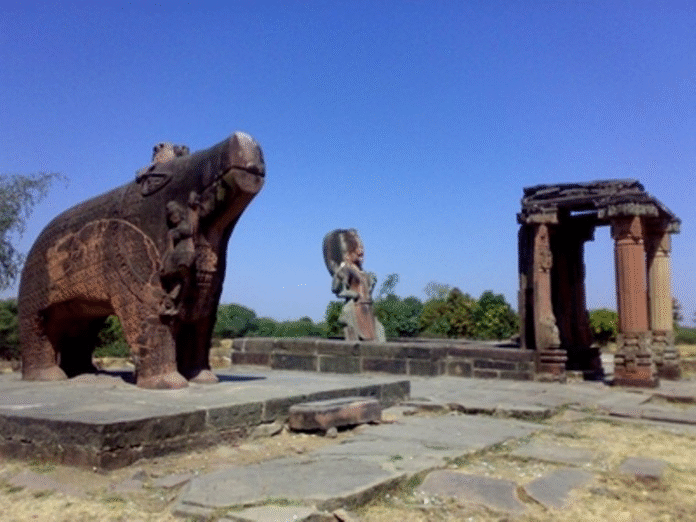
Eran is a small but historically rich town located around 75 km from Sagar and 90 km from Vidisha, in Madhya Pradesh. It rests peacefully where the Bina and Rewta rivers meet.

Eran in MP: This Riverside Town Still Echoes With Glory of The Guptas, Grand Temples, and Timeless Sculptures.

A Glimpse into the Past

Eran has witnessed many great rulers and empires, including the Gupta dynasty, the Huna (Huns), and the golden era of Chandragupta Vikramaditya. This place carries deep historical significance from some of India’s most powerful times.

Why Is Eran Special?

Visitors to Eran will find:

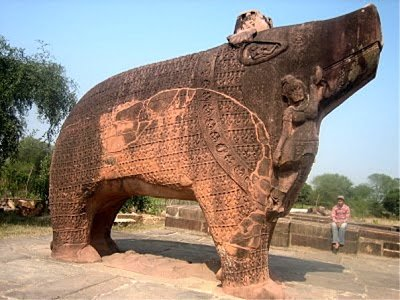
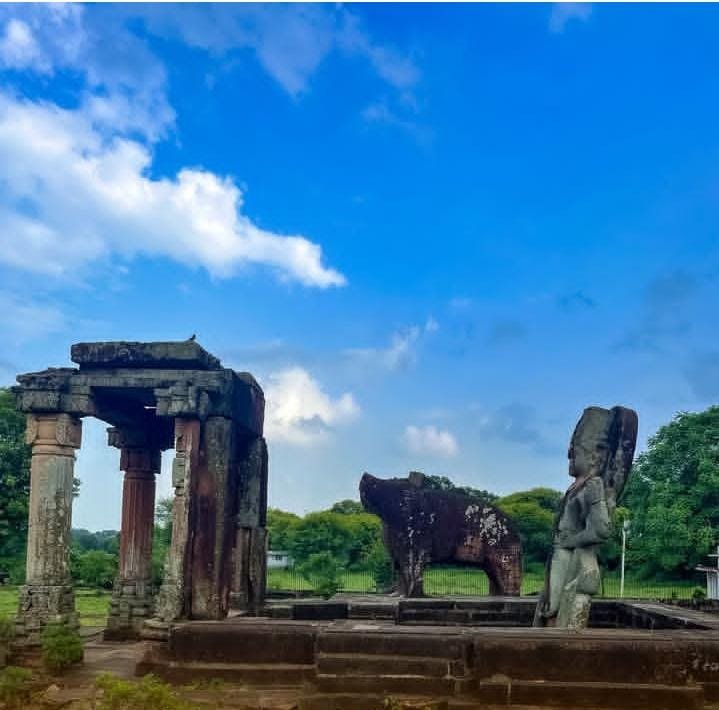
  • A giant Varaha (boar) statue, an ancient and artistic sculpture of Lord Vishnu.
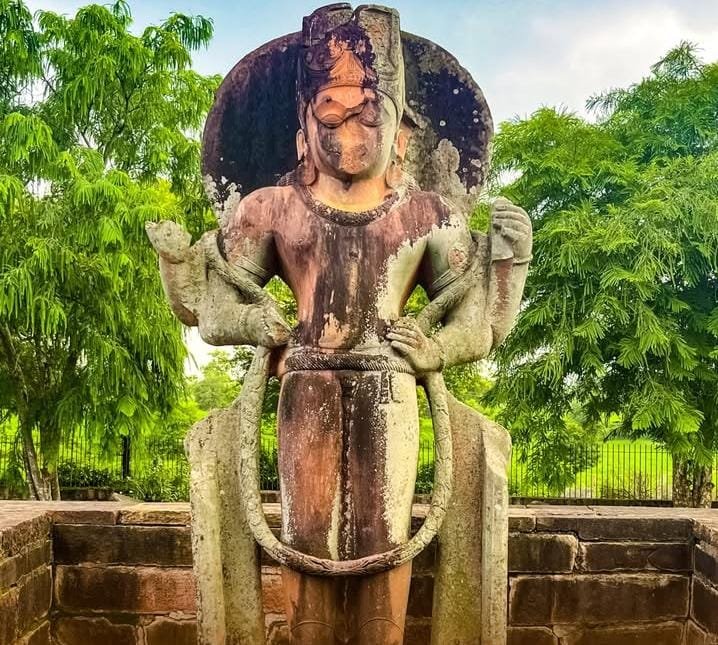
  • Ruins of grand temples, still full of stories and beauty.
  • Ancient coins and inscriptions, with symbols like elephants, horses, and the thunderbolt (vajra). These symbols show that Eran was once a busy center for trade, religion, and royal power.
Eran in MP: This Riverside Town Still Echoes With Glory of The Guptas, Grand Temples, and Timeless Sculptures.

Protected by ASI

The remains and ruins of Eran are looked after by the Archaeological Survey of India (ASI) to preserve its importance for future generations.

A Must-Visit for History Lovers

If you’re traveling to Sanchi (famous for Buddhist monuments) or Sagar, do take time to visit Eran. It’s a place where you can feel the ancient past come alive through its temples, sculptures, and peaceful riverside setting.

Eran in MP: This Riverside Town Still Echoes With Glory of The Guptas, Grand Temples, and Timeless Sculptures.

“Step into Mindfulness: Honoring World Sauntering Day”

0

Every year on June 19, the world pauses to honor World Sauntering Day – a quirky yet meaningful reminder to step off the fast track and enjoy life at a leisurely pace. Let’s explore why this day matters and how you can embrace the art of sauntering.

What Is Sauntering?

“Saunter” means walking in a slow, relaxed, and unhurried way – allowing yourself to fully experience the moment. As Henry David Thoreau noted, sauntering is an intimate communion with nature and the self – a pause in the rush of life.

Origins of World Sauntering Day

  • Founded in 1979 by W.T. “Bill” Rabe, a publicist at the Grand Hotel on Mackinac Island, Michigan, home to the world’s longest porch (660 feet).
  • The holiday was created as a gentle counterpoint to the jogging craze, encouraging people to take life more slowly.
  • Rabe’s simple “rules”: wear comfortable clothing; pick the right dog – big enough for company, but not so big as to be burdensome.
  • His son, John Rabe, beautifully summed it up: “Sauntering is going from point X to point Z: you don’t care where or when you arrive, just pay attention along the way”.

Why It Matters Today

In our always-on world, this day provides a chance to disconnect from the pace and reconnect with our lives:

  • Boost mindfulness & creativity: Slow walking boosts brain health and sparks creativity – up to 60%, some studies claim.
  • Reduce stress & improve wellness: It lowers blood pressure, eases anxiety, and sharpens mental clarity .
  • Strengthen our connection to nature: Sauntering makes us notice and appreciate the beauty around us – from blooming flowers to bird songs.

How to Celebrate

  1. Take a Sauntering Stroll
    Drop your pace today. Whether dining alone, walking to work, or wandering in the park – no destination, no rush.
  2. Use Unexpected Breaks
    Leave the train one stop early or take a longer route home. Let aimlessness guide you.
  3. Enjoy a Coffee Break
    Sit at a cafe, twirl your coffee, watch life pass by – unhurried and unconcerned.
  4. Bring a Thoughtful Dog
    If you have a pup that fits the “sauntering” criteria, bring them along for company.
  5. Practice “Purposeful Pointlessness”
    Just like Rabe and Thoreau, let aimlessness be your guide – there’s joy in simply existing.

Thoughtful Quotes to Inspire

  • “Sauntering is going from point X to point Z…don’t care where you’re going, how you’re going or when you might get there.” – John Rabe explaining his father’s ethos.
  • “I think that I cannot preserve my health and spirits unless I spend four hours a day at least… sauntering…” – Henry David Thoreau.

Embrace the Art of Sauntering: A Reflective Finale

World Sauntering Day isn’t just a whimsical pause – it’s a meaningful invitation to slow down and rediscover the beauty in life’s small moments. Amid fast-paced routines, taking time to walk purposefully and mindfully can renew your energy, reduce stress, and spark creativity, whether you’re watching birds in a park or savoring the aroma of your morning coffee.

So this June 19, let go of your to‑do list – just for today – and surrender to the rhythm of your surroundings. Whether you wander on winding paths, linger at a café, or stroll through your own neighborhood, make each step count. After all, sauntering isn’t about reaching a destination – it’s about experiencing the journey itself, with intention and presence.

Let this day – and every saunter thereafter – invite you to live more fully, think more calmly, and truly appreciate the world at your feet.