Home Blog Page 258

The Sacred Abode of Shree Dharm Rajeshwar Mandir in Maheshwar: A Beacon of Divinity and Heritage

0

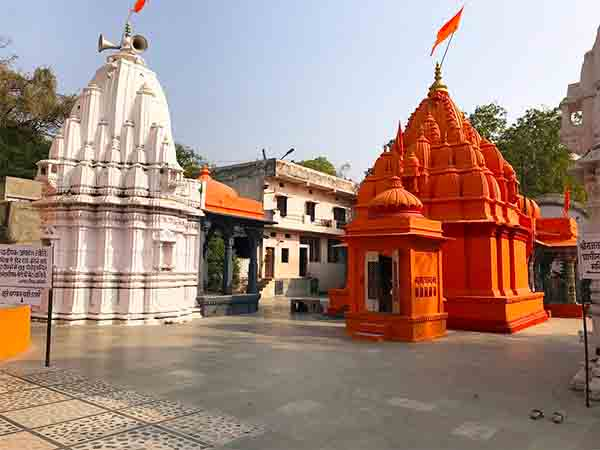
Nestled on the banks of the Narmada River in Madhya Pradesh, the Shree Dharm Rajeshwar Mandir in Maheshwar is a timeless testament to spirituality, history, and architectural grandeur. Known as the city of “Maha-Ishwar” (Great Lord Shiva), Maheshwar derives its name from Lord Shiva, whose divine presence is believed to bless this sacred land. The temple, dedicated to Lord Rajrajeshwar (Shiva), stands as a cornerstone of the town’s religious and cultural heritage, drawing devotees and visitors alike with its rich traditions and serene ambiance.

A Historical and Spiritual Legacy

The Shree Dharm Rajeshwar Mandir is believed to be the samadhi (memorial) site of Sahastrarjun Kartavirya Arjuna, a legendary figure of the Somvanshi dynasty. This revered warrior-king is celebrated annually during a grand festival on the Shukla Saptami of the Agahan month (November-December). The three-day celebration, marked by fervent devotion, culminates in a grand feast (bhandara) that brings the community together in a spirit of unity and reverence.
The temple’s historical significance is further enhanced by its association with Devi Ahilyabai Holkar, the revered Maratha queen who initiated her reign from Maheshwar. Her patronage elevated the temple’s prominence, making it a pivotal center of worship and governance. The temple continues to be a spiritual anchor for the town, which is also renowned for its scenic ghats, vibrant Maheshwari sarees, and other sacred sites.
The Sacred Abode of Shree Dharm Rajeshwar Mandir in Maheshwar: A Beacon of Divinity and Heritage


The Eternal Flame: Akhand Deepak Tradition

One of the most distinctive features of the Shree Dharm Rajeshwar Mandir is the tradition of the 11 akhand deepaks (eternal lamps), which have been burning continuously for centuries. These lamps symbolize divine light and are believed to be particularly dear to Lord Rajrajeshwar. Devotees light lamps here to seek blessings and fulfill their heartfelt wishes. A popular belief holds that offering prayers and chanting mantras at this temple can lead to the recovery of lost possessions, loved ones, or even honor and respect.

Architectural Marvel in Maratha Style

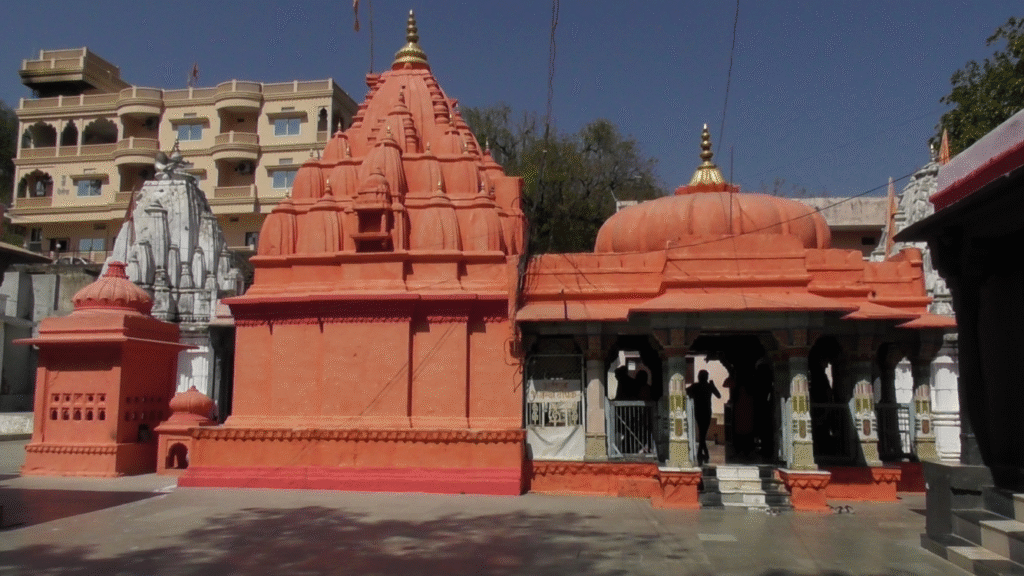
Constructed over 34 years, the Shree Dharm Rajeshwar Mandir is a splendid example of Maratha architecture. The temple boasts intricate carvings, a towering shikhara (spire), and an east-facing sanctum sanctorum housing the sacred Shiva Linga. The temple complex also encompasses smaller shrines dedicated to Lord Ganesha, Lord Surya, and Lord Chandra, adding to its spiritual vibrancy. The proximity to the Narmada River enhances the temple’s serene beauty, offering breathtaking views that complement its architectural elegance.

A Hub of Devotion and Festivity

The temple is a living center of worship, with daily aarti and puja ceremonies that attract devotees seeking divine blessings. Its location near Maheshwar’s iconic ghats, known for their scenic beauty and spiritual significance, makes it an integral part of the town’s cultural fabric. The annual Kartavirya Arjuna Jayanti festival transforms the temple into a hub of celebration, with rituals, prayers, and communal feasting that reflect the region’s deep-rooted traditions.

Majestic Legacy Ends: Ranthambhore’s Beloved Tigress Arrowhead Passes Away…

0

In a somber moment for wildlife lovers and conservationists alike, Ranthambhore National Park bid farewell to one of its most iconic residents, Tigress Arrowhead (T-84), who passed away on June 19 after a remarkable 11-year reign in the forests of Rajasthan. Her death marks the end of an era that saw Arrowhead emerge as a symbol of grace, power, and maternal legacy in the wild. Born to the legendary Tigress Krishna (T-19), Arrowhead inherited her mother’s territory in Zone 3, a region replete with scenic lakes and historic ruins, making her one of the most frequently sighted and photographed big cats in the park. Over the years, she garnered a devoted following among wildlife photographers, park guides, and tourists who fondly referred to her as the “Queen of Lakes.”

The last confirmed sighting of Arrowhead was on June 17 near Padam Talab by veteran wildlife photographer Sachin Rai. According to Rai, the majestic tigress appeared noticeably frail, her ribs showing and her gait slow and labored. Concern was palpable among park authorities and wildlife watchers, who had been monitoring her sporadic movements for weeks.

“Arrowhead wasn’t just a tigress; she was an ambassador of Ranthambhore’s ecological richness and its conservation story,” said one forest official. “She taught us about survival, motherhood, and the fragile balance of life in the wild.”

During her prime, Arrowhead was not only admired for her striking appearance and confidence but also celebrated for raising multiple litters successfully—playing a vital role in keeping the park’s tiger population robust. Her legacy lives on through her offspring, who now patrol different territories of the reserve.

A forest patrol located her remains near a water body, and an autopsy confirmed natural causes as the reason for her death. Her age, declining health, and the harsh summer heat are believed to have contributed to her demise. As a standard procedure, her remains were cremated within park grounds with utmost reverence. The loss has sent ripples through the wildlife community. Social media platforms have been flooded with tributes, photographs, and memories of her many awe-inspiring appearances. Tour guides recalled moments when she would stride confidently through the forest trails, unfazed by jeeps and onlookers—a calm queen in her natural court.

As the sun sets on Arrowhead’s majestic life, Ranthambhore mourns not just a tigress, but an emblem of wilderness herself. Her story is etched into the annals of India’s conservation efforts and the hearts of all those who were fortunate enough to witness her sovereignty.Arrowhead may have vanished into the wild silence, but her roar will echo for generations.

US Joins Israel in Airstrikes on Iran: A New Front Opens in the Middle East

0

The recent U.S. military strikes on Iranian nuclear facilities have not just shaken Tehran — they’ve jolted the entire geopolitical architecture of the Middle East. What was once a delicate game of diplomacy and deterrence has morphed into a direct confrontation, pulling global powers into a tightening spiral of escalation.

The most significant blow came with a strike on the Fordow Uranium Enrichment Plant, a highly fortified symbol of Iran’s nuclear ambitions. What followed was not merely military retaliation — it was the formal entrance of the United States into Israel’s long-standing shadow war with Iran.

From Silent Partner to Combatant: A Shift in U.S. Doctrine

This turn of events marks a dramatic shift in American foreign policy. Once a cautious observer offering intelligence and support from the sidelines, Washington is now fully aligned with Tel Aviv in military terms. Under the banner of preemptive defense, the U.S. has crossed a threshold that previous administrations — Republican or Democrat — were hesitant to breach.

President Donald Trump, who returned to the White House on the back of promises to “end America’s endless wars”, now finds himself navigating a new theatre of conflict. The contradiction has not gone unnoticed. Critics, both domestic and international, point to his earlier withdrawals from Ukraine and Gaza as evidence of an inconsistent strategy now overshadowed by bombs over Fordow.

Israel’s Calculated Advance: Operation Rising Lion

For Israel, the U.S. military involvement is both a validation and an advantage. Under Operation Rising Lion, Israeli jets and missiles have targeted Iranian missile depots, drone factories, and command centers. The U.S. airstrikes, coordinated with Israeli operations, have critically degraded Iran’s air defense capabilities — a move that significantly enhances Israel’s regional air superiority.

Israeli defense officials have described the campaign as “a rare window to permanently roll back Iran’s strategic depth.” For now, it appears the window is wide open.

Iran’s Precarious Position: A Cracking Facade

The strikes have left Iran’s military infrastructure battered and its leadership on the defensive. The death of several high-ranking officers has deepened the crisis within the Revolutionary Guard, while an aging Supreme Leader Ali Khamenei remains largely absent from public view. Behind closed doors, Tehran is reeling — and so is its image of invincibility.

International analysts are already speculating on regime vulnerability. Though there is no official talk of regime change from Washington or Tel Aviv, the narrative of “strategic weakening” has gained ground — recalling the slippery slope of the Iraq invasion in 2003, where battlefield momentum blurred the lines between military success and political overreach.

Parallels with Iraq: A Cautionary Echo

The comparisons to Iraq are growing louder. Then, too, claims about weapons of mass destruction paved the way for preemptive military action. Today, the justification is Iran’s alleged nuclear acceleration — but questions around international law, transparency, and proportionality remain deeply unresolved.

Will the world once again witness an American-led military campaign driven by assumptions and perceived threats? Or is this truly a calibrated strike to prevent a nuclear crisis?

Economic Shockwaves: Oil, Trade, and the Strait of Hormuz

As missiles fly, markets tremble. Iran has hinted at retaliation that could target maritime routes — particularly the Strait of Hormuz, a vital artery for global oil transport. Already, crude oil prices have surged, and shipping insurance premiums in the Gulf have spiked, affecting global energy markets from Houston to Shanghai.

Middle Eastern nations — especially the Gulf monarchies — now find themselves walking a tightrope. Openly aligning with the U.S. could invite Iranian retaliation; remaining silent could be seen as complicity. Diplomatic silence has become the loudest response.

India’s Delicate Balancing Act

India, with over 8 million citizens living and working across the Gulf and a deep dependence on Middle Eastern oil, is watching the crisis with acute concern. While maintaining strategic partnerships with both Israel and Iran, New Delhi has historically walked a fine line — advocating for peace while securing its interests.

The Indian government has quietly activated contingency plans to safeguard its diaspora, particularly in the UAE, Qatar, and Saudi Arabia. Meanwhile, any significant disruption in oil flow could derail India’s economic momentum, just as it prepares to expand its manufacturing and export sectors.

In diplomatic backchannels, Indian envoys are pushing for a de-escalation framework, urging both Washington and Tehran to return to dialogue.

What Next for Iran’s Nuclear Programme?

Despite the devastation, Iran’s nuclear ambitions are far from extinguished. Experts warn that the current strategy may not halt but rather harden Iran’s resolve. Its scientific community has already dispersed key research operations, and the narrative of martyrdom and sovereignty will likely dominate Iranian state media in the coming days.

The question now is not just whether Iran can rebuild — but how it chooses to retaliate. Proxy warfare, cyberattacks, or targeted strikes on U.S. or Israeli interests in the region could ignite a larger, more unpredictable conflict.

Conclusion: A Dangerous New Chapter

The U.S.-Iran-Israel triangle has entered a new, volatile phase — and the world is watching. From Jerusalem to Tehran, Washington to New Delhi, the choices made in the next few days will determine not just the future of nuclear diplomacy, but the fragile stability of the entire Middle East.

The region has seen war before. But this time, the alliances are deeper, the stakes are higher, and the fallout may reach far beyond the desert sands.

GENIUS Act Bill, Stablecoins And Its Impact on Cryptocurrency Market…

0

The GENIUS Act Bill was passed by the US Senate in June 2025. This bill aims to regulate stablecoins, which are cryptocurrencies backed by reserves. The passage signifies a major shift in the US government’s approach to digital assets. The bill’s approval has led to a notable increase in the market capitalisation of stablecoins and the shares of cryptocurrency firms.

What Are Stablecoins?

Stablecoins are digital currencies designed to maintain a stable value. They are typically pegged to traditional currencies like the US dollar. This backing makes them less volatile than other cryptocurrencies. As of 2025, the market capitalisation of stablecoins reached approximately $251.7 billion, reflecting a 22% increase from the previous year.

Key Features of the GENIUS Act

The GENIUS Act introduces several regulatory measures for stablecoins. It mandates compliance to prevent money laundering. It also requires that all stablecoins be fully backed by reserves. Monthly audits of these reserves will ensure transparency and accountability.

Impact on the Cryptocurrency Market

Following the Senate’s approval of the GENIUS Act, shares of Circle Internet Group surged . The stock rose by 33.82% on the day of the vote and continued to climb in pre-market trading. This increase reflects investor confidence in the future of stablecoins under the new regulatory framework.

US Treasury’s Perspective

US Treasury Secretary Scott Bessent has expressed optimism about the future of stablecoins. He predicts that the market could grow to $3.7 trillion by the end of the decade. Bessent argues that stablecoins could reinforce the supremacy of the US dollar by becoming purchasers of US Treasuries.

Comparison with the STABLE Act

The STABLE Act is another piece of legislation aimed at regulating stablecoins. While it shares some similarities with the GENIUS Act, it focuses on limiting reserve backing to specific assets. The STABLE Act also places oversight under the Office of the Comptroller of the Currency.

Trump Administration’s Influence

The Trump administration has played important role in promoting stablecoins. President Trump has publicly supported the GENIUS Act, calling it a means to position the US as a leader in digital assets. His family’s interests in cryptocurrency have also been brought into light in discussions surrounding the bill.

Global Context and De-dollarisation

The rise of stablecoins comes amid global discussions about de-dollarisation. Several countries are exploring alternatives to the US dollar for international trade. The GENIUS Act aims to solidify the dollar’s dominance by encouraging the use of dollar-pegged stablecoins.

India’s Khadi Revolution: Record Growth in Sales, Production & Jobs

0

In a remarkable achievement, the Khadi and Village Industries (KVI) sector has witnessed an unprecedented boom, according to the latest data released by the Khadi and Village Industries Commission (KVIC). The sector, which stands as a symbol of self-reliant India, has recorded massive growth in production, sales, and employment over the past 11 years.

Record-Breaking Growth in Khadi Sector

Releasing the provisional figures for the financial year 2024–25, KVIC Chairman Manoj Kumar highlighted the phenomenal progress of the Khadi movement in New Delhi.

Key highlights include:

  • 447% increase in sales
  • 347% rise in production
  • 49.23% growth in employment generation

This extraordinary growth signifies not only a revival but a full-scale transformation of the sector that once struggled for mainstream attention.

From ₹26,000 Cr to Over ₹1.16 Lakh Cr in Production

The production value of Khadi and Village Industries was just over ₹26,000 crore in 2013–14. Fast forward to 2024–25, and the number has surged nearly fourfold to over ₹1.16 lakh crore. This signals strong domestic demand, robust market confidence, and successful policy support.

Sales Cross ₹1.70 Lakh Cr Mark

The sales trajectory is even more impressive. From approximately ₹31,000 crore in 2013–14, sales skyrocketed to over ₹1.70 lakh crore by 2024–25. This reflects a growing shift in consumer preference toward sustainable, eco-friendly, and locally made products, aligning with the Atmanirbhar Bharat mission.

Employment: Empowering Rural India

Beyond numbers, the Khadi sector has played a vital role in generating rural employment, especially for artisans, women, and micro-entrepreneurs. The employment boost of 49.23% underlines its contribution to inclusive economic growth, making it a critical pillar of India’s rural development.

Driving Forces Behind the Growth

Several key factors have driven this transformation:

  • Increased government support and budget allocation
  • Nationwide promotion of the “Vocal for Local” campaign
  • Rise in e-commerce platforms selling Khadi products
  • Enhanced brand positioning and modern product design
  • Expansion into urban and international markets

Conclusion

The Khadi and Village Industries sector is no longer just a legacy of India’s freedom movement – it is now a dynamic, growth-driven force powering the nation’s economic and social fabric. The staggering 447% growth in sales underlines how strategic leadership, grassroots empowerment, and consumer consciousness can together redefine a traditional industry.

As India moves forward on the path of self-reliance and sustainability, Khadi stands tall as a symbol of progress with pride.

Remembering Dr. Shyama Prasad Mukherjee: The Architect of National Integration

0

Shyama Prasad Mukherjee remains one of the most influential figures in India’s political and educational history. A visionary nationalist, educationist, and parliamentarian, he played a pivotal role in shaping post-independence India. His legacy continues to inspire generations, especially through his unwavering commitment to national integration and public service.

Early Life and Education

Born on July 6, 1901, in Kolkata, Shyama Prasad Mukherjee was the son of Ashutosh Mukherjee, a renowned educator and judge. He completed his education with distinction—earning a degree in English from Presidency College, Kolkata, followed by a degree in law from the University of Calcutta. Later, he went to England to join Lincoln’s Inn and became the youngest Indian to be called to the Bar.

Academic Achievements

Mukherjee’s academic journey was nothing short of remarkable. At the age of 33, he became the Vice-Chancellor of Calcutta University, making him one of the youngest to hold that position. Under his leadership, the university made significant strides in academic excellence and research

Entry into Politics

Shyama Prasad’s political career began with his nomination to the Bengal Legislative Council in 1929. Initially a member of the Indian National Congress, he later joined the Hindu Mahasabha, becoming its president in 1944. He was known for his strong nationalist views and vocal opposition to the partition of India.

Role in Independent India

After India’s independence in 1947, Mukherjee was appointed as the first Minister for Industry and Supply in Prime Minister Jawaharlal Nehru’s cabinet. He laid the foundation for industrialization in a newly independent India and contributed significantly to policy formulation.

However, ideological differences with Nehru, especially on issues like Kashmir and minority appeasement, led to his resignation in 1950.

Founder of Bharatiya Jana Sangh

In 1951, Shyama Prasad Mukherjee founded the Bharatiya Jana Sangh – the political predecessor of today’s Bharatiya Janata Party (BJP). His aim was to provide an alternative to the Congress-led politics and promote a nationalistic vision rooted in Indian cultural values.

Under his leadership, the Jana Sangh advocated for:

  • One nation, one law
  • Abolition of Article 370
  • National unity and integrity
  • Protection of Hindu rights without marginalizing minorities

The Kashmir Protest and Mysterious Death

One of Mukherjee’s most defining – and tragic – moments came in 1953 when he led a protest against the special status of Jammu and Kashmir under Article 370. He entered Kashmir without a permit, defying the state’s requirement for Indian citizens to carry one.

He was arrested in Jammu and later died under controversial circumstances on June 23, 1953. His sudden death at the age of 52 sparked widespread outrage and remains a matter of public debate and speculation.

Legacy and Remembrance

Shyama Prasad Mukherjee’s contributions to Indian politics and nation-building continue to resonate. His legacy lives on through the Bharatiya Janata Party, which rose to become the dominant political force in India.

He is remembered for:

  • Advocating national integration
  • Championing industrial development
  • Laying the ideological foundation for right-wing politics in India
  • Challenging Article 370 and promoting national unity

Several institutions have been named after him, including Dr. Shyama Prasad Mukherjee University in Ranchi and Shyama Prasad Mukherjee Port in Kolkata.

Conclusion

Dr. Shyama Prasad Mukherjee was more than a politician – he was a nation-builder, a visionary, and a fearless advocate for Indian unity. His life and work remind us of the power of conviction, integrity, and patriotism in shaping the future of a nation. As India continues to evolve, the ideals of Shyama Prasad Mukherjee remain ever relevant.

The Holkar Dynasty: Warriors of Faith, Architects of Legacy, Keepers of Indore’s Soul.

0

The story of the Holkars of Indore gleams like a royal gem—etched in valor, vision, and veneration. From humble beginnings in the village of Hol to the regal corridors of Rajwada Palace and the opulence of Lal Bagh Palace, the Holkars carved a dynasty that blended Maratha might with deep-rooted dharma.

From Saddle to Scepter: The Rise of the Holkars

The Holkars trace their lineage to the Dhangar (shepherd) community of Maharashtra. Their rise began with Malhar Rao Holkar, a trusted commander under Peshwa Baji Rao I, who was granted control over parts of Malwa in the early 18th century. By 1732, Malhar Rao had established the Holkar rule in Indore, laying the foundation for a dynasty that would shape central India’s destiny.

But it was Ahilyabai Holkar, his daughter-in-law, who transformed the dynasty into a beacon of justice, spirituality, and architectural brilliance. Revered as a philosopher-queen, she moved the capital to Maheshwar, built temples across India—from Kashi to Rameswaram and ruled with unmatched grace and wisdom.

The Holkar Dynasty: Warriors of Faith, Architects of Legacy, Keepers of Indore’s Soul.

Rajwada Palace: The Heart of Holkar Power

Constructed in 1747, the Rajwada Palace is a seven-story marvel that fuses Maratha, Mughal, and French architectural styles. Located in the bustling heart of Indore, it served as the royal residence and administrative seat of the Holkars. Its grand wooden gateway, arched Ganesha hall, and ornate balconies whisper tales of royal processions, courtly debates, and spiritual gatherings.

Despite fires and political upheavals, Rajwada has been lovingly restored—most recently in 2023—preserving its legacy as a living monument of Indore’s soul.

The Holkar Dynasty: Warriors of Faith, Architects of Legacy, Keepers of Indore’s Soul.

Lal Bagh Palace: A Symphony in Stone

If Rajwada was the seat of power, Lal Bagh Palace was the canvas of Holkar elegance. Built in phases between the late 19th and early 20th centuries by Tukojirao Holkar II and III, this 45-room palace sprawls across 76 acres and showcases Italian Renaissance Revival architecture. Its gates, modeled after Buckingham Palace, and interiors adorned with Belgian glass, Persian carpets, and Georgian furniture, reflect the Holkars’ global outlook and refined taste.

Today, Lal Bagh stands as a museum—a treasure trove of royal artifacts, paintings, and echoes of a bygone era.

The Holkar Dynasty: Warriors of Faith, Architects of Legacy, Keepers of Indore’s Soul.

Legacy Beyond Stone

The Holkars were not just rulers—they were reformers, patrons of the arts, and spiritual custodians. Their contributions to education, infrastructure, and temple restoration resonate even today. From Ahilyabai’s Maheshwari sarees to Yashwantrao Holkar’s resistance against British imperialism, their legacy is woven into the very fabric of Madhya Pradesh.

The Holkar Dynasty: Warriors of Faith, Architects of Legacy, Keepers of Indore’s Soul.

A Symbol of Indian Spirit

Together, Rajwada and Lal Bagh Palaces are more than architectural marvels—they are symbols of India’s spiritual resilience, cultural synthesis, and royal grace. They remind us that true power lies not just in conquest, but in compassion, creativity, and the courage to uplift a people.

Whispers of the Divine: The Forgotten Pillar of Barmankalan That Holds the Soul of India…

0

In Madhya Pradesh, the quiet village of Barmankalan, Narsinghpur, where the sacred Narmada flows and the air hums with ancient chants, spirituality is not just a belief—it’s a way of life. India’s spiritual heritage is a vast, living tapestry woven from the Vedas, epics, and centuries of devotion. Temples, ghats, and sacred sculptures are not merely stone—they are storytellers, guardians of dharma, and echoes of a civilization that has always sought the divine in the everyday.

Among these sacred relics stands a remarkable monument in Barmankalan, a village nestled in the Narsinghpur district of Madhya Pradesh. Here, rising quietly yet commandingly, is the Garuda Pillar—a square column carved from black and green stone, bearing the divine imprints of Lakshmi Narayan, Garuda, Matsya, Kurma, and other avatars of Vishnu.

A Pillar of Divinity and Devotion

This pillar, believed to have been constructed during the 17th–18th century CE, likely under the patronage of Maratha rulers, is more than an architectural artifact—it is a spiritual beacon. Each of its four sides tells a different story from the Dashavatara, the ten incarnations of Vishnu, symbolizing the eternal cycle of creation, preservation, and transformation.

  • West side: Four-armed Lakshmi Narayan, Garuda, Matsya (fish), and Kurma (tortoise).
  • South side: Narasimha, Varaha, Hanuman, and Vishnu.
  • East side: Parashurama, Rama-Sita, and Venu-Gopala.
  • North side: Ganesha, Shiva-Parvati, and scenes from the Ashwamedha Yajna.

Each carving is a meditation in stone—an invitation to reflect on the divine roles of protector, teacher, and liberator.

Who Built It and Why It Matters

While the exact artisan or patron remains unnamed, the pillar’s style and iconography suggest it was crafted during the Maratha period, a time when temple-building flourished across central India. The Marathas, deeply rooted in Vaishnavism and Shaivism, often commissioned such works to reinforce dharma and cultural identity.

The Garuda Pillar is not just a religious symbol—it’s a cultural time capsule. It reflects the syncretic spirit of Indian spirituality, where Vishnu’s avatars coexist with Shiva, Ganesha, and even depictions of yajnas (sacrificial rituals), all carved into a single sacred form.

A Living Symbol of India’s Spiritual Heritage

In Indian tradition, pillars often symbolize the axis mundi—the cosmic axis connecting heaven and earth. This pillar, standing tall in Barmankalan, is a reminder of India’s enduring spiritual quest: to uphold dharma, honor the divine in all forms, and preserve the sacred stories that shape our collective soul.

Soybean: The Golden Pulse Of Madhya Pradesh’s Agro-Economy

0

By Nirjala Goud

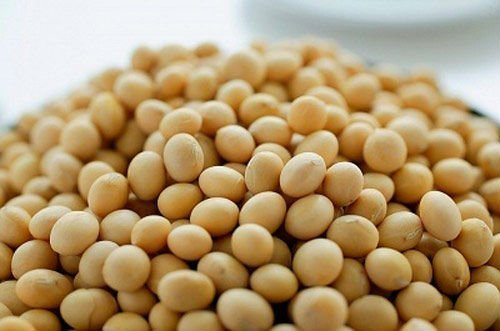
From eco-friendly biodiesel to vibrant paints, nourishing soaps, and even cosmetics, the humble soybean powers a surprising range of everyday products. In Madhya Pradesh, this versatile crop is more than just an agricultural commodity—it’s a lifeline for millions and a vital pillar of the state’s rural economy.

The heartland of India pulses not with the thrum of factories or the rush of megacities—but with the quiet resilience of its soil. In Madhya Pradesh, every dawn breaks over a landscape where the earth itself is a battleground of hope and hardship, where generations of farmers till dreams into the dirt beneath a blazing sun. This is no ordinary economy—it is a lifeline bound by monsoons, stitched with seeds, and steeled by the unwavering hands of cultivators who write their stories not with ink, but with plows. From the golden fields of wheat in Malwa to the soybean stretches of Nimar, the agro-economy of Madhya Pradesh is not merely an engine of growth—it is the soul of a state that feeds a nation.

Cultivating Prosperity

Soybean cultivation has become an essential part of life for lakhs of farmers across Madhya Pradesh. As a primary kharif crop, it provides a reliable source of income and employment—not only on the farms, but also across transport networks and processing units. Whether it’s the harvesters in the fields or the hands packing soy-based foods, this crop fuels livelihoods at every step.

Beyond Borders

Soybean-derived products like meal and oil are major export items, bringing in valuable foreign exchange and enhancing India’s global trade footprint. At home, the widespread production of soybean oil plays a crucial role in boosting the nation’s edible oil self-sufficiency, easing reliance on imports and contributing to food security.

A Village Renaissance

The soybean wave has sparked a quiet transformation across rural Madhya Pradesh. Agro-industries—from oil extraction units to food packaging facilities—have flourished, creating entrepreneurship opportunities and driving local economies. Infrastructure, too, has surged forward, with better roads, warehouses, and vibrant mandis bringing prosperity closer to the farmers’ doorstep.

Soybean: The Golden Pulse Of Madhya Pradesh’s Agro-Economy

Government as a Growth Partner

Behind this success story is the quiet hand of policy and support. Programs like the National Food Security Mission – Oilseeds aim to enhance production sustainably, while the Minimum Support Price (MSP) acts as a safety net, ensuring farmers are fairly compensated. Meanwhile, training and technical support from NABARD and Krishi Vigyan Kendras (KVKs) are helping modernize cultivation methods and improve yields. The adoption of digital platforms like e-NAM is also opening up wider, more transparent markets for soybean growers.

Sowing a Resilient Future

In many ways, soybean cultivation has become the backbone of Madhya Pradesh’s agricultural and economic landscape. It supports countless families, encourages innovation, and fuels growth—not just in profits, but in people’s dreams. As the “Soy State” continues to evolve, strengthened by vision and determination, it stands as a shining example of how a single crop can transform lives and empower a region.

India’s Developmental Diplomacy: New Power Paradigm on Global Stage

0

India’s approach to international relations has really changed in the last few decades. Instead of just sticking to traditional diplomatic methods, it is combining development strategies with diplomacy to make its foreign policy stronger and more effective. This is often referred to as “Developmental Diplomacy.”

These days, India is adapting more effective and innovative strategies to better protect and promote its national interest. The main goal is to boost its global standing, attract more investments through developmental projects, and ensure comprehensive growth while simultaneously reinforcing regional partnerships.

This article looks at how India is using this approach to connect with other countries and show that it can be a responsible and active player on the world stage.

In the last five years, India has really focused on using DEVELOPMENTAL DIPLOMACY in its foreign policy. This strategy aims for inclusive growth, building global partnerships, and strengthening cooperation with other developing countries. India has stepped up on the world stage, not just as a regional player, but as a trusted development ally for many Nations.—One of the standout efforts has been India’s role in the International Solar Alliance (ISA), which is working to improve access to solar energy in Africa, the Pacific Islands, and other developing regions. India is providing training, technology, and funding to support these efforts, aligning with its climate goals.

•India has made strides in digital diplomacy as well. Since 2022, the Unified Payments Interface (UPI) has made secure and low-cost digital transactions possible in countries like Singapore, the UAE, France, Bhutan, and Sri Lanka.

The Digital Public Infrastructure model, which includes Aadhaar and CoWIN, has caught the attention of over 30 developing nations and was featured prominently at the 2023 G20 Summit, showing India’s commitment to sharing digital solutions.

•The Voice of the Global South Summit in 2023 brought together over 125 developing nations to talk on shared issues like climate finance and food security. India contributed practical support, such as satellite data for disaster management and telemedicine, reinforcing its role in voicing Global South interests at the global level, also a key moment in 2023 was the launch of the India-Middle East-Europe Economic Corridor (IMEC) at the G20 Summit.

This corridor aims to connect India with Europe via the Middle East through railways and ports. It’s backed by countries like the US, EU, Saudi Arabia, and the UAE and offers a different path compared to China’s Belt and Road Initiative, with India at the center.

•India’s humanitarian efforts were praised by the world as well with the Vaccine Maitri initiative (2021- 2022) it delivered over 250 million COVID-19 vaccine doses to more than 100 countries.

This move earned India recognition as a major participator in global health. •India’s Indo-Pacific Oceans Initiative has focused on maritime security and sustainable marine resource use, working with partners like Australia, France, and Japan to strengthen its position in the Indo-Pacific.

Lastly, India continues to support developing nations through various capacity-building programs, particularly in Africa and the Caribbean.

The ITEC program and the Pan-African e-Network have provided training in IT, health, agriculture, and renewable energy. All these efforts show how India is becoming a global development partner, using innovation and cooperation to push for a fairer and more connected world. India’s developmental diplomacy is getting recognition all over the world today, this can be understood better from the recent events, such as When Myanmar felt the powerful earthquake with the intensity of 7.7 magnitudes on 28 March 2025, due to which a horrific scene was witnessed there, many lives were also lost, the disaster was so terrible that its effect was also seen in neighboring Thailand and Bangkok.

In response, India launched “Operation Brahma” to provide humanitarian aid to Myanmar. With this immediate action, India’s image as a dependable neighbor has been restored, which strengthened its presence in the Region. India has showcased its formidable defense capabilities to the world through ‘Operation Sindoor’ against Pakistan, underscoring its strong global standing and its status as a dominant power in the region. It’s response to the ‘2025 Pahalgam terror attack’ showed how it used developmental diplomacy to sway global opinion. As India has called its military actions against Pakistan focused on counterterrorism. These efforts received a lot of international backing, with leaders like U.S. President Donald Trump and Russian President Vladimir Putin voicing their support.

Other leaders from countries like Italy, the UAE, Israel, and the UK also condemned the attack and stood with India. This highlights India’s determination to tackle terrorism and gather international backing against groups based in Pakistan. The only country that openly supported Pakistan was Turkey. So, it seems that India’s diplomatic moves helped shape global views, putting Pakistan in a tough spot and strengthening India’s stance against terrorism.

In April 2025, the US imposed a 26% tariff on all Indian imports, citing trade imbalances. This move threatened up to $7 billion in Indian exports and affected nearly 87% of goods sent to the U.S. In response, India decided to engage in diplomacy instead of retaliating. They started discussions for a temporary trade deal, kept an eye on what the U.S. was giving to other countries, and pushed to get the WTO’s dispute resolution system back on track.

Meanwhile, India also aimed to diversify its exports and improve its competitive edge. Although the U.S. did not directly link the tariffs to the India-Pakistan conflict, their timing suggests a broader strategic context. India’s calm, multi-layered diplomatic approach reflected its evolving global role—balancing national interests with long-term economic and geopolitical stability. The IMF’s world economic outlook for 2025 shows that India has become the 4th largest economy, with a GDP of $4.19 trillion, just ahead of Japan’s GDP of $4.18 trillion. This growth highlights how well India has handled its developmental diplomacy.

Combining growth, technology, and global partnerships to advance national interests. From advocating renewable energy through the International Solar Alliance to sharing digital innovations like UPI and Cowin, India is growing its image as a trusted development partner. Humanitarian missions like “Operation Brahma” and global health efforts under Vaccine Maitri highlight its commitment to inclusive, responsible leadership at regional as well as global stage. India’s strategic patience in trade disputes and firm stance against terrorism show a mature, balanced diplomatic approach.

With its rise as the world’s 4th largest economy and increasing global influence, India is no longer just reacting to global shifts—it’s helping shape them. Developmental diplomacy has become the vehicle through which India projects strength, fosters trust, and builds lasting global ties.

India's Developmental Diplomacy: New Power Paradigm on Global Stage

(Writer of this article is Isha Singh Chouhan M.A Political Science Kanoria P.G Mahila Mahavidyalaya, Jaipur (Raj)