Home Blog Page 256

Jagannath Puri Yatra 2025: A Divine Journey of Devotion and Unity

0

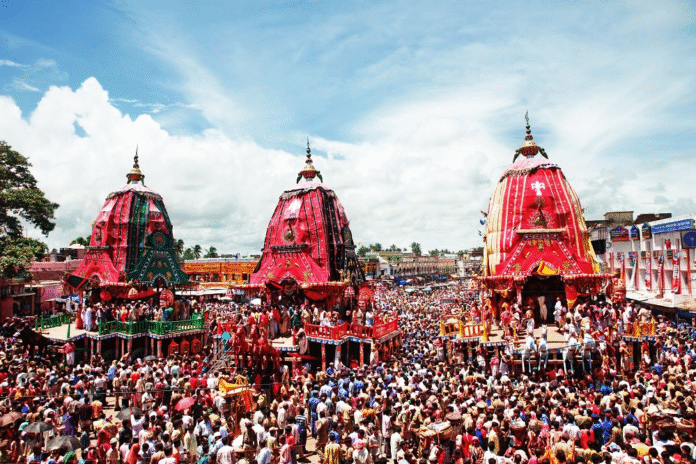
Every year, the sacred city of Puri in Odisha becomes a spiritual epicenter for millions of devotees who gather to witness the Jagannath Rath Yatra, a festival deeply rooted in history, devotion, and divine tradition. As we approach Jagannath Yatra 2025, the air is once again filled with anticipation, bhakti (devotion), and cultural pride.

In this post, we’ll explore the history of this grand festival, its spiritual and cultural significance, and what makes the 2025 Yatra uniquely special with its new theme and message.

A Glimpse into the Glorious History

The Jagannath Rath Yatra, also known as the Chariot Festival, dates back to ancient times – believed to have been celebrated since at least the 12th century, when the majestic Jagannath Temple was constructed by King Anantavarman Chodaganga Deva of the Eastern Ganga Dynasty.

The term “Jagannath” means “Lord of the Universe.” Lord Jagannath, along with His siblings – Lord Balabhadra and Devi Subhadra – embarks on a grand procession from the Jagannath Temple to the Gundicha Temple, around 3 km away, where they stay for 9 days before returning. This symbolic journey represents the divine’s movement among people, cutting across caste, creed, and status.

Spiritual Significance of the Yatra

The Rath Yatra is more than a religious procession – it’s a spiritual phenomenon that embodies equality, inclusiveness, and devotion. It is one of the few occasions where non-Hindus and those traditionally not allowed inside the Jagannath Temple can have darshan (a sacred view) of the deities.

Some key spiritual highlights include:

  • Pulling the Chariot: Devotees consider it highly auspicious to help pull the ropes of the three massive chariots, which are newly constructed each year using traditional techniques and sacred neem wood.
  • Chhera Pahara: The King of Puri, considered the first servant of Lord Jagannath, sweeps the chariot platform with a golden broom – symbolizing humility before the divine.
  • Return Journey (Bahuda Yatra): After their stay at Gundicha Temple, the deities return with much celebration and rituals, culminating in the Suna Besha (golden adornment), where the deities are dressed in gold ornaments.

Jagannath Yatra 2025: Theme and Highlights

The theme for Jagannath Yatra 2025 is “Vasudhaiva Kutumbakam – The World is One Family”, echoing India’s global message of unity, harmony, and collective spiritual awakening. In a world grappling with division and crisis, this theme reminds us of Lord Jagannath’s universal embrace.

What Makes 2025 Special?

  • Enhanced Global Participation: With increased international awareness, Puri is expecting a record number of global devotees and cultural envoys this year.
  • Eco-Friendly Yatra: A conscious shift toward sustainability – from biodegradable offerings to plastic-free zones – is being implemented under this year’s green initiative.
  • Digital Darshan and Virtual Yatra: For those unable to travel, the Odisha Government and temple authorities are offering high-quality live streams, 360° virtual temple tours, and interactive experiences.
  • Cultural Confluences: Cultural events, spiritual discourses, and interfaith panels will be held across Puri, emphasizing the 2025 theme and fostering global unity.

A Celebration Beyond Borders

The Jagannath Rath Yatra 2025 is more than a festival – it’s a timeless celebration of faith, togetherness, and divine compassion that transcends geography and generations. This sacred procession reminds us of the values that truly bind us: devotion, humility, and universal love.

Whether you walk beside the towering chariots in Puri or witness the spectacle from afar, the presence of Lord Jagannath touches every heart that seeks connection. As this year’s theme, Vasudhaiva Kutumbakam, beautifully reminds us – we are not strangers in this journey, but one family walking the path of devotion together.

May the Yatra of 2025 inspire us all to move forward with unity in spirit and purpose. Jai Jagannath!

‘Jai Hind’ Echoes in Space: IAF Officer Shubhanshu Shukla Sends First Message from ISS under Axiom-4 Mission

0

History was made as Indian Air Force Group Captain Shubhanshu Shukla reached the International Space Station (ISS), becoming the first Indian in 41 years to do so. His first message from space, “Jai Hind! From the ground of India to space, this journey is dedicated to the dreams of every Indian,” has stirred patriotic pride across the nation.

Shubhanshu Shukla is part of the Axiom-4 Mission, launched in collaboration with NASA and SpaceX. The mission took off aboard a Falcon-9 rocket from the Kennedy Space Center, with its arrival at the ISS scheduled for 4:30 PM IST on June 26.

Why Axiom-4 Mission is Historic for India

This mission is of great significance, marking India’s return to human spaceflight involvement after more than four decades. Shukla’s participation in scientific experiments and technical research aboard the ISS represents a major leap for India’s global presence in space science and technology.

A Nation Celebrates

The emotional resonance of Shukla’s message — “Jai Hind!” — has captured hearts across the country. Prime Minister Narendra Modi and Uttar Pradesh Chief Minister Yogi Adityanath have praised the achievement, with the latter calling Shukla “the pride of the land of Lord Ram.”

Citizens across social media platforms are celebrating it as a moment of ‘Made in India’ pride, seeing the mission as symbolic of India’s growing capabilities in space exploration and international cooperation.

SEO Keywords:

  • Axiom-4 Mission
  • Shubhanshu Shukla astronaut
  • Jai Hind from space
  • Indian astronaut 2025
  • India in International Space Station
  • SpaceX Falcon 9 India
  • Indian Air Force space mission
  • NASA SpaceX India collaboration
  • Indian achievements in space
  • Shubhanshu Shukla first message from space

Let me know if you’d like visuals, social media snippets, or a bilingual (Hin

Mutual Funds vs Stocks: Which is Suitable for Beginners?

0

As someone looking to start their investment journey, one of the most common questions you’d encounter is what is suitable – stocks or mutual funds. While each of these options have their own potential benefits and risks, your choice largely depends on your financial goals, risk appetite, and where you are on your investment journey. 

Mutual Funds vs Stocks: Pros and cons

On one hand, mutual funds can potentially offer diversification and professional management. On the other, stocks offer direct ownership and control. For beginners, understanding the nuances of both can help you lay a suitable foundation that helps with long-term investing. 

Understanding mutual funds

Mutual funds pool money from various investors to invest in a diversified portfolio comprising stocks, bonds, or money market instruments. These funds are managed by experts known as fund managers who make investment decisions based on the scheme’s objectives. For novice investors who may not have the time or knowledge of the industry, mutual funds can offer a structured way to participate in equity or debt markets.

One of the key features of mutual funds is diversification. This helps reduce the overall risk. Since the investment is spread across securities, the impact of underperformance by a single stock or bond can be minimised. Additionally, mutual funds offer various categories based on investment objectives and risk profiles that help you mitigate risks.

Understanding stocks

When you invest in stocks, you are basically buying shares of a company, giving you direct ownership. Stock investments can potentially offer higher returns, but they also come with higher risk levels. Thus, stock prices can be volatile and challenging for beginners to navigate.

stock investing requires a good understanding of business fundamentals, market trends, and company-specific developments. For those new to investing, this can feel overwhelming, especially in the absence of professional advice. However, stocks also provide the flexibility to enter and exit positions at will and can be suitable for investors who wish to take an active role in managing their investments.

Comparing key differences

  • Management: Mutual funds are professionally managed, while stock investments require self-research and decision-making.
  • Diversification: Mutual funds can potentially offer automatic diversification, whereas stock portfolios need to be built manually to spread risk.
  • Risk and returns: Stocks may offer higher potential returns but also higher risk. Mutual funds aim to balance risk and return, depending on the type of fund.
  • Costs: Costs: Mutual funds come with expense ratios and, in some cases, exit loads. If you invest through a trading account, you will pay brokerage fees too. Stock trading does not have expense ratio but involves brokerage fees. 

Factors to consider before investing

As a novice investor, the most suitable way for you to enter the world of investing would be through starting an SIP, also known as a Systematic Investment Plan. An SIP allows you to invest small amounts at regular intervals. With its power of compounding and rupee cost averaging feature, SIPs help you develop a disciplined investing habit. For those who wish to take their financial decisions independently, stock investing can be explored as a potential option.

One important factor to consider before investing is your risk appetite. If you prefer stable investments with potential for long-term growth, mutual funds might be more suitable for you. However, if you’re open to higher risk and potentially higher returns, you can explore stock investing. Although, it is important to note that you need to spend time, effort and energy to understand the stock market.

How a compound interest calculator can help

Before starting with either option, using tools like a compound interest calculator can offer useful insights. This calculator can help estimate how your money may grow over time with regular investments and compounding returns. While mutual funds do not guarantee returns, understanding the impact of compounding can help set realistic expectations and track potential progress toward financial goals.

Conclusion

There is no single answer to whether mutual funds or stocks are suitable for beginners. It depends on your financial objectives, risk comfort, and level of involvement. Mutual funds may be a suitable starting point for those looking for diversification and professional management, while stocks may suit investors seeking hands-on control. Either way, it is advisable to start with proper planning, use available calculators and tools, and consider consulting a financial advisor to determine a suitable investment approach.

Bankim Chandra Chatterjee: The Man Who Gave India Its National Song Even Before We Had Its National Flag

0

In the 19th century, as India grappled with colonial dominance and a shifting cultural identity, Bengal emerged as the cradle of intellectual awakening. Among the leading minds of the time was Bankim Chandra Chatterjee, a trailblazing writer, thinker, and patriot whose contributions left an indelible mark on Indian history. Best known for composing ‘Vande Mataram’ in Sanskrit, Chatterjee ignited nationalist sentiment and inspired a generation of freedom fighters.

Bankim believed that India had drifted away from its ancient roots—a civilisation once rich with wisdom that had illuminated the world. At a time when Western ideologies were rapidly infiltrating Indian society, especially in Bengal, he championed a Hindu renaissance rooted in India’s own philosophical and spiritual heritage.

In his seminal novel Anandamath, Bankim fiercely criticized colonial narratives, calling the British version of Indian history “absurd.” He rejected the glorification of figures like the Mughals and the Nawabs of Bengal, instead envisioning a proud, sovereign India. His portrayal of India as a divine mother, Bharat Mata, stirred deep patriotic emotions. He wrote, “The British keep an Indian in subjection by the sword, and she can be freed only by the sword… Those who talk of winning India’s independence by peaceful means do not know the British, I am sure. Please say, ‘Vande Mataram’.”

Bankim Chandra Chatterjee’s ideas laid the intellectual groundwork for India’s struggle for freedom and cultural revival. His fearless vision, literary brilliance, and nationalistic fervor continue to inspire India’s identity and pride.


The Shaktipeeth Expessway

0

The Shaktipeeth Expressway is infrastructure project in Maharashtra. Approved by the Maharashtra Cabinet on June 24, 2025, it aims to connect 12 districts from Pawnar in Wardha to Patradevi on the Maharashtra-Goa border. The project has a budget of ₹20,787 crore, with ₹12,000 crore earmarked for land acquisition. However, it faces strong opposition from farmers in the proposed corridor.

Project Overview

The Shaktipeeth Expressway spans 802 kilometres. It is designed to reduce travel time between Nagpur and Goa from 18 hours to 8 hours. The expressway will connect key pilgrimage sites known as Shakti Peethas, enhancing religious tourism. It will link 18 religious shrines across Maharashtra and Goa.

Funding and Implementation

The Maharashtra Road Development Corporation (MSRDC) is responsible for implementing the project. A substantial loan of ₹12,000 crore will be sourced from the Housing and Urban Development Corporation (HUDCO). The total estimated cost of the project is over ₹84,000 crore. The project is modelled after the Nagpur-Mumbai Samruddhi Mahamarg, an access-controlled highway.

Farmer Protests

Farmers have expressed strong resistance to the land acquisition process. Leaders like Raju Shetti have accused the government of corruption and ignoring farmers’ rights. Protests have been organised, including sit-ins in Mumbai. Farmers argue that the government is prioritising private interests over their livelihoods.

Environmental Concerns

The project faced delays due to environmental clearance issues. An application for clearance was withdrawn last year due to local opposition. However, a fresh environmental clearance was granted for stretches without resistance. The project is now expected to proceed, with land measurement planned to be completed by August 2025.

Socio-Economic Impact

The expressway is anticipated to boost the local economy by improving connectivity. It will facilitate easier access to religious sites, potentially increasing pilgrimage tourism. However, the social impact on displaced farmers remains a contentious issue, raising concerns about land rights and compensation.

Recent Developments

The Maharashtra Cabinet has also approved increased allowances for tribal students in hostels, reflecting a commitment to social welfare. This aligns with the government’s broader agenda of supporting marginalised communities alongside major infrastructure projects.

India Breaks Into Top 100 in Global Sustainable Development Goals (SDGs) Index; Ranks 99

0

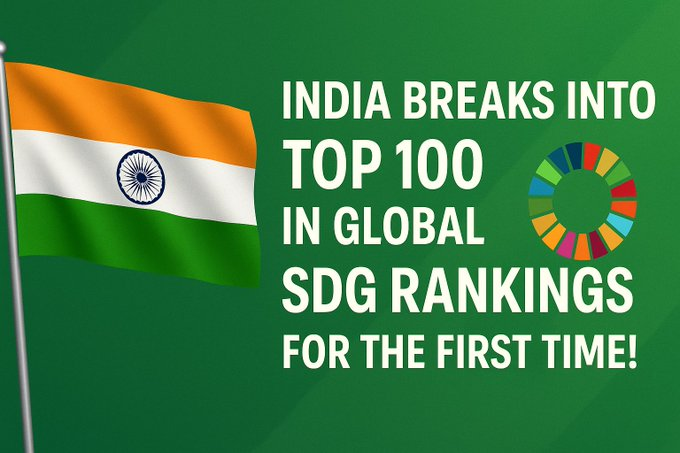
India has achieved a key milestone by securing the 99th position out of 193 countries in the United Nations SDG Index, scoring 67 points. This reflects notable progress in its commitment to achieving the 17 Sustainable Development Goals (SDGs) adopted in 2015.

SDG Index Overview

AspectDetails
India’s Rank (2025)99 out of 193 countries
India’s Score67 points
Total Goals Measured17 Sustainable Development Goals (SDGs)
PublisherUN Sustainable Development Solutions Network
Lead AnalystRenowned economist Prof. Jeffrey Sachs
Key IndicatorsPoverty, education, health, environmental sustainability, equality, etc.

Global Rankings Snapshot

CountryRank
Finland1
United States44
China49
Bhutan74
India99
Nepal & BangladeshBelow 99 (not ranked higher than India)

Note: Nordic countries dominate the top positions in the 2025 SDG Index.

Key Progress Areas (Global)

AreaTrend
Access to electricityImproved globally
Mobile broadband accessIncreased
Under-five mortality rateDecreased

Challenges Identified

ChallengeObservation
SDGs on track globallyOnly 17% of SDG targets on track for 2030
Obesity & Press FreedomReversals noted
Resource constraintsConflicts, economic vulnerabilities, limited funding

Financial and Political Considerations

IssueHighlights
Global financial architectureFavors wealthy countries; underfunds developing nations
Upcoming conferenceInternational Conference on Financing for Development (to address disparities)
Commitment to multilateralismBarbados, Jamaica top-ranked; U.S. ranks last for second year in a row

Conclusion

India’s rise to the 99th rank in the SDG Index signals steady improvement in its developmental path. However, global inequalities, funding issues, and uneven progress in key areas pose serious challenges. The report underscores the need for greater global cooperation, inclusive financing, and sustained commitment to sustainable development by 2030.

Mujhko Ram Wala Hindustan Chahiye: Azhar Hashmi’s Dream-to-Reality Journey in His Own Words…

0

Professor Azhar Hashmi, a renowned poet, writer, educator, and visionary whose words have resonated across India and beyond. Hailing from Ratlam, a city once known primarily for its railway junction, Hashmi has elevated its name to global recognition through his literary contributions and unwavering commitment to social ideals.

The Genesis of “Mujhko Ram Wala Hindustan Chahiye”

When asked about the inspiration behind his seminal poem, Professor Hashmi’s response was profound yet simple. “Ram is not just a name, a lineage, or a sect. Ram is an eternal truth, a timeless consciousness, a universal value rooted in nature and divinity,” he said. Drawing from the elements of nature, the environment, and the divine, Hashmi believes that his poetry is a medium through which the eternal speaks. “It was as if Ram himself wrote this poem through me,” he added with humility.

The poem, written years ago, envisioned a Hindustan where the values of Ram—truth, justice, and harmony—would prevail. At the time, it was a bold demand, a dream that seemed distant in a nation grappling with challenges. Yet, Hashmi’s vision persisted. Reflecting on the consecration of the Ram Mandir on January 22, he described it as a milestone in a larger journey. “The temple is a golden milestone, a step toward our goal. But the dream of a true Ram Rajya—a society free from corruption and injustice—requires more work. We’ve crossed two stages, but the final stage is yet to come.”

A Voice for Daughters: “Betiyan Shubhkamnaein Hain”

Professor Hashmi’s poetry extends beyond spiritual ideals to address pressing social issues. His poem “Betiyan Shubhkamnaein Hain” (Daughters Are Blessings) emerged at a time when female feticide was rampant, challenging societal attitudes toward girls. The inspiration, he revealed, stemmed from the divine feminine energy—Shakti—that complements creation itself. “The mother is the first presence in creation. Without Shakti, even Shiva is incomplete. A mother embodies love, compassion, and sacrifice, and daughters carry this divine legacy forward,” he explained.

Quoting scriptures, Hashmi invoked the reverence for the feminine divine: “Devi Sarvabhuteshu Matru Rupena Samsthita—the goddess resides in all beings as the mother.” His poem celebrates daughters as embodiments of hope and blessings, urging society to cherish and protect them. This work not only earned him global acclaim but also cemented his place on the world literary map, transforming perceptions and inspiring change.

The Ratlam Connection: A Bond of Love and Legacy

Ratlam, a modest city in Madhya Pradesh’s Malwa region, holds a special place in Hashmi’s heart. “Ratlam was once synonymous with railways, but today, it stands for something greater,” he said proudly. His contributions, including a national literary award, have put Ratlam on the cultural map. Hashmi’s connection to his hometown is deeply emotional, rooted in the love and support of its people. “The roads of affection that had broken, the bridges of harmony that had crumbled—I’ve tried to rebuild them through my work,” he shared.

He credited the city’s youth, particularly the interviewer, for amplifying Ratlam’s identity through media and storytelling. “Connectivity is everything—between hearts, ideas, and communities. Ratlam has taught me that love and unity can transform a place,” he said, emphasizing the role of collective effort in his journey.

The Divine Feminine and the Power of Words

Hashmi’s reverence for the feminine extends to his philosophy of life. Citing the poet Mahadevi Verma, he spoke of the five pillars a mother represents: love, equality, responsibility, completeness, and the sanctity of words. “A mother is a master key that unlocks any heart with her affection,” he said. He believes that words, when wielded with care, have the power to protect and uplift. “If you honor your words, they will honor you,” he advised, echoing Verma’s wisdom.

Reflections on a Literary Journey

As we delved into his decades-long literary career, Hashmi shared a poignant memory from his college days in Ratlam’s Bago College. As a BA student and literature secretary, he had the chance to meet the legendary poet Harivansh Rai Bachchan. Reciting a poem he had written in the tenth grade—“Ambar ke anand ko dekho, kitne iske taare toote” (Look at the joy of the sky, how many of its stars have fallen)—Hashmi recalled Bachchan’s affectionate encouragement. “He called me his student and friend, saying we shared not just poetry but also meals in the hostel,” Hashmi reminisced, his voice tinged with nostalgia.

Another untold story was his vision of Ram Roti Yojana, a dream to ensure food and medicine for all. “As a young student, I was surrounded by diverse ideologies, but my goal was simple: no one should go hungry or lack medicine,” he said. This vision, initially embraced by nationalist organizations, reflects his commitment to blending poetry with social good.

A Message for the Future

For aspiring writers and the younger generation, Hashmi’s message was clear and uplifting. Quoting a line that has inspired judges and poets alike, he said, “Hai Agar vishwas, toh manzil milegi, shart yeh hai bin ruke chalna padega—If you have faith, you will find your goal, but you must keep walking without pause.” He urged the youth to remain steadfast in their dreams, to light a lamp of hope even in the darkest times, and to stay rooted in humility and respect for their parents.

In closing, Hashmi paid tribute to his parents, Khurshid Hashmi and his mother, whose sacrifices shaped his path. “My father gave everything for my dreams, and my mother’s love was my strength. Stay cultured, thoughtful, and devoted to your parents, whether they are with you or not. A child who honors their parents earns the devotion of the nation,” he said, leaving listeners with a timeless lesson in gratitude and purpose.

International Day Against Drug Abuse and Illicit Trafficking 2025: Breaking the Chains in India

0

Every year on June 26, the global community observes the International Day Against Drug Abuse and Illicit Trafficking, also known as World Drug Day. This day is designated by the United Nations to raise awareness about the major problem that illicit drugs represent to society, especially to young people, and to promote stronger action against drug trafficking.

In 2025, the campaign takes on renewed urgency and purpose under the powerful theme:

Theme 2025: “Breaking the Chains: Prevention, Treatment, and Recovery for All!”

What the Theme Means

The 2025 theme emphasizes three pillars that are crucial to combating drug abuse:

1. Prevention

Focus on education, awareness, and empowering communities – especially youth – to make informed and healthy choices.

2. Treatment

Push for accessible, evidence-based, and voluntary treatment options for those battling substance use disorders.

3. Recovery

Support systems must be in place to help individuals reintegrate into society with dignity – free from stigma and discrimination.

This year’s message is clear: drug use is a health issue, not a moral failing. It’s time to break the cycle of punishment and replace it with compassion and care.

India’s Role in the Global Fight

India, with its vast population and socio-cultural diversity, faces unique challenges in addressing substance use. However, it has also made significant strides in policy, prevention, and public participation.

Key Initiatives in India

Nasha Mukt Bharat Abhiyaan (Drug-Free India Campaign)

Launched by the Ministry of Social Justice and Empowerment, this flagship campaign is operational across 372 districts and involves:

  • 20,000+ trained volunteers
  • Sensitization of over 15 crore people
  • Active participation from schools, colleges, panchayats, and civil society

Awareness Drives on June 26

Every year, India observes International Day Against Drug Abuse with:

  • Street plays, rallies, seminars
  • Workshops and digital campaigns
  • Collaborations with rehab centers, NGOs, and healthcare workers

Youth-Focused Programs

Special programs in schools, colleges, and NSS units are organized to educate youth, who are most vulnerable to drug exposure.

Why It Matters

According to recent data:

  • Over 300 million people worldwide use drugs.
  • Only 1 in 8 people who need drug-related treatment actually receive it.
  • India has seen a concerning rise in synthetic drug use and opioid addiction in both urban and rural areas.

Efforts must focus not just on stopping supply but also on healing individuals, building resilience, and eliminating the stigma around addiction.

How You Can Participate

Here are some ways readers and community can contribute on and beyond June 26:

  • Share on Social Media: Use hashtags like #BreakingTheChains, #WorldDrugDay, #NashaMuktBharat.
  • Host or Attend Webinars: Local colleges, NGOs, and government agencies often hold online awareness programs.
  • Organize Poster or Essay Competitions: Especially in schools and youth clubs.
  • Support Recovery Centers: Volunteer, donate, or help organize vocational training.
  • Talk Openly: Start conversations that challenge myths and promote mental health and recovery.

A Future of Freedom and Hope

The International Day Against Drug Abuse and Illicit Trafficking 2025 isn’t just a one-day event – it’s a call to action for a healthier, more compassionate world. By “breaking the chains” of addiction and marginalization, we create space for healing, empowerment, and dignity.

India has shown that when government, citizens, and youth work together, real change is possible. Let this year be another step toward a drug-free, stigma-free, and empowered India.

India In Space After 41 Years: Shubhanshu Shukla Became The First Indian To Reach The ISS And Only The Second Indian Ever In Space.

0

It’s a proud moment for India as Shubhanshu Shuka has become the first Indian to reach the ISS and is the second Indian ever in space. We bring you all the developments about the mission…

All astronauts aboard the Dragon spacecraft are en route and are scheduled to reach the International Space Station (ISS) on June 26 at 4:30 PM IST.

Indian Air Force Group Captain Shubhanshu Shukla embarked on a historic journey to the International Space Station (ISS) as part of Axiom Mission 4.

On June 25, 2025, Indian Air Force Group Captain Shubhanshu Shukla embarked on a historic journey to the International Space Station (ISS) as part of Axiom Mission 4. He became the first Indian to reach the ISS and only the second Indian ever in space, following Rakesh Sharma’s 1984 mission with the Soviet Union.

India In Space After 41 Years: Shubhanshu Shukla Became The First Indian To Reach The ISS And Only The Second Indian Ever In Space.

The SpaceX Falcon 9 rocket carrying Shukla and three crewmates launched from NASA’s Kennedy Space Center in Florida at noon IST. After six prior delays due to technical issues, the mission finally soared, with Shukla proudly declaring, “What a ride! The tricolor on my shoulder shows I carry my nation with me.

”His emotional parents, Asha and Shambhu Dayal Shukla, celebrated their son’s achievement with pride. The spacecraft is scheduled to dock with the ISS on June 26 at 4:30 PM IST.This mission, under a NASA-ISRO agreement, will also contribute to India’s upcoming Gaganyaan mission—the country’s first indigenous human spaceflight program, expected in 2027.

India In Space After 41 Years: Shubhanshu Shukla Became The First Indian To Reach The ISS And Only The Second Indian Ever In Space.

Neeraj Chopra Clinches Gold at Ostrava Golden Spike with 85.29m Throw

0

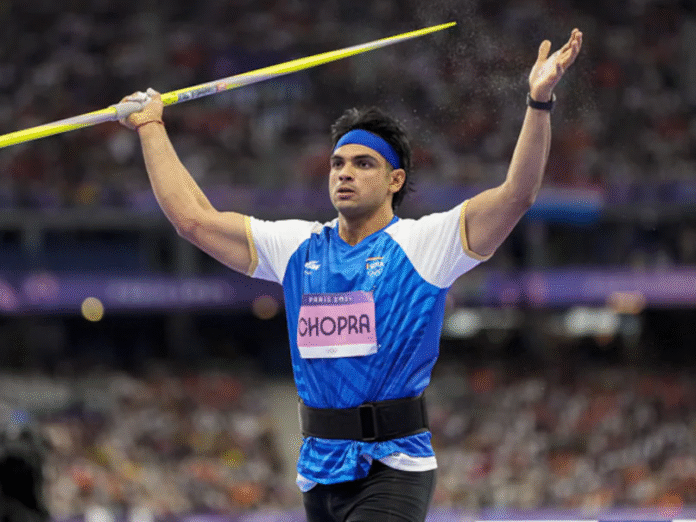
Indian javelin star Neeraj Chopra added another golden feather to his already illustrious cap by winning the top prize at the Ostrava Golden Spike 2025, held in the Czech Republic. The reigning Olympic champion secured gold with a throw of 85.29 meters, marking yet another impressive performance in the international athletics circuit.

Dominance Continues on the Global Stage

Competing against a world-class field of javelin throwers, Neeraj once again showcased his consistency and composure. His gold-winning throw of 85.29m came in the third round, standing out as the best of the evening. While it wasn’t his personal best (which remains at 89.94m), the performance was enough to leave behind a competitive field and reaffirm his status as one of the best in the world.

The Ostrava Golden Spike is part of the prestigious World Athletics Continental Tour, attracting elite athletes from around the globe.

A Steady Build-Up to Bigger Goals

Speaking after the event, Neeraj expressed satisfaction with his throw and indicated that he’s gradually working towards peaking at the right time.

“I’m happy with the win today. Every competition is a step forward. My focus is on maintaining rhythm and staying injury-free,” said Chopra.

His coach, Klaus Bartonietz, also remarked that the season is being carefully planned to allow Neeraj to peak during the major championships later this year.

India’s Sporting Icon

Neeraj Chopra has emerged not just as an athlete, but as a national icon and global ambassador for Indian athletics. Since his historic gold at the Tokyo 2020 Olympics, he has inspired a new generation of sports enthusiasts across the country. His discipline, humility, and hunger for excellence continue to win hearts both on and off the field.

What’s Next?

Neeraj is expected to participate in a few more competitive meets leading up to the World Athletics Championships, scheduled later this year. Fans and sports analysts alike will be keeping a close watch on his performance trajectory as he sharpens his form for even greater distances.

Final Thoughts

Neeraj Chopra’s win at the Ostrava Golden Spike reaffirms his elite status in global javelin throwing. With the season heating up and bigger events on the horizon, the golden boy of Indian athletics seems right on track. As always, the nation will be cheering him on every step of the way.