Home Blog Page 244

The Big Beautiful Bill Explained: How It Affects Remittances and Indians in America

0

What Is the One Big Beautiful Bill?

Also known as OBBBA, this sweeping budget reconciliation package passed by the House on May 22, 2025, includes tax extensions, social-program cuts, and border-security funding. Notably, it introduces an excise tax on remittances sent abroad by non-U.S. citizens, alongside provisions to overhaul immigration enforcement.

Remittance Tax: From 5% to 1–3.5%

  • Original Proposal: 5% tax on all outbound remittances by non-citizens, including H‑1B, L‑1 visa holders, and green card holders.
  • Final Version: Reduced to a 3.5% excise tax post-House vote.
  • Current Senate Draft: Suggests reducing the tax further to 1% in the Senate version .

Who It Affects Most

  • Approximately 4.5 million Indians reside in the U.S., including 3.2 million on work visas or green cards.
  • Indian-Americans sent an estimated US $32 billion in remittances to India in 2023–24; a 3.5% tax translates to US $1.1 billion, while a 1% levy still means US $320 million.

Individual & Family-Level Consequences

Remittance Amount SentAdditional Tax (3.5%)
$1,000$35
$10,000$350
$50,000$1,750

Regular remitters – those supporting families, paying tuition, or servicing loans – will feel the pinch most.

Broader Implications for India

  • India could face a shortfall of US $12–18 billion in remittance inflows annually.
  • This hit may weaken the rupee and strain household incomes – especially in rural or migrant-reliant communities.

Immigration & Social-Program Restrictions

The bill also boosts funding for border enforcement and raises fees for visas and asylum applications, putting additional burdens on Indian visa-holders and undocumented immigrants. Healthcare and welfare eligibility for non-citizens is also restricted.

How People Are Reacting

  • Elon Musk labeled the package an “abomination” over its fiscal and immigration implications.
  • Critics warn remittance taxes could push flows underground, hurting migrant workers and developing economies.
  • Financial advisors recommend upfront remits before 2026 or consolidating transfers to reduce tax impact.

Final Takeaway: Balancing Relief with Reality

Trump’s One Big Beautiful Bill offers compelling short-term benefits—expanded tax breaks for households and tips/overtime – but its measures hit Indian-American communities in multiple ways:

  1. Remittance Tax: Even at 1–3.5%, it directly reduces funds sent to families, impacting education, healthcare, and savings.
  2. Immigration Pressures: Higher fees and stricter enforcement complicate the legal residency pathway.
  3. Economic Ripple Effects: Reduced remittances may weaken developing economies and reshape diaspora behavior.

Strategic planning is essential. Indian professionals and families should assess sending funds ahead of the tax’s implementation, explore financial planning options, and advocate for their interests in Washington. The bill’s fate in the Senate remains uncertain, but the clock until January 1, 2026, is ticking – and the stakes are high.

Haveli Temples and Traditional Water Wisdom Discussed at Length in ‘Virasat and Vichar’ in Jaipur

0

L to R- Preethi Agarwal, Akanksha Modi, Shamini Shanker, Ritu Khandelwal, Rina Surana, Rekha Nemani, Kalpana pandit, Pooja Agarwal, Aastha Tholia

WICCI Architecture Rajasthan Hosts Interesting Session

The WICCI Rajasthan Architecture Council organised a unique event, ‘Virasat aur Vichar’ on July 4, 2025 at a hotel in Jaipur. The event focused on reinterpreting heritage through architecture and fostering dialogue on traditional and contemporary practices. The event featured insightful Talks by Dr, Architect Reena Surana, and Dr, Architect Kalpana Pandit.

She further said that masterplans which were made keeping land use in mind should rather be made in reference to water use. It’s just the opposite being happening as of now, she said adding that we have fully ignored water wisdom of traditional times which is not a very good practice. Land use should be mapped looking into water flow in around the area, she added.


Vice President Ritu Khandelwal, along with NEC members Shamini Shankar and Shalini Gehlot, graced the occasion. Eminent architects including Ar. Kavita Jain, Preethi Aggarwal, Meenu Varshney, Anika Mittal, Pooja Agarwal and Astha Tholia were in attendance, adding immense value with their presence.

The event was sponsored by Rang Decorative Surfaces, whose support made the initiative possible. Rekha Nemani, President of WICCI Rajasthan Architecture Council, emphasized the need for such thoughtful platforms that elevate the voice of women in architecture and strengthen cultural roots through design.

Program Convenor and President , Architect Rekha Nemani, and Senior Architect Geetanjali Kasliwal told that the discussions and presentations inspired young professionals and highlighted how architecture can bridge the past and the future.

A Historic Bitcoin Wallet Awakens After 14 Years to Value $1.09 Billion

0

In a surprising turn of events that has sent shockwaves through the crypto world, a Bitcoin whale has moved 10,000 BTC, valued at approximately $1.09 billion, from a wallet that had been inactive since 2010. This rare transfer marks one of the largest and oldest Bitcoin movements in the cryptocurrency’s history, immediately drawing the attention of investors, analysts, and blockchain trackers.

The wallet initially received the 10,000 BTC when Bitcoin was trading at just $0.78, meaning the total value at that time was a mere $7,805. The astronomical rise in price over the years highlights the power of long-term crypto investments and the wealth-building potential of early adopters.

Why This Bitcoin Transfer Matters

This unusual transaction raises several key questions about the owner’s intent and the future of Bitcoin prices. Experts are speculating on a few possible scenarios:

  • 🔸 The wallet owner may be planning to liquidate a portion or all of their holdings to realize profits.
  • 🔸 The BTC could be moved to a secure cold wallet or another digital asset platform for safekeeping or restructuring.
  • 🔸 The movement may signal preparation for regulatory changes or institutional involvement.

Whatever the reason, the reactivation of such a significant amount of Bitcoin could influence market liquidity, investor sentiment, and potentially trigger volatility in the short term.

Impact on the Cryptocurrency Market

With Bitcoin’s supply capped at 21 million, any large movement from dormant wallets can cause market ripples. Although 10,000 BTC represents just 0.05% of the total supply, it’s enough to affect trading volumes and create speculative pressure, especially if the coins are transferred to centralized exchanges.

Crypto traders and analysts are closely monitoring the destination address for any signs of further transfers or sales. At the time of writing, no significant outflows have occurred from the new wallet, leaving the market in a state of anticipation.

What This Means for Investors

For cryptocurrency investors, this event is a stark reminder of the power of holding (HODLing) and the importance of wallet security. It also brings to light the presence of long-dormant whale wallets that, if activated, could impact price dynamics at any time.

This move also serves as a case study on Bitcoin’s long-term value proposition, showing how a few thousand dollars invested in 2010 can transform into a billion-dollar fortune in just over a decade.

Conclusion

The recent transfer of 10,000 dormant BTC worth $1.09 billion is a landmark event in Bitcoin’s evolving story. As the cryptocurrency ecosystem matures, such whale movements are likely to attract even more scrutiny—and potentially shape the future of crypto investing and blockchain monitoring.

For now, the market waits. Will the coins be held, sold, or moved again? Only time—and the blockchain—will tell.

From Patna Street to Port of Spain: How Indians Founded a New Life in Trinidad

0

Trinidad’s Patna Street, nestled in the vibrant district of St. James, stands as a living tribute to the 19th-century Indian immigrants who shaped the island’s cultural identity. Their arrival marked the beginning of a journey that began in impoverished Indian villages and led to a diaspora rooted in Caribbean soil.

Origins: Why Indians Came to Trinidad

  • Following the abolition of slavery in 1834, Trinidad faced a dire labor shortage in plantations. To fill the gap, the British introduced the Indian indenture system.
  • On May 30, 1845, the Fatel Razack docked with 225 Indian indentured laborers, signaling the start of an era.
  • Between 1845 and 1917, around 144,000–147,000 Indians (primarily from Uttar Pradesh and Bihar, plus smaller groups from Bengal and South India) made the perilous journey.

The Harrowing Voyage

  • Recruited under promises of fair pay, land, and a free return ticket, many were escaping crushing poverty, caste oppression, or drought.
  • The sea passage – initially spanning three to six months – was cramped, unsanitary, and deadly. Disease outbreaks claimed many lives.
  • Upon arrival, immigrants were quarantined on Nelson Island, then dispatched to sugar estates under strict five-year indenture contracts, extendable and heavily regulated.

Life on the Plantations

  • Laborers, known as girmityas, toiled under grueling conditions – long hours, unsafe health standards, minimal wages, and harsh penalties for contract breaches.
  • Despite being legally paid (about 25 cents/day), many found wages manipulated and freedom restricted by heavily biased colonial courts.
  • Life was brutal—diseases like hookworm and dysentery, overcrowding, and even physical abuse were common. Yet, astonishingly, about 90% chose to stay in Trinidad after serving their terms.

Settling Down and Shaping a New Society

  • After completing indenture, many accepted grants of land over return passages—a path to independence.
  • Communities thrived – Indians became small-scale cane growers, cocoa cultivators, shopkeepers, and later integrated into professions like education, business, and politics .
  • Their influence remains evident today – street names like Patna, Agra, Calcutta, and Madras in St. James immortalize early settlers’ origins.
  • Spiritual and cultural life blossomed: marked by Hindu temples, mosques, music, food, and festivals like Hosay, weaving new traditions into the cultural fabric.

Enduring Legacy & Modern Connections

  • Today, Indo-Trinidadians constitute around 35‑42% of the population, many tracing roots back to Bihar and Uttar Pradesh.
  • The community’s impact spans religious diversity – Hinduism, Islam, and Christianity – as well as cultural evolution, birthing Chutney music, cuisine, and diaspora dialogues .
  • Prime Minister Narendra Modi recently highlighted this link, noting that over 45% of Trinidadians trace ancestry to UP and Bihar, celebrating their heritage as “messengers of a timeless civilisation”.

From Ganges to Gulf of Paria

The journey from indenture to influence illustrates a remarkable saga of struggle, adaptation, and triumph. Patna Street is more than just a name – it’s a living testament to the perseverance of early Indians who, through toil and resilience, created a unique identity in a foreign land.

The Bottom Line

The story of Indians in Trinidad and Tobago is a powerful chapter in the global Indian diaspora narrative. From the shadow of colonial coercion to the glow of cultural celebration, descendants of the girmityas have enriched the island’s history, identity, and spirit. As you walk down Patna Street, remember the generations who turned hardship into heritage – and shaped a vibrant multicultural nation.

India Soars Higher: Group Captain Shubhanshu Shukla Sets Historic Space Record…

0

In a moment that makes every Indian heart beat with pride, Group Captain Shubhanshu Shukla, aged 39, has etched his name into the stars—becoming India’s longest-staying astronaut in space, surpassing a record that stood for 41 years since Rakesh Sharma’s iconic 1984 mission. As of July 3, 2025, Shukla has spent 7 days, 21 hours, and 40 seconds aboard the International Space Station (ISS), serving as mission pilot for Axiom Mission 4 (Ax-4)—a trailblazing partnership between NASA, SpaceX, and ISRO. From Sharma’s legendary “Sare Jahan Se Achha” moment to Shukla’s cosmic endurance, India’s journey in space has evolved from poetic patriotism to precision and perseverance. This mission not only breaks records—it reaffirms India’s growing presence in international space diplomacy and human exploration.

Captain Shukla’s achievement is more than statistics—it’s a symbol : It speaks of the courage that fuels Indian scientists, the discipline of our armed forces, and the dream of a billion people watching their nation rise beyond gravity. let’s echos loud,
“Bharat ab sirf zameen par hi nahi, antariksh mein bhi apna parakram dikha raha hai!”

From Assam to the Commonwealth: Sukanya Sonowal’s Journey of Peace and Purpose….

0

In the quiet town of Lakhimpur, Assam, a young girl once dreamed of making a difference—not just in her classroom, but across the world. That dream now echoes through 56 nations as Sukanya Sonowal, a final-year B.Tech student from IIT Guwahati, steps into a global leadership role as Lead for Communications and Public Relations on the Executive Committee of the Commonwealth Youth Peace Ambassadors Network (CYPAN).

The Making of a Changemaker

Sukanya’s journey wasn’t built overnight. At IIT Guwahati, she became a force in youth engagement and outreach. From leading the Media and Branding team of the institute’s flagship festival Techniche, to co-founding STEMvibe – STEM for Viksit Bharat Empowerment, she reached over 3,000 students across India. Her initiative wasn’t just about science—it was about empowerment. She also spearheaded The Integral Cup, a national mathematics competition that drew 2,500+ participants from top colleges, proving her ability to mobilize minds and manage large-scale campaigns.

The Road to CYPAN

Her selection to CYPAN wasn’t a mere nomination—it was earned through a rigorous three-stage process that tested her commitment to peacebuilding, understanding of Commonwealth values, and leadership experience. Her collaborations with global firms like Optiver, Qube Research & Technologies, and Jane Street added weight to her profile.

Her Words, Her Vision

I am honoured to represent India and IIT Guwahati. I believe communication is a powerful tool for change. My journey shows that every experience can lead to a larger purpose,” Sukanya shared, reflecting the humility and clarity that define her leadership.

Why Her Story Matters

In a world often divided by noise and conflict, Sukanya’s rise is a reminder that dialogue, empathy, and youth leadership can shape a better tomorrow. Her story is not just about achievement—it’s about purpose-driven impact. She’s not just a student. She’s a peacebuilder, a communicator, and a symbol of India’s youth potential.

I Did It My Way” Sparks Controversy: Lalit Modi & Vijay Mallya’s London Party Video Goes Viral

0

Former Indian Premier League (IPL) commissioner Lalit Modi and fugitive businessman Vijay Mallya were seen singing Frank Sinatra’s classic “I Did It My Way” at a lavish party hosted by Modi in London. The video, shared on Instagram by Modi himself, quickly went viral, sparking curiosity and criticism alike due to the legal controversies surrounding both men.

Shubman Gill’s Moment of Grit: From Edgbaston’s Pressure to Record-breaking Glory…

0

Edgbaston soaked in English summer and buzzing with anticipation. The second Test between India and England was underway, and all eyes were on the young captain Shubman Gill. But the day didn’t start as history would have expected. Gill walked out with determination, but the pitch had its own mood. The ball wasn’t coming on easily, and Gill kept finding the fielders—almost as if his timing and the boundaries were playing hide and seek. A few overs passed… a few more dot balls. Frustration crept in. “I’m finding the fielders every time,” Gill admitted to Gautam Gambhir, India’s head coach and a veteran of pressure-cooker situations. He wasn’t just speaking as a coach—he was offering mentorship shaped by years of grind.

Gambhir’s reply was simple yet surgical:

“Hang in. The runs will come.”
It wasn’t tactical advice; it was a lifeline. A reminder that Test cricket, much like life, isn’t won in moments of flair—but in passages of patience. Gill took that to heart. He refocused, held his shape, chose his shots with monk-like calm. Slowly, the scoreboard started ticking. Boundaries began flowing. And what followed was poetry in whites—a majestic 269, the highest score ever by an Indian Test captain.

Gill’s innings wasn’t just a number—it was a narrative of resilience. A young leader, tested by pressure, guided by an old warrior’s wisdom, and elevated by belief.

For every sports lover, this story is a reminder that

  • Greatness isn’t always about firepower—it’s about holding your ground when nothing works. Coaching isn’t just technique—it’s timing, intuition, and one perfect sentence. And records? They’re built one stubborn dot ball at a time.

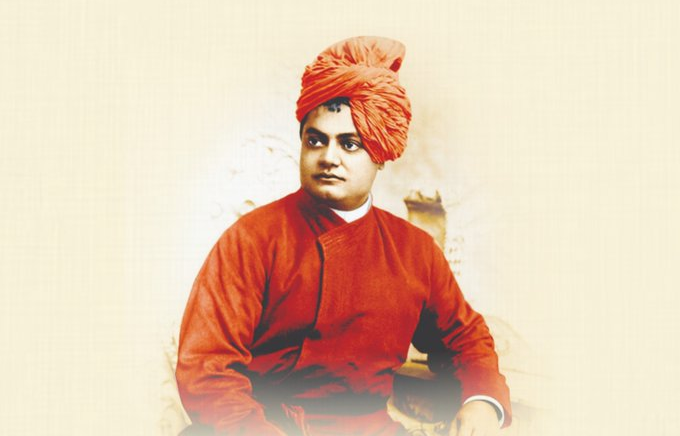
Success Mantras for Today’s Youth Inspired by Swami Vivekananda To walk the path of greatness, here’s what young minds must embrace.

0

“Arise, awake, and stop not till the goal is reached.”
This timeless call isn’t just a quote—it’s the pulse of a youthful nation waiting to rise.

The Beginning of a Revolution

In 1893, at the World Parliament of Religions in Chicago, a young monk greeted the crowd with “Sisters and Brothers of America,” and earned a thunderous ovation. But beyond the applause stood Swami Vivekananda—an embodiment of Vedanta, fearlessness, and truth. His words weren’t merely spoken—they awakened a sleeping India
Swami ji declared, “You are the nation’s strength.”
To him, service was worship, and the youth were not just dreamers—they were doers. He inspired them to:

  • Build physical and mental resilience
  • Define a purpose and chase it relentlessly
  • Cultivate confidence and inner conviction
  • Live for a cause larger than self

The Incident Face the Brutes!

Once, while walking through the narrow lanes of Varanasi, Swami Vivekananda was chased by a group of aggressive monkeys. He tried to run, but the more he ran, the bolder the monkeys became. Just then, an old monk shouted, “Face the brutes!
Swami ji stopped, turned around, and stared at the monkeys with fearless eyes. Instantly, they retreated.

Lesson that inspire us

Fear grows when you run from it. But when you face it head-on, it disappears.
This story isn’t just about monkeys—it’s about every challenge in life. Whether it’s failure, rejection, or uncertainty, face it boldly. Swami Vivekananda’s wisdom isn’t history—it’s a living legacy.

When he said, “Take up one idea… make that idea your life,” he was handing every youth a blueprint for success. Challenges will be enormous—but victories will be legendary. And in that triumph will echo the pride of Bharat: “Say with pride, we are Hindus.”

Alice in Wonderland Day: Know Its History and Facts

0

July 4 is a special day for fans of fantasy and literature, particularly in the UK, as it marks the celebration of Alice in Wonderland Day. This day honors the world-renowned story Alice’s Adventures in Wonderland and its beloved author, Lewis Carroll, whose real name was Charles Lutwidge Dodgson.

Born in Cheshire, England, Carroll was the third child and eldest son in his family. Like many of his siblings, he had a stammer, but he never allowed it to hinder his pursuits. Educated at home in his early years, Carroll displayed a strong aptitude for reading, delving into works like The Pilgrim’s Progress. He later attended Rugby School and went on to study at the prestigious University of Oxford. Excelling academically, he earned first-class honors in Mathematics Moderations and continued at Oxford as both a student and a lecturer.

Carroll began writing poetry and short stories from an early age. His work appeared in publications such as Miscmasch, the Whitby Gazette, and the Oxford Critic, earning him modest recognition. In 1856, Henry Liddell was appointed Dean of Christ Church, Oxford, and moved there with his family—including his daughters Alice, Lorina, and Edith. The Liddell family became close friends with Carroll and had a lasting impact on his life and work.

Carroll often took the Liddell girls on rowing trips along the River Thames. During these outings, he would tell them imaginative stories to pass the time. One of these tales, featuring a curious young girl named Alice, captivated the children—especially Alice Liddell, who frequently asked him to retell it. In 1864, Carroll gave Alice a handwritten manuscript of the story as a Christmas gift. Encouraged by the positive reception, he published the book the following year, incorporating characters inspired by the Liddell sisters—Lorina became “Lory,” and Edith appeared as the “Eaglet.”

Over time, Carroll expanded the story to include iconic characters such as the Mad Hatter, the Cheshire Cat, and many others, creating a whimsical world that continues to enchant readers of all ages.

celebrate the world of imagination and madness on Alice in Wonderland Day on July 4. The amazing fictional world, created by Lewis Carroll in 1865, is the telling of a young girl who faces worldly obstacles at a tender age. More than a century later, the book continues to enjoy popularity amongst the masses not only for its original story and characters but also because of the subsequent movies that have been made of it. People also enjoy other adaptations like theater performances as well as the numerous types of Alice in Wonderland merchandise available today. Apart from all the superb details related to the story, did you know that the titular character is based on a real-life person?