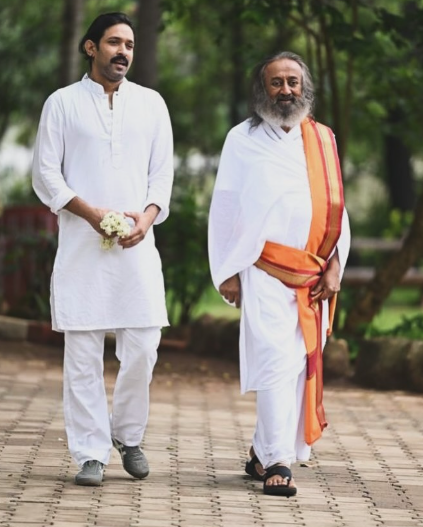
Home Blog Page 229

Karlajhar: The Chhattisgarh Village Leading India’s Fight Against Forest Fires—One Community at a Time

0

In the dense green heartland of Chhattisgarh, where the forests breathe life into tribal traditions and everyday survival, a quiet revolution is taking root. The village of Karlajhar, tucked away in the hills near the Odisha border, has emerged as a model for community-led forest management in 2025. At a time when India is witnessing a worrying spike in forest fires, Karlajhar’s story is a powerful reminder of what happens when local people take the lead in protecting the land they call home.

When the Forest Burns, the Village Rises

This year alone, Chhattisgarh recorded 19,003 forest fire incidents—the highest in four years. But while official responses in many regions were hampered by limited resources and delayed access, Karlajhar’s villagers were already on the move.

The alerts didn’t come from sirens, but from WhatsApp groups. Messages would ping in the middle of the night, and within minutes, villagers would gather, grab tools, and rush into the forest. In one such instance, 15 men and women battled flames for three straight hours under the stars—without waiting for outside help.

Their swift response ensured that fires remained contained, forest cover was preserved, and wildlife remained unharmed. “We can’t wait for help to come. This forest is our home,” said one volunteer.

The Power of a Gram Sabha with Rights

What makes Karlajhar different is not just its spirit—but its legal standing. In 2023, after an eight-year-long struggle, the village was officially granted Community Forest Resource Rights (CFRR) under the Forest Rights Act (FRA), Section 5. These rights give the Gram Sabha the authority to manage 1,623 hectares of forest—legally and independently.

Karlajhar is now one of over 4,300 villages in Chhattisgarh to receive CFRR, collectively managing close to two million hectares. But Karlajhar stands out for how effectively it’s putting these rights into action.

Forest Patrols, Regeneration, and Indigenous Wisdom

The village’s Community Forest Resource Management Committee (CFRMC) has revived the traditional Thengapalli system—an age-old practice of community forest patrolling. Every day, a rotating group of five villagers monitors forest activity, keeping an eye out for illegal tree felling, poaching, or grazing.

Community members volunteer their time to clear fire lines, create seed balls for replantation, and build small check dams from boulders to prevent soil erosion. Compost pits are prepared using forest waste, strengthening the ecosystem from the ground up.

This isn’t just conservation—it’s stewardship rooted in tradition, backed by law, and sustained by belief.

From Conflict to Cooperation: Ending Illegal Practices

Illegal logging and hunting, once common in the region, are now rare in Karlajhar. The CFRMC has set clear rules: no cutting trees without permission, no hunting, and no rituals that involve destroying forest cover. Tents have been provided for ceremonies to eliminate the need for wood.

Four hunters were caught and penalized last year—sending a strong message. “When the forest department saw our reports and evidence, they were surprised. They told us we’re doing what the system struggles to do,” shared a CFRMC member.

Working Across Borders, Sharing the Forest

Karlajhar’s forest isn’t just used by its own people. Neighbouring Achala village in Odisha depends on the same patch of forest for minor produce. Rather than entering into conflict, the two Gram Sabhas formed a joint agreement: Achala’s villagers can collect forest produce, but they must also help guard against fire and illegal activities.

This rare inter-state cooperation is now being seen as a potential template for other border villages facing similar resource-sharing challenges.

Livelihoods Rooted in Conservation

Karlajhar is also finding ways to link ecology with economy. A federation of nine nearby Gram Sabhas now rents bamboo poles to traders during local fairs—reducing tree cutting and generating income. Plastic will be banned at the upcoming Dev Dussehra fair, making it both a cultural and environmental celebration.

Such innovations demonstrate that economic development doesn’t need to come at the cost of forests. Instead, the forest can fuel sustainable growth—when managed by those who live within it.

A Blueprint for the Future

Karlajhar’s story may have begun in a small village, but it carries lessons for the entire country. At its heart is a simple idea: when people are trusted with the responsibility of managing their resources, they rise to the occasion.

As the world grapples with climate change, forest degradation, and disappearing biodiversity, Karlajhar offers a quiet, powerful model—where tradition, law, and community come together to protect what matters most.
Gathaman: The Gujarat Village That Hasn’t Held Elections Since 1955, But Practises Consensus Democracy

0

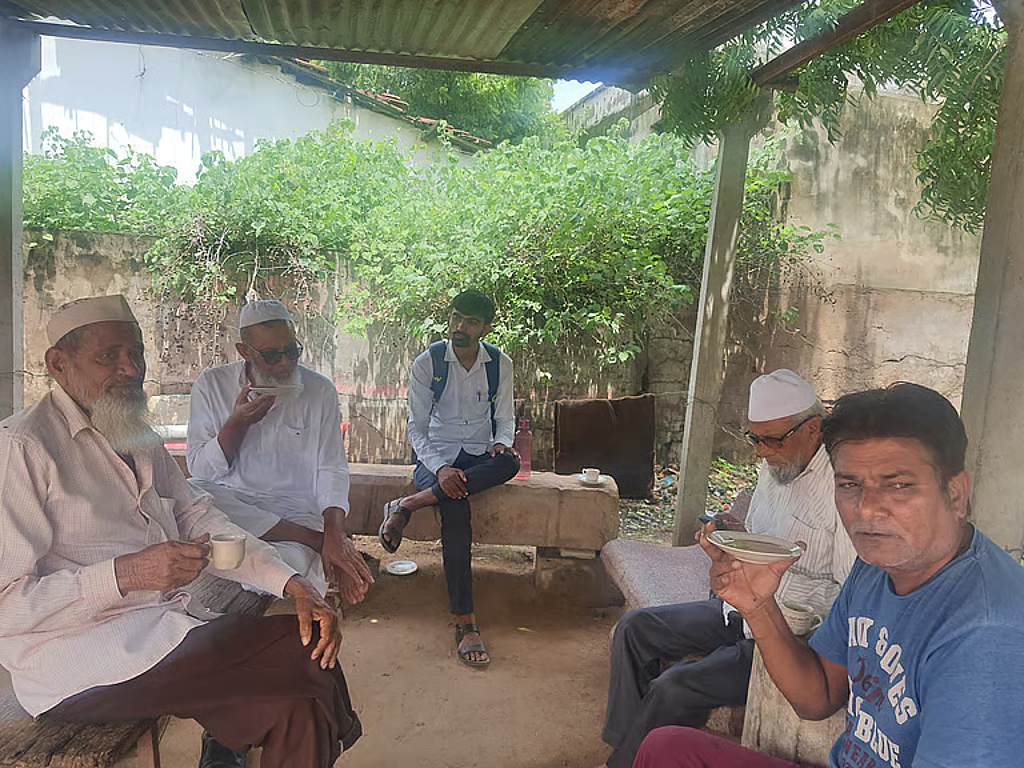
In the dusty plains of Gujarat’s Banaskantha district, nestled far from the noise of campaign slogans and ballot boxes, lies Gathaman—a village where democracy has taken a gentler, more harmonious form. Since 1955, the villagers of Gathaman have chosen a path few dare to tread: not a single Panchayat election has been held here in over seven decades.

Gathaman: The Gujarat Village That Hasn't Held Elections Since 1955, But Practises Consensus Democracy

With a population of around 7,000—almost evenly split between Hindu and Muslim families—Gathaman has quietly cultivated a tradition of consensus-based leadership that many might call utopian in today’s politically charged world.

Here, the power doesn’t shift through elections; it flows through trust, understanding, and handshake agreements across community lines.

A Tradition Born of Trust

The story begins in the post-Independence era, when the village unanimously selected its first Sarpanch in 1955. Since then, this promise of peaceful, electoral-free leadership has been renewed again and again, through generations.

Today, that tradition continues with the election—by mutual agreement—of Raufaben Imran Patel as Sarpanch. The position was reserved for women in 2025, and Raufaben, from the Muslim community, was nominated and wholeheartedly supported by the Hindu community. It’s a quiet gesture, but one that speaks volumes about the deep-rooted trust that binds Gathaman’s people.

Leadership alternates between communities, a rhythm as natural to the villagers as the sowing and harvesting of their fields. If the Sarpanch is from one community, the Deputy Sarpanch typically comes from the other—an unwritten rule that ensures power is never concentrated, and representation never lopsided.

No Grant, No Problem

Ironically, even as Gathaman embodies the ideals of the Samras Gram Yojana—a state scheme that rewards villages for electing Panchayats unopposed—it remains ineligible for the financial grants that come with it.

The reason? A Scheduled Tribe (ST) ward, once reserved due to an outdated registration, still appears on official records. But there are no ST residents in the village. This bureaucratic oversight has denied the Panchayat lakhs in aid.

Yet, the villagers remain unfazed.

The Panchayat works with an annual budget of around ₹32 lakh, largely self-managed. Projects get done. Drains are cleaned. Disputes are resolved. The system works—not because it is funded, but because it is trusted.

A Village of Timekeepers and Technicians

Gathaman’s economy is modest, yet resourceful. Agriculture forms the backbone, but many residents have long migrated to Mumbai, where they first mastered the art of watch repair. As times changed, they adapted—switching gears from watches to mobile phones. These skills, passed back home through remittances and visits, support the local economy and spark a quiet pride in the village’s ability to move with the times.

More Than Governance—An Identity

In Gathaman, elders speak of their tradition not just as a governance model, but as a living part of their identity. The absence of electoral conflict means more than just political calm—it means children grow up seeing cooperation, not division; respect, not rivalry.

“In our village, leadership is a shared responsibility, not a contest,” says an elder, sitting beneath a banyan tree that has likely witnessed decades of such conversations.

As India continues to experiment with models of decentralisation and local democracy, Gathaman stands as a powerful, if quiet, example. It shows that sometimes, the best kind of leadership isn’t won in a vote—it’s earned in trust.

July 31: Shaheed Udham Singh Who Avenged Jallianwala Bagh Massacre by Assassinating Gen Dwyer Remembered

0

On July 31st, India remembers and pays tribute to Shaheed Udham Singh, for he travelled all the way to London to avenge the Jallianwala Bagh massacre by assassinating General Michael O’Dwyer. Udham Singh was hanged on July 31, 1940, for this act of revenge. 

Wanna know more on chain of events: Here comes the detail:

  • Jallianwala Bagh Massacre:On April 13, 1919, British troops, under the command of Brigadier-General Reginald Dyer, opened fire on a peaceful gathering of Indians in Amritsar, killing hundreds and injuring many more. 

  • Udham Singh’s Revenge: Udham Singh, deeply affected by the massacre, vowed to avenge the deaths. He travelled to London and, on March 13, 1940, shot and killed Michael O’Dwyer, who was the Lieutenant Governor of Punjab at the time of the massacre. 

  • Martyrdom: Udham Singh was subsequently arrested, tried, and executed for the murder of O’Dwyer on July 31, 1940. 

  • Significance: Udham Singh is revered as a revolutionary hero and martyr for his courage and dedication to the cause of India’s independence. 

Trump Imposes 25% Tariff on Indian Imports: Impact, Consequences & Trade Outlook

0

Trump’s 25% Tariff on Indian Imports: What It Means for Both Nations

“While India is our friend, we have, over the years, done relatively little business with them because their Tariffs are far too high, among the highest in the World, and they have the most strenuous and obnoxious non‑monetary Trade Barriers of any Country. Also, they have always bought a vast majority of their military equipment from Russia, and are Russia’s largest buyer of ENERGY, along with China, at a time when everyone wants Russia to STOP THE KILLING IN UKRAINE — ALL THINGS NOT GOOD! INDIA WILL THEREFORE BE PAYING A TARIFF OF 25%, PLUS A PENALTY FOR THE ABOVE, STARTING ON AUGUST FIRST. THANK YOU FOR YOUR ATTENTION TO THIS MATTER. MAGA!”

— President Of United States

Donald Trump

This spirited declaration not only underscores his “America First” ethos but also highlights his frustration with what he sees as India’s steep import duties and close ties to Russia—factors he argues have tilted the trade balance and even fueled the conflict in Ukraine. With tariffs set to kick in on August 1, Trump’s announcement has sent ripples through boardrooms and trading floors from Mumbai to Manhattan, setting the stage for a high‑stakes economic showdown.

Why Did Trump Impose the Tariff?

Trump’s America First policy was rooted in reviving U.S. industry and curbing trade deficits. India, one of the fastest-growing exporters to the U.S., was often criticized by Trump for what he described as “unfair trade practices.” The new 25% tariff is aimed at:

  • Reducing the trade deficit with India (which hovered around $24 billion in 2019)
  • Encouraging American consumers and manufacturers to buy domestic products
  • Pressuring India to lower its own import duties on U.S. goods

Which Indian Industries Are Affected?

The tariff primarily targets sectors where India has a competitive edge and significant export volume to the U.S., including:

1. Automobile Parts

India exports a substantial amount of auto components to the U.S. A 25% hike could make Indian parts less competitive, benefiting countries like Mexico and Vietnam.

2. Pharmaceuticals

Although essential medicines may be exempt, generic drug exporters could face cost pressures, especially in APIs (Active Pharmaceutical Ingredients).

3. Textiles and Apparel

India’s $8 billion textile export industry is likely to be hit hard. American retailers relying on low-cost garments may face higher sourcing costs.

4. Steel and Aluminum

Though already targeted in earlier rounds of Trump-era tariffs, a renewed focus may worsen input costs and limit market access for Indian metal producers.

5. Electronic Goods

India exports a range of consumer electronics and components. Tariffs could disrupt supply chains and push U.S. buyers to alternative suppliers.

Possible Consequences for India

  • Export Slowdown: Tariffs reduce price competitiveness, potentially leading to a drop in export volumes, particularly in labor-intensive industries.
  • Job Losses: Sectors like textiles and auto parts employ millions. Reduced exports may trigger unemployment in vulnerable regions.
  • Currency Pressure: A weakening rupee could follow if the current account worsens, adding inflationary stress.

Does It Really Help America?

While the intent is to protect U.S. industries, the results are mixed at best:

Pros:

  • Short-term boost for domestic manufacturers facing cheaper Indian competition
  • Political gains by appearing tough on trade

Cons:

  • Increased costs for U.S. consumers and businesses relying on Indian goods
  • Potential retaliation from India, which could hurt U.S. agricultural exports and tech giants operating in the Indian market
  • Risk of supply chain disruptions, especially in critical industries like pharmaceuticals

India’s Possible Responses

India has a few strategic levers:

  • Impose reciprocal tariffs on U.S. agricultural or tech imports
  • Diversify export markets toward the EU, ASEAN, and Africa
  • Strengthen Make in India to reduce external vulnerabilities
  • Explore Free Trade Agreements (FTAs) with other economic blocs like the EU or EFTA

The Bigger Picture: Trade or Tech War?

While this tariff move appears economic, experts believe it’s part of a larger geopolitical realignment, with trade being used as a tool to renegotiate influence in Asia. In a world increasingly defined by economic nationalism, tariffs may become a recurring tool, even though most economists agree that they are a blunt and often damaging instrument in the long run.

Swayamsiddha Sankalp Sutra: Fueling Women’s Dreams through MSME Support…

0

The Abhay Prashal on Racecourse Road in Indore pulsed with vibrant energy as the Swayamsiddha Sankalp Sutra Exhibition unfolded a four-day celebration of women-led micro and small enterprises. But behind this grand showcase being organised in different districts of India stands a powerful force: Laghu Udyog Bharati, the national organisation that has tirelessly worked to uplift small-scale industries and entrepreneurs across India. This wasn’t just an exhibition, it was a movement. A testament to the indomitable spirit of women entrepreneurs who, with creativity and grit, are building a self-reliant India. Every stall told a story of struggle, triumph, and transformation, made possible by the synergy between Laghu Udyog Bharati and the Ministry of Micro, Small, and Medium Enterprises (MSME).

Har haath ko kaam, har mahila ko sammaan, aao banayein mil kar Aatmanirbhar Hindostan

MSME’s PMS Scheme Speaks The Story From Vision to Victory

The Procurement and Marketing Support (PMS) Scheme by the Ministry of Micro, Small, and Medium Enterprises (MSME) has emerged as a beacon of hope for these women. This transformative initiative empowers MSME entrepreneurs by providing critical support to promote their products and services in domestic and global markets. For the women at the exhibition, the PMS scheme has been a lifeline, offering them the tools, resources, and opportunities to turn their innovative ideas into thriving businesses. From creating wealth out of waste to crafting exquisite wooden art, organic cloth paintings, superfoods like millets, wax art, and bespoke clothing, these women have harnessed their skills and passion to build enterprises that inspire.

Laghu Udyog Bharati: The Bridge Between Policy and Possibility

At the heart of this initiative lies Laghu Udyog Bharati, a national-level organization committed to empowering small-scale industries. Through its registered brand Swayamsiddha, it has created a platform where women entrepreneurs can showcase their talents, access government schemes, and build sustainable businesses. By acting as a bridge between the MSME Department and grassroots entrepreneurs, Laghu Udyog Bharati ensures that schemes like the Procurement and Marketing Support (PMS) and Prime Minister’s Employment Generation Programme (PMEGP) reach those who need them most—turning policy into progress.

Stories That Inspire a Nation

Every woman at the Swayamsiddha Sankalp Sutra Exhibition carried a story that resonated with courage and creativity. Their stalls were not just displays of products but reflections of their dreams taking flight. With the MSME’s PMS scheme as their springboard, these women transformed challenges into opportunities, proving that dedication and innovation know no bounds. The exhibition was a vibrant mosaic of talent—each product a symbol of their unwavering resolve to achieve financial independence and create a legacy of empowerment.

In Burhanpur, two sisters, Shreya Sharma and Priya Sharma, transformed their childhood passion for resin art into a thriving business, turning their dreams into reality. Their journey was supported by the Prime Minister’s Employment Generation Programme (PMEGP), a scheme under the Ministry of Micro, Small, and Medium Enterprises (MSME), which empowered them to scale their hobby into a successful entrepreneurial venture.

Swayamsiddha Sankalp Sutra: Fueling Women’s Dreams through MSME Support...

Shruti Jain, hailing from Indore, turned her passion for wooden art and jigsaw cutting into a flourishing business following the lockdown. With the support of the Ministry of Micro, Small, and Medium Enterprises (MSME) schemes, she not only transformed her craft into a vibrant enterprise but also became a beacon of empowerment. Through her jigsaw art cutting venture, Shruti is generating employment opportunities and inspiring other women to achieve self-reliance, fostering a community of confident, independent artisans.

Swayamsiddha Sankalp Sutra: Fueling Women’s Dreams through MSME Support...

Savita Malviya, an inspiring elderly woman from Bhopal, has been passionately weaving her crochet art for over four years. Her dedication to creating intricate, innovative designs found new heights after registering with the Ministry of Micro, Small, and Medium Enterprises (MSME). This support propelled her business forward, amplifying her reach and impact. Through her exceptional crochet craftsmanship, Savita continues to pour her heart into every piece, captivating customers with her unique and evolving creations.

Swayamsiddha Sankalp Sutra: Fueling Women’s Dreams through MSME Support...

Building an Aatmanirbhar Bharat

The Swayamsiddha Sankalp Sutra Exhibition was more than an event; it was a movement. It celebrated the power of women who, with their hands and hearts, are shaping a self-reliant India. The MSME Ministry’s PMS scheme has given them wings to soar, proving that when women are empowered, they don’t just build businesses—they build communities, inspire change, and lay the foundation for a stronger, more inclusive nation.

Unstoppable Women Weaving Dreams for a Self-Reliant India

Let us join hands to honor every woman’s journey, to give every hand work, and every heart respect. Together, let’s weave a tapestry of dreams that transforms India into a land of opportunity and self-reliance. As the slogan echoes: “Har haath ko kaam, har mahila ko sammaan, aao banayein mil kar Aatmanirbhar Hindostan!”—the Swayamsiddha Sankalp Sutra Exhibition is a clarion call to celebrate and support the unstoppable women leading India toward a brighter, self-reliant future.

Rajasthan’s Orthopaedician Sets Landmark in ‘Musculoskeletal Oncology’ with Complex Limb Reconstruction Surgery

0

Can a cancer patient whose limb gets damaged and not make a mobility after serious infections and a chemo type treatment be operated and cured through Orthopaedic surgery ? It was a rare and remarkable medical milestone when a Jaipur Ortho surgeon made it possible for the patient to have a normal activity in the hand.

Dr. Rohil Singh Kakkar, Consultant Orthopaedic and Joint Replacement Surgeon at Eternal Hospital here successfully performed the institution’s first Onco-Orthopaedic upper limb reconstruction surgery on a 60-year-old cancer patient, setting a new benchmark in advanced orthopaedic oncology care.

The patient, Mrs. Kulwinder Kaur, a resident of Jaipur, had been undergoing treatment for multiple myeloma, a type of blood cancer, for the past four months under the care of a medical oncologist. She was suffering with persistent pain and complete immobility of her right shoulder, arm, and elbow joint for over three months.

Prior conservative management with full-length plaster immobilisation at another facility had worsened her condition, resulting in significant joint stiffness and muscular atrophy-further complicating the clinical scenario, according to Dr Kakkar.

Rajasthan's Orthopaedician Sets Landmark in 'Musculoskeletal Oncology' with Complex Limb Reconstruction Surgery


Comprehensive clinical evaluation and advanced imaging, including radiographs, magnetic resonance imaging (MRI), and computed tomography (CT), revealed multiple critical findings:

  • A pathological fracture of the distal third of the humeral shaft,
  • A chronic full-thickness tear of the supraspinatus tendon of the rotator cuff,
  • A displaced lateral condylar fracture, and
  • Extensive lytic lesions in the humeral head and shaft, characteristic of myelomatous bone disease.

After obtaining requisite preoperative clearances from the oncology, cardiology, and anaesthesia teams, Dr. Kakkar led a meticulously planned and executed multi-component surgical reconstruction. This included intramedullary fixation of the humeral shaft using a cement-augmented humeral nail to address the compromised bone quality, rotator cuff repair employing the parachute technique with high-strength titanium anchor sutures, and fixation of the lateral humeral condyle using a cannulated compression (CC) screw for articular stability.

Postoperative rehabilitation was initiated on the tenth day, with a gradual progression to active-assisted and active range-of-motion exercises. The patient has since demonstrated encouraging early functional outcomes, with restored mobility and reduction in pain, Dr Kakkar, who has been serving as a faculty member in the orthopaedic subspecialties of joint replacement, limb reconstruction and trauma surgery at the esteemed Royal College of Surgeons of Edinburgh, United Kingdom, since 2023, said.

This complex surgical procedure was successfully executed with the vital support of a dedicated multidisciplinary team, notably Dr. Ananya Pareek (Medical Oncologist), and Dr. Somyata Sharma (Cardiologist) whose collective expertise and coordination were instrumental in ensuring a smooth intraoperative course and optimal patient outcomes.

Piprahwa Gems Worth US$100 Million To Be Returned to India

0

India has got back Piprahwa Gems linked to Buddha relics from Hong Kong after intervention from the Indian govt. The gems are worth $100 million, confirmed officials.

Piprahwa Buddha relics worth millions of dollars are coming back back to India after 127 yrs. In a total thriller, the Indian govt intervened to stop Sotheby’s auction in Hong Kong, with the matter being raised with the UK. Godrej acquired them & they will be displayed at national museum, said sources.

Piprahwa Gems Worth US$100 Million To Be Returned to India

Watch pictures of these gems on social media:

Piprahwa Gems History

The “Piprahwa gems” refer to a collection of precious stone and relics which were discovered in Piprahwa in India in 1898. These gems were found alongside bone fragments and other items within a reliquary at the center of a Buddhist stupa. The inscription on the reliquary identified the remains as those of the Buddha, enshrined by the Sakya clan. The discovery is significant due to its association with the Buddha and the potential implications for Buddhist history and practice. 

Key Details:

  • Discovery: The gems were found during an excavation led by William Claxton Peppé, a British estate manager, at a stupa near Lumbini, Nepal, believed to be the Buddha’s birthplace. 
  • Reliquary: The gems were found within a stone coffer alongside bone fragments which were believed to be the Buddha’s remains. 
  • Inscription: An inscription on the reliquary confirmed that the remains were those of the Buddha, enshrined by the Sakya clan. 
  • Significance:The discovery is one of the most important archaeological finds in Buddhist history, connecting the relics to the Buddha himself. 
  • Current Status: The relics were initially deposited at the Indian Museum in Kolkata. A portion of the relics was retained by the Peppé family and slated for auction in Hong Kong, which prompted intervention from the Indian government. The auction was subsequently postponed. 

507077782118552

Vikrant Massey Embarks on Spiritual Journey to Portray Sri Sri Ravi Shankar in ‘White’

0

Actor Vikrant Massey, widely acclaimed for his transformative role in 12th Fail, is now set to dive into one of the most profound roles of his career—a biographical portrayal of global spiritual icon Sri Sri Ravi Shankar in the upcoming film White. Known for his methodical approach and emotional depth, Massey has already begun immersing himself in the life and legacy of the revered guru.

To authentically embody the role, Massey recently had a rare and intimate meeting with Sri Sri Ravi Shankar at the Art of Living headquarters. The encounter allowed him to observe the guru’s calm presence, magnetic charisma, and the philosophies that have touched millions across the globe. Sources close to the production reveal that Massey was deeply moved by the exchange, describing it as “transformational and grounding.”

As part of his dedicated preparation, the actor is now headed to Colombo for an intense month-long shooting schedule. The Sri Lankan capital, with its tranquil landscapes and spiritual ambience, will serve as the backdrop for some of the most pivotal moments in the guru’s life—ranging from early teachings to global peace missions. The schedule is expected to include recreations of landmark events, serene meditative scenes, and personal turning points that shaped Sri Sri Ravi Shankar’s path.

White, directed by [Director’s Name, if available], aims to not only chronicle the life of the spiritual leader but also offer viewers a cinematic experience that bridges soul and screen. With Massey’s commitment and nuanced artistry, the film promises to be a heartfelt tribute to a figure who continues to inspire harmony and mindfulness around the world.

Massive 8.8 Earthquake Triggers Tsunami; Waves Reach Hawaii and Japan, Evacuations Ordered

0

A powerful 8.8-magnitude earthquake off Russia’s eastern Kamchatka Peninsula has triggered tsunami warnings across the Pacific region. The first tsunami waves have already reached Hawaii, with a 4-foot (1.2-meter) wave recorded off the coast of Oahu.

Authorities in Hawaii, parts of the U.S. West Coast, and Japan have issued evacuation orders as a precaution against further waves. Hawaii Governor Josh Green has urged residents to remain calm and follow official evacuation instructions, while U.S. President Donald Trump has advised Americans to stay alert to evolving tsunami warnings.

In Japan, the Meteorological Agency reported that approximately 1.9 million people have been ordered to evacuate. A tsunami wave measuring 4.3 feet (1.3 meters) has already reached Iwate Prefecture in the country’s north.

Tsunami alerts of varying severity have also been issued in several other regions, including the Philippines, Indonesia, Guam, Peru, and the Galapagos Islands off Ecuador.

Authorities across the Pacific Rim are closely monitoring the situation as aftershocks and further tsunami activity remain possible.

Comparative Analysis of Democratic Systems: India and Brazil

0

By Vanshika Choudhary

Democracy, in its essence, is shaped by a nation’s history, constitutional framework, and socio-political landscape. India and Brazil, despite their geographic and cultural differences, share striking similarities in their democratic structures, largely due to their common status as

expansive, diverse, and developing countries. This analysis aims to systematically compare and contrast their democratic systems across various dimensions.

1. System of Government: Parliamentary vs. Presidential

India: A Parliamentary Framework

India operates as a parliamentary democratic republic. In this system, the President holds a largely ceremonial role as the head of state, while the Prime Minister acts as the chief executive. The Prime Minister is typically the leader of the majority party in the Lok Sabha, which is the lower house of Parliament. This arrangement creates a direct and strong connection between the legislative and executive branches.

Brazil: A Presidential Paradigm

In contrast, Brazil utilizes a presidential system. Here, the President holds both the positions of head of state and head of government. The President is directly elected by the public through national elections, emphasizing a clearer separation of powers between the executive and legislative branches than what is seen in India.

2. Constitutional Foundations: Historical Contexts

India: The Longest Constitution

India’s Constitution, adopted in 1950, holds the distinction of being the world’s longest written constitution. It establishes a federal structure, outlines fundamental rights for citizens, and defines their duties, thereby creating a comprehensive legal backbone for governance.

Brazil: A Modern Constitution

Brazil’s current Constitution, implemented in 1988 after a period of military rule, also establishes a federal republic. This modern constitution places a strong emphasis on civil liberties and social rights, reflecting the nation’s renewed commitment to democratic principles and human rights in the post-military era.

3. Federal Structure: Division of Powers

India: A Complex Federation

India is structured as a federation comprising 28 states and 8 union territories. Power is distributed between the central government and the individual states. This federal model allows for regional autonomy while maintaining a robust central authority.

Brazil: A Federal District

Brazil is similarly divided into 26 states and a Federal District, with a comparable division of powers between the federal and state governments. This structure facilitates effective local governance while ensuring compliance with national laws.

4. Judiciary: Guardians of the Constitution

India: An Independent Judiciary

India prides itself on having an independent judiciary, with the Supreme Court serving as the nation’s highest judicial body. Judicial review is a core feature, empowering the judiciary to interpret the Constitution and protect the rights of its citizens.

Brazil: Constitutional Oversight

Brazil also maintains an independent judiciary, with the Supreme Federal Court (Supremo Tribunal Federal) functioning as the highest court for constitutional matters. This court plays  vital role in upholding the rule of law and safeguarding civil rights.

5. Elections and Voting: Mechanisms of Participation

India: Electoral Framework

Elections in India for both Parliament and State Assemblies are held every five years, employing a first-past-the-post voting system. Universal adult suffrage is granted to all citizens aged 18 and above, ensuring widespread electoral participation.

Brazil: Compulsory Voting

Brazil conducts presidential and general elections every four years, using a run-off voting system for presidential contests. Notably, voting is compulsory for citizens aged 18 to 70, underscoring a strong commitment to civic engagement.

6. Political Parties: Diversity and Representation

India: A Multi-Party Landscape

India’s political scene is characterized by a multi-party system, encompassing both national and regional parties. While major parties like the Bharatiya Janata Party (BJP) and the Indian National Congress hold significant sway, regional parties also play a crucial role in governance.

Brazil: Coalition Politics

Brazil similarly operates within a multi-party framework, often requiring coalitions among various parties to form a government. This fragmented party system, with numerous smaller parties, reflects the diverse interests present within the Brazilian populace.

  • Similarities Between India and Brazil
FeatureIndiaBrazil
Type of GovernmentDemocratic RepublicDemocratic Republic
Federal StructureYesYes
Written ConstitutionYesYes
Independent JudiciaryYesYes
Regular ElectionsEvery 5 yearsEvery 4 years
Universal Adult FranchiseFrom age 18From age 16 (optional under18)
Multi-party DemocracyYesYes
Secular StateYesYes
Protection of Civil RightsYesYes
Separation of PowersYesYes
  • Differences at a Glance
AspectIndiaBrazil
Government SystemParliamentaryPresidential
Executive HeadPrime MinisterPresident
Voting SystemFirst-past-the-postRun-off voting
Voting NatureVoluntaryCompulsory (18–70)

Conclusion

In summary, while India and Brazil operate under distinct governmental structures—parliamentary and presidential, respectively—they share a multitude of core democratic principles. These include federalism, a commitment to constitutionalism, and the robust protection of civil rights. Both nations, through their unique historical journeys and socio-political environments, have cultivated strong democratic frameworks that undeniably reflect their dedication to governance by the people. This comparative analysis serves to highlight the crucial importance of understanding the diverse democratic systems that exist in our interconnected world.

(The writer of the article is Vanshika choudhary. She pursued her Masters in Political Science from Kanoria PG Mahila Mahavidhyala)