Home Blog Page 225

No Wi-Fi, No Problem: This Incredible SECMOL School in Ladakh Teaches Through Living. Watch in Video

0
oplus_131072

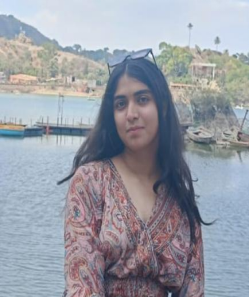
By Lakshya Govani

Hello everyone!

Today, I’m excited to tell you about a very special school—one that’s far away from the noise of the city and the rush of modern life. Before I dive in, let’s think about the typical schools we all know. They usually teach us about technology, human behavior, and other academic subjects, right? But this school is quite different—and in a wonderful way!

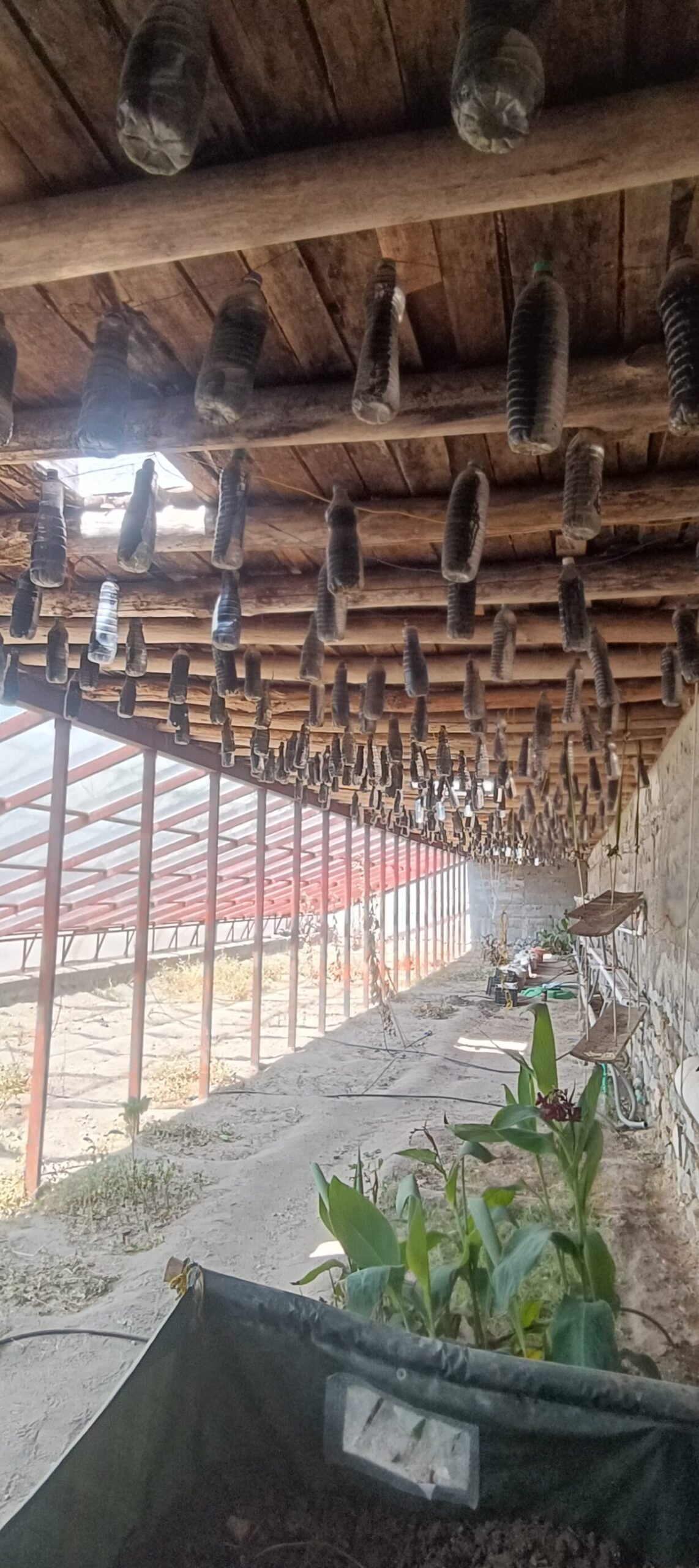
I’m talking about the SECMOL campus in Ladakh, located miles away from the main city of Leh. It’s so remote that there’s barely any network coverage. But that’s what makes it unique! Here, students learn to live and work without relying on the internet or modern gadgets. Instead, they focus on learning through real-life experiences.

At SECMOL, every student follows a fixed routine and takes part in daily activities. It’s not just about studying and going home—it’s about living, learning, and growing together. Students are assigned different responsibilities like cooking, farming, laundry, managing storage, and even welcoming visitors. They learn by doing, and that makes all the difference.

And here’s a fun fact! The team behind the movie “3 Idiots” actually visited this school to request permission to shoot there—but the school politely said no. Why? To keep the environment natural and undisturbed. Pretty cool, right?

There’s also a stable with cows and horses, which the students take care of themselves. What really stood out to me was how dedicated and joyful the students were while doing their tasks. They truly enjoy what they do—and it shows!
No Wi-Fi, No Problem: This Incredible SECMOL School in Ladakh Teaches Through Living. Watch in Video
oplus_131104

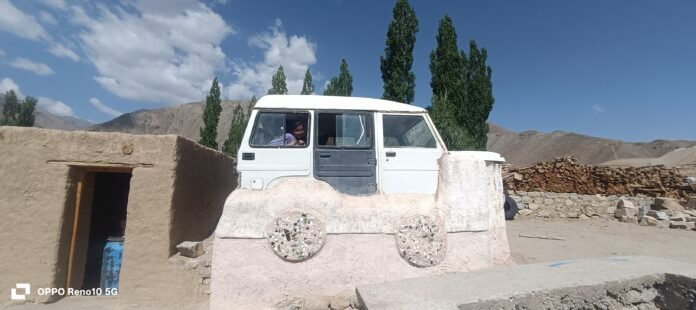
The school was founded by Sonam Wangchuk, a visionary and the real-life inspiration behind the character “Rancho” in “3 Idiots”. His mission is to make learning fun, practical, and meaningful. You can even see his first car on display at the campus, along with traditional Ladakhi clothes and farming tools!

SECMOL is more than a school—it’s a way of life. It teaches students how to be self-reliant, confident, and curious, making education a part of everyday living. It’s truly a place where learning comes alive!
Quit India Movement – The Spark that Ignited India’s Final March to Freedom

0

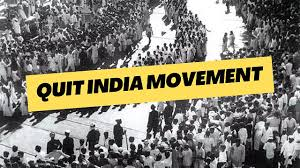
On 8th August 1942, the Quit India Movement became one of the boldest chapters in India’s freedom struggle. Launched by Mahatma Gandhi in Mumbai during a meeting of the All India Congress Committee, it was not just a protest – it was a clarion call for complete and immediate independence from British colonial rule. This movement marked a turning point, as it united millions of Indians in a decisive push toward freedom.

Background – A Nation’s Patience Runs Out
Before 1942, India had already witnessed waves of protests, civil disobedience, and reformist struggles. However, World War II changed the political landscape. The British had dragged India into the war without consulting Indian leaders, promising little in return for Indian support. The failure of the Cripps Mission in March 1942 – sent by Britain to negotiate terms for self-governance – further deepened public frustration. People realized that partial reforms and promises were not enough; the time had come for a final, all-out demand for independence.

The Launch – Gandhi’s ‘Do or Die’ Call
On the evening of 8th August 1942 at Mumbai’s Gowalia Tank Maidan (now August Kranti Maidan), Gandhi gave his historic speech, famously urging Indians to “Do or Die” in the quest for freedom. The call was clear: the British must quit India immediately, and the people must be prepared for any sacrifice necessary to achieve this goal. The movement was to be non‑violent, but it demanded uncompromising determination.

Nationwide Uprising and Repression
Within hours of the announcement, British authorities arrested Gandhi, Jawaharlal Nehru, Sardar Patel, and other top Congress leaders to crush the movement at its roots. But the arrests had the opposite effect – they ignited a spontaneous wave of protests across the country. Students boycotted classes, workers went on strike, and rural communities disrupted railways and communication lines. Though Gandhi had called for non‑violence, in some places anger boiled over, leading to clashes, police firing, and destruction of government property.

Impact on the Freedom Struggle
The Quit India Movement may not have achieved immediate independence – British repression was swift and brutal – but it accomplished something equally significant: it broke the myth that British rule could last forever. The movement demonstrated the unity and resolve of Indians, cutting across regional, religious, and social lines. It also signaled to the world, especially to a war‑weary Britain, that India would not settle for anything less than complete freedom.

The Road to Independence
Although it took five more years for India to finally achieve independence on 15th August 1947, the Quit India Movement of 1942 acted as the final mass awakening. It weakened Britain’s grip politically, economically, and morally. When World War II ended in 1945, Britain faced immense pressure at home and abroad to decolonize. By then, the Quit India uprising had ensured that the demand for independence was irreversible.

Conclusion
The Quit India Movement was more than a protest—it was a mass awakening that transformed the independence struggle into an unstoppable force. Gandhi’s “Do or Die” call still echoes as a reminder of the power of collective action and the courage of ordinary people. It stands as one of the most inspiring episodes in India’s journey toward freedom.

Who Are the Top‑Paid Senior Executives in India in FY 25 as Highest Salary Hits ₹148 Crore?

0

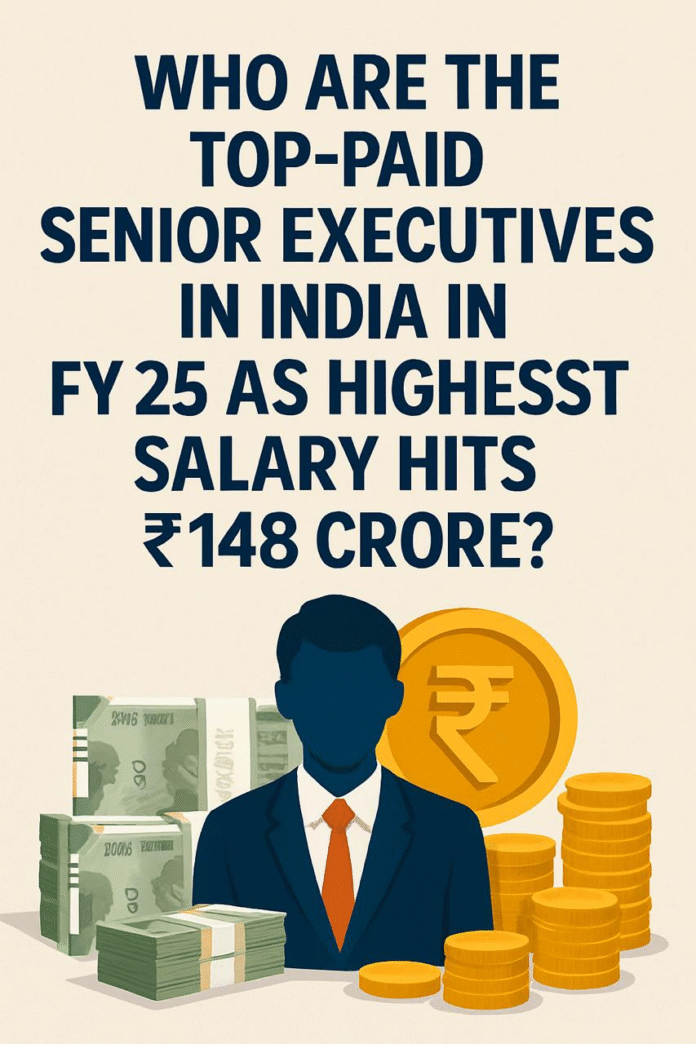
Corporate India is continuing a trend of lavish compensation at the top, with FY 2025 seeing a select group of senior executives cross the ₹100‑crore mark. At the top stands Sandeep Kalra, the CEO & Executive Director of Persistent Systems, whose total compensation reached approximately ₹148.09 crore during FY 25.

Leading the Pack

  1. Sandeep Kalra (Persistent Systems) – ₹148.09 crore
    Under his leadership, Persistent Systems delivered remarkable stock performance in recent years. This pay package firmly places him as India’s highest‑paid corporate executive in FY 25.
  2. Pawan Munjal (Hero MotoCorp) – ₹109.41 crore
    The Executive Chairman of Hero MotoCorp earned over ₹109 crore in FY 25, consolidating his status as the best‑paid executive in India’s auto sector.
  3. Rajeev Jain (Bajaj Finance) – ₹102.10 crore
    As Executive Vice Chairman, Rajeev Jain crossed the ₹100 crore threshold for the second consecutive year, reflecting Bajaj Finance’s robust growth.
  4. C Vijayakumar (HCLTech) – ₹94.6 crore
    The highest‑paid executive in the Indian IT sector for FY 25, his package included base salary, performance bonuses, and RSUs. His total compensation rose from about ₹84 crore the previous year.
  5. Murali K Divi (Divi’s Laboratories) – ₹88.15 crore
    The MD of Hyderabad‑based API maker Divi’s Laboratories benefited from a sizeable profit‑linked bonus, resulting in a nearly 38% increase over the previous year.
  6. Salil Parekh (Infosys) – ₹80.62 crore
    Infosys CEO Salil Parekh saw a 21.7% rise in compensation, of which nearly ₹50 crore came through exercised stock options. His total reached approximately ₹80.6 crore in FY 25.
  7. S. N. Subrahmanyan (Larsen & Toubro) – ₹76.25 crore
    Since taking over in 2017, SN Subrahmanyan has steered L&T across infrastructure and technology domains. His FY 25 payout rose by nearly 50% over the prior year.

Broader Perspective

  • The average CEO compensation across listed Indian companies in FY 24 was just ₹7.2 crore. These top executives earn multiples of that average, reflecting corporate ambition and performance incentives.
  • While IT sector leaders like Vijayakumar and Parekh earn lavish packages, remarkable pay levels also come from financial services, automotive, pharmaceuticals, and engineering conglomerates.

What’s Behind These Astronomical Pay Packages?

  1. Performance‑Linked Bonuses and Stock Awards: A significant chunk of these packages comes from performance bonuses and long‑term stock-based incentives, rewarding value creation and shareholder returns.
  2. High‑Growth Businesses: These executives lead companies that have delivered strong financial performance, often expanding rapidly in global markets, be it in fintech, APIs, or engineering services.
  3. Board Governance and Peer Benchmarks: Compensation committees are benchmarking packages against global peers, especially in publicly listed firms, ensuring Indian CEOs stay competitive.
  4. Retention Strategy: With global demand for leadership talent rising, companies are using hefty packages to retain and motivate key executives.

Conclusion

In FY 25, Sandeep Kalra made headlines as the top‑paid executive in India with an astounding ₹148 crore package, far ahead of his peers. Close behind are top performers in consumer finance, IT, pharma, and infrastructure. These compensation figures reflect both individual leadership and the rapid growth dynamics of their industries. As boards increasingly tie pay to performance, it’s likely that next year’s list will feature similar high‑value packages as companies seek to reward and retain effective leadership.

Monsoon Session 2025: Why Are We Debating The Past Instead of Buiding The Future

0

By Teeshtha Bhavsar

This year’s Monsoon Session of Parliament has once again made me question—are we really focusing on the issues that matter to the common people?

The Parliament is supposed to be a place where the government and opposition work together to solve the country’s real problems. But in 2025, this precious time is being wasted in endless debates over Operation Sindoor—an operation that happened months ago and has already been explained in detail by the government.

The session started on 21st July 2025, with Prime Minister Narendra Modi’s address, where he proudly talked about Operation Sindoor as a national achievement. After that, Defence Minister Rajnath Singh, Home Minister Amit Shah, and External Affairs Minister S. Jaishankar gave detailed briefings on the operation’s objectives, execution, and outcomes. Jaishankar also clarified all the rumours regarding foreign involvement, including Trump’s ceasefire claims.

Still, the opposition kept insisting on more debates. As a result, on 28th July, the Lok Sabha spent 16 long hours discussing Operation Sindoor. The very next day, 29th July, the Rajya Sabha also wasted another 16 hours on the same topic. I wonder, how much more explanation do we need when the operation is already completed and the facts are on record?

Being a student and a literate citizen of India, I feel that Parliament’s time should be spent discussing the current challenges of the country, not reliving the past.

Do you know that in 2024, only three Parliament sessions were held? And now, in 2025, there are only two sessions—the Budget Session (which is necessary for financial policies) and this Monsoon Session, which is being spent on repetitive debates. Where is the discussion on inflation that’s rising every month? Why isn’t unemployment being discussed when thousands of youth are still waiting for job opportunities?

We should also be discussing the economic challenges India is facing due to international factors, like Donald Trump’s recent trade policies affecting India’s export sector. But instead, we are stuck in a loop debating over an operation that has already been concluded months ago.

It’s not that Operation Sindoor wasn’t important, but once the government has explained everything and ministers have been accountable, continuing the debate is nothing but a waste of precious Parliament time.

We only have limited days when Parliament can function. This time should be used to draft solutions, pass bills, and debate policies that can bring real change.

India’s Parliament should focus on issues like inflation, unemployment, education reforms, women’s safety, healthcare, and climate change. These are the topics that matter to the youth and the future of the nation.

In the end, I just want to say—Parliament sessions are not for reliving the past but for building the future. If we continue wasting time in repetitive political arguments, we are delaying progress and ignoring the real problems of society.

Monsoon Session 2025: Why Are We Debating The Past Instead of Buiding The Future

The Writer is Teeshtha Bhawsar, BA Economics Honours (Part 1), Kanoria PG Mahila Mahavidhyalaya, Jaipur

MP’s Golden Pulse: Sleemanabad Ignites a Mineral Revolution!” With copper, silver, and gold in its veins, Sleemanabad becomes the heartbeat of industrial growth.

0

In a landmark development set to reshape the economic and industrial landscape of Madhya Pradesh, a rich deposit of gold ore has been discovered across 6.51 hectares in Sleemanabad’s Imalia village. With an estimated yield of 3.4 tonnes of pure gold along with copper, lead-zinc, and silver, this revelation heralds a new chapter in India’s mineral legacy.

A Leap Toward Sustainable Mining

On September 21, 2020, the Madhya Pradesh Mineral Department granted a 50-year mining lease for the site, encompassing six key survey numbers. The project, entrusted to Mumbai-based Prospect Resources Private Limited, received its mining plan approval from the Central Ministry of Mines on August 23, 2023. Annual projections suggest production of over 33,000 tonnes of valuable ore, blending economic ambition with environmental responsibility.

Economic Ripple Effects

The implications for the state are both vast and promising:

  • Employment Surge: The project is expected to create direct and indirect job opportunities, uplifting local communities through industrial engagement.
  • Industrial Ecosystem: Ancillary industries centered around mineral processing and logistics are anticipated to bloom, attracting innovation and investment.
  • Infrastructure Boost: Economic activity will likely pave the way for upgraded roads, enhanced electricity access, and better community services.
  • GDP Growth: Madhya Pradesh’s contribution to national economic figures is poised for a noticeable surge, anchoring the state as a mineral powerhouse.

Adding to a Golden Legacy

Sleemanabad, already known for its diamond potential, now joins India’s prestigious mining timeline alongside Karnataka’s Kolar and Hatti Gold Fields. This discovery not only enriches the region’s natural wealth but also deepens its cultural and historical identity as a cradle of valuable resources.

Green Mining on the Horizon

Prospect Resources aims to integrate sustainable methodologies in its operations, ensuring minimal ecological impact and responsible extraction practices. From tech-driven safety measures to community inclusion, the project could set new standards for ethical mining across the country.

Not Just a Bodyguard: The Untold Story of India’s Elite Woman Protector

0

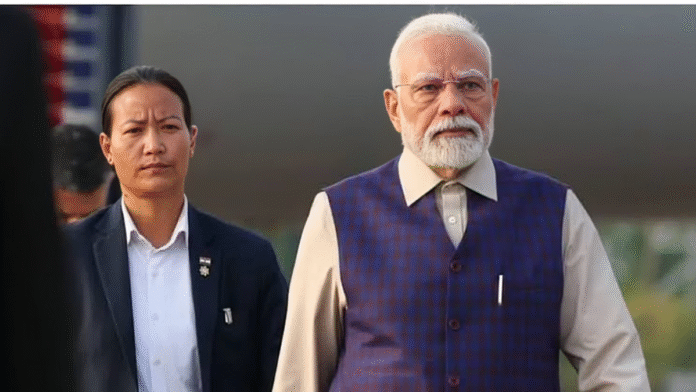
In the highlands of Manipur, where tradition meets quiet ambition, a young girl once watched border patrols through fog-laced mornings, dreaming not of princesses or podiums—but of purpose. That girl, Adaso Kapesa, would go on to guard one of the most powerful figures in the country, becoming India’s first female SPG bodyguard to the Prime Minister.

Roots of Resolve: The Girl from Kaibi

Born in Kaibi village, tucked within Senapati district, Adaso’s childhood was shaped by nature’s embrace and a deep sense of community. Her early days were far from the glitz of Delhi, yet her aspirations roared beneath her quiet demeanor. Discipline and service weren’t taught—they were lived.

Marching into the Forces: Her First Step Toward Legacy

Her journey into uniform began with the Sashastra Seema Bal (SSB), where she proved that leadership has no gender. Posted at the 55th Battalion in Pithoragarh, her sharpness in operations and deep focus quickly earned her respect—not as a woman in the force, but as a force herself.

Breaking Protocol: A Woman in the SPG

The Special Protection Group (SPG) demands elite precision. Entry is rare, retention rarer. Adaso rose through its rigorous training, its endless drills, and its mental tests with a calm so powerful it became her signature. She wasn’t just joining ranks—she was rewriting the rules. During PM Narendra Modi’s UK visit, her presence at his side made headlines, not for theatrics, but for her quiet composure. The nation saw a woman in black glasses and bulletproof gear—and saw strength without spectacle.

Power in Precision: What Made Her Different

What distinguished Adaso wasn’t just physical prowess. It was her emotional resilience, her quick reflexes, and her ability to stay poised when surrounded by chaos. In the SPG, strength isn’t just about muscle—it’s about mental clarity. And hers was crystalline.

Changing the Narrative: A Role Model in Action

Adaso’s story isn’t only hers. It’s for every girl in every remote village who’s told her dreams are too big, too bold. She didn’t ask for permission—she earned her place. And she became more than a bodyguard—she became a symbol of possibility.

Legacy in Motion: Not Just a Role, but a Message

Even today, as she quietly continues her duties, her presence speaks volumes. She’s become an unwritten chapter in India’s evolving story of women in uniform—living proof that duty, strength, and national service are not bound by gender.

Kiran Bedi: India’s First Woman IPS Officer and a Beacon of Courage

0

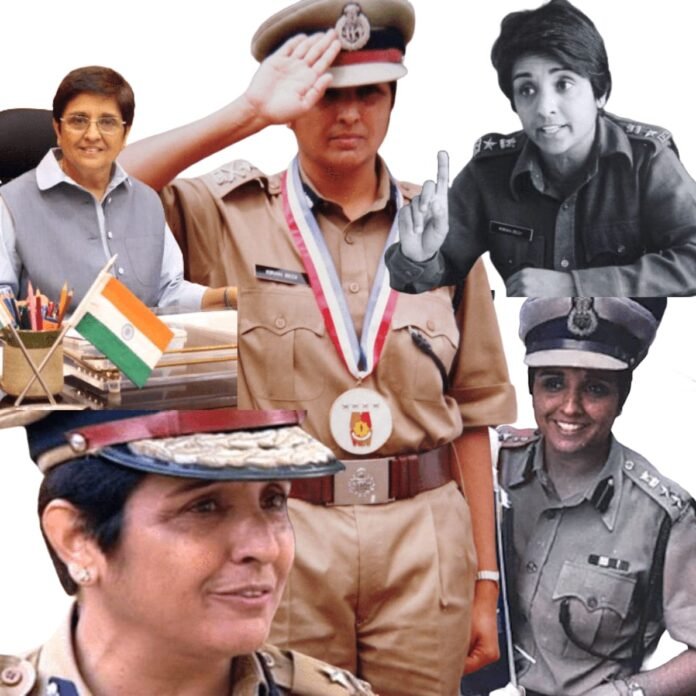
Kiran Bedi is a name synonymous with breaking barriers and setting new benchmarks for women in India. As the country’s first female Indian Police Service (IPS) officer, she not only carved a niche for herself in a male-dominated police force but also emerged as a relentless social reformer. Her journey is a powerful testament to perseverance, grit, and unwavering dedication to public service.

Early Life and Education

Born on June 9, 1949, in Amritsar, Punjab, Kiran Bedi hails from a prosperous Punjabi family. Her father, Prakash Lal Peshawaria, and mother, Prem Lata Peshawaria, were instrumental in nurturing her aspirations from a young age.

Kiran completed her early education in Amritsar and pursued her higher studies at Punjab University, Chandigarh. Before stepping into the police force, she served as a lecturer at Khalsa College for Women in Amritsar. However, destiny had bigger plans for her. In 1972, at a time when very few women even dreamt of entering the civil services, Kiran Bedi broke societal stereotypes and was selected into the Indian Police Service, becoming the first woman in India to achieve this milestone.

During the early 1970s, the idea of women serving in high-ranking positions within the police force was almost unthinkable. Women were largely confined to domestic roles, with limited opportunities in competitive examinations and administrative services. Kiran Bedi’s entry into the IPS marked a significant turning point in Indian society, shattering age-old gender biases and inspiring countless women to dream beyond traditional roles. Throughout her career, Bedi took on challenging assignments and consistently pushed boundaries to prove that leadership knows no gender. Her fearless attitude, fairness in law enforcement, and commitment to public service became hallmarks of her professional journey.

A Champion Tennis Player

Long before she wore the police uniform, Kiran Bedi was already making headlines as a talented tennis player. She started playing tennis at the tender age of nine and soon rose to national prominence. In 1964, she won the National Junior Lawn Tennis Championship, a significant feat that laid the foundation for her sports career. Bedi represented India in several prestigious tournaments, including the Asian Lawn Tennis Championship. She also clinched gold medals at the National Sports Festival for Women, adding numerous accolades to her name. Her experience in competitive sports instilled in her the discipline and determination that would later define her approach as a police officer.

Awards and Honors: Recognizing a Life of Service

Kiran Bedi’s exemplary service in law enforcement and her contributions to social reform have been recognized globally. She has been the recipient of several prestigious awards, including:

Ramon Magsaysay Award for Government Service (1994)

Nehru Fellowship

President’s Gallantry Award

United Nations Medal for Outstanding Service
These accolades are not just honors but reflect her relentless efforts in bringing about meaningful change in society. Her tenure as Inspector General of Prisons, where she introduced path-breaking reforms in Tihar Jail, remains one of her most lauded contributions.

A Lifelong Inspiration for Women

Kiran Bedi continues to be an enduring source of inspiration for millions. Her trailblazing journey from a young girl in Amritsar to India’s first woman IPS officer is a story of courage, determination, and social commitment. Beyond her policing career, she has been a relentless advocate for women’s empowerment, education, prison reforms, and public service integrity.
Her life teaches us that societal change begins with individuals who dare to challenge the status quo. Kiran Bedi is not just a name; she is a movement that continues to inspire generations.

Zupee Ludo Leads Skill-Based Gaming in Rajasthan with 10 Million Users and Over 1.2 Billion Gameplays

0

Rajasthan emerges as a category-shaper in India’s digital gaming revolution

Zupee, India’s leading online skill-based gaming platform, has announced a major user milestone in Rajasthan, with over 10 million users and 1.2 billion gameplays on its platform. Notably, Jaipur alone accounts for nearly 1 billion gameplays, underscoring the state’s deep engagement with culturally rooted games reimagined for the mobile-first generation.

Zupee, the pioneer of the skill-based casual gaming category in India, continues to expand its footprint across Tier 1, 2, and 3 cities, with Rajasthan emerging as a key contributor. The platform’s success in the state reflects its broader appeal—driven by intuitive formats, culturally relevant gameplay, a secure environment, and a strong commitment to responsible and skill-based entertainment.

From 2024 to date, Zupee’s user base in Rajasthan has grown by over 15%, with games like Ludo—transformed into competitive skill-based formats—playing a significant role in that growth.

Inclusive, Mobile-First and Fair

The rise in Zupee Ludo’s adoption mirrors a nationwide shift in entertainment preferences, especially in Bharat. Shorter, quicker, and skill-oriented gaming formats are gaining traction among mobile-first users who demand fairness and transparency. The platform has also seen remarkable progress in inclusivity, with a 60% year-on-year increase in female players in Rajasthan, steadily moving towards a balanced gender ratio.

“Designed for Digital Bharat” – Zupee’s Vision

India’s Game. Reimagined.

Zupee has redefined one of India’s most iconic board games—Ludo—into a skill-based digital experience. With over 150 million registered users and 12.5 billion gameplays nationwide, Zupee hasn’t just participated in the skill-gaming category—it has built and led it.

The company introduced India’s first skill-based Ludo formats, including:

  • Ludo Supreme
  • Ludo Turbo
  • Ludo Supreme League

These formats offer fast-paced gameplay under 10 minutes, ideal for mobile-first audiences. By eliminating dependence on luck—through innovations like Dice-less Mode and Move-based Scoring—Zupee reinforces the game’s skill-oriented nature.

Real Bharat Fuels Real Growth

The platform’s sustained growth in Rajasthan, especially in cities like Jaipur, signals a larger shift in India’s gaming ecosystem—from download numbers to deep user engagement and retention.

As Bharat increasingly goes digital, Zupee is building games that are easy to play, culturally relevant, and inclusive—unlocking the full potential of India’s gaming economy. Rajasthan’s engagement stands as a powerful validation of Zupee’s vision for a skill-based, fair-play-driven gaming future.

The Unfinished Wonder of Devotion — Bhojpur Temple’s Timeless Story

0

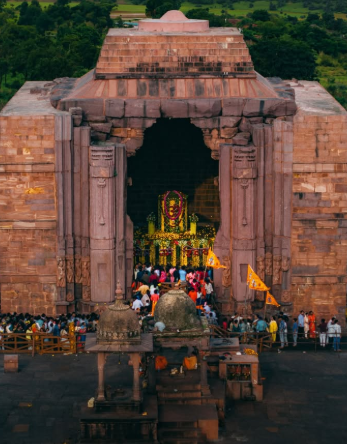
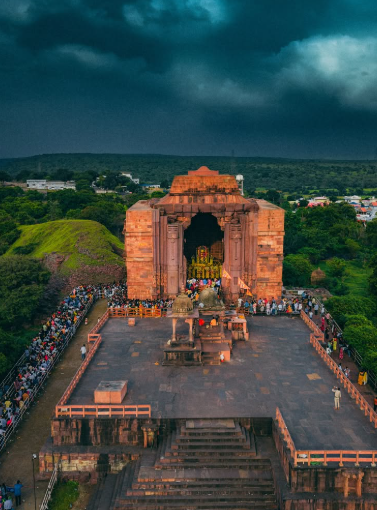
As India rediscovers its spiritual roots and Sanatan Dharma finds new hearts across generations, ancient sanctuaries whisper tales of faith carved into stone. One such tale stands quietly just 28 kilometers from Bhopal—majestic, mysterious, and magnificent. This is Bhojpur Temple, or Bhojeshwar Mandir, a creation born in the 11th century under the patronage of King Bhoj. Though time never allowed its completion, the temple stands unapologetically incomplete—yet spiritually whole.

The Unfinished Wonder of Devotion — Bhojpur Temple's Timeless Story

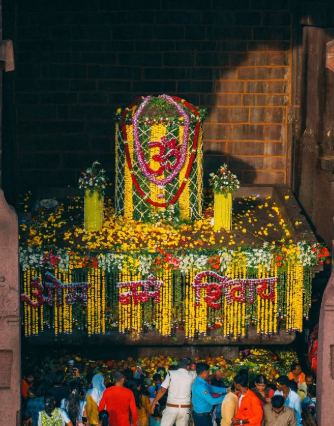
Walk through its gates and you’ll meet awe itself: an 18-foot tall Shivling, sculpted from a single massive stone, soaring into the sky. It is one of India’s largest, resting under open skies, bathed in sun and prayers. On Mondays in Sawan, the air reverberates with chants of “Har Har Mahadev,” as crowds surge in devotion, offering milk, water, and bel leaves.

The Unfinished Wonder of Devotion — Bhojpur Temple's Timeless Story

The temple’s grand stone blocks and intricate carvings speak of an ancient craftsmanship that defies centuries. Gods, guardians, and celestial figures gaze silently from its walls, inviting every visitor into their timeless vigil. Though unfinished in form, Bhojpur Temple is complete in spirit—a sacred symphony of stone and soul. During the monsoon months, it transforms into a living tapestry of devotion, heritage, and cosmic love. Each prayer here doesn’t just echo—it becomes part of a legacy.

Security and Hospitality: How Western Rajasthan’s Border Security Enhances Tourist Confidence and Charm

0

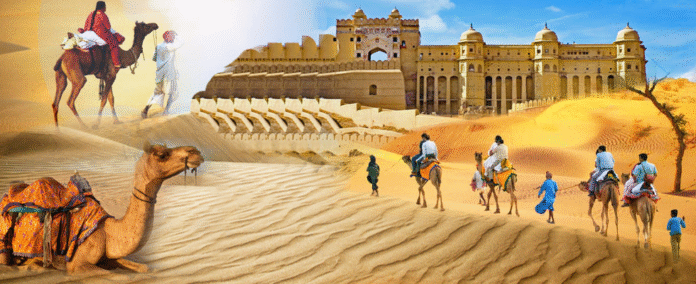
In the vast desert expanse of Western Rajasthan, where the horizon stretches endlessly and the air carries centuries of tradition, lies a unique promise—not just of beauty, but of safety. This region, bordering Pakistan and home to some of India’s most iconic cultural destinations, has quietly built a reputation that goes beyond its golden dunes and soulful music. It is a place where vigilance meets warmth, and where the border itself becomes a symbol of trust.

A Trusted Host in Times of Uncertainty

When national events face disruption, few places rise to the occasion with the grace and preparedness of Rajasthan. A striking example came during a recent national crisis when the Indian Premier League (IPL)—one of the country’s most high-profile sporting events—was postponed across the nation. Yet, as conditions improved, Rajasthan was swiftly chosen to host three IPL matches. This wasn’t just a logistical decision—it was a vote of confidence. The state’s infrastructure, security protocols, and administrative coordination stood out as reliable and resilient. In a world where safety is paramount for travelers and event organizers alike, Rajasthan proved it could deliver.

Security and Hospitality: How Western Rajasthan’s Border Security Enhances Tourist Confidence and Charm

Border Vigilance: A Silent Guardian

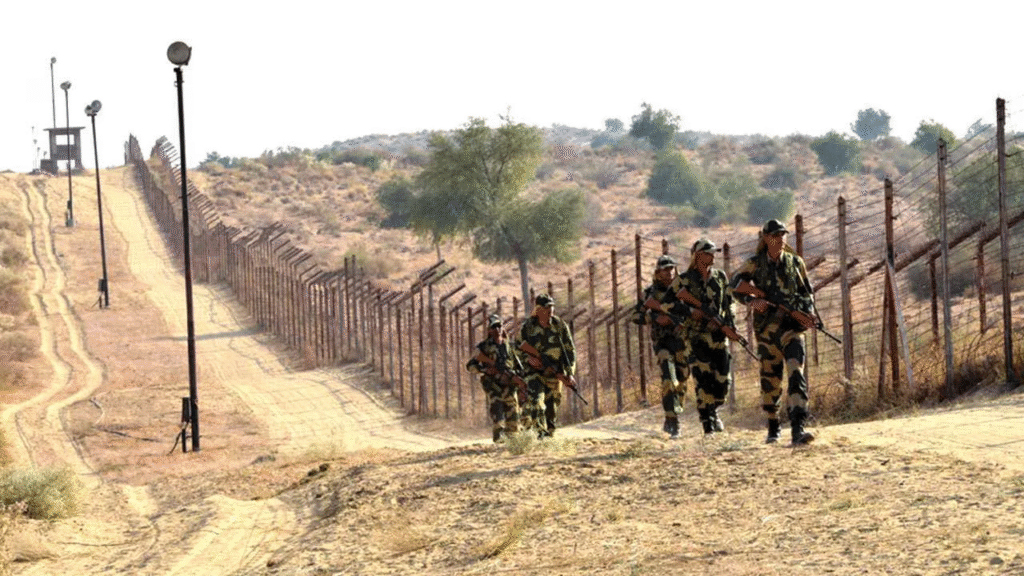
Western Rajasthan’s border districts—Jaisalmer, Barmer, Bikaner, and Jodhpur—carry a heightened sense of awareness. The presence of armed forces, vigilant police, and responsive local administration creates an environment of security that is both visible and reassuring.But this vigilance isn’t intrusive—it’s protective. Tourists often remark on the seamless blend of freedom and safety they experience here. Whether exploring remote villages or attending cultural festivals, visitors feel cared for without feeling constrained.

Hospitality Rooted in Responsibility

What truly sets Western Rajasthan apart is how this sense of security translates into hospitality. In border regions, there’s a deep-rooted culture of responsibility. Locals understand the importance of presenting their land with pride and care. This consciousness manifests in:

  • Attentive service in homestays and hotels.
  • Respectful and informative local guides.
  • Community-driven tourism initiatives that prioritize guest experience.

Visitors are not just welcomed—they’re embraced. The warmth of a desert family, the smile of a camel herder, the song of a folk musician—all carry an undertone of sincerity and safety.

A Model for Responsible Tourism

In an era where travelers seek not just adventure but assurance, Western Rajasthan offers a compelling model. It proves that border regions, often perceived as sensitive or remote, can be paragons of responsible tourism. The synergy between security and hospitality here is not accidental—it’s cultural. Government initiatives have further strengthened this balance. Training programs for tourism professionals, infrastructure upgrades, and community awareness campaigns ensure that safety and service go hand in hand.

More Than a Destination—A Promise

To visit Western Rajasthan is to experience a rare duality: the thrill of exploring ancient forts and desert trails, paired with the comfort of knowing you’re in safe hands. It’s a region that doesn’t just open its doors—it guards them with care. As the world rediscovers travel with caution and curiosity, Western Rajasthan stands ready—not just with its beauty, but with its reliability. In the heart of the desert, the border isn’t a line—it’s a promise.