Home Blog Page 222

Registered Post to Be Discontinued from September 1 Making A 171-Year-Old Service to Become History

0

If you are planning to send a letter via registered post, it may be your last chance. The Indian Postal Department has decided to discontinue the registered post service—operational since the British era—and merge it with the Speed Post service. A circular has already been issued to postmasters nationwide, instructing them to make all necessary amendments by July 31. From September 1, 2025, registered post will be officially discontinued, leaving speed post as the only option for sending important documents and parcels.

A Service Dating Back to 1854

Registered post was introduced in 1854 during British rule, under the India Post Office Act implemented by Lord Dalhousie. Prior to that, in 1766, Warren Hastings had initiated Company Mail under the East India Company. For over 171 years, registered post offered a cost-effective and reliable method for sending documents and goods.

Why the Change?

According to the Postal Department, evolving times call for streamlined services. Merging registered post with speed post is expected to simplify operations, improve resource utilization, and provide better facilities to customers. Government offices, courts, and institutions have been asked to update their rules accordingly by July 31.

Advantages of the Merger

  • Better Tracking: Speed post offers real-time tracking, which was limited in registered post.
  • Improved Efficiency: Operating a single service will reduce administrative workload and improve resource use.
  • Faster Delivery: Speed post ensures quicker delivery, though it comes at a slightly higher cost than registered post.

With this historic shift, an era of traditional postal services comes to a close, making way for faster and more efficient communication.

Elena Rybakina Becomes First Kazakhstani to Break into WTA Top 10. Know Who She Is and Her Credentials…

0

Elena Andreyevna Rybakina (born 17 June 1999) made history as the first player from Kazakhstan to break into the WTA top 10 rankings in women’s singles. Currently ranked world No. 3, she is also the country’s top-ranked player and a trailblazer for Kazakhstani tennis on the global stage.

Born in Russia, Rybakina switched her federation to Kazakhstan in June 2018 and quickly rose through the ranks. She became the first Kazakhstani to win a Grand Slam title with her triumph at the 2022 Wimbledon Championships. In total, she has secured nine WTA Tour-level singles titles, including two WTA 1000 titles at the 2023 Indian Wells Open and the 2023 Italian Open.

As a junior, Rybakina reached a career-high ranking of No. 3. Her WTA breakthrough came in 2019 with a title win at the Bucharest Open and a top 100 debut. In 2020, she led the tour with five finals appearances and later reached the semifinals of the Tokyo Olympics. Her 2023 season was equally impressive, featuring a run to the Australian Open final and her climb to a career-high world No. 3 ranking.

Rybakina is known for her powerful serve and aggressive baseline game, with high-speed groundstrokes that make her a formidable opponent on all surfaces.

Rybakina did not receive individual training until she was a junior, instead practicing in a group of about eight players until the age of 15, and then in a smaller group of four until she turned 18. She typically played tennis for only about two hours a day, dedicating an additional three hours to fitness training. Her limited time on court was partly due to attending a regular academic high school, rather than a sports-focused institution, which required her to balance tennis with schoolwork.

World Lung Cancer Day 2025: ‘Breathe Better, Live Longer’ Is the Formula to Stay Healthy

0

In a country where the air we breathe is often clouded by smoke, dust, and pollution, lung cancer is quietly becoming one of India’s fastest-growing health threats. But unlike many diseases, lung cancer doesn’t always come with obvious warning signs—or affect only smokers. From bustling metros to quiet villages, millions of Indians—especially women, children, and non-smokers—are unknowingly exposed to risks like passive smoking, toxic air, and indoor pollution. Yet, there’s hope. With growing awareness, better healthcare, and simple lifestyle changes, we can turn the tide on this silent epidemic. This World Lung Cancer Day, let’s shift the focus from fear to empowerment. Let’s talk about prevention, early detection, and how every Indian can take steps to protect their lungs—and their life.

The Indian Reality: Pollution & Passive Smoke

  • Air pollution contributes to rising lung cancer cases, especially in urban areas like Delhi, Mumbai, and Kolkata.
  • Passive smoking—especially in homes and public spaces—puts women, children, and non-smokers at serious risk.
  • Indoor air pollution from cooking fuels and incense sticks adds to the burden, especially in rural India.

Breathe Easy: Lung Health Care Tips

Here’s how you can protect your lungs and reduce your cancer risk:

Quit Smoking: Even one cigarette a day increases risk. Quitting is the single most powerful step you can take.

Create Smoke-Free Spaces: Make your home and workplace smoke-free. Protect loved ones from passive smoke exposure.

Improve Indoor Air Quality: Use clean cooking fuels (LPG, electric), ventilate rooms, and reduce incense or chemical sprays.

Wear Masks in High-Pollution Areas: Especially during smog season or near traffic-heavy zones.

Eat Lung-Friendly Foods: Include antioxidant-rich foods like turmeric, garlic, green tea, and leafy greens.

Get Regular Check-Ups: Early detection saves lives. If you have persistent cough, breathlessness, or chest pain—don’t ignore it.

Exercise & Breathe Deep: Daily physical activity and breathing exercises like pranayama strengthen lung capacity.

A Positive Shift Is Happening

  • More Indians are quitting smoking than ever before. Awareness about air pollution is growing, with cities investing in cleaner technologies. Medical advances mean better treatment outcomes and longer survival for lung cancer patients. Lung cancer may be one of the deadliest diseases, but it’s also one of the most preventable and treatable—especially when caught early. In India, where environmental and lifestyle factors pose unique challenges, awareness is our greatest weapon. Whether it’s quitting smoking, improving indoor air, or simply speaking up about symptoms, small changes can save lives. And when communities, healthcare providers, and policymakers come together, we can build a future where clean air and healthy lungs are a right—not a privilege. This World Lung Cancer Day, let’s commit to breathing better, living smarter, and caring deeper—for ourselves, our families, and the generations to come.

Because lung cancer doesn’t have to be a death sentence.
It can be a wake-up call—and a turning point

From Classroom to Skincare Revolution: Pooja Kaul’s Organiko Empowers 150 Families

0

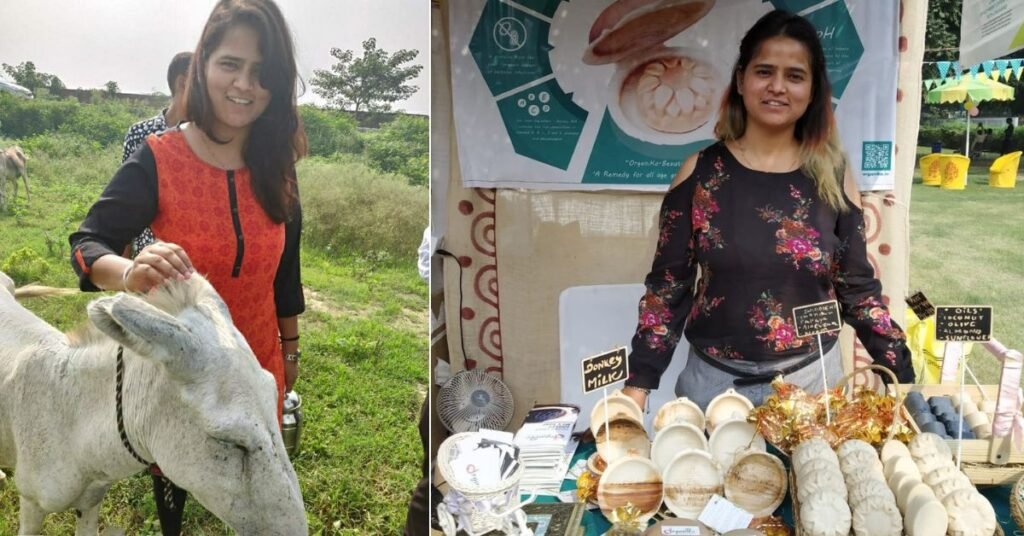
Pooja Kaul’s journey from a TISS classroom project to founding Organiko, a sustainable skincare startup, is a testament to innovation with a purpose. By transforming donkey milk—a nutrient-rich ingredient—into organic skincare products, she has not only created a thriving business but also uplifted over 150 families from the Lashkar community in Solapur. Here’s how her vision is changing lives and redefining beauty.

A Spark of Inspiration in Solapur

In 2016, while pursuing her postgraduate degree at the Tata Institute of Social Sciences (TISS), Pooja Kaul was traveling through Solapur, Maharashtra, on a crowded government bus. Amid the pressure of a pivotal college project, a herd of donkeys caught her eye. Curious, she stopped to learn about the Lashkar community—migrant laborers reliant on donkeys for work in brick kilns and construction sites. Earning just Rs 300–400 daily, these families struggled to sustain themselves and their animals, especially during the monsoon when work was scarce.

Determined to create a sustainable solution, Pooja saw potential in donkey milk, known for its vitamins and fatty acids that deeply nourish and hydrate the skin, resembling human breast milk. She spent six months building trust with the community, addressing their concerns about animal welfare, and laying the foundation for Organiko—a social enterprise that turns donkey milk into handmade, eco-friendly skincare products.

From Classroom to Skincare Revolution: Pooja Kaul’s Organiko Empowers 150 Families

Turning a Vision into Reality

With Rs 26,000 saved for a Goa trip and an additional Rs 34,000 raised through crowdfunding, Pooja produced her first batch of 250 soaps. Returning to Delhi, she showcased her products at city exhibitions, earning overwhelming validation that turned her project into a full-fledged business. Despite initial resistance from the Lashkar community, who feared milking might harm their donkeys, Pooja ensured ethical practices—milking only 200 ml every alternate day to prioritize the animals’ and their foals’ well-being.

Empowering Communities, Redefining Beauty

Organiko’s impact goes beyond skincare. By paying Rs 1,300–2,000 per liter for donkey milk, Pooja has provided a stable income for over 150 families, reducing their need to migrate and enabling better education for their children. The donkeys, once neglected, are now cared for with dignity, housed in proper shelters.

Today, Organiko offers a range of products, from soaps to face packs, with plans to expand into sunscreens, creams, and serums. Pooja’s commitment to sustainability and social good has earned her accolades like Forbes 30 Under 30 (Asia) and The Diana Award 2020.

A Bright Future Ahead

Pooja Kaul’s Organiko is more than a skincare brand—it’s a movement that blends compassion, innovation, and sustainability. By empowering the Lashkar community and challenging taboos around donkey milk, she’s proving that small ideas can create big change. As Organiko grows, it continues to beautify lives—both for its customers and the families it supports.

Unlocking the Power of Meal Sequencing A New Trend for a Healthier you…

0

In today’s fast-paced world, everyone strives to stay fit and lead a healthy lifestyle. To meet this desire, a new dietary trend called meal sequencing (also known as food sequencing) has emerged, gaining popularity for its potential to manage blood sugar levels, support weight management, and enhance overall well-being. This approach involves eating foods in a specific order to optimize digestion and nutrient absorption. Let’s dive into the science, benefits, and practical ways to incorporate meal sequencing into your daily routine.

What is Meal Sequencing?

Meal sequencing is a dietary strategy that emphasizes the order in which you consume different food groups during a meal. The core idea is to eat foods rich in fiber (like non-starchy vegetables), protein, and/or fats before consuming carbohydrates. This sequence slows down the digestion of carbs, leading to a gradual rise in blood sugar levels rather than sharp spikes. For example, if your meal includes rice, chicken, and vegetables, you would start with the vegetables, followed by the chicken, and finish with the rice.This approach is backed by research exploring its benefits in nutrition, food safety, and even food processing. Organizations like the Food and Agriculture Organization (FAO) are also leveraging advanced techniques like Whole-Genome Sequencing (WGS) to improve food safety management systems, ensuring that the food we consume is safe and supports health-focused practices like meal sequencing.

The Science Behind Meal

SequencingThe principle of meal sequencing is rooted in how different nutrients affect digestion and blood sugar. By prioritizing fiber, protein, and fats, you create a “buffer” in the digestive system. Fiber-rich foods, such as leafy greens or broccoli, slow gastric emptying, while proteins and fats take longer to digest. This delays the absorption of carbohydrates, preventing rapid blood sugar spikes. This method is particularly beneficial for individuals with diabetes or those looking to maintain steady energy levels throughout the day.

Benefits of Meal Sequencing : Meal sequencing offers a range of health benefits, making it a versatile tool for anyone looking to improve their diet and lifestyle. Here are the top advantages

  1. Weight Management
    By eating fiber and protein first, you may feel fuller sooner, which can naturally reduce your overall food intake. This increased satiety helps curb overeating, making meal sequencing a valuable strategy for weight management without the need for restrictive diets.
  2. Improved Satiety
    Consuming meals in a specific order can enhance feelings of fullness for longer periods. This reduces the urge to snack between meals, supporting healthier eating habits and portion control.
  3. Better Blood Sugar Control
    For individuals with diabetes or those at risk, meal sequencing can help stabilize blood sugar levels. By slowing carbohydrate digestion, it prevents sudden spikes in glucose, promoting better metabolic health.

How to Practice & Why It Matters

It Start with vegetables (fiber). Follow with protein (chicken, tofu) and fats (avocado, olive oil). End with carbs (rice, roti).
Meal sequencing is a simple, science-backed way to eat healthier without drastic diet changes. Paired with safe, quality ingredients, it’s a trend that’s here to stay. Try it at your next meal and feel the difference!

How Image Optimization Boosts SEO and Page Speed in 2025

0

In 2025, fast-loading websites are no longer a luxury, they’re a necessity. Businesses need more than just engaging design and stunning visuals. If your site is slow, users will leave, and search engines won’t promote your pages. One simple yet powerful solution is using an effective image optimization service. This ensures your high-quality visuals don’t slow down your site. An image-heavy website without proper optimisation can damage both SEO and user experience. But with the right image optimization tool, you can significantly boost site speed and search rankings without compromising quality.

Why Image Optimisation Matters for SEO

Images make websites look better, but they often come with large file sizes. This slows down page speed, one of the main signals Google uses to rank websites. Search engines, especially in 2025, focus heavily on mobile performance, user behaviour, and real-time loading experience.

Here’s how image optimisation directly supports SEO:

  • Improves Core Web Vitals
    • Largest Contentful Paint (LCP) improves when hero images load faster.
    • Cumulative Layout Shift (CLS) decreases when images have fixed dimensions.
    • Interaction to Next Paint (INP) enhances when heavy images don’t delay browser response.
  • Increases Google Indexing
    • Smaller image files load faster, enabling crawlers to index more pages quickly.
    • Clean, responsive image setups improve discoverability for image searches too.
  • Reduces Bounce Rates
    • If a page takes more than 3 seconds to load, users tend to bounce. Optimised images ensure faster access and better user engagement.

Benefits of Using an Image Optimisation Tool

An image optimization tool helps you shrink file sizes, convert formats, and clean metadata from your visuals. More advanced tools use automation and AI to deliver this process at scale.

Here’s why you should use them:

  • Reduces Load Time by Up to 70%
     Sites with many large images often suffer from delayed rendering. A good optimisation tool compresses files without killing image quality.
  • Supports Next-Gen Formats
     WebP, AVIF, and JPEG XL are now supported across major browsers. These formats reduce file size by 30–50% without visible loss.
  • Resizes Automatically
     Uploading 4000px wide images when the display is only 800px wide wastes resources. Smart tools resize before delivery, based on screen size.
  • Bulk Optimisation Saves Time
     Agencies and developers working with hundreds of images need batch processing. Tools like Squoosh, ImageMagick, or Sharp do this efficiently.

Choosing the Right Image Optimisation Service

Selecting the right image optimization service depends on your site type, CMS, and team skill level. A basic online tool might work for simple tasks, but for ecommerce or high-traffic blogs, you’ll need something more advanced.

Here’s what to look for:

  • Compression Options
     Look for both lossy and lossless options. Lossless is perfect for preserving quality, while lossy can significantly cut size with minimal visual difference.
  • AI-Based Enhancements
     AI helps determine the best optimization settings per image. This ensures custom treatment rather than applying the same compression to all visuals.
  • CMS Integration
     Whether you use WordPress, Shopify, or a custom backend, make sure the service integrates seamlessly for automatic image handling.
  • CDN Support
     Many services now offer image CDN functionality. This means optimised images are served quickly across the globe using distributed servers.

How It Impacts Real Business Performance

Let’s say you run a fashion website with high-res product photos. Without optimization, the homepage may take 7 to 9 seconds to load—especially on 4G or in low-bandwidth areas. Using an image optimization service helps reduce image size, improving load speed and ensuring your pages rank higher in Google.

Here’s what happens after image optimisation:

  • Load time improves to under 3 seconds.
  • Google PageSpeed Insights scores jump from red to green.
  • More pages get indexed, increasing organic visibility.
  • User engagement improves, and bounce rates drop.
  • Conversion rates see a lift due to better user experience.

Best Practices to Follow in 2025

Following a consistent image optimisation strategy ensures long-term gains in SEO and speed. Here are some recommended steps:

  • Choose the Right File Type
    • WebP for most images
    • AVIF for ultra-light, high-traffic sites
    • JPEG for older browser support
    • PNG only when transparency is required
  • Use Responsive HTML
     Use <picture> and srcset to load the right image based on device and screen size.
  • Strip Unnecessary Metadata
     Metadata (like camera details) bloats image size. Most optimization tools strip this data to save space.
  • Implement Lazy Loading
     Lazy loading delays non-visible image downloads, reducing initial page weight.
  • Set Display Dimensions
     Always define width and height in your image HTML/CSS to reduce layout shifts.

Common Tools for Image Optimisation in 2025

There are many image optimization tool options available, depending on your needs.

For Online Use:

  • TinyPNG – Great for quick drag-and-drop compression
  • Kraken.io – Offers both simple and advanced options
  • Compressor.io – Supports multiple formats with quality control
  • N7 – AI/ML-Powered image optimization personalized for each user & device

For WordPress Users:

  • Smush – Popular with ecommerce and bloggers
  • ShortPixel – Supports WebP and AVIF formats
  • Imagify – Optimises and converts images automatically

For Developers:

  • ImageMagick – CLI-based batch processing
  • Sharp – Node.js-based processing at scale
  • Squoosh – Browser-based with advanced controls

Conclusion

Image optimisation isn’t just a technical task, it’s a vital part of digital strategy in 2025. A fast-loading, SEO-friendly website starts with optimised visuals. Whether you’re building a new site or improving an old one, using a reliable image optimization service and the right image optimization tool can make all the difference.

If you’re looking for a complete performance solution beyond image handling, platforms like N7 – The Nitrogen Platform offer end-to-end site speed and experience optimisation. It might be time to give your website the boost it deserves.

US Tariffs Impact India-China Trade Negotiations

0

The US announcement of a 25 per cent tariff on Indian imports and penalties linked to Russian defence and energy purchases has intensified trade tensions. This move complicates India’s efforts to secure a favourable interim trade deal with the US. Meanwhile, China is ahead in negotiations, potentially gaining tariff advantages. The evolving scenario affects India’s export competitiveness and economic growth prospects.

US Tariff

The US imposed a 25 per cent tariff on Indian imports just before a key negotiation deadline. This tariff level nearly matches the earlier 26 per cent reciprocal tariff India faced. The US also threatened penalties on countries buying Russian oil and military equipment, potentially doubling tariffs to 100 per cent. This pressure pushes India to accelerate trade talks with the US.

India’s Negotiation Challenges

India aims to avoid a one-sided deal by maintaining red lines, especially on agriculture. Its tariffs comply with WTO rules, and it resists US demands for zero duty market access. India is willing to consider concessions on defence equipment, natural gas, and nuclear reactors. However, additional tariffs on steel, aluminium, and a proposed BRICS levy complicate the talks.

China’s Position and Advantage

China is negotiating a US trade deal faster and may secure lower tariffs and waivers on secondary tariffs related to Russian imports. Though no final agreement exists, China’s early progress gives it a competitive edge. China’s large Russian oil purchases and sovereign stance on energy imports contrast with US pressure tactics.

Impact on Indian Exporters and Economy

Uncertainty over final US tariffs causes hesitation among American buyers, affecting Indian exports. Higher US tariffs on China have redirected Chinese exports to Europe at low prices, squeezing India’s market share there. Economists warn that increased tariffs and penalties may slow India’s GDP growth, with the extent depending on penalty severity.

Future Outlook and Strategic Moves

India seeks an interim deal by October, possibly earlier due to US pressure. A final deal might offer tariffs between 10 and 15 per cent, similar to those given to the UK and Japan. India may adopt quota systems for sensitive sectors to gradually open markets. The ultimate resolution may depend on direct talks between the Prime Minister of India and US President.

Is India’s Government Employment a Swamp We Can’t Escape?

0

By Harsha Bothra

Do we really need government jobs? There is always a leaning gesture towards the government sector on the younger generation India which is still continues. The youth of India, from both small and large areas, increasingly seeks government employment. The question arises, why does the younger generation primarily prefer government jobs? The answer is complex. First, whether they come from financially disadvantaged or stable backgrounds, the youth seeks lifelong job security. While the government offers lower salaries, it provides other benefits include health insurance, retirement plans, and paid leave, contributing to a financially secure and comfortable lifestyle. This generation is fixated on securing government jobs.

Secondly, what motivates young people to pursue careers in the government sector? A major factor is the overwhelming presence of coaching institutes in virtually every Indian city, frequently exceeding the number of local residents. These coaching centres shape students’ perspectives, leading them to focus solely on government employment. There should be limits on the number of coaching centers, and they ought to encourage students to have a backup plan in case of setbacks.

It is perfectly acceptable to choose a career in the government sector, but under certain conditions. The applicants are not motivated by desire to influence policy but rather to ensure their personal security. A significant amount of money is spent by both state and central governments on these exams, which becomes a waste when exam papers are compromised or when proxy candidates obtain jobs, as seen in Rajasthan and other states of India. The number applicants often reaches in the lakhs for just a few available positions.

When candidates do not succeed in securing a job, some tragically resort to end their lives, others find themselves lost and unemployed, while some persistently avoid exploring opportunities in different areas, continuing to try until they exhaust all attempts.

It is crucial to implement necessary measures to involve the youth in technology, science, innovation, and many other aspects, which are essential for today’s generation and growth of the country. To achieve this, the government must redirect the attention of young people to focus on different perspectives.

To strengthen the recruitment process, the testing processes for government positions should be changed, like in Europe and America, the process for government employment involves identifying job openings on official portals, tailoring applications to specific requirements and potentially undergoing assessment and interviews. In Asian countries like China, Japan and South Korea the process for government employment involves application, document verification and potentially an interview or examination, not all positions required examinations. Only specific government employment require examinations.

In India, the examination process is implemented by state governments for all positions across various departments, prompted the government to adopt Aa comprehensive strategy to conduct examinations fairly, which involves significant resources such as paper supply, arranging examination centers, assigning teacher duties, transporting students in large numbers to the venues, and considerable expenses incurred solely for the examination process. Rather than relying on this method, an alternative approach used in several European and Asian countries could be adopted, which would include online applications, document verification, and walk-in interviews for more effective candidate assessment.


Mahavatar Narasimha Roars Past Records to Become The Highest-Grossing Indian Animated Film Ever

0

“Mahavatar Narasimha,” an animated film directed by Ashwin Kumar, has taken the box office by storm within just three days of its release. Released on July 25, the film has become the highest-grossing Indian animated film of all time, breaking the record previously held by “Hanuman” (2005). The film has grossed ₹19 crore in its first three days. It narrates the story of Lord Vishnu’s Narasimha avatar and is being praised for its stunning animation and powerful storytelling. Following its success, plans are underway to create films based on other avatars of Lord Vishnu.

Ashwin Kumar’s Mahavatar Narasimha is a landmark moment for Indian animation. Not only does it break box office records, but it also sets a new benchmark for mythological storytelling in animated cinema. The animation is breathtaking. From the cosmic realms to the intense battle sequences, every frame is crafted with precision and reverence. The visual depiction of Narasimha—half-man, half-lion—is both majestic and terrifying, capturing the essence of divine wrath and justice.

Mahavatar Narasimha Roars Past Records to Become The Highest-Grossing Indian Animated Film Ever

Storytelling, Music & Cultural Impact

The film dives deep into the legend of Hiranyakaship and Prahlad, culminating in the dramatic emergence of Narasimha. The narrative balances mythological depth with emotional resonance, making it accessible to both children and adults. The pacing is tight, and the dialogues are impactful without being preachy. The background score elevates the drama, blending traditional instruments with cinematic orchestration. The sound design during the climactic scenes adds to the intensity and grandeur. This film isn’t just entertainment—it’s a cultural revival. By bringing ancient stories to life with modern technology, Mahavatar Narasimha bridges generations and sparks interest in India’s rich mythological heritage.

NCERT’s New Vocational Textbook Brings Real-World Skills to the Classroom, Young Minds with Skills for Life—Carpentry, Animal Care, and More…

0

In a bold step toward transforming traditional education, the National Council of Educational Research and Training (NCERT) has launched a new vocational textbook for Class 8 titled Kaushal Bodh, designed to immerse students in hands-on learning experiences. The textbook introduces practical modules in carpentry, animal care, home automation, and hydroponics, aligning with the goals of the National Education Policy (NEP) 2020 and the National Curriculum Framework for School Education (NCF-SE) 2023.

Why It Matters

The introduction of Kaushal Bodh marks a shift from rote memorization to experiential learning. By engaging students in real-world tasks, the textbook fosters:

  • Skill Development: Students gain early exposure to vocational skills that are both traditional and innovative.
  • Conceptual Clarity: Practical application helps reinforce theoretical knowledge, improving retention and understanding.
  • Creativity and Curiosity: Activities like hydroponics and home automation encourage problem-solving and innovation.
  • Empowerment: Children learn self-reliance and confidence through tangible accomplishments.

Courses Included:

  • Carpentry – Build, shape, and understand the art of woodwork
  • Animal Care – Learn empathy and responsibility through pet and livestock care
  • Home Automation – Explore smart technologies and their applications
  • Hydroponics – Discover soil-free farming and sustainable food systems

Impact on Young Minds

Educators and psychologists have long emphasized the importance of experiential learning in cognitive development. With Kaushal Bodh, students are not just passive recipients of information—they become active participants in their own education. This approach:

  • Stimulates critical thinking and logical reasoning
  • Builds emotional intelligence through animal care and teamwork
  • Encourages environmental awareness via sustainable practices like hydroponics
  • Instills respect for craftsmanship, reviving interest in traditional skills like carpentry

Benefits for the Future

The vocational curriculum prepares students for a future where adaptability and interdisciplinary skills are key. Some long-term benefits include:

  • Career Readiness: Early exposure to trades and tech prepares students for diverse career paths
  • Inclusive Learning: Appeals to different learning styles and interests
  • Community Engagement: Encourages students to apply skills in local contexts
  • NEP Alignment: Supports the vision of holistic, multidisciplinary education