Home Blog Page 217

Now, Nuclear Reactor on the Moon? Yes, NASA Plans it by 2030, says US Media

0

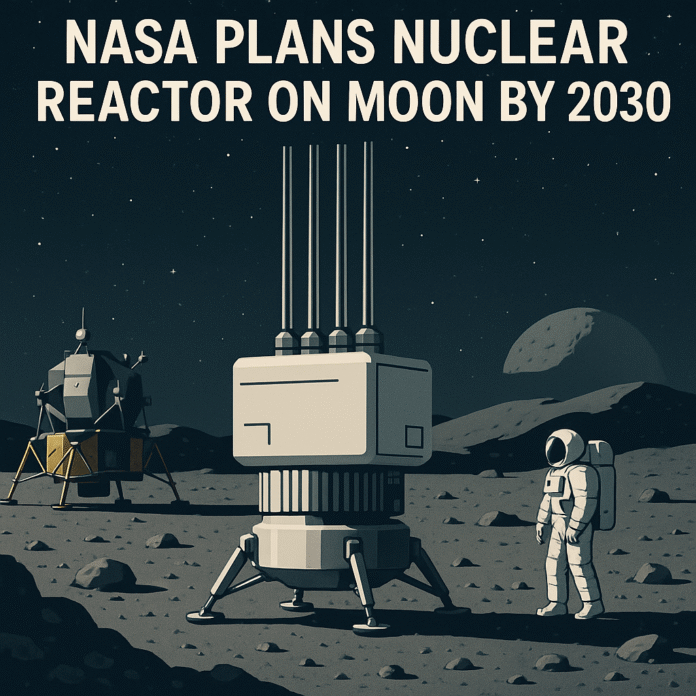
The United States space agency NASA is accelerating its plans to build a nuclear reactor on the Moon by 2030, as part of its broader vision to establish a permanent human base on the lunar surface. The move comes amid rising global interest in lunar exploration, with countries like China, Russia, India, and Japan also pursuing missions — some with plans for long-term settlements.

According to Politico, acting NASA Administrator Sean Duffy, appointed by President Donald Trump, cited potential geopolitical competition, warning that China and Russia could attempt to establish “keep-out zones” on the Moon. He emphasized the need to fast-track nuclear energy development for future lunar infrastructure, Mars missions, and national security in space.

In a letter to NASA, Duffy called for proposals from commercial firms to build a small reactor capable of generating at least 100 kilowatts of power — enough to support a small lunar habitat but modest compared to typical Earth-based power sources. A typical onshore wind turbine, for example, produces 2–3 megawatts.

The concept of lunar nuclear power is not new. In 2022, NASA awarded contracts to three companies to design reactor prototypes. In May 2025, China and Russia announced plans to build an automated nuclear power station on the Moon by 2035.

Many scientists argue nuclear power is essential for sustained lunar missions. The Moon experiences two-week cycles of daylight and darkness, making solar power unreliable for continuous energy needs. Dr. Sungwoo Lim from the University of Surrey said, “Nuclear energy is not just desirable, it is inevitable.”

Experts like Professor Lionel Wilson of Lancaster University believe placing reactors on the Moon by 2030 is technically feasible, provided there is adequate funding and enough Artemis launches to deploy necessary infrastructure.

However, the plan raises safety and political concerns. Transporting radioactive material into space requires strict licensing and safety protocols. Some scientists also fear the push is more political than scientific. Dr. Simeon Barber of the Open University warned that the current lunar race risks echoing the Cold War-era space race, prioritizing national interests over international cooperation and scientific discovery.

Duffy’s remarks regarding “keep-out zones” seem to reference the Artemis Accords — a 2020 international agreement signed by multiple nations to promote peaceful, cooperative exploration of the Moon, including the creation of safety zones around operational sites.

Despite recent budget cuts to NASA, including a proposed 24% reduction in 2026 affecting missions like the Mars Sample Return, the agency appears committed to advancing nuclear capabilities as a cornerstone of future space exploration.

Haat on Wheels: A New Wonder Launched on National Handloom Day…

0

Can you image a marketplace which remains on wheels, travelling from one place to another exhibiting the handmade weaves from across India leaving you spoiled for choice?

At times this might sound like a dream however this dream will turn into reality on National Handloom Day falling on August 7 as the Ministry of Textiles launched a unique mobile retail initiative — “Haat on Wheels” — at Handloom Haat, Janpath, New Delhi. 

“Haat on Wheels” is a traveling handloom marketplace showcasing 116 distinct weaves from across India, representing the country’s rich textile heritage. 

This innovative mobile haat will cover key public areas across Delhi-NCR — including markets, art zones, and residential societies — offering consumers direct access to high-quality, handmade, and sustainable handloom products. 

The initiative aligns with the government’s larger goal of empowering artisans, enhancing market access, and promoting sustainable economic growth under the theme “My Handloom, My Pride; My Product, My Pride.”

“Haat on Wheels” bridges the gap between weavers and buyers, promotes “vocal for local,” and fosters appreciation for indigenous craftsmanship in urban India, said Giriraj Singh, Union Minister of Textiles. 

Alongside the mobile initiative, an Exclusive Handloom Expo is also being held at Handloom Haat till 10 August, featuring live weaving demonstrations and retail stalls from master weavers across the country. 

The expo and mobile haat together aim to revive interest in traditional crafts, provide a boost to artisans, and ensure handloom heritage continues to thrive in modern retail and lifestyle spaces.

Hiroshima Day – August 6: Remembering and Reflecting

0

Hiroshima Day, observed annually on August 6, marks the anniversary of the first atomic bombing in human history. On that day in 1945, the United States dropped the uranium bomb nicknamed “Little Boy” on Hiroshima, instantly destroying the city and killing tens of thousands, while countless others succumbed to injuries and radiation in the following months.

The Day the World Changed Forever

At 8:15 a.m. local time, the bomb detonated approximately 600 meters overhead, unleashing the force of 12–15 kilotons of TNT. Five square miles of Hiroshima were leveled, roughly 80,000 lives were lost instantly, and by year’s end, the death toll had climbed to over 140,000.

A Ceremony of Peace and Reflection

Each year on this date, Hiroshima Peace Memorial Park hosts the official Peace Memorial Ceremony starting at 8 a.m., culminating with a one-minute silence at the exact moment of the blast – 8:15 a.m. The ceremony includes offerings of water and flowers, readings of victims’ names, and the Mayor’s Peace Declaration, followed by dove releases and children’s messages of hope.

In the evening, mourners, survivors, and visitors float paper lanterns down the Motoyasu River, echoing a tradition that began soon after the bombing: each lantern bears a message of peace or remembrance, casting a serene glow beneath the Atomic Bomb Dome.

Voices of the Hibakusha: Bearing Witness

With over 80 years passed, the number of surviving hibakusha – atomic bombing survivors – has dwindled to fewer than 100,000, with an average age in the mid‑80s. Many now speak out about their experiences, sharing first-hand sorrow, trauma, and hope for nuclear abolition. Their stories remain urgent and poignant, especially amid rising global tensions today.

One tragic example is Ayano Hirashima, a rare “double hibakusha” exposed to both Hiroshima and Nagasaki blasts. Now aged 88, she continues to bear witness and calls for a nuclear-free world.

Why This Day Remains Vital

  • Commemoration of Lives Lost
    August 6 honors the memory of those annihilated or disabled by nuclear warfare.
  • A Legacy of Warning and Peace
    The day reminds us of nuclear weapons’ immense destructive power and the moral responsibility to prevent future use.
  • A Global Call for Disarmament
    Civil society events worldwide – from school programs to NGO-led campaigns – reinforce the message: nuclear weapons must be abolished.

The 80th Anniversary: A Landmark Moment

In 2025, Hiroshima Day takes on deeper resonance as the world marks the 80th anniversary of the bombing. Hiroshima Prefecture and organisations like ICAN (International Campaign to Abolish Nuclear Weapons) are staging global educational forums and youth-focused peace programs, urging world leaders and citizens alike to confront the persistent threat of nuclear weapons

Ayodhya To World: Jai Shree Ram Becomes A Global Anthem Of Unity And Devotion

0

A Monumental Tribute to Spirituality and Multicultural

Harmony at Mississauga’s Hindu Heritage CentreOn August 4, 2025, the Hindu Heritage Centre in Mississauga, Canada, became the proud home of North America’s tallest statue of Lord Rama, standing at an awe-inspiring 51 feet, with its pedestal extending the total height to over 70 feet. The grand unveiling ceremony, attended by Canadian government ministers, Indian dignitaries, and thousands of devotees, marked a historic moment for the Hindu diaspora in North America and beyond. This monumental statue, crafted with precision in India and assembled by local Canadian artisans, is not just a physical structure but a beacon of spiritual and cultural significance, symbolizing unity, devotion, and timeless values.

Vision Brought to Life

The ambitious project was Amade possible through the generous contributions of Indian-Canadian businessman Laj Prasher and the unwavering dedication of the Hindu community. Inspired by the consecration of the Shri Ram Janmabhoomi Temple in Ayodhya, India, in January 2024, the statue represents a deep connection to the global Hindu community’s spiritual heritage. Constructed using durable materials like fiberglass and steel, the statue is designed to withstand extreme weather conditions, including winds of up to 200 kilometers per hour, ensuring its longevity for over a century.The chief priest of the Hindu Heritage Centre, Acharya Surinder, eloquently captured the essence of the project: “This statue is more than a physical structure. It embodies the ideals of Lord Rama—truth, righteousness, and duty—brought to life in a modern, multicultural society.” These words resonate deeply with the thousands of devotees who gathered to witness the unveiling, celebrating not only a religious milestone but also the harmonious integration of Indian culture into Canada’s diverse tapestry.

A Marvel of Craftsmanship and Collaboration

The statue’s creation is a testament to cross-cultural collaboration and artistic excellence. While the intricate design and initial construction took place in India, skilled Canadian artisans played a pivotal role in assembling and installing the statue at its permanent home in Mississauga. The combination of traditional Indian craftsmanship and modern engineering ensures that the statue is both a work of art and a structurally sound marvel, capable of enduring the test of time.The 70-foot structure, including its pedestal, stands as a towering symbol of devotion, visible from afar and drawing visitors to the Hindu Heritage Centre. The statue depicts Lord Rama in a serene yet majestic pose, holding his iconic bow and arrow, exuding an aura of strength, compassion, and divine grace. The intricate detailing, from the folds of his attire to the serene expression on his face, reflects the artistry and reverence poured into its creation.

A Spiritual and Cultural Landmark

The unveiling ceremony was a vibrant celebration of faith, culture, and unity. Canadian ministers lauded the Hindu community’s contributions to the nation’s multicultural fabric, while Indian officials highlighted the statue’s role in strengthening the cultural bonds between India and Canada. The event featured traditional Vedic rituals, devotional music, and speeches that underscored the universal values embodied by Lord Rama, such as integrity, compassion, and leadership.For the Hindu diaspora, the statue is more than a religious icon; it is a source of pride and inspiration. “This is not just a statue; it is a spiritual gift to the entire community, encouraging us to walk the path of righteousness,” said Acharya Surinder. The Hindu Heritage Centre, already a hub for cultural and religious activities, now stands as a global pilgrimage site, attracting devotees and tourists alike who seek to experience its serene ambiance and spiritual significance.

Bridging Cultures and Generations

The Lord Rama statue serves as a powerful symbol of cultural integration in Canada, a nation known for its diversity and inclusivity. By bringing the essence of an ancient tradition to a modern, multicultural setting, the statue fosters dialogue and understanding among communities. It stands as a reminder of the universal values that transcend borders and unite people across generations.The Hindu Heritage Centre plans to complement the statue with educational programs, cultural events, and interfaith initiatives to further promote Lord Rama’s teachings. These initiatives aim to engage younger generations, ensuring that the values of dharma (righteousness) and seva (service) continue to inspire future leaders.

A Lasting Legacy

As North America’s tallest Lord Rama statue, this magnificent structure is poised to become a landmark of spiritual and cultural significance. Its ability to withstand harsh weather conditions ensures that it will remain a symbol of resilience and devotion for over a century. For the Hindu community in Canada and beyond, the statue is a testament to their faith, unity, and commitment to preserving their heritage in a global context.The unveiling of this monumental statue on August 4, 2025, marks a new chapter in the story of the Hindu diaspora in North America. It is a celebration of faith, a tribute to craftsmanship, and a beacon of hope for a world in need of compassion and unity. As devotees and visitors flock to the Hindu Heritage Centre, the statue of Lord Rama will continue to inspire, uplift, and unite, standing tall as a timeless symbol of divinity and humanity.

South–South Energy Alliance: India and Brazil’s Biofuel Vision for 2025

0
South-South energy alliance biofuel cooperation

From Trade Tensions to Energy Diplomacy

While rising global tensions have rattled India–U.S. trade—with tariffs impacting textiles, pharmaceuticals, and electronics—India has leveraged a deeper partnership with Brazil, particularly in the energy and climate space. This pivot underscores the shift from traditional trade dependency to strategic collaboration in emerging sectors.

The Global Biofuels Alliance (GBA) and Strategic Vision

Established under India’s G20 presidency in 2023, the Global Biofuels Alliance (GBA) brings together key nations committed to accelerating the transition to sustainable biofuels. India and Brazil have emerged as core leaders, advocating for expanded use of biofuels across the Global South.

Alliance focus areas include:

  • Ethanol blending in road transport
  • Sustainable aviation fuels (SAFs)
  • Compressed biogas and flex-fuel systems

India Hits E20 Milestone in Early 2025

In a major achievement, India reached its 20% ethanol blending goal (E20) in early 2025, five years ahead of its original 2030 deadline. From just 1.5% in 2014, India scaled its blending rate to E20 by March 2025.

The transition drove substantial benefits:

  • ₹1.36 lakh crore saved in foreign exchange
  • ₹1.18 lakh crore paid directly to farmers
  • 698 lakh tonnes of CO₂ emissions reduced

Brazil Expands Biofuel Mandates from August 2025

On August 1, 2025, Brazil will raise its ethanol blend from 27% to 30% (E30) and push biodiesel content from 14% to 15% (B15). This move, approved by Brazil’s National Energy Policy Council, aims to achieve fuel self-sufficiency for the first time in 15 years.

Brazil’s biofuel ecosystem, built over decades, uses sugarcane- and corn-based ethanol and soy-based biodiesel—positioning it as one of the world’s most advanced biofuel economies.

Innovation and Investment: Joint Projects and R&D

India and Brazil are co-investing in advanced biofuel technologies:

  • Collaborative R&D in second-generation (2G) ethanol, waste-to-energy, and flex-fuel systems
  • Petrobras committing over $600 million in bioenergy infrastructure and labs
  • Indian firms like ONGC Videsh and Bharat Petroleum partnering in joint ventures for bio-refiners and fuel hubs

This synergy reflects genuine South–South cooperation, reinforcing energy security, farmer incomes, and climate resilience.

Feedstock and Sustainable Challenges

Challenges remain:

  • Brazil depends heavily on soybean oil for biodiesel, raising deforestation concerns in Amazon and Cerrado regions
  • India balances ethanol production with food security by relying on rice straw, sugarcane residue, and maize rather than food crops

Ongoing issues include regulatory consistency, price volatility, and land-use governance, though both countries are exploring innovation to mitigate risks.

A Leadership Model for the Global South

Together, the India–Brazil biofuel partnership offers an alternate model for sustainable growth:

  • Prioritising inclusive development over unilateral trade agendas
  • Aligning climate mitigation with rural prosperity and energy independence
  • Cultivating new value chains in clean transport and aviation fuels

At the upcoming BRICS summit, both countries are expected to unveil deeper collaboration on SAF deployment and bio-refinery investments.

Conclusion: Investing in a Shared Green Future

The India–Brazil Biofuels Alliance is more than a technical collaboration—it’s a vision for development-driven clean energy transformation. With India already at E20 and Brazil en route to E30/B15 mandates, their combined momentum sets a new benchmark for biofuel ambition in the Global South.

As trade tensions reshape alliances, this partnership demonstrates that climate goals and energy strategy can chart new, equitable pathways to global leadership.

‘Mahavatar Narasimha’ Mesmerises Jaipur Students With its Brilliant Storytelling and Direction

0

A Soulful Union of Devotion, Culture, and Values

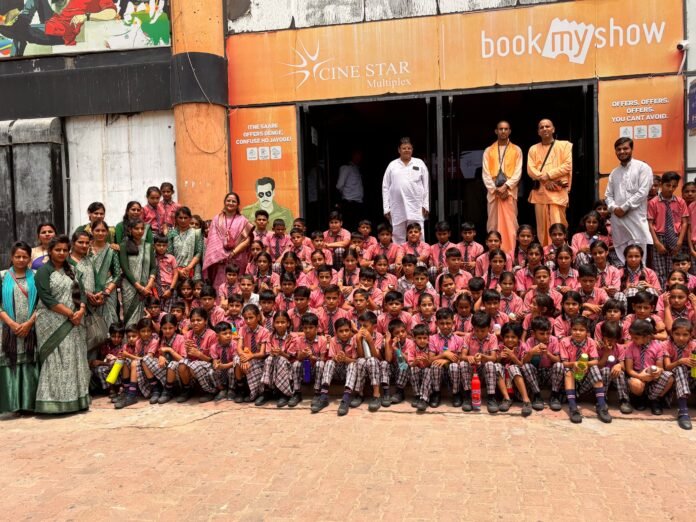
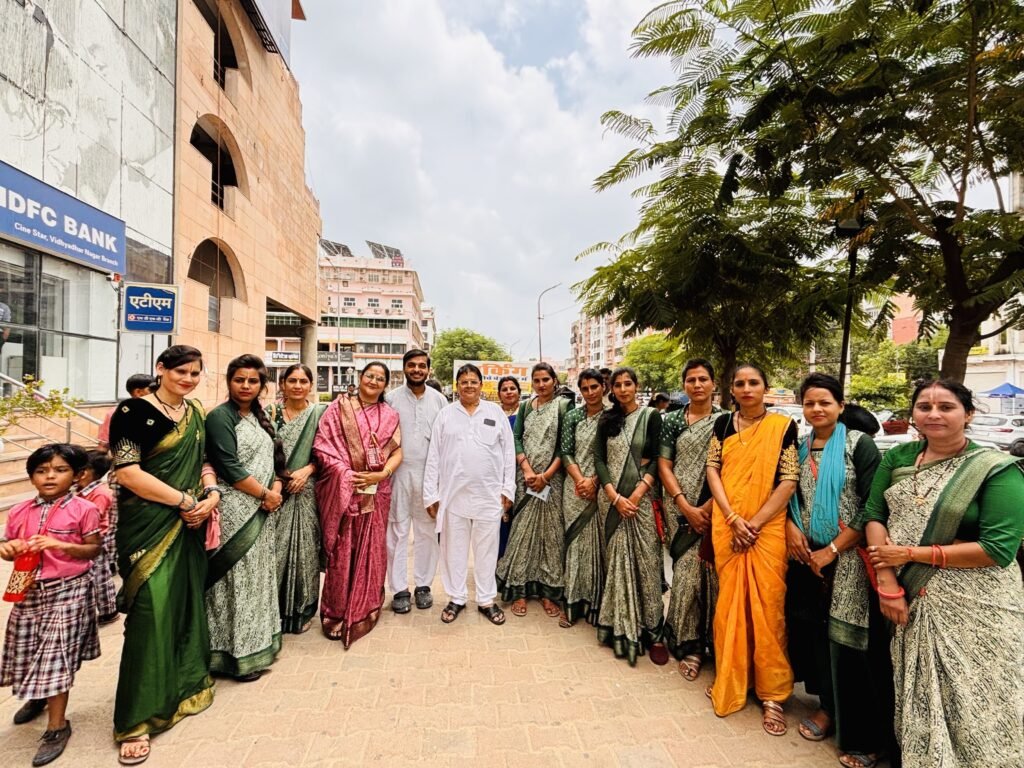
In a special morning show at a cinema hall in Vidyadhar Nagar, the children of Jaipur, along with their parents and teachers, came together to watch the spiritually uplifting film Mahavatar Narasimha. This initiative aimed to connect children with Indian culture, devotion, and character-building values.

Divine Ambience Created Through Bhajans and Dance

On this special occasion, devotees from the Gupt Vrindavan Dham in Jagatpura joined the children in the theatre. Through soulful kirtans, bhajans, and devotional dance performances, they infused the atmosphere with spiritual energy. They gently explained the teachings of Prahlad Maharaj—his unwavering devotion, fearlessness, and surrender to the divine.

'Mahavatar Narasimha' Mesmerises Jaipur Students With its Brilliant Storytelling and Direction

A Cinematic Achievement in Animation

The film Mahavatar Narasimha is being widely praised both in India and abroad. Recognized as a remarkable achievement in the field of animation, it has been viewed by lakhs of people and is considered extremely beneficial for children. Leading newspapers and critics have described it as a powerful presentation that deeply connects with Sanatan Dharma and Indian heritage.

Inspiring Children with Moral and Spiritual Ideals

The purpose of the event was to link children with mythological role models and kindle an interest in moral values and spirituality. Both educators and parents appreciated the initiative, describing it as essential for the holistic development of children.

Tourism Boom in Western Rajasthan: Where Numbers Dance with Culture

0

In the heart of India’s desert realm, where golden sands whisper ancient tales and folk melodies drift with the wind, a quiet surge is making headlines—not just in travel brochures, but in data charts and global tourism reports. Western Rajasthan, long celebrated for its cultural soul, is now emerging as a tourism magnet, drawing millions with its timeless charm and vibrant experiences.

But this isn’t just a story of beauty—it’s a story of numbers. And in 2024, those numbers sang louder than ever.

Jaisalmer: The Crown Jewel of Desert Tourism

Jaisalmer, the city of golden fortresses and endless dunes, led the tourism parade with a staggering 22,416,810 domestic tourists and 161,884 foreign visitors. That’s not just footfall—it’s a cultural pilgrimage.

Every grain of sand here seems to echo with stories. From the majestic Sonar Quila to the haunting melodies of Manganiyars, Jaisalmer offers a sensory feast. And the world is listening.

Tourism Boom in Western Rajasthan: Where Numbers Dance with Culture

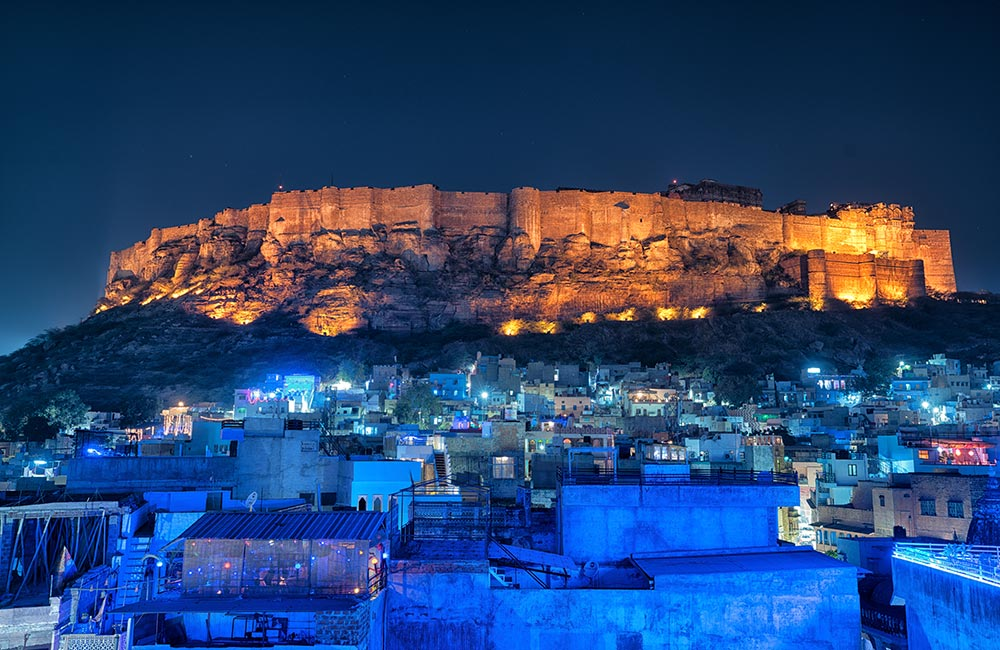
Jodhpur: Where Blue Walls Beckon Millions

The “Blue City” of Jodhpur, with its indigo homes and towering Mehrangarh Fort, welcomed:

  • 25,06,560 domestic tourists
  • 2,03,945 foreign tourists

Its rural outskirts—Salawas, Chopasni, Phalodi—added another 4,76,150 domestic and 3,545 foreign travelers to the tally. These numbers reflect more than curiosity—they reflect connection. Tourists aren’t just visiting; they’re immersing.

Tourism Boom in Western Rajasthan: Where Numbers Dance with Culture

Bikaner: The Desert’s Regal Gateway

Bikaner, known for its camel festivals and ornate havelis, saw:

  • 63,54,899 domestic tourists
  • 71,079 foreign tourists

Here, the desert isn’t barren—it’s regal. The city’s Usta art, Junagarh Fort, and bustling bazaars offer a royal welcome to every traveler.

Tourism Boom in Western Rajasthan: Where Numbers Dance with Culture

Barmer: The Soulful Surprise

Often overlooked, Barmer emerged as a quiet contender with:

  • 34,65,028 domestic tourists
  • 249 foreign tourists

Though the foreign numbers are modest, the domestic surge speaks volumes. Barmer’s folk music, rustic charm, and authentic village life are beginning to resonate with Indian travelers seeking depth over dazzle.

Tourism Boom in Western Rajasthan: Where Numbers Dance with Culture

What the Numbers Reveal

These figures aren’t just statistics—they’re stories of transformation:

  • A shift from urban to rural tourism.
  • A growing appetite for cultural immersion.
  • A rising trust in Rajasthan’s hospitality and safety.

Western Rajasthan is no longer just a seasonal escape—it’s a year-round destination, blending heritage with heart.

Infrastructure Meets Intuition

Behind the boom lies thoughtful planning. Improved roads, curated experiences, homestays, and government initiatives have turned remote villages into global attractions. The Rajasthan Tourism Department’s strategic push, including partnerships with UNESCO, has amplified the region’s visibility.

A Magnet for the World

From backpackers tracing desert trails to luxury travelers seeking royal retreats, Western Rajasthan caters to all. Its appeal lies not just in what it shows—but in how it makes you feel. In Western Rajasthan, tourism isn’t just growing—it’s glowing. The region has mastered the art of turning tradition into attraction, and the world is responding with its footsteps. As the sun sets over the dunes and the folk songs rise with the breeze, one thing is clear: Western Rajasthan isn’t just a place to visit—it’s a place to remember. And now, the numbers agree.

A Temple Built from Bottles: The Eco-Friendly Marvel of Wat Lan Kuad

0

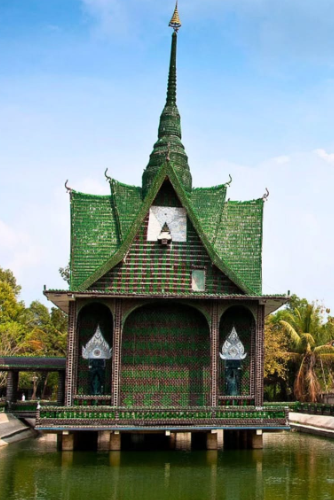
Across continents, temples dazzle with their unique architecture and sacred aura. From the intricately sculpted Khajuraho in India to the tranquil, golden elegance of Japan’s Kinkaku-ji, each sanctuary offers a window into spiritual artistry. But tucked away 500 kilometers from Bangkok, Thailand, stands a temple that reimagines spiritual spaces through sustainable creativity—Wat Pa Maha Chedi Kaew, affectionately known as Wat Lan Kuad or the “Temple of a Million Bottles.”

A Temple Built from Bottles: The Eco-Friendly Marvel of Wat Lan Kuad

From Litter to Landmark: The Birth of an Eco-Wonder

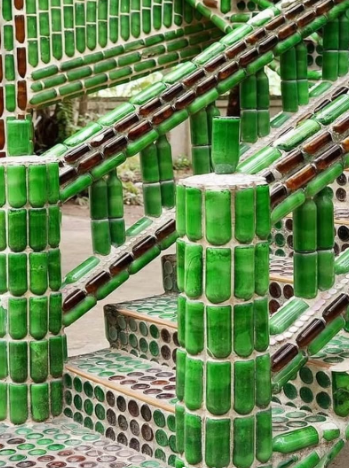
In 1984, the monks of this modest Buddhist temple were stirred by the growing waste around their community. Green Heineken and brown Chang bottles littered the landscape, disrupting its serenity. Instead of ignoring the problem, the monks proposed a solution that transformed refuse into reverence.

Building with Bottles: An Architectural Revolution

With determination and support from locals, the monks amassed over 1.5 million bottles. These recycled treasures were woven into a dazzling temple complex featuring prayer halls, monks’ quarters, a crematorium, and even a water tower. Walls gleamed with embedded glass, and Buddha mosaics crafted from bottle caps adorned sacred spaces.

A Temple Built from Bottles: The Eco-Friendly Marvel of Wat Lan Kuad

A Beacon of Sustainability and Spirituality

Wat Lan Kuad stands tall not just as a place of worship but as a symbol of eco-innovation. Bottles still pour in from all corners of Thailand, growing the temple’s footprint and reinforcing its message of mindful construction.

Tourist Magnet and Environmental Icon

Visitors from around the globe marvel at its shimmering walls and the ingenuity behind them. The temple is now one of Thailand’s most visited landmarks, helping boost local tourism while promoting environmental consciousness.

A Temple Built from Bottles: The Eco-Friendly Marvel of Wat Lan Kuad

A Sacred Jewel with a Green Soul

Among Thailand’s majestic temples, Wat Lan Kuad shines uniquely—an embodiment of how creativity, faith, and care for the planet can harmonize into something truly divine

Pan Shop To Published Author: Pintu Pohan’s Inspiring Journey of Resilience and Creativity A Dream Forged in Adversity

0

In the bustling lanes of Kolkata’s Behala, where the aroma of betel leaves mingles with the city’s vibrant chaos, Pintu Pohan, a 47-year-old pan shop owner, has crafted an extraordinary tale of grit and passion. Proving the age-old adage, “Jahan chah hai, wahan raah hai” (Where there is a will, there is a way), Pohan has transformed his modest pan shop into a desk of dreams, authoring over 12 Bengali novels, 200 short stories, and numerous poems. His story is a testament to the indomitable human spirit, showing that even the humblest circumstances can nurture remarkable achievements.

The Pan Shop That Became a Literary Hub

Pintu Pohan’s journey began in 1998 with a meager savings of ₹1,500, which he used to set up his small pan shop. Far from being just a place to sell betel leaves, this tiny stall became the cradle of his literary aspirations. Amidst the clatter of customers and the demands of his trade, Pohan penned his stories, using the counter of his shop as both a workspace and an inspiration. His works, rich with the textures of everyday life, have found a place in some of Bengal’s most prestigious literary magazines, earning him recognition as a published author.

Defying Odds with Determination

Pohan’s path was far from easy. Battling poverty, physical ailments like chronic back and neck pain, and the relentless demands of running a small business, he refused to let adversity dim his dreams. Alongside managing his shop, Pohan pursued computer classes and a language diploma, showcasing his relentless drive for self-improvement. His writings reflect the world around him—stories of ordinary people, their struggles, and their resilience, drawn from the vibrant tapestry of Kolkata’s streets. For Pohan, writing is not just an art; it’s a way to immortalize the human experience.

A Philosophy of Perseverance

“Poverty is not a crime; giving up on life is,” Pohan firmly believes. His life embodies this philosophy, as he continues to balance his dual roles as a shopkeeper and a writer with unwavering determination. Each novel, story, and poem is a triumph over the odds, a reminder that passion can illuminate even the darkest of nights. Pohan’s journey inspires countless others, proving that dreams are not bound by circumstance but fueled by the courage to pursue them.

A Beacon of Hope

Pintu Pohan’s story is more than just a literary success; it is a powerful narrative of hope, resilience, and the transformative power of perseverance. From the confines of a small pan shop in Behala, he has woven tales that resonate far beyond, reminding us that where there is a will, there is indeed a way. His life and work stand as an inspiration to dreamers everywhere, showing that no obstacle is too big when the heart is set on creating something extraordinary.

Revolutionary AI Innovation Unveiled at Solar & Storage Expo 2025: Kerala Students Introduce ‘Talk to Write’s

0

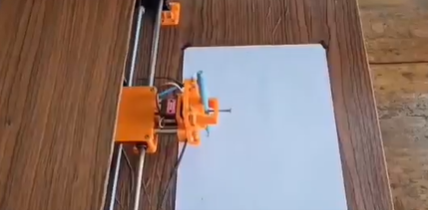
A Breakthrough in Accessibility and Automation, Blending AI, Robotics, and Creativity In a remarkable display of innovation, a team of students from Kerala has captured the spotlight at the Solar & Storage Expo 2025, held in Kerala, with their groundbreaking invention, Talk to Write. Led by Ajay, the team—comprising Aparna Hari, Roobak Hari Nair, and Akash G Nair—has developed an AI-powered system that seamlessly converts spoken words into handwritten text, leaving audiences in awe. This fusion of cutting-edge software, hardware, and creative ingenuity is poised to transform education, accessibility, and note-taking automation.

The Genesis of Talk to Write

The Talk to Write system, built on Raspberry Pi and Arduino platforms, represents a pioneering leap in voice recognition and mechanical handwriting technology. The system listens to a user’s spoken words, converts them into digital text using advanced speech-to-text algorithms, and then transcribes them into handwritten form through a robotic mechanism. Essentially, it acts as a “robotic writer,” mimicking human handwriting with precision and efficiency.Ajay credits the brilliance and collaborative spirit of his team for bringing this visionary idea to life. Their project not only showcases technical prowess but also highlights the potential for technology to bridge gaps in accessibility and productivity. The system’s applications are vast, with the team emphasizing its utility in education, professional settings, and assistive technology for individuals with hearing or writing challenges.

Platform for Innovation: Solar & Storage Expo 2025

The Solar & Storage Expo 2025, Kerala’s largest gathering of solar and storage professionals, provided the perfect stage for the unveiling of Talk to Write. This year’s event, which includes the co-hosted State Leadership Meet, brought together over 175 conference attendees, including key policymakers, government officials, project investors, developers, EPC and system integrators, equipment manufacturers, financial advisors, and consulting firms. The expo highlighted advancements in solar-hybrid systems, floating solar, open-access projects, and commercial and industrial (C&I) applications, making it an ideal venue for showcasing innovative technologies like Talk to Write.The event underscored Kerala’s growing prominence as a hub for renewable energy and technological innovation, with stakeholders from across the solar and storage sectors engaging in meaningful discussions about the future of sustainable technology. The inclusion of Talk to Write in this prestigious forum highlights the synergy between renewable energy and cutting-edge AI solutions, signaling a bright future for interdisciplinary innovation.

The Future of Talk to Write

The potential applications of Talk to Write are as diverse as they are impactful. In educational settings, it could revolutionize how students take notes, allowing them to focus on learning rather than writing. In professional environments, it offers a streamlined approach to documentation, enabling users to dictate reports, annotate data, or create handwritten records effortlessly. For individuals with disabilities, the system promises greater independence, making communication and documentation more accessible than ever before.As the Talk to Write team continues to refine their invention, the possibilities for scalability and integration into everyday devices are endless. With its foundation in affordable, open-source platforms like Raspberry Pi and Arduino, the system is both cost-effective and adaptable, paving the way for widespread adoption.

A Glimpse into the Future

The Talk to Write system is more than just a technological marvel; it’s a testament to the power of young minds to address real-world challenges through innovation. By blending AI, robotics, and a commitment to accessibility, Ajay and his team have created a tool that could reshape how we interact with written language. As the Solar & Storage Expo 2025 continues to spotlight groundbreaking ideas, Talk to Write stands out as a beacon of creativity and progress, inspiring a new generation of innovators to push the boundaries of what’s possible.