Home Blog Page 212

Independence Day 2025: Here comes Wishes, Posters and Quotes To Share With Family and Friends

0

Independence Day Wishes 2025: As India prepares to mark its 79th Independence Day on August 15, our hearts are filled with joy and pride for our nation. On this day, the Prime Minister hoists the flag at Red Fort, followed by parades and cultural events. Indians celebrate this day by honouring the sacrifices of our freedom fighters. Here are wishes, quotes and messages to share with your family, friends and close ones this Independence Day.

79th Independence Day wishes To share on August 15th 2025

Let’s remember the sacrifices made for our freedom and celebrate with joy. Happy 15th August!

Happy Independence Day! Hope this day brings unity and prosperity to all of us!

Happy Independence Day to everyone! May we never forget our leaders who sacrificed their lives to free our country from British rule!

May this Independence Day inspire us to take a step forward and free ourselves from poverty, inequality, and unemployment. Happy Independence Day!

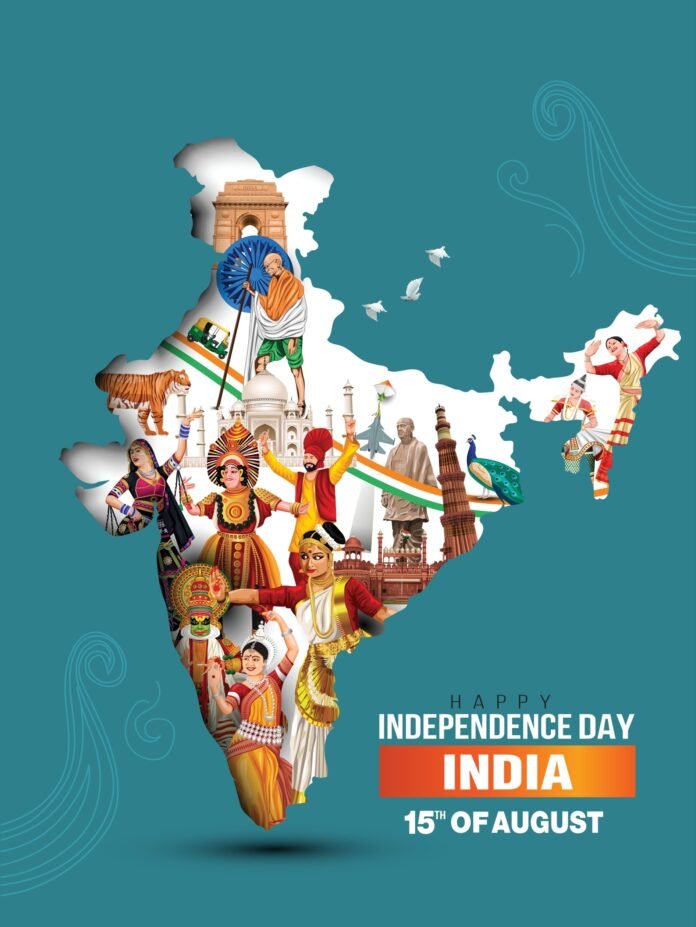
Independence Day 2025: Here comes Wishes, Posters and Quotes To Share With Family and FriendsIndependence Day in India is celebrated on August 15. (AI generated image)

On this special day, let’s honor our heroes and cherish the freedom we enjoy. Happy Independence Day!

Freedom is the essence of our nation. Celebrate it with joy and pride. Happy Independence Day!

May the tricolour always fly high in your heart. Happy Independence Day!

Happy Independence Day Status to share on WhatsApp

Independence Day 2025: Here comes Wishes, Posters and Quotes To Share With Family and FriendsHappy Independence Day 2025 Celebrations: Wishes, Quotes, Images, Pictures, Messages and WhatsApp Greetings to Share with loved ones. (Image: Shutterstock)

United we stand, proud we rise. Have a day full of pride, honour, and joy. Happy Independence Day!

May our country continue to flourish and celebrate many more years of independence. Happy Independence Day to all!

Freedom is a hard-won gift, and we are blessed to have it. Let’s appreciate and celebrate our freedom. Happy Independence Day!

The future, progress and development of our great country depend not only on technological advancements but also on building social cohesion and trust. Happy Independence Day!

India Independence Day SMS to share with friends and family

Our freedom was earned with blood, sweat, and sacrifice. Celebrate it with pride.

Let us salute today the bravery of our freedom fighters. I wish you a happy Independence Day!

Our forefathers taught us to keep our heads high. Let us live our lives with dignity and have the will to protect the peace and essence of our nation.

Independence Day Quotes to share on 2025

Independence Day 2025: Here comes Wishes, Posters and Quotes To Share With Family and FriendsIndependence Day 2025 Wishes In Hindi: Let’s honour the sacrifices made for our freedom. Together, we build a stronger India. (Image: Shutterstock)

“I am proud of my country, India, for having a constitution that enshrines principles of democracy, socialism, and secularism.” – BR Ambedkar.

“At the stroke of the midnight hour, when the world sleeps, India will awake to life and freedom.” – Jawaharlal Nehru.

“If yet your blood does not rage, then it is water that flows in your veins. For what is the flush of youth, if it is not of service to the motherland.” – Chandra Shekhar Azad.

“You may chain me, you may torture me, you may even destroy this body, but you will never imprison my mind.” — Mahatma Gandhi

“It is easy to kill individuals, but you cannot kill the ideas. Great empires crumbled, while the ideas survived.” – Bhagat Singh.

Independence Day 2025: Why Pakistan Celebrates Youm-e-Azadi on 14 August

0

This year marks 78 years since India and Pakistan gained independence from British rule. Both nations will celebrate their 79th Independence Day — India on 15 August, and Pakistan a day earlier, on 14 August. While India calls it Independence Day, in Pakistan it is known as Youm-e-Azadi.

Meaning of Youm-e-Azadi
The term Youm-e-Azadi is simply the Urdu phrase for Independence Day. In Urdu, Yaum means “day” and Azadi means “freedom.” When both countries became independent in 1947, Pakistan initially observed Independence Day on 15 August, the same as India. However, the tradition later changed.

Why Pakistan Chose a Different Date
According to documents in the National Documentation Center of Islamabad’s Cabinet Division, a meeting chaired by Prime Minister Liaquat Ali Khan on 29 June 1948 in Karachi proposed shifting Pakistan’s Independence Day to 14 August. The final approval came from Mohammad Ali Jinnah, cementing the change.

How Pakistan Celebrates
On 14 August, Pakistan marks the day with flag hoisting, parades, cultural programs in schools and colleges, and streets and homes decorated with green and white flags. The spirit of celebration mirrors India’s 15 August festivities — only the date and national colors differ.

Five Flags, One Date: August 15 Has A Global Significance As Five Countries Celebrate I-Day on Same Date

0

India will celebrate its 79th Independence Day on Friday, with Prime Minister Narendra Modi set to unfurl the national flag at the Red Fort in New Delhi. This will be PM Modi’s 12th consecutive Independence Day address and his second since beginning his third consecutive term in office.

India gained independence from British colonial rule on August 15, 1947, after more than two centuries of foreign domination. The freedom struggle was marked by the sacrifices of countless revolutionaries, including Mahatma Gandhi, Bhagat Singh, Chandrashekhar Azad, Netaji Subhas Chandra Bose, Sukhdev, and Rajguru, among others.

Interestingly, India shares its Independence Day date with several other nations:

The Independence Day celebrations in India will also feature cultural programmes, parades, and tributes to the nation’s freedom fighters, reflecting both the pride and responsibility that come with sovereignty.

Muthuvan Tribe: Know Its Social Structure, Religious Beliefs

0

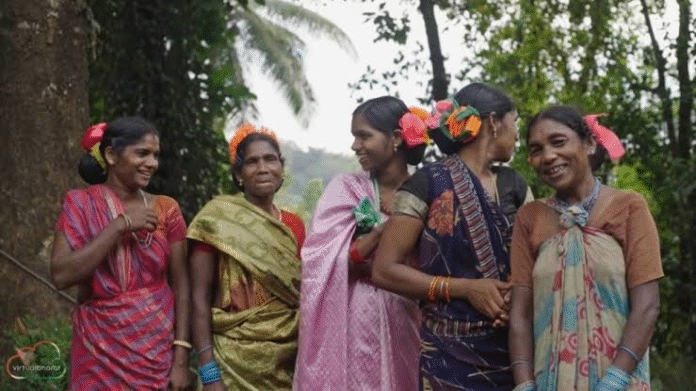
The Muthuvan tribe, residing along the Kerala-Tamil Nadu border hills, recently held community convention. The event focused on preserving their language, culture, and traditional knowledge. Over 2,000 members and 130 village heads, known as Kanis, participated. The gathering reaffirmed their commitment to coexist peacefully with forests and wildlife while adapting to modern changes.

Geographical Location and Language

The Muthuvans inhabit the hill forests between Kerala and Tamil Nadu. They are divided into two groups – Malayalam Muthuvan and Pandi Muthuvan. Each group speaks a slightly different dialect. This linguistic variation reflects their distinct cultural identities within the tribe.

Social Structure and Governance

The tribe is organised into six clans called Koottams. Each Koottam has sub-clans that regulate marriage alliances and social status. The Muthuvans practise community endogamy and clan exogamy. Their villages are governed by the ‘Kani System’, where a Kani leads the community and enforces traditional laws. Punishments exist for violating customs and moral codes.

Religious Beliefs

Muthuvans follow animism and spirit worship. They honour forest deities and ancestral spirits. The belief is that their ancestors were the first settlers of the hill forests. Their faith deeply connects them to nature and the environment around them.

Traditional Livelihood and Agriculture

Their main occupation is shifting cultivation, locally called Virippukrishi. They grow a variety of food crops for personal use, including ragi (little millet), maize, Italian millet, varagu, and chama rice. Vegetables like tomato, carrot, sweet potato, and potato are also cultivated. This sustainable farming supports their self-sufficiency and forest conservation.

Cultural Preservation

The Muthuvan Adivasi Samudaya Sangam organises events to protect tribal language and customs. The recent three-day conference near Suryanelli was part of the International Day of the World’s Indigenous Peoples. The community agreed to maintain their language in daily communication and respect the guidance of elder Kanis. They also expressed readiness to adapt to new world realities while preserving traditions.

Forest Conservation

Muthuvan tribal heads possess deep knowledge of local forests and wildlife. Their traditional wisdom has contributed to protecting the Kanan Devan Hills. The community lives in harmony with nature, ensuring sustainable use and protection of natural resources.

Community and Educational Initiatives

The convention included discussions on tribal education and farming improvements. Cultural processions and traditional attire brought into light their rich heritage. Officials from tribal development and wildlife departments participated, showing government support for tribal welfare and environmental conservation.

Best Virtual Numbers for Verifying Apps

0

In a world where almost every online service—from social media to banking—requires phone verification, virtual numbers have become a game-changer. Whether you’re creating multiple accounts, protecting your privacy, or verifying Apps while traveling, a virtual number lets you bypass the hassle of using your personal phone number.

However, with numerous providers in the market, how do you select the best virtual numbers for App verification? Let’s explore what they are, why they’re useful, and which features to look for.

What Is a Virtual Number for App Verification?

A virtual number is a phone number that’s not tied to a physical SIM card. It works entirely online, allowing you to send and receive SMS or even make calls through an App or web interface. When verifying Apps, a virtual number acts as a temporary or long-term solution to receive confirmation codes without exposing your real phone number.

Best Virtual Numbers for Verifying Apps

Why Use a Virtual Number for App Verification?

Using a virtual number offers multiple advantages:

  • Privacy protection. Keep your personal number safe from spam or data leaks.
  • Multiple accounts. Easily create and verify multiple App profiles.
  • Global access. Verify Apps from anywhere, even if the service is not available in your region.
  • Cost efficiency. No need for multiple SIM cards or roaming charges.
  • Convenience. Get verification codes instantly, wherever you are.

How Virtual Numbers Work for App Verification

Using a virtual number to verify an App is surprisingly simple—and much faster than most people expect. Here’s a step-by-step breakdown of the process:

  1. Choose a reliable provider. Start by selecting a platform that offers temporary or permanent virtual numbers, depending on your needs. Temporary numbers are great for one-time signups, while permanent ones are better for long-term access, such as managing business accounts or recurring logins.
  2. Select the country or region. Some Apps—especially banking, e-commerce, or ride-hailing services—require a local phone number to verify your account. A good provider will give you the option to pick from a wide range of countries so you can bypass these restrictions easily.
  3. Enter the number in the App. When signing up or verifying your account, type in the virtual number just as you would with a regular mobile number. The App will then send a verification code via SMS.
  4. Receive the verification code instantly. This is where the magic happens—you can receive SMS directly in your provider’s dashboard, website, or mobile App. There’s no need for a SIM card or physical device; the messages appear online within seconds.
  5. Complete the verification. Copy the code from the provider’s interface, paste it into the App’s verification field, and you’re done. Your account is now verified without ever revealing your personal phone number.

With platforms like receive sms from eSIM Plus, the entire process takes less than a minute, making it one of the fastest and most secure ways to verify any App, no matter where you are in the world.

Best Use Cases for Virtual Numbers

Virtual numbers are useful for verifying a wide range of Apps, including:

  • Messaging Apps: WhatsApp, Telegram, Signal;
  • social media: Facebook, Instagram, TikTok;
  • e-commerce platforms: Amazon, eBay;
  • ride-hailing Apps: Uber, Bolt, Lyft;
  • banking & fintech Apps: Revolut, Wise, PayPal;
  • travel & booking Apps: Airbnb, Booking.com.

Whether for work, travel, or privacy, virtual numbers ensure you never have to share your personal line.

Top Features to Look for in the Best Virtual Numbers

When choosing a provider, focus on:

  1. Instant activation. No waiting for number setup.
  2. Wide country selection. Ability to choose numbers from multiple regions.
  3. Reliable SMS delivery. Fast, guaranteed code reception.
  4. Affordable rates. Pay only for what you use.
  5. Security. Encrypted SMS access and privacy protection.
  6. Compatibility. Works with most verification systems.

eSIM Plus offers fast, secure, and affordable virtual numbers for App verification. With global coverage and an easy-to-use platform, you can activate a number instantly and receive SMS codes in real time.

Their temporary numbers are perfect for one-time verifications, while permanent options give you ongoing access for business or personal use. Plus, you can pair virtual numbers with their eSIM technology for full mobile flexibility. Tips for successful App verification with virtual numbers:

  • Choose the right country. Some Apps require local numbers for activation.
  • Use a fresh number. Avoid numbers previously banned on a platform.
  • Check SMS delivery speed. Delays can cause verification timeouts.
  • Consider long-term plans. If you’ll need recurring verifications, a permanent number may be better.

Virtual numbers are no longer just a niche tool for tech-savvy users—they’re becoming essential for anyone who values privacy, flexibility, and efficiency online. Whether you’re verifying a messaging App, creating multiple accounts, or protecting your personal data, the right virtual number can make the process smooth and secure.

If you want instant access, worldwide coverage, and a simple way to receive sms for any App verification, eSIM Plus is one of the best solutions in 2025. Stay private. Stay connected. Stay verified—anywhere in the world.

https://ru.files.fm/u/tbs43r4qxk

Chrome Ka Saudagar: Aravind Srinivas’s ₹3 Lakh Crore Challenge to Google’s Empire

0

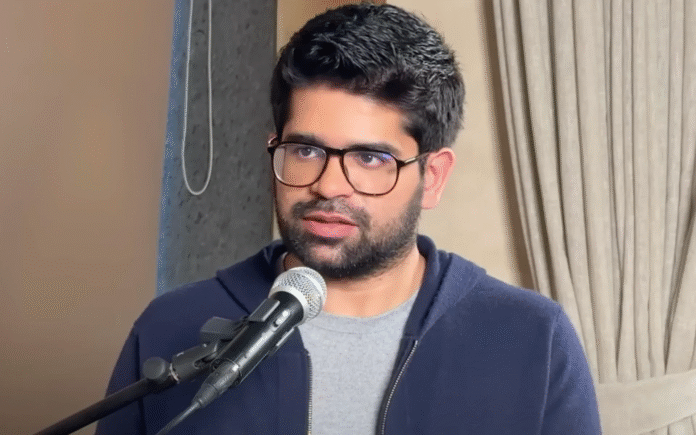
In a seismic twist that’s shaking Silicon Valley to its core, the audacious three-year-old startup Perplexity AI, helmed by Indian-origin disruptor Aravind Srinivas, has hurled a ₹3 lakh crore thunderbolt at tech titan Alphabet Inc.—offering to buy none other than its crown jewel: Google Chrome

A Bold Bid to Reshape the Internet

Perplexity AI, just three years old, has reportedly secured ₹70,000 crore in funding from major investors including Nvidia and SoftBank, among others. The startup aims to capitalize on a rare opportunity created by legal turbulence surrounding Alphabet’s dominance in online search. Last year, a U.S. court ruled that Alphabet’s monopoly in search was unlawful, prompting the Department of Justice to demand divestment of key assets—most notably, Google Chrome. While Alphabet has not officially agreed to sell Chrome, Perplexity’s offer is seen as a strategic attempt to preempt regulatory pressure.

Legal Storm and Strategic Moves

Alphabet is currently preparing to appeal the court’s decision, but if forced to divest, Chrome could become the most significant tech asset ever put on sale. Perplexity’s valuation would need to skyrocket to meet the financial demands of such a deal. This isn’t the first time Perplexity has made headlines with bold proposals. In January, the company offered to acquire TikTok’s U.S. operations, suggesting a merger with its own platform to counter rising regulatory scrutiny.

The Srinivas Strategy

Aravind Srinivas, the visionary behind Perplexity, is known for his aggressive and unconventional tactics. His latest move signals a desire to redefine how users interact with the internet—by owning the gateway itself. Whether Alphabet accepts the offer or not, one thing is clear: Perplexity AI is no longer just a startup—it’s a disruptor with global ambitions.

Kerala’s Startup Revolution Empowering Youth and Driving Innovation

0

Kerala, often celebrated for its lush landscapes and high literacy rates, is now making waves as a hub for innovation and entrepreneurship. The state government’s proactive initiatives, particularly through the Innovation and Entrepreneurship Development Centres (IEDCs), are fostering a vibrant startup ecosystem that empowers students and young entrepreneurs. According to the World Economic Forum, these efforts have created a diverse and inclusive platform, enabling individuals from urban, semi-urban, and rural areas to transform their ideas into successful ventures. This article explores how Kerala is nurturing a culture of innovation and entrepreneurship, paving the way for a startup boom that is reshaping the state’s economic landscape.

Building a Robust Foundation for Innovation

The backbone of Kerala’s startup revolution lies in its network of over 530 IEDCs established across colleges statewide. These centres serve as incubators for creativity, providing students with the tools, resources, and mentorship needed to explore their ideas, develop products, and launch businesses. By offering a structured platform, IEDCs encourage students to think beyond traditional career paths and embrace entrepreneurship as a viable avenue for success.The state government’s commitment to fostering innovation is evident in its inclusive approach. Unlike many startup ecosystems that focus solely on urban hubs, Kerala’s model extends to rural and semi-urban areas, ensuring equitable opportunities for all. This inclusivity has democratized access to resources, enabling young innovators from diverse backgrounds to contribute to the state’s entrepreneurial landscape.

KSUM: Catalyzing Startup Growth

At the heart of Kerala’s startup ecosystem is the Kerala Startup Mission (KSUM), which plays a pivotal role in planning, establishing, and managing technology business incubators and accelerators. KSUM’s initiatives provide startups with critical support, including funding, mentorship, and access to co-working spaces. Programs like LEAP Co-works have been instrumental in empowering young entrepreneurs in smaller towns and villages by offering affordable workspaces, financial assistance, and guidance.By bridging the gap between academic institutions and the startup ecosystem, KSUM ensures that students gain hands-on experience and practical knowledge. This collaboration allows aspiring entrepreneurs to learn from industry experts, refine their ideas, and navigate the challenges of building a business. The result is a dynamic environment where innovation thrives, and young minds are equipped to turn their visions into reality.

Empowering Youth and Boosting the Economy

Kerala’s startup ecosystem is not just about fostering innovation; it’s also a significant driver of economic growth. Startups in the state are creating jobs, stimulating local economies, and introducing groundbreaking products and services. By encouraging students and young professionals to pursue entrepreneurship, Kerala is cultivating a generation of problem-solvers who are addressing real-world challenges through innovative solutions.The state’s emphasis on inclusivity ensures that opportunities are not limited to a privileged few. From tech-driven startups in urban centers to agro-based ventures in rural areas, Kerala’s ecosystem supports a wide range of industries. This diversity strengthens the state’s economy and positions it as a leader in India’s startup landscape.

A Vision for the Future

Kerala’s startup revolution is a testament to the power of vision, collaboration, and perseverance. By investing in its youth and creating an environment where ideas can flourish, the state is building a sustainable future driven by innovation. The government’s efforts, coupled with the enthusiasm of young entrepreneurs, are transforming Kerala into a global hub for startups. As the state continues to expand its IEDC network and strengthen initiatives like KSUM and LEAP Co-works, the possibilities for growth are limitless. Kerala is not just nurturing startups; it is inspiring a movement where dreams are turned into reality, and challenges are met with creative solutions. In the words of a popular Hindi proverb, “Jahaan chah wahan raah” (Where there is a will, there is a way). Kerala’s startup ecosystem embodies this spirit, proving that with determination and support, young innovators can achieve extraordinary success. As the state continues to promote entrepreneurship, it is paving the way for a brighter, more innovative future for all.

Positivity in the Fight Game: How Muay Thai Analysis Reminds Us That Every Setback Has a Story

0

In the world of Muay Thai, victory is often celebrated in bright lights while losses fade into quiet corners. Yet for those who watch closely, each match—whether a triumph or a defeat—tells a richer story. It is not only about who had the better strikes or stamina, but also about the lessons carried out of the ring. The most inspiring part is how fighters turn setbacks into motivation for their next challenge.

That is where tools like https://www.thsport.live/muay-analyst/ come into play. They give fans a deeper look at the technical side of matches, showing how every fight is an opportunity to grow. By breaking down moves, timing, and strategies, such analysis highlights the resilience that lives in both winners and those who walk away without the trophy.

Photo by Franco Monsalvo

Lessons from the corner

A Muay Thai fighter’s corner is more than a physical space. It is where strategy meets encouragement, where voices remind fighters that the next round is a new chance. In life, our own “corners” can be family, friends, or mentors who see potential even when we stumble.

Fight analysis often shows moments when a boxer adjusts mid-bout after hearing their corner’s advice. It is a reminder that setbacks do not need to be permanent. They can be a signal to tweak our approach, just like a fighter changes stance or tempo to shift momentum.

How analysis turns mistakes into tools

When a fighter misses a strike or fails to defend a kick, it is captured and studied. Analysts look at what went wrong, but also at the opportunity it creates. Was the timing off? Did the opponent read the move? By asking these questions, fighters get a roadmap for improvement.

In everyday life, reviewing our own “missed strikes” can do the same. Maybe it was a job interview that did not go as planned, or a goal that stayed out of reach. If we can step back and look at what happened without judgment, we can find small but powerful adjustments for next time.

Resilience is built in rounds

Muay Thai is fought in rounds, and each one is a fresh start. Even if the first round goes badly, the second can be a turning point. This structure naturally builds resilience because fighters know they have more chances ahead.

Life, too, gives us rounds. We have days, weeks, and months to shift our pace. A setback in one project does not mean the entire year is lost. Fight analysis helps reinforce this mindset, showing that momentum can swing and that recovery is part of the journey.

The emotional side of comebacks

Watching a fighter rally after a tough round is one of the most uplifting sights in sports. Analysts often highlight the small wins that lead to these comebacks: a well-placed strike, a shift in footwork, a more focused guard. These moments build confidence and create a ripple effect that can change the match’s outcome.

In our own lives, celebrating small wins matters just as much. Maybe it is making a difficult phone call, finishing a tough workout, or speaking up in a meeting. Each small success after a setback is a personal comeback that builds momentum.

Applying fighter mindset to everyday challenges

There are simple ways to bring this perspective into daily life:

  • Break challenges into rounds so you can focus on small, manageable steps.
  • Review your performance like an analyst would, looking for patterns and areas to improve.
  • Listen to your corner, whether that is advice from friends, colleagues, or mentors.
  • Celebrate the small victories that help you move forward.

By approaching obstacles with the same curiosity and discipline as fighters use in the ring, setbacks become valuable feedback instead of dead ends.

Stories worth telling

The most compelling fight stories are rarely about the scorecards. They are about perseverance, adaptability, and the spirit to keep going. A fighter who returns stronger after a loss is often remembered more fondly than one who wins easily every time.

This is why post-fight analysis is so powerful. It reminds us that every struggle has a backstory. It shows how dedication, self-awareness, and resilience can turn a difficult moment into a future strength.

More than a sport

While Muay Thai is rooted in physical skill and competition, it also reflects universal truths about growth. Everyone faces their own “opponents” in life, whether they are personal challenges, career obstacles, or moments of doubt.

By seeing how fighters and their teams approach setbacks, we can find strategies to help us in our own battles. We learn to focus on progress, not perfection, and to view every misstep as a step toward something greater.

Positivity in the Fight Game: How Muay Thai Analysis Reminds Us That Every Setback Has a Story

Photo by Franco Monsalvo

A final bell, but not the end

In the ring, the final bell signals the end of a match. But for fighters, it is just one chapter. They return to the gym, review the footage, and prepare for the next bout. Losses are not full stops; they are commas in a longer story.

The same is true for us. When a plan does not work out, we can pause, reflect, and keep going. With the right mindset, every setback can be the start of a comeback story worth telling.

Beyond Heeramandi and Kothas to Battlefield: Meet This Real-Life Courtesan Begum Hazrat Mahal Who Freed Lucknow from Brotish Clutches…

0

Heeramandi, a recently released OTT series, captured audiences with its vibrant portrayal of courtesans’ lives, love stories, and struggles. While the on-screen world was rich in music, poetry, and drama, history holds real-life tales where courtesans stepped far beyond the world of entertainment—taking up the mantle of resistance and fighting for the nation’s freedom. Among them stands one name that continues to inspire generations: Begum Hazrat Mahal, the courtesan-turned-rebel queen who challenged the British Empire and etched her place in India’s struggle for independence.

In the dusty lanes of 19th-century Faizabad, few could have imagined that a girl born into poverty, abandoned by her parents, and sold into the courtesan quarters of Lucknow would one day stand as one of India’s fiercest freedom fighters. Yet, Muhammadi Khanam—later known as Begum Hazrat Mahal—did exactly that. She not only defied the British during the First War of Independence in 1857 but also became a rare voice calling for unity between Hindus and Muslims in the fight for freedom.

From Courtesan Quarters to Royal Court


Born in 1820, Muhammadi’s life began in hardship. Orphaned by the age of 12, she was taken in by relatives struggling to make ends meet. One day, a palanquin arrived at her uncle’s home, and with a handful of rupees, she was taken to Chowk—the courtesan district of Lucknow.

There, under strict training in music, dance, Persian, and courtly manners, Muhammadi grew into a graceful and skilled performer. Her beauty and talent eventually caught the attention of Nawab Wajid Ali Shah, ruler of Awadh. Entering his ‘Parikhana’ (royal harem), she rose in favor, earning the name Mehak Pari. The Nawab later married her in a contract marriage, granting her the title Iftikhar-un-Nisha. History would remember her as Begum Hazrat Mahal.

When the British Took Awadh

In 1856, the British East India Company annexed Awadh and exiled Wajid Ali Shah to Calcutta. Before leaving, the Nawab divorced nine of his wives, including Hazrat Mahal. While staying behind in Lucknow, she focused on raising their young son, Birjis Qadr—until 1857 changed everything.

The Woman Who Defied an Empire


When revolt swept across India in 1857, Begum Hazrat Mahal emerged as the leader in Awadh. She declared Birjis Qadr as Nawab and took command of the resistance. Her forces dealt the British stinging defeats in Chinhat and Dilkusha, freeing Lucknow and surrounding districts.

Rulers like Nana Saheb, Raja Jailal, and Raja Mansingh rallied to her side, united under her banner of Hindu-Muslim solidarity. She openly accused the British of dividing communities to weaken India and instead forged a united front that fought shoulder to shoulder.

Her leadership was not confined to palaces—she traveled into rural Awadh and forest strongholds, rallying peasants and soldiers alike. Guerrilla warfare, strategic alliances, and unwavering resolve kept the British at bay for months.

The Last Stand and Exile


Eventually, with key allies like Maulvi Ahmad Shah dead and the British regaining ground, Begum Hazrat Mahal was forced to retreat. Refusing to surrender, she crossed into Nepal, where King Rana Jung Bahadur granted her asylum. She lived quietly until her death in 1879, far from the city she once liberated.

Today, Begum Hazrat Mahal’s story stands as a reminder that the fight for freedom was not only fought by men in uniform but also by women who broke every boundary society set for them. She was a courtesan, a queen, a warrior, and above all, a patriot who dared to dream of an India united beyond religion.

International Youth Day: Know How Young Indians are Driving Mutual Fund Boom: 48% Investors Under 30, Maharashtra Leads

0

India’s youth are becoming financially smarter and more investment-savvy, a trend that gained momentum during the COVID-19 pandemic. When market valuations fell sharply, young Indians rushed into the stock market, leading to a surge in retail participation in indices like Sensex and Nifty. Stock market data shows a significant rise in investors since then — and now, mutual funds are also seeing a youth-led boom.

According to a Share.Market report released on International Youth Day, analysing over 6 lakh mutual fund investors between August 1, 2024, and July 31, 2025, 48% of mutual fund investors are aged 18–30. This reflects a generational shift towards long-term wealth creation rather than short-term savings.

Youth Investment Trends
The data reveals that 95% of Gen Z investors start their mutual fund journey with equity funds, showing a clear preference for high-risk, high-reward opportunities. Most young investors display disciplined and consistent investment habits.

State-wise, Maharashtra (16%), Uttar Pradesh (11%), and Karnataka (8%) lead in youth participation. Notably, 81% of these investors come from B30 (Beyond Top 30) cities such as Jodhpur, Raipur, Visakhapatnam, Gorakhpur, Mysore, Jamshedpur, and Kolhapur — proving that this financial shift is not limited to metro cities.

Investment Patterns

  • 92% of young investors prefer Systematic Investment Plans (SIPs) for long-term wealth building. The average SIP transaction value is ₹1,000 — 18% less than that of investors over 30.
  • 21% opt for lump-sum investments, averaging ₹8,000 per transaction — 30% less than older investors.
  • 70% of under-30 investors hold diversified equity categories like value/contra funds and flexicap funds, while midcap and smallcap funds are also highly popular.

Expert View
Nilesh D Naik, Head of Investment Products at Share.Market (PhonePe Wealth), said, “It is inspiring to see the youth of India taking charge of their finances at such a young age. Healthy investment habits will strengthen their long-term journey and help them become confident, financially literate investors.”

With disciplined SIP contributions and a focus on diversification, India’s youth are laying the foundation for a financially secure future — making them the driving force behind the country’s mutual fund growth