Home Blog Page 208

Matunga’s GSB Mandal Sets New Record Amid Rising Gold Prices and Lavish Infrastructure

0

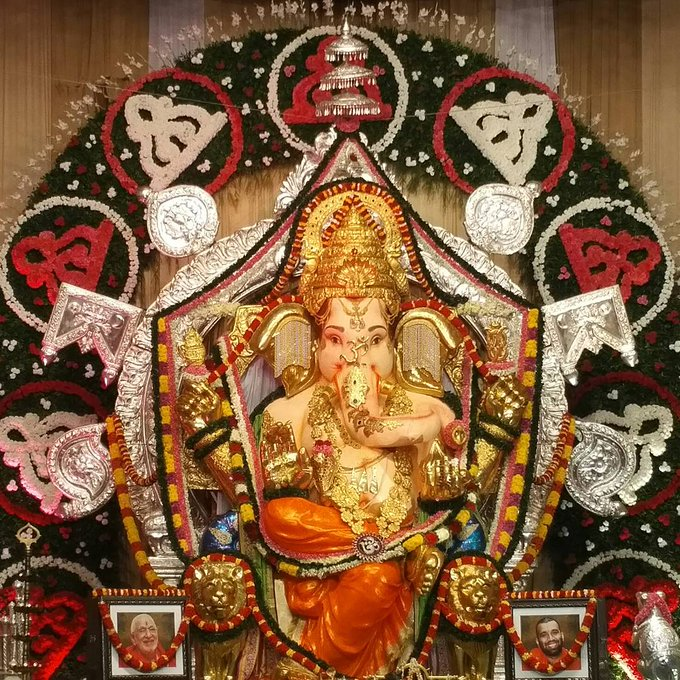
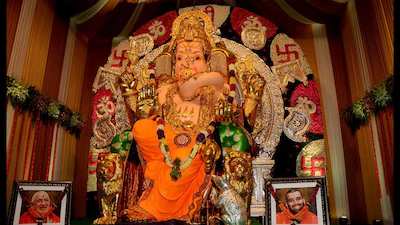
In a dazzling display of devotion and grandeur, Mumbai’s iconic GSV Seva Mandal in Matunga has once again claimed the title of India’s wealthiest Ganesh mandal. This year, the organizers have insured their Ganesh Utsav celebrations for a staggering ₹474.46 crore — a significant leap from last year’s ₹400 crore coverage.

About GSB Foundation

GSB Foundation (India) is a charitable organization inspired by spiritual values. Founded by Nitin A Sharma, it focuses on social welfare, education, and community service. The motto reflects humility: “I am merely an instrument; everything happens by Guru’s will and Krishna’s grace.” GSB Sabha Mumbai is a separate group that supports students from the Gowd Saraswat Brahmin community through scholarships and educational aid.

Why such a massive insurance?

The mandal attributes the increase to: The soaring prices of gold and silver used in the idol and decorations,High-end infrastructure including air-conditioned pandals, digital darshan setups, and crowd management tech Inclusion of high-value cultural assets and celebrity performances

A cinematic celebration

The festival is expected to feature film-inspired themes, elaborate set designs, and appearances by Bollywood stars. With partnerships from gaming platforms like Dream11, the mandal is blending tradition with modern entertainment, drawing massive crowds and media attention.

Security and symbolism

The insurance not only covers physical assets but also ensures protection against unforeseen incidents, reflecting the mandal’s commitment to safety and excellence. GSV’s Ganesh idol, often adorned with real gold and precious stones, is revered not just as a spiritual symbol but as a cultural icon.

India’s Roar Reaches the Stratosphere: Agni-5 Missile Test Marks Historic Leap in Defense

0

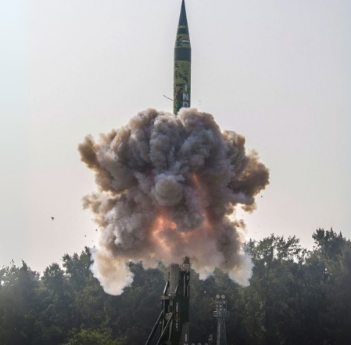
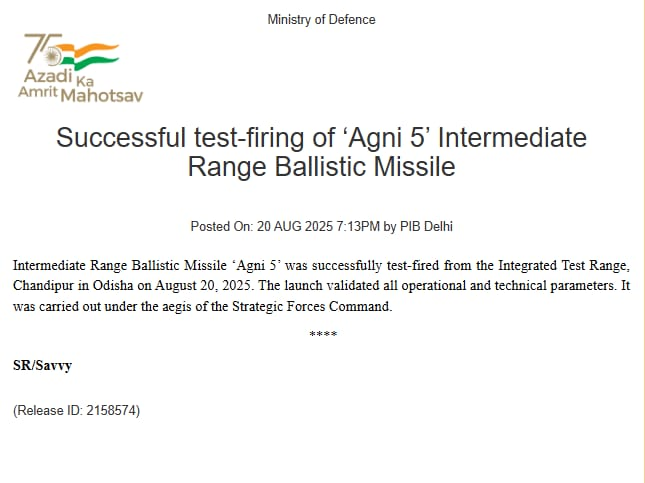
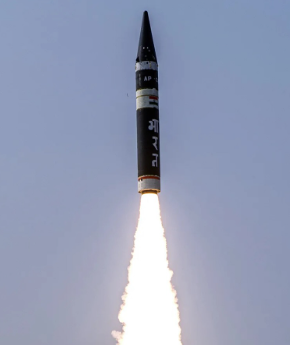
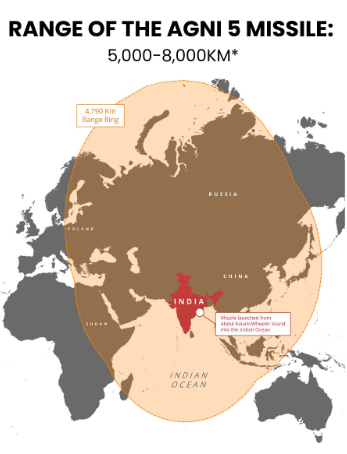
In a thunderous display of technological prowess and strategic resolve, India successfully test-fired its most formidable ballistic missile, Agni-5, from the Integrated Test Range (ITR) in Chandipur, Odisha. The launch, conducted under the aegis of the Strategic Forces Command, validated all operational and technical parameters, marking a defining moment in India’s defense narrative. The Agni-5, an intercontinental ballistic missile (ICBM) with a strike range of over 5,000 kilometers, is capable of reaching the northernmost stretches of China and parts of Europe. Designed by the Defence Research and Development Organisation (DRDO), this three-stage, solid-fuelled missile is a cornerstone of India’s nuclear deterrence strategy.

India’s Roar Reaches the Stratosphere: Agni-5 Missile Test Marks Historic Leap in Defense

Mission Divyastra: A Leap into Multi-Warhead Capability

This test follows the landmark Mission Divyastra in 2024, where Agni-5 was trialed with MIRV (Multiple Independently Targetable Re-entry Vehicle) technology—allowing a single missile to strike multiple targets across vast distances. Though still in developmental stages, MIRV integration signals India’s intent to evolve its strategic capabilities in a rapidly shifting global defense landscape.

India’s Roar Reaches the Stratosphere: Agni-5 Missile Test Marks Historic Leap in Defense

(PC:thetatvaindia)

Canister-Launched, Combat-Ready

Agni-5’s canister-launch system ensures rapid deployment and mobility, allowing it to be fired from road or rail platforms. This feature enhances India’s second-strike capability, reinforcing its commitment to a “No First Use” nuclear doctrine while maintaining credible deterrence.

India’s Roar Reaches the Stratosphere: Agni-5 Missile Test Marks Historic Leap in Defense

A Message to the World

Coming just months after regional tensions and a series of tactical missile tests—including Pralay, Prithvi-II, and Agni-I—this launch sends a clear message: India is prepared, precise, and progressing. Defense analysts view this as a strategic signal to adversaries and allies alike: India’s shield is strong, and its spear is sharper than ever

Switzerland Tops IMD Competitiveness Rankings, India Slips to 41st

0

Switzerland has once again emerged as the world’s most competitive economy, securing the top spot with a perfect score of 100 in the latest IMD World Competitiveness Ranking (WCR) 2025. India, however, has slipped two places to 41st out of 69 economies, reflecting ongoing challenges in infrastructure and economic performance.

Global Leaders

Singapore ranked second with 99.44, followed by Hong Kong at 99.22. Other economies in the top 10 include Denmark, UAE, Taiwan, Ireland, Sweden, Qatar, and the Netherlands.

India’s Performance

India dropped from 39th in 2024 to 41st in 2025.

  • Economic Performance: 27th (down from 20th last year)
  • Government Efficiency: 45th (unchanged)
  • Business Efficiency: 25th (unchanged)
  • Infrastructure: Remains a weak area dragging down overall competitiveness

Report Insights

The IMD WCR evaluates competitiveness through a mix of statistical data and executive perceptions, covering factors such as economic performance, government efficiency, business efficiency, and infrastructure. Data is drawn from international, national, and regional organisations, while the survey of business executives was conducted between February and May 2025.

According to the report, while traditional determinants of competitiveness remain essential, they are no longer sufficient in today’s complex economic environment shaped by political, social, and cultural factors.

Top 10 Economies (2025)

  1. Switzerland (100)
  2. Singapore (99.44)
  3. Hong Kong (99.22)
  4. Denmark (97.51)
  5. UAE (96.09)
  6. Taiwan (93.71)
  7. Ireland (91.31)
  8. Sweden (90.20)
  9. Qatar (89.93)
  10. Netherlands (89.75)

This year, Kenya, Namibia, and Oman made their debut in the rankings

Which Is Mumbai’s Richest Ganesh Mandal Also Called as ‘Gold Ganpati’?

0

When it comes to grandeur, no Ganesh mandal in Mumbai shines brighter than the GSB Seva Mandal at King’s Circle (Wadala). Often called the “Gold Ganpati”, this mandal has earned the reputation of being Mumbai’s richest Ganesh mandal—and for good reason.

In 2025, the GSB Seva Mandal made headlines by taking out a record insurance cover worth ₹474.46 crore, the highest ever for any Ganesh mandal in India. The policy covers everything from the deity’s ornaments and volunteers to fire, earthquake, and public liability risks.

The real showstopper, however, is the GSB deity itself—adorned with 66 kg of gold and 336 kg of silver ornaments, along with dazzling precious stones. With gold prices soaring past ₹1 lakh per 10 grams this year, the value of the decorations alone has skyrocketed.

Beyond the glitter, the mandal is equally famous for its eco-friendly celebrations, traditional rituals, and massive crowds of devotees who arrive from across the city. For many Mumbaikars, a darshan at the GSB Seva Mandal is considered a must during Ganeshotsav.

This year, the five-day festival will be held from August 27 to 31, with special donor entries and a dedicated crowd management agency ensuring a smooth celebration.

India-US-Russia Relations Post 2025 Alaska Summit

0

The August 2025 Alaska Summit between US President Donald Trump and Russian President Vladimir Putin marked a significant moment in global diplomacy. Yet, its impact on India’s foreign policy and its relations with both Washington and Moscow remains complex and uncertain. For New Delhi, the summit did little to advance its strategic interests, leaving key challenges unresolved.

Summit Overview

The Trump–Putin meeting projected warmth but delivered few concrete policy shifts. India had hoped the dialogue might ease US pressure over its ties with Russia. Expectations included a rollback of US secondary sanctions on Russian oil imports and a revival of stalled India–US trade talks. Instead, the US maintained its tough stance, with senior advisor Peter Navarro reiterating punitive tariffs targeting India.

US Sanctions and Trade Tensions

India continues to face 25% secondary sanctions for purchasing Russian oil, along with reciprocal tariffs that hurt its export competitiveness. Many analysts view these sanctions as symbolic geopolitical signalling, particularly given Washington’s own trade with Russia and the much larger volume of Russian oil imports by China. Tensions deepened further after India refused to credit Trump for mediating the India–Pakistan ceasefire.

Diplomatic Setbacks

Prime Minister Narendra Modi’s reliance on personal diplomacy has shown its limits. Despite high-profile meetings with global leaders, India has struggled to shield its economy from US sanctions or secure meaningful concessions. The Alaska Summit highlighted the need for New Delhi to prioritize substantive agreements over symbolic displays of diplomacy.

Strategic Autonomy and Global South Backing

India’s long-standing principle of adhering only to UN-mandated sanctions is under renewed pressure. Past compliance with US demands on Iranian and Venezuelan oil may have emboldened Washington’s pressure campaign on Russian imports. However, India’s resistance has earned support among Global South nations and reinforced its image as an advocate of strategic autonomy—though at significant economic cost.

The Road Ahead

India’s diplomatic calendar remains busy, with upcoming visits to Japan, China, the US, and South Africa, as well as hosting the Quad Summit. These engagements present an opportunity to diversify strategic partnerships and reduce overdependence on any single power. A more assertive approach will be necessary to counteract punitive tariffs and protect India’s economic sovereignty

A Hunt for Writers: Green Gold Animation Seeks Fresh Talent for Next Kids’ Animation IP

0

Green Gold Animation, best known for creating the beloved Chhota Bheem, is now on the lookout for new writers across India. The studio has announced a nationwide writer hunt, offering aspiring storytellers a chance to shape the future of children’s entertainment.

The open call invites students, aspiring screenwriters, and creators from diverse backgrounds who understand the emotional depth and tone of children’s storytelling. No prior experience in animation is required, making the opportunity accessible to anyone passionate about writing for young audiences.

Selected writers will collaborate with Green Gold Animation’s development team on paid assignments. They will also receive mentorship from the studio’s seasoned professionals while working closely with writers, animators, producers, and directors to shape the new series.

Speaking on the initiative, Rajiv Chilaka, Founder & CEO of Green Gold Animation, said:

“For nearly two decades, we’ve had the privilege of bringing life to characters that children across India have grown up with. But storytelling evolves with each new generation. Today’s kids are more curious, expressive, and connected than ever before, and our stories must reflect that. With this initiative, we want to open doors for fresh voices—especially those who have never had access to the animation industry. We are looking for stories that make children laugh, think, and see themselves on screen.”

The writer hunt begins September 1, 2025, and will be conducted virtually. Interested participants can register by writing to careers@greengold.tv. Upon registration, they will receive a short creative brief aligned with the new series’ vision.

This marks a new chapter in Green Gold’s commitment to building inclusive storytelling pipelines and reimagining children’s animation for today’s audiences.

Who Is Vispi Kharadi, An Indian Who Conquered the Pillars of Hercules to Get Into Guinness Book of World Records

0

(PC:BSFIndia)

A Record-Breaking Feat in Surat

In a remarkable display of strength and endurance, Indian athlete Vispi Kharadi has etched his name in the Guinness World Records by holding the Pillars of Hercules for the longest duration. The awe-inspiring event took place in Surat, Gujarat, where Kharadi successfully held two massive pillars weighing 166.7 kg and 168.9 kg for an astounding 2 minutes and 10.75 seconds. This achievement surpassed the previous record set by Granada’s Mark Felix, who held the pillars for 1 minute and 32 seconds, by nearly 40 seconds.

Who Is Vispi Kharadi, An Indian Who Conquered the Pillars of Hercules to Get Into Guinness Book of World Records

From Banking to Breaking Records

Born on January 15, 1980, in Surat, Gujarat, into a Parsi family, Vispi Kharadi was instilled with values of discipline and determination from an early age. Initially, he pursued a career in banking, earning a postgraduate degree in Portfolio Management from the prestigious Indian Institute of Management, Bangalore (IIM Bangalore). However, his true passion lay in martial arts and fitness. In 2015, Kharadi made a bold decision to leave his stable banking career to fully dedicate himself to strength training and martial arts. This pivotal move marked the beginning of his journey to becoming a national icon.

A Multifaceted Talent

Kharadi’s prowess extends beyond the strongman arena. His expertise in martial arts and strength has earned him a place in Bollywood, where he has worked as a stunt choreographer for films like Brothers and Naam Shabana. Additionally, he has showcased his extraordinary skills on international platforms such as America’s Got Talent and Indian reality shows like Ab India Todega, captivating audiences with his feats of strength.

Other Monumental Achievements

The Pillars of Hercules record is just one of Kharadi’s many accomplishments. He has also set a record for sustaining the heaviest weight on the human body, enduring an astonishing 1,819 kg (approximately 4,010 pounds) on his frame. These feats highlight his exceptional physical capabilities and unwavering determination.

A Champion for Social Good

Beyond his athletic achievements, Vispi Kharadi is a dedicated social activist. He has organized numerous self-defense workshops for women, empowering them to protect themselves in challenging situations. Kharadi has also conducted training sessions in schools, colleges, and corporate institutions, spreading awareness about fitness and self-reliance

An Inspiration for All

Vispi Kharadi’s journey from a banker to a record-breaking strongman and social advocate is a testament to the power of perseverance and passion. His achievements not only bring pride to India but also inspire countless individuals to push their limits and pursue their dreams. Through his strength, skill, and commitment to social causes, Kharadi continues to be a beacon of inspiration for generations.

India Bolsters Air Force with 97 LCA Mark 1A Fighter Jets in Historic ₹62,000 Crore Deal

0

(PC:Livemint.com)

A Landmark Defense Contract

On Friday, the Indian government approved a monumental ₹62,000 crore defense contract, marking the largest of its kind in the country’s history. This deal greenlights the acquisition of 97 Light Combat Aircraft (LCA) Mark 1A fighter jets for the Indian Air Force, to be manufactured by Hindustan Aeronautics Limited (HAL). This significant step reinforces India’s commitment to the Atmanirbhar Bharat (Self-Reliant India) initiative, boosting indigenous defense production.

Building on Previous Success

This is the second order for LCA Mark 1A jets, following a previous ₹48,000 crore contract for 83 aircraft placed a few years ago. The LCA Mark 1A program gained further prominence when the Prime Minister of India made history by flying in the trainer version of the indigenous fighter jet, becoming the first Indian Prime Minister to undertake such a flight.

Advanced Features of the Tejas Mark 1A

The LCA Mark 1A, also known as Tejas, is a versatile multirole fighter designed for air defense, maritime reconnaissance, and strike missions. Equipped with cutting-edge avionics and radar systems, the aircraft is both highly effective and powerful. Capable of flying at altitudes up to 50,000 feet and covering a range of 3,000 kilometers, the Tejas Mark 1A also features mid-air refueling capabilities, significantly extending its operational range.

Boosting Self-Reliance and Employment

The production of these 97 LCA Mark 1A jets will be a game-changer for India’s defense sector, with over 65% of the aircraft’s components and technology being indigenously developed. This move not only strengthens India’s self-reliance in defense manufacturing but also creates substantial employment opportunities. By relying heavily on homegrown technology and production, the deal aligns seamlessly with the Atmanirbhar Bharat campaign.

A Bright Future for Indian Defense

The acquisition of these advanced fighter jets underscores India’s growing capabilities in defense innovation and manufacturing. With HAL at the helm of production, the LCA Mark 1A program is set to enhance the Indian Air Force’s operational strength while solidifying the nation’s position as a hub for indigenous defense technology. This historic contract is a proud milestone in India’s journey toward self-reliance and global defense prominence.

That crazy mobile phone—The one That Changed Selfies, Shook Up Tech, Yes, The iPhone 17, Apple’s latest Marvel. Is Now Proudly “Made In India”.

0

(PC:Financialexpress.com)

It was the phone that made people camp outside stores, crash websites, and flex their status with a bitten apple. It wasn’t just a gadget—it was a global obsession. And now? That crazy mobile phone, the iPhone, has crossed oceans and landed in India—not as a visitor, but as a native.” From Silicon Valley dreams to Bharat’s assembly lines, the iPhone 17 is now Made in India—crafted in the heart of Karnataka and Tamil Nadu, powered by Indian hands, and destined for global pockets. This isn’t just a tech update. It’s a moment of national pride, a manufacturing revolution, and a symbolic shift in how the world sees India—not just as a market, but as a maker.

Where Is the iPhone 17 Made in India?

  • Foxconn’s Devanahalli Plant (Bengaluru, Karnataka):
    A $2.8 billion mega facility, now Apple’s second-largest outside China.
  • Foxconn’s Chennai Unit (Tamil Nadu):
    Supporting parallel production of iPhone 17 models.
  • Tata Group’s Hosur Facility (Tamil Nadu):
    Rapidly emerging as Apple’s key partner, expected to handle nearly 50% of India’s iPhone output within two years.
  • Total: Five Indian factories are now involved in iPhone 17 production.

Why Did Apple Choose India?

Apple’s pivot to India is strategic, bold, and deeply intentional:

  • Reducing Reliance on China:
    Trade tensions, COVID disruptions, and rising tariffs made China risky. India offers stability.
  • Tariff Shielding for US Exports:
    With looming US tariffs on Chinese goods, India provides a safer export base. In fact, 78% of iPhones shipped from India in H1 2025 went to the US.
  • Government Incentives:
    India’s Production-Linked Incentive (PLI) scheme makes manufacturing financially attractive.
  • Skilled Workforce & Expanding Infrastructure:
    Tata and Foxconn have scaled up rapidly, with India now producing 60 million iPhones annually, up from 35–40 million last year.

Benefits to India: A Tech Renaissance

India isn’t just assembling phones—it’s rewriting its place in the global tech map:

  • Massive Job Creation:
    Thousands of new jobs across Karnataka and Tamil Nadu in high-tech manufacturing.
  • Export Boom:
    India exported $7.5 billion worth of iPhones between April–July 2025 alone.
  • Global Recognition:
    India has overtaken China as the top exporter of smartphones to the US.
  • Boost to Local Ecosystem:
    Strengthening of supply chains, component manufacturing, and tech R&D.
  • Brand India Upgrade:
    From “Make in India” to “Innovate in India”—Apple’s move signals trust in India’s capabilities.

What’s Inside the iPhone 17?

  • Models: iPhone 17, 17 Air, 17 Pro, 17 Pro Max
  • Chipset: A19 Bionic (or A17 for base models)
  • Camera: Upgraded 48MP telephoto, 24MP selfie cam
  • Display: ProMotion 120Hz, anti-reflective nano-texture
  • OS: Ships with iOS 17 and iOS 26 for Pro models
  • Launch Date: September 9, 2025
  • Starting Price in India: ₹79,999 (base model)

Apple’s decision to manufacture the iPhone 17 in India isn’t just a business move—it’s a cultural moment. It’s a signal that India is no longer just a consumer of global tech but a creator, a contributor, and a cornerstone of innovation.

Chief Election Commissioner Removal Process Explained

0

The Election Commission of India (ECI) is once again in focus as opposition parties move discussions on the possible removal of the Chief Election Commissioner (CEC). Allegations of electoral fraud have sparked renewed debate on the constitutional safeguards, legal provisions, and challenges surrounding the appointment and removal of the CEC. Understanding the removal process is crucial, as it is designed to ensure the independence and credibility of the ECI, which plays a central role in conducting free and fair elections in India.

The appointment of the Chief Election Commissioner and other Election Commissioners is made by the President of India based on recommendations from a three-member selection committee comprising the Prime Minister, the Leader of the Opposition in the Lok Sabha, and a Union Cabinet Minister. Candidates are usually senior civil servants with secretary-level experience, integrity, and expertise in election management. The CEC serves for a tenure of six years or until the age of 65, whichever is earlier, and enjoys salary and perks equivalent to a Supreme Court judge, underlining the constitutional importance of the office.

Article 324(5) of the Indian Constitution provides strong protection to maintain the autonomy of the CEC. It clearly states that the Chief Election Commissioner can only be removed “in like manner and on the like grounds” as a judge of the Supreme Court. This means removal is possible only in cases of proven misbehaviour or incapacity, following a motion in Parliament, an enquiry into the charges, and approval by a two-thirds majority in both Houses. Once these conditions are met, the President of India has no discretion but to order the removal. In contrast, other Election Commissioners can be removed only on the recommendation of the CEC, which creates an additional safeguard.

The process was further clarified under the Chief Election Commissioner and Other Election Commissioners Act, 2023, which replaced the 1991 law. The Act lays down qualifications, appointment procedures, tenure, salaries, and conditions for removal. It introduced a search committee headed by the Law Minister to shortlist candidates and prohibited the reappointment of commissioners. The Act also grants legal immunity to the CEC and ECs for actions taken in their official capacity. However, critics argue that the composition of the selection committee gives the government undue influence, and the Act does not prevent retired commissioners from taking up government posts, raising concerns about impartiality.

Beyond legal provisions, the Election Commission of India faces serious operational challenges. Issues such as duplicate voter rolls, voter exclusion, booth capturing, and low voter turnout due to migration continue to undermine electoral participation. Security concerns in sensitive regions add to the difficulties. In recent years, disinformation, fake news, and AI-generated deepfakes circulating on social media have emerged as new threats to electoral integrity.

Several reforms have been recommended to safeguard the autonomy of the Election Commission. The Supreme Court has suggested the introduction of a collegium system that includes the Chief Justice of India in the appointment process to enhance transparency. Experts have also called for equal removal procedures for all commissioners, a ban on post-retirement government appointments, and the creation of an independent ECI secretariat with its own permanent staff. Legal backing for the Model Code of Conduct and the adoption of modern technologies such as remote voting machines and AI-based misinformation detection tools are also seen as crucial steps for future elections.

In conclusion, the removal process of the Chief Election Commissioner is intentionally complex, reflecting the importance of protecting the independence of the Election Commission of India. While constitutional safeguards under Article 324 and the provisions of the 2023 Act provide a strong framework, operational challenges and concerns about political influence highlight the urgent need for reforms. Strengthening the autonomy of the ECI is essential to preserve public trust in India’s democratic process.