Home Blog Page 204

Begusarai’s Landmark Ganga Bridge Inaugurated: What It Means for Local Residents

0

(PC: PatnaIndex)

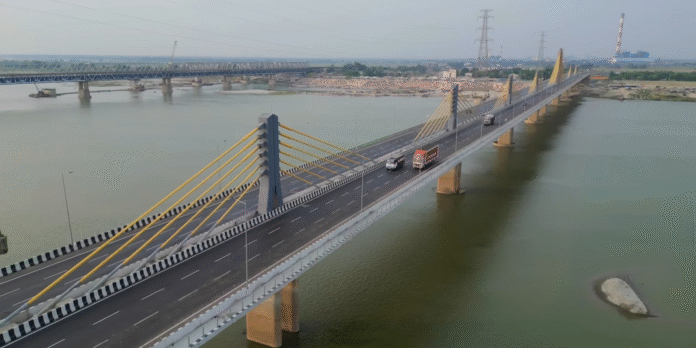
Today,Prime Minister Narendra Modi inaugurated the newly constructed Aunta–Simaria six-lane bridge over the Ganga River in Begusarai, Bihar—a transformative infrastructure project that promises to reshape connectivity, commerce, and daily life for thousands of residents across North and South Bihar.

Key Features of the Bridge

  • Total Length: 8.15 km (including approach roads)
  • Main Span: 1.86 km over the Ganga
  • Width: 34 meters — making it Asia’s second widest extradosed cable-stayed bridge
  • Cost: ₹1,871 crore
  • Built by: National Highways Authority of India (NHAI)
  • Location: Connects Aunta (Mokama, Patna district) with Simaria (Begusarai district) along NH-31
Begusarai’s Landmark Ganga Bridge Inaugurated: What It Means for Local Residents

What It Means for Local People

1. Massive Reduction in Travel Time

  • The bridge cuts travel distance between North and South Bihar by 100–150 km, especially for freight and heavy vehicles.
  • No more long detours via Gandhi Setu or congested Patna roads.

2. Economic Boost for Local Businesses

  • Easier access to markets in Patna, Jharkhand, and beyond.
  • Faster movement of agricultural produce and industrial goods from Begusarai, Supaul, Madhubani, and Araria to Sheikhpura, Nawada, and Lakhisarai.

3. Improved Access to Simaria Dham

  • The bridge enhances connectivity to Simaria Dham, a revered pilgrimage site and birthplace of poet Ramdhari Singh Dinkar, making it easier for devotees and tourists to visit.

4. Relief from Flood-Related Isolation

  • The region is flood-prone, and construction was only possible for 7–8 months each year. This bridge now offers a reliable year-round route, especially crucial during monsoon seasons.

5. Alternative to Aging Rajendra Setu

  • Built parallel to the 70-year-old Rajendra Setu, which is under repair and not suitable for heavy traffic. The new bridge offers a modern, safer alternative.

Local Sentiment

Residents of Begusarai and surrounding areas have expressed excitement and gratitude. Many see the bridge as a long-awaited lifeline that will connect aspirations, livelihoods, and opportunities.

New Delhi Welcomes OpenAI: A Game-Changer for India’s AI-Powered Tomorrow

0

In a landmark move, OpenAI, the trailblazing AI organization behind ChatGPT, announced on August 22, 2025, its plans to establish its first India office in New Delhi later this year. This strategic expansion underscores India’s meteoric rise as a global AI powerhouse and aligns with the Indian government’s ambitious IndiaAI Mission, a $1.2 billion initiative to foster inclusive and trusted AI ecosystems. With India already ranking as ChatGPT’s second-largest market by users—surpassing all but the United States—and witnessing a fourfold surge in weekly active users over the past year, OpenAI’s decision marks a pivotal moment for the country’s technological landscape.

A Strategic Move for a Burgeoning Market

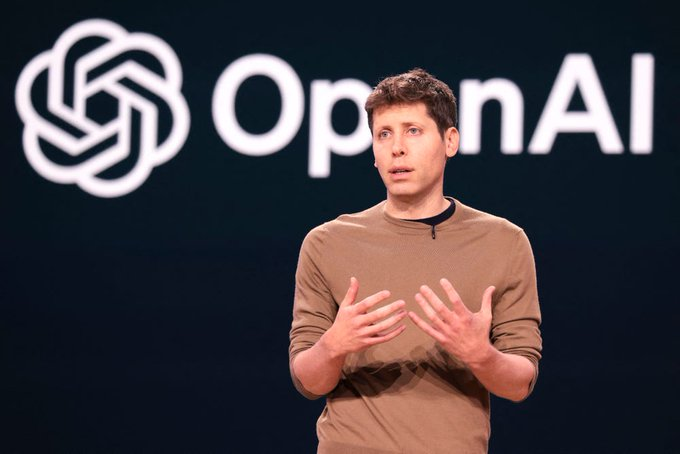
India’s vibrant tech ecosystem, boasting nearly one billion internet users, a world-class developer community, and a vast pool of tech talent, has made it an irresistible destination for OpenAI. The New Delhi office, with its local entity already registered as OpenAI India Private Limited, will serve as a hub for collaboration with governments, businesses, developers, and academic institutions. OpenAI CEO Sam Altman captured the excitement, stating, “India has all the ingredients to become a global AI leader—amazing tech talent, a world-class developer ecosystem, and strong government support through the IndiaAI Mission.”

The decision comes on the heels of Open AI’s tailored initiatives for India, including the launch of Chat GPT Go, a budget-friendly subscription plan priced at ₹399 ($4.60) per month with UPI integration, aimed at making advanced AI accessible to India’s diverse population. Additionally, the company has rolled out enhanced Indic language support in its GPT-5 model and introduced Study Mode, a feature designed to guide learners with personalized, interactive instruction. These efforts reflect Open AI’s commitment to building AI “for India, with India,” ensuring tools resonate with the country’s linguistic and cultural diversity.

Benefits of Open AI’s Presence in India

Boost to the India AI Mission: Open AI’s entry aligns seamlessly with the India AI Mission, which aims to develop home-grown large and small language models tailored for regional needs. By partnering with the government, Open AI will contribute to creating AI solutions that address India’s unique challenges, from agriculture to governance. Union IT Minister Ashwini Vaishnav emphasized, “India is uniquely positioned to drive the next wave of AI-led transformation,” welcoming Open AI’s partnership to ensure AI benefits reach every citizen.
Empowering Diverse Sectors: Indian businesses and institutions are already leveraging Open AI’s tools to tackle critical challenges. AI-powered agricultural services are optimizing crop yields, streamlined recruitment processes are enhancing efficiency, and governance tools are improving public service delivery. The New Delhi office will amplify these efforts by fostering local innovation and tailoring solutions to India-specific needs.
Education and Skill Development: With India hosting the largest population of student users on Chat GPT globally, Open AI’s initiatives like the upcoming Education Summit and Developer Day in India will empower millions of students, educators, and professionals. The Open AI Academy, in partnership with India’s Ministry of Electronics and Information Technology, will expand nationwide AI literacy programs, equipping the workforce for an AI-driven future.
Economic and Job Opportunities: Open AI’s hiring drive, already underway with roles being filled beyond its sole current employee, Pragya Mishra, will create high-skill jobs in AI research, development, and policy. This move will tap into India’s vast tech talent pool, further solidifying its position as a global AI hub.
Shaping AI Regulation: As governments worldwide grapple with AI governance, Open AI’s presence in India positions it to influence the country’s evolving regulatory landscape. By engaging early, Open AI can help craft policies that balance innovation with ethical considerations, ensuring AI development aligns with India’s cultural and legal context.

Expectations and Future Prospects

Open AI’s New Delhi office is poised to be more than a corporate outpost; it’s a gateway to deeper integration with India’s tech ecosystem. The company’s planned Education Summit this month and Developer Day later in 2025 will bring together India’s vibrant developer community, startups, and enterprises, fostering a collaborative environment for AI innovation. These events signal OpenAI’s intent to nurture local talent and create tools that address India’s unique needs, from multilingual AI models to affordable access for rural users.
However, challenges loom. Open AI faces legal hurdles in India, with news outlets and publishers accusing the company of using their content without permission to train Chat GPT. While Open AI denies wrongdoing, citing fair use, these disputes highlight the need for clear AI regulations. The New Delhi office could serve as a bridge to address such concerns, fostering dialogue with local stakeholders to build trust.
Looking ahead, expectations are high for Open AI to deliver AI solutions that are inclusive and accessible. The company’s focus on Indic language support and affordable pricing suggests a commitment to bridging India’s digital divide. By collaborating with the India AI Mission, Open AI could help develop AI models that serve India’s 1.4 billion people, from urban tech hubs to rural communities, driving economic growth and social impact.

A Bright Future for AI in India

Open AI’s entry into India marks a turning point, not just for the company but for the nation’s aspirations to lead the global AI revolution. With its New Delhi office, Open AI is planting roots in a market teeming with potential, backed by government support and a thriving tech ecosystem. As Sam Altman noted, “The level of excitement and opportunity for AI in India is incredible.” By harnessing India’s talent, innovation, and scale, Open AI is poised to unlock transformative benefits, making advanced AI a tool for every Indian to learn, create, and thrive.
As the office takes shape and hiring accelerates, India’s role in shaping the future of AI is set to grow, with Open AI at the forefront of this exciting journey. Further details on the office’s location and activities are expected in the coming months, promising a new era of AI-driven progress for India.


Lord Swraj Paul: An NRI Industrialist and Philanthropist, Passes Away in London at 94. Know His Family and History..

0

Lord Swraj Paul, the prominent NRI industrialist, philanthropist, and founder of the UK-based Caparo Group, passed away in London at the age of 94, family sources confirmed.

Lord Paul had been hospitalised recently after falling ill and died surrounded by his family members.

Born in Jalandhar, India, Swraj Paul moved to the United Kingdom in the 1960s to seek medical treatment for his daughter Ambika, who was diagnosed with cancer. Following her tragic death at the age of four, he founded the Ambika Paul Foundation, a charitable trust that has since contributed millions towards education and child health initiatives.

“The London Zoo is where she was always the happiest,” Lord Paul had recalled last month during the annual commemoration at the Ambika Paul Children’s Zoo in London—one of the foundation’s major beneficiaries.

A member of the House of Lords, Lord Paul remained actively involved in public life well into his 90s, attending sessions despite his declining health. His legacy of philanthropy extended beyond his daughter’s memory. After the deaths of his son Angad Paul in 2015 and wife Aruna Paul in 2022, he initiated further charitable efforts in their names.

At the Indian Gymkhana Club in London in February 2023, Lord Paul inaugurated the Lady Aruna Swraj Paul Hall, saying, “This hall is a tribute to my wonderful wife whom I miss very much. We never had an argument during our 65 years of marriage.”

A regular fixture on the annual Sunday Times Rich List, Lord Paul was ranked 81st in 2025, with an estimated wealth of £2 billion, primarily from the steel and engineering giant Caparo Group. Headquartered in London, Caparo operates across over 40 global sites, with key operations in the UK, North America, India, and the Middle East.

His son, Akash Paul, currently serves as Chairman of Caparo India and Director of the Caparo Group. Last year, Lord Paul, as Chancellor of the University of Wolverhampton, awarded Akash an honorary doctorate in business administration. “Perhaps, I am the only graduate to get a degree from his own father, independently approved by the University Board, of course,” Akash remarked humorously at the ceremony.

A respected and active figure within the Indian diaspora in the UK, Lord Paul’s contributions spanned business, politics, and philanthropy.

“We pray for the departed soul. May the noble Lord rest in peace,” said Lord Rami Ranger, his fellow member in the House of Lords.

US-India Cooperation Critical to Containing China’s Growing Global Ambitions, says Nikki Haley

0

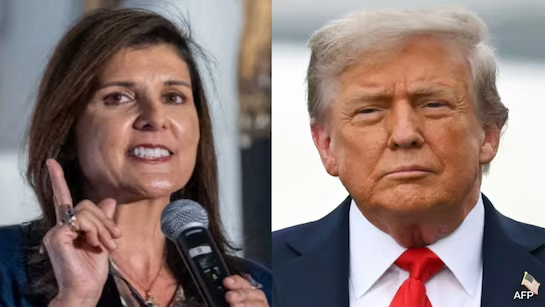
Amid the Trump administration’s punitive tariffs on India over its Russian oil trade, former U.S. Ambassador to the United Nations Nikki Haley has warned that relations between Washington and New Delhi are nearing a breaking point. In a Newsweek op-ed published Wednesday, Haley stressed the urgency of restoring ties, saying U.S.-India cooperation is critical to containing China’s growing global ambitions.

Haley urged the administration not to treat India as an adversary akin to China, warning that disputes over tariffs and the U.S. role in India-Pakistan ceasefire negotiations must not derail one of the world’s most important bilateral relationships.

In recent weeks, U.S.-India relations have suffered a sharp downturn. The Trump administration imposed a 25% tariff on India for its continued purchases of Russian oil—on top of an existing 25% duty on Indian goods. These moves followed months of rising tensions, particularly over New Delhi’s rejection of U.S. involvement in regional diplomacy with Pakistan.

“To achieve the Trump administration’s foreign policy goals—outcompeting China and achieving peace through strength—few objectives are more critical than getting U.S.-India relations back on track,” Haley wrote.

A longtime critic of Trump despite endorsing his 2024 candidacy, Haley emphasized that India must be valued as a vital democratic partner, unlike China, which has thus far avoided sanctions for its own purchases of Russian oil, despite being one of Moscow’s largest customers.

“Scuttling 25 years of momentum with the only country that can serve as a counterweight to Chinese dominance in Asia would be a strategic disaster,” she warned.

In the short term, Haley added, India is also crucial to Washington’s efforts to shift critical supply chains away from China.

Germany’s Roads That Drink the Rain, Tons Water Absorbed in 60 Seconds. Floods Defeated.

0

(PC:Thepagez)

In a country where sudden downpours can turn highways into hazard zones, Germany has engineered a quiet revolution beneath our wheels. These roads don’t just endure the rain—they drink it. With a multilayered design that absorbs and channels water like a living system, they transform stormy chaos into smooth, safe passage. It’s not just infrastructure—it’s intelligent resilience. Germany has introduced water-absorbing roads that can drain up to four tons of rainwater in under a minute—dramatically reducing flood risks and improving driver safety.

How It Works

  • Porous Asphalt Surface: Tiny gaps let rainwater seep through instead of pooling.
  • Granite Base Layer: Crushed stone enhances drainage and strengthens the road.
  • Underground Pipes: A hidden network channels water away efficiently.

Safety Meets Sustainability

These roads prevent hydroplaning, reduce water damage, and last longer. By integrating drainage into the road itself, they cut down on the need for gutters and sewers—offering a climate-resilient solution for modern infrastructure.

Matunga’s GSB Mandal Sets New Record Amid Rising Gold Prices and Lavish Infrastructure

0

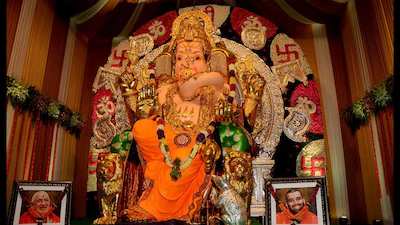
In a dazzling display of devotion and grandeur, Mumbai’s iconic GSV Seva Mandal in Matunga has once again claimed the title of India’s wealthiest Ganesh mandal. This year, the organizers have insured their Ganesh Utsav celebrations for a staggering ₹474.46 crore — a significant leap from last year’s ₹400 crore coverage.

About GSB Foundation

GSB Foundation (India) is a charitable organization inspired by spiritual values. Founded by Nitin A Sharma, it focuses on social welfare, education, and community service. The motto reflects humility: “I am merely an instrument; everything happens by Guru’s will and Krishna’s grace.” GSB Sabha Mumbai is a separate group that supports students from the Gowd Saraswat Brahmin community through scholarships and educational aid.

Why such a massive insurance?

The mandal attributes the increase to: The soaring prices of gold and silver used in the idol and decorations,High-end infrastructure including air-conditioned pandals, digital darshan setups, and crowd management tech Inclusion of high-value cultural assets and celebrity performances

A cinematic celebration

The festival is expected to feature film-inspired themes, elaborate set designs, and appearances by Bollywood stars. With partnerships from gaming platforms like Dream11, the mandal is blending tradition with modern entertainment, drawing massive crowds and media attention.

Security and symbolism

The insurance not only covers physical assets but also ensures protection against unforeseen incidents, reflecting the mandal’s commitment to safety and excellence. GSV’s Ganesh idol, often adorned with real gold and precious stones, is revered not just as a spiritual symbol but as a cultural icon.

India’s Roar Reaches the Stratosphere: Agni-5 Missile Test Marks Historic Leap in Defense

0

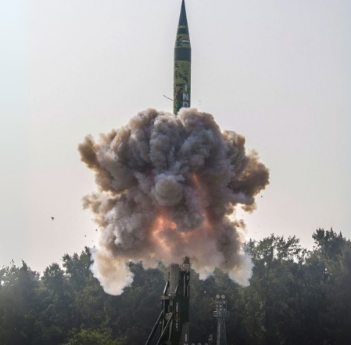
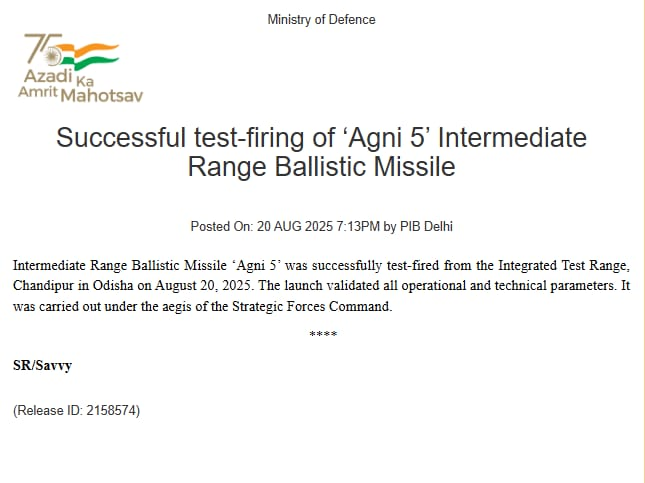
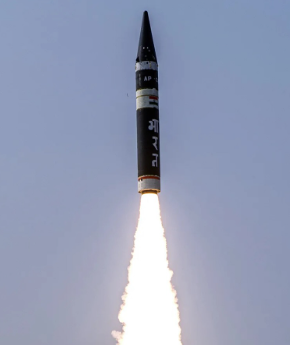
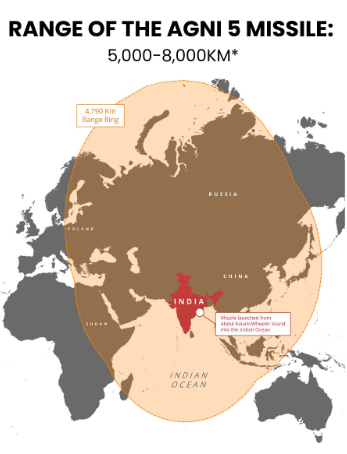
In a thunderous display of technological prowess and strategic resolve, India successfully test-fired its most formidable ballistic missile, Agni-5, from the Integrated Test Range (ITR) in Chandipur, Odisha. The launch, conducted under the aegis of the Strategic Forces Command, validated all operational and technical parameters, marking a defining moment in India’s defense narrative. The Agni-5, an intercontinental ballistic missile (ICBM) with a strike range of over 5,000 kilometers, is capable of reaching the northernmost stretches of China and parts of Europe. Designed by the Defence Research and Development Organisation (DRDO), this three-stage, solid-fuelled missile is a cornerstone of India’s nuclear deterrence strategy.

India’s Roar Reaches the Stratosphere: Agni-5 Missile Test Marks Historic Leap in Defense

Mission Divyastra: A Leap into Multi-Warhead Capability

This test follows the landmark Mission Divyastra in 2024, where Agni-5 was trialed with MIRV (Multiple Independently Targetable Re-entry Vehicle) technology—allowing a single missile to strike multiple targets across vast distances. Though still in developmental stages, MIRV integration signals India’s intent to evolve its strategic capabilities in a rapidly shifting global defense landscape.

India’s Roar Reaches the Stratosphere: Agni-5 Missile Test Marks Historic Leap in Defense

(PC:thetatvaindia)

Canister-Launched, Combat-Ready

Agni-5’s canister-launch system ensures rapid deployment and mobility, allowing it to be fired from road or rail platforms. This feature enhances India’s second-strike capability, reinforcing its commitment to a “No First Use” nuclear doctrine while maintaining credible deterrence.

India’s Roar Reaches the Stratosphere: Agni-5 Missile Test Marks Historic Leap in Defense

A Message to the World

Coming just months after regional tensions and a series of tactical missile tests—including Pralay, Prithvi-II, and Agni-I—this launch sends a clear message: India is prepared, precise, and progressing. Defense analysts view this as a strategic signal to adversaries and allies alike: India’s shield is strong, and its spear is sharper than ever

Switzerland Tops IMD Competitiveness Rankings, India Slips to 41st

0

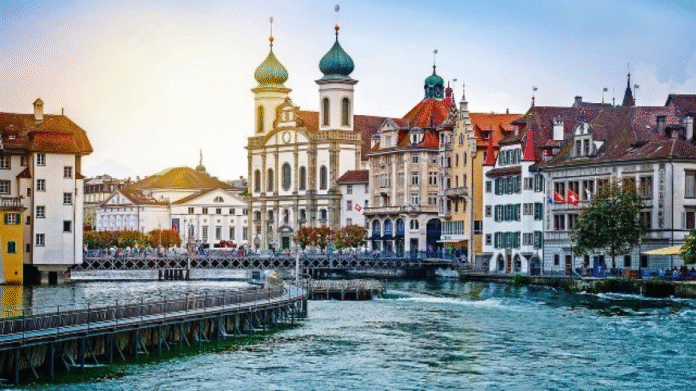
Switzerland has once again emerged as the world’s most competitive economy, securing the top spot with a perfect score of 100 in the latest IMD World Competitiveness Ranking (WCR) 2025. India, however, has slipped two places to 41st out of 69 economies, reflecting ongoing challenges in infrastructure and economic performance.

Global Leaders

Singapore ranked second with 99.44, followed by Hong Kong at 99.22. Other economies in the top 10 include Denmark, UAE, Taiwan, Ireland, Sweden, Qatar, and the Netherlands.

India’s Performance

India dropped from 39th in 2024 to 41st in 2025.

  • Economic Performance: 27th (down from 20th last year)
  • Government Efficiency: 45th (unchanged)
  • Business Efficiency: 25th (unchanged)
  • Infrastructure: Remains a weak area dragging down overall competitiveness

Report Insights

The IMD WCR evaluates competitiveness through a mix of statistical data and executive perceptions, covering factors such as economic performance, government efficiency, business efficiency, and infrastructure. Data is drawn from international, national, and regional organisations, while the survey of business executives was conducted between February and May 2025.

According to the report, while traditional determinants of competitiveness remain essential, they are no longer sufficient in today’s complex economic environment shaped by political, social, and cultural factors.

Top 10 Economies (2025)

  1. Switzerland (100)
  2. Singapore (99.44)
  3. Hong Kong (99.22)
  4. Denmark (97.51)
  5. UAE (96.09)
  6. Taiwan (93.71)
  7. Ireland (91.31)
  8. Sweden (90.20)
  9. Qatar (89.93)
  10. Netherlands (89.75)

This year, Kenya, Namibia, and Oman made their debut in the rankings

Which Is Mumbai’s Richest Ganesh Mandal Also Called as ‘Gold Ganpati’?

0

When it comes to grandeur, no Ganesh mandal in Mumbai shines brighter than the GSB Seva Mandal at King’s Circle (Wadala). Often called the “Gold Ganpati”, this mandal has earned the reputation of being Mumbai’s richest Ganesh mandal—and for good reason.

In 2025, the GSB Seva Mandal made headlines by taking out a record insurance cover worth ₹474.46 crore, the highest ever for any Ganesh mandal in India. The policy covers everything from the deity’s ornaments and volunteers to fire, earthquake, and public liability risks.

The real showstopper, however, is the GSB deity itself—adorned with 66 kg of gold and 336 kg of silver ornaments, along with dazzling precious stones. With gold prices soaring past ₹1 lakh per 10 grams this year, the value of the decorations alone has skyrocketed.

Beyond the glitter, the mandal is equally famous for its eco-friendly celebrations, traditional rituals, and massive crowds of devotees who arrive from across the city. For many Mumbaikars, a darshan at the GSB Seva Mandal is considered a must during Ganeshotsav.

This year, the five-day festival will be held from August 27 to 31, with special donor entries and a dedicated crowd management agency ensuring a smooth celebration.

India-US-Russia Relations Post 2025 Alaska Summit

0

The August 2025 Alaska Summit between US President Donald Trump and Russian President Vladimir Putin marked a significant moment in global diplomacy. Yet, its impact on India’s foreign policy and its relations with both Washington and Moscow remains complex and uncertain. For New Delhi, the summit did little to advance its strategic interests, leaving key challenges unresolved.

Summit Overview

The Trump–Putin meeting projected warmth but delivered few concrete policy shifts. India had hoped the dialogue might ease US pressure over its ties with Russia. Expectations included a rollback of US secondary sanctions on Russian oil imports and a revival of stalled India–US trade talks. Instead, the US maintained its tough stance, with senior advisor Peter Navarro reiterating punitive tariffs targeting India.

US Sanctions and Trade Tensions

India continues to face 25% secondary sanctions for purchasing Russian oil, along with reciprocal tariffs that hurt its export competitiveness. Many analysts view these sanctions as symbolic geopolitical signalling, particularly given Washington’s own trade with Russia and the much larger volume of Russian oil imports by China. Tensions deepened further after India refused to credit Trump for mediating the India–Pakistan ceasefire.

Diplomatic Setbacks

Prime Minister Narendra Modi’s reliance on personal diplomacy has shown its limits. Despite high-profile meetings with global leaders, India has struggled to shield its economy from US sanctions or secure meaningful concessions. The Alaska Summit highlighted the need for New Delhi to prioritize substantive agreements over symbolic displays of diplomacy.

Strategic Autonomy and Global South Backing

India’s long-standing principle of adhering only to UN-mandated sanctions is under renewed pressure. Past compliance with US demands on Iranian and Venezuelan oil may have emboldened Washington’s pressure campaign on Russian imports. However, India’s resistance has earned support among Global South nations and reinforced its image as an advocate of strategic autonomy—though at significant economic cost.

The Road Ahead

India’s diplomatic calendar remains busy, with upcoming visits to Japan, China, the US, and South Africa, as well as hosting the Quad Summit. These engagements present an opportunity to diversify strategic partnerships and reduce overdependence on any single power. A more assertive approach will be necessary to counteract punitive tariffs and protect India’s economic sovereignty