Home Blog Page 202

No Tik Tok, says Govt in India

0

(PC:pressmediaofindia.com)

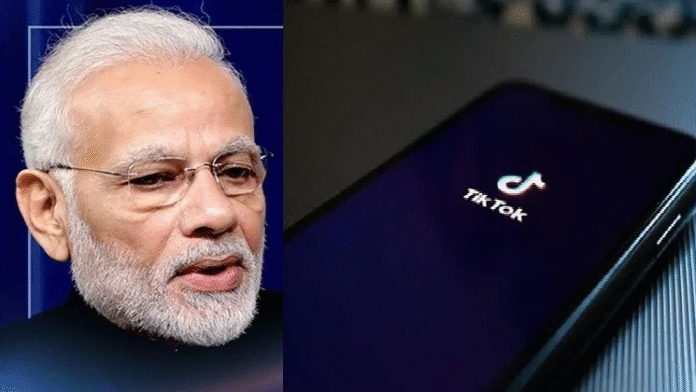
The clarification comes after users reported being able to access TikTok’s website without a VPN, sparking widespread rumors of a potential unban. However, officials from the Ministry of Electronics and Information Technology stated unequivocally that no directive has been issued to lift the ban, calling the reports “false and misleading”. TikTok, along with 58 other Chinese apps, was banned in June 2020 under Section 69A of the IT Act, citing concerns over national security, data privacy, and sovereignty following the Galvan Valley clashes.

While the website’s brief accessibility was attributed to a network-level glitch, the app remains unavailable on both Google Play and Apple’s App Store in India. TikTok’s parent company, Byte Dance, confirmed it continues to comply with the government’s directive and has not restored access. Despite improving diplomatic ties between India and China, including resumed trade and upcoming bilateral talks at the SCO Summit, TikTok’s return remains off the table—for now.

Kerala Scripts History as India’s First Fully Digitally Literate State

0


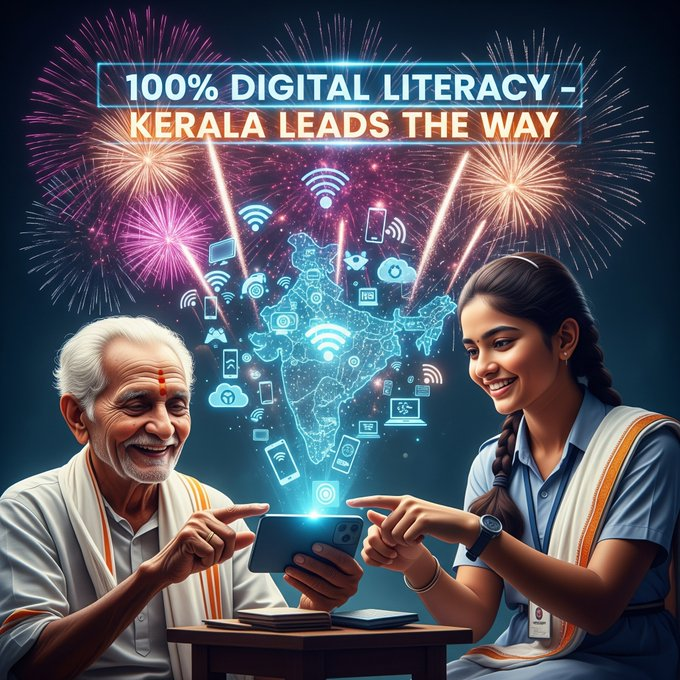
In a milestone moment for India’s digital revolution, Kerala has become the first state in the country to achieve 100% digital literacy. With the successful rollout of the Digi Kerala project, the state has empowered citizens across every age group—from schoolchildren to a 104-year-old learner—with essential digital skills. This landmark not only bridges the digital divide but also sets a replicable model for the rest of the nation, proving that inclusive governance and grassroots participation can truly power a digital future.

Survey and Training Coverage

The Digi Kerala project reached an impressive scale:

  • Surveys covered 1.5 crore people from 83.46 lakh families.
  • It identified 21.88 lakh digitally illiterate individuals.
  • Of these, 21.87 lakh (99.98%) successfully completed training and passed evaluations.

This massive coverage ensured that no demographic group was left behind in Kerala’s digital inclusion journey.

Inclusivity and Accessibility

The programme stood out for its inclusivity. People of all age groups, including senior citizens, were part of the training. A remarkable example was 104-year-old M.A. Abdullah Moulavi Baqavi from Ernakulam district, who completed digital literacy training. The initiative was delivered through local bodies, reflecting Kerala’s robust decentralized governance model. This grassroots approach ensured accessibility and active community participation.

Bridging the Digital Divide

Digital literacy has empowered citizens to access welfare schemes such as Ayushman Bharat, PM-Kisan, and Jan Dhan directly through online platforms, reducing dependency on intermediaries and enhancing financial inclusion. Marginalised groups, women, and rural communities have particularly benefited, breaking long-standing barriers to digital access.

Strengthening Digital Democracy

Equipped with digital skills, citizens can now engage more effectively with government services. From filing grievances and submitting RTI applications to participating in online civic activities, digital literacy is fostering transparency, accountability, and participatory governance.

Alignment with Digital India Mission

Kerala’s success offers a scalable model for other States. Unlike projects focused only on digital infrastructure, Digi Kerala prioritised grassroots-level training, ensuring that digital tools are not only available but also usable by all citizens. This approach resonates with the broader objectives of the Digital India Mission.

Socio-economic Empowerment

Enhanced digital skills are creating new livelihood opportunities, empowering self-help groups, and supporting small businesses and entrepreneurs. By expanding access to markets and financial services, digital literacy is fueling inclusive economic growth and social upliftment.

Building Resilience in Governance

A digitally literate population is better prepared to face crises such as pandemics or natural disasters. Wider access to e-learning platforms, telemedicine, and online public services strengthens governance and improves service delivery.

Kerala’s achievement underscores that digital empowerment is as critical as infrastructure in building a strong, inclusive, and future-ready society.


Haryana Defines Forests

0

The Haryana government issued a formal definition of forest in August 2025. This move follows directives from the Supreme Court of India, which required all states to clarify forest boundaries and conduct surveys. Haryana’s definition aims to align with judicial expectations but has drawn criticism from environmentalists for its narrow scope. The debate centres on the protection of ecologically sensitive areas like the Aravalli ridge.

SC Directive on Forest Definition

Recently, the Supreme Court mandated all states and Union Territories to define forest clearly. The court asked for expert committees to map forest areas using GIS-based tools. These mappings must include forest-like areas, unclassified forests, community forests, and eco-sensitive zones. The court warned that officials failing to comply would be held personally accountable.

Haryana’s Official Forest Definition

Haryana’s Environment, Forest and Wildlife Department defined a forest as land with a minimum size and canopy density. The criteria are

  • At least five hectares if isolated
  • At least two hectares if contiguous with notified forests
  • Minimum canopy density of 40% or more Linear plantations, orchards, and agro-forestry outside notified forests are excluded.

Legal Background

The Forest Conservation Act (FCA) 1980 restricts forest land diversion without central approval. The 1996 Godavarman case expanded the meaning of forest to include all forested lands, regardless of size or status. This broad definition aimed to protect even small forest patches. However, the 2023 FCA amendment narrowed it to only notified forests and government records, triggering legal challenges. The Supreme Court is currently hearing these challenges.

Controversy

Environmentalists argue Haryana’s definition is too restrictive. The 40% canopy density threshold excludes many dry and thorny forests, especially in the Aravalli region. These forests have adapted to low rainfall and poor soil, resulting in sparse vegetation. The minimum area limits of two and five hectares are also seen as too high for dry zones. Critics say this risks exposing sensitive areas to development and mining.

Impact

Haryana’s definition will guide forest surveys and protection measures under the FCA. Clear identification of forests is crucial to prevent illegal land use changes. However, a narrow definition may leave many ecologically important lands unprotected. Balancing environmental conservation with developmental needs remains a key challenge.

Ongoing Legal Process

Following Haryana’s notification, state and district committees can proceed with forest surveys. The Supreme Court will review reports from all states and UTs. The next hearing on the FCA amendment and related issues is scheduled for September 2025. The outcome will influence forest governance across India.

The Rise of the Eurasian Trinity: India, China, and Russia Forge a New Economic Axis

0

(PC:hindupost)

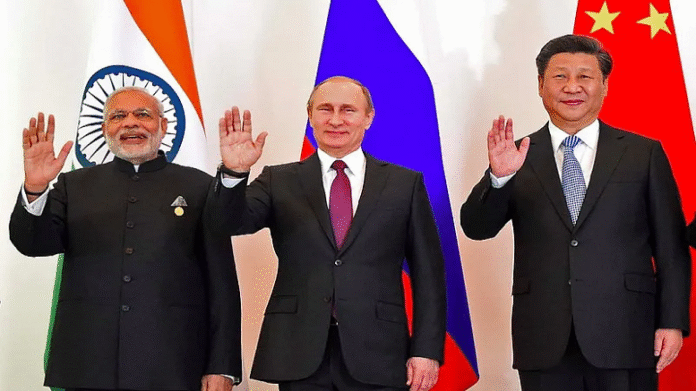
In a world rattled by trade wars and shifting alliances, a quiet but powerful convergence is taking shape across the vast corridors of Beijing, Moscow, and New Delhi. Despite ongoing tariff disputes and geopolitical tensions, India, China, and Russia are assembling a strategic triad that could redefine the global economic order.

A Multipolar World Emerges

What began as diplomatic overtures has evolved into a formidable economic alliance. Experts now refer to this triad as the “Dragon, Bear, and Tiger” coalition—a fusion of China’s manufacturing prowess, Russia’s energy dominance, and India’s booming service economy and untapped consumer base.

Together, these three nations command:

  • $53.9 trillion in GDP (PPP)—nearly one-third of global output
  • $5.09 trillion in exports, fueling innovation and industry across continents
  • $4.7 trillion in foreign reserves, forming a robust economic safety net
  • 3.1 billion citizens, representing 37.8% of the world’s population

Challenging Dollar Dominance

One of the most transformative aspects of this alliance is the push to reduce reliance on the US dollar. Bilateral trade settlements in national currencies—Rupee-Ruble, Yuan-Ruble, and Rupee-Yuan—are gaining traction, shielding these economies from Western sanctions and currency volatility. This shift is not just economic—it’s symbolic. It signals a move away from a unipolar, dollar-dominated system toward a multipolar financial landscape.

Strategic Infrastructure & Connectivity

The triad is also investing heavily in connectivity:

  • Chennai–Vladivostok Maritime Corridor: Slashing trade time between India and Russia
  • International North-South Transport Corridor (INSTC): Linking India to Europe via Iran and Central Asia
  • Northern Sea Route (NSR): A new Arctic trade path bypassing traditional Western-controlled routes

Energy & Technology Synergy

Russia’s energy exports, including discounted crude oil and coal, are powering India’s industrial growth, while China’s tech investments are revitalizing India’s digital infrastructure. Joint ventures in nuclear energy, space exploration, and AI are also accelerating. India’s External Affairs Minister S. Jaishankar recently reaffirmed the strength of the India-Russia strategic partnership, emphasizing cooperation in defense, fintech, and multilateral platforms like BRICS and SCO.

Diplomacy Amid Disputes

While border tensions and trade deficits persist—especially between India and China—leaders are choosing pragmatism over rivalry. Modi’s upcoming visit to China for the SCO Summit marks a seismic diplomatic shift, his first in seven years. Russia, meanwhile, is actively reviving the dormant RIC (Russia-India-China) troika, aiming to institutionalize trilateral cooperation across trade, security, and development.

This strategic triad is more than a geopolitical maneuver—it’s a beacon of economic resilience and regional unity. In an era of fragmentation, India, China, and Russia are proving that ancient civilizations can forge modern partnerships to shape a fairer, more balanced global future.

Can Trash Really Buy You a Hot Plate of Poha in Bhopal? Turning Plastic Bottles into Grocery Bags to Clean the City, One Plate Poha At A Time

0

(PC:Harubhuninews)

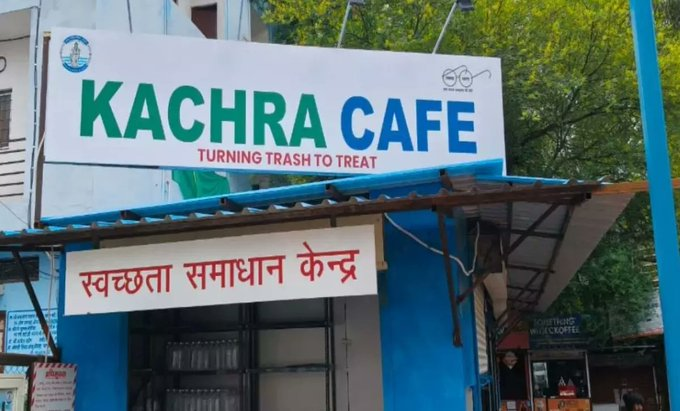
In a bold move that blends compassion with innovation, the Bhopal Municipal Corporation (BMC) has launched the city’s first-ever ‘Garbage Café’—a place where waste isn’t just dumped, it’s redeemed. Residents can now walk in with recyclable trash and walk out with a warm meal, essential groceries, or even cash rewards And here’s the twist:
These cafés aren’t run by corporations or tech giants. They’re powered by local women’s self-help groups, turning everyday citizens into eco-champions and hunger-fighters.

The Mission?
Clean the city.
Feed the people.
Empower the community.
All within a fortnight.

This isn’t just a campaign—it’s a quiet revolution. And it’s happening in the gullies and chowks of Bhopal, where every scrap of waste now holds the promise of change.

Waste as a Resource

Residents can bring recyclable items like plastic bottles, paper, cartons, old newspapers, e-waste, and clothes to the cafe. In return, they earn “Kachra Currency” points, redeemable for cooked meals, essential groceries such as dal, rice, flour, and oil, or even cash. A dedicated mobile app simplifies the process, enabling users to upload photos of their waste to earn points, arrange collections, or locate drop-off points.

Empowering Communities and Reducing Waste

The cafes serve as a creative solution to manage plastic and other recyclable waste, diverting it from landfills. By involving local women’s self-help groups in operations and the production of eco-friendly items sold at the cafes, the initiative empowers women economically. The collected waste is repurposed by the BMC, fostering sustainable practices and reducing environmental clutter.

Addressing Hunger with Sustainability

The ‘Kachra Cafe’ initiative not only promotes recycling but also provides a solution to hunger. By offering meals and groceries in exchange for waste, it supports those in need while encouraging community participation in keeping Bhopal clean. This dual-purpose approach makes the cafes a beacon of social and environmental responsibility.

A Model for Sustainable Change

Bhopal’s ‘Kachra Cafes’ represent a groundbreaking effort to merge waste management with social welfare. By incentivizing recycling and empowering local women, the initiative is paving the way for a cleaner, more inclusive city. As Bhopal embraces this model, it sets a powerful example of how innovation can address pressing urban challenges.

Lionel Messi to Light Up Kerala in Historic FIFA Friendly This November

0

Football fever is set to explode across India as Lionel Messi, the legendary Argentine captain and reigning world champion, prepares to make his long-awaited return to Indian soil this November. The Argentine Football Association (AFA) has officially confirmed that Kerala will host one of Argentina’s international FIFA friendlies during the November 10–18 window.

Why This Is Monumental

  • This marks Messi’s first visit to India since 2011, when he mesmerized fans in Kolkata during a friendly against Venezuela.
  • Kerala, a state known for its passionate football culture and deep love for South American teams, will host the match—likely at Greenfield Stadium in Thiruvananthapuram. The fixture is part of Argentina’s global tour ahead of the 2026 FIFA World Cup qualifiers, with other matches scheduled in Luanda, Angola, and the United States.

Global Spotlight on Kerala

Argentina’s visit is not just a sporting event—it’s a cultural moment. The AFA has acknowledged Kerala’s unwavering support during their 2022 World Cup triumph, even thanking the state publicly alongside India, Pakistan, and Bangladesh. Tourism officials expect a surge in international visitors, and the Kerala government is mobilizing full-scale preparations for security, hospitality, and crowd management.

Will Messi Play?

While the final squad list is yet to be announced, Messi is expected to captain the side. There’s also buzz about a separate four-city tour in December, with stops in Kolkata, Ahmedabad, Mumbai, and New Delhi, making this a double delight for Indian fans.

Where No Nation Dared, India Landed: Chandrayaan-3 Makes History

0

(PC:Science.nasa.gov)

For a nation that has long gazed at the stars with dreams in its eyes, 23rd August 2023 was not just a date—it was destiny fulfilled. On that historic day, every heartbeat in India pulsed with pride, awe, and emotion too deep for words. Chandrayaan-3 didn’t just land on the Moon—it landed in the hearts of millions.

The First Footsteps on the Lunar South Pole

In a feat never before achieved by any nation, India became the first country to softly land near the Moon’s elusive South Pole—a region shrouded in mystery and untouched by human technology. While the United States, Soviet Union, and China had reached the Moon before, India carved its name into cosmic history by venturing where no one dared.

The Silent Explorers

Once the Vikram lander kissed the lunar surface, it deployed Pragyan rover, initiating a 14-day odyssey of exploration. Together, they:

  • Measured subsurface thermal variations
  • Monitored moonquakes and seismic activity
  • Mapped the mineral composition of the terrain

These weren’t just scientific tasks—they were whispers from the Moon, finally heard by Indian ears.

Unlocking the Secrets Beneath the Surface

Among the mission’s marvels was ChaSTE (Chandra’s Surface Thermophysical Experiment)—a pioneering instrument that, for the first time, measured the temperature beneath the lunar soil, revealing secrets buried for eons. It offered insights into the Moon’s structure, composition, and potential for future exploration.

More Than a Mission—A Movement of Courage and Curiosity

Chandrayaan-3 was not merely a technological triumph. It was a testament to India’s indomitable spirit—a saga of courage, curiosity, and collective pride. It proved that India’s dreams no longer just look up at the sky—they rise to meet it.

Divers Spot Rare Golden Nurse Shark in Caribbean Waters

0

(PC:thepagez)

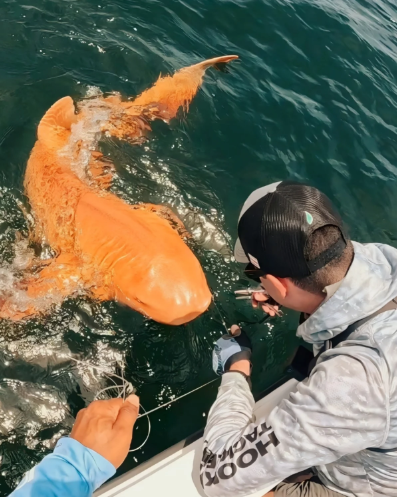
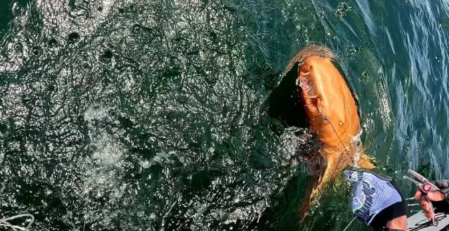
In a dazzling underwater discovery, divers off Costa Rica’s Tortuguero National Park spotted a bright yellow-orange nurse shark—the first of its kind ever recorded. Measuring two metres long and found at a depth of 37 metres, the shark displayed xanthism, a rare pigment condition never before confirmed in Caribbean sharks.

Divers Spot Rare Golden Nurse Shark in Caribbean Waters

Even more astonishing, scientists identified albino-xanthochromism, a dual anomaly combining albinism and xanthism, making its golden hues exceptionally vivid. Typically reliant on camouflage, this shark’s survival into adulthood is considered extraordinary.

Researchers say the find underscores the need to protect genetic diversity amid threats like overfishing and habitat loss. This glowing predator offers rare insight into marine evolution—and a powerful reminder of nature’s hidden wonders.

TikTok’s Return to India: A New Chapter After a Five-Year Ban

0

(PC:BreakingchristianNews)

After half a decade in digital exile, TikTok has quietly re-emerged in India, sparking curiosity, controversy, and cautious optimism. While the app remains unavailable on app stores, its website is now accessible to some users, hinting at a possible comeback. This development marks a dramatic turn in the story of one of India’s most beloved—and most controversial—apps.

The Ban: A Flashpoint in Digital Diplomacy

TikTok was banned in June 2020, alongside 58 other Chinese apps, following the Galwan Valley clashes between Indian and Chinese troops. The Indian government cited national security concerns, accusing these apps of engaging in activities “prejudicial to the sovereignty and integrity of India”.

Key reasons for the ban:

  • Data privacy concerns: Allegations of user data being accessed by foreign entities
  • Geopolitical tensions: Rising hostilities between India and China
  • Digital sovereignty: Push to protect Indian cyberspace from foreign influence

The ban was enforced under Section 69A of the IT Act, making it one of the most significant digital crackdowns in Indian history.

TikTok’s Rise Before the Fall

Before its ban, TikTok had:

  • Over 200 million users in India
  • Empowered grassroots creators, especially from Tier 2 and Tier 3 cities
  • Sparked a cultural revolution in short-form video content
  • Created new influencers, many of whom transitioned to Instagram Reels and YouTube Shorts after the ban. It wasn’t just an app—it was a stage for self-expression, especially for those outside the mainstream media spotlight.

The Comeback

As of August 2025:

  • TikTok’s homepage is accessible in India
  • Other sections remain blocked, and the app is still unavailable on Google Play and Apple App Store
  • No official statement has been issued by ByteDance or the Indian government. This partial return coincides with renewed diplomatic engagement between India and China, including trade talks and cultural exchanges.

The Pros of TikTok’s Return

If TikTok is allowed to fully return, it could bring:

1. Economic Revival

  • Boost to digital creators, especially in rural and semi-urban areas
  • Opportunities for small businesses to market products
  • Revival of influencer-driven commerce

2. Cultural Expression

  • A platform for regional languages, folk art, and local talent
  • Democratization of content creation

3. Technological Innovation

  • Potential integration of AI-driven moderation
  • Enhanced data transparency (if ByteDance complies with Indian regulations)

Futuristic Expectations

If TikTok returns with reforms, we might see:

  • India-specific version with local servers and stricter data policies
  • Collaborations with Indian tech firms for compliance and innovation
  • AI-powered content curation and moderation
  • Integration with e-commerce and education platforms

Challenges & Cautions

  • Will TikTok ensure data security and transparency?
  • Can it navigate political sensitivities and public trust?
  • Will Indian alternatives like Chingari, Moj, and Josh survive the competition?

TikTok’s reappearance is more than a tech story—it’s a mirror to India’s evolving digital identity, its geopolitical stance, and its cultural heartbeat. Whether it returns fully or remains a ghost of its former self, one thing is clear: India’s short-video revolution is far from over.

ISRO Reveals Bharatiya Antariksh Station Prototype During National Space Day, Marking A Bold Step Toward India’s Orbital Future With Plans For Full Deployment By 2035.

0

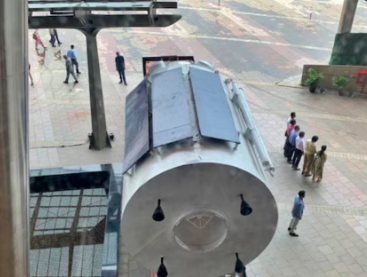
(PC:indiaToday)

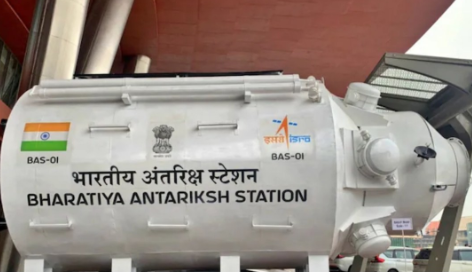
On National Space Day 2025, the Indian Space Research Organisation (ISRO) ignited the nation’s imagination by unveiling the prototype of the Bharatiya Antariksh Station (BAS)—India’s first fully indigenous space station. The reveal, held at Bharat Mandapam in New Delhi, marked a historic moment in India’s space journey, signaling its bold ambition to join the elite league of nations with permanent orbital laboratories.

A Vision Beyond Earth: What Is BAS?

The Bharatiya Antariksh Station is ISRO’s flagship project to establish a modular space station in low Earth orbit by 2035, with the first module, BAS-01, scheduled for launch in 2028. Once operational, India will become the third country—after the United States (ISS) and China (Tiangong)—to operate its own space station.

Key Features of BAS-01

The unveiled model, measuring 3.8 meters by 8 meters, showcased a futuristic design packed with indigenous technologies:

  • Orbit Altitude: 450 km above Earth
  • Weight: Approx. 10 tonnes
  • Life Support: Environmental Control and Life Support System (ECLSS)
  • Docking & Berthing: Bharat Docking System and Bharat Berthing Mechanism
  • Crew Access: Automated hatch system, airlocks for spacewalks
  • Research Capabilities: Platforms for microgravity experiments, scientific imaging, and crew recreation
  • Safety Systems: Radiation shielding, MMOD (Micro Meteoroid Orbital Debris) protection
  • Avionics: Plug-and-play integrated systems for rapid upgrades
ISRO Reveals Bharatiya Antariksh Station Prototype During National Space Day, Marking A Bold Step Toward India's Orbital Future With Plans For Full Deployment By 2035.

Science, Sovereignty & Space Tourism

The BAS is more than a technological marvel—it’s a multi-purpose orbital lab designed to:

  • Advance space medicine, life sciences, and interplanetary research
  • Study microgravity’s effects on human physiology
  • Serve as a testbed for long-duration human spaceflight
  • Enable space tourism, opening commercial opportunities for India
  • Foster international collaborations and joint missions

Symbolism & Strategy

The unveiling wasn’t just a technical showcase—it was a symbolic declaration of India’s space sovereignty. With a budget of ₹20,193 crore, the BAS project reflects India’s commitment to:

  • Self-reliance in space infrastructure
  • Global leadership in orbital science
  • Inspiring future generations to pursue careers in space technology

A Celebration of Dreams

National Space Day, celebrated annually on August 23, commemorates the Chandrayaan-3 Moon landing in 2023. This year’s theme—centered on the Bharatiya Antariksh Station—highlighted India’s transition from lunar triumphs to orbital aspirations. Exhibitions, lectures, and interactive demos brought space science closer to students, researchers, and the public.

India’s Orbital Destiny

The Bharatiya Antariksh Station is not just a structure—it’s a living symbol of India’s cosmic ambition, scientific prowess, and cultural pride. As ISRO prepares to launch BAS-01 in 2028, the countdown begins for a new era where India doesn’t just reach for the stars—it builds among them.