Home Blog Page 199

Ganesh Utsav: From Family Festival to a Symbol of Unity and Freedom

0

In 1893, Lokmanya Bal Gangadhar Tilak reimagined Ganesh Utsav as a powerful instrument to unite Indians against British colonial rule. What was once a modest family celebration, deeply rooted in Maratha traditions since the time of Chhatrapati Shivaji Maharaj, was transformed into a vibrant public festival. Tilak’s vision gave Ganesh Utsav a national identity, turning it into a platform for rallying people around political and social causes, igniting the spirit of unity and resistance during India’s freedom struggle.

Historical Roots in the Maratha Empire

Ganesh Utsav traces its origins to the Maratha Empire, where Lord Ganesha was revered as the kuldevta (family deity) of the Peshwas. During Shivaji Maharaj’s era, the festival was a cherished tradition, celebrated with devotion within households. However, under British rule, restrictions on Hindu festivals led to a decline in its prominence. Public celebrations were curtailed, and the festival remained confined to private homes, losing its communal vibrancy.

Revival as a National Movement

Tilak’s revival of Ganesh Utsav in the late 19th century was a masterstroke in mobilizing the masses. By transforming the festival into a public event, he created a space for Indians to gather, discuss political issues, and foster a sense of national pride. The festival became a cornerstone of the freedom movement, inspiring people to unite for the cause of Swaraj (self-rule). It provided a platform for intellectual discourse, cultural expression, and collective action, galvanizing communities across Maharashtra and beyond.

Breaking Barriers of Caste and Creed

One of the most significant impacts of Tilak’s reimagined Ganesh Utsav was its role in promoting social reform. The festival became a tool to challenge casteism and untouchability, fostering inclusivity and secularism. By encouraging people from all walks of life to participate, Ganesh Utsav transcended social divisions, creating a shared sense of community and purpose. This emphasis on unity helped transform the festival into a celebration of equality and collective identity.

A Community Celebration of Culture and Devotion

Over time, Ganesh Utsav evolved from a family-centric ritual to a grand communal festival. Today, it is marked by vibrant public celebrations featuring intellectual speeches, poetry recitations, devotional songs, dramas, music concerts, and folk dances. Communities come together weeks in advance to plan and organize these events, ensuring smooth coordination even amidst large crowds. These activities not only honor Lord Ganesha but also strengthen social bonds, making the festival a celebration of faith, culture, and togetherness.

A Lasting Legacy of Unity

From its humble origins to its modern-day grandeur, Ganesh Utsav remains a powerful symbol of unity, resilience, and cultural pride. Lokmanya Tilak’s vision transformed it into more than just a religious festival—it became a movement that empowered communities, challenged social injustices, and fueled India’s fight for freedom. Today, as millions gather to celebrate Ganesh Utsav with fervor, its legacy as a festival of inclusivity and collective spirit continues to inspire generations.

Hostage Grabs Global Spotlight: Netflix’s Political Thriller from Oscar-Nominated Writer Matt Charman Dethrones “Wednesday”

0

Netflix’s latest chart-topper, Hostage, has stormed past Wednesday Season 2 to become the #1 show globally, despite sparking fierce debate among viewers. Created by Oscar-nominated screenwriter Matt Charman (Bridge of Spies), Hostage is a taut, five-episode political thriller that blends diplomacy, betrayal, and high-stakes suspense.

What Hostage Is About

  • Set during a tense Franco-British summit, the story kicks off when British Prime Minister Abigail Dalton’s husband is kidnapped.
  • Simultaneously, French President Vivienne Toussaint is blackmailed, plunging both nations into a covert crisis.
  • The series unfolds as a race-against-time investigation, packed with psychological twists and diplomatic brinkmanship.

Divisive but Addictive

Despite the mixed audience reactions, Hostage has clearly struck a chord—especially with fans of political thrillers like The Diplomat and The Night Agent. Its rise to the top of Netflix’s global charts proves that even divisive storytelling can dominate when the stakes are high and the drama is real.

365-Year-Old Ukala Ganesh Temple in Ratlam: Home to Majestic 11-Foot Brahmachari Ganesh Idol”

0

Nestled in the heart of Ratlam, Madhya Pradesh, the revered Ukala Ganesh Temple stands as a testament to divine grace and architectural heritage. This 365-year-old temple houses an extraordinary 11-foot-tall standing statue of Lord Ganesha, believed to be the only one of its kind in the state. Unlike traditional depictions, this unique idol portrays Lord Ganesha in a rare Brahmachari (celibate) form, standing tall without the customary presence of Riddhi and Siddhi, his divine consorts. Devotees from far and wide flock to this sacred site, drawn by the belief that every wish made in the presence of Ukala Ganesh is fulfilled with divine speed.

The Legend Behind the Name “Ukala Ganesh”

The temple derives its distinctive name from a fascinating historical anecdote. During its construction, a kund (water tank) was dug within the temple premises, from which boiling hot water emerged. This phenomenon led to the temple being named “Ukala Ganesh,” with “Ukala” meaning boiling or bubbling in the local language. This unique characteristic adds to the temple’s mystique, making it a focal point of spiritual reverence.

A Beacon of Faith for Devotees

The Ukala Ganesh Temple is renowned for its ability to grant devotees’ wishes, particularly those related to marriage and childbirth. Young men and women visit the temple to pray for a blissful marital life, while others seek blessings for progeny. Once their wishes are fulfilled, devotees offer a chola (a ceremonial cloth) to Lord Ganesha as a gesture of gratitude. The temple comes alive during Ganesh Chaturthi and Ganesh Utsav, when the deity is adorned with special decorations, attracting throngs of worshippers who come to witness the divine splendor.

A Rare Depiction of Lord Ganesha

The 11-foot standing idol of Lord Ganesha in his ascetic form is a rare and awe-inspiring sight. Unlike most representations of the deity, which include Riddhi and Siddhi, this Brahmachari form symbolizes purity and devotion. The absence of his consorts makes this statue a unique spiritual icon, believed to embody immense divine power. Devotees hold the firm belief that merely visiting the temple and offering prayers before this sacred idol can fulfill their deepest desires.

Taylor Swift and Travis Kelce Announce Engagement—A Power Couple for the Ages

0

In a moment that sent shockwaves through both the music and sports worlds, global pop icon Taylor Swift and NFL superstar Travis Kelce have officially announced their engagement. The couple shared the news via a joint Instagram post captioned, “Your English teacher and your gym teacher are getting married,” accompanied by dreamy garden photos and a dazzling diamond ring.

Taylor Swift: The Billion-Dollar Songstress

  • Born: December 13, 1989, West Reading, Pennsylvania
  • Profession: Singer-songwriter, producer, director
  • Career Highlights:
    • 14-time Grammy winner, including a record 4 Album of the Year awards
    • Creator of the historic Eras Tour, the highest-grossing concert tour of all time
    • Known for genre-defying albums like 1989, Folklore, Midnights, and The Tortured Poets Department
    • Estimated net worth: $1.6 billion, with assets including a $120M real estate portfolio and a $23M private jet

Swift’s career has been defined by reinvention—from country prodigy to pop powerhouse to indie-folk storyteller. Her lyrics, often autobiographical, have become cultural touchstones, and her business acumen has reshaped the music industry.

Travis Kelce: The Tight End Titan

  • Born: October 5, 1989, Westlake, Ohio
  • Profession: NFL tight end, entrepreneur, podcast host
  • Career Highlights:
    • 3× Super Bowl champion with the Kansas City Chiefs
    • Holds multiple NFL records, including most 1,000-yard seasons by a tight end (7)
    • Co-host of the hit podcast New Heights with brother Jason Kelce, reportedly valued at $100M
    • Estimated net worth: $70–90 million, with ventures in real estate, sportswear, and media

Kelce is not just a football legend—he’s a charismatic media personality and savvy businessman. His relationship with Swift has elevated his profile beyond the gridiron, turning him into a household name worldwide.

A Love Story That Bridged Two Worlds

Their romance began in 2023 with a friendship bracelet and a podcast shoutout. From stadium suites to Super Bowl kisses, Swift and Kelce’s relationship has captivated fans across generations. Now, with their engagement, they’ve become one of the most iconic celebrity pairings of the decade.

Shrikanteshwara Temple: The Only Temple in the World Where Ganesha Reigns in 32 Forms

0

(PC: Stylesatlife)

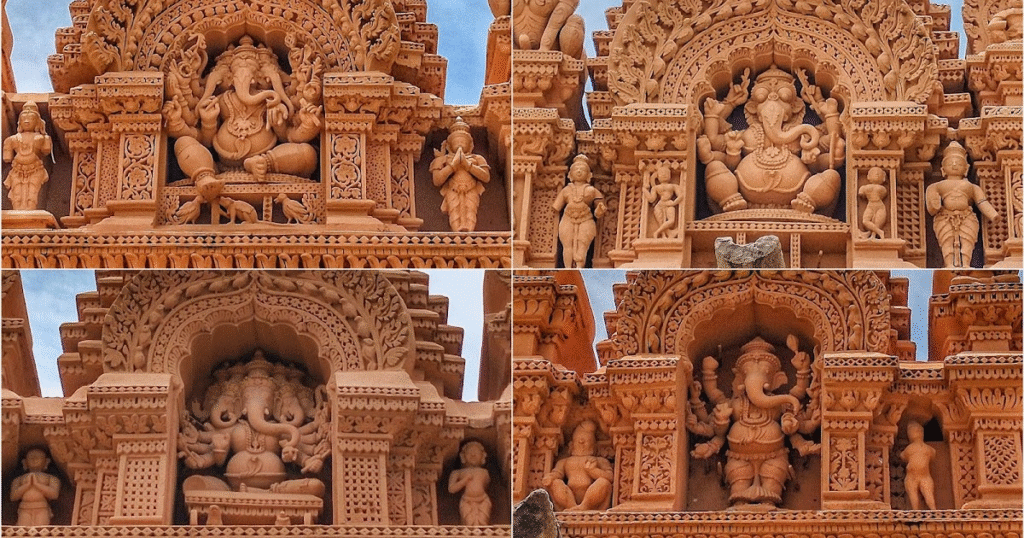
This Ganesh Chaturthi, step into Karnataka’s Mysuru district and discover the awe-inspiring Sri Srikanteshwara Swamy Temple in Nanjangud—a place where Ganesha isn’t worshipped in one form, but thirty-two. Each idol is carved in wheat-hued stone, each radiating a distinct emotion—from joy to valor, serenity to mischief. It’s not just devotion—it’s drama in stone. And it’s the only temple of its kind in the world.

A Corridor of Divinity

Along the shaded outer corridor of the temple—designed to offer comfort even in the scorching summer—devotees encounter Ganesha in forms rarely seen together. From the playful Bal Ganapati to the fierce Veer Ganapati, from the meditative Yoga Ganapati to the triumphant Vijay Ganapati, each sculpture is a masterclass in stone artistry. As you walk the parikrama, Ganesha appears in dance poses, yogic stances, and warrior forms. The corridor itself is a canvas of intricate carvings, where even the arches whisper stories from the Mudgal and Ganesha Purana, which mention these 32 divine manifestations.

Rain-Kissed, Sunlit Splendor

Though Nanjangud had seen days of rain, the moment we arrived, the skies cleared. The temple’s golden domes shimmered under soft sunlight, casting a surreal glow over the sanctum. The 120-foot tall gateway opened into a bustling courtyard, alive with devotion and awe.

Shrikanteshwara Temple: The Only Temple in the World Where Ganesha Reigns in 32 Forms

(PC:blogspot.com)

A Temple of Legends

Built in the 11th century by the Chola kings, the temple spans 50,000 square feet and houses 147 intricately carved pillars. The sanctum sanctorum was constructed to honor Lord Shiva, known here as Nanjundeshwara—the one who drank poison during the Samudra Manthan. In Kannada, “Nanju” means poison, making this the home of the poison-neutralizing deity. It’s no wonder the temple is called Dakshina Kashi—the Southern Varanasi.

Festival of Chariots

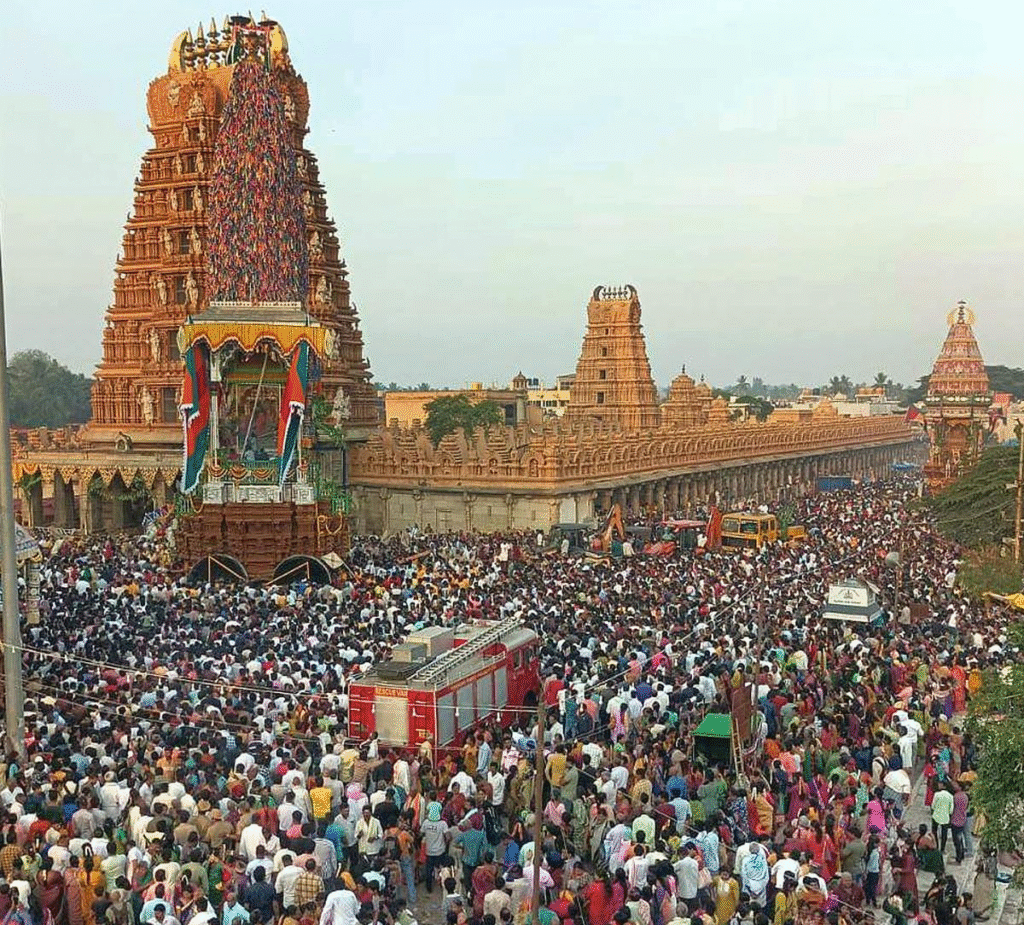
Every year during March-April, the temple hosts the grand Dodda Jathre festival, where deities including Shiva and Ganesha are taken out in majestic chariot processions. The entire town transforms into a spiritual carnival, echoing chants and drumbeats that celebrate divine resilience and grace.

Shrikanteshwara Temple: The Only Temple in the World Where Ganesha Reigns in 32 Forms

(PC:thehindu.com)

Divine Drama in Stone

Temple executive M. Jagadish Kumar shares that each visit reveals something new. “Even though I’ve seen these forms many times,” says devotee Raju Ganesan, “each darshan feels different. The expressions, the postures—they speak to you.” President of the temple trust, Shrikant, confirms that the 32 forms are documented in ancient texts and were sculpted with painstaking detail to preserve their spiritual essence.

Ganesh Chaturthi 2025: Date, Shubh Muhurat, Chaturthi Tithi, Panchang Details and Posters With Wishes to Exchange

0

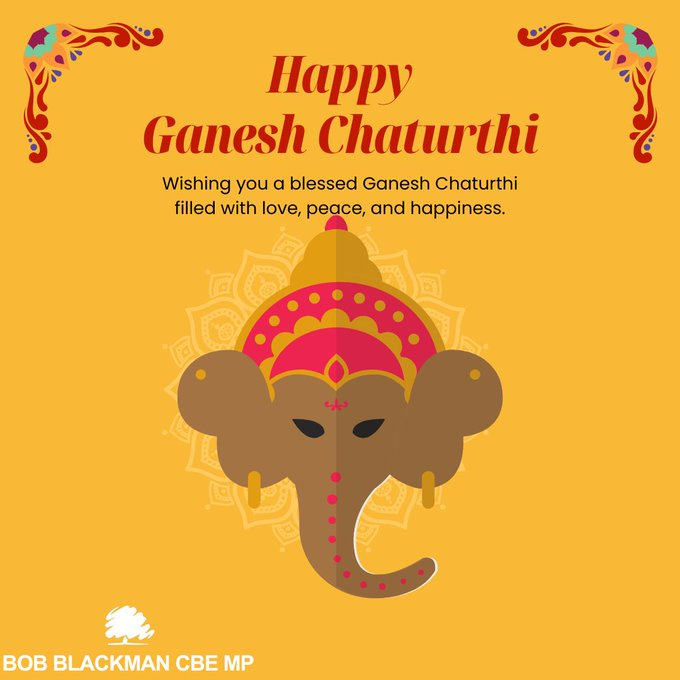
Ganesh Chaturthi, also known as Ganeshotsav, is one of the most revered Hindu festivals, celebrated with immense devotion across India—especially in Mumbai, Pune, and other parts of Maharashtra. The festival marks the birth anniversary of Lord Ganesha, the remover of obstacles and the deity of wisdom, prosperity, and good fortune.

In 2025, Ganesh Chaturthi will be celebrated on Wednesday, August 27. The festival lasts for 10 days, beginning with the installation (Sthapana) of Lord Ganesha’s idol and culminating with Ganesh Visarjan on Anant Chaturdashi, when devotees immerse the idol in rivers, lakes, or the sea with chants of Ganpati Bappa Morya.

Chaturthi Tithi and Panchang

According to Drik Panchang, the timings for Ganesh Chaturthi 2025 are as follows:

  • Chaturthi Tithi Begins: 1:54 PM on August 26, 2025
  • Chaturthi Tithi Ends: (timing to be added once available)

Devotees across the country prepare elaborate pandals, pujas, and cultural celebrations, offering modaks—Lord Ganesha’s favorite sweet—as part of the rituals.

Ganesh Chaturthi 2025: Date, Shubh Muhurat, Chaturthi Tithi, Panchang Details and Posters With Wishes to Exchange

Turmeric: Nature’s Miraculous Healing Spice An Ancient Ayurvedic Treasure Turmeric.

0

(PC: india.com)

A Indian herb from the ginger family, grows 5-6 feet tall and yields its golden treasure in the knotted roots. Revered in Ayurveda for centuries, turmeric is celebrated as a miraculous substance, known by names like Haridra, Kurkuma Longa, Varavarnini, Gauri, Krimighna, Yoshitpriya, Hattavilashini, Hardal, Kumkum, and Turmeric. Beyond adding flavor and color to cuisine, turmeric’s anti-inflammatory and antioxidant properties make it a health powerhouse. It relieves joint pain, boosts heart health, enhances brain function, and strengthens immunity. However, pregnant women and those with certain health conditions should use it cautiously, as its oxalate content may contribute to kidney stones if consumed excessively.

Healing Powers of Turmeric

Turmeric’s active compound, curcumin, is a potent antioxidant that protects the body from free radical damage and reduces inflammation. It contains volatile oils, manganese, iron, potassium, and vitamin A, enhancing its medicinal value. Turmeric aids in managing arthritis, improves digestion, stimulates appetite, and reduces skin blemishes and scars. It supports liver detoxification, boosts immunity, and may inhibit cancer cell growth, though it’s not a cure. These benefits embody universal human values like care and well-being, promoting a healthier life through nature’s gifts.

Precautions and Risks

Despite its benefits, excessive turmeric consumption can pose risks. Its oxalate content may lead to kidney stones by binding with calcium. Turmeric thins the blood, so those on blood-thinning medications or with bleeding issues should limit intake. Pregnant women should avoid excess turmeric, as it may cause bleeding or miscarriage. Individuals with liver issues should use it sparingly, as it could worsen their condition. Some may experience allergies, resulting in itching, hives, or breathing difficulties. Moderation and medical advice are key to safely enjoying turmeric’s benefits.

A Blend of Nature and Culture

Turmeric is a cornerstone of Indian culture and Ayurveda, gracing kitchens and healing traditions alike. Its medicinal properties and precautions make it a vital household staple. Turmeric reflects universal values like respect for nature and health consciousness. With mindful use under medical guidance, it offers a golden path to wellness, connecting us to the wisdom of ancient traditions and the promise of a healthier future.

Mirabai Chanu: The Girl Who Lifted a Nation’s Pride

0

In the quiet village of Nongpok Kakching in Manipur, a young girl once carried bundles of firewood with ease—firewood that her older brother struggled to lift. That girl, Saikhom Mirabai Chanu, would go on to hoist the hopes of a billion people on her shoulders and etch her name into India’s sporting legacy.

Humble Beginnings

Born on August 8, 1994, Mirabai grew up in a modest Meitei household where resources were limited but dreams were limitless. Her strength was evident early on, not just in her physical ability but in her resolve. Inspired by Kunjarani Devi, another weightlifting icon from Manipur, Mirabai began training at the Sports Academy in Imphal. Her journey to the training center was often long and uncertain—she would hitch rides with truck drivers, some of whom she later honored publicly after her Olympic win. Her family, though financially constrained, stood firmly behind her. They couldn’t afford the best equipment or diet plans, but they gave her something more powerful: unwavering belief.

The Road to Glory

Mirabai’s rise was not without setbacks. After winning silver at the 2014 Commonwealth Games in Glasgow, she faced a crushing defeat at the 2016 Rio Olympics, where she failed to register a single successful lift. But she didn’t crumble—she rebuilt.

In 2017, she stunned the world by clinching gold at the World Weightlifting Championships in Anaheim, lifting a total of 194 kg in the 48 kg category. Her comeback was complete, but her hunger remained.

At the 2018 Commonwealth Games in Gold Coast, she lifted 196 kg and won gold again. Then came the Tokyo Olympics in 2021, where she earned a historic silver in the 49 kg category—India’s first medal in weightlifting since 2000.

And in 2025, at the Commonwealth Weightlifting Championships in Ahmedabad, Mirabai once again proved her mettle. She lifted a combined total of 193 kg—84 kg in snatch and 109 kg in clean & jerk—securing gold and setting new Commonwealth records.

Beyond Medals

Mirabai’s achievements have earned her the Padma Shri, the Rajiv Gandhi Khel Ratna, and the love of millions. But what sets her apart is her humility. After her Olympic win, she bowed to the truck drivers who once helped her reach her training center, touching their feet in gratitude. Her story is not just about strength—it’s about character. She’s also become a symbol of empowerment for young girls in India’s northeast, showing that greatness can emerge from the most unexpected corners.

Legacy in Motion

Mirabai Chanu is more than a weightlifter. She is a living testament to resilience, a quiet warrior who turned personal struggle into national triumph. Her journey reminds us that true strength lies not just in muscles, but in spirit. In every lift, she carries not just iron plates—but the dreams of a nation.

Clean India, Strong India: Why the Mission Needs a Fresh Push

0

By Vanshika Soni

What is the current status of India’s cleanliness drive? Has the vision of a “Clean India” begun to lose momentum?

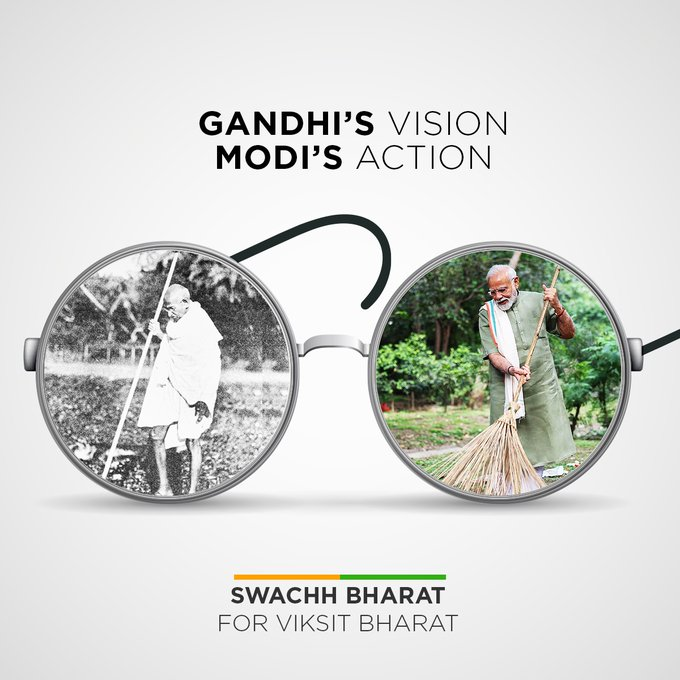
A harsh truth is that while people prioritize cleanliness in their immediate surroundings, the broader issue of nationwide sanitation often gets neglected. The Swachh Bharat Mission (SBM), launched on 2nd October 2014, was envisioned as a mass movement to transform India’s cleanliness standards. It initially ran for five years, and in October 2021, the government introduced SBM-Urban 2.0 to sustain achievements and make urban areas “garbage-free.” However, the enthusiasm that once drove the campaign appears to be fading — both among citizens and government bodies.

People or Government — Who is Responsible?

While it is easy to question government efficiency, the responsibility for cleanliness does not rest with authorities alone. Irregular garbage collection, poor waste management infrastructure, and inadequate monitoring by municipal corporations have indeed slowed progress. Yet, the attitude of citizens is equally concerning. Many people continue to litter streets, ignore dustbins, and treat public spaces with disregard.

Cleanliness is not merely about appearances — it directly impacts public health. Proper waste disposal and hygienic surroundings can reduce disease, improve quality of life, and contribute to national development. Unfortunately, the passion that once fueled Swachh Bharat Abhiyan is now visibly lacking.

Bridging the Urban–Rural Divide

Another pressing question is: why are only developed areas being further developed? Rural regions often lag behind in waste collection and sanitation facilities, widening the development gap. For the mission to succeed, the government must invest in waste management infrastructure across all regions, while also ensuring that local communities take ownership of their role.

A Call to Action

Good governance is inseparable from cleanliness. Citizens must recognize that keeping India clean is not only the government’s duty but a collective responsibility. Every small step — disposing waste properly, reducing plastic use, and spreading awareness — contributes to the nation’s progress.

It is time to reignite the spirit of Swachh Bharat and work hand-in-hand to achieve the vision of a clean, healthy, and developed India.

Clean India, Strong India: Why the Mission Needs a Fresh Push

(The writer of this article is Vanshika Soni, a student of Kanoriya PG Mahila Mahavidhyalaya)

Mobile Addiction in Children: Rising Anxiety, Depression, and Damaged Eyesight

0

By Vanshika Soni

With the increasing availability of smartphones, children have started using them excessively — whether during meals, playtime, or even while socializing. What appears to be convenience is silently turning into a harmful habit that affects not only their physical health but also their mental and social well-being.

Excessive smartphone use among children is leading to eye strain, vision problems, social isolation, decreased physical activity, anxiety, and depression. Instead of bringing positive results, this over-dependence on screens is creating barriers to healthy growth and development. Experts stress that it is essential for parents and caregivers to set boundaries and encourage balanced mobile phone habits in children.

Childhood Before Smartphones

Life for children before the digital age was filled with physical and outdoor activities — riding bicycles, climbing trees, playing hide-and-seek, and exploring nature. Such activities provided essential exercise and physical development. Without screens, children relied on their imagination to invent games and adventures, engaging in creative hobbies like drawing, painting, building, reading, and playing board games.

The Way Forward

To reduce children’s dependence on smartphones, parents must adopt smart strategies:

  • Establish clear screen-time limits and tech-free zones (such as mealtime and bedrooms).
  • Lead by example by reducing their own phone use.
  • Encourage offline engagement through sports, hobbies, and family outings.
  • Use parental controls and maintain open communication about online safety.
  • Promote yoga, exercise, and creative pursuits for a healthier lifestyle.

Children are the future of the nation, and excessive smartphone use at a young age can put that future at risk. By fostering discipline and offering healthier alternatives, parents can help their children build balanced habits and a brighter tomorrow.

Mobile Addiction in Children: Rising Anxiety, Depression, and Damaged Eyesight

(The writer is Vanshika Soni from Kanoria P G Mahila Mahavidyalaya)