Home Blog Page 18

India Emerges as Asia’s Spiritual Tourism Hub: Faith Drives Travel in 2026

0

From Sacred Rivers to Festive Streets: A New Travel Trend

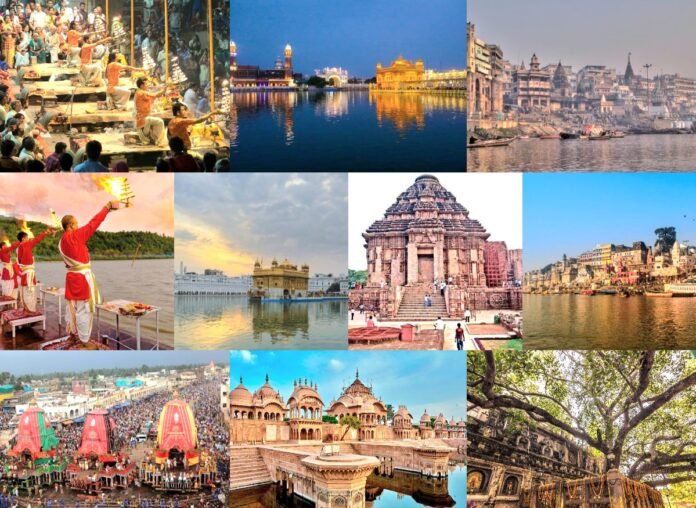
India has firmly established itself as Asia’s leading destination for spiritual tourism, according to the latest Agoda 2026 Travel Outlook Report. Nearly 19% of travelers across Asia are now planning faith-based journeys, reflecting a growing desire to combine travel with spiritual experiences. This trend highlights how ancient traditions and modern travel preferences are converging in a unique way.

The Power of Faith-Based Events

One of the biggest drivers behind this surge is the Maha Kumbh Mela, one of the largest religious gatherings in the world. During the 2025 edition, accommodation searches for Prayagraj skyrocketed by an impressive 233%, showcasing the massive pull of such events. These gatherings not only attract millions of domestic pilgrims but also draw significant international attention.

Top Spiritual Destinations in Focus

Cities deeply rooted in India’s spiritual heritage are witnessing renewed interest. Among the most popular are Varanasi, known for its ancient ghats and rituals along the Ganges; Haridwar, a gateway to the Himalayas and sacred river ceremonies; and Ayodhya, a city of immense religious significance.

Festivals also play a crucial role in shaping travel patterns. Celebrations like Holi are boosting tourism in culturally vibrant towns such as Pushkar, Mathura, and Vrindavan, where spirituality blends seamlessly with festivity.

Rising Global and Domestic Interest

Spiritual tourism in India is no longer limited to domestic travelers. Visitors from countries like the United States and Singapore are increasingly drawn to India’s rich cultural and religious landscape. This dual demand—both local and global—is fueling rapid growth in the sector, making it a significant contributor to the country’s tourism economy.

Looking Ahead: Expanding Beyond Major Cities

The rising popularity of faith-based travel is also encouraging development in smaller and lesser-known destinations. Improved infrastructure, better connectivity, and enhanced digital access are expected to make these spiritual hubs more accessible in the coming years.

A Journey Beyond Tourism

India’s emergence as a spiritual tourism leader underscores a deeper shift in travel preferences. Today’s travelers are not just seeking destinations—they are searching for meaning, connection, and transformative experiences. In India, where spirituality is woven into everyday life, this journey becomes not just a trip, but a profound exploration of the self.

Why Do Seasons Change? The Science Behind Earth’s Annual Transformation

0

Not Distance, But Tilt: The Real Reason for Seasons

Every year, as winter melts into spring and summer gives way to autumn, nature undergoes a visible transformation. A common misconception is that seasons are caused by the Earth moving closer to or farther from the Sun. In reality, the primary reason lies in the Earth’s tilt and its journey through space.

The Role of Earth’s Tilt

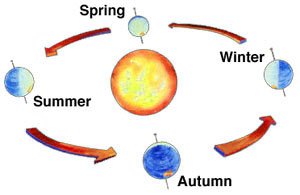
The Earth is tilted at an angle of about 23.5 degrees on its axis—an idea explained by the Axial tilt. As the planet revolves around the Sun, this tilt causes different regions to receive varying amounts of sunlight throughout the year.

When the Northern Hemisphere tilts toward the Sun, it experiences summer, with longer days and warmer temperatures. At the same time, the Southern Hemisphere faces winter. Six months later, the situation reverses, bringing seasonal balance to the planet.

Sunlight Angle and Intensity

Another key factor is how directly sunlight hits the Earth. During summer, sunlight strikes more directly, concentrating energy and increasing temperatures. In winter, sunlight arrives at a slanted angle, spreading over a larger area and becoming less intense. This process is described by the concept of Solar Insolation.

Solstices and Equinoxes: Marking Seasonal Shifts

Seasonal changes are also marked by important astronomical events. The Summer Solstice is the longest day of the year, while the Winter Solstice is the shortest. In contrast, equinoxes occur when day and night are nearly equal across the globe.

A Perfect Cosmic Balance

In essence, seasons are the result of a delicate interplay between Earth’s tilt, its orbit, and the distribution of sunlight. This natural rhythm not only shapes weather patterns but also influences ecosystems, agriculture, and daily human life—highlighting our deep connection with the cosmos.

Southern Command of the Indian Army: 132 Years of Legacy, Strength and Service

0

On April 1, 2026, the Indian Army Southern Command marks its 132nd Raising Day, celebrating a remarkable journey of service, discipline, and strategic importance within the Indian Army. Headquartered in Pune, it is one of the oldest and most significant commands of the Indian Army.

Formation and Historical Evolution

The origins of Southern Command trace back to April 1, 1895, when the British Indian Army underwent a major reorganisation into regional commands. While the structure has evolved over time, this date is recognised as the foundation of what later became Southern Command. After India’s independence in 1947, the command was reorganised and adapted to meet the needs of a sovereign nation, eventually taking its present form as a key operational command.

Role and Strategic Importance

Southern Command is a full-fledged operational command, responsible for overseeing vast areas of southern, central, and parts of western India. Unlike frontline border commands, its strength lies in operational preparedness, training, logistics, and reserve force management. It plays a crucial role in ensuring that the Indian Army remains ready for rapid deployment across different regions when required.

The command also supervises major military formations, including corps and divisions, making it an essential pillar in India’s defence framework.

Motto and Ethos

The command’s guiding motto, “Jayo Vadhho Va Sangrame” (Victory or Death in Battle), reflects the spirit of courage, sacrifice, and unwavering commitment that defines the Indian soldier.

Contributions and Achievements

Over the decades, Southern Command has made significant contributions by:

●Providing logistical and operational support during major wars and military operations
●Acting as a strategic reserve for national defence
●Leading disaster relief and humanitarian assistance during floods, earthquakes, and other crises
●Serving as a major hub for training and capacity building within the army

Its role, though often behind the scenes, has been vital in maintaining the overall strength and readiness of India’s armed forces.

A Legacy That Endures

With a history spanning over a century, Southern Command stands as a symbol of continuity, resilience, and excellence. As it celebrates its 132nd Raising Day in 2026, it not only honours its rich legacy but also reaffirms its commitment to safeguarding the nation with professionalism, preparedness, and pride.
In the larger framework of India’s defence, Southern Command remains a silent yet powerful force—always ready, always steadfast.

The Sweet Story Behind India’s Ice Cream Capital~ Mangaluru

0

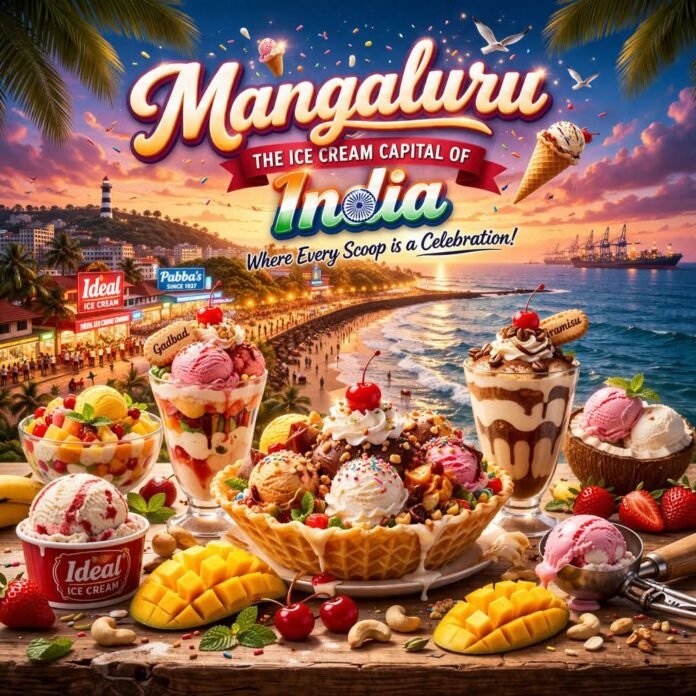
When we think of iconic food destinations in India, cities like Delhi, Indore, Mumbai or Kolkata often come to mind. Yet, tucked along the Arabian Sea coast, Mangaluru has carved a delicious identity of its own as the Ice Cream Capital of India. This title, though unofficial, is widely recognised and deeply rooted in the city’s culture and history.

The Beginning of a Sweet Tradition

Ice cream made its way into Mangaluru during the early 20th century, influenced by colonial-era food habits. However, it was not until the 1970s that the city’s ice cream culture truly flourished. A major turning point came with the establishment of Ideal Ice cream by S. Prabhakar Kamath in 1975. His vision was simple yet powerful—serve high-quality, affordable ice cream made with fresh ingredients. This approach transformed ice cream from an occasional luxury into an everyday delight for the people of Mangaluru.

Why Mangaluru Stands Out

Several factors contributed to the city earning this sweet reputation. The warm, humid coastal climate makes ice cream a year-round favourite rather than a seasonal treat. The region is also rich in fresh dairy and tropical fruits, such as mango, jackfruit, chikoo, and tender coconut, which naturally lend themselves to innovative flavours.

What truly sets Mangaluru apart is its emphasis on freshness and craftsmanship. Unlike mass-produced brands, many local parlours focus on small-batch production, often avoiding preservatives. This results in ice creams that are richer, creamier, and more authentic in taste.

Innovation in Every Scoop

Creativity is at the heart of Mangaluru’s ice cream culture. One of its most iconic creations is the famous “Gadbad”—a colourful, layered dessert combining ice cream, fruits, jelly, nuts, and syrups. It is not just a dessert but an experience that reflects the city’s love for indulgence and variety.

The Sweet Story Behind India’s Ice Cream Capital~ Mangaluru

Popular destinations like Pabbas Ice Cream Parlour have become landmarks in themselves, often bustling with customers late into the night. From unique sundaes to regionally inspired flavours, these parlours continue to innovate while maintaining tradition.

More Than Just Ice Cream

In Mangaluru, ice cream is more than a dessert—it is a way of life. Families, students, and tourists gather at parlours after meals, making it an essential part of social culture. The city’s strong network of local ice cream brands and its loyal customer base have kept this tradition thriving for decades.

A Legacy That Continues

Today, Mangaluru stands as a shining example of how a simple treat can evolve into a cultural identity. Its journey—from modest beginnings to becoming India’s Ice Cream Capital—is a story of innovation, community, and passion.

In every scoop served in Mangaluru, there is a taste of history, a touch of creativity, and a whole lot of love—making it truly one of the sweetest cities in India.

April Fools’ Day: A Celebration of Laughter, Pranks and Playful Deception

0

April Fools’ Day, observed every year on April 1, is a light-hearted occasion dedicated to jokes, pranks, and harmless mischief. On this day, people across the world play tricks on friends, family, and even the public, often ending with the classic phrase—“April Fool!”

Origin and History

The exact origin of April Fools’ Day remains uncertain, but one of the most widely accepted theories dates back to 16th-century France. In 1582, when France shifted from the Julian calendar to the Gregorian calendar under Pope Gregory XIII, New Year’s Day moved from late March–early April to January 1. Those who were unaware of the change or continued to celebrate in April were mocked and called “April fools,” often becoming targets of pranks

Another theory connects the day to ancient Roman festivals like Hilaria, celebrated with games and disguises, or to the unpredictable nature of spring, symbolizing change and surprise.

Why It Is Celebrated

April Fools’ Day is not an official holiday but is widely enjoyed as a break from routine seriousness. It promotes humor, creativity, and social bonding. From simple tricks between friends to elaborate hoaxes by media organizations, the day brings a sense of fun and shared amusement.

Trends and Modern Celebrations

In today’s digital age, April Fools’ Day has evolved significantly. Social media platforms, brands, and companies often join in by launching fake products, humorous announcements, or clever campaigns. Tech giants and news outlets have also been known to create believable but fictional stories, adding to the excitement.

However, there is a growing awareness about keeping pranks respectful and harmless, especially in an era where misinformation can spread quickly.

The Spirit of the Day

At its core, April Fools’ Day is about laughter and light-heartedness. It reminds us not to take life too seriously and to embrace moments of joy. Whether it’s a small prank among friends or a viral joke online, the day continues to be a global celebration of wit, humor, and human connection.

April 1, 1935: When RBI Started Operations and Shaped India’s Banking Future

0

The Reserve Bank of India (RBI) is the central bank of India and one of the most important institutions governing the country’s financial and monetary system. It is responsible for ensuring economic stability, regulating banks, and managing the nation’s currency.

Establishment and Beginning

The RBI was established under the Reserve Bank of India Act, 1934, and officially began operations on April 1, 1935. Initially, it was a privately owned institution but was nationalised in 1949, after India’s independence, making it fully owned by the Government of India. Its headquarters, originally in Kolkata, was shifted permanently to Mumbai in 1937.

The creation of RBI was based on the recommendations of the Hilton Young Commission, which emphasized the need for a central authority to manage India’s currency and credit system.

Purpose in the Beginning

At the time of its establishment, the RBI had a clear and focused role:
●To regulate the issue of banknotes
●To maintain reserves for monetary stability
●To manage currency and credit systems in the country

It also took over functions earlier handled by the government and the Imperial Bank of India, such as managing public debt and government accounts.

Role and Purpose Today

Over time, the RBI’s functions have expanded significantly. Today, it:
●Controls monetary policy (interest rates, inflation control)
●Regulates and supervises banks and financial institutions
●Issues currency and manages cash supply
●Manages foreign exchange reserves and payments system
●Acts as the “banker to the government” and “lender of last resort”

Its core aim remains maintaining price stability while supporting economic growth.

Importance of RBI

The RBI plays a crucial role in keeping India’s economy stable and secure. By controlling inflation, ensuring liquidity, and maintaining trust in the banking system, it directly impacts everyday life—from loan interest rates to digital payments.

Interesting Facts

●The RBI started as a private shareholders’ bank before nationalisation in 1949.
●It once acted as the central bank for countries like Pakistan (till 1948) and Burma (Myanmar) during the pre-independence period.
●The first Governor of RBI was Osborne Smith.

From managing currency in 1935 to overseeing a complex digital economy today, the RBI remains the backbone of India’s financial system, ensuring stability, growth, and trust in the economy.

Odisha Day 2026: Celebrating 91 Years of Identity, Heritage and Pride

0

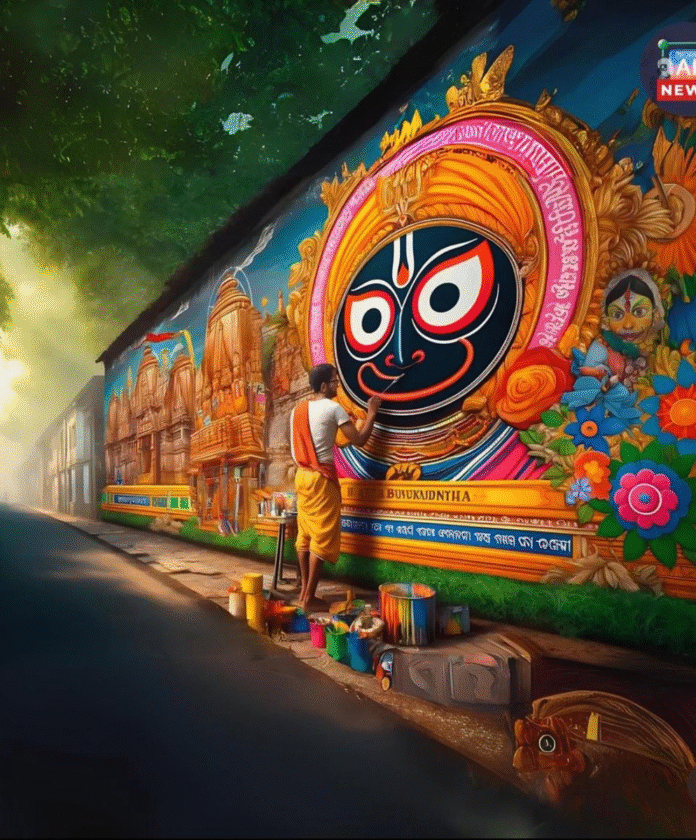
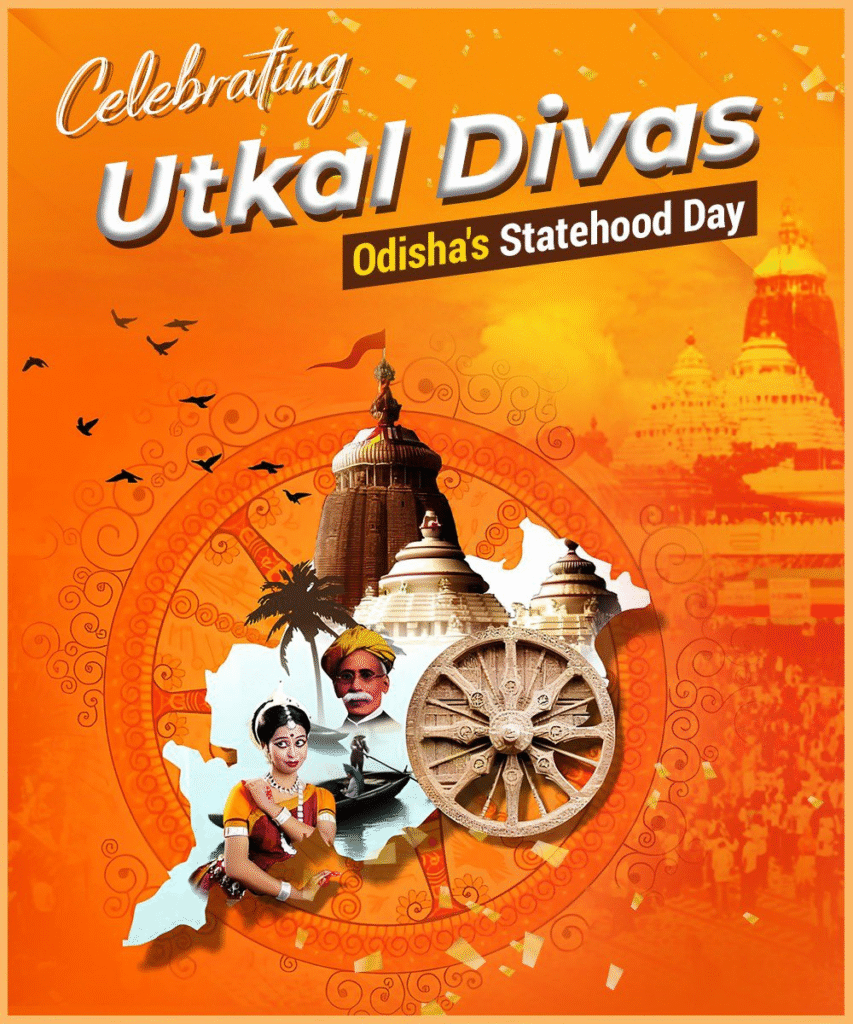
Odisha Day, popularly known as Utkal Divas or Utkala Dibasa, is celebrated every year on April 1 to mark the formation of Odisha as a separate province in 1936. In 2026, the state proudly celebrates its 91st Foundation Day, commemorating a historic moment when Odisha became the first Indian region to be formed on a linguistic basis, uniting Odia-speaking people under one administration.

Before 1936, Odia-speaking regions were divided and governed under different provinces such as the Bengal Presidency and the Bihar and Orissa Province during British rule. This fragmentation posed a serious threat to the Odia language and cultural identity. A strong movement emerged to unify these regions, led by prominent leaders like Madhusudan Das and supported by organizations such as the Utkal Sammilani. After years of persistent efforts, Odisha was officially carved out as a separate province on April 1, 1936—an important milestone in India’s socio-political history.

Odisha Day is not just about remembering the formation of a state; it is a celebration of unity, resilience, and cultural pride. The day is observed with great enthusiasm through parades, cultural events, traditional music and dance performances, and exhibitions that showcase the rich heritage of the state.

Known for its timeless beauty, Odisha offers a unique blend of history, spirituality, and nature. From the architectural marvel of the Konark Sun Temple to the sacred Jagannath Temple in Puri and the temple city of Bhubaneswar, the state reflects deep-rooted traditions. Its classical dance form, Odissi, intricate Pattachitra paintings, and vibrant tribal cultures highlight its artistic richness. Natural attractions like Chilika Lake—the largest coastal lagoon in India—and its scenic coastline further add to its charm.

As Odisha celebrates its 91st Foundation Day in 2026, it stands as a proud symbol of linguistic identity, cultural diversity, and enduring heritage.

India Boosts Chip Ecosystem with Kaynes Semiconductor Plant

0

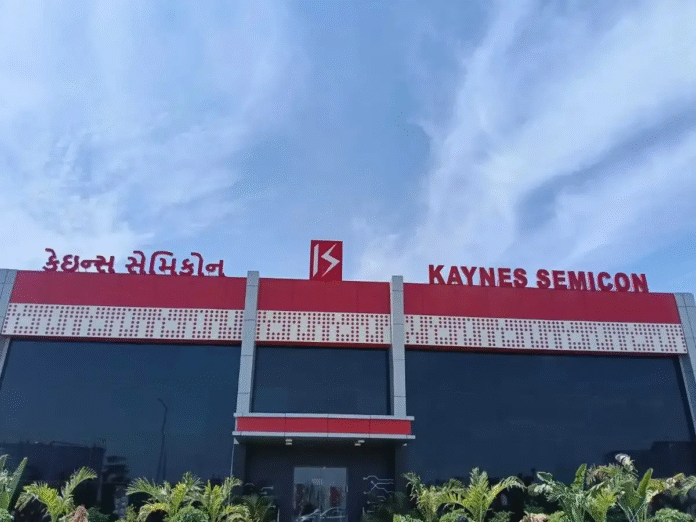
India has taken a major step toward strengthening its semiconductor ecosystem with Prime Minister Narendra Modi inaugurating a semiconductor manufacturing facility of Kaynes Technology in Sanand. This development highlights the country’s accelerating push to become a global hub for chip manufacturing.

Sanand Emerging as a Semiconductor Hub

The newly inaugurated Kaynes Technology plant in Sanand has commenced production, reinforcing Gujarat as a key semiconductor manufacturing destination. The Prime Minister noted that this comes soon after production began at another major facility in the region, indicating rapid progress in India’s semiconductor journey.

Focus on Intelligent Power Modules

The Kaynes facility will manufacture Intelligent Power Modules—critical components used in electric vehicles and industrial systems. These modules are essential for efficient power management, making them vital for sectors like EVs, renewable energy, and automation. A significant share of production is expected to be exported, helping India integrate into global semiconductor supply chains.

India Semiconductor Mission and Investments

India’s semiconductor push is anchored in the India Semiconductor Mission, launched in 2021 to boost domestic chip manufacturing. Currently, around 10 projects worth over ₹1.6 lakh crore are being implemented across multiple states. These initiatives aim to reduce import dependence and position India as a reliable global supplier amid ongoing supply chain disruptions.

Important Facts

  • India Semiconductor Mission was launched in 2021 to promote chip manufacturing.
  • Semiconductors are essential for electronics, EVs, and advanced technologies.
  • Sanand is emerging as a major semiconductor hub.
  • National Critical Minerals Mission focuses on securing raw materials for technology sectors.

Future Growth and Strategic Vision

India’s semiconductor market, currently valued at around $50 billion, is projected to exceed $100 billion by the end of the decade. The government is also promoting indigenous capabilities, including chip design and materials, supported by initiatives such as the Dhruv 64 microprocessor. Workforce development is another priority, with efforts underway to train thousands of professionals—positioning the semiconductor sector as a key driver of growth in electric vehicles, clean energy, and electronics.

Ashwini Bhide: Meet First Female BMC Commissioner Also Known As Metro Woman of Mumbai

0

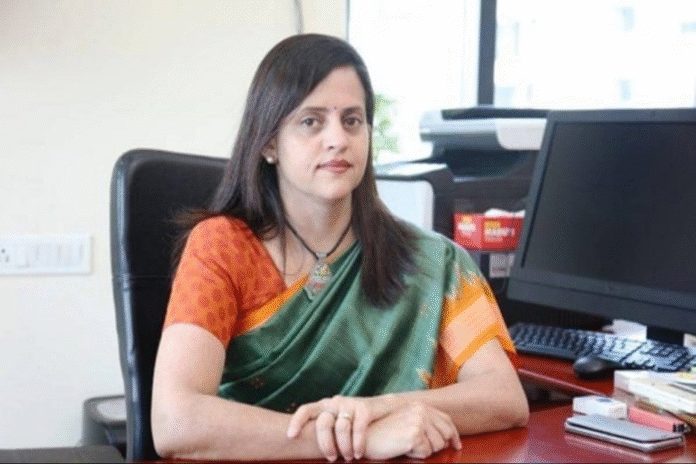
Mumbai has witnessed a historic administrative milestone with the appointment of senior IAS officer Ashwini Bhide as the commissioner of the Brihanmumbai Municipal Corporation (BMC). She becomes the first woman to head India’s richest civic body, marking a significant shift in urban governance leadership.

Career Background and Administrative Experience

A 1995-batch Indian Administrative Service officer, Ashwini Bhide has built a strong reputation through her extensive administrative career. She began her service in Kolhapur and later served as Chief Executive Officer of the Nagpur Zilla Parishad and Sindhudurg Zilla Parishad. Over the years, she has held key positions at Raj Bhavan, worked as additional commissioner at the Mumbai Metropolitan Region Development Authority, and also served within the BMC.

Role in Chief Minister’s Office and Governance

Before her appointment as BMC commissioner, Bhide was serving as Additional Chief Secretary in the Chief Minister’s Office of Maharashtra. She is known for handling complex and high-stakes assignments efficiently. Her administrative acumen and ability to manage large-scale governance challenges have made her a trusted figure in the state’s bureaucracy.

‘Metro Woman’ and Mumbai Metro Line 3 Leadership

Ashwini Bhide is widely recognised as the “Metro Woman of Mumbai” due to her leadership in executing the Mumbai Metro Line 3 project, also known as the Aqua Line. The project, Mumbai’s first underground metro corridor connecting Colaba to SEEPZ, faced major challenges such as tunnelling beneath heritage structures and resolving land acquisition issues. The controversial Aarey Colony car shed issue further brought the project into public and political focus, requiring careful administrative handling.

Important Facts

  • Brihanmumbai Municipal Corporation (BMC) is India’s richest civic body.
  • Mumbai Metro Line 3 is the city’s first underground metro corridor.
  • The Aarey Colony controversy relates to environmental concerns near Sanjay Gandhi National Park.
  • IAS officers are recruited through the Civil Services Examination conducted by the Union Public Service Commission.

Utkal Divas 2026: Date, History, Significance and Odisha Foundation Day Explained

0

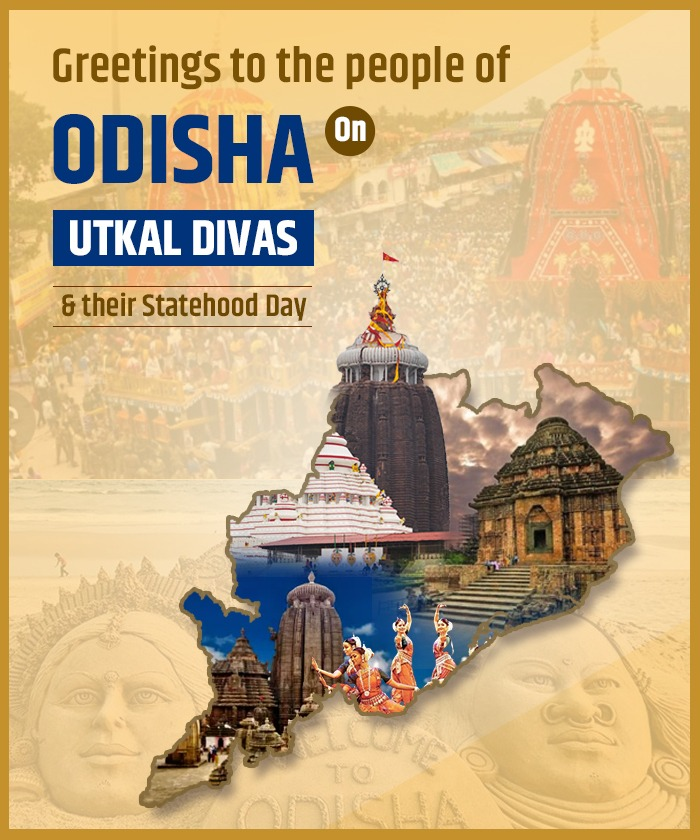
Utkal Divas is observed every year on April 1 to commemorate the formation of Odisha as a separate province during British rule in 1936. It holds a unique place in Indian history as Odisha became the first state to be created on a linguistic basis, recognising the identity of Odia-speaking people. The day is also known as Odisha Day, Utkal Dibasa, and Vishuva Milan. It is celebrated across the state through cultural events, public functions, and tributes to leaders who played a key role in the statehood movement.

Utkal Divas 2026 Date

Utkal Divas 2026 will be celebrated on April 1, 2026. The date remains the same every year, making it easy to remember and important for competitive exams like UPSC. It is observed as a restricted holiday in Odisha, with various official and community-level celebrations taking place across the state.

History of Odisha (Utkal Divas Background)

The history of Odisha dates back to ancient times when it was known as Kalinga, a powerful and culturally rich region. It gained prominence after the Kalinga War in 260 BC, which led Emperor Ashoka to embrace Buddhism. Over centuries, Odisha came under the rule of the Mughals, Marathas, and eventually the British. During British rule, Odia-speaking regions were divided among Bengal, Bihar, and Madras Presidencies, causing administrative and cultural challenges. This led to a prolonged movement demanding a separate state, which was finally achieved on April 1, 1936.

Utkal Divas 2026: Date, History, Significance and Odisha Foundation Day Explained

Odisha Foundation Day 2026

Odisha Foundation Day marks the official creation of the state after years of sustained struggle and leadership. When the state was formed in 1936, it initially comprised six districts—Cuttack, Puri, Balasore, Sambalpur, Koraput, and Ganjam. Later, in 1948, the capital was shifted from Cuttack to Bhubaneswar. This day symbolizes the success of a socio-political movement aimed at preserving linguistic and cultural identity.

About Odisha

Utkal Divas 2026: Date, History, Significance and Odisha Foundation Day Explained

Odisha is a state known for its rich cultural heritage, traditions, and natural beauty. It has a strong connection to ancient civilisation and continues to preserve its historical roots. Approximately 31 percent of the state is covered with forests, and it is home to one of the largest tribal populations in India. The people of Odisha are known for their simplicity, cultural pride, and deep-rooted traditions.

How Utkal Divas is Celebrated

Utkal Divas is celebrated with great enthusiasm across Odisha, reflecting the pride of its people in their identity and heritage. Schools, colleges, and public institutions organise cultural programs featuring traditional Odia dance, music, and drama. Competitions such as essay writing, debates, and quizzes are also conducted to raise awareness about the state’s history. Public spaces are decorated with lights and flags, and people come together through community gatherings, creating a festive and vibrant atmosphere.

Significance of Utkal Divas

The significance of Utkal Divas lies in its deep historical and cultural importance. It marks the success of the Odia-speaking people’s struggle for a separate identity and statehood. As the first linguistic state of India, Odisha set a precedent for future state formations. The day promotes unity among citizens and encourages them to celebrate their shared language, culture, and traditions. It also serves as a reminder for younger generations to value and preserve their heritage.

Utkal Divas Theme 2026

The theme for Utkal Divas 2026 is generally announced closer to the celebration date. Each year, the theme focuses on aspects such as cultural preservation, development, social progress, and unity. It helps guide the events and activities organised across the state while encouraging people to reflect on Odisha’s journey and future aspirations.