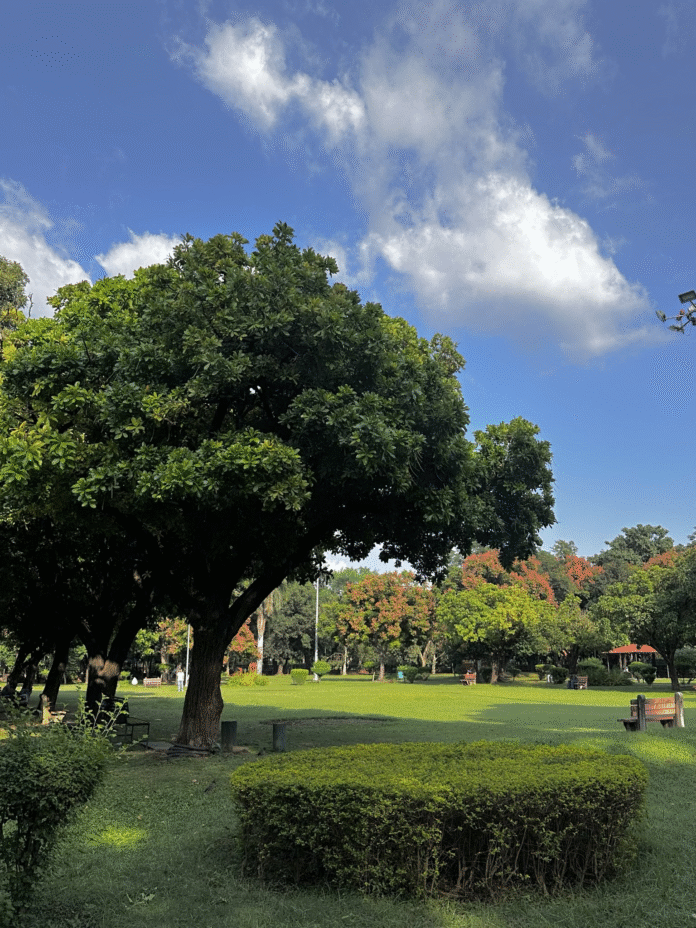
Chandigarh has created history by becoming India’s first slum-free city after successfully clearing its last remaining slum, Shahpur Colony. This milestone marks a major step forward in the country’s mission toward inclusive urban development and better housing for all.
Long recognized as one of India’s best-planned cities, Chandigarh still had pockets where thousands lived in challenging conditions. With the rehabilitation of Shahpur Colony residents, the city has now ensured that these families have access to proper housing and improved living standards.
What makes this transformation truly commendable is its human-centered approach. Instead of just removing slums, the administration focused on dignified resettlement—providing families with new homes equipped with essential amenities such as clean water, electricity, and sanitation. Many residents have also benefited from skill development and livelihood programs, enabling them to build more stable futures.
This achievement highlights what’s possible when urban planning meets compassion. Chandigarh’s model serves as an inspiring example for other Indian cities, showing that modernization can go hand in hand with empathy. It also aligns with India’s national goal of “Housing for All”, ensuring that growth and progress touch every section of society.
For Chandigarh’s residents, this step represents more than just cleaner surroundings—it brings security, dignity, and pride in their city. A truly proud moment for Chandigarh, and a model worth replicating across India.
Spiti: Know why UNESCO declared this Himalayan wonder a global ecological treasure
Himachal Pradesh’s breathtaking Spiti Valley has etched its name in history — becoming India’s first Cold Desert Biosphere Reserve, officially recognized by UNESCO in September 2025.
Spread across 7,770 sq. km in the Trans-Himalayan region, this high-altitude desert — perched between 3,300 and 6,600 meters above sea level — is as extreme as it is enchanting. Despite freezing temperatures, arid winds, and minimal vegetation, Spiti thrives as one of the most unique ecosystems on Earth.
The Harsh Beauty of a Cold Desert
Spiti’s rugged landscape may appear barren, but it’s bursting with life uniquely adapted to its icy terrain. The valley shelters snow leopards, Himalayan blue sheep (bharal), and golden eagles, among other rare species that survive in sub-zero conditions.
Equally inspiring are the indigenous Himalayan communities who have lived here for centuries — preserving a deep bond with nature through traditional farming, architecture, and water-management practices. Their resilience and eco-friendly way of life are central to Spiti’s identity.
UNESCO’s Global Recognition
The UNESCO designation was announced during the Man and the Biosphere (MAB) Programme meeting in Hangzhou, China. With this honour, Spiti joins 12 other Indian biosphere reserves and more than 700 sites worldwide committed to sustainable coexistence between humans and nature.
This recognition will boost conservation research, eco-tourism, and global partnerships, positioning Spiti as a model for balancing biodiversity with traditional livelihoods.
Zones of the Spiti Cold Desert Biosphere Reserve
The biosphere reserve is divided into three distinct zones for preservation and sustainable development:
Core Zone (2,665 sq. km): Includes Pin Valley National Park and Kibber Wildlife Sanctuary, where conservation is paramount.
Buffer Zone (3,977 sq. km): Limited human activity permitted under strict ecological guidelines.
Transition Zone (1,128 sq. km): Focused on sustainable tourism, handicrafts, and community-based livelihoods.
A Balance Between Nature and Humanity
Spiti’s recognition as India’s first Cold Desert Biosphere Reserve is not just about protecting landscapes — it’s about celebrating coexistence. The valley stands as a symbol of how traditional wisdom, when aligned with global conservation goals, can preserve one of Earth’s most fragile ecosystems for generations to come.
Despite high living costs and safety concerns, New York City continues to reign supreme as the world’s richest city — a glittering magnet for the ultra-wealthy. Whether it’s Wall Street’s financial dominance, luxury real estate, or unmatched cultural influence, New York remains the global capital of wealth.
According to Henley & Partners, the city is home to a staggering 3,84,500 millionaires, 818 centi-millionaires, and 66 billionaires — each contributing to the dazzling skyline and unmatched energy of NYC.
At the heart of this prosperity lies Wall Street, the nerve centre of the global financial world, hosting the New York Stock Exchange and NASDAQ — the two largest stock exchanges worldwide. Add to that the city’s booming real estate, world-class fashion scene featuring brands like Ralph Lauren and Calvin Klein, and a constant influx of global talent — and you have the perfect recipe for enduring affluence.
Emerging Billionaire Cities Around the Globe
While New York continues to dominate, other global powerhouses are fast climbing the ladder of luxury and influence.
Bay Area (USA)
With Silicon Valley’s innovation culture and a tech-driven boom, the Bay Area has witnessed a 98% increase in wealth over the past decade. It now boasts 3,05,700 millionaires, thanks to giants like Apple, Google, and Meta reshaping the global economy.
Tokyo (Japan)
Asia’s richest and safest city, Tokyo, is home to 2,98,300 millionaires. Its economic stability, technological leadership, and strong corporate base make it a consistent global contender.
Singapore
Known for its safety, pro-business policies, and tax incentives, Singapore has become a magnet for global investors. The city-state now has 2,44,800 millionaires and 30 billionaires — making it Asia’s rising wealth hub.
Los Angeles (USA)
From tech to Tinseltown, Los Angeles shines bright with 2,12,100 millionaires, 516 centi-millionaires, and 43 billionaires. Its booming entertainment industry, luxury real estate, and creative economy keep wealth flowing.
Other Wealth Powerhouses
London – 2,27,000 millionaires | Global centre for international business
Paris – 1,65,000 millionaires | Europe’s style and culture capital
Hong Kong – 1,54,900 millionaires | Investor haven with a tax-friendly system
Sydney – 1,52,900 millionaires | Australia’s financial hub with world-class infrastructure
Chicago – 1,27,100 millionaires | Strong in manufacturing, healthcare, and innovation
The Race to Top
From Silicon Valley’s innovation to Singapore’s stability, every city is redefining what it means to be “rich.” Yet, New York continues to lead — not just with numbers, but with the spirit of ambition, resilience, and reinvention that defines true wealth.
Over the past few weeks, Arattai, a homegrown messaging app developed by Indian tech giant Zoho, has rapidly climbed the charts, becoming a viral sensation. The company claims it recorded seven million downloads in just seven days, a staggering rise from under 10,000 downloads in August, according to market intelligence firm Sensor Tower.
The name Arattai means “banter” in Tamil, and though the app had a quiet launch back in 2021, it has recently exploded in popularity — largely fuelled by the Indian government’s push for self-reliance under the “Make in India” and “Spend in India” initiatives.
Federal Minister Dharmendra Pradhan was among the first to endorse Arattai on X, urging users to switch to Indian-made apps. Soon after, other ministers and business leaders followed, giving Zoho’s app an unprecedented boost in visibility.
“In just three days, we saw daily sign-ups increase from 3,000 to 350,000 — a 100x jump,” said Zoho CEO Mani Vembu, adding that users were “enthusiastic about a homegrown product that meets India’s unique needs.”
While Zoho has not disclosed its total active user base, the surge signals growing consumer appetite for indigenous tech alternatives — particularly those that balance usability, security, and national pride.
Capturing the Indian User Base
Arattai mirrors WhatsApp’s key features — text messaging, voice and video calls, and business tools — but its appeal lies in localized design and optimization for low-end devices and slow internet speeds, making it accessible to millions of users across semi-urban and rural India.
More than 95% of Arattai’s active users in September were based in India, Sensor Tower data shows. Many users on social media have praised its clean interface, smooth performance, and the pride of using an Indian-made product.
Today, Amit Shah also used Zoho Mail Id and shared his tweet too asking others to follow the trend. Many ministers are following him now.
Hello everyone,
I have switched to Zoho Mail. Kindly note the change in my email address.
My new email address is amitshah.bjp @ https://t.co/32C314L8Ct. For future correspondence via mail, kindly use this address.
Zoho insists it is actively working to roll out full encryption soon. “Once implemented, even we won’t have access to users’ messages,” Vembu said, pledging transparency about government data requests.
With WhatsApp’s 500 million users in India, Arattai’s road ahead is steep. Yet, Zoho’s credibility as a global SaaS powerhouse and its commitment to Indian-built solutions give it a strong foundation to scale.
Cristiano Ronaldo has officially become football’s first billionaire player, according to financial information and media firm Bloomberg.
The Bloomberg Billionaires Index, which tracks the world’s richest individuals based on their net worth, has included the 40-year-old Portugal and Al-Nassr striker for the first time.
Ronaldo’s net worth is estimated at $1.4 billion (£1.04 billion), taking into account his career earnings, investments, and endorsement deals. Between 2002 and 2023, he reportedly earned more than $550 million (£410 million) in salary alone. His lucrative sponsorships include a decade-long partnership with Nike worth nearly $18 million (£13.4 million) annually.
When Ronaldo joined Saudi Pro League side Al-Nassr in 2022, he became the highest-paid player in football history, earning around £177 million per year. His contract, initially set to end in June 2025, was recently extended by two years — a deal reportedly valued at over $400 million (£298 million) — keeping him at the club beyond his 42nd birthday.
Meanwhile, Argentina and Inter Miami forward Lionel Messi, Ronaldo’s long-time rival, has earned more than $600 million (£447 million) in pre-tax salary over his career, according to Bloomberg. Since 2023, Messi has received a guaranteed $20 million (£15 million) in annual pay — roughly 10% of Ronaldo’s income over the same period.
At 38, Messi is also set to receive a stake in Inter Miami upon retirement, further adding to his already impressive portfolio.
Mobile applications have revolutionized the way fans consume sports. They deliver real-time scores, player statistics, news, and behind-the-scenes content directly to smartphones. In addition to following the games, fans can engage with each other and teams and players via polls and updates, as well as a sense of exclusivity, which fosters better relationships between fans and teams. This transformation is changing the global fan culture, interaction, and devotion. Learn about the ways mobile applications are changing the sports experience today.
Mobile Apps as a Direct Bridge Between Teams and Fans
Sports teams are no longer expected to rely solely on television or stadium events to entertain their fans. Mobile applications provide a direct means of communication, delivering news, highlights, and exclusive content without interference from third parties. The fans seek real-time updates, and these websites can address this need because they offer immediate information in a few seconds.
Apps also help clubs customize their engagement by providing content tailored to individual preferences. This includes not only updates about favorite teams but also opportunities for a more interactive experience, such as predictions or bets, which can be found if you download the Melbet application. Push notifications about a favorite player, ticket discounts, or interactive polls contribute to a sense of community. By centralizing the experience on smartphones, organizations foster loyalty and keep fans engaged on a daily basis.
Features That Redefine Engagement
It is not only streaming matches that mobile applications have a broad range of interactive functions. These tools transform a passive audience into active participants, leaving them active even after the final whistle. Some of the most influential ones include:
Live match coverage: play-by-play, real-time statistics, and live score notifications.
Fan interaction hubs: comment sections, direct engagement by use of polls and quizzes.
Only members: backstage videos, locker room shots, and interviews.
All these are used to create a closer fan engagement so that every moment would be special. The modern sports ecosystem is starting to feature apps as teams start to adopt more of the features of creativity.
New Dimensions of In-Game Experience
Mobile apps are now essential to the live stadium experience, offering venue guides, real-time stats, and immersive features. During breaks, fans can enjoy distractions like the Aviator online game, adding an extra layer of fun. This combination of live sports and digital entertainment keeps fans engaged and entertained throughout the event.
Stadium-Specific Applications
Several soccer clubs have developed stadium applications that assist fans on match days. These technologies help visitors to find parking places, scan mobile tickets, and order food online. These characteristics facilitate logistics, making attendance easier and more pleasurable.
Augmented reality features are also useful to the fans, such as a real-time display of player statistics through the phone camera. This extra piece of information makes live attendance a technology-infused experience.
Interactive Viewing Outside the Stadium
Mobile platforms also provide supporters who are unable to be present with special perks. They have control over how they follow matches as they have multi-camera viewing, instant replay control, and in-app commentary options.
Additionally, gamification elements such as prediction games and fantasy sports are being combined with live events, which means that all viewers are active participants, regardless of whether they are at home, traveling, or abroad. Such flexibility means the nonstop involvement, wherever the fans represent themselves.
The Growing Role of E-Commerce and Sponsorships
Mobile applications are also emerging as revenue generators for teams and leagues. There are merchandise stores that are integrated, allowing fans to purchase their jerseys, scarves, or memorabilia with just a single tap. Ads and sponsor relationships are not intrusive, being an integral part of the experience, which will not cause users undue annoyance.
Another important service is ticketing. Fans can buy, sell, and manage tickets through digital wallets in apps. This ease and access from an ecosystem in which communication and business are a natural interaction further solidifies the app’s role as a central hub for fan engagement and commerce.
Where Fan Engagement Is Headed Next
The future of sports apps is in increased personalization and immersive technologies. AI will also make recommendations more personalized, providing a user with highly personalized content. Integrations of virtual reality have the potential to help fans experience games, even when they are sitting in their living room. Mobile applications are not a peripheral need anymore, but are at the core of sports engagement strategies. As technology continues to evolve, it will further transform how fans experience, engage with, and celebrate their favorite teams.
World Mental Health Day is observed every year on October 10. It’s a global movement to raise awareness about mental health issues, promote open conversations, and advocate for accessible care and support worldwide.
What Is World Mental Health Day?
First initiated by the World Federation for Mental Health (WFMH) in 1992, World Mental Health Day aims to break the stigma surrounding mental illness. Supported by the World Health Organization (WHO), this day encourages education, empathy, and advocacy for improved mental health services globally.
Theme for World Mental Health Day 2025
The official theme for World Mental Health Day 2025 is “Access to Services – Mental Health in Catastrophes and Emergencies.”
It highlights the urgent need to ensure mental health care during crises such as natural disasters, wars, and pandemics — when psychological support is most needed but often least available.
Why Mental Health Awareness Matters
Over 1 billion people worldwide live with mental health conditions, yet most never receive treatment. Mental health challenges like depression, anxiety, bipolar disorder, and PTSD affect productivity, relationships, and quality of life.
Raising awareness helps:
Reduce stigma and discrimination
Promote early diagnosis and treatment
Encourage policy changes and funding
Foster compassion and community support
Common Signs of Mental Health Struggles
Recognising early symptoms is key to recovery. Warning signs may include:
Persistent sadness or hopelessness
Fatigue and loss of interest
Excessive anxiety or worry
Withdrawal from friends and activities
Appetite or sleep changes
Thoughts of self-harm
If these signs persist, seeking professional help is essential.
Global Mental Health Facts (2025)
Over 1 billion people live with mental disorders
Suicide takes more than 700,000 lives annually
Governments spend a median of 2% of health budgets on mental health
Depression and anxiety cost the global economy $1 trillion annually in lost productivity
Mental health is not just a personal issue — it’s a global health and economic priority.
How to Improve Mental Well-Being
Small daily habits can boost mental health and resilience:
Exercise regularly to reduce stress
Maintain a consistent sleep schedule
Eat balanced, nutritious meals
Stay connected with loved ones
Practise mindfulness and meditation
Set realistic goals and take breaks
Seek professional help when needed
Top 10 Self-Care Tips for Mental Health
Practise mindfulness or deep breathing daily
Take breaks when overwhelmed
Communicate with trusted friends or family
Engage in creative hobbies
Limit screen and social media time
Get adequate rest and hydration
Celebrate small wins
Spend time outdoors
Write a gratitude journal
Don’t hesitate to ask for help
How to Support Someone Struggling
Supporting someone with mental health challenges starts with empathy:
Listen without judgment
Encourage professional help
Offer companionship and patience
Avoid unsolicited advice
Respect their privacy and boundaries
Sometimes, just being there makes a world of difference
Technology and Mental Health
Digital innovations are revolutionising mental health support:
Teletherapy & online counselling connect people remotely
Apps for mood tracking and mindfulness boost self-care
AI-powered platforms detect early distress signs
However, experts stress that digital tools should complement, not replace professional therapy — with strict data privacy measures in place.
Global Efforts to Improve Mental Health
Organisations like WHO, WFMH, and United for Global Mental Health are driving global advocacy by:
Increasing funding for mental health programs
Training healthcare professionals
Integrating mental health into primary care
Ensuring continuity of support during crises
These efforts aim to make mental health care universal, inclusive, and rights-based.
Conclusion
World Mental Health Day 2025 reminds us that mental health is as vital as physical health. By spreading awareness, practising self-care, and supporting others, we can build a world where everyone has access to mental well-being.
Remember: Seeking help is not a sign of weakness — it’s an act of courage
The FORTI Women Wing brought festive cheer and entrepreneurial spirit together as it hosted its much-awaited annual Karwa Chauth celebration, “Shagna Di Shaam,” at ITC Rajputana, Jaipur, on October 6 (Monday evening).
Draped in vibrant shades of red, members and guests came together under the theme of love and togetherness, celebrating the festival theme with elegance and enthusiasm. The event beautifully blended tradition with modernity, offering a platform where festive spirit met female entrepreneurship.
The evening featured a dazzling and interactive networking sessions designed to connect women entrepreneurs across industries. The warm, festive décor and lively performances created an atmosphere of joy, laughter, and sisterhood.
Speaking at the event, FORTI Women Wing representatives said that “Shagna Di Shaam” is not just a celebration of Karwa Chauth, but also an effort to empower women through community and collaboration.
Stories, smiles and new business connections created memorable memories among these members who celebrated the festival with festive zeal and spirit.
1960s :: Statue of Munshi Premchand In Lamhi, Varanasi
India today remembered Munshi Premchand, one of its greatest literary icons, on his 89th death anniversary, with tributes pouring in from readers, writers, and cultural institutions across the country.
Born as Dhanpat Rai Srivastava in 1880 in Lamhi village near Varanasi, Premchand is celebrated for his timeless works that portrayed the struggles of ordinary Indians with honesty and compassion. Over his prolific career, he authored more than 300 short stories and 14 novels, exploring themes of caste, poverty, social injustice, and women’s rights.
Locals, students, and literary enthusiasts gathered at his memorial in Lamhi, offering flowers and reading excerpts from his stories such as Godaan, Nirmala, and Kafan. The event served as a reminder of his enduring influence on Hindi and Urdu literature.
On social media, platforms like Rekhta and thousands of users paid homage to the writer, praising his multilingual legacy and his unwavering social conscience. Many voices also called for better preservation and promotion of his ancestral home, urging authorities to protect it as a symbol of India’s rich literary heritage.
Munshi Premchand remains a towering figure whose words continue to inspire empathy, equality, and reform — values that resonate even today.
Union Home Minister Amit Shah has announced that he has switched his official email to Zoho Mail, a homegrown email platform developed by Indian tech company Zoho Corporation.
In a post shared on X (formerly Twitter) on Wednesday, Shah revealed his new email address — amitshah.bjp@zohomail.in — and encouraged others to use it for official correspondence.
The move is being seen as a strong endorsement of Prime Minister Narendra Modi’s “Swadeshi Technology” initiative, which promotes the use of Indian-developed digital platforms amid rising global concerns about data privacy and dependency on foreign tech giants.
Zoho Corporation, founded in 1996 by Sridhar Vembu and headquartered in Chennai, expressed gratitude for the minister’s gesture. The company said Shah’s decision highlights growing trust in India’s indigenous technology ecosystem and supports their vision to make Indian software globally competitive.
Industry observers view this as a symbolic yet significant step towards strengthening India’s digital sovereignty — encouraging government officials and citizens alike to adopt secure, locally built platforms.