Home Blog Page 117

Darjeeling or Gangtok – Which Hilly Escape Fits Your Travel Style?

0

If you’re planning a Himalayan getaway and can’t decide between Darjeeling’s misty slopes or Gangtok’s modern vibe you’re not alone. Both towns offer mountain air, scenic views, and charm, but the vibe and travel experience are very different. Here’s a friendly breakdown to help you choose or maybe dare you to do both.

Darjeeling: Nostalgic hills and tea-scented air
Darjeeling feels like a storybook narrow slopes lined with colonial-era buildings, tea gardens blanketed in mist, and old-world cafés echoing memories of a slower pace.
Early risers can sip chai while watching the sunrise over rolling hills. Scenic viewpoints, heritage-style experiences, and the subtle hum of hill-town life make Darjeeling perfect for travellers who enjoy nostalgia, quiet mornings, and a slower rhythm. Its vintage charm, tea culture, and laid-back mood give a timeless vibe that many travellers crave.

Gangtok: comfortable, clean, and culturally vibrant
Gangtok, on the other hand, feels more organised and modern smoother roads, greener surroundings, and a calm pace that’s easy on tourists.
Whether exploring monasteries, lakes, or sampling local Sikkimese and Tibetan-style cuisine, Gangtok offers variety, comfort, and convenience. For travellers who want to relax without compromise, appreciate easy commutes, and enjoy a mix of culture and modern amenities this city checks all the boxes.

Which one suits you best
Darjeeling appeals to travellers who love misty mornings, slow strolls, tea gardens, and old-school hill-town charm. Gangtok, meanwhile, suits those who prefer smooth travel, clean surroundings, easy access to sightseeing, and a more structured pace.

Pro tip: Why not both?
If you can’t decide, consider experiencing both. Start with Gangtok for comfort, sightseeing, and modern Himalayan experiences, then head to Darjeeling to slow down, soak in the hills, and enjoy the old-world charm. Many travellers do just that and end up getting the best of both worlds.

At the end of the day, whether you pick Darjeeling or Gangtok depends on what you want your Himalayan escape to feel like tranquil nostalgia or easy-going adventure. Either way, mountain air, misty mornings, and fresh vibes await.

8 Visa-Free Countries Indians Can Visit This Winter

0

Do you know that there are still several countries welcoming Indian passport-holders without the visa-queue hassle? Surprised? Yes, It’s true…These countries offering a rich mix of culture, climate, and escape. When Winter mornings in India often feel grey and chilly, this simple passport might be all you need to trade the cold for sun, surf, mountains, or ancient streets. For travellers longing for spontaneity, here comes the list of these eight visa free countries. For Indian travellers, this winter opens doors to 8 destinations that offer visa-free or visa-on-arrival access making travel planning as breezy as packing a bag.


Here’s a look at what awaits:

From beaches to mountains, where to go
Thailand – A favourite for decades, Thailand glows under January-February skies. Golden temples, vibrant street-food lanes, floating markets, island beaches and buzzing night-markets make for a lively, affordable break.

Maldives – Crystal-clear waters, coral reefs, sunset cruises and serene beaches turn December-February into paradise. Snorkelling or island-hopping? Maldives delivers.

Mauritius & Seychelles – For those who dream of exotic islands with gentle waves, lush nature and tropical calm both offer visa-free access and a warm, tranquil winter escape.

Bhutan & Nepal – If mountains, monasteries, and crisp winter air call you, these Himalayan neighbours invite you in. Perfect for serene treks, spiritual retreats or soul-refreshing views.

Sri Lanka & Malaysia – Ideal if you seek a mix: tropical beaches, colonial heritage, vibrant culture and easy-going travel logistics all in one.

Travel smart because easy entry deserves thoughtful planning
Visa-free entry saves paperwork, but meaningful travel still needs a few steps. Make sure your passport is valid, keep copies of important documents, check local health advisories, and let someone back home know your itinerary.

In months when Delhi-Bengaluru roads feel cold and crowded, imagine stepping into a world of sunshine, palm trees, or Himalayan peaks just because you dared to book.
For travellers craving a break from predictability, these 8 destinations offer spontaneity, adventure, and serenity all accessible without waiting.
Maybe this season, your next favourite sunset is waiting just one flight away.

Top Inspiring Business Stories: The Most Motivating Success Journeys of Entrepreneurs Worldwide

0

Success in business rarely happens overnight. Entrepreneurs often face hardships, failures, uncertainty, and rejection long before they experience breakthrough achievements. Yet, time and again, we see ordinary individuals defy the odds, pursue their dreams, and build global empires. Their journeys remind us that discipline, resilience, and belief in oneself can turn the most unlikely beginnings into extraordinary success.

In this feature, we explore some of the most inspiring entrepreneurial success stories from around the world — from tech innovators to fashion pioneers and media moguls — proving that with passion and persistence, anything is possible.

How a Barber Became a Billionaire: The Story of Ramesh Babu

Ramesh Babu’s journey is nothing short of remarkable. Once a humble barber in a small Indian village, he worked tirelessly to build a future beyond survival. With sharp business instincts and years of hard work — including two decades in the film industry — he eventually built a luxury car rental empire worth millions, earning him the nickname “Billionaire Barber.”

Today, he continues to support underprivileged communities through charity, making his journey not just successful, but meaningful.

From Janitor to Billionaire: The Forever 21 Success Story

Do Won Chang, founder of Forever 21, arrived in the U.S. from South Korea with nothing. He worked multiple low-paying jobs, including janitorial work, to make ends meet. Yet he refused to give up on his entrepreneurial dreams.

In 1984, he and his wife opened a small fashion store focusing on trendy yet affordable pieces. Their vision evolved into a global powerhouse with over 3,000 stores. By 2011, Forbes named Chang one of America’s richest self-made entrepreneurs under 40.

Despite his wealth, Chang still worked seven days a week — a true testament to commitment and humility.

Bill Gates: From a Garage Startup to Leading the Tech World

In 1975, college dropout Bill Gates, along with Paul Allen, transformed their love for software into Microsoft — a company that would revolutionize computing forever.

From earning just $16,005 in its first year to becoming a global technology giant with a market share dominating 90% of personal computing by 2020, Microsoft’s growth reflects Gates’ persistence, leadership, and innovative thinking.

At age 31, Gates became the youngest self-made billionaire in history, inspiring entrepreneurs worldwide.

Oprah Winfrey: From Trauma and Poverty to Billion-Dollar Influence

Oprah’s journey is one of the most powerful examples of resilience. Born into poverty and a victim of abuse, she faced emotional and social struggles throughout her childhood.

But her determination to succeed led her to media, where she rapidly climbed the ranks. Eventually, she became the host of The Oprah Winfrey Show, one of the most influential talk shows in the world.

Today, she is a multi-billionaire, philanthropist, and global icon, proving that your past does not have to dictate your future.

J.K. Rowling: From Welfare to Worldwide Bestselling Author

Before Harry Potter became a global sensation, J.K. Rowling was a struggling single mother living on welfare. She wrote much of her first book in cafés because she couldn’t afford heating at home.

After facing rejection from 12 publishers, the 13th finally accepted her manuscript — and the rest is literary history.

Today, with over 500 million copies sold, Rowling remains an example of persistence, creativity, and belief in one’s story.

Steve Jobs: Fired from His Own Company to Building a Global Brand

Early in his career, Steve Jobs was removed from Apple — the very company he co-founded. But instead of giving up, he built new ventures, including NeXT and Pixar Animation Studios.

When he returned to Apple years later, the company was failing. Under his leadership, Apple unleashed revolutionary products like the iPod, iPhone, and MacBook — redefining modern technology and communication.

Jobs’ journey shows that failure can be a stepping stone toward historic success.

Richard Branson: Failure, Bankruptcy — and Then Triumph

Before becoming the face of the Virgin empire, Richard Branson went bankrupt twice before age 18. But his passion and belief in taking risks helped him persist.

Today, Branson owns one of the most diverse business empires in history — spanning aviation, hospitality, telecom, and even space travel.

His story proves that setbacks are simply lessons, not endings.

Eric Yuan: The Visionary Behind Zoom

Raised in rural China, Eric Yuan dreamed of building something impactful. After being denied a U.S. visa multiple times, he finally made it — and in 2011, founded Zoom.

When the world shifted to remote work during the COVID-19 pandemic, Zoom became a lifeline for communication, making Yuan one of the most influential entrepreneurs of the modern digital era.

Conclusion

These stories demonstrate that success is rarely linear. Each entrepreneur faced adversity, rejection, financial struggles, or failure — yet they continued forward with determination.

Their journeys remind us:

Success isn’t about where you start — it’s about how far you’re willing to go.

AI Preserving India’s Monuments: See How Cultural Heritage is Protected for Generations

0

From the timeless sculptures of the Elephanta Caves to centuries-old manuscripts, AI is helping India preserve, document and share its cultural heritage for generations to come. When we walk through the ancient halls of forts, temples and monuments, we often sense the weight of time — and at times, the fear that these treasures may someday vanish.

But that fear is slowly giving way to hope. Across India, artificial intelligence is emerging as a powerful ally in the effort to revive, restore and reimagine cultural heritage.

From 3D scans of centuries-old sculptures to machine-assisted archiving of rare manuscripts, technology is ensuring that our history doesn’t just survive — it thrives in the digital age.

Preserving the past with the power of AI

In today’s digital era, where technology shapes every aspect of life, the Indian government is increasingly turning to artificial intelligence to preserve and document the nation’s priceless heritage.

Deep-learning models decode ancient patterns and iconography lost to age and decay. Photograph: (Bitcoin World)

According to the Ministry of Culture, a ₹300-crore initiative has been launched to integrate AI technologies into the conservation of India’s cultural artefacts and monuments. Under the programme, AI systems analyse structural integrity, assess wear and tear, and predict environmental stress on ancient sites — enabling timely interventions before deterioration sets in.

Beyond monuments, the initiative emphasises digitally preserving ageing manuscripts, documents and artworks, safeguarding centuries of knowledge for future generations.

High-resolution 3D scanning, condition-monitoring sensors and predictive modelling now allow experts to detect early signs of erosion, micro-cracks and even subtle structural tilting. This shift from reactive repairs to proactive preservation marks a new era in heritage management.

From code to culture: Collaboration keeps history alive

Preservation today is not just about safeguarding monuments; it’s about making India’s rich culture accessible to everyone, everywhere.

Commonwealth Games 2030 in India’ Ahmedabad: See How It Boosts 2036 Olympic Bid

0

India has officially secured the hosting rights for the 2030 Commonwealth Games, with Ahmedabad selected as the host city. The announcement came after the Commonwealth Sports Executive Board meeting held in Glasgow, Scotland, on Wednesday.

Indian Olympic Association (IOA) President PT Usha signed the agreement formalizing India’s role as host.

This will be India’s second time hosting the Commonwealth Games, coming 15 years after the 2010 Delhi Games, where Indian athletes delivered a historic performance with 101 medals, including 38 gold.

Prime Minister Narendra Modi congratulated people of india on the occasion and termed it as collective commitment and spirit of sportsmanship.

First Multi-Sport Global Event in India in Two Decades

The 2030 edition will mark the first major multi-sport international event in India since 2010. Prior to that, India also hosted the Asian Games in 1951 and 1982. Additionally, the Afro-Asian Games were held in Hyderabad in 2003.

Why Winning the Bid Matters

Hosting the Commonwealth Games is seen as a major milestone—not just in sports, but in global positioning. It signifies:

  • Strong infrastructure
  • Sporting ambition
  • International credibility
  • Readiness for future global events

So far, only nine countries have hosted the Games, including Australia, England, Canada, New Zealand, and India.

Australia holds the record, having hosted the event five times.

Boost for India’s 2036 Olympic Dream

The successful Commonwealth Games bid is expected to bolster India’s chances of securing the 2036 Olympic Games. Prime Minister Narendra Modi had earlier confirmed India’s intention to host the Olympics, and the country officially submitted its bid in November last year.

India’s Recent CWG Performance

At the 2022 Birmingham Commonwealth Games, India won 61 medals — including:

  • 22 Gold
  • 16 Silver
  • 23 Bronze

A major chunk of the medals came from wrestling, weightlifting, and athletics. The Indian women’s cricket team also claimed a silver medal.

100 Years of the Commonwealth Games

The 2030 edition will mark the centenary year of the Commonwealth Games, which began in 1930 in Hamilton, Canada.

Originally known as the British Empire Games, the name changed to the Commonwealth Games in 1978. Today, the event brings together athletes from 54 member nations of the Commonwealth.


Rare Earth Magnet Manufacturing: Union Cabinet Approves ₹7,280-Crore Scheme

0

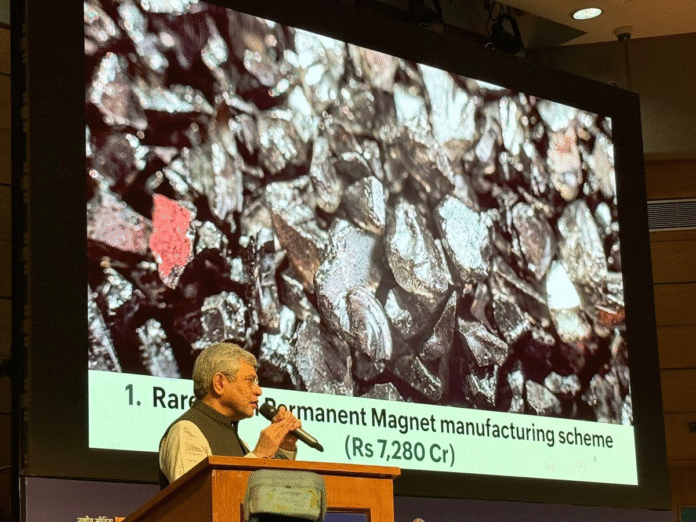
The Union Cabinet, chaired by Prime Minister Narendra Modi, has approved a ₹7,280-crore incentive scheme to promote domestic manufacturing of rare earth permanent magnets (REPMs). The initiative is a key step in India’s long-term strategy to reduce reliance on imported critical minerals and develop a resilient supply chain for high-tech industries.

Objective of the Scheme

The scheme—formally titled the “Scheme to Promote Manufacturing of Sintered Rare Earth Permanent Magnets”—aims to establish an annual production capacity of 6,000 metric tonnes (MTPA) of REPMs. These magnets are essential components in sectors such as:

  • Electric vehicles
  • Renewable energy systems
  • Defence and aerospace
  • Medical devices
  • Consumer electronics

Duration and Implementation

The programme will span seven years, including:

  • Two years for setting up integrated manufacturing facilities
  • Five years of incentive disbursement linked to actual REPM sales

The Ministry of Heavy Industries will oversee implementation in coordination with relevant technical ministries. The incentive structure is designed to boost production efficiency and enhance global competitiveness.

Strategic Importance for India

India currently imports a significant portion of its rare earth materials—primarily from China. The new scheme is expected to:

  • Build a domestic ecosystem for rare earth processing, sintering, and magnet manufacturing
  • Strengthen India’s position in global supply chains
  • Support national initiatives like Atmanirbhar Bharat and Make in India
  • Accelerate growth in sectors heavily dependent on rare earth magnets, including clean energy and electric mobility

Facts

  • Total scheme outlay: ₹7,280 crore
  • Annual production target: 6,000 MTPA of REPMs
  • Scheme duration: 7 years (2-year setup + 5-year incentives)
  • Key beneficiary industries: EVs, defence, aerospace, renewable energy, electronics

Future Prospects and Industry Impact

The government expects the scheme to attract significant private investment and stimulate advanced R&D in magnet technologies. The development of domestic REPM manufacturing capabilities will:

  • Strengthen industrial resilience
  • Support India’s clean energy and sustainability goals
  • Generate high-skilled employment across technology-driven sectors

Overall, the initiative is poised to play a pivotal role in enhancing India’s self-reliance in critical mineral and high-tech manufacturing domains.

Kumari Kamala, Child Star Who Transformed Classical Dance in Indian Cinema, Dies at 91

0

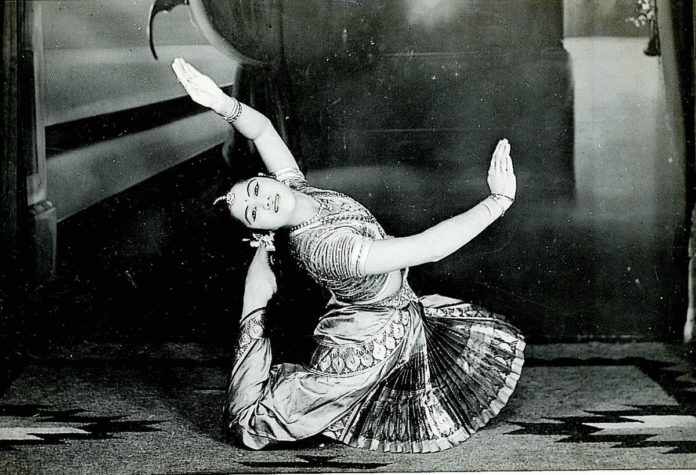
Kumari Kamala, one of Indian cinema’s earliest child prodigies and a pioneering classical dancer on screen, has passed away in the United States at the age of 91. Known for popularising Bharatanatyam in mainstream cinema, her career spanned decades and left a lasting impact on Indian performing arts.

A Prodigy from the Start

Born in 1934 in Mayuram (now Mayiladuthurai), Kamala demonstrated extraordinary talent as early as age three, performing at cultural events in Bombay. Her early stage appearances in productions such as Desa Bhakti drew the attention of filmmakers, leading to acting and dance roles in films like Valibar Sangam and Rama Nama Mahimai by the late 1930s.

Rise to National Fame

Kamala emerged as a prominent figure in Hindi cinema during the 1940s, with appearances in Shaadi, Kanchan, and notably Kismat (1943), one of the first major commercial hits in Hindi film history. Her Kathak number in Ram Rajya became widely celebrated.

A defining moment came when her mother moved south to place her under the renowned Bharatanatyam guru Vazhuvoor Ramaiah Pillai. Under his mentorship, she evolved into a key exponent of the Vazhuvoor style.

Iconic Performances in Film

Kamala’s dance sequences soon became landmarks in Indian cinema. Her snake dance in Jagathalaprathapan (1944) and the innovative double-exposure drum dance in Naam Iruvar (1947) were widely acclaimed.

Her performances in films such as Parasakthi (1952), Chori Chori (1956), Paavai Vilakku (1960), and Konjum Salangai (1962) secured her place among the finest cinematic dancers of her era.

Facts

  • Trained under celebrated guru Vazhuvoor Ramaiah Pillai
  • Appeared in nearly 100 films across Tamil, Hindi, Telugu, and Kannada
  • Notable performances: Kismat, Ram Rajya, Naam Iruvar, Konjum Salangai
  • Married to artist R. K. Laxman until 1960

Enduring Legacy

Kumari Kamala bridged classical Bharatanatyam with popular cinema at a time when traditional dance was rarely showcased on film. Her electrifying Tandava in Sivagangai Seemai remains iconic. In her later years, she devoted herself to teaching in the United States, continuing to shape generations of dancers.

Her passing marks the end of an era, but her influence remains woven into the history of Indian cinema and classical dance.

Assam Polygamy Ban Bill Introduced in State Assembly

0

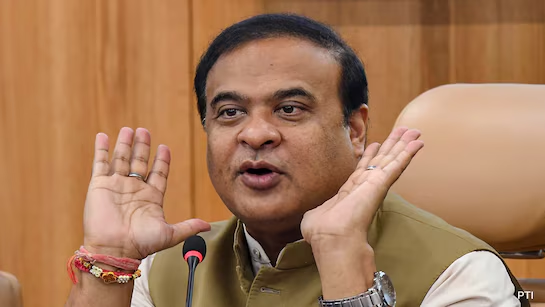
Assam has moved a significant legislative step with the introduction of a bill aimed at prohibiting polygamy across the state. The proposal seeks to criminalise the practice, define clear punitive measures, and extend protections to affected women. The move forms part of a broader policy drive to reform personal laws and strengthen women’s rights.

Scope and Applicability of the Proposed Law

The bill is designed to operate across Assam, with specific exclusions. It will not apply to areas under the Sixth Schedule, nor will it cover members of Scheduled Tribes outlined in Article 342. The legislation’s scope focuses on communities where the state holds jurisdiction to regulate civil and family matters.

Key Penal Provisions and Offences

The bill categorises polygamy as a criminal offence. A first offence may attract imprisonment of up to seven years. If an individual enters into another marriage while concealing an existing one, punishment may extend to ten years along with a financial penalty. The draft further defines polygamy clearly to avoid ambiguity, covering all marriages where a previous union has not been legally dissolved or annulled.

Punishment for Repeat Offenders and Facilitators

Repeat offenders may face double the punishment prescribed for each subsequent violation. The bill places accountability not only on the individuals contracting such marriages but also on facilitators. Village heads, qazis, parents, or guardians who knowingly conceal facts may face up to two years’ imprisonment or a monetary fine. Those solemnising marriages in violation of the law may also be penalised.

Facts

  • The bill excludes Sixth Schedule areas from its jurisdiction.
  • Members of Scheduled Tribes under Article 342 are not covered.
  • First-time offenders may face seven years of imprisonment.
  • Convicted individuals may lose access to state-funded jobs and schemes.

Restrictions on Employment and Electoral Participation

A person convicted under the proposed law will be barred from seeking employment in posts funded or aided by the state. The restrictions extend to welfare schemes, with convicted individuals ineligible for state-supported benefits. The bill also proposes disqualification from contesting elections to Panchayati Raj Institutions and Urban Local Bodies, adding a civic dimension to the penalties

Jammie Booker Wins World’s Strongest Woman 2025, Sparks Global Debate

0

Jammie Boooker: The 2025 World’s Strongest Woman competition, held in Texas, has ignited widespread controversy after American athlete Jammie Booker secured the title. The victory triggered debate across the sporting world, with several athletes and spectators alleging that Booker is a biological male—a claim that has raised questions about fairness in women’s strength sports.

The issue gained momentum after runner-up Andrea Thompson’s reaction on stage drew attention, eventually turning the podium moment into a global talking point.

Podium Flashpoint and Athlete Reactions

Andrea Thompson’s visible displeasure—captured on cameras as she stepped down from the podium—became the defining image of the event. Her short, frustrated remark, overheard by nearby competitors, quickly spread online and fueled intense public scrutiny.

Within hours, strongwoman athletes, coaches and supporters openly questioned the eligibility criteria governing the competition. Many argued that women’s divisions should be strictly reserved for participants assigned female at birth.

Support from Fellow Competitors

Three-time champion Rebecca Roberts publicly expressed concern, stating that many participants were unaware of Booker’s background. She emphasised the importance of transparency in strength sports and insisted that major rule changes should be clearly communicated ahead of competition.

Thompson later liked Roberts’ statement on social media—a move interpreted as silent agreement—leading many fans to label Thompson the “real winner.”

Role of Sponsors and Coaches

Andrea Thompson’s coach, Laurence Shahlaei, supported his athlete, arguing that official category boundaries exist to maintain competitive fairness. He added that Thompson’s overall performance demonstrated she was the strongest athlete on the day.

In a major development, one of Booker’s sponsors, Iron Ape, announced it was ending its partnership, citing concerns over incomplete or inaccurate information provided to event officials. The company described its decision as a step grounded in sportsmanship and transparency.


Key Points

  • The controversy stems from athlete eligibility rules in the women’s division.
  • Andrea Thompson placed second despite winning several major strength events.
  • Sponsor Iron Ape terminated its association with Jammie Booker following the dispute.
  • Leading strongwoman athletes have demanded clear and enforceable category regulations.

Jaigarh Heritage Festival 2025: Jaipur’s Iconic Fort Gears Up for a Spectacular Cultural Celebration

0

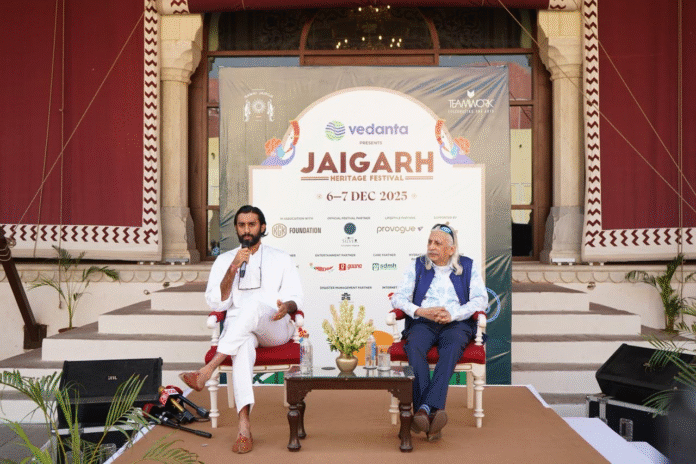
The Jaigarh Heritage Festival 2025 is set to return on 6–7 December 2025, transforming the majestic Jaigarh Fort into a vibrant cultural destination. Announced at an official press conference in Jaipur, this two-day heritage festival promises an unforgettable blend of music, crafts, cuisine, and immersive cultural experiences—cementing its position as one of India’s premier heritage festivals.

Produced by Teamwork Arts in collaboration with His Highness Maharaja Sawai Padmanabh Singh and presented by Vedanta, the festival is designed to bring Rajasthan’s rich history and artistic traditions to life in a dynamic, contemporary format.

A Living Celebration of Rajasthan’s Heritage

The Jaigarh Heritage Festival aims to redefine the historic fort as a living cultural space, where visitors can experience the depth of Rajasthan’s artistic traditions against the backdrop of one of Jaipur’s most iconic monuments.

Speaking at the press conference, Maharaja Sawai Padmanabh Singh highlighted the festival’s vision: “The Jaigarh Heritage Festival is a celebration of Jaipur’s rich and vibrant heritage… This festival is a bridge between generations, welcoming contemporary expressions while honouring the legacy of our past.”

Priya Agarwal Hebbar, Non-Executive Director, Vedanta Ltd and Chairperson Hindustan Zinc Ltd emphasised the event’s cultural significance:
“Vedanta is proud to support the Jaigarh Heritage Festival… it stands as a marquee event in India’s cultural calendar, bringing Jaipur’s history and artistry to life for audiences across the world.”

Sanjoy K. Roy, Managing Director of Teamwork Arts, added:
“By reimagining Jaigarh Fort as a vibrant cultural space, we want to bring alive Rajasthan’s heritage in a living, evolving tradition.”

Musical Line-up: Where Tradition Meets Contemporary Art

The 2025 edition features an exciting range of performances across the fort’s courtyards and terraces:

Morning Concerts

  • Echoes of Rajasthan
  • Noor-e-Khusrau
  • Sarod at Dawn
  • One Size Fits All

Evening Showcases

  • Papon Live
  • Kabir Café
  • The Anirudh Varma Collective
  • Roysten Abel’s iconic production The Manganiyar Seduction

Folk Performances

  • Nathoolal Solanki
  • Puppetshala
  • Shyopat Julia

The festival weaves together classical, folk, and contemporary music, offering audiences an immersive journey through the soundscape of Rajasthan.

Experiences: Craft Workshops, Heritage Walks & Culinary Journeys

Beyond music, the festival offers a curated selection of cultural experiences that spotlight Jaipur’s heritage:

  • Heritage walks through Jaigarh Fort
  • Hands-on craft workshops led by Rajasthani artisans
  • Culinary masterclasses featuring traditional and royal recipes
  • Panel discussions on sustainability, urban identity, architecture, and conservation
  • Crafts bazaar showcasing local artistry
  • Food trails inspired by Jaipur’s royal kitchens

These experiences make the festival a one-of-a-kind platform for heritage enthusiasts, travellers, and families alike.

Why Jaigarh Heritage Festival Is Emerging as India’s Top Heritage Event

The festival stands out for its commitment to:

  • Sustainable heritage tourism
  • Preservation of Rajasthan’s folk traditions
  • Revitalising historical spaces
  • Promoting craft heritage and local artists
  • Creating global cultural dialogue

Its unique blend of art, architecture, and cultural storytelling positions it as a leading heritage festival not just in Rajasthan, but across India.

How to Attend: Ticket Information

Tickets for the Jaigarh Heritage Festival 2025 are available at:
👉 twagateway.com/jaigarh25

Options include:

  • Royal Pass
  • Festival Pass
  • Evening Pass
  • Day Pass

Each pass offers curated access to concerts, workshops, heritage walks, and exclusive festival experiences.

About the Organisers

Teamwork Arts

A global leader in arts and cultural festivals, Teamwork Arts produces over 33 festivals across 45 cities and 19 countries, including the world-renowned Jaipur Literature Festival.

Sawai Jaipur Experiences

SJE curates luxury heritage experiences across Jaipur, including guided palace tours, royal dining experiences, and bespoke event planning.

Conclusion

With its spectacular line-up, immersive cultural programming, and the grandeur of Jaigarh Fort, the Jaigarh Heritage Festival 2025 promises to be one of the most significant cultural celebrations in India. For travellers, heritage lovers, and art enthusiasts, this is an event that brings Rajasthan’s traditions to life like never before.