Home Blog Page 113

10 Safest Hill Stations in India for Solo Women Travellers

0
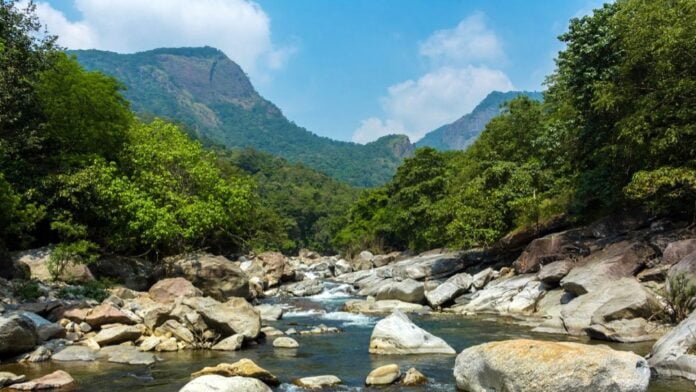
Image: Silent Valley National Park (Kerala Tourism)

Travelling alone as a woman can be deeply liberating, especially when the destination feels safe, welcoming and easy to explore on your own terms. In 2025, several hill stations across India stood out not just for their scenic beauty but also for the comfort and security they offer to solo women travellers. These destinations combine friendly locals, predictable transport, visible security and plenty of things to do making them ideal for women setting out on their own mountain adventures.

Shimla: Calm walks and street confidence

Shimla, the queen of Himachal Pradesh, remains a favourite for solo women because of its lively town centre and consistent flow of tourists. Mall Road and The Ridge stay bustling till late evening, making solo walks feel safe and sociable. Visible police patrols, plenty of public transport options and a variety of well-reviewed places to stay contribute to a secure experience for women travellers. 

Manali: Backpacker vibe and reliable support

Manali attracts a steady stream of travellers, including many solo visitors. Old Manali’s café culture creates natural community spaces where women can mingle or relax at their own pace. Guided tours, easy taxi availability and helpful local tourism operators make exploration straightforward and far less intimidating.

Munnar: Peaceful hills and respectful locals

Munnar’s lush tea gardens and relaxed pace lend themselves naturally to safe solo travel. With clean streets, low crime rates and a welcoming local population, this Kerala hill station makes it easy for women to enjoy plantation walks, scenic viewpoints and organised sightseeing without undue worry. 

Ooty: Orderly tourism and easy navigation

Ooty’s year-round tourism flow has resulted in well-regulated transport and solid infrastructure. The lake, botanical gardens and viewpoints are well connected, and taxis are easy to find. Public spaces are active throughout the day, and locals are accustomed to solo travellers blending in comfortably. 

Darjeeling: Tea trails and structured tours

Darjeeling combines iconic views with a tourism system that supports independent exploration. With organised access to sunrise spots, scenic toy train rides and established walking circuits, solo women can move around town with confidence and ease. 

Gangtok: Order, clean streets and solo comfort

Gangtok’s disciplined vibe sets it apart. Pedestrian-only stretches like MG Marg feel secure even after dusk, with clean, well-lit streets, predictable transport and a culture of hospitality that makes solo movement comfortable.

Nainital: Active lakefront culture

Nainital’s busy lakefront and compact town layout keep people moving throughout the day. Ropeway services and boat rides operate under supervision, and plenty of well-reviewed hotels near the main market make it easy for women to plan their routes without unnecessary risk. 

Mussoorie: Easy walks and visible safety

Mussoorie’s compact nature works to the advantage of solo travellers. Most viewing points and cafés lie close to main roads, meaning you don’t need to venture into isolated areas. Police presence and well-lit paths add to the reassurance. 

Coorg: Tranquil trails and local guides

Coorg’s unhurried atmosphere and coffee plantation trails make it ideal for women seeking safe solitude. Homestays are common and highly recommended, often with hosts who are happy to advise on guided walks and local transport. 

Mount Abu: A Secure Pocket in the Aravallis

Mount Abu is a unique hill station in Rajasthan where tourism infrastructure is clearly defined. Patrol teams cover popular viewpoints, and the town’s predictable taxi services and supportive local community make it feel accessible even after sunset.

Across these destinations, common elements visible security, regular crowd flow, dependable transport, active town centres and respectful local communities help solo women travel with confidence. Whether you’re chasing sunrise views, tea gardens or mountain lakes, these hill stations offer not just beauty, but peace of mind.

Government-Backed ‘Bharat Taxi’ App Launched: No Surge Pricing, Direct Challenge to Ola and Uber

0

In a move that could reshape India’s ride-hailing market, the government has launched a new app called Bharat Taxi, positioning it as a people-first alternative to private aggregators like Ola and Uber. Backed by government support and designed with affordability and transparency at its core, the app promises no surge pricing, fair fares for passengers and better earnings for drivers.

The launch of Bharat Taxi comes at a time when users across Indian cities have increasingly voiced frustration over fluctuating fares, peak-hour surge pricing and cancellations on existing cab platforms. By removing surge pricing altogether, the new app aims to restore predictability to daily travel, especially for office commuters, students and senior citizens.

What makes Bharat Taxi different

Unlike existing ride-hailing apps that rely on demand-based pricing algorithms, Bharat Taxi follows a fixed and regulated fare structure. This means passengers will not see sudden price spikes during rain, festivals, late nights or high-demand hours. The app has been designed to ensure that what users see as the fare is what they pay at the end of the ride.

For drivers, the platform promises a more equitable model. Reports suggest that commission charges on Bharat Taxi will be significantly lower than those charged by private aggregators, allowing drivers to take home a larger share of their earnings. This has been one of the strongest selling points of the app, particularly for drivers who have long complained about shrinking incomes due to high platform fees.

push for digital public mobility

Bharat Taxi is also being viewed as part of a broader push to create digital public infrastructure in the mobility sector. Much like UPI transformed digital payments by offering a low-cost, interoperable system, the new app aims to bring similar transparency and trust to ride-hailing. The focus is on affordability, accessibility and accountability rather than aggressive profit-driven expansion.

The app Is expected to initially roll out in select cities before expanding nationwide. Authorities have indicated that it will support multiple local languages and simple on boarding, making it accessible even for first-time app users and drivers from smaller towns.

Can Bharat Taxi take on Ola and Uber?

While Ola and Uber still dominate the market with their scale, brand recall and tech sophistication, Bharat Taxi enters the space at a time when consumer sentiment is shifting. Rising fares, unpredictable pricing and driver dissatisfaction have created room for alternatives that prioritise stability over speed.

Industry experts note that the real test for Bharat Taxi will lie in execution availability of cabs, app reliability and customer support. However, if implemented effectively, the platform could emerge as a strong public-interest competitor in India’s rapidly evolving mobility landscape.

new chapter in India’s cab economy

The launch of Bharat Taxi signals a growing appetite for regulated, citizen-centric digital services. Whether it becomes a mass alternative or a parallel option, the app has already sparked an important conversation about fairness, pricing and accountability in India’s urban transport ecosystem.

Forget Biryani and Momos: These Are Indian Most Googled Foods in 2025, From UK Classics to Regional Stars

0

If you thought biryani and momos would top every food search in India this year, think again. Google’s Year in Search 2025 data has revealed a fascinating picture of what Indians really searched for online when it came to food and the results mix cherished regional classics with quirky international surprises from places as far as the United Kingdom. The list reflects not just what people are eating, but what they want to learn to make at home, experiment with and celebrate from old festival favourites to new cultural curiosities.

Idli: South India’s soft crown jewel top searches

Topping the charts in 2025 was idli, the humble South Indian steamed rice cake known for its fluffy texture and healthy profile. Though thousands have eaten idlis all their lives, 2025 saw a surge in searches for its recipe, tips on softening the batter and variations like adding poha or cooked rice for extra cloud-like softness. For many young cooks, mastering the perfect idli became a culinary project and a source of pride.

Modak: Festive Delight Beyond Ganesh Chaturthi

Modak sweet, steamed dumplings filled with jaggery and coconut was another top searched food item. Traditionally tied to Ganesh Chaturthi, its popularity in 2025 showed Indians were eager to recreate authentic flavours at home even outside festival seasons. Searches ranged from traditional recipes to quicker, beginner-friendly methods, showing how nostalgia and practicality met in kitchens across the country.

Thekua: Bihar’s sweet tradition goes national

One of the standout regional entries was thekua, a deep-fried sweet from Bihar and eastern Uttar Pradesh. Often prepared during Chhath Puja, thekua’s rich taste, cultural roots and relatively simple ingredients made it a surprising favourite among home chefs and festival food lovers alike.

Yorkshire pudding: UK comfort food that caught Indian curiosity

Perhaps the most unexpected addition was Yorkshire pudding a British classic that gained traction among Indian food searchers. This simple baked batter, traditionally served with roast dinners, captured imaginations as curious cooks explored beyond familiar borders. It showed how global recipes can cross digital walls and inspire experimentation in kitchens here.

Thiruvathirai Kali: Tamil Nadu’s cultural sweet spot

Tamil Nadu’s Thiruvathirai Kali, a delicacy made with rice, jaggery and cardamom, also made the list. Its popularity highlighted how regional festival foods are not just rituals but culinary treasures many want to preserve and revive in modern cooking.

Beetroot Kanji: Tradition meets wellness trend

Another intriguing entry was beetroot kanji a bright pink fermented drink resonating with health-minded searchers. Its mix of probiotic benefits and traditional roots pushed it into the spotlight as a winter favourite for gut health.

Other Surprises: Ugadi Pachadi and Kolukattai

South Indian classics like Ugadi Pachadi a festival chutney that celebrates life’s six flavours and kolukattai, a Tamil version of modak, also featured prominently. These hits showed that even within India’s massive food culture, traditional recipes still have a magnetic pull in the digital age.

More than just cravings: What this list tells us

The 2025 food search trends reflect a fascinating shift: Indians are not just ordering favourite comfort foods like biryani and momos, which still win on delivery charts, but are actively searching for regional and global recipes they want to cook, share and reinvent. These searches show a growing curiosity about culinary roots, healthier options and world cuisines that blend tradition with exploration a tasty digital mirror of India’s evolving food culture.

Homebound Shortlisted for Oscars 2026: A Milestone Moment for Indian Cinema

0

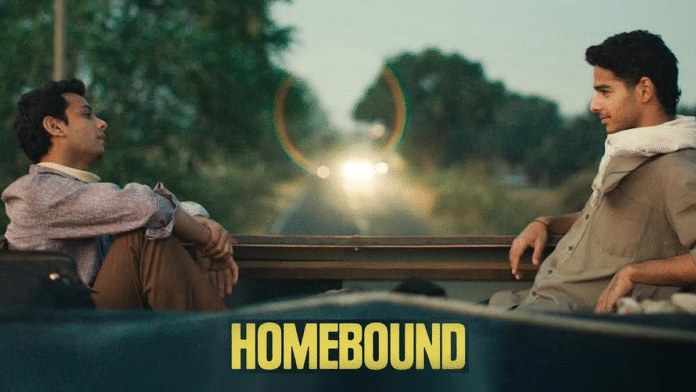
Indian cinema has reason to celebrate as the drama film Homebound has been shortlisted for the Best International Feature Film category at the 98th Academy Awards (Oscars 2026). The film, directed by Neeraj Ghaywan and backed by Karan Johar’s Dharma Productions, is now among the top 15 films globally competing for a coveted Oscar nomination, a rare and prestigious achievement for Indian storytelling on the world stage.

story rooted in real lives and

Hardship

Homebound is a deeply human drama that explores friendship, ambition and inequality in contemporary India. Adapted from a real-life inspired story, it follows two childhood friends Shoaib and Chandan from a small North Indian town who dream of joining the police force. Faced with fierce competition, social barriers and harsh realities, their bond and aspirations are tested in ways that reflect the struggles of millions of young Indians today.

Critics have lauded the film for its grounded narrative and emotional clarity. When it premiered in the Un Certain Regard section of the 2025 Cannes Film Festival, it drew a lengthy standing ovation, and subsequent festival screenings, including at Toronto, helped the film find international audiences and critical acclaim long before its Oscar journey began.

cast that brings truth to the screen

The performances in Homebound have been widely praised. Ishaan Khatter, known for his sensitive and nuanced portrayals, stars as one of the leads, bringing depth and empathy to his character’s journey. Vishal Jethwa, whose performance has been called immensely endearing and unpredictable, plays his childhood friend, anchoring the film’s emotional core. Janhvi Kapoor also features in a pivotal role, adding further nuance to this intimate ensemble.

Recognition and reactions

Following the shortlist announcement, filmmaker Karan Johar expressed immense pride and emotion, saying he felt over the moon as the film’s journey from festivals to the Oscars spotlight felt surreal. Industry peers and fans alike have flooded social media with congratulatory messages, highlighting the film’s resonance and its potential to become a rare Indian nominee at the Academy Awards.

Where you cawatch it

For audiences who have yet to see the movie, Homebound is currently streaming on Netflix, having been made available on the platform after its theatrical run.Viewers around the world can stream the film in multiple languages with subtitles, making it accessible to international audiences as it vies for Oscar nominations.

What’s next on its Oscar journey

The shortlist is only the first major hurdle. Final nominations for the Best International Feature Film category will be announced on January 22, 2026, and the Academy Awards ceremony is scheduled for March 15, 2026. Homebound’s inclusion this far from a small-town story to global recognition speaks volumes about the evolving reach of Indian cinema and its power to touch universal themes with honesty and depth.

Punjab Names Three Sacred Towns as Holy Cities: Know Its Names, Significance, History and New Rules Including Ban on Meat, Liquor and Tobacco

0

Punjab: In a significant cultural decision, the Punjab government has officially declared Amritsar, Sri Anandpur Sahib and Talwandi Sabo (Sri Damdama Sahib) as holy cities. With this notification, the sale and consumption of meat, liquor, tobacco and other intoxicants have been banned within the designated municipal limits of these towns. The move aims to protect the spiritual atmosphere of Punjab’s most revered Sikh centres and align civic life with religious values deeply rooted in these locations.

What exactly has been banned and who will enforce it

The notification, issued by the state’s Home Affairs Department and approved by the Punjab Governor, places responsibility on departments such as Excise, Health, Animal Husbandry and local municipal bodies to enforce the restrictions. District administrations and police authorities have been directed to ensure strict compliance, marking one of the most comprehensive faith-based regulatory moves taken by the state in recent years.

Why the decision was taken now

The declaration follows a historic resolution passed unanimously by the Punjab Vidhan Sabha during a special session held at Anandpur Sahib. The session marked the 350th martyrdom anniversary of Guru Tegh Bahadur and was itself symbolic, it was the first time the state assembly met outside Chandigarh. The timing reflects an effort to honour Sikh heritage through formal policy rather than symbolic gestures alone.

Amritsar: The spiritual heart of Sikhism

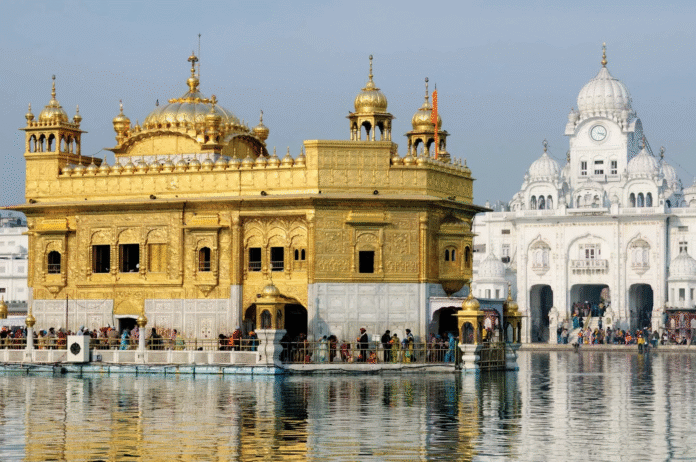
Amritsar holds unmatched significance as the home of the Golden Temple and the Akal Takht Sahib, one of the five Takhts or seats of authority in Sikhism. Millions of devotees visit the city every year, and the ban is intended to preserve the sanctity of the Golden Temple precincts, which have long been considered spiritually distinct from surrounding urban spaces.

Anandpur Sahib: Where the Khalsa was born

Anandpur Sahib is revered as the birthplace of the Khalsa, founded by Guru Gobind Singh in 1699. It is also home to Takht Sri Keshgarh Sahib, another of Sikhism’s five Takhts. Declaring the town a holy city acknowledges its role in shaping Sikh identity, courage and collective consciousness.

Talwandi Sabo: The seat of sacred scripture

Talwandi Sabo, also known as Sri Damdama Sahib, is where Guru Gobind Singh finalised the compilation of Sikh scriptures. Recognised as the “Guru Ki Kashi,”the town has long been a centre of learning and spiritual reflection, making its inclusion in the holy city list both historically and religiously significant.

What this means for the future of these cities

Beyond restrictions, the government has indicated plans to enhance cleanliness, infrastructure and religious tourism in these cities. While supporters view the move as a necessary step to preserve sanctity and heritage, others may debate its social and economic impact. Regardless, the declaration marks a rare moment where governance and faith intersect in a deeply symbolic way for Punjab.

Jaipur Music Stage Announces Dynamic Line-up for 15–17 January 2026

0

The Jaipur Music Stage (JMS), held alongside the iconic Jaipur Literature Festival, returns from 15–17 January 2026 at Hotel Clarks Amer, Jaipur, with a powerful line-up featuring Soumik Datta | Travellers, Vasu Dixit Collective, Parvaaz, Raman Negi, Yugm, Thaikkudam Bridge, and Gauley Bhai. Bringing together some of India’s most celebrated contemporary musicians and independent voices, the three-day showcase promises genre-blending performances, fresh collaborations, and unforgettable live experiences that reflect the evolving soundscape of Indian music.

The Jaipur Music Stage (JMS)—held alongside the iconic Jaipur Literature Festival (JLF)—returns from 15 to 17 January 2026 with a vibrant and eclectic line-up featuring celebrated contemporary musicians, indie favourites, and powerful genre-blending acts from across India. Hosted at Hotel Clarks Amer, Jaipur, the Music Stage continues to be one of India’s most anticipated music showcases, bringing together diverse sounds, fresh collaborations, and unforgettable live performances that reflect the evolving landscape of Indian contemporary music.

Day 1 | 15 January

The Jaipur Music Stage opens with Soumik Datta | Travellers, an immersive new production by the internationally acclaimed sarod virtuoso and winner of the 2025 Eastern Eye ACTA Award for Music. Blending the evocative voice of the sarod with ambient textures, field recordings, spoken word, and immersive sound design, Travellers is part of Datta’s seven-month Melodies in Slow Motion tour across India.

The evening also features the Vasu Dixit Collective, known for their high-energy Electronic-Folk sound rooted in Kannada and Hindi traditions. Led by singer-composer and filmmaker Vasu Dixit, the ensemble reinterprets the works of saint-poets such as Basavanna and Kabir through contemporary arrangements that are both spirited and soul-stirring.

Jaipur Music Stage Announces Dynamic Line-up for 15–17 January 2026

Day 2 | 16 January

On 16 January, JMS presents a powerful line-up showcasing some of India’s most compelling voices from the independent music scene. Acclaimed rock band Parvaaz headlines the evening with their signature blend of progressive and psychedelic rock, infused with folk and world music influences. Their latest studio album, Na Gul Na Gulistan, released in December 2025, has topped global indie charts, reaffirming their position as one of India’s most influential contemporary bands.

Joining them is Raman Negi, whose solo work marks a bold artistic reinvention after nearly two decades shaping India’s indie music scene. Former frontman of The Local Train, Negi is known for his introspective lyricism and genre-transcending sound. His acclaimed albums Shakhsiyat (2022) and Chaltey Purzay (2024) continue to resonate widely.

The evening also features Yugm, Jaipur’s own folk-fusion ensemble, celebrated for their socially conscious storytelling, powerful melodies, and modern arrangements that have earned them a distinct place in the independent music movement.

Day 3 | 17 January

The festival concludes on 17 January 2026 with a high-octane finale led by Thaikkudam Bridge, one of India’s most celebrated multi-genre ensembles. Known for their large-format performances, cross-genre arrangements, and extensive global touring, the 15-member band has performed over a thousand shows worldwide and remains one of India’s most sought-after live acts.

Joining them is Gauley Bhai, a contemporary folk-rock quartet blending Nepali folk with blues, rock, hip hop, and Afrobeat. Formed in 2017, the band has built a strong national and international following for its textured sound, lyrical depth, and community-driven music initiatives.

Festival Vision

Avik Roy, Festival Producer – Jaipur Music Stage, said:

“At its core, the Jaipur Music Stage celebrates India’s leading independent acts and the diversity of the country’s vibrant music scene. We are delighted to present an outstanding line-up of artistes from across India at the world’s leading literature festival.”

Over the years, the Jaipur Music Stage has become a vital cultural pillar of the Jaipur Literature Festival, offering audiences a unique platform to experience the dynamism of India’s contemporary music landscape. The 2026 edition continues this legacy by fostering artistic collaboration, celebrating independent voices, and creating a space where creativity and community come together.

Jairangam 2025 to Celebrate 100 Years of Guru Dutt with ‘Dastaan-e-Guru Dutt’ in Unique Dastangoi Format

0

Jairangam 2025: Marking the centenary of legendary filmmaker and artist Guru Dutt, the 14th edition of Jairangam (Jaipur Theatre Festival) will present Dastaan-e-Guru Dutt, a specially curated dastangoi that narrates his extraordinary life and creative journey. The festival, to be held from 18 to 21 December at Jawahar Kala Kendra, will feature a rich confluence of theatre, music, storytelling and cultural dialogue, including 11 productions, international participation from New Zealand, and performances by renowned theatre and film personalities such as Makarand Deshpande and Filmfare OTT Awards 2025 winner Zahan Kapoor.


To immerse the people of Rajasthan in the vibrant colours of theatre, the 14th Jairangam (Jaipur Theatre Festival) is being organised from 18 to 21 December at Jawahar Kala Kendra. The festival is being jointly organised by 3M Dot Bands Theatre Family Society, Department of Art and Culture, Rajasthan, and Jawahar Kala Kendra, Jaipur, where a rich confluence of theatre, art, culture, music and dialogue will be witnessed.

Renowned Bollywood actor Makarand Deshpande and Jairangam Festival Director Mann Gera addressed the media interaction. Sanjay Harpawat, Dr Hema Gera, J K Jaju and Y K Narula were also present on the occasion. Makarand Deshpande highlighted the golden journey of Jairangam and said that Deepak Gera’s vision has today taken a grand form as Jairangam. He added that Deepak Gera always inspired innovation, and it was his motivation that made it possible to create a play like Einstein. He also said that Jaipur’s audience is very special and has kept theatre alive. Appreciating the theme, he said that this year Jairangam is raising women’s voices, which is truly commendable.

Festival Director Mann Gera said that the festival has been curated with the colours of theatre, art and culture. She also shared that this year the festival has been designed keeping women at the centre.

The festival will begin on Thursday, 18 December at 12 Noon with the staging of Makarand Deshpande’s play Einstein for children at the Krishnayan Auditorium. At 2.00 PM, a talk show on “Ajit Rai – Theatre, Cinema and Everything in Between” will be held, featuring Makrand Deshpande, Gulab Singh Tanwar, Dharmendra Nath Ojha, Rajkumar Rajak and Abhishek Goswami. At 4.00 PM, Samina Zehra’s play The Girmit will be staged at Rangayan, followed by an evening performance of Einstein at 7.00 PM, open to audiences of all ages.

Special Highlights of Jairangam This Year

— Over four days: 11 theatre productions, musical performances, dastangoi, exhibitions and more
— Nine plays will be staged in Rajasthan for the first time
— Under the Spotlight Segment, six plays are proposed this year, featuring works by women theatre directors
— Seven plays are directed by women theatre directors
— For the first time, heritage walks will be organised at Jairangam, covering routes from Gem Cinema to Sanganeri Gate, Badi Chaupar, Hawa Mahal, Town Hall to Ram Prakash Theatre, offering insights into Jaipur’s architecture, culture and everyday life
— The Girmit, directed by Samina Zehra, is a theatre production from New Zealand, being staged in India for the first time. Jairangam is not only a platform for international productions but also a strong medium for connecting local artists with global performers. Jaipur’s own artist Mohammad Zaman will share the stage with international artist Nadia Freeman, reflecting meaningful cultural exchange and Jairangam’s commitment to providing an international platform to local talent
— As in previous editions, renowned film and theatre personalities will share the stage at Jairangam, including Makarand Deshpande, Filmfare OTT Awards 2025 winner Zahan Kapoor, international artist Nadia Freeman, Aditya Rawal, Shilpika Bordoloi, Mallika Taneja, Saurabh Nayyar, Girish Sharma, Mahir Mohiuddin, Srinivas Basetti, Nikita Saraf, Suruchi Sharma and Fauzia Dastango, among many others
— Raag–Mad, a folk and classical music fusion directed by Sandeep Ratnu, will be presented for the first time
— Marking 100 years of legendary artist Guru Dutt, Dastaan-e-Guru Dutt will narrate his story in a unique dastangoi format

Jairangam 2025 – Detailed Schedule

(Daily: ‘Bheetar/Bahar’ exhibition at Surekh Art Gallery, designed by Suruchi Sharma)

18 December

12.00 PM – Play: Einstein, Director: Maksrand Deshpande
Venue: Krishnayan Auditorium (For School Children Only)

2.00 PM – Dialogue Session: Ajit Rai – Theatre, Cinema and Everything in Between
Speakers: Makrand Deshpande, Gulab Singh Tanwar, Dharmendra Nath Ojha, Rajkumar Rajak, Abhishek Goswami
Venue: Krishnayan Auditorium

4.00 PM – Play: The Girmit, Director: Samina Zehra
Venue: Rangayan

7.00 PM – Play: Einstein, Director: Makrand Deshpande
Venue: Krishnayan Auditorium (Open to All)

19 December

12.00 PM – Play: Majuli, Director: Shilpika Bordoloi
Venue: Krishnayan Auditorium

2.00 PM – Play: Garam Roti, Director: Durga Venkatesan
Venue: Srikriti Art Gallery

4.00 PM – Play: Dhai Akhar Prem Ke, Director: Ruchi Bhargav Narula
Venue: Rangayan

7.00 PM – Raag Mad – Folk and Classical Music Fusion
Director: Sandeep Ratnu
Venue: Madhyavarti

20 December

9.00 AM – Heritage Walk: Jaipur – The Seen, The Unseen

12.00 PM – Play: Do You Know This Song, Director: Mallika Taneja
Venue: Krishnayan Auditorium

2.00 PM – Musical Performance: Mary and Jenny
Venue: Srikriti Art Gallery

4.00 PM – Play: Cross Roads, Director: Riju Bajaj
Venue: Rangayan

7.00 PM – Dastangoi: Dastaan-e-Guru Dutt
Venue: Madhyavarti

21 December

9.00 AM – Heritage Walk: Jaipur – The Seen, The Unseen

12.00 PM – Play: Waiting for Naseer, Director: Srinivas Basetti
Venue: Krishnayan Auditorium

2.00 PM – Play: Nanga Kapda, Director: Priyakshi Agrawal
Venue: Outside Library

4.00 PM – Play: Siachen, Director: Makarand Deshpande
Venue: Rangayan

7.00 PM – Play: Golden Jubilee, Director: Saurabh Nayyar

International Migrants Day 2025: Why It Is Observed on 18 December

0

International Migrants Day, observed every year on 18 December, is both a moment of reflection and a global call to action. The day highlights the rights, safety and dignity of migrants and refugees, while urging governments and societies to work towards safer, more orderly and humane migration systems.

Migration is a defining reality of the modern world. Millions of people cross borders due to conflict, climate change, economic hardship or lack of opportunities. International Migrants Day draws attention to the risks migrants face—ranging from exploitation and discrimination to violence and unsafe travel routes—and stresses the need for fairness, protection and compassion.

Focus on remembrance
In 2025, a key focus of the day is remembrance. The International Organization for Migration (IOM) has called on the global community to honour migrants and refugees who have died or gone missing during dangerous journeys. Overcrowded boats, unsafe border crossings and irregular migration routes have led to countless tragedies worldwide, making remembrance an essential part of the observance.

Role of international organisations
Organisations such as the IOM work closely with governments and communities to improve migrant safety, provide humanitarian assistance and promote responsible migration practices. On 18 December, these organisations advocate stronger international cooperation, better legal pathways and effective systems to protect vulnerable migrants.

Why the day matters
International Migrants Day also recognises the vital contribution migrants make to societies and economies. Migrants play essential roles in healthcare, construction, agriculture and service sectors. Protecting their rights ensures fair wages, safe working conditions and dignity, strengthening communities as a whole.

The message of International Migrants Day is clear: migration should never cost someone their life. Governments, institutions and citizens share the responsibility of creating safer migration pathways, countering misinformation and fostering empathy for those on the move.

Minorities Rights Day in India: Date, Meaning and Significance

0

Minorities Rights Day, observed annually on 18 December, is more than a symbolic date. It reaffirms the idea that India’s diversity is its strength and that protecting the rights of minority communities strengthens the nation as a whole. The day highlights the importance of awareness, dialogue and empathy in ensuring that every community feels safe, heard and valued.

When is Minorities Rights Day observed in India?

Minorities Rights Day is observed every year on 18 December. The day is dedicated to preserving, protecting and promoting the rights of minority communities, while reinforcing the principles of equality, dignity and mutual respect.

Why Minorities Rights Day matters

India is home to a rich mix of cultures, languages, religions and traditions. Minority communities are an integral part of this social fabric. Observing Minorities Rights Day draws attention to key issues such as social inclusion, access to opportunities, safety and equal treatment.

Minorities Rights Day in India: Date, Meaning and Significance

The day also serves as a reminder that equal rights are not optional, but essential for a healthy and functioning democracy.

What the day stands for

Minorities Rights Day focuses on raising awareness about the constitutional rights and legal protections available to minority groups. It emphasises the right to live without fear, discrimination or exclusion, and promotes harmony and peaceful coexistence in a plural society.

How the day is observed

Across the country, the day is marked through awareness campaigns, seminars, panel discussions and community events. Educational institutions, civil society groups and social organisations organise talks and workshops to inform citizens—especially young people—about minority rights and shared civic responsibility.

Role of awareness and education

Awareness and education are central to protecting minority rights. Events held on 18 December often focus on explaining legal safeguards, countering misinformation and encouraging constructive dialogue.

By understanding each other’s cultures and concerns, communities can reduce prejudice and build trust. Safety and inclusion remain core themes, highlighting the need for environments where minorities feel secure and respected.

Respect for diversity in workplaces, schools and neighbourhoods is as important as policy-level protections, reinforcing the idea that social inclusion begins with everyday actions.

Top 7 Indian Cities Food Lovers Crave to Visit: Street Food Is the Real Attraction Here

0

India’s street food is not just about hunger it’s about obsession. Some cities are so deeply associated with flavour that people plan trips purely around what they’ll eat. From chaotic lanes to legendary carts that have survived decades, these destinations offer street food experiences that are trusted, iconic and loved across generations. Here are seven Indian cities every street food lover dreams of visiting, along with verified, must-try spots that define their food culture.

Delhi: The capital of chaat and comfort

Delhi’s street food reflects its layered history and unapologetic love for indulgence. Chandni Chowk remains the epicentre, where Paranthe Wali Gali serves stuffed parathas fried in ghee, a tradition running since the 19th century. Jung Bahadur Kachori Wala is famous for spicy kachoris with sabzi, while Karim’s near Jama Masjid is known for kebabs and nihari that date back to Mughal kitchens. Natraj Dahi Bhalle is a must-stop for chaat lovers.

Mumbai: Street Food That Never Sleeps

Mumbai’s street food thrives on speed and simplicity. Ashok Vada Pav in Dadar is among the city’s most famous stops for this iconic snack. At Chowpatty, stalls serving bhel puri and sev puri have fed generations. Cannon Pav Bhaji near CST is a trusted name for buttery pav bhaji, while Badshah Cold Drink House remains a classic for falooda and shakes.

Kolkata: Where street food has soul

Kolkata’s street food is subtle yet powerful. Kusum Rolls on Park Street popularised the iconic kathi roll and remains a favourite. Outside New Market, Dacre Lane is known for telebhaja and fish fry. Puchka stalls near Vivekananda Park are considered among the city’s best, with sharper flavours unique to Kolkata.

Amritsar: Butter, bread and bold flavours

Street food in Amritsar is rich and generous. Kesar Da Dhaba is legendary for its dal makhani and desi ghee-laden meals. Ahuja Milk Bhandar near the Golden Temple is famous for lassi topped with thick malai. Kulcha Land and Bharawan Da Dhaba are trusted names for Amritsari kulchas.

Indore: India’s street food benchmark

Indore is often called India’s street food capital. Sarafa Bazaar comes alive at night with stalls serving bhutte ka kees, garadu and malpua. Chappan Dukan is known for poha-jalebi, with Young Tarang and Vijay Chaat House being popular stops. Johnny Hot Dog is a cult favourite.

Hyderabad: Street food beyond biryani

Hyderabad’s street food blends Nizami and local flavours. Nimrah Café near Charminar is iconic for Irani chai and Osmania biscuits. Street stalls around Charminar serve haleem and kebabs during festive seasons, while Gokul Chat in Koti is famous for North Indian chaat.

Jaipur: Royal Flavours on the Streets

Jaipur’s street food balances spice and tradition. Masala Chowk hosts multiple trusted vendors under one roof. Rawat Mishthan Bhandar is known nationwide for its pyaaz kachori, while Lassiwala on MI Road remains a landmark.

Why these cities matter

These destinations aren’t trending because of social media they’re loved because of consistency, history and trust. For food lovers, these cities aren’t just travel plans. They’re cravings waiting to be fulfilled.