Home Blog Page 112

India-Russia Reel Bridges: Indian and Russian Cinema ‘Danced Together’ for Decades Even Before Oil And Defence Deals

0

From the sweeping steppes of the Soviet Union to the vibrant studios of Mumbai, India and Russia have shared a cinematic camaraderie unlike any other. For generations, films travelled freely across borders, creating a cultural bond forged through storytelling, spectacle, and shared emotion. Here’s a featurish look at the movies that shaped this remarkable Indo-Russian film relationship.

Indo-Soviet Co-Productions: When Two Cinemas Became One

Pardesi (Journey Beyond Three Seas)

Long before global co-productions were common, Pardesi (1957) emerged as the first Indo-Soviet collaboration. Bringing to life the 15th-century travels of Russian explorer Afanasy Nikitin through India, the film celebrated a historical connection with rare warmth. It stands today as a cinematic monument to early cultural diplomacy.

Adventures of Ali-Baba and the Forty Thieves

In 1980, Soviet and Indian filmmakers teamed up for this fantastical adaptation of Arabian Nights. With an eclectic mix of actors and a grand adventure aesthetic, it became a beloved classic in both countries—proof that cross-cultural storytelling could be both ambitious and wildly entertaining.

Ajooba

This 1991 superhero spectacle directed by Shashi Kapoor and Gennadi Vasilyev brought together Indian grandeur and Soviet scale. From fantastical kingdoms to elaborate sets, Ajooba showcased what two film industries could create when imagination—and budget—met halfway.

Shikari: The Hunter

Also released in 1991, Shikari continued the collaborative streak with a punchy action-adventure blend, featuring a diverse cast and adrenaline-fueled narrative that appealed to audiences on both sides of the continent.

Indian Films That Ventured Into Russia

Mera Naam Joker

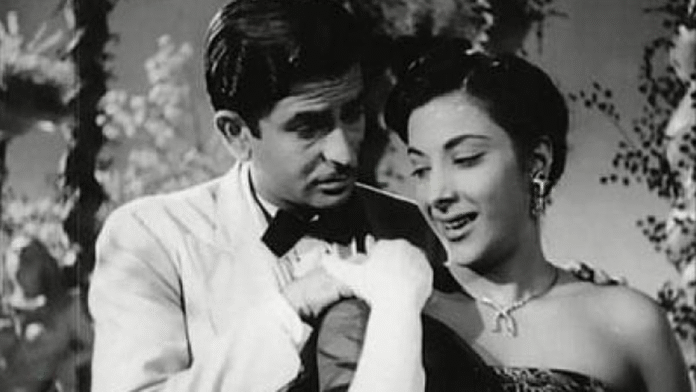
Raj Kapoor’s epic was as much a love letter to art as it was to Indo-Soviet friendship. With a key segment shot in Moscow and starring Russian ballerina Kseniya Ryabinkina, the film cemented Kapoor’s status as a cultural icon in the USSR.

Pathaan

Fast-forward to today, and Bollywood’s global ambitions include icy Russian terrains. Pathaan—a blockbuster featuring Shah Rukh Khan—staged slick action sequences on the frozen beauty of Lake Baikal, adding a modern sheen to the long cinematic connection.

Ek Tha Tiger & Tiger 3

The Tiger franchise took its espionage thrills through various scenic locations in Russia, proving that the country’s dramatic landscapes remain a favourite canvas for Bollywood action.

Lucky: No Time for Love

This romantic drama set primarily in the picturesque city of St. Petersburg brought heartfelt storytelling to Russia’s dreamy canals and snowy streets—blending young love with old-world charm.

India on Soviet Screens: When Bollywood Ruled Russia

Awaara

Few cultural exports from India have been as impactful as Raj Kapoor’s Awaara. Its themes of class struggle and its iconic music made it a phenomenon in the Soviet Union, where Kapoor was adored as “the Indian Charlie Chaplin.”

Disco Dancer

Mithun Chakraborty’s glittering 1982 musical wasn’t just a hit—it was a seismic cultural moment. From dance floors to street corners, Disco Dancer became a part of everyday life in the USSR, its songs echoing across an entire generation.

Shree 420

Another Kapoor classic cherished in Russia, Shree 420 brought timeless melodies like “Mera Joota Hai Japani,” a song that became an unofficial anthem of Indo-Soviet friendship.

RRR

Modern India’s global blockbuster wave found eager fans in Russia, where RRR drew large audiences—proof that the cinematic bridge built in the 1950s is still alive, strong, and spectacular.

A Friendship Written in Film Frames

From black-and-white dramas to slick contemporary spectacles, Indo-Russian film ties have evolved but never faded. These movies didn’t just entertain—they created a cultural language shared across borders, generations, and ideologies.

Even today, as streaming platforms and global fandoms redefine cinema, the legacy of this partnership continues to inspire new collaborations and rekindle old affections.

The story, it seems, is far from over.
Indian Navy Day 2025: Date, Theme & Operational Demonstration

0

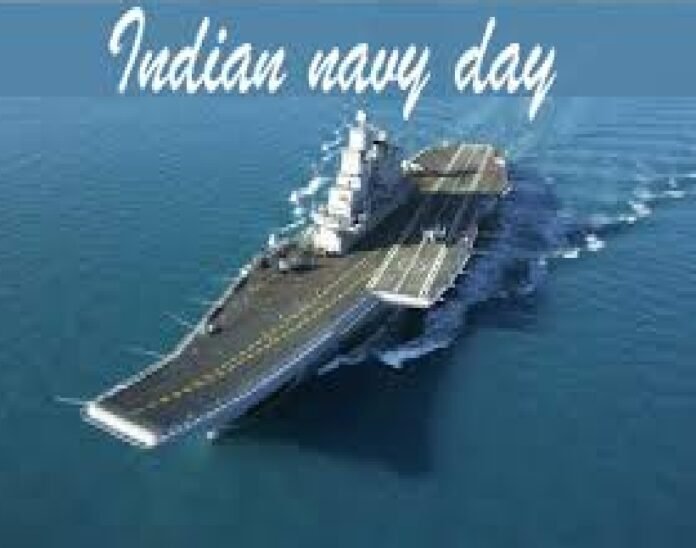
Indian Navy Day 2025 will be observed on December 4, honoring the courage, professionalism and service of the Indian Navy in safeguarding the nation’s maritime borders and interests. The day recognizes the Navy’s role in ensuring secure sea routes, contributing to disaster relief, maritime diplomacy, and strengthening India’s strategic position in the Indian Ocean Region.

Celebrated annually, the day reflects the Navy’s growing strength, modernization efforts and commitment to technological self-reliance under the national vision of Aatmanirbhar Bharat.

Historical Significance

Indian Navy Day marks the anniversary of Operation Trident, a landmark naval attack conducted during the 1971 India–Pakistan War. On December 4, 1971, Indian Navy missile boats launched a surprise assault on Pakistan’s Karachi harbour, destroying fuel depots, warships and vital infrastructure. Simultaneously, air operations launched from INS Vikrant targeted key air bases at Chittagong and Khulna.

This strategic and successful operation marked India’s first major offensive at sea and remains a symbol of tactical excellence and naval supremacy.

Theme: Indian Navy Day 2025

The theme for the 2025 celebration is:

“Combat Ready, Cohesive and Self-Reliant.”

The theme underscores three core priorities:

  • Combat Ready: Maintaining operational preparedness across maritime domains
  • Cohesive: Enhancing jointness and interoperability across defence forces
  • Self-Reliant: Strengthening indigenous shipbuilding, weapons and systems under Make in India

Indigenous platforms will serve as a central highlight in all events and demonstrations.

Operational Demonstration 2025

A major attraction of the celebration will be the Operational Demonstration at Shangumugham Beach, Thiruvananthapuram, on December 3–4, 2025.

Key highlights include:

  • Participation of frontline warships, submarines, naval aircraft and marine commandos
  • Live displays of maritime surveillance, precision strikes, amphibious operations and coordinated maneuvers
  • Presence of the President of India, Supreme Commander of the Armed Forces, as Chief Guest
  • Admiral Dinesh Kumar Tripathi will lead the proceedings

The event reflects the Navy’s expanding operational reach and commitment to a secure, stable and rule-based maritime environment.

This year’s observance reinforces India’s resolve to build a technologically advanced, strategically prepared and globally respected naval force.

Putin Visit To India: AI-Monitored Security Grid Rolls Out; Delhi on High Alert

0

As Vladimir Putin prepares to arrive in Delhi for a two-day state visit on December 4-5, the capital has been placed under a full-scale security lockdown. Multiple agencies including the Delhi Police, central forces and Putin’s own protocol team are coordinating a multi-layered protection architecture, combining boots on ground with cutting-edge surveillance technologies to monitor every movement in real time.

How the security grid is being layered


From the moment Putin lands until his departure, coordinated teams will track each step of the Russian president’s itinerary. Security preparations include road sanitisation, cleared and secured routes, and area-by-area deployment of specialised units, from SWAT and anti-terror squads to quick-reaction teams positioned at strategic checkpoints across Delhi. Meanwhile, over 50 advance personnel from Russia’s security and protocol teams have reportedly reached the capital to inspect proposed venues, identify vulnerabilities, and co-ordinate with Indian agencies.

AI, surveillance and the “Motion-AI” edge


To bolster traditional manpower, authorities are said to be deploying advanced surveillance tools including drone surveillance, CCTV coverage and AI-powered analytics, sometimes referred to as “Motion AI” for real-time threat detection, crowd and vehicle monitoring, and anomaly alerts.
Such technology helps security agencies detect suspicious behavior, track vehicle movement via number-plate recognition, and respond promptly to potential threats. The high-tech overlay aims to complement ground-level deployments and ensure seamless monitoring throughout the visit.

What Delhi residents and commuters should expect


Given the extensive security architecture, certain traffic diversions, restricted zones and pedestrian limitations are likely, especially along VIP-route corridors and near sensitive zones. Local authorities say they will issue advisories in advance to minimise disruption, but commuters should stay alert: expect roadblocks, delayed movement and temporary restrictions in key areas during the two-day visit.

With multiple agencies working in tandem, and layered surveillance both human and technological, officials leave little to chance. As world attention turns to Delhi over these high-stakes two days, the security net is tighter than ever.

Sarvagya Kushwaha, An Indian toddler, Rewrites History At At Just 3, Becomes World’s Youngest FIDE-Rated Chess Player

0

Sarvagya Singh Kushwaha, a three-year-old boy from Madhya Pradesh, has stunned the global chess community by becoming the youngest ever to receive an official FIDE rating. He achieved this milestone at the age of 3 years, 7 months and 20 days breaking previous records and entering the international rankings with a remarkable rating of 1572.

A prodigy emerges from Madhya Pradesh


Hailing from the Sagar district, Sarvagya’s journey began almost by chance. His parents, hoping to reduce his screen time, introduced him to chess, a decision that triggered an extraordinary natural affinity for the game. What followed was rapid: from learning the pieces to playing competitive tournaments, the toddler showed instincts beyond his years.
To earn a FIDE rating, a player must defeat at least one internationally rated opponent. Sarvagya didn’t just meet this criterion, he overcame three such players across tournaments in Madhya Pradesh and Mangaluru. This feat underlines his intuitive grasp of strategy and composure under pressure.

Why this is monumental for Indian chess


Until now, the title of world’s youngest FIDE-rated player belonged to Anish Sarkar (West Bengal), who earned his rating at 3 years, 8 months and 19 days. Sarvagya has now reset the bar signaling that exceptional chess talent can emerge far earlier than anyone imagined.

In a country where chess continues to gain popularity and produce prodigies, this achievement is likely to inspire thousands of parents and young aspirants. It’s a reminder that with early exposure, encouragement, and guidance, age is no barrier in the pursuit of greatness.

As Sarvagya steps into the global chess arena, the world watches with bated breath. Could this tiny toddler be the next big spark in Indian chess? Only time will tell, but one thing is clear: history is watching.

Thailand Lifts Decades-Old Afternoon Alcohol Sales Ban

0

Thailand has formally removed its long-standing prohibition on afternoon alcohol sales, marking a significant policy shift in a country known for strict liquor regulations. The decision reflects changing social and economic considerations, particularly in tourism and retail sectors.

Background of the Alcohol Sale Restrictions

For decades, Thailand enforced a 2 PM to 5 PM ban on alcohol sales. The rule was originally introduced to maintain workplace discipline and prevent public employees from drinking during office hours. It also became a point of confusion for international visitors unfamiliar with the restricted trading window.

New Sales Window and Trial Implementation

Under the revised rules, alcohol retailers may now sell beverages from 11 AM until midnight. Authorities have clarified that this relaxation is on a trial basis. A monitoring committee will evaluate its effects on workplace behaviour, social order and commercial activity over the coming months.

Government Justification and Cultural Context

Health Minister Pattana Promphat described the update as suitable for current circumstances. Thailand’s predominantly Buddhist ethos emphasises moral discipline, yet the country is also a global tourism hub with a vibrant nightlife economy. Balancing religious sensitivities with economic demands has been central to the policy review.

Facts

  • Thailand previously banned alcohol sales daily from 2 PM to 5 PM.
  • The updated sales window now extends from 11 AM to midnight on trial.
  • Thailand records some of Asia’s highest per-capita alcohol consumption levels.
  • WHO estimates show around 33,000 drunk-driving deaths in Thailand between 2019 and 2023.

Public Health Concerns and Road Safety Record

Thailand has long struggled with high road fatality rates, ranking among the worst globally. Public health experts caution that easing access to alcohol may raise accident risks, particularly given proposals to extend nightlife hours that were ultimately rejected. The government maintains that the trial will guide future decisions on regulating alcohol availability.

Ciplostem: A Cell Based Therapy for Knee Osteoarthritis

0

Cipla has introduced Ciplostem, an innovative cell-based therapy for Knee Osteoarthritis (OA), marking a major milestone in India’s orthobiologic treatment landscape. Approved by the Drug Controller General of India, the therapy provides a disease-modifying option for patients with Grade II and III OA and promises longer-lasting relief than conventional symptomatic treatments.

Breakthrough in Orthobiologic Medicine

Developed in partnership with Stempeutics Research, Ciplostem represents Cipla’s significant entry into advanced regenerative therapies. It aims to address the substantial unmet medical need in a country where millions suffer from progressive knee degeneration, often with limited treatment avenues that halt or slow disease progression.

Rising Burden of Knee Osteoarthritis

Knee OA affects more than 48 million people in India, with increasing incidence observed even among younger adults. Existing options such as analgesics, physiotherapy, and viscosupplementation typically offer only short-term relief. The lack of durable, disease-modifying interventions has created demand for therapies that can improve long-term mobility and reduce the reliance on surgical procedures.

Mechanism and Clinical Promise of Ciplostem

Ciplostem is administered as a single intra-articular injection that works at the cellular level. It reduces inflammation, alleviates pain, and helps preserve cartilage integrity, thereby enhancing joint mobility. Clinical studies indicate potential benefits lasting up to two years, positioning the therapy as a substantial advancement over routine pain-management strategies.

Facts

  • Ciplostem is developed by Stempeutics Research and marketed by Cipla.
  • The therapy is approved for Grade II and III Knee Osteoarthritis.
  • DCGI has authorised its clinical use in India.
  • Benefits have been observed to last for up to two years.

Industry Outlook and Clinical Adoption

Cipla expects the therapy to integrate into routine clinical practice as a validated regenerative option for orthopaedic specialists. By offering sustained symptom relief and cartilage preservation, Ciplostem may reduce the need for invasive procedures and reshape treatment pathways for chronic knee degeneration in India.

Putin’s Delhi Visit: Commandos, Snipers, Drones & AI Make a 5-Layer Security Shield for Him…

0

As Russian President Vladimir Putin prepares to land in New Delhi for a two-day visit, India has rolled out one of the tightest security grids ever deployed for an international leader. From elite commandos and snipers to AI surveillance and anti-drone systems, a five-tier security bubble will follow him every step of the way.

More than 40 Russian security specialists arrived in Delhi ahead of the visit and have already joined forces with top Indian agencies to secure routes, venues, and airspace.

Layer 1: Russian Presidential Security — The Inner Circle

Putin’s most trusted Federal Protective Service (FSO) operatives will remain closest to him at all times. This includes armed personal guards, encrypted communication teams and emergency evacuation experts.

Layer 2: Special Protection Group (SPG) + NSG Commandos

Whenever Putin joins Prime Minister Narendra Modi, the SPG—India’s highest-level VVIP protection force—will reinforce the inner ring.
National Security Guard (NSG) commandos will form the secondary shield with heavy-duty anti-assault capability.

Layer 3: Snipers & Tactical Surveillance Units

Multiple high-precision sniper teams from Indian and Russian forces have been deployed across rooftops along Putin’s movement paths—from Raj Ghat to Rashtrapati Bhavan and Hyderabad House.

Layer 4: AI-Powered Monitoring & Facial Recognition

A central control room equipped with:

  • Live facial recognition systems
  • AI-assisted threat mapping
  • Real-time movement tracking

This system will continuously monitor crowd behavior and detect anomalies.

Layer 5: Drone Barriers & Electronic Warfare Systems

Anti-drone guns, frequency jammers, and surveillance drones equipped with thermal and night-vision imaging will guard airspace. Unauthorized flying objects will be disabled instantly.

The Itinerary Under Watch

Putin’s schedule includes:

  • Ceremonial welcome at Rashtrapati Bhavan
  • Visit to Raj Ghat
  • Summit meeting with PM Modi at Hyderabad House
  • Public event at Bharat Mandapam
  • State banquet hosted by President Droupadi Murmu

Every stop has already undergone multi-agency sanitisation.

A Visit Under Maximum Guard

With both nations deploying their best-trained units, Putin’s Delhi visit has become a high-security international event, where technology, strategy and manpower merge into a seamless protective wall.

India–US $946 Million MH-60R Seahawk Deal

0

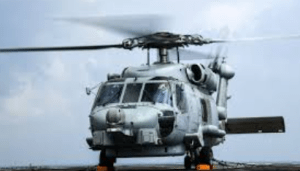
India has finalised a $946 million sustainment agreement with the United States to support its fleet of 24 MH-60R Seahawk naval helicopters. The package strengthens India’s maritime preparedness, boosts naval aviation support systems, and deepens defence cooperation with Washington at a time of heightened strategic activity in the region.

Strategic Timing of the Agreement

The deal comes just ahead of the India–Russia Annual Summit, drawing global attention to New Delhi’s balanced defence engagements with major powers. Observers note that the announcement underscores India’s focus on maintaining readiness in the Indo-Pacific while diversifying defence partnerships.

Scope of the Sustainment Package

The agreement, concluded under the US Foreign Military Sales framework through Letters of Offer and Acceptance, covers a five-year sustainment cycle. It includes spare parts, support equipment, training modules, technical assistance, and component repair facilities within India. These measures ensure operational availability for missions from shore bases and frontline warships.

Enhancements to Naval Capabilities

The MH-60R sustainment plan enables high-tempo operations such as anti-submarine warfare patrols, maritime surveillance, humanitarian tasks, and carrier-based deployments. With intermediate-level repair and inspection infrastructure being set up domestically, the Navy will reduce turnaround time and dependence on foreign maintenance hubs.

Facts

  • The MH-60R Seahawk is manufactured by Lockheed Martin.
  • India ordered 24 MH-60R helicopters in 2020 under an earlier procurement contract.
  • The first three MH-60Rs were delivered in 2021, leading to the commissioning of INAS 334 in Kochi.
  • The package value translates to approximately ₹7,995 crore for five years of support.

Role and Features of the MH-60R Platform

The MH-60R is a multi-role maritime helicopter designed for anti-submarine and anti-surface missions. It carries advanced systems including the AN/AQS-22 dipping sonar, sonobuoys, multi-mode radar, and Mk-54 torpedoes. Its all-weather capability, ship-borne flexibility, and mission versatility make it a key asset in India’s evolving naval strategy.

Unit4 Review 2025

0

Image from Pexels – CC0 Licence

The complexity of managing finance, projects, billing, data flow, HR and operations across teams is apparent for most IT and software consulting firms. As businesses scale, there is a pressure to streamline operations, improve reporting accuracy and deliver consistent client experiences. This is where Unit4 positions itself as a modern, people-centric ERP solution designed specifically for service-based organizations.

In this 2025 review of Unit4, you’ll see an honest and balanced insight at Unit4 ERP for IT and software consulting, how it performs, where it stands out, and where some users may find limitations. The platform aims to unify business operations across finance, HR, and project management whilst enabling greater agility through automation, integration and cloud-native flexibility. Based on these key features, Unit4 delivers meaningful advantages for consulting teams looking for an adaptable and cohesive system.

Key Features of Unit4

Many consulting firms struggle with the disjointed nature of using separate systems for accounting, HR, project planning and billing. Unit4 ERP addresses this by offering a single integrated platform that ties these core functions together. Keep reading to find out more about the key features of Unit4.

  1. Unified Finance, HR and Project Management

One of Unit4’s strongest differentiators is its ability to reduce data silos. By centralizing the financials, HR data, project structures and resource information, firms gain:

-More accurate, real-time reporting

-Fewer manual data transfers

-Faster onboarding of new employees

-Better cross-team collaboration

-Clear visibility into project profitability

This unified structure helps to keep everyone aligned and working from the same information. For consulting companies that include many stakeholders, this is a brilliant way to ensure rapidly shifting projects are kept on top of.

  1. Agile Project Planning and Delivery

The system supports the full project lifecycle, from scoping and planning to delivery, timesheets, and billing. Some of these key features include:

-Work Breakdown Structures (WBS)

-Milestones and deliverables

-Risk management

-Resource optimization

-End-to-end billing conditions

This is particularly valuable for IT and software consulting firms that operate across multiple client disciplines and global teams. Unit4 allows team leaders to plan more profitable projects whilst keeping control of timelines and costs.

  1. Advanced Billing and Revenue Management

Consulting firms often deal with complex billing scenarios, and Unit4 automates a lot of this complexity by offering:

-Automated invoicing workflows

-Credit control features

-Clear audit trails

-Revenue recognition tools

-Transparent client billing

This can make a significant difference to cash flow, client trust and operational predictability.

  1. AI-Powered Insights and Automation

AI and machine learning are core components of Unit4’s value proposition. For consulting teams dealing with repetitive admin tasks, the platforms automation tools help:

-Reduce manual data entry

-Identify trends in project or financial data

-Provide actionable recommendations

-Accelerate approval flows

This results in smoother operations and more time spent on client facing work rather than administrative overhead.

  1. Cloud-Native Flexible and Highly Adaptable

Built on a modern SaaS architecture, Unit4 is designed for scalability and security. Consulting firms benefit from:

-Automatic updates

-Strong uptime and reliability

-No and low-code extension tools

-Easy customisation without technical expertise

This adaptability is ideal for firms experiencing rapid growth or evolving client demands.

  1. Seamless Integration and Eco System Connectivity

Consultancies usually rely on additional tools such as CRM platforms, document management systems, external reporting software and more. Unit 4 supports this through:

-Open APIs

-Prebuilt data flows

-Smooth interoperability with common enterprise systems

This reduces friction during digital transformation and helps firms maintain a coherent technology eco-system.

  1. A People Centric User Experience

What sets Unit4 apart from many ERP systems is its explicit focus on people and user experience. The platform encourages:

-Bottom up feedback

-User friendly workflows

-Smart automation that removes everyday friction

For consulting teams juggling project work, travel, reporting and client communications this people-first approach can make the system significantly more enjoyable to use.

Pros and Cons:

Pros

  1. A Truly Unified Platform Across Finance, HR, and Project Delivery

Having one single source of information dramatically reduces errors and duplicated work, especially for multi-entity consulting firms.

  1. Excellent Project Lifecycle Management Tools

From WBS creation to global resource scheduling, Unit4 supports complex consulting projects exceptionally

  1. Advanced Billing Automation for Complex Engagements

Handles multi-currency, multi-entity and multi-phase billing without heavy manual intervention

  1. AI-Enhanced Productivity and Insights

Automation tools help to streamline admin tasks, and support faster, more data-focused decision making

  1. Cloud Native Structure That Scales With Business

Ideal for firms that plan to grow, branch out or expand into new global markets

  1. Strong Integration Capabilities

Easy to connect with CRM systems, document management tools and other enterprise platforms

  1. User Experience Prioritized Over Technical Complexity

A consulting team can work more efficiently, especially when juggling multiple projects and clients.

Cons

  1. Implementation May Require Time and Change Management

Unit4 is powerful, but does require some upfront planning, training and onboarding to unlock its full value.

  1. Some Users May Find The Breadth of Features Overwhelming

Firms with simpler operations may feel the system is more comprehensive than they strictly need

  1. Customization is Easy But Over Customization Can Slow Things Down

Whilst the no-code tools are useful, there are a number of bespoke workflows which can complicate future updates

  1. Occasional Users May Need Refreshers

With such a feature-rich system, staff who log in frequently may take some time to familiarize themselves with all of the features.

Final Thoughts

Unit4 ERP is a robust, modern and highly adaptable solution for IT and software consulting firms who are looking to centralize their operations and gain better control over their finances, HR, ongoing projects and billing processes. It has a unified approach which stands out in an industry where disjointed systems can hamper performance and cause lags in business operations. These fragmented systems can also hinder collaboration and obscure financial clarity, which can lead to blurred overviews of forecasting and finances as a whole.

With strong automation, advanced billing capabilities and cloud-native architecture, Unit4 provides consulting teams with the tools they need to scale, optimize and deliver higher value work to clients. Whilst the platform will require some thoughtful implementation, and may be more comprehensive than some smaller firms may need, there are a number of compelling long term benefits. The added bonus of transparency, efficiency and profitability are compelling, making Unit4 ERP a strong choice for consulting firms. All in all, Unit4 ERP delivers a powerful blend of functionality and usability, making it the ideal option for evolving and modernizing their operational backend systems in 2025 and beyond.

How Festivals Strengthen Community Life Across India

0

India is known around the world for its vibrant festivals — celebrations that color the calendar with music, rituals, lights, food, and community spirit. From Diwali and Holi to Eid, Christmas, Baisakhi, Navratri, Onam, Pongal, and countless regional traditions, festivals are more than just holidays. They are moments of connection, storytelling, cultural pride, and shared joy.

Across villages, towns, and large cities, festivals play a powerful role in bringing people together. In a fast-changing, digitally driven world, these traditions continue to influence social harmony, creativity, and modern lifestyles. Understanding this cultural impact helps reveal why festivals remain deeply meaningful to Indians today.

Festivals as bridges between generations

One of the strongest aspects of Indian festivals is their ability to connect people of different ages. Grandparents share stories of mythology and customs; parents pass on rituals; children learn through participation.

This intergenerational exchange encourages:

  • respect for elders
  • understanding of family history
  • learning of traditional songs, prayers, and practices
  • the feeling of belonging to a cultural lineage
  • shared memories that last a lifetime

These traditions help families stay emotionally close, even when life becomes busy.

Community bonding and neighborhood participation

In many regions, especially smaller towns, festivals create an atmosphere of unity. Neighbors who may not meet regularly come together to decorate streets, organise programs, or prepare communal meals.

Common forms of community participation include:

  1. Local committees setting up pandals or stages
  2. Street decorations with lights and rangoli
  3. Charity drives during major festivals
  4. Cultural performances by children and youth
  5. Shared meals that strengthen social ties

This sense of togetherness is one of the core reasons festivals remain cherished across India.

The role of food in celebration

No Indian festival is complete without special dishes. Each region has its own favourites:

  • Diwali: laddoos, kaju katli, chakli, chivda
  • Eid: biryani, sheer khurma, kebabs
  • Onam: sadhya with multiple traditional dishes
  • Pongal: sweet and salted pongal
  • Holi: gujiya, thandai
  • Christmas: plum cake, roast dishes

Food acts as a celebratory language that everyone understands. Families cook together, exchange dishes with neighbors, and enjoy seasonal flavors that make each festival unique.

Creativity, colors, and artistic expression

Festivals inspire creativity — from rangoli designs and handmade decorations to music, dance, and traditional attire. Children learn artistic skills naturally through participation.

Popular forms of festive creativity:

  • rangoli and kolam
  • diya painting
  • flower arrangements
  • folk dances and songs
  • traditional dress styling
  • handmade crafts

Even modern digital platforms encourage creative expression, with people sharing photos, reels, DIY ideas, and festival stories.

Festivals and the digital world

India’s festival culture has adapted harmoniously to the digital age. People now:

  • send e-greetings
  • watch online live-streams of events
  • join virtual celebrations with distant family
  • share festival moments on social platforms
  • follow craft or recipe tutorials
  • read festival-related articles and blogs

Many users also maintain personal digital routines that include a variety of bookmarks — from educational pages to entertainment links and general-use platforms such as Lucky Star casino. Each person mixes festive browsing with regular daily habits based on their preferences.

Festivals encourage acts of generosity

A significant cultural value behind festivals is sharing. Many families donate to charities, distribute food, or support those in need during special occasions.

Common acts of generosity include:

  • giving clothes, food, or sweets
  • supporting community fundraisers
  • helping elderly neighbors with festival preparations
  • organizing events for underprivileged children
  • contributing to temple, mosque, church, or gurudwara initiatives

These actions reinforce compassion and solidarity in society.

Cultural diversity and regional uniqueness

India’s festivals are incredibly diverse. Each state has traditions shaped by its history, geography, and cultural identity.

Examples include:

  • Durga Puja in West Bengal
  • Ganesh Chaturthi in Maharashtra
  • Bihu in Assam
  • Losoong in Sikkim
  • Ugadi in Karnataka and Andhra Pradesh
  • Chhath Puja in Bihar and Uttar Pradesh

This diversity makes Indian culture rich and dynamic, offering endless opportunities for learning and exploration.

Festivals boost local economies

Festivals are not just cultural events — they also support the economy. Small businesses, artisans, farmers, shopkeepers, and service providers all benefit from the increase in demand.

Economic impact includes:

  • sale of clothing and traditional wear
  • increased demand for sweets and festive foods
  • higher transportation and travel activity
  • temporary jobs at events and markets
  • support for artisans who create decorative items

Thus, festivals help local communities flourish financially.

Festivals as emotional recharge moments

In busy urban life, festivals serve as emotional reset points. They give people a chance to pause, relax, and reconnect with loved ones.

Benefits include:

  • reducing stress
  • strengthening relationships
  • boosting cultural pride
  • creating joyful memories
  • encouraging gratitude and reflection

These emotional benefits are part of why festivals remain central to Indian identity.

Final thoughts

Festivals in India are much more than celebrations — they are cultural anchors that strengthen family bonds, support communities, inspire creativity, and bring joy into daily life. Whether traditional or modern, large or small, each festival holds a meaning that connects people across generations and regions. In a world that changes quickly, festivals remind us of the values, stories, and emotions that keep India united and vibrant.