Home Blog Page 102

Lady Finger Really Can Boost Brainpower; This Everyday Vegetable Is a Nutritional Powerhouse. Know Why?

0

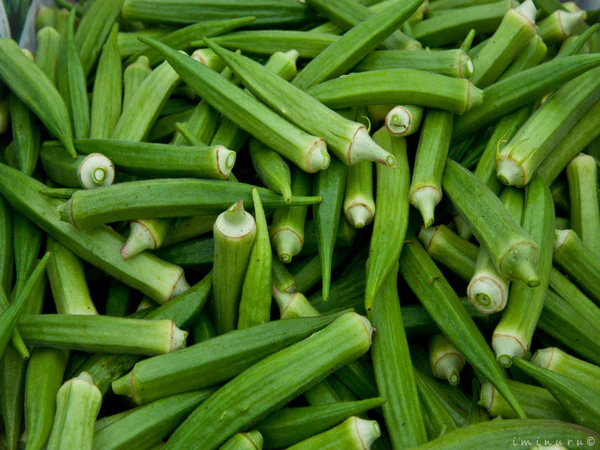
Lady finger may look like just another green vegetable in your kitchen, but don’t let its simplicity fool you. Available almost all year round, this humble vegetable quietly delivers powerful health benefits. Packed with fiber, antioxidants, and essential vitamins, lady finger supports everything from digestion and immunity to heart and brain health.

According to senior nutritionists, regularly including lady finger in your diet can help reduce oxidative stress, improve heart function, and even support cognitive health. It is also considered especially beneficial for women during pregnancy.

We take a closer look at lady finger and answer the most common questions people have about this underrated superfood.

Why is lady finger considered a nutritional powerhouse?

Lady finger is a low-calorie yet nutrient-dense food. It contains a healthy balance of carbohydrates, plant protein, and dietary fiber, making it excellent for digestion and metabolic health. Despite being light on calories, it delivers a strong nutritional punch.
(See graphic for detailed nutritional values.)

Which vitamins and minerals does lady finger provide?

Senior nutritionists say lady finger contains almost all essential vitamins and minerals needed for daily health. It is especially rich in:

  • Vitamin C, which strengthens the immune system
  • Vitamin K, essential for blood clotting and bone health
  • Vitamin A and Vitamin B6, which support vision, skin, and brain function

Among minerals, magnesium is found in significant amounts and plays an important role in muscle function and energy production.
(Refer to the graphic for details.)

What does 100 grams of lady finger contribute to your daily needs?

Eating just 100 grams of lady finger can fulfill a significant portion of your daily requirement for fiber, vitamin C, vitamin K, folate, and antioxidants—making it an easy and affordable way to improve overall nutrition.
(See graphic for exact percentages.)

What are the health benefits of eating lady finger regularly?

Lady finger supports health in multiple ways:

  • Improves digestion due to its high fiber content
  • Helps control blood sugar levels
  • Boosts immunity
  • Protects the body from oxidative stress
  • Supports heart and brain health
  • Provides folate, which is especially important during pregnancy

Does lady finger have medicinal properties?

Yes. Lady finger contains powerful antioxidants that help protect the body from damage caused by free radicals, supporting both heart and brain health.

It also contains a natural gel-like substance called mucilage. This helps improve digestion and removes bad cholesterol (LDL) from the body, which benefits heart health. Its fiber content helps regulate blood sugar, making lady finger helpful in diabetes management.

How do lady finger’s antioxidants help the heart and brain?

Lady finger is rich in antioxidants such as flavonoids, isoquercetin, and vitamins A and C. These compounds reduce inflammation and oxidative stress in the body.

Senior nutritionists explain that these antioxidants:

  • Lower the risk of blood clot formation
  • Protect blood vessels
  • Improve memory and learning ability
  • May slow age-related cognitive decline

Why is lady finger considered heart-friendly?

Lady finger supports heart health by helping remove excess bad cholesterol during digestion. In addition, its polyphenols reduce inflammation and oxidative stress—two major contributors to heart disease.

Regular consumption may help maintain healthy cholesterol levels and reduce pressure on the heart.

Can lady finger really support brain health?

Yes. Lady finger’s antioxidants protect brain cells from damage, while its B vitamins—especially folate and vitamin B6—support neurotransmitter production.

Its high fiber content also improves gut health, which positively affects mental health through the gut–brain connection. By helping regulate blood sugar levels, lady finger may also reduce diabetes-related brain complications.

Is lady finger safe during pregnancy?

Senior nutritionists say lady finger is safe and highly beneficial during pregnancy. It is a rich source of folate (vitamin B9), which helps reduce the risk of birth defects affecting the baby’s brain and spine.

Additionally, lady finger provides fiber, vitamin C, and antioxidants that support digestion, immunity, and overall maternal health.

Who should eat lady finger with caution?

Lady finger is safe for most people. However, those who frequently experience gas, bloating, or digestive discomfort may find its mucilaginous texture difficult to digest. Such individuals should consume lady finger in moderate amounts.

Bottom line:
Simple, affordable, and packed with nutrients, lady finger proves that powerful health benefits don’t always come from exotic foods. Sometimes, they’re already sitting on your plate.
Kavita Chand Scales Mount Vinson, Antarctica’s Highest Peak, in Quest for Seven Summits

0

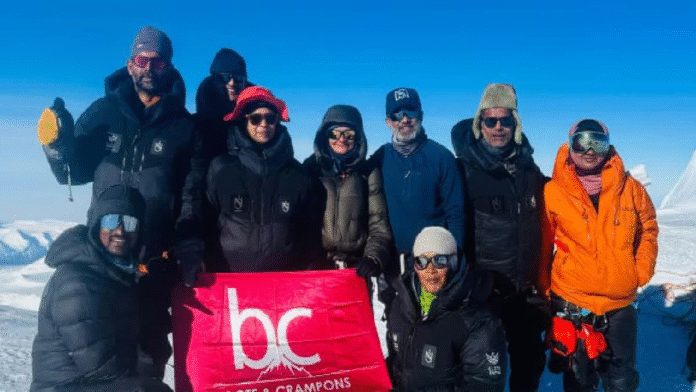
Kavita Chand, Almora-born endurance athlete, unfurls the Tricolour atop Mount Vinson, continuing her mission to conquer the highest peaks on all seven continents

In a remarkable mountaineering achievement, Kavita Chand from Almora district in Uttarakhand has successfully scaled Mount Vinson, the highest peak in Antarctica, as part of her ambitious Seven Summits challenge. The 40-year-old endurance athlete unfurled the Indian tricolour at the summit, standing at 4,892 metres above sea level.

Originally from Dhara Naula in Almora, Kavita currently resides in Mumbai. Her inspiring journey from a remote hill village in Uttarakhand to one of the world’s most inaccessible and extreme peaks has drawn widespread admiration. With this feat, she moves a step closer to her goal of summiting the highest mountains across all seven continents. Earlier, she had successfully conquered Mount Elbrus, the highest peak in Europe.

One of the Coldest and Most Isolated Peaks on Earth

Mount Vinson is notorious for its harsh Antarctic conditions, extreme isolation and icy terrain, where temperatures can plunge to minus 50 degrees Celsius. Despite these challenges, Kavita completed the expedition through meticulous preparation and endurance training.

Her journey to Antarctica began on December 3, when she departed India for Punta Arenas, Chile. On December 7, she flew beyond Union Glacier to reach Vinson Base Camp, situated at an altitude of around 2,100 metres. The final 40-minute flight from Union Glacier to Base Camp was undertaken in a ski-equipped aircraft, highlighting the complex logistics involved in Antarctic expeditions.

Expert Leadership and Indian Team Support

The expedition was led by renowned high-altitude guide Mingma David Sherpa and supported by experienced Indian mountaineer Bharath Thammineni through his expedition company, Boots and Crampons. Under expert guidance, the nine-member Indian team successfully reached the summit. Careful acclimatisation, strategic planning and strong coordination proved crucial in navigating the extreme Antarctic environment.

“Hoisting the Indian flag at the summit of Mount Vinson is a feeling beyond words. I hope this achievement inspires professionals to believe that fitness, ambition and career success can go hand in hand,” Kavita said after the summit.

From Corporate Career to Elite Endurance Athlete

Apart from mountaineering, Kavita Chand has made a mark in endurance running. A dedicated marathoner, she won the Delhi and Mumbai HYROX 2025 competitions in her age group and has completed three of the six marathons in the prestigious Abbott World Marathon Majors Six Star Challenge.

Formerly associated with the media industry, Kavita made a decisive shift in 2024, stepping away from her corporate career to pursue fitness full-time — a turning point she describes as life-changing. She began running in 2017 and took up mountaineering in 2024, marking a rapid yet disciplined athletic progression.

Embracing serious fitness after becoming a mother, Kavita has emerged as a role model for professionals seeking balance, resilience and long-term health. Her husband, Deepak Chand Thakur, co-founder of Network People Services Technologies Ltd (NPST), has been a constant source of support throughout her journey.

Why Heart Attacks Spike in Winters: What Every Family Should Know

0

Heart attacks affect millions globally, and they happen more often in winter. Data from the National Institutes of Health shows that heart attacks claimed 2,853 lives in 2023, with many victims aged 11 to 25. To raise awareness of this seasonal risk and provide families with preventive knowledge, let’s explore the link between cold weather and heart problems. Understanding how to prepare for this risk is crucial to protect vulnerable individuals and support heart health for everyone.

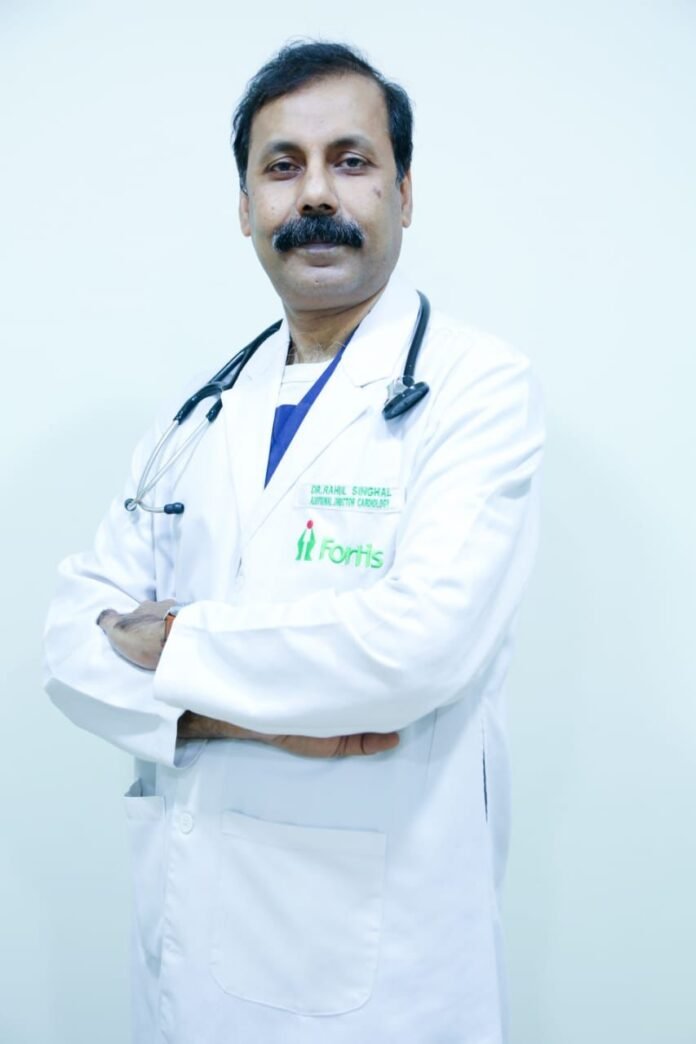
Dr Rahul Singhal , Director, Cardiology and Electrophysiology, Fortis Escorts Hospital Jaipur said, “There is an urgent need to see winter as a time when the risk of heart problems increases. The cold puts extra pressure on the heart, especially for those who already have health issues. Families should be aware of symptoms and take protective steps well before the temperature falls.”

Dr Rahul Singhal, Director, Cardiology and Electrophysiology , Fortis Escorts Hospital Jaipur explains the seasonal causes, warning signs, and essential steps every household can take to reduce winter heart attack risk.

Causes

Cold weather adversely affects the heart through several physiological and lifestyle changes:

1. Vasoconstriction and Elevated Blood Pressure: When exposed to cold, blood vessels tighten. This raises blood pressure and makes the heart work harder.

2. Increased Cardiac Demand: Strenuous activities or even shivering raise the heart’s oxygen needs. This can lead to a heart attack if the arteries are narrowed.

3. Hormonal Responses: Cold can raise levels of stress hormones. This may lead to an increased heart rate, higher blood pressure, and a greater tendency for blood to clot.

4. Seasonal Infections: Winter peaks in viral infections, flu and pneumonia lead to systemic inflammation. This can destabilize arterial plaque and trigger a cardiac event.

5. Lifestyle Shifts: Reduced physical activity, unhealthy eating, holiday stress, and disrupted sleep patterns during winter lead to strain on the heart.

6. Delayed Care: Symptoms may be ignored, or people may look for help later because they are hesitant to go out in the cold. This can lead to worse outcomes.

Symptoms

Heart attack symptoms can be subtle and varying. Immediate medical attention is required if any of the following occur:

* Chest discomfort: pressure on the chest, squeezing, fullness, or pain, which may come and go

* Pain or discomfort in one or both arms, back, neck, jaw, or stomach

* Shortness of breath, with or without chest discomfort

* Cold sweat, nausea, lightheadedness, or unusual fatigue

Note: Women may experience less typical symptoms such as sudden fatigue, nausea, or back/jaw pain.

Prevention and Preparedness

1. Layer clothing. Keep indoor spaces warm to avoid sudden cold exposure.

2. Avoid sudden, intense physical activity in the cold. Warm up indoors first and take frequent breaks when doing outdoor chores.

3. Regularly check and manage blood pressure, cholesterol, and diabetes. Make sure to have enough prescribed medications on home.

4. Get vaccinated as they are important to stop infections that can strain the heart.

5. Engage in regular indoor exercise, eat a balanced diet, limit alcohol, and use stress-reduction techniques.

6. Make sure all family members recognize the warning signs and know the local emergency number.

These Six Indian Cities Are Among the 100 Best Food Cities in the World – A True Feast for Foodies

0

India’s unmatched culinary diversity has once again earned global recognition. In the latest TasteAtlas ranking of the 100 Best Food Cities in the World, six Indian cities have secured prestigious spots, reaffirming India’s status as one of the world’s most exciting food destinations. Based on hundreds of thousands of global food ratings and reviews, the list celebrates cities known for iconic local dishes, legendary eateries, vibrant street food scenes and rich food heritage.

Mumbai Ranked 5th – India’s Highest-Ranked Food City

Mumbai has made India proud by securing an impressive 5th position globally, making it the highest-ranked Indian city and one of the few non-European cities in the global top 10. Often called the street food capital of India, Mumbai’s food scene thrives on bold flavours and affordability.

Must-try dishes:
Vada pav, pav bhaji, bhelpuri, ragda pattice, Bombay biryani

Iconic food spots:
Leopold Cafe, Ram Ashraya, Shree Thaker Bhojanalay, Nawab Saheb

Amritsar Ranked 48th – The Heart of Punjabi Cuisine

At 48th place, Amritsar stands out for its soul-satisfying Punjabi food, rich in butter, spices and tradition. The city is a haven for lovers of slow-cooked, hearty meals.

Must-try dishes:
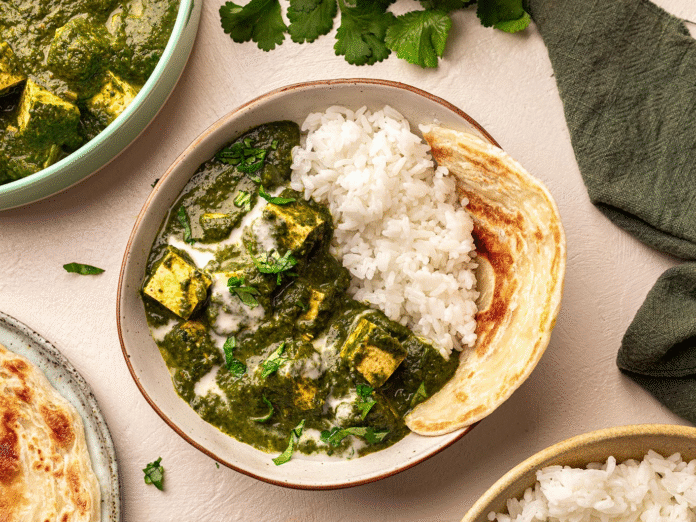
Amritsari kulcha, dal makhani, sarson da saag, palak paneer, phirni

Famous eateries:
Kesar da Dhaba, Bharawan da Dhaba, Bade Bhai Ka Brothers

New Delhi Ranked 53rd – A Culinary Crossroads

India’s capital New Delhi ranks 53rd, offering a diverse food culture that ranges from street food to royal Mughlai delicacies.

Must-try dishes:
Butter chicken, chole bhature, aloo tikki, nihari, dal makhani

Popular restaurants:
Bukhara, Dum Pukht, Saravana Bhavan

Hyderabad Ranked 54th – Home of the Legendary Biryani

Hyderabad takes 54th place, famed for its Nizami culinary heritage and world-renowned biryani.

Must-try dishes:
Hyderabadi biryani, haleem, mirchi ka salan, rumali roti

Top food destinations:
Shah Ghouse Cafe, ITC Kohenur restaurants, Jewel of Nizam

Kolkata Ranked 73rd – East India’s Food Paradise

Kolkata, the City of Joy, ranks 73rd, known for its unique balance of savoury street food and iconic sweets.

Must-try dishes:
Kathi rolls, phuchka, chicken rolls, rasgulla, rosogolla

Famous eateries:
Allen’s Kitchen, Chittaranjan Mistanna Bhandar, Tamarind

Chennai Ranked 93rd – The Soul of South Indian Cuisine

Chennai rounds off the list at 93rd place, representing the timeless flavours of South India.

Must-try dishes:
Idli, dosa, sambar, Chicken 65, Madras curry, filter coffee

Popular food spots:
Annalakshmi, Peshawri, Shree Mithai

India’s Culinary Legacy Shines Globally

The inclusion of six Indian cities in TasteAtlas’ 100 Best Food Cities in the World is a testament to India’s deep-rooted food traditions and evolving dining culture. From humble street stalls to century-old restaurants, Indian cuisine continues to captivate food lovers across the globe—proving that India truly is a food lover’s paradise.

World’s Tallest Shivlingam Measuring 33-Foot Carved with Monolithic Stone Starts A Sacred Journey from Tamil Nadu to Bihar

0

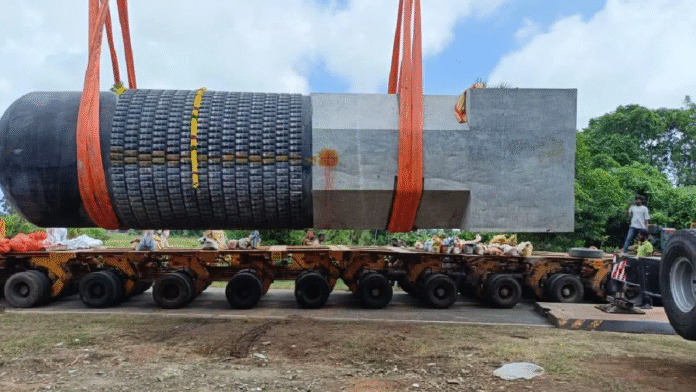
In a rare confluence of faith, craftsmanship and modern engineering, a colossal 33-foot-tall granite Shivling has begun an extraordinary journey from Mahabalipuram in Tamil Nadu to East Champaran in Bihar—a distance of nearly 2,100 kilometres. Believed to be the world’s largest Shiva Linga carved from a single block of granite, the monolith is destined to become the spiritual centrepiece of the upcoming Virat Ramayan Temple, one of India’s most ambitious religious projects.

Weighing an astonishing 210 tonnes, the Shivling is not merely being transported; it is undertaking what devotees are calling a moving pilgrimage, watched and welcomed by thousands along its route.

A Decade Carved in Stone

This monumental Shivling did not emerge overnight. It is the result of nearly ten years of painstaking labour by master artisans in Pattikadu near Mahabalipuram, a region renowned for its ancient stone-carving traditions. Sculpted from a rare diamond granite block sourced from Tirunelveli district, the structure reflects exceptional balance, symmetry and spiritual symbolism.

What sets it apart even further is its intricately designed base, adorned with 1,008 miniature shivlingas, carefully arranged in multiple tiers. This sacred configuration has earned it the revered name “Sahasra Shivlingam”, symbolising cosmic energy and infinite devotion.

An Epic Journey on Wheels

Moving a 210-tonne sacred monolith across India is no ordinary logistical feat. A custom-built 96-wheel hydraulic trailer has been deployed to transport the Shivling, with the journey expected to take 20 to 25 days. Roads are being reinforced, turns carefully calculated and bridges assessed to ensure safe passage.

But beyond engineering, the journey has taken on a deeply spiritual character. Villages and towns along the route are preparing to receive the Shivling with rituals, flowers, lamps and chants, transforming highways into corridors of devotion. For many, witnessing the monolith pass through is akin to a once-in-a-lifetime darshan.

Virat Ramayan Temple: A Spiritual Colossus in the Making

The Shivling’s final destination is Chakia in East Champaran, where it will be installed at the Virat Ramayan Temple, being developed by the Mahavir Mandir Trust, Patna. Planned as one of the largest temple complexes in the world, the structure will stretch over 1,000 feet in length, with towering spires, 22 subsidiary shrines, and grand murals depicting scenes from the Ramayana.

The Shivling is expected to serve as a major focal point of the temple, symbolising the deep spiritual connection between Shaivite devotion and the broader Hindu civilisational narrative.

World Record or Spiritual Benchmark?

While the Shivling is often described as the world’s tallest monolithic Shiva Linga, scholars and experts draw an important distinction. Taller Shiva structures exist, such as the 126-foot Shivling in Assam, but these are typically constructed installations, not single-stone carvings.

The Mahabalipuram Shivling stands apart as a true monolith—carved entirely from one continuous block of granite, placing it in a rare and prestigious category of sculptural achievement.

What Lies Ahead

Once the Shivling reaches Bihar, it will be carefully installed using heavy-lift cranes, followed by the sacred Pran-Pratishtha ceremony, likely scheduled for early 2026. The unveiling is expected to significantly enhance Bihar’s spiritual tourism, drawing devotees, historians, and art enthusiasts from across India and beyond.

As it rolls across the country, this towering symbol of devotion reminds India that even in an age of speed and screens, faith still moves mountains—sometimes, quite literally, on 96 wheels.

Rob Reiner: Know About Director and Actor Found Dead at Los Angeles Home Along with Wife Michele Singer Reiner

0

Rob Reiner death: Hollywood in shock as police investigate “apparent homicide”

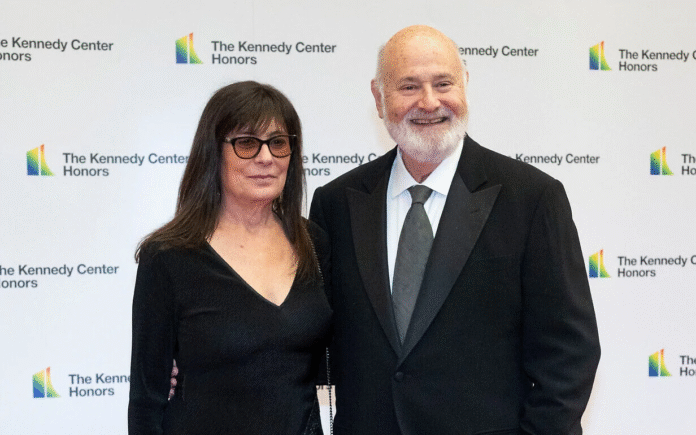
Renowned filmmaker and actor Rob Reiner, best known for classics such as When Harry Met Sally, Stand By Me, The Princess Bride, Misery and This Is Spinal Tap, has been found dead at his Los Angeles home along with his wife, Michele Singer Reiner. Reiner was 78, while his wife was 68.

According to reports, authorities discovered the bodies on Sunday afternoon at Reiner’s residence in Brentwood, Los Angeles, after the Los Angeles Fire Department responded to a medical aid call. The Los Angeles Police Department (LAPD) later confirmed that detectives from the robbery-homicide division are investigating the deaths as an “apparent homicide.” Media reports citing law enforcement sources said both victims appeared to have suffered injuries consistent with a knife attack.

A spokesperson for the Reiner family confirmed the deaths in a statement issued Sunday evening. “It is with profound sorrow that we announce the tragic passing of Michele and Rob Reiner. We are heartbroken by this sudden loss and ask for privacy during this unbelievably difficult time,” the statement said.

At a press conference on Sunday night, LAPD chief detective Alan Hamilton said the investigation remains ongoing. “At this time, the LAPD is not seeking anyone as a suspect or person of interest,” he said, adding that no one has been detained and no arrests have been made so far. Family members will be interviewed as part of standard procedure.

Reiner had been married to photographer Michele Singer Reiner since 1989. The couple met during the making of When Harry Met Sally, a film whose famously optimistic ending was inspired by their relationship.

Born in the Bronx in 1947, Reiner was the son of legendary comedian Carl Reiner and singer Estelle Reiner. He first rose to fame as actor Michael “Meathead” Stivic in the iconic sitcom All in the Family, earning multiple Emmy and Golden Globe nominations. He later became one of Hollywood’s most respected directors, debuting with This Is Spinal Tap (1984) and following it with an extraordinary run of critically acclaimed and commercially successful films.

Over his career, Reiner received four Golden Globe nominations for best director and three Directors Guild of America nominations. His final film was Spinal Tap II: The End Continues, released in 2025.

Tributes have poured in from across Hollywood, with many calling Reiner “one of the greatest filmmakers of his generation.” As the investigation continues, the film industry and fans worldwide mourn the loss of a storyteller whose work shaped generations of cinema lovers.

Google Unveils Project Suncatcher to Develop Solar-Powered Data Centres in Space

0

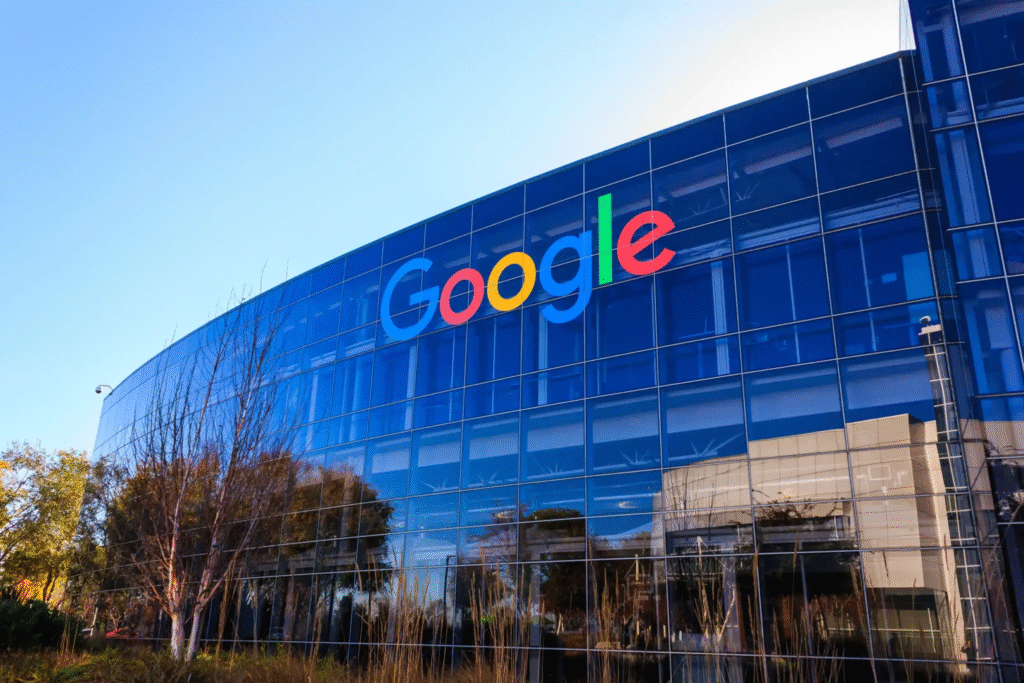
Google has announced an ambitious long-term research initiative, Project Suncatcher, aimed at deploying solar-powered data centres in space. Revealed by Google CEO Sundar Pichai, the project is expected to begin experimental launches by 2027. The initiative reflects growing interest among global technology firms in moving data-intensive infrastructure beyond Earth as demand for artificial intelligence computing accelerates.

What Project Suncatcher Involves

Project Suncatcher will focus on building satellite-based data centre prototypes powered entirely by solar energy. These satellites will be equipped with Google’s Tensor Processing Units, specialised chips designed for large-scale machine learning tasks. Optical laser links between satellites will enable high-speed communication, allowing them to function collectively as a distributed computing network. Google plans to test radiation-resistant hardware capable of operating in harsh space environments, with two prototype satellites scheduled for launch in partnership with Planet Labs by early 2027.

Google Unveils Project Suncatcher to Develop Solar-Powered Data Centres in Space

Why Data Centres Are Moving Beyond Earth

The rationale behind space-based data centres lies in the mounting environmental and operational costs of terrestrial infrastructure. AI-driven data centres consume vast amounts of electricity and water, much of it generated from fossil fuels. Analysts estimate global data centre power demand could rise sharply by 2030, intensifying climate pressures. Space offers uninterrupted solar energy, insulation from natural disasters, and freedom from undersea cable disruptions. Data sovereignty concerns also make space attractive, as outer space is governed by international law rather than national jurisdiction.

Legal, Economic and Technical Considerations

International treaties, including the 1967 Outer Space Treaty, prevent national ownership of celestial bodies, potentially allowing multinational data hosting from a single orbital or lunar facility. Falling launch costs have made experimental missions more feasible. However, challenges remain significant. Construction and maintenance costs would be high, repairs complex, and real-time data transmission limited by distance. Cybersecurity in space-based systems also remains an unresolved concern.

Facts

  • Project Suncatcher aims to test space-based data centres by 2027.
  • Tensor Processing Units are Google’s custom AI computation chips.
  • The Outer Space Treaty of 1967 governs non-appropriation of space.
  • Laser-based optical links enable satellite-to-satellite communication.

India Ranks as World’s Third Most Competitive Nation in Artificial Intelligence, After US and China

0

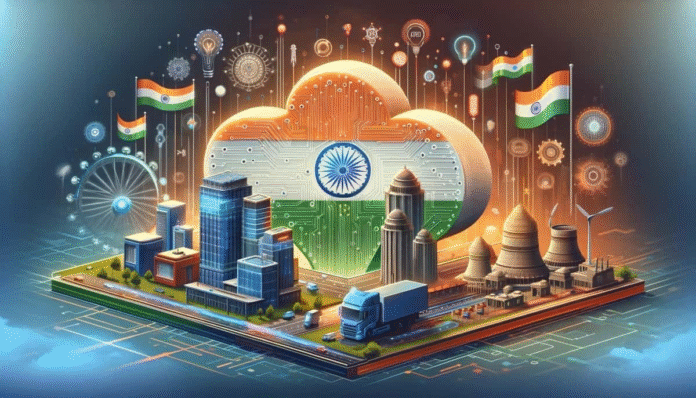
India has emerged as the world’s third most competitive country in Artificial Intelligence, ranking behind only the US and China. The finding comes from Stanford University’s Global AI Vibrancy Tool, highlighting India’s growing influence in the global AI race despite its lower-middle-income status.

Stanford AI Vibrancy Rankings

According to the latest data, the United States leads global AI competitiveness with a vibrancy score of 78.6, reflecting its dominance across research, infrastructure, policy, and economic impact. China ranks second with a score of 36.95, driven by strong performance in talent development, infrastructure, and AI-led economic activity. India stands third with a score of 21.59, outperforming several advanced economies, including the United KingdomJapanGermany, France, CanadaSingapore, and South Korea.

Factors Behind India’s Strong Performance

Stanford’s AI Vibrancy Tool aggregates multiple indicators, including research and development, talent availability, investment flows, infrastructure readiness, public perception, and governance frameworks. India’s high ranking is largely attributed to its vast pool of skilled engineers, growing AI research output, and a rapidly expanding startup ecosystem. The country also features among the top three globally in AI talent, reflecting its strength in technology education and workforce scale.

India’s Unique Position Among Income Groups

The report highlights a clear correlation between national income levels and AI competitiveness, with high-income countries dominating the top tier. However, India stands out as the only lower-middle-income country to secure a top-three position. This underlines its unique role in the global AI landscape, bridging the gap between advanced economies and emerging markets through innovation-led growth.

Facts

  • Stanford University publishes the Global AI Vibrancy Tool.
  • The US ranks first globally in AI competitiveness.
  • India ranks among the top three countries in AI talent.
  • AI vibrancy is measured using R&D, talent, investment, policy, and infrastructure indicators.

Implications For Global AI Landscape

The report also cautions that widening gaps in AI capability could deepen global inequality if access to AI-driven growth remains uneven. For India, however, the ranking is a major boost, reflecting rising investments, stronger policy focus, and increasing global relevance in artificial intelligence.

Messi Tour Gets Messy in Kolkata: From Chaos to His Visit to Hyderabad – How the GOAT India Tour Unfolded

0

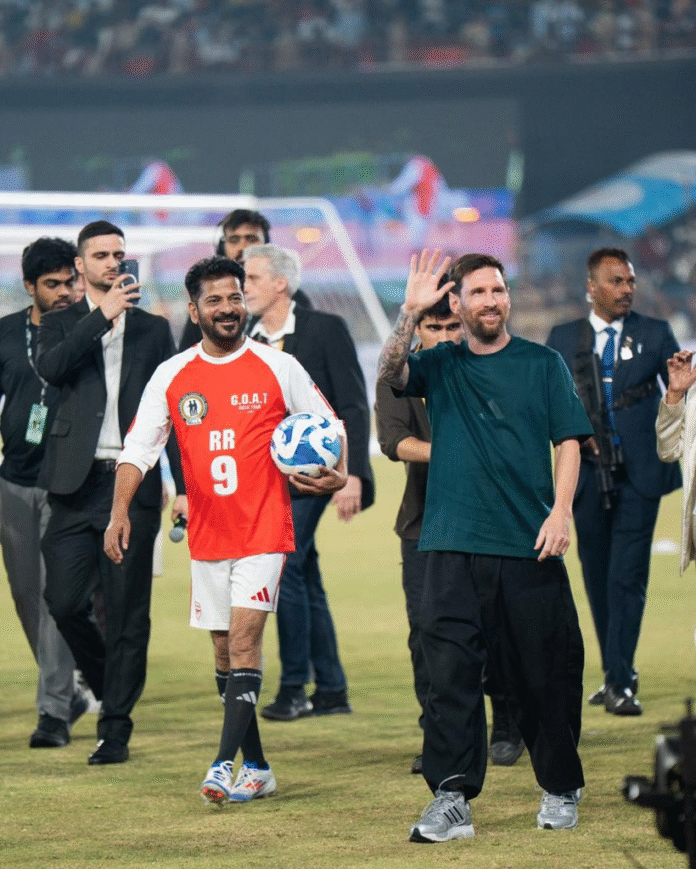
For football fans across India, the mere mention of Lionel Messi sparks excitement, debate, and anticipation. But what was supposed to be a dream visit for Kolkata turned into a rollercoaster of confusion, misplaced announcements, and frustration only for all eyes to shift to Hyderabad, where the Argentine superstar finally landed, reigniting hope and frenzy.

The Kolkata build up: Dreams and hype

The buzz started when organisers hinted that Messi could include Kolkata in his India tour. Social media exploded with memes, banners sprouted across the city, and fans envisioned the unthinkable: the World Cup-winning icon walking the streets, visiting iconic football stadiums, and interacting with local supporters. Kolkata, a city synonymous with football passion, embraced the idea wholeheartedly.

Big promises, bigger expectations

Organisers and local authorities painted grand plans. Messi was expected to attend football events, meet fans, and inspire grassroots football programs. With every press statement, fan expectations skyrocketed. Yet, amidst all the hype, there was no official confirmation from Messi’s camp or his club, Inter Miami, leaving a huge gap between dream and reality.

Kolkata chaos: Confusion and contradictions

As the dates approached, inconsistencies surfaced. Proposed venues remained unbooked, announcements were retracted, and officials gave conflicting statements. Fans were left bewildered. Social media oscillated between excitement and disappointment. What was meant to be a historic footballing moment gradually turned into a public embarrassment, and the city’s football pride took an unintended hit.

Hyderabad to the rescue: Messi finally arrives

While Kolkata’s hype fizzled into confusion, Hyderabad became the focal point of the tour. Lionel Messi landed in the city, sparking an unparalleled frenzy. Thousands of fans thronged the streets and stadiums, determined not to miss even a glimpse of the GOAT. Unlike Kolkata, Hyderabad managed a more organised reception, turning anticipation into a tangible celebration. Fans flooded social media with videos, pictures, and reactions as Messi’s presence brought the dream back to life.

The GOAT lives up to the hype in Hyderabad

For fans, the Hyderabad arrival reaffirmed Messi’s superstar status. After the chaos in Kolkata, witnessing Messi in action, interacting with fans, and spreading his magic on Indian soil reminded the nation why he is revered worldwide. Kolkata’s disappointment faded into memory, but the lessons remain and the Messi mania in India is far from over.

Sardar Vallabhbhai Patel Death Anniversary: 5 Lessons From the ‘Iron Man’ of India

0

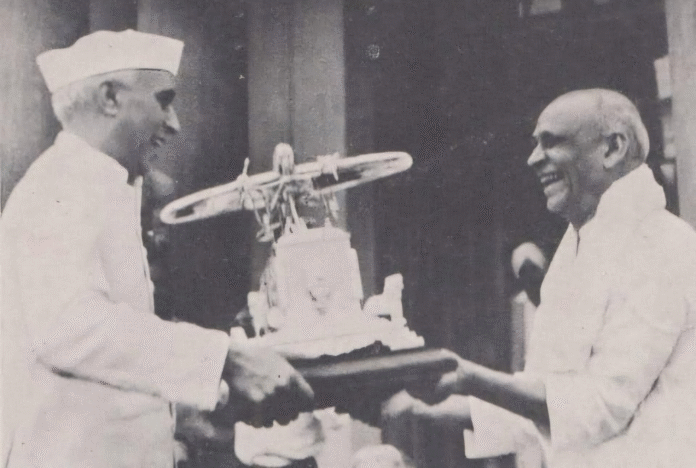
Every year on December 15, India remembers Sardar Vallabhbhai Patel — the man who welded a fragmented nation into one unified Republic. Known as the Iron Man of India, Patel was not just a freedom fighter and statesman, but also a master strategist, a patient negotiator, and a leader with unwavering resolve.

As India marks his death anniversary, Patel’s life offers lessons far beyond politics and nation-building. Surprisingly, many of his principles resonate deeply with the modern stock market — a space driven by volatility, discipline, long-term vision and emotional control.

Here are five lessons one can learn from Sardar Vallabhbhai Patel’s extraordinary life.

1. Determination: Ironclad Focus Amid Uncertainty

Patel’s commitment to India’s freedom and unity never wavered — even when the odds were stacked against him. Colonial resistance, political pressure and post-Independence chaos did not deter his focus.

2. Tactical Vision: Strategy Over Impulse

From leading the Bardoli Satyagraha to negotiating with hundreds of princely states, Patel combined courage with calculation. His actions were strategic, not reactive, and always aligned with a long-term vision of national unity.

3. Learning Is Key: Knowledge Builds Confidence

Patel was a trained lawyer who believed deeply in preparation and understanding before action. His sharp legal mind and ability to read people and situations came from continuous learning.

Diversification: Unity in Diversity

Patel’s greatest achievement was integrating over 550 princely states — each with its own culture, politics and challenges — into one nation. This diversity strengthened India rather than weakening it.

Patience: The Power of Perseverance

Nation-building was not an overnight success. Patel’s patience, negotiation skills and consistency played a decisive role in shaping modern India.

A Legacy That Still Guides Us

Sardar Vallabhbhai Patel served as India’s first Deputy Prime Minister and Home Minister from 1947 to 1950. Born in Nadiad, Gujarat, and raised in rural surroundings, he rose to become one of the most influential architects of modern India.

On his death anniversary, remembering Patel is not just about history — it’s about applying his principles to life, leadership and even financial decision-making.

Because whether it’s building a nation or a portfolio, the fundamentals remain the same:
vision, discipline, patience and unity.