Home Blog Page 100

Lionel Messi Won’t Play a Full Match in India; Know The Real Reason Behind the GOAT’s Short Appearances

0

When Lionel Messi arrived in India this December for his highly anticipated “GOAT India Tour,” fans across the country brimmed with excitement. There were dreams of seeing him score goals in a full match, maybe even play a friendly against local stars. But as the reality of the tour sets in, there’s one big question on everyone’s mind: Why won’t Messi play a full match in India? The answer lies not in a lack of desire from the superstar, but in something far more practical and much bigger than just this tour.

Messi’s visit to India this week includes stops in Kolkata, Hyderabad, Mumbai and New Delhi, but no official competitive game is on the schedule. That’s because the tour isn’t about football matches in the traditional sense it’s a meet-and-greet, ambassadorial and fan engagement tour. With no club or international fixtures scheduled during these three days, there is simply no official match for Messi to play. 

A major factor behind this decision also comes down to insurance. Messi reportedly carries one of the most expensive athlete insurance policies in the world, with his left foot the source of so much magic insured for hundreds of millions of dollars. Such policies come with strict conditions. They protect him when he is playing for his club or country, but generally do not cover exhibition football matches. If Messi were injured in such a game, he could risk losing compensation worth millions. For a player of his stature, that’s simply a risk no management team will take. 

That doesn’t mean fans should feel short-changed. The India tour is designed to bring Messi closer to his supporters in ways that no match could. Fans will get face-to-face moments, interactive panels, photo opportunities and exclusive appearances that would never be possible in the chaos of a full football match. This style of engagement may feel different, but it brings Messi into the heart of the experience rather than into the technicalities of competitive sport. 

In a way, Messi’s India visit reminds us of how global sports entertainment is evolving. Today’s fans don’t just want good football they want connection, access and memories that go beyond goals and scoreboards. Messi may not be kicking off a 90-minute game here, but what he Is offering could be even more unforgettable.

Paratha with Butter, Pizza with Extra Cheese: Why Doctors Say These Comfort Combos Are Quietly Harming India’s Health

0

A piping hot paratha soaked in butter or a pizza loaded with extra cheese feels like harmless comfort food to many Indians. These combinations are deeply ingrained in everyday eating habits from breakfast tables to late-night cravings. But doctors are now warning that such popular food pairings may be silently pushing India toward a serious health crisis, turning the country into a growing hub for diabetes and fatty liver disease.

According to senior doctors from Apollo Hospitals, the problem isn’t one single food item but the way certain foods are combined. Refined carbohydrates paired with high saturated fat create a metabolic overload for the body. When eaten together and frequently, these combinations spike blood sugar levels while simultaneously promoting fat storage in the liver.

Why these food combinations are risky

Paratha made from refined flour or polished wheat already raises blood glucose levels quickly. When topped with generous amounts of butter, it adds saturated fat that slows digestion but increases insulin resistance. Over time, this forces the pancreas to work harder, increasing the risk of type 2 diabetes.

Similarly, pizza combines refined flour bases with processed cheese and often fatty meats. This high-carb, high-fat mix is especially dangerous when consumed regularly, as it encourages fat accumulation in the liver even in people who do not consume alcohol. Doctors note that non-alcoholic fatty liver disease is now being diagnosed in younger Indians, including people in their 20s and 30s.

India’s growing lifestyle disease burden

Health experts point out that India’s genetic predisposition to insulin resistance makes these dietary habits even more harmful. Sedentary lifestyles, irregular meal timings and stress further worsen the impact. The result is a sharp rise in obesity, pre-diabetes, diabetes and liver disorders across urban and semi-urban populations.

What makes the situation alarming is that many people affected do not look visibly unhealthy. Fatty liver and insulin resistance can develop silently, showing symptoms only at advanced stages. Doctors are increasingly finding such conditions during routine health check-ups.

What can bdone without giving utaste

Experts stress that the solution is not to completely eliminate favourite foods, but to change frequency, portion size and pairing. Choosing whole wheat over refined flour, reducing butter and cheese quantities, adding fibre-rich vegetables, and balancing meals with protein can significantly lower risk. Reserving indulgent combinations for occasional treats rather than daily meals is key.

wake-ucall, not a food ban

The warning from doctors is less about fear and more about awareness. Traditional foods and modern favourites can coexist with good health but only when eaten mindfully. As lifestyle diseases rise faster than ever, India’s relationship with food may need a reset, before comfort turns into long-term damage.

Where to Travel in India in January, February and March 2026: The Best Places by Season and Mood

0

The first three months of the year are often considered the most rewarding time to travel across India. Winter slowly gives way to spring, the weather remains pleasant in most regions, and festivals, wildlife sightings and outdoor adventures are at their peak. From snow-covered mountains to blooming valleys and sun-kissed beaches, January, February and March 2026 offer something for every kind of traveller.

January: Winter wonders and festive escapes

January is ideal for those who enjoy crisp air and scenic beauty. Rajasthan tops the list this month, with cities like Jaipur, Jodhpur and Udaipur offering comfortable sightseeing weather and vibrant cultural experiences. Desert safaris in Jaisalmer and heritage walks feel far more enjoyable without the summer heat.

For snow lovers, Kashmir and Himachal Pradesh shine in January. Gulmarg and Auli are perfect for skiing, snowboarding and winter landscapes straight out of postcards. Meanwhile, Kerala provides a contrasting experience calm backwaters, lush greenery and mild coastal weather make it ideal for relaxed holidays and houseboat stays.

January is also peak wildlife season. Ranthambore, Bandhavgarh and Jim Corbett see excellent tiger sightings as animals venture out in search of water under clear skies.

February: Romance, nature and cultural charm

February brings slightly warmer days and is perfect for slow, immersive travel. This is an excellent month to explore hill towns like Munnar, Coorg and Ooty, where misty mornings, coffee plantations and blooming landscapes create a romantic atmosphere.

The North-East also comes alive in February. Meghalaya, Assam and Nagaland offer pleasant weather, cultural festivals and breathtaking natural beauty. The Hornbill Festival’s extended celebrations and quieter tourist footfall make this region especially appealing.

For couples and solo travellers, Udaipur and Pushkar offer a mix of heritage, lakeside serenity and artistic charm. February is also a great time to visit the Rann of Kutch, just before the White Desert Festival season winds down.

March: Spring colours and adventure calls

March marks the arrival of spring, making it one of the most versatile months for travel. Uttarakhand and Himachal Pradesh become greener, with pleasant temperatures suitable for trekking and outdoor activities. Destinations like Rishikesh, Mussoorie and Dharamshala feel lively yet not overcrowded.

This is also the month of Holi, and cities like Mathura, Vrindavan and Jaipur offer a culturally rich, colourful experience for travellers willing to embrace the festivities.

For beach lovers, Goa, Gokarna and the Andaman Islands are ideal in March. The weather is warm but manageable, the sea is calm, and tourist crowds begin to thin out.

season for every traveller

January, February and March 2026 together offer an unmatched travel window in India. Whether you seek snow, sunshine, wildlife, culture or quiet retreats, these months allow you to experience the country at its most comfortable, colourful and diverse making early 2026 the perfect time to pack your bags.

9 Dreamy International Honeymoon Destinations Under Rs 80,000 That Feel Luxurious Yet Intimate

0

A honeymoon marks the beginning of a shared journey, and while love may be priceless, travel certainly isn’t. The good news is that a memorable international honeymoon doesn’t need an extravagant budget. Several destinations across Asia and parts of Europe offer stunning landscapes, soulful experiences and romantic stays all within ₹80,000 per couple for on-ground expenses. These places prove that thoughtful travel can feel far more luxurious than expensive travel.

Bali, Indonesia: Where romance meets spiritual calm

Bali effortlessly blends romance, culture and nature. Couples can wake up to misty rice fields in Ubud, indulge in affordable luxury spas, explore ancient temples and end the day with sunset views by the beach. Private villas, flower baths and candlelight dinners are surprisingly accessible here, making Bali feel indulgent without excess spending. The island’s slow pace and warm hospitality make it ideal for couples seeking emotional connection along with scenic beauty.

Vietnam: A journey through culture and coastlines

Vietnam offers a beautifully balanced honeymoon experience. The charm of Hanoi’s old quarters, the surreal limestone formations of Halong Bay and the calm beaches of Da Nang allow couples to explore varied landscapes in one trip. Street food dates, scenic train rides and budget-friendly cruises make Vietnam a destination where romance grows through shared discovery rather than extravagance.

Thailand: Familiar, fun and forever romantic

Thailand continues to attract honeymooners with its seamless travel experience and range of choices. From peaceful beach resorts in Krabi and Phuket to the vibrant energy of Bangkok, couples can mix relaxation with excitement. Island hopping, sunset boat rides and beachfront dining are affordable, while Thailand’s hospitality ensures comfort at every step.

Sri Lanka: A compact country with grand experiences

Sri Lanka is perfect for couples who want variety without long travel hours. In just a few days, one can move from misty tea gardens in Ella to golden beaches in Bentota. Wildlife safaris, heritage train journeys and ocean-view stays offer deeply memorable moments at reasonable costs.

Nepal: Quiet love in the mountains

For couples who prefer calm over crowds, Nepal offers soulful beauty. Pokhara’s lakeside serenity, Himalayan sunrises and café-lined streets create an intimate atmosphere. Budget stays and simple pleasures make it ideal for couples who want time together, not distractions.

Georgia: European charm without the price tag

Georgia offers cobbled streets, wine culture and mountain towns that feel straight out of a postcard. Tbilisi’s old town, affordable food and visa-free access for Indians make it a surprisingly romantic and budget-friendly European escape.

Cambodia and Malaysia: Underrated yet unforgettable

Cambodia’s temple sunsets in Siem Reap offer quiet romance steeped in history, while Malaysia blends city skylines with tropical beaches in Langkawi. Both destinations provide excellent value for couples seeking unique experiences.

thoughtful beginning to forever

These destinations show that a honeymoon isn’t about spending more, but about feeling more. With the right destination, even a modest budget can create memories that last a lifetime.

From Goa to Shillong: Top 10 Christmas Markets in India That Bring Europe’s Winter Magic Home

0

As winter blankets much of India in cozy chill, cities and towns across the country light up with twinkling lights, festive cheer and a very European tradition Christmas markets. These markets capture the magic of old-world yuletide fairs with wooden stalls, artisanal crafts, mulled drinks, carols in the air and treats that feel like they belong straight from the streets of Germany or Austria. For travellers and locals alike, they’re experiences that turn December into something deeply festive and unforgettable.

Shillong Christmas Market: Pine smells and pop-ustalls

Nestled in the hills of Meghalaya, the Shillong Christmas Market feels like a European alpine fair. With wooden huts selling candles, ornaments, handmade winter wear and local delicacies, the atmosphere blends indigenous culture with festive cheer. Street performances and live carols make it a favourite for families and solo wanderers alike.

Panjim Christmas Market: Portuguese flair by the Goan coast

Panjim’s market on the lawns of the Portuguese-era Macedo Square feels almost continental with its pastel colonial backdrop. Couples stroll by stalls offering handcrafted jewellery, festive decor and artisanal food, while local musicians add to the easy-going, celebratory vibe.

Pondicherry Christmas Bazaar: French influence meets Indian festivity

In the French Quarter’s cobblestone lanes, Pondicherry’s Christmas Bazaar transforms cafes and squares into glistening hubs of activity. Think handmade soaps, boutiques with holiday gifts, French-style pastries and a relaxed pace that feels European yet distinctly Tamilian.

Kolkata Christmas Festival: Ghats to churches alive with joy

Kolkata, a city that loves festivals, brings festive markets to life across parks and church lawns. The Park Street Christmas Carnival is especially famous, with stalls full of crafts, winter wear and street food. Add brass band performances and festive decor, and the whole scene feels like a winter village set in Bengal.

Delhi’s Christmas Flea Markets: Festive feels in every corner

From select Citywalk’s Winter Walk to local church bazaars in the capital, Delhi’s markets bring European holiday aesthetics to urban India. Wooden stalls brim with holiday knitwear, quirky gift items, hot chocolate stands and live music, making each visit a merry mix of shopping and celebration.

Mumbai Christmas Markets: Colonial charm meets city lights

Mumbai’s festive markets especially around Bandra’s Christ Church and the Fort area come alive with crowds, fairy lights and handcrafted offerings. Christmas tree decor, plum cakes, Belgian chocolates and specialty winter desserts turn these spaces into urban yuletide hubs that feel both familiar and festive.

Auroville Christmas Market: A global village of yuletide gifts

Auroville’s Christmas market in Tamil Nadu is a global meeting point where artisans from many cultures display crafts, baked goods, jewellery and festive decor. The peaceful ambience and diversity of offerings give it a uniquely inclusive, continental aura.

Bangalore Christmas Market: Snow-inspired festivity in the south

Bangalore’s famed Christmas markets especially around Church Street, Indiranagar and Kanteerava grounds fill up with fairy lights, wooden stall fronts and a lively crowd sipping hot plum wine, browsing candles, handmade toys, decor and artisan chocolates.

Goa Christmas Markets: Beachside yuletide carnival

Beyond Panjim, Goa’s many beach towns bring Christmas markets to life with seaside stalls, lanterns, local sweets, winter drinks and live music. The fusion of coastal breeze with festive colours makes these markets feel playful and distinctively Goan.

Coonoor and Ooty Christmas Bazaars: Nilgiri hills in festive mode

In the Nilgiri hills of Tamil Nadu, the Ooty and Coonoor Christmas bazaars transport you to a European winter fair. Pine trees, foggy mornings and warm stalls selling winter wear, embroidered crafts and locally baked goods make these bazaar strolls extra special.

Why these markets are a must-visit

These Christmas markets are more than places to shop. They are experiences full of nostalgia, warmth and community spirit. Whether it’s sipping hot drinks, discovering handcrafted gifts, hearing carols or simply soaking in festive lights, they offer a slice of Europe right here in India. For travellers and locals alike, they transform December into a season of joy, wonder and shared celebration perfect for friends, couples and families alike.

Complete Guide to Government Internships in India

0

Government internships offer students and young professionals a unique opportunity to gain hands-on experience within public institutions while understanding how policy, administration, and governance function in real life. These programmes not only enhance practical skills but also strengthen career prospects in the public and allied sectors.

NHRC Internship Programme

The National Human Rights Commission (NHRC) Internship Programme is ideal for students interested in law, human rights, constitutional values, and social justice. Offered in both offline (New Delhi) and online formats, the programme runs for two to four weeks.

Selected interns receive a stipend of ₹12,000 with travel allowance for summer and winter internships, while short online internships offer ₹2,000. Law students, social science students, and researchers get hands-on exposure to human rights research, case analysis, and policy discussions at a national level.

Apply here: https://nhrc.nic.in/training-programmes/internship-programmes

Rajya Sabha Internship Programme

For those curious about how India’s Upper House functions, the Rajya Sabha Internship Programme offers a rare opportunity. Organised by the Rajya Sabha Secretariat in New Delhi, this internship focuses on legislative research, parliamentary procedures, and policy analysis.

The programme offers a stipend of around ₹25,000 per month along with travel reimbursement. Open to Indian citizens with an interest in governance and law, this internship allows participants to work closely with parliamentary committees and research divisions making it a highly respected credential.

Apply here: https://sansad.in/

Lok Sabha Internship Programme

One of the most prestigious government internships in India, the Lok Sabha Internship Programme places interns directly inside the Parliament House Complex. Organised by the Lok Sabha Secretariat, this paid internship runs for up to one year with an annual intake.

Indian citizens aged 21–28 years can apply. Interns gain unmatched exposure to democratic law-making, parliamentary debates, committee work, and legislative drafting invaluable for those aiming for careers in civil services, law, media, or public policy.

Apply here: https://sansad.in/ls/pride/internship

NITI Aayog Internship

The NITI Aayog Internship is among the most popular policy internships in India. Offered by the Government of India’s premier think tank, the internship may be pursued offline in New Delhi or remotely, depending on the division.

Though unpaid, the programme allows undergraduate students, postgraduates, and research scholars from any discipline to work on live policy projects related to development, economy, health, technology, and governance. The duration ranges from six weeks to six months.

Apply here: https://niti.gov.in/internship

RBI Summer Internship

For students inclined towards economics, finance, or banking, the RBI Summer Internship Programme is one of the most rewarding options available. Conducted by the Reserve Bank of India, it is offered at RBI headquarters in Mumbai and select regional offices.

Interns receive a stipend of ₹20,000 per month, along with AC II Tier return travel fare. The internship lasts around three months and is open to students from economics, finance, law, management, statistics, and related fields. Interns gain first-hand exposure to India’s central banking and monetary policy framework.

Apply here: https://opportunities.rbi.org.in/scripts/summer.aspx

Prime Minister Internship Scheme (PMIS)

Launched by the Ministry of Corporate Affairs, the Prime Minister Internship Scheme aims to provide young Indians with structured professional exposure across sectors. The location, stipend, and duration vary depending on the host organisation.

This paid internship is open to candidates meeting minimum educational qualifications and offers placements across India. It is particularly useful for students seeking real-world experience under a national flagship programme.

Apply here: https://pminternship.mca.gov.in/login/

NIC and Government IT Internships

Technology and engineering students can explore internships offered by the National Informatics Centre (NIC) and allied government ministries. These internships are available in New Delhi as well as NIC centres across the country.

The stipend and tenure vary by notification, but most programmes run for two to three months. Interns work on e-governance systems, digital public infrastructure, and major government IT projects.

Apply here: https://internship.mospi.gov.in/

Supreme Court and Judicial Internships

Judicial internships at the Supreme Court of India are highly sought after by law students. These internships are offered either through the Supreme Court Registry or directly under individual judges.

While most are unpaid, the learning value is immense. Interns assist with legal research, drafting, and gain direct courtroom exposure, making this experience invaluable for aspiring litigators and constitutional lawyers.

Apply here: https://main.sci.gov.in/

National Biodiversity Authority Internship

For students passionate about environment and sustainability, the National Biodiversity Authority Internship is a standout opportunity. Conducted under the Ministry of Environment, Forest and Climate Change, the programme is based in Chennai.

It offers a stipend of ₹23,500 per month and runs for approximately 12 months. Graduates in environmental studies, life sciences, and public policy work on biodiversity conservation, regulatory frameworks, and national environmental initiatives.

More information: https://nbaindia.org/

MEA Internship Programme

The Ministry of External Affairs Internship Programme is ideal for students interested in diplomacy, international relations, and foreign policy. Based in New Delhi, the internship lasts one to three months.

It is a paid programme with a monthly stipend and one-time travel support. Selection requires security clearance. Interns assist with research, documentation, and policy briefs related to India’s global engagements.

Apply here: https://internship.mea.gov.in/

Government internships are not just about stipends or certificates, they are about exposure, credibility, and clarity. Whether you aim for civil services, higher education, law, media, or corporate roles, these internships help you understand governance from the inside.

For students and young professionals serious about building meaningful careers, even one government internship can become a turning point.


10 Safest Hill Stations in India for Solo Women Travellers

0
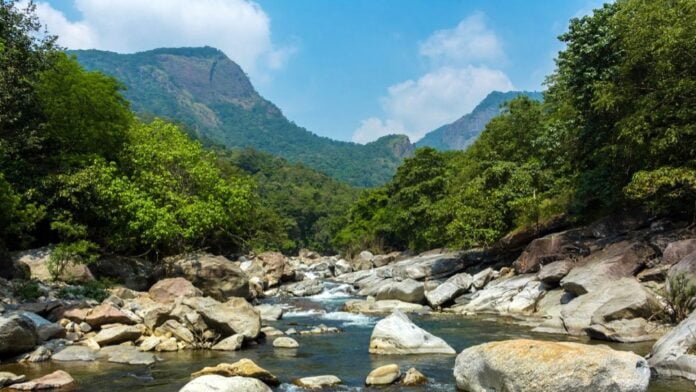
Image: Silent Valley National Park (Kerala Tourism)

Travelling alone as a woman can be deeply liberating, especially when the destination feels safe, welcoming and easy to explore on your own terms. In 2025, several hill stations across India stood out not just for their scenic beauty but also for the comfort and security they offer to solo women travellers. These destinations combine friendly locals, predictable transport, visible security and plenty of things to do making them ideal for women setting out on their own mountain adventures.

Shimla: Calm walks and street confidence

Shimla, the queen of Himachal Pradesh, remains a favourite for solo women because of its lively town centre and consistent flow of tourists. Mall Road and The Ridge stay bustling till late evening, making solo walks feel safe and sociable. Visible police patrols, plenty of public transport options and a variety of well-reviewed places to stay contribute to a secure experience for women travellers. 

Manali: Backpacker vibe and reliable support

Manali attracts a steady stream of travellers, including many solo visitors. Old Manali’s café culture creates natural community spaces where women can mingle or relax at their own pace. Guided tours, easy taxi availability and helpful local tourism operators make exploration straightforward and far less intimidating.

Munnar: Peaceful hills and respectful locals

Munnar’s lush tea gardens and relaxed pace lend themselves naturally to safe solo travel. With clean streets, low crime rates and a welcoming local population, this Kerala hill station makes it easy for women to enjoy plantation walks, scenic viewpoints and organised sightseeing without undue worry. 

Ooty: Orderly tourism and easy navigation

Ooty’s year-round tourism flow has resulted in well-regulated transport and solid infrastructure. The lake, botanical gardens and viewpoints are well connected, and taxis are easy to find. Public spaces are active throughout the day, and locals are accustomed to solo travellers blending in comfortably. 

Darjeeling: Tea trails and structured tours

Darjeeling combines iconic views with a tourism system that supports independent exploration. With organised access to sunrise spots, scenic toy train rides and established walking circuits, solo women can move around town with confidence and ease. 

Gangtok: Order, clean streets and solo comfort

Gangtok’s disciplined vibe sets it apart. Pedestrian-only stretches like MG Marg feel secure even after dusk, with clean, well-lit streets, predictable transport and a culture of hospitality that makes solo movement comfortable.

Nainital: Active lakefront culture

Nainital’s busy lakefront and compact town layout keep people moving throughout the day. Ropeway services and boat rides operate under supervision, and plenty of well-reviewed hotels near the main market make it easy for women to plan their routes without unnecessary risk. 

Mussoorie: Easy walks and visible safety

Mussoorie’s compact nature works to the advantage of solo travellers. Most viewing points and cafés lie close to main roads, meaning you don’t need to venture into isolated areas. Police presence and well-lit paths add to the reassurance. 

Coorg: Tranquil trails and local guides

Coorg’s unhurried atmosphere and coffee plantation trails make it ideal for women seeking safe solitude. Homestays are common and highly recommended, often with hosts who are happy to advise on guided walks and local transport. 

Mount Abu: A Secure Pocket in the Aravallis

Mount Abu is a unique hill station in Rajasthan where tourism infrastructure is clearly defined. Patrol teams cover popular viewpoints, and the town’s predictable taxi services and supportive local community make it feel accessible even after sunset.

Across these destinations, common elements visible security, regular crowd flow, dependable transport, active town centres and respectful local communities help solo women travel with confidence. Whether you’re chasing sunrise views, tea gardens or mountain lakes, these hill stations offer not just beauty, but peace of mind.

Government-Backed ‘Bharat Taxi’ App Launched: No Surge Pricing, Direct Challenge to Ola and Uber

0

In a move that could reshape India’s ride-hailing market, the government has launched a new app called Bharat Taxi, positioning it as a people-first alternative to private aggregators like Ola and Uber. Backed by government support and designed with affordability and transparency at its core, the app promises no surge pricing, fair fares for passengers and better earnings for drivers.

The launch of Bharat Taxi comes at a time when users across Indian cities have increasingly voiced frustration over fluctuating fares, peak-hour surge pricing and cancellations on existing cab platforms. By removing surge pricing altogether, the new app aims to restore predictability to daily travel, especially for office commuters, students and senior citizens.

What makes Bharat Taxi different

Unlike existing ride-hailing apps that rely on demand-based pricing algorithms, Bharat Taxi follows a fixed and regulated fare structure. This means passengers will not see sudden price spikes during rain, festivals, late nights or high-demand hours. The app has been designed to ensure that what users see as the fare is what they pay at the end of the ride.

For drivers, the platform promises a more equitable model. Reports suggest that commission charges on Bharat Taxi will be significantly lower than those charged by private aggregators, allowing drivers to take home a larger share of their earnings. This has been one of the strongest selling points of the app, particularly for drivers who have long complained about shrinking incomes due to high platform fees.

push for digital public mobility

Bharat Taxi is also being viewed as part of a broader push to create digital public infrastructure in the mobility sector. Much like UPI transformed digital payments by offering a low-cost, interoperable system, the new app aims to bring similar transparency and trust to ride-hailing. The focus is on affordability, accessibility and accountability rather than aggressive profit-driven expansion.

The app Is expected to initially roll out in select cities before expanding nationwide. Authorities have indicated that it will support multiple local languages and simple on boarding, making it accessible even for first-time app users and drivers from smaller towns.

Can Bharat Taxi take on Ola and Uber?

While Ola and Uber still dominate the market with their scale, brand recall and tech sophistication, Bharat Taxi enters the space at a time when consumer sentiment is shifting. Rising fares, unpredictable pricing and driver dissatisfaction have created room for alternatives that prioritise stability over speed.

Industry experts note that the real test for Bharat Taxi will lie in execution availability of cabs, app reliability and customer support. However, if implemented effectively, the platform could emerge as a strong public-interest competitor in India’s rapidly evolving mobility landscape.

new chapter in India’s cab economy

The launch of Bharat Taxi signals a growing appetite for regulated, citizen-centric digital services. Whether it becomes a mass alternative or a parallel option, the app has already sparked an important conversation about fairness, pricing and accountability in India’s urban transport ecosystem.

Forget Biryani and Momos: These Are Indian Most Googled Foods in 2025, From UK Classics to Regional Stars

0

If you thought biryani and momos would top every food search in India this year, think again. Google’s Year in Search 2025 data has revealed a fascinating picture of what Indians really searched for online when it came to food and the results mix cherished regional classics with quirky international surprises from places as far as the United Kingdom. The list reflects not just what people are eating, but what they want to learn to make at home, experiment with and celebrate from old festival favourites to new cultural curiosities.

Idli: South India’s soft crown jewel top searches

Topping the charts in 2025 was idli, the humble South Indian steamed rice cake known for its fluffy texture and healthy profile. Though thousands have eaten idlis all their lives, 2025 saw a surge in searches for its recipe, tips on softening the batter and variations like adding poha or cooked rice for extra cloud-like softness. For many young cooks, mastering the perfect idli became a culinary project and a source of pride.

Modak: Festive Delight Beyond Ganesh Chaturthi

Modak sweet, steamed dumplings filled with jaggery and coconut was another top searched food item. Traditionally tied to Ganesh Chaturthi, its popularity in 2025 showed Indians were eager to recreate authentic flavours at home even outside festival seasons. Searches ranged from traditional recipes to quicker, beginner-friendly methods, showing how nostalgia and practicality met in kitchens across the country.

Thekua: Bihar’s sweet tradition goes national

One of the standout regional entries was thekua, a deep-fried sweet from Bihar and eastern Uttar Pradesh. Often prepared during Chhath Puja, thekua’s rich taste, cultural roots and relatively simple ingredients made it a surprising favourite among home chefs and festival food lovers alike.

Yorkshire pudding: UK comfort food that caught Indian curiosity

Perhaps the most unexpected addition was Yorkshire pudding a British classic that gained traction among Indian food searchers. This simple baked batter, traditionally served with roast dinners, captured imaginations as curious cooks explored beyond familiar borders. It showed how global recipes can cross digital walls and inspire experimentation in kitchens here.

Thiruvathirai Kali: Tamil Nadu’s cultural sweet spot

Tamil Nadu’s Thiruvathirai Kali, a delicacy made with rice, jaggery and cardamom, also made the list. Its popularity highlighted how regional festival foods are not just rituals but culinary treasures many want to preserve and revive in modern cooking.

Beetroot Kanji: Tradition meets wellness trend

Another intriguing entry was beetroot kanji a bright pink fermented drink resonating with health-minded searchers. Its mix of probiotic benefits and traditional roots pushed it into the spotlight as a winter favourite for gut health.

Other Surprises: Ugadi Pachadi and Kolukattai

South Indian classics like Ugadi Pachadi a festival chutney that celebrates life’s six flavours and kolukattai, a Tamil version of modak, also featured prominently. These hits showed that even within India’s massive food culture, traditional recipes still have a magnetic pull in the digital age.

More than just cravings: What this list tells us

The 2025 food search trends reflect a fascinating shift: Indians are not just ordering favourite comfort foods like biryani and momos, which still win on delivery charts, but are actively searching for regional and global recipes they want to cook, share and reinvent. These searches show a growing curiosity about culinary roots, healthier options and world cuisines that blend tradition with exploration a tasty digital mirror of India’s evolving food culture.

Homebound Shortlisted for Oscars 2026: A Milestone Moment for Indian Cinema

0

Indian cinema has reason to celebrate as the drama film Homebound has been shortlisted for the Best International Feature Film category at the 98th Academy Awards (Oscars 2026). The film, directed by Neeraj Ghaywan and backed by Karan Johar’s Dharma Productions, is now among the top 15 films globally competing for a coveted Oscar nomination, a rare and prestigious achievement for Indian storytelling on the world stage.

story rooted in real lives and

Hardship

Homebound is a deeply human drama that explores friendship, ambition and inequality in contemporary India. Adapted from a real-life inspired story, it follows two childhood friends Shoaib and Chandan from a small North Indian town who dream of joining the police force. Faced with fierce competition, social barriers and harsh realities, their bond and aspirations are tested in ways that reflect the struggles of millions of young Indians today.

Critics have lauded the film for its grounded narrative and emotional clarity. When it premiered in the Un Certain Regard section of the 2025 Cannes Film Festival, it drew a lengthy standing ovation, and subsequent festival screenings, including at Toronto, helped the film find international audiences and critical acclaim long before its Oscar journey began.

cast that brings truth to the screen

The performances in Homebound have been widely praised. Ishaan Khatter, known for his sensitive and nuanced portrayals, stars as one of the leads, bringing depth and empathy to his character’s journey. Vishal Jethwa, whose performance has been called immensely endearing and unpredictable, plays his childhood friend, anchoring the film’s emotional core. Janhvi Kapoor also features in a pivotal role, adding further nuance to this intimate ensemble.

Recognition and reactions

Following the shortlist announcement, filmmaker Karan Johar expressed immense pride and emotion, saying he felt over the moon as the film’s journey from festivals to the Oscars spotlight felt surreal. Industry peers and fans alike have flooded social media with congratulatory messages, highlighting the film’s resonance and its potential to become a rare Indian nominee at the Academy Awards.

Where you cawatch it

For audiences who have yet to see the movie, Homebound is currently streaming on Netflix, having been made available on the platform after its theatrical run.Viewers around the world can stream the film in multiple languages with subtitles, making it accessible to international audiences as it vies for Oscar nominations.

What’s next on its Oscar journey

The shortlist is only the first major hurdle. Final nominations for the Best International Feature Film category will be announced on January 22, 2026, and the Academy Awards ceremony is scheduled for March 15, 2026. Homebound’s inclusion this far from a small-town story to global recognition speaks volumes about the evolving reach of Indian cinema and its power to touch universal themes with honesty and depth.