

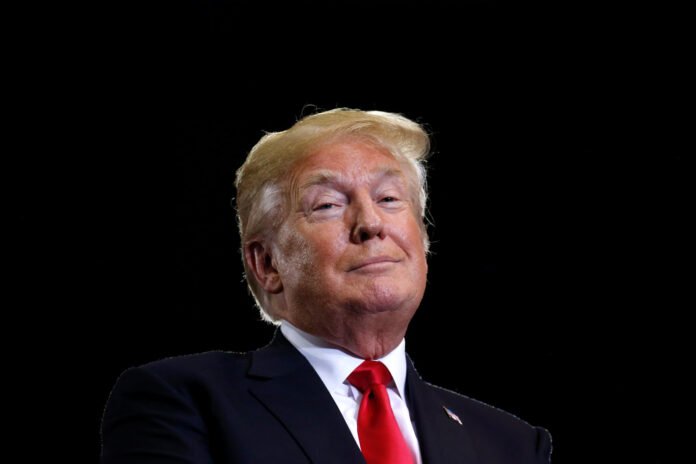
The “Madman Theory” is a controversial foreign policy strategy rooted in the idea that a leader can achieve strategic advantage by appearing irrational, unpredictable, or even dangerous. The goal is to make adversaries believe that the leader might take extreme or catastrophic actions, thereby pressuring them into concessions out of fear.
What is the Madman Theory?
The concept is most closely associated with former U.S. President Richard Nixon during the Cold War, particularly the Vietnam War. Nixon reportedly wanted enemies like North Vietnam and the Soviet Union to think he was volatile enough to escalate conflict dramatically—even to nuclear levels—if provoked. As described by his aides, the strategy relied on convincing opponents that he might “do anything” to win, thereby forcing them to negotiate.
At its core, the theory is not about actual irrationality but calculated unpredictability—a deliberate performance designed to create psychological pressure in diplomacy.
Why is it in the News?
The Madman Theory has returned to global headlines in 2026 amid escalating tensions between the United States and Iran. Recent reports suggest that former U.S. President Donald Trump’s rhetoric and actions during the Iran crisis—marked by extreme threats followed by sudden shifts toward negotiation—mirror this strategy.
During the conflict, Trump issued stark warnings, including threats of massive destruction, while simultaneously engaging in ceasefire talks and diplomacy. These abrupt swings between escalation and de-escalation have led analysts to interpret his approach as an attempt to project unpredictability and coercive strength.
Trump and the Madman Strategy
According to multiple analyses, Trump’s handling of the Iran crisis reflects key elements of the Madman Theory. He combined aggressive military posturing—such as preparing warships and issuing ultimatums—with sudden diplomatic overtures.
Supporters argue that such tactics can yield short-term gains by forcing adversaries to the negotiating table without prolonged conflict. Indeed, some reports suggest that intense pressure may have contributed to temporary concessions, such as easing tensions in strategic areas like the Strait of Hormuz.
However, critics highlight serious risks. The strategy depends heavily on credibility—if adversaries perceive the leader as bluffing or inconsistent, it can backfire. Analysts warn that repeated use of extreme threats may erode trust, destabilize global order, and even provoke unintended escalation.
An Analytical Perspective
The Madman Theory sits at the intersection of psychology and geopolitics. While it may offer tactical advantages in high-stakes negotiations, it also carries profound dangers. In today’s interconnected and nuclear-armed world, projecting unpredictability can create miscalculations with global consequences.
The renewed debate around Trump’s foreign policy underscores a larger question: Can strategic “madness” be a tool of statecraft, or does it ultimately undermine stability? As the Iran crisis continues to unfold, the answer remains deeply contested.