

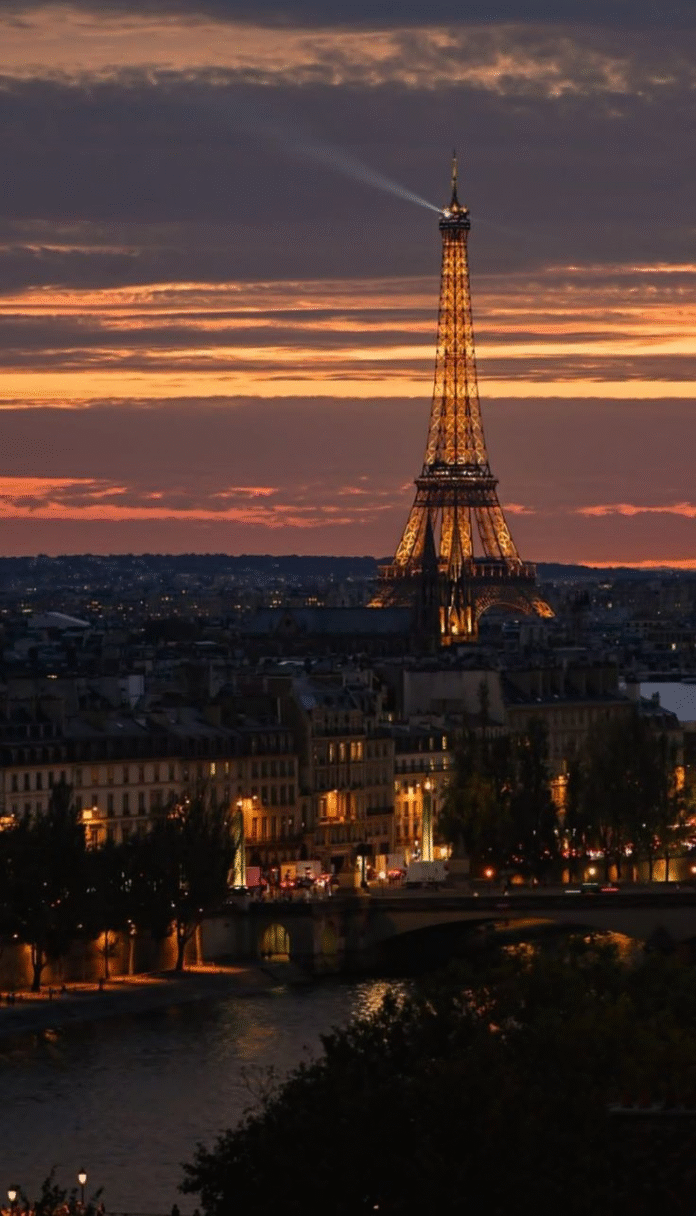
France is in turmoil. Massive protests over government budget cuts, opposition to retirement age hikes, and demands for better public services have triggered one of the country’s largest waves of nationwide strikes in recent years. The unrest has now forced the closure of the Eiffel Tower, the world’s most visited landmark.
Unions are mounting immense pressure on newly appointed Prime Minister Sébastien Lecornu to roll back austerity measures. As tense budget negotiations continue in Paris, frustration among workers, retirees, and students has spilled onto the streets.
On Tuesday, demonstrators rallied across more than 200 towns and cities, with Paris at the epicenter. From Place d’Italie, large crowds marched through the capital, carrying banners and chanting slogans against the government’s policies. Heightened security measures disrupted daily life and forced several major tourist attractions, including the Eiffel Tower, to shut down.
The strikes are not isolated incidents but part of a broader protest movement that began last month, fueled by political uncertainty and fierce debates over the national budget. Protesters argue that the burden should fall on the wealthy through higher taxation, not on ordinary citizens who rely on public services.
For many French citizens, the silent Iron Lady has become a symbol of the crisis. The closure of the Eiffel Tower is no longer just about tourism—it reflects how deeply the unrest has shaken the “City of Love.”
The Iron Lady may be temporarily closed, but the larger question remains: how long can the French government withstand the rising pressure from the streets?