

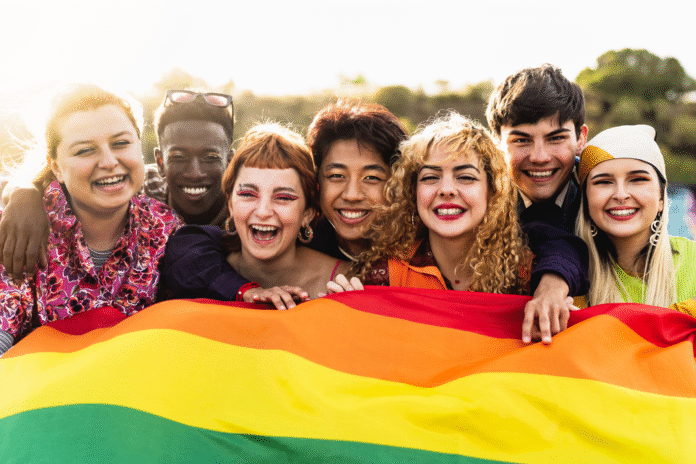
A Day of Pride and Solidarity
Every year on June 28, the world comes together to celebrate International LGBT* Pride Day, a powerful reminder of the resilience, courage, and ongoing struggle of the LGBTQ+ community. This day marks the anniversary of the Stonewall Riots of 1969, a pivotal moment that ignited the modern global movement for LGBTQ+ rights. It’s a time to honor the community’s journey, celebrate their achievements, and advocate for greater acceptance, equality, and recognition in society.
A Turning Point for LGBTQ+ Rights
On June 28, 1969, a routine police raid on the Stonewall Inn, a gay bar in New York City, sparked spontaneous protests and resistance from the patrons and supporters. These events, known as the Stonewall Riots, became a defining moment in the fight for LGBTQ+ rights. The riots symbolized the community’s refusal to tolerate systemic oppression and discrimination, laying the foundation for the global LGBTQ+ rights movement. A year later, on June 28, 1970, the first Pride Parade was held in New York City, marking the birth of Pride as a global celebration of identity and resistance.
Global Progress in LGBTQ+ Rights
Since the Stonewall Riots, the fight for equality has made significant strides worldwide. Many countries have enacted laws to protect the rights of the LGBTQ+ community, including legalizing same-sex marriage, granting adoption rights, and implementing anti-discrimination policies. The United Nations’ Free & Equal Campaign plays a crucial role in promoting LGBTQ+ rights globally, advocating for decriminalization, equal treatment, and social acceptance. Despite these advancements, challenges such as societal stigma, legal barriers, and violence against the community persist, making Pride celebrations a vital platform for advocacy and visibility.
LGBTQ+ Rights in India
In India, the LGBTQ+ community has witnessed significant legal and social progress in recent years. Key milestones include:
Transgender Persons (Protection of Rights) Act, 2019: This landmark legislation grants legal recognition to transgender individuals and provides protections against discrimination, ensuring their right to dignity and equality.
NALSA vs. Union of India (2014): The Supreme Court of India recognized transgender individuals as a third gender, mandating reservations and welfare schemes to uplift the community.
Madras High Court Ruling (2021): The court directed the inclusion of LGBTQ+ topics in educational curricula and emphasized sensitivity training for police personnel to foster inclusivity and reduce discrimination. These legal victories, combined with growing societal awareness, have strengthened the fight for equality in India. Organizations like the Naz Foundation, Humsafar Trust, and Queerala continue to champion social change through advocacy, community support, and awareness campaigns.
Pride Parades in India: A Celebration of Identity
Pride Parades have become a vibrant tradition in India, with cities like Delhi, Mumbai, Chennai, Kolkata, and Bengaluru hosting annual marches that celebrate diversity and demand equality. These events bring together thousands of individuals from the LGBTQ+ community and their allies, creating spaces for self-expression, solidarity, and activism. The colorful parades, adorned with rainbow flags, music, and messages of love, serve as a powerful reminder of the community’s resilience and the ongoing need for acceptance.
Challenges and the Path Forward
While progress has been made, the LGBTQ+ community continues to face challenges, including social stigma, workplace discrimination, and lack of comprehensive legal protections in many regions. Education, awareness, and policy reforms remain critical to fostering a more inclusive society. By amplifying marginalized voices, challenging stereotypes, and promoting dialogue, we can build a world where everyone is free to live authentically.
Pride as a Call to Action
International LGBT* Pride Day is more than a celebration—it’s a call to action. It reminds us to honor the legacy of the Stonewall Riots, recognize the achievements of the LGBTQ+ community, and continue the fight for equality and justice. As we wave the rainbow flag, let us commit to creating a world where love, identity, and dignity are universally respected. Through collective efforts, advocacy, and allyship, we can ensure that Pride remains a beacon of hope and progress for generations to come.