

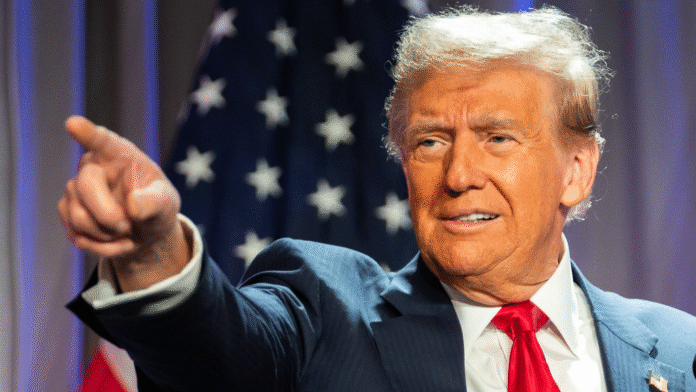
President Donald Trump signed an executive order on December 18, 2025 that initiates one of the most significant shifts in U.S. federal marijuana policy in decades. The move directs federal agencies to begin the process of reclassifying marijuana from a Schedule I controlled substance to a Schedule III substance under the Controlled Substances Act. While the change does not legalize marijuana nationwide or decriminalize possession, it formally acknowledges its potential medical use, eases some regulatory burdens and could unlock opportunities for research, investment and expanded medical access.
How schedule I classification shaped marijuana policy for half a century
For more than 50 years, marijuana has been classified as a Schedule I drug, the most restrictive federal category alongside substances like heroin, LSD and ecstasy. Under this label, cannabis was officially considered to have high potential for abuse, no accepted medical use and a lack of accepted safety even under medical supervision. This designation created substantial barriers to scientific study, limited access to federally recognised medical treatment, and supported strict federal enforcement against cannabis activities.
Why moving to schedule III matters for research and medical use
Schedule III drugs include substances with accepted medical uses and lower potential for dependence or abuse, such as ketamine, anabolic steroids and prescription painkillers that include codeine. By directing the Attorney General and federal agencies to complete the rulemaking process to place marijuana in this category, the executive order aims to reduce bureaucratic hurdles that have long stifled clinical research into cannabis and cannabinoids. Researchers and medical professionals expect this change to allow more comprehensive studies into how marijuana and CBD could help treat conditions like chronic pain, nausea, neurological disorders and other health issues.
How eased restrictions could reshape the cannabis industry
Although not a full legalisation, the rescheduling has practical implications for the cannabis industry. Under Schedule I, cannabis businesses face punitive federal tax rules, known as IRS Code 280E, that prevent them from deducting normal business expenses like rent, payroll and utilities. Schedule III status promises tax relief by allowing these deductions, potentially saving companies hundreds of millions of dollars annually and attracting new investment. It could also improve access to banking services and lower operating costs, helping a regulated sector that spans roughly 40 state markets.
Why the executive order stops short of full legalisation
Despite these shifts, marijuana remains illegal at the federal level for recreational use and outside approved medical contexts. The executive order does not change federal criminal penalties or automatically make cannabis lawful under federal law. Instead, it signals intent and triggers an administrative process involving the Drug Enforcement Administration (DEA) and Justice Department rulemaking before Schedule III status is formally implemented. State laws will continue to govern cannabis use, meaning places that have legalised recreational or medical marijuana locally will operate as they already do, while other states may maintain stricter rules.
Expanded access to CBD and pilot programmes for seniors
Trump’s order also directs federal health agencies to explore broader access to hemp-derived cannabidiol (CBD) products. A pilot programme is planned that could allow Medicare beneficiaries to receive certain CBD treatments upon physician recommendation, starting as early as spring 2026. This reflects a wider effort to recognise therapeutic applications of cannabinoid products, although the federal government continues to emphasise that CBD use must be medically supervised and regulated for safety.
What supporters and critics say about the policy shift
Proponents, including some medical professionals and cannabis industry leaders, applaud the move as overdue recognition of cannabis’ medical potential and a long-needed update to outdated federal drug policy. They say it will spur research, improve patient treatment options and relieve economic pressure on legal cannabis businesses. Critics, however, caution that rescheduling alone does not address broader issues such as criminal justice reform, social equity, immigration consequences related to cannabis convictions, or conflicting enforcement between federal and state law. Some conservative lawmakers argue the decision weakens public safety messaging and fails to reflect concerns about abuse potential.
How this change reflects a broader shift in U.S. drug policy
The reclassification effort builds on federal discussions that began under the previous administration but stalled before completion. The current executive order underscores a growing national acknowledgement that cannabis has recognised medical value and that decades-old policies may no longer align with scientific evidence or public opinion, which shows substantial support for medical and even recreational reform. While full legalisation at the federal level remains a separate and more complex legislative challenge, this development marks a significant policy turning point with wide-ranging implications for research, business and health care.