

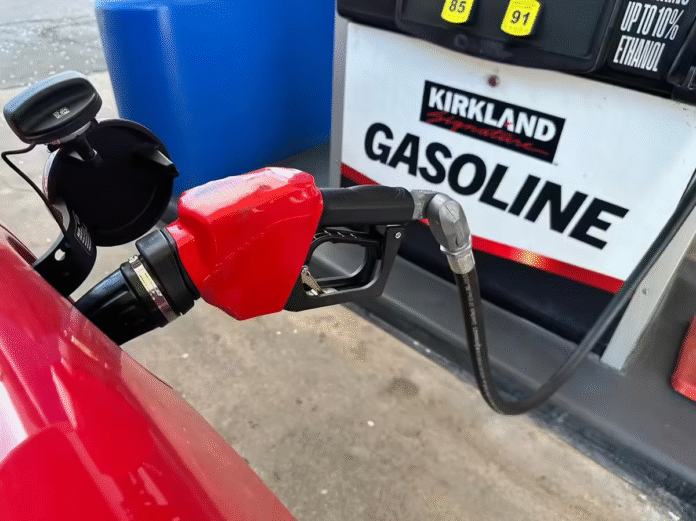
The Russian government has announced a ban on gasoline exports starting April 1, 2026, aiming to secure domestic fuel supplies and curb rising prices. The move comes amid heightened volatility in global oil markets, largely driven by ongoing geopolitical tensions in West Asia. It underscores Moscow’s focus on protecting internal energy stability while navigating fluctuations in global demand and supply.
Reason Behind the Export Ban
The decision follows a high-level review chaired by Deputy Prime Minister Alexander Novak. Russian authorities pointed to instability in global oil markets—triggered by conflicts in West Asia—as a key factor behind sharp price fluctuations.
Despite strong international demand for Russian fuel, the government has chosen to restrict gasoline exports to ensure adequate domestic availability and prevent inflationary pressure on fuel prices.
Focus on Domestic Market Stability
The policy aligns with President Vladimir Putin’s directive to keep domestic fuel prices within projected limits.
According to the Ministry of Energy, refinery output remains stable and is comparable to March 2025 levels. Oil companies have also confirmed sufficient reserves of gasoline and diesel, along with high refinery utilisation rates. These factors are expected to ensure uninterrupted fuel supply across the country.
Implementation and Policy Direction
Following the review, authorities have been instructed to formalise the export ban through an official government resolution. The restriction prioritises domestic consumption over exports, marking a strategic response to current global uncertainties.
The move is also seen as a preventive measure to avoid shortages and sudden price spikes in Russia’s internal market.
Important Facts
- Russia is among the world’s largest producers and exporters of crude oil and petroleum products.
- Export restrictions are often used to stabilise domestic prices and ensure supply security.
- Global oil prices are highly sensitive to geopolitical conflicts, especially in West Asia.
- Refinery capacity utilisation reflects the operational efficiency of petroleum refineries.
Global Context and Impact on India
The development comes as several countries grapple with supply disruptions due to tensions in West Asia.
India, however, has stated that it currently holds sufficient reserves of crude oil and petroleum products, with supplies secured for the coming months. Domestic refineries are operating at full capacity, while increased LPG production is helping cushion the impact of rising global energy prices.