

(PC: India today)
The inaugural World Humanoid Robot Games concluded yesterday after three electrifying days of competition, innovation, and spectacle at Beijing’s iconic Olympic venues — the Bird’s Nest and the Ice Ribbon. More than 500 humanoid robots from 280 teams across 16 countries battled it out in a futuristic celebration of athleticism, artistry, and artificial intelligence.
A New Kind of Athlete
The Games featured 19 events across three categories:
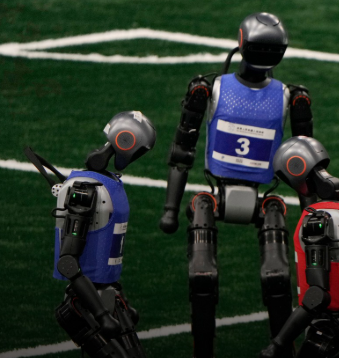
- Athletic Competitions: Robots sprinted, jumped, and even played soccer in 2×2, 3×3, and 5×5 formats. The Unitree H1 series stole the spotlight by clinching the 1500m track final in just 7 minutes and 10 seconds.
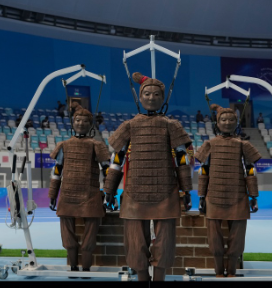
- Performance Showcases: Robots danced in coordinated routines, played musical instruments, and performed martial arts, dazzling audiences with their agility and expressive motion control.
- Scenario-Based Challenges: Robots tackled real-world tasks like sorting medicine in hospital simulations, handling materials in industrial setups, and performing cleaning and hospitality services in hotel environments.
Global Stage, Local Impact
The event drew massive international attention, with over 97 overseas media outlets and hundreds of reporters covering the spectacle. Participating teams ranged from elite universities like Tsinghua and Peking University to tech startups and middle school robotics clubs. China’s government backed the event with over $20 billion in subsidies and announced plans for a ¥1 trillion ($137 billion) fund to support AI and robotics startups — signaling its ambition to lead the global robotics race.
More Than Just Competition
The Games weren’t just about winning medals. They were a showcase of embodied AI — robots interacting with the world in dynamic, human-like ways. From robot-run cafés to impromptu street performances at the Panda Eye venue, the event brought cutting-edge tech to the public in playful, accessible formats.
A Milestone for Humanoid Robotics
As the curtain falls on this historic event, one thing is clear: the World Humanoid Robot Games have redefined what it means to compete, collaborate, and create in the age of intelligent machines. Organizers hailed it as a “milestone in human–robot interaction,” and spectators left with a glimpse of a future where robots aren’t just tools — they’re teammates, performers, and even entertainers.